
Shop Bulk Materials & Gravel in Princeton, Maine
Local Topsoil, Dirt, Sand, Rocks and Gravel near me in Princeton, Maine
Shop Aggregates for Delivery in Princeton
Order online for free delivery to any Princeton address.
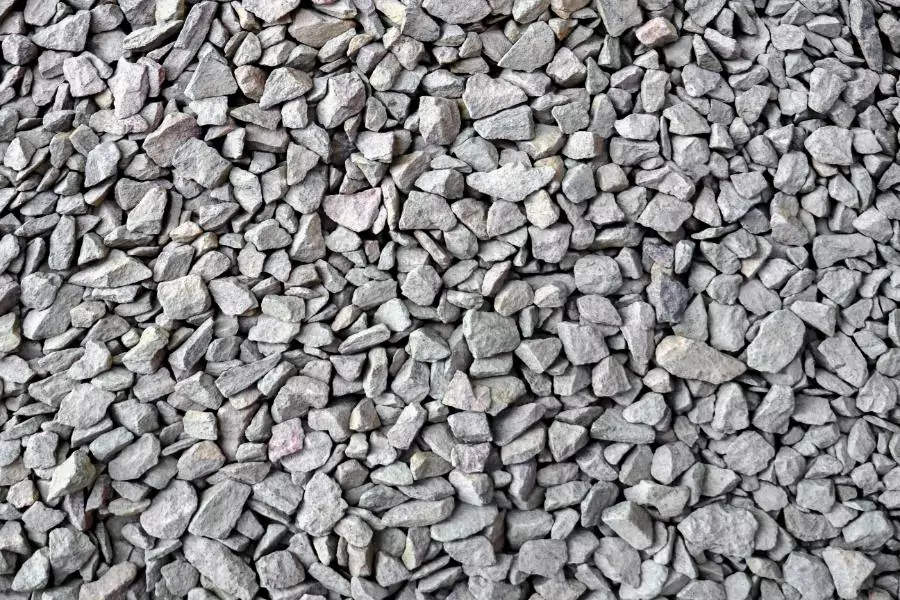
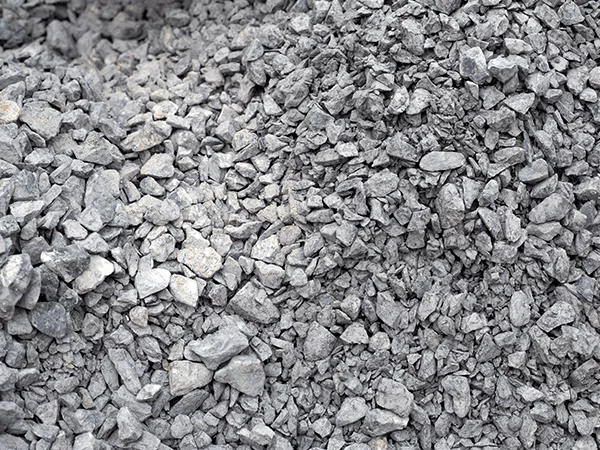


Gravel Monkey delivers premium aggregates and landscaping materials throughout Princeton, Maine and the greater Washington County region. Whether you're building a seasonal camp road near Leweys Lake, upgrading a driveway in the Route 1 corridor, or landscaping a property near Big Lake, we provide high-quality materials delivered directly to your site with free delivery. Our comprehensive selection of aggregates serves residential properties, commercial projects, and recreational developments across Princeton and surrounding communities including Grand Lake Stream, Topsfield, Baileyville, and beyond.
Complete Aggregate & Material Selection for Princeton Projects
Princeton's unique location in eastern Maine presents specific challenges for construction and landscaping. With sandy loam soils, significant seasonal temperature swings, and annual frost heave cycles, selecting the right aggregates is essential for long-lasting results. Gravel Monkey supplies materials engineered to perform in Washington County's demanding climate.
Premium Crushed Stone and Base Materials
Our crushed stone products form the foundation of durable driveways, roads, and construction projects throughout Princeton. The area's freeze-thaw cycles require aggregates that maintain structural integrity through repeated expansion and contraction. We offer 3/4 inch crushed stone for excellent compaction and drainage, making it ideal for driveways from downtown Princeton to the lakeside communities. For projects requiring specific gradations, our #57 stone provides uniform sizing perfect for drainage systems and French drains common in Princeton's water-table areas.
Properties along Route 1 and rural camp roads benefit from crusher run, a compactable blend of stone and fines that creates a solid, weather-resistant surface. This material excels in Princeton's climate because it locks together when compacted, resisting washout from spring snowmelt and heavy rainfall. Similarly, road base provides exceptional stability for longer driveways and private roads serving multiple properties near Pocomoonshine Lake and throughout the Grand Lake Stream area.
Specialized Drainage and Foundation Aggregates
Managing water is critical in Princeton, where seasonal water table fluctuations and spring runoff can impact foundations and driveways. Our drain rock features larger stone sizes that promote rapid water movement away from structures. This aggregate is essential for foundation drainage systems, preventing basement moisture issues common in Princeton's older homes and camp buildings. The material's void spaces allow water to flow freely while maintaining structural support.
For comprehensive driveway solutions, driveway gravel combines optimal stone sizing with angular particles that interlock for superior compaction. This becomes particularly important along Princeton's rural roads where driveways often extend hundreds of feet through wooded areas. The material stands up to snow plow blade contact and heavy vehicle traffic typical of properties used for logging, hunting, and seasonal recreation.
Decorative Stone and Landscaping Aggregates
Princeton homeowners increasingly incorporate natural stone into landscape designs that complement the area's rugged beauty. River rock adds organic texture to gardens and water features, while its rounded profile prevents soil compaction around plant roots. The material's natural appearance harmonizes with Princeton's forested setting and lakeside aesthetics.
For pathways and decorative borders, pea gravel offers smooth, comfortable surfaces that drain rapidly during Maine's rainy seasons. This aggregate works particularly well around camp buildings and cottages where foot traffic is moderate and a natural look is desired. Our walkway gravel provides similar benefits with slightly varied sizing options to match specific design preferences common in Princeton's residential developments.
- Crushed Stone - Angular aggregates in multiple sizes for superior compaction
- Crusher Run & Road Base - Blended materials for stable, long-lasting surfaces
- Drain Rock - Large-void stone for foundation and French drain systems
- Driveway Materials - Purpose-engineered aggregates for vehicle surfaces
- River Rock & Pea Gravel - Decorative stones for landscaping and pathways
- Recycled Concrete - Environmentally responsible aggregate alternatives
- Specialty Sands - Mason, playground, and washed sand for diverse applications
Soil Products for Princeton Gardens and Grading
Princeton's native sandy loam soils drain effectively but often lack the organic matter and nutrients necessary for productive gardens and lawns. Understanding the region's glacially-deposited soils helps property owners select appropriate amendments. Our topsoil enriches existing soil with organic content, improving moisture retention and providing essential nutrients for vegetables, flowers, and turf grass common in Princeton gardens.
For site grading, foundation backfill, and land leveling projects throughout the Route 1 corridor and lakeside areas, fill dirt provides economical bulk material. This compactable soil works well for raising grades near structures, filling depressions, and establishing proper drainage slopes. Properties in low-lying areas near Big Lake and Leweys Lake particularly benefit from strategic fill placement that directs water away from buildings while maintaining natural drainage patterns.
Sand Materials for Construction and Recreation
Princeton projects often require specialized sand products for specific applications. Our mason sand features fine, consistent particles ideal for masonry work, paver base installation, and concrete mixing. The material's purity ensures proper mortar and concrete performance in Princeton's temperature extremes. For families with play areas, playground sand meets safety standards while providing cushioning for swings, slides, and climbing structures at camps and residential properties.
General purpose washed sand serves multiple construction needs from leveling paver stones to improving soil drainage. The washing process removes clay and organic matter, creating clean sand suitable for projects where purity matters. This material proves particularly valuable for septic system installations common in Princeton's rural areas where municipal sewer service is unavailable.
Eco-Friendly Aggregate Options for Princeton Properties
Environmental stewardship matters to Princeton residents who value the area's natural resources and outdoor recreation opportunities. Crushed concrete provides an environmentally responsible alternative to virgin stone aggregates. This recycled material performs excellently as road base, driveway foundation, and general fill while diverting concrete waste from landfills. The material compacts firmly, resists erosion, and costs less than quarried stone—benefits that appeal to budget-conscious property owners throughout Washington County.
For natural pathway surfaces and landscaping applications, decomposed granite offers unique aesthetic and functional properties. This finely crushed natural stone compacts into a firm yet permeable surface that complements Princeton's wooded settings. The material's earth tones blend seamlessly with native vegetation while providing stable footing for walkways through gardens and wooded areas. Decomposed granite drains rapidly, reducing mud and standing water issues common during Maine's wet springs.
Aggregate Comparison Guide for Princeton Climate
Selecting appropriate materials for Princeton's specific conditions ensures project longevity and performance. The following comparison highlights how different aggregates respond to local climate challenges including freeze-thaw cycles, heavy snow loads, and seasonal water table variations.
| Material Type | Best Applications | Drainage Rating | Freeze-Thaw Performance | Compaction Level |
|---|---|---|---|---|
| Crusher Run | Driveways, Base Layer, Rural Roads | Good | Excellent | Superior |
| 3/4" Crushed Stone | Driveway Surface, Foundation Drainage | Excellent | Excellent | Very Good |
| Road Base | Private Roads, Long Driveways | Good | Excellent | Superior |
| Drain Rock | Foundation Drains, French Drains | Outstanding | Excellent | Moderate |
| #57 Stone | Drainage Systems, Septic Fields | Outstanding | Excellent | Moderate |
| Pea Gravel | Walkways, Landscaping, Decorative | Excellent | Very Good | Minimal |
| Crushed Concrete | Base Layer, Roads, Fill | Good | Very Good | Good |
| River Rock | Landscaping, Water Features | Very Good | Excellent | None |
Aggregate Solutions for Princeton Area Projects
Seasonal Camp and Cottage Development
Princeton's lakeside communities around Big Lake, Leweys Lake, and Pocomoonshine Lake feature numerous seasonal camps and year-round cottages. These properties require durable driveways that withstand infrequent use and heavy snow loads. Proper aggregate selection prevents the rutting and washout that occurs when spring melt combines with sandy soils. A typical camp driveway benefits from a crusher run base layer providing structural stability, topped with crushed stone for traction and drainage.
Camp roads serving multiple properties demand even more robust construction. Road base creates the foundation, while a properly crowned surface directs water to ditches rather than allowing it to penetrate and undermine the road structure. Properties along the Grand Lake Stream corridor particularly benefit from professional aggregate installation that considers seasonal access patterns and logging truck traffic during timber harvest operations.
Residential Property Improvements
Homeowners throughout Princeton's residential areas near Route 1 and along side roads tackle various aggregate projects. Driveway replacement or expansion ranks among the most common, with proper material selection determining long-term success. The region's frost heave challenges require adequate depth—typically 12 to 18 inches of aggregate—to prevent winter damage. Properties on Main Street and connecting neighborhoods benefit from crusher run foundations that resist repeated freeze-thaw cycles.
Landscaping projects increasingly incorporate decorative aggregates that reduce maintenance while enhancing curb appeal. River rock beds around homes eliminate lawn mowing in tight spaces while providing drainage away from foundations. Pea gravel pathways connect yards to gardens and storage buildings without the expense and formality of concrete walkways. These materials suit Princeton's informal aesthetic while standing up to northern climate conditions.
Commercial and Municipal Applications
Princeton's commercial properties and municipal facilities require aggregates that handle heavy traffic and maintain professional appearances. Parking areas for downtown businesses need materials that resist rutting under vehicle weights while draining rapidly during rain and snowmelt. Crushed stone over properly prepared road base creates parking surfaces that last for years with minimal maintenance.
Municipal projects including road improvements, drainage system installation, and park development consume significant aggregate quantities. Drain rock maintains water flow through culverts and roadside ditches, preventing washouts that close rural roads during spring flooding. Fill dirt and topsoil support landscaping at public facilities, while sand products serve winter traction efforts on Princeton's municipal roads and school properties.
Working with Princeton's Climate and Geology
Princeton experiences a humid continental climate with significant seasonal variation. Summer temperatures average 65-75°F while winter lows commonly reach -10°F to -20°F, with occasional extreme cold snaps below -30°F. Annual precipitation totals approximately 45 inches, distributed fairly evenly throughout the year with slight increases during summer thunderstorm season and fall rain events. Snowfall averages 80-100 inches annually, with persistent snow cover from December through March.
These conditions create specific challenges for construction materials. The repeated freeze-thaw cycles from late fall through early spring cause frost heave—the upward movement of soil as water freezes and expands. Aggregates must allow moisture to drain below the frost line (48 inches in Washington County) while maintaining structural stability. Materials that retain water, like clay-rich soils, exacerbate heaving and should be replaced with free-draining aggregates during construction.
Understanding Local Soil Conditions
Princeton sits within a region of glacially-deposited soils characterized by sandy loams with varying amounts of gravel content. These Marlow-Tunbridge-Lyman soil associations drain moderately well but often include shallow bedrock areas and seasonal perched water tables. The sandy nature means water moves through soil relatively quickly, but it also indicates lower natural fertility and reduced load-bearing capacity compared to clay-rich soils.
For construction, this geology requires proper aggregate foundations that distribute loads over larger areas. A seasonal camp or home cannot simply rest on native sandy soils—proper base preparation with compacted aggregates ensures structures remain level and stable. Similarly, driveways need substantial aggregate depth to bridge soft spots and prevent settlement. Properties in low areas near watercourses or wetlands face additional challenges from high water tables requiring specialized drainage aggregates and possibly geotextile fabric installation.
Drainage Considerations for Washington County
Spring represents Princeton's most challenging season for drainage management. Snowmelt from 80-100 inches of annual accumulation combines with April rain to saturate soils and overwhelm undersized drainage systems. Properly designed aggregate installations include drainage layers that intercept water and direct it away from structures and traffic surfaces. This becomes particularly important along the Route 1 corridor where roadside ditches must convey large water volumes.
Lakeside properties face unique drainage requirements. Building sites near Big Lake, Leweys Lake, and smaller water bodies must consider seasonal lake level fluctuations and nearby wetland areas. Drain rock installations around foundations prevent water infiltration while allowing structures to shed water naturally. French drains using #57 stone collect and redirect surface water before it reaches crawl spaces or basements—a common need in Princeton's older housing stock.
Serving Princeton Communities and Beyond
Our aggregate delivery service covers all Princeton neighborhoods and extends throughout Washington County. From downtown Princeton along Route 1 to remote lakeside camps accessible only by seasonal roads, we deliver materials where you need them. Understanding local geography helps us provide accurate delivery estimates and material recommendations.
Princeton Downtown and Route 1 Corridor
The Route 1 corridor through Princeton forms the commercial and residential core of the community. Properties here benefit from shorter driveways but still require proper aggregate foundations to handle Maine winters. Downtown businesses use aggregates for parking area maintenance, while residential properties along Main Street and connecting roads incorporate decorative stone into landscape designs. The area's relatively developed infrastructure means easier material delivery compared to remote locations.
Lakeside Communities
Princeton's identity centers on its lakes—Big Lake, Leweys Lake, Pocomoonshine Lake, and numerous smaller ponds. These waterbodies support extensive seasonal camp development and increasingly, year-round residences. Properties here often require long driveways through wooded terrain, making proper aggregate selection critical. The combination of sandy soils, seasonal access patterns, and significant snowfall demands materials that resist erosion while providing reliable winter traction.
Grand Lake Stream, while technically a separate plantation, forms part of the greater Princeton service area. This world-renowned fishing destination sees significant summer traffic that stresses camp roads and driveways. Fall hunting season brings additional heavy vehicle use. Aggregates serving these properties must withstand concentrated seasonal loading while enduring months of minimal use.
Rural and Woodland Areas
Much of Princeton consists of forested land with scattered residential properties and timber management operations. These rural locations often face the greatest material delivery challenges due to distance and seasonal road conditions. However, they also present opportunities for aggregate use in private road construction, timber access routes, and property improvement projects. Understanding that many rural Princeton roads remain unpaved year-round informs our recommendations for materials that perform reliably in rugged conditions.
Aggregate Delivery Throughout Washington County
While Princeton serves as our delivery hub for central Washington County, we supply aggregates throughout the region. Nearby communities benefit from the same quality materials and free delivery service.
Baileyville and Woodland to the south utilize aggregates for paper mill operations, residential properties, and municipal projects. These larger communities require significant material volumes for ongoing infrastructure maintenance and commercial development.
Topsfield to the north presents similar geological and climate conditions to Princeton, with extensive forestland and scattered residential development. Properties here value reliable aggregate delivery that minimizes trips to distant suppliers.
Calais, as Washington County's largest community, consumes substantial aggregate quantities for commercial, residential, and municipal applications. While farther from Princeton, we include this border city in our delivery area to serve customers throughout eastern Maine.
Indian Township and Pleasant Point reservations maintain their own infrastructure with aggregate needs ranging from road maintenance to residential projects. We work with tribal organizations to supply materials supporting community development.
The Downeast Lakes region including areas around West Grand Lake and smaller remote lakes depends on aggregate delivery for seasonal camp maintenance and development. These locations value suppliers who understand rural delivery logistics and seasonal access limitations.
Best Practices for Princeton Aggregate Installation
Proper installation determines whether aggregates perform as intended or fail prematurely. Princeton's climate and soils reward careful preparation and appropriate material selection. While specific projects vary, several principles apply broadly across applications.
Site Preparation Requirements
Remove organic material including sod, roots, and topsoil before placing structural aggregates. Organic matter decomposes over time, creating voids that allow settling and surface deformation. For driveways, excavate to stable subsoil—typically 12 to 18 inches below finished grade. In areas with soft spots or high water tables, excavation may need to extend deeper or include geotextile fabric to prevent aggregate mixing with underlying soil.
Establish proper grades that direct water away from structures and prevent ponding on traffic surfaces. A crowned driveway sheds water to both sides, while properly sloped paths and parking areas direct runoff to vegetated areas or drainage systems. Even small grade errors can cause water accumulation that undermines aggregates and creates muddy conditions during spring thaw.
Layer Construction and Compaction
Build aggregate installations in layers—typically 4 to 6 inches of loose material per lift. Compact each layer before adding the next to ensure density and stability. For crusher run and road base, proper compaction creates the interlocking structure that resists deformation under loads. Use vibratory plate compactors for residential projects or larger rollers for extensive driveways and roads.
Moisture content affects compaction significantly. Materials that are too dry will not compact properly, while overly wet aggregates become unstable. Princeton's climate provides natural moisture during much of the construction season, but prolonged dry periods may require water application before compaction. Conversely, avoid placing aggregates during heavy rain or over saturated subgrades.
Surface Material Selection
The final surface layer determines traction, appearance, and maintenance requirements. For driveways, 3/4 inch crushed stone over a crusher run base provides excellent traction and drainage. The angular particles resist displacement under vehicle wheels while allowing water to drain through to the base layer. Periodic raking and occasional stone addition maintain optimal surface conditions.
Decorative applications use pea gravel, river rock, or decomposed granite depending on desired appearance and foot traffic levels. These materials require edge restraints—typically pressure-treated timbers, steel edging, or stone borders—to prevent spreading into adjacent lawn or garden areas. A landscape fabric barrier under decorative stone prevents weed growth while allowing drainage.
Frequently Asked Questions About Aggregates in Princeton
We deliver a complete range of aggregates including driveway gravel, crushed stone in multiple sizes, crusher run, road base, drain rock, pea gravel, river rock, recycled concrete, topsoil, fill dirt, and various sand types throughout Princeton and surrounding Washington County areas. Our selection covers everything from structural base materials to decorative landscaping stone.
Yes! Gravel Monkey offers FREE delivery to Princeton and the surrounding Maine area for all gravel and aggregate orders. We serve the entire Route 1 corridor, lakeside communities around Big Lake and Leweys Lake, and extend service to Baileyville, Calais, Topsfield, Grand Lake Stream, and other Washington County locations.
For Princeton winters with frost heave and heavy snow loads, we recommend crusher run or road base as a foundation layer with 3/4 inch crushed stone on top. This combination provides excellent drainage and stands up to freeze-thaw cycles common in Washington County. The base layer creates structural stability while the surface stone offers traction and rapid water drainage.
Calculate length times width times depth in feet, then divide by 27 to get cubic yards. Most suppliers also use tons as a measure. For driveways, use 4 to 6 inches depth. For example, a 12 foot by 50 foot driveway at 4 inches deep needs about 7.5 tons of aggregate. Our team can help estimate amounts for your specific Princeton project based on your intended use and site conditions.
Absolutely! We deliver to all Princeton area lakefront properties including Leweys Lake, Big Lake, and Pocomoonshine Lake. Our free delivery service covers seasonal camps and year-round residences throughout the Grand Lake Stream region. We understand the access challenges of camp roads and work with customers to ensure successful delivery even to remote locations.
Princeton's sandy loam soils drain well but need proper base materials for structural applications. Crusher run and road base compact firmly over sandy soil, creating stable foundations for driveways and buildings. Drain rock helps manage water flow in areas with seasonal high water tables. For gardens, mixing topsoil with existing sandy loam improves nutrient retention and moisture-holding capacity for productive vegetable and flower gardens.
Yes, we deliver throughout Washington County including Baileyville, Calais, Topsfield, Grand Lake Stream, Indian Township, Pleasant Point, and other communities near Princeton. Our service area extends across eastern Maine to ensure customers throughout the region have access to quality aggregates with free delivery. Contact us for delivery details to your specific location.
Late spring through fall offers ideal conditions for aggregate installation in Princeton. Avoid periods when ground is frozen or saturated from snowmelt. May through October typically provides stable subgrades and weather suitable for excavation and compaction. However, emergency repairs can be completed year-round, and some property owners prefer fall installation to allow winter freeze-thaw cycles to help settle and stabilize materials before spring.
Professional Aggregate Delivery Serving Princeton and Washington County
Princeton property owners trust Gravel Monkey for reliable aggregate delivery backed by product knowledge and customer service. Whether you're maintaining a camp road near Big Lake, building a new driveway along Route 1, or landscaping a residential property, we supply the right materials for lasting results in Maine's demanding climate. Our free delivery service eliminates the hassle and expense of picking up materials yourself, while our experience with Princeton's soils and conditions ensures you receive appropriate product recommendations.
From the smallest decorative stone order to large-scale road construction projects, we handle aggregate supply with professionalism and efficiency. Our materials meet the quality standards that Washington County contractors and property owners demand, while our delivery capabilities reach even remote lakeside locations. Princeton's seasonal residents appreciate our responsiveness during the critical spring and summer months when camp improvements happen, while year-round residents value our consistent availability throughout the construction season.
Contact our team to discuss your Princeton aggregate needs. We'll help calculate quantities, recommend appropriate materials for your specific application and site conditions, and arrange convenient delivery to your property. With Gravel Monkey, quality aggregates and professional service come standard—all with free delivery throughout the Princeton area.

Need help? Reach out for a quote: