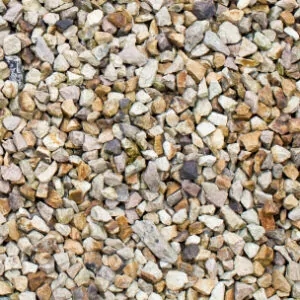

Rock & Driveway Gravel in Limerick, Maine
Local Topsoil, Dirt, Sand, Rocks and Gravel near me in Limerick, Maine
Shop Aggregates for Delivery in Limerick
Order online for free delivery to any Limerick address.
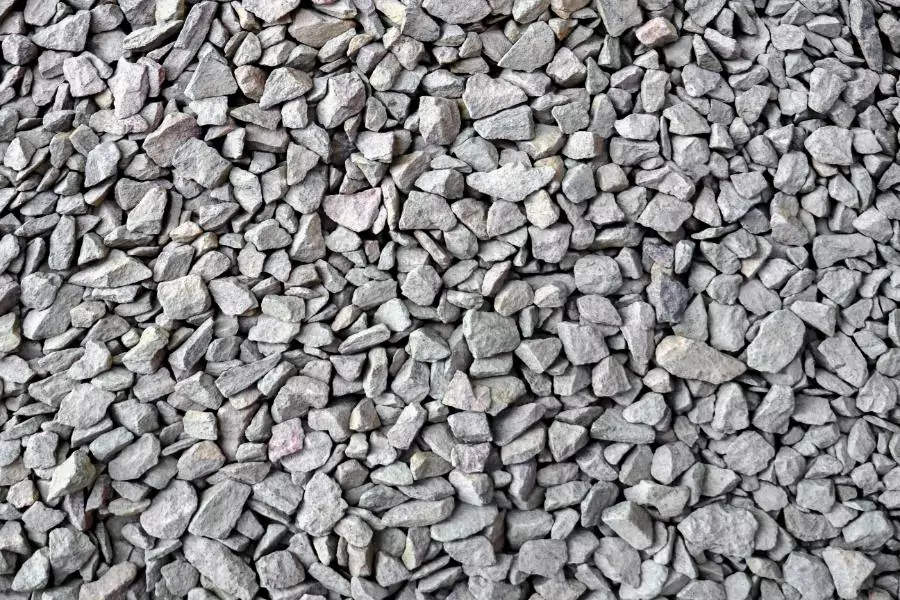
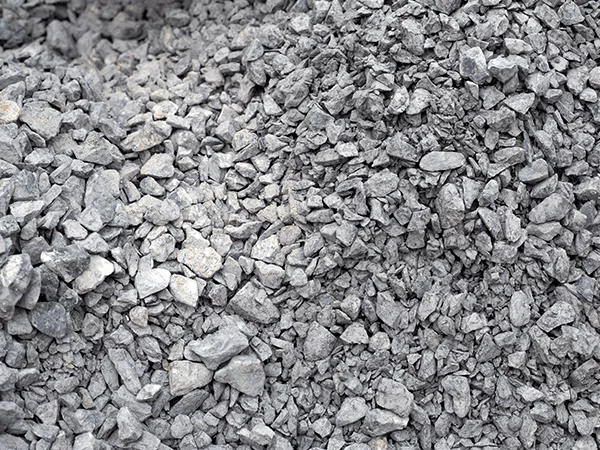


Gravel Monkey delivers premium aggregates and construction materials throughout Limerick, Maine. From rural properties along Route 5 to lakeside homes near Sokokis Lake, we provide free delivery of high-quality gravel, crushed stone, sand, and soil products directly to your project site. Whether you're building a driveway near the Little Ossipee River or improving drainage for your East Limerick property, our comprehensive selection of aggregates meets every residential and commercial need in York County.
Buy Materials by Type in Limerick
Every material we deliver in Limerick, with coverage, sizing and ordering details for each one.
Complete Selection of Aggregates & Materials in Limerick
Gravel Monkey stocks a full inventory of aggregates and construction materials specifically suited for Limerick's soil conditions and climate challenges. Our products handle Maine's freeze-thaw cycles, seasonal moisture variations, and the sandy loam soils common throughout the region.
- Driveway Gravel - Proven performance for Limerick's rural roads and long driveways
- 3/4 inch Crushed Stone - Versatile aggregate for foundations, driveways, and drainage applications
- #57 Stone - Superior drainage stone ideal for French drains and foundation perimeters
- Crusher Run - Compactable base that creates solid foundations for structures and pathways
- Road Base - Heavy-duty aggregate for roadways and commercial parking areas
- Pea Gravel - Decorative stone for gardens, walkways, and water features
- River Rock - Natural aesthetic appeal for landscaping projects throughout Limerick
- Drain Rock - Essential for managing groundwater and preventing erosion
- Crushed Concrete - Eco-friendly recycled aggregate for sustainable building
- Topsoil - Nutrient-rich soil for lawns, gardens, and raised beds
- Fill Dirt - Essential for grading, leveling, and site preparation
- Mason Sand - Fine-grade sand for mortar, concrete, and masonry work
- Playground Sand - Safe, clean sand for play areas and sandboxes
- Washed Sand - Clean aggregate for landscaping and construction projects
- Decomposed Granite - Natural pathway material with excellent compaction
- Walkway Gravel - Attractive stone for paths, trails, and pedestrian areas
Aggregates for Limerick's Unique Conditions
Limerick's geography presents specific challenges that require appropriate aggregate selection. The town's location along the Little Ossipee River corridor means many properties deal with seasonal water table fluctuations and drainage concerns. The predominantly sandy loam soils with pockets of clay require careful consideration when selecting base materials for construction projects.
Maine's climate delivers average annual precipitation of 45 inches, with winter temperatures frequently dropping below 20°F and summer highs reaching into the 80s. This temperature range creates significant freeze-thaw cycles that can damage improperly constructed driveways and foundations. Properties in West Limerick and areas near Davis Brook experience particularly challenging spring thaw conditions that test the durability of aggregate installations.
Climate Considerations for Aggregate Projects
Limerick experiences approximately 150 frost-free days annually, with the ground freezing to depths of 4 feet or more during harsh winters. This deep frost penetration creates heaving forces that can displace poorly installed aggregates. Crusher run provides excellent freeze-thaw resistance due to its range of particle sizes that lock together when compacted. The fines in crusher run fill voids between larger stones, creating a stable matrix that resists frost heaving common along Route 11 and throughout East Limerick.
Spring snowmelt combined with April and May rainfall creates peak moisture conditions that challenge drainage systems. Properties near Sokokis Lake and in low-lying areas require robust drainage solutions using appropriate aggregates. The region's water table can rise significantly during spring, making proper foundation drainage critical for preventing basement moisture and structural issues.
Common Aggregate Applications in Limerick
Driveway Construction and Repair
Limerick's rural character means many properties feature long driveways requiring substantial aggregate quantities. Traditional driveway construction in the area uses a layered approach starting with larger stone for the base, followed by finer materials for the surface. For a typical Limerick driveway, we recommend starting with 6 inches of road base or large crushed stone, followed by 3-4 inches of driveway gravel as the wearing surface.
Properties along Route 5 and Route 160 often deal with heavy spring runoff that can wash out driveway materials. Installing drain rock along driveway edges and beneath the base layer prevents water accumulation and extends driveway life. Many West Limerick homeowners add crown to their driveways to promote water runoff, using compacted crusher run to create proper drainage gradients.
Foundation Drainage and Waterproofing
The sandy loam soils throughout Limerick drain reasonably well, but clay pockets and high water tables near the Little Ossipee River require enhanced foundation drainage. Standard practice involves excavating around foundation perimeters, installing perforated drain pipe, and backfilling with clean drainage aggregate. Number 57 stone performs exceptionally well for this application, providing void space for water movement while preventing soil infiltration into drainage systems.
Homes in East Limerick and areas near Bean Brook benefit from comprehensive foundation drainage that extends beyond basic perimeter drains. Interior footing drains connected to sump pump systems provide additional protection during spring thaw and heavy rainfall events. These systems rely on clean, angular aggregates that maintain drainage capacity even under hydrostatic pressure.
Landscaping and Outdoor Living Spaces
Limerick property owners create beautiful outdoor spaces using decorative aggregates that complement Maine's natural landscape. Walkway gravel provides excellent traction and drainage for paths connecting homes to lake access points near Sokokis Lake. Gardens throughout the town benefit from pea gravel mulch that suppresses weeds while allowing water and air to reach plant roots.
Fire pits and gathering areas use river rock for both safety and aesthetics. The rounded stones don't trap heat like solid surfaces, making them comfortable for bare feet during summer months. Decorative stone borders define planting beds and create visual interest throughout the growing season, from spring bulbs through fall foliage.
Serving All Limerick Areas
Gravel Monkey provides free delivery throughout Limerick and surrounding York County communities. We regularly serve these Limerick areas and neighborhoods:
- East Limerick - Rural residential area with agricultural properties requiring farm road materials and drainage solutions
- West Limerick - Lakeside communities and seasonal homes near Sokokis Lake needing driveway aggregates and landscaping stone
- Limerick Center - Town center area with historic properties requiring sensitive aggregate selection for restoration projects
- Route 5 Corridor - Main roadway properties needing commercial-grade aggregates for parking and access roads
- Route 11 Properties - Residential and commercial sites requiring durable driveway materials and drainage stone
- Route 160 Area - Mixed-use properties needing various aggregate types for diverse applications
- Little Ossipee River Area - Waterfront properties requiring specialized drainage solutions and erosion control materials
- Sokokis Lake Region - Seasonal and year-round lake homes needing walkway gravel and decorative stone
We also deliver to nearby communities including Cornish, Newfield, Parsonsfield, Waterboro, and Hollis, extending our service throughout southern York County and northern Maine.
Aggregate Selection Guide for Maine Projects
Choosing appropriate aggregates for Limerick projects depends on several factors including intended use, soil conditions, drainage requirements, and aesthetic preferences. This comprehensive comparison helps property owners select materials that perform reliably in Maine's challenging climate.
| Aggregate Type | Best Applications | Particle Size | Compaction | Drainage Rating |
|---|---|---|---|---|
| Crusher Run | Driveway base, foundations, pathways | Fines to 3/4 inch | Excellent | Moderate |
| 3/4 Inch Crushed Stone | Driveway surface, drainage, general use | 3/4 inch nominal | Good | Very Good |
| Number 57 Stone | French drains, foundation drainage, septic | 3/4 inch uniform | Poor | Excellent |
| Road Base | Heavy-duty roads, parking areas | Fines to 1.5 inch | Excellent | Moderate |
| Drain Rock | Drainage systems, erosion control | 3/4 to 1.5 inch | Poor | Excellent |
| Pea Gravel | Landscaping, walkways, decorative use | 3/8 inch rounded | Poor | Good |
| River Rock | Decorative landscaping, dry creek beds | 1 to 3 inch rounded | None | Good |
| Crushed Concrete | Base material, temporary roads, fill | Fines to 1 inch | Very Good | Moderate |
| Decomposed Granite | Pathways, patios, rustic driveways | Fines to 1/4 inch | Good | Moderate |
| Mason Sand | Mortar, concrete, paver base | Fine uniform sand | Fair | Moderate |
Professional Installation Practices for Limerick Properties
Proper Base Preparation
Successful aggregate installations in Limerick begin with thorough site preparation. Remove all organic material including topsoil, roots, and vegetation from the project area. The sandy loam soils throughout the region compact well when properly prepared, but clay pockets require special attention. Areas with poor drainage need additional excavation and potentially geotextile fabric installation to prevent aggregate mixing with subsoil.
For driveways and parking areas, excavate to a depth that accommodates your complete aggregate system. Most Limerick installations require 8-12 inches total depth, depending on expected traffic and existing soil conditions. Properties along Route 11 with heavier vehicle traffic need deeper bases than residential driveways in East Limerick. Compact the subgrade before adding any aggregate to create a stable foundation that resists settlement.
Layering and Compaction Techniques
Professional installations use multiple aggregate layers, each compacted thoroughly before adding the next. Start with larger stone or road base for the bottom layer, providing structural support and spanning any soft spots in the subgrade. Compact this layer to 95% of maximum density using a plate compactor for smaller areas or a roller for larger projects.
Add a middle layer of 3/4 inch crushed stone to create a transition between the base and surface materials. This layer provides additional strength while promoting drainage through the aggregate system. The surface layer using driveway gravel or crushed stone should be 3-4 inches thick after compaction, providing a durable wearing surface that handles Maine weather extremes.
Drainage Integration
Effective drainage extends aggregate lifespan and prevents common problems like washouts and frost heaving. Grade all installations to promote water runoff away from structures and toward designated drainage areas. Along the Little Ossipee River and in low areas near Davis Brook, adding drainage swales or French drains prevents water accumulation that undermines aggregate stability.
Install drain rock in perforated pipe beds for foundation and driveway drainage systems. Wrap drainage pipe with filter fabric to prevent fine soil particles from clogging the system. Connect drainage to daylight outlets or dry wells, ensuring water has a path away from critical areas. Properties near Sokokis Lake often benefit from multiple drainage points to handle seasonal water table fluctuations.
Calculating Aggregate Quantities for Your Project
Accurate material estimation prevents shortages and excess delivery costs. Calculate the area of your project in square feet by multiplying length times width. Determine the depth needed in inches, typically 4-6 inches for driveways and 12-18 inches for areas requiring substantial base material.
Convert these measurements to cubic yards using this formula: (Length × Width × Depth in feet) ÷ 27 = Cubic Yards. For example, a 12-foot wide by 100-foot long driveway at 6 inches (0.5 feet) deep requires: (12 × 100 × 0.5) ÷ 27 = 22.2 cubic yards. Add 10% extra material to account for compaction, uneven depths, and contingencies.
Typical Limerick Project Quantities
- Single-car driveway (10' × 50') - 10-12 cubic yards for complete installation
- Two-car driveway (20' × 50') - 20-25 cubic yards for complete installation
- Foundation drainage (150 linear feet) - 4-6 cubic yards of drain rock
- Walkway (4' × 30') - 1-2 cubic yards of walkway gravel or pea gravel
- Parking area (20' × 40') - 15-20 cubic yards for base and surface layers
Rural properties with long driveways common throughout West Limerick and Route 160 may require 30-50 cubic yards or more. Our team helps verify calculations and recommends appropriate materials for your specific site conditions and intended use.
Sand Products for Construction and Landscaping
Beyond gravel and crushed stone, sand serves essential functions in Limerick construction and landscaping projects. Mason sand provides the fine aggregate needed for mortar and concrete mixing, critical for block work, brick laying, and concrete projects throughout the region. Its uniform particle size ensures consistent mixes that cure properly in Maine's climate.
Washed sand offers clean material for landscaping applications including paver base, top-dressing lawns, and creating beach areas along Sokokis Lake properties. The washing process removes clay and silt, leaving pure sand that drains effectively and resists compaction. This makes it ideal for applications requiring both stability and water movement.
For families with young children, playground sand creates safe play areas that meet safety standards. This specially processed sand features rounded particles that won't cause splinters or cuts, making it perfect for sandboxes and play structures. The sand drains well, preventing standing water that attracts insects, while remaining soft enough for safe falls.
Decomposed granite bridges the gap between sand and gravel, offering a unique material for naturalistic pathways and rustic driveways. This material compacts firmly, creating surfaces that handle foot and light vehicle traffic while maintaining a natural appearance that complements Limerick's rural character. Properties throughout East Limerick use decomposed granite for trails and access paths that blend with the surrounding landscape.
Seasonal Aggregate Maintenance in Maine
Spring Repairs and Restoration
Spring brings the most significant maintenance needs as frost leaves the ground and snowmelt saturates aggregate installations. Inspect driveways for areas where freeze-thaw cycles created potholes or washouts. Add fresh driveway gravel to these areas, raking and compacting to restore smooth surfaces. Properties near the Little Ossipee River and in areas with poor drainage may need substantial spring repairs after harsh winters.
Check drainage systems to ensure winter ice didn't displace materials or clog pipes. Clear debris from drainage outlets and French drain surfaces. Add 3/4 inch crushed stone to areas where settling occurred, maintaining proper drainage gradients that prevent water accumulation.
Summer Maintenance Tasks
Summer provides ideal conditions for major aggregate projects and repairs. The dry, warm weather allows proper compaction and settling. Grade and add material to high-traffic areas that show wear patterns. Lakeside properties near Sokokis Lake often need walkway repairs where foot traffic from swimming and boating creates ruts and displacement.
Control weeds in gravel areas using mechanical removal or fabric barriers. While some vegetation growth is inevitable in organic-rich Maine soil, regular maintenance prevents root systems from undermining aggregate stability. Properties with walkway gravel paths benefit from edge trimming that maintains clean borders between lawn and stone areas.
Fall Preparation
Autumn preparation prevents winter damage and spring problems. Clear leaves and organic debris from aggregate surfaces to prevent decomposition that introduces fine soil particles into your stone. These fines reduce drainage capacity and can freeze during winter, creating ice layers that damage aggregate structure.
Inspect and clear drainage systems before winter. Ice dams and frozen ground can't accommodate spring meltwater if drainage paths are already compromised. Add crusher run to areas showing weakness or settlement, compacting thoroughly before ground freezes. This preventive work saves significant spring repair costs throughout Limerick's freeze-thaw climate.
Winter Protection Strategies
Winter brings freeze-thaw cycles that test aggregate installations. Proper snow removal using appropriate techniques prevents damage. Avoid metal-edged snow shovels and plow blades that gouge surfaces. Use snow blowers or plastic-edged equipment when possible. Salt and ice melt products can affect some aggregates; use sand for traction when conditions allow.
Monitor for ice dams that direct meltwater onto driveways and paths. These concentrated flows can wash out materials and create dangerous icy patches. Redirect roof drainage away from aggregate surfaces using gutters and downspouts. Properties throughout West Limerick and Route 5 benefit from winter vigilance that prevents small problems from becoming major spring repairs.
Frequently Asked Questions About Gravel in Limerick
For Limerick winters with freeze-thaw cycles, we recommend crusher run or 3/4 inch crushed stone for driveways, and number 57 stone for excellent drainage beneath structures. These materials handle frost heaving and temperature fluctuations common throughout York County. The key is using clean, angular aggregates that lock together when compacted, creating a matrix that resists displacement from freezing and thawing ground.
Calculate length times width times depth in feet, then divide by 27 for cubic yards. For Limerick driveways, we recommend 4 to 6 inches depth depending on soil conditions and usage. A typical two-car driveway measuring 20 feet wide by 50 feet long needs approximately 20-25 cubic yards for a complete installation including base and surface layers. Our team provides detailed calculations based on your specific property conditions near Sokokis Lake, Route 5, or anywhere in Limerick.
Absolutely! We deliver throughout Limerick including Route 5, Route 11, Route 160, East Limerick, West Limerick, and surrounding rural properties. Free delivery applies to the entire Limerick service area and extends to nearby communities including Cornish, Newfield, Parsonsfield, and Waterboro. Our trucks navigate rural roads and long driveways common throughout southern Maine.
Crusher run contains a mixture of stone sizes from fines (dust) up to 3/4 inch, allowing it to compact extremely well. This makes it ideal for driveway bases and areas needing solid, stable foundations. Crushed stone, particularly 3/4 inch, consists of more uniform-sized particles that provide good compaction while maintaining better drainage. Most Limerick driveways use crusher run for the base layer and crushed stone or driveway gravel for the surface, combining the benefits of both materials.
Proper drainage is essential for Limerick properties dealing with spring snowmelt and seasonal rainfall. Crown your driveway so water runs to the edges rather than down the center. Install drainage swales or French drains along the sides using drain rock to capture and redirect water. Compact your aggregate layers thoroughly during installation to resist erosion. Properties near the Little Ossipee River or in areas with high water tables benefit from enhanced drainage systems that prevent washouts during Maine's wet seasons.
Crushed concrete performs excellently for many applications and offers environmental benefits through recycling. It compacts well, provides good drainage, and costs less than virgin stone aggregates. For driveway bases, parking areas, and general fill applications around Limerick, crushed concrete delivers comparable performance to traditional crushed stone. Some property owners prefer virgin stone for visible surface layers due to aesthetic preferences, but crushed concrete serves admirably for base layers and utility applications throughout York County.
Number 57 stone provides optimal performance for French drains and foundation drainage throughout Limerick. Its uniform 3/4 inch size creates large void spaces that allow water to flow freely while preventing soil infiltration that could clog your drainage system. Wrap perforated drainage pipe with filter fabric, surround it with number 57 stone, and connect to proper outlets. This system effectively manages groundwater around foundations and prevents the moisture issues common in areas with high water tables or seasonal flooding near streams and rivers.
Most residential aggregate projects like driveways and landscaping do not require permits in Limerick. However, projects near wetlands, streams like the Little Ossipee River, or within shoreland zones around Sokokis Lake may need approval from the Code Enforcement Officer. Commercial projects and significant grading work typically require permits. Contact the Limerick Town Office to verify requirements for your specific project location and scope before beginning work.
Sustainable Aggregate Practices in Limerick
Environmental responsibility matters in Maine communities like Limerick where residents value natural resources and environmental quality. Crushed concrete exemplifies sustainable construction, diverting material from landfills while providing functional aggregate for roads, driveways, and base applications. This recycled product reduces demand for quarried stone, lessening environmental impact while delivering comparable performance.
Proper aggregate installation protects water quality in Limerick's streams, rivers, and lakes. Maintaining vegetated buffers between aggregate surfaces and waterways prevents sediment runoff during storms. Properties near the Little Ossipee River and Sokokis Lake must implement erosion control measures that protect these valuable water resources. Using appropriate drainage aggregates directs stormwater away from sensitive areas while allowing natural infiltration that recharges groundwater.
Native materials when available reduce transportation impacts while supporting local economies. Our aggregates come from regional sources throughout Maine and New England, minimizing fuel consumption and emissions associated with long-distance hauling. This regional approach also ensures materials perform well in local climate conditions, having been tested through Maine's demanding seasonal cycles.
Get Started With Your Limerick Aggregate Project
Gravel Monkey simplifies aggregate delivery throughout Limerick and surrounding York County communities. Our free delivery service brings premium materials directly to your property, whether you're working on a driveway in East Limerick, landscaping near Sokokis Lake, or drainage improvements along Route 11. We stock everything from crusher run and crushed stone to decorative river rock and specialized materials like decomposed granite.
Our experienced team helps you select appropriate aggregates for Limerick's soil conditions, climate challenges, and your specific project requirements. We understand how Maine's freeze-thaw cycles, seasonal precipitation, and soil characteristics affect aggregate performance. Whether you need a complete driveway installation or repair materials for spring maintenance, we provide the products and expertise to ensure successful results.
Contact Gravel Monkey today to discuss your project needs and schedule free delivery to your Limerick property. We serve the entire town and surrounding areas with prompt, professional service that makes your aggregate projects easier from start to finish.

Need help? Reach out for a quote: