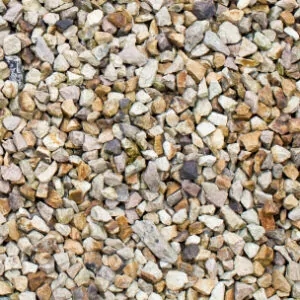
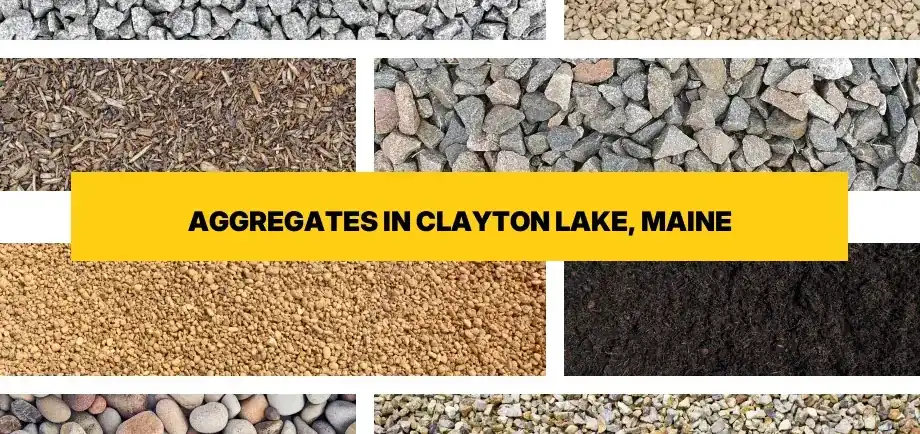
Rock & Driveway Gravel in Clayton Lake, Maine
Local Topsoil, Dirt, Sand, Rocks and Gravel near me in Clayton Lake, Maine
Shop Aggregates for Delivery in Clayton Lake
Order online for free delivery to any Clayton Lake address.
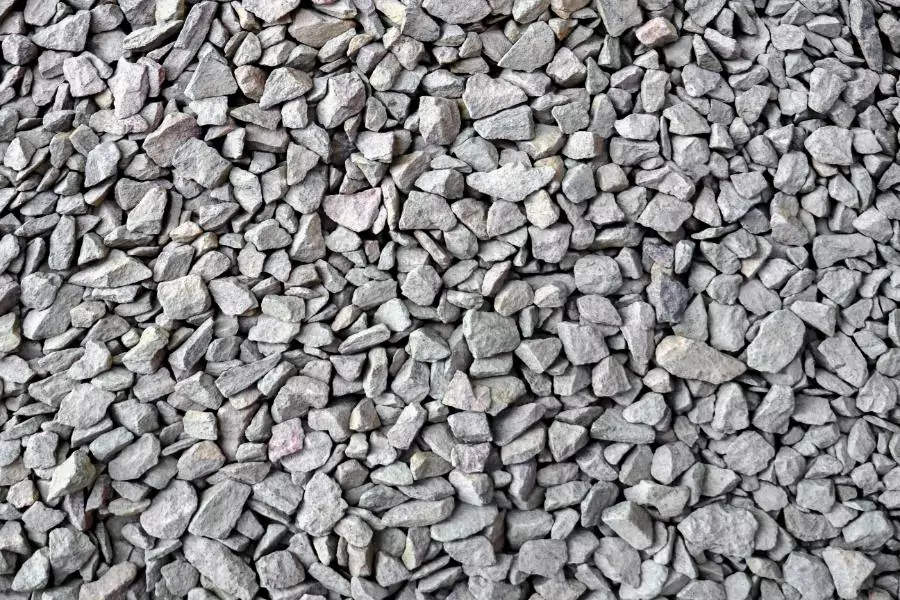
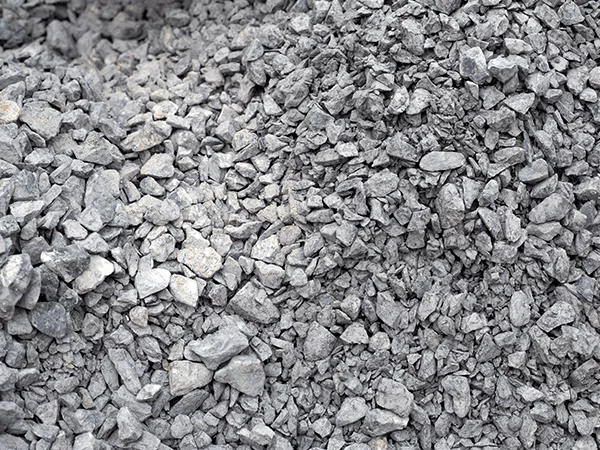


Clayton Lake is one of Maine's most remote and pristine locations, nestled deep in the North Maine Woods near the Canadian border. At Gravel Monkey, we specialize in delivering premium aggregates and construction materials to this challenging terrain, where harsh winters, rocky glacial soil, and seasonal access roads demand the highest quality materials. Whether you're maintaining a seasonal camp along the Allagash Wilderness Waterway, building access roads through working forestland, or upgrading a remote property near Musquacook Lakes, we provide free delivery of gravel, stone, and aggregates throughout the Clayton Lake region and surrounding northern Aroostook County areas.
Aggregates and Materials for Remote Maine Properties
Clayton Lake's location in the unorganized territory of northern Maine presents unique challenges that require specialized materials. The region experiences some of the coldest temperatures in the eastern United States, with winter lows reaching -30°F, combined with over 100 inches of annual snowfall and extensive spring thaw periods. These conditions, along with the area's glacial till soil composition and shallow bedrock, make proper material selection absolutely critical for any construction or maintenance project.
We offer a comprehensive selection of aggregates specifically chosen to perform in northern Maine's demanding environment:
- Driveway Gravel - Essential for seasonal camp access roads and remote property driveways that must withstand extreme freeze-thaw cycles
- Crusher Run - The foundation choice for roads and driveways throughout the North Maine Woods, providing exceptional compaction
- 3/4 inch Crushed Stone - Versatile angular aggregate perfect for drainage applications and driveway surfacing in rocky terrain
- #57 Stone - Standard crushed stone for drainage systems and French drains essential in poorly drained glacial soils
- Road Base - Heavy-duty foundation material for logging roads and main access routes through forestland
- Drain Rock - Critical for managing spring runoff and preventing washouts in the high-precipitation environment
- Pea Gravel - Rounded stones for walkways around camps and decorative landscaping near the lake
- River Rock - Natural aesthetic for shoreline stabilization and erosion control projects
- Crushed Concrete - Economical and environmentally friendly option for remote camp roads and work areas
- Topsoil - Nutrient-amended soil for the short growing season gardens at remote properties
- Fill Dirt - Essential for leveling and grading on uneven glacial terrain
- Mason Sand - Fine sand for concrete work and masonry projects at construction sites
- Washed Sand - Clean sand for various construction applications in remote locations
- Playground Sand - Safe, clean sand for family camps and recreation areas
- Walkway Gravel - Specialized aggregate for paths connecting camp buildings and accessing waterfront
- Decomposed Granite - Natural-looking material for trails and rustic pathways through woodland settings
Understanding Clayton Lake's Unique Geography and Climate
Clayton Lake sits at approximately 1,100 feet elevation in the heart of Maine's North Woods, roughly 20 miles from the Quebec border. The area is characterized by dense boreal forest, numerous waterways including Clayton Stream and connections to the Allagash River system, and a landscape shaped by the last ice age. The glacial till that blankets the region consists of poorly sorted rock, gravel, sand, and clay deposited by retreating glaciers over 10,000 years ago.
Soil Conditions and Drainage Challenges
The predominant soil type around Clayton Lake is glacial till with very poor natural drainage. Bedrock lies relatively shallow beneath the surface, often within 3-5 feet, creating perched water table conditions during spring thaw and after heavy rains. The soil is highly acidic, with pH levels typically between 4.5 and 5.5, and contains abundant rocks and boulders left by glacial action. This rocky, poorly drained substrate makes proper aggregate selection and drainage design absolutely essential for any development in the area.
Spring breakup season, typically from late April through May, presents the most challenging conditions. As snow melts and frozen ground thaws, roads and driveways can become nearly impassable without proper aggregate bases. The combination of saturated soil, frost heave damage, and heavy use by logging trucks requires robust construction using materials like crusher run and drain rock to maintain access.
Extreme Winter Climate Considerations
Clayton Lake experiences one of the harshest winter climates in New England. Average January temperatures hover around 5°F, with extreme lows reaching -40°F during cold snaps. The area typically receives 100-120 inches of snow annually, with snow cover persisting from November through April. Freeze-thaw cycles are frequent during spring and fall transition periods, causing significant heaving and displacement of poorly constructed road surfaces.
These extreme conditions mean that aggregates used in the Clayton Lake area must provide exceptional frost resistance and drainage capability. Materials with high fines content or poor drainage characteristics will fail rapidly under these conditions, leading to costly repairs and access problems during critical seasons.
Aggregate Delivery Throughout the Clayton Lake Region
We provide free delivery throughout the greater Clayton Lake area, including the most remote locations in northern Maine. Our delivery service extends to camps and properties throughout this vast wilderness region:
Primary Delivery Areas Near Clayton Lake
Along Clayton Stream and the western shore of Clayton Lake itself, we serve seasonal camps and year-round properties with regular aggregate deliveries. The area around Cunliffe Depot, historically a major logging hub, remains an active zone where we deliver materials for road maintenance and forestry operations. Properties near Musquacook Lakes, including First, Second, Third, and Fourth Musquacook Lakes to the northeast, receive our delivery service despite the remote access roads.
We regularly deliver to locations along the Allagash Wilderness Waterway, one of Maine's premier canoeing destinations that passes near Clayton Lake. Camps and put-in points along this protected waterway require specialized materials that meet both functional needs and environmental standards. The area around Umsaskis Lake and the thoroughfare connecting it to Long Lake also falls within our service area.
Extended Service to Surrounding North Maine Woods
Our delivery network extends beyond Clayton Lake proper to include the surrounding working forestland. We serve properties near Chamberlain Lake to the southwest, an area with numerous sporting camps and wilderness lodges. The region around Caucomgomoc Lake and the headwaters of the Penobscot River's West Branch also receives regular deliveries, particularly during the summer construction season when road conditions are most favorable.
Areas near St. Pamphile, Quebec, just across the Canadian border, and the unorganized territories of northern Piscataquis and Aroostook Counties all fall within our expanded service area. Whether you're located on a main haul road maintained by forestry companies or on a seasonal camp road accessible only during dry conditions, Gravel Monkey can coordinate delivery to meet your schedule and access requirements.
Choosing the Right Aggregate for Clayton Lake Projects
Selecting appropriate materials for the Clayton Lake environment requires understanding how different aggregates perform under extreme conditions. The following comparison helps property owners and contractors make informed decisions based on specific project requirements.
| Material Type | Best Applications | Drainage Quality | Winter Performance | Compaction |
|---|---|---|---|---|
| Crusher Run | Road base, driveway foundations, parking areas | Good | Excellent - minimal frost heave | Excellent |
| Road Base | Heavy-duty roads, logging roads, main access | Good | Excellent - designed for heavy loads | Excellent |
| 3/4 inch Crushed Stone | Driveway surface, drainage layers, general use | Excellent | Very good - angular shape resists movement | Good |
| #57 Stone | Drainage systems, French drains, pipe bedding | Excellent | Very good - uniform size aids drainage | Fair |
| Drain Rock | Foundation drainage, erosion control, culverts | Excellent | Good - prevents water accumulation | Fair |
| Driveway Gravel | Residential drives, camp roads, surface layer | Very Good | Good - requires periodic maintenance | Good |
| Crushed Concrete | Temporary roads, work areas, economical projects | Good | Fair to Good - cost-effective option | Good |
| Pea Gravel | Walkways, decorative areas, light traffic | Good | Fair - shifts with freeze-thaw | Poor |
Layered Approach for Remote Access Roads
The most successful road and driveway installations in the Clayton Lake area use a multi-layer approach that addresses both structural stability and drainage. A typical installation begins with proper excavation to remove organic topsoil and establish a stable subgrade. On particularly soft ground near wetlands or streams, geotextile fabric provides separation between native soil and aggregate layers.
The foundation layer typically consists of 6-8 inches of compacted road base or crusher run, providing load-bearing capacity and initial drainage. This base layer is critical for handling heavy loads during logging operations or equipment transport. A middle layer of 3-4 inches of #57 stone or drain rock ensures excellent water movement away from the surface, preventing saturation during spring thaw. The final wearing surface uses 2-3 inches of driveway gravel or 3/4 inch crushed stone, creating a durable, all-weather driving surface that resists rutting and washboarding.
Common Projects and Material Recommendations
Seasonal Camp Driveways and Access Roads
Most properties around Clayton Lake are seasonal camps accessed via private roads that may see limited maintenance. These driveways face severe challenges during spring breakup and fall freeze-up periods. For a standard camp driveway of 12 feet wide and 200 feet long, we recommend starting with 6 inches of crusher run as a foundation (approximately 15 tons), followed by 3-4 inches of driveway gravel for the surface (approximately 10 tons). This combination provides excellent drainage and durability for typical seasonal use.
For camps with year-round access or those requiring passage of heavy equipment or fuel deliveries, a more robust construction using road base as the foundation layer becomes necessary. The investment in proper materials pays dividends in reduced maintenance and reliable access during shoulder seasons when weather can change rapidly.
Drainage Solutions for Wet Ground
The poorly drained glacial till around Clayton Lake creates persistent wet areas that can undermine roads and building foundations. French drains using #57 stone or dedicated drain rock effectively intercept subsurface water and direct it away from critical areas. A typical residential French drain requires 3-4 tons of stone per 50 linear feet, installed in a trench lined with filter fabric to prevent soil infiltration.
Culvert installations and ditch maintenance represent ongoing requirements for properties in this high-precipitation environment. Proper culvert bedding using crusher run or drain rock prevents settling and extends culvert life, while well-maintained ditches lined with 3/4 inch crushed stone resist erosion during spring runoff events.
Shoreline Stabilization Projects
Properties along Clayton Lake and connecting waterways often require shoreline stabilization to prevent erosion from wave action and ice damage. River rock provides an attractive, natural-looking solution that also offers functional benefits. The rounded stones absorb wave energy and allow water to flow through while preventing soil loss. A typical shoreline project requires 1-2 tons of river rock per 10 linear feet of bank, depending on slope and exposure.
For more severe erosion problems or areas subject to ice push during spring breakup, larger rip-rap stone combined with proper grading and filter fabric creates a permanent solution. These installations should be planned during low water periods in late summer or fall for easiest construction access.
Parking Areas and Equipment Storage
Remote properties often need dedicated parking for multiple vehicles, boats, trailers, and equipment. A properly constructed parking area prevents the mud and rutting that plague inadequately prepared surfaces. For a 20x30 foot parking area, excavate 6-8 inches of topsoil and install approximately 10-12 tons of road base or crusher run, compacted in lifts. Top this with 3-4 tons of 3/4 inch crushed stone or driveway gravel for a clean, durable surface that sheds water effectively.
Equipment storage areas subjected to heavy loads from ATVs, snowmobiles, or forestry equipment require additional thickness and may benefit from a geotextile fabric base layer to prevent aggregate mixing with subsoil during freeze-thaw cycles.
Timing Your Aggregate Delivery to Clayton Lake
The remote location and extreme climate of Clayton Lake create specific windows of opportunity for aggregate delivery and construction projects. Understanding these seasonal considerations helps ensure successful project completion and optimal material performance.
Summer Construction Season
The prime construction and delivery season for the Clayton Lake area runs from late May through September. After spring breakup concludes, usually by late May, private roads and forestry haul roads dry out enough to support heavy truck traffic. July and August offer the most reliable access conditions, with warm temperatures and typically dry weather allowing for efficient material delivery and construction work.
During this period, ground conditions are firm enough for proper compaction of crusher run and road base materials. Equipment operates efficiently, and contractors can complete projects without weather-related delays. This is also the season when most seasonal camp owners are present to oversee projects and coordinate deliveries.
Fall Delivery Considerations
September and October represent a second window for aggregate delivery before winter conditions arrive. Many property owners choose fall for driveway and road repairs, allowing aggregate to settle and compact over winter. Fall also offers advantages for some projects, as lower water tables make working near wetlands easier and insect pressure decreases significantly compared to summer months.
However, fall weather in northern Maine can be unpredictable, with early snowstorms possible by late October. Ground freezing typically begins in November, making compaction work increasingly difficult. Any projects planned for fall should be scheduled early in the season with contingency plans for weather delays.
Winter and Spring Limitations
Winter delivery to the Clayton Lake area, while possible on frozen roads, presents significant challenges and generally is not recommended for most projects. Aggregate cannot be properly compacted when frozen, and material placement on snow or frozen ground provides only temporary solutions. Most winter deliveries serve emergency road repairs or temporary access needs rather than permanent construction.
Spring breakup season, typically from mid-April through May, represents the most challenging period for access. Road weight limits go into effect throughout the region, and many private roads become impassable due to frost heave and mud. We recommend against attempting aggregate deliveries during this period unless absolutely necessary for emergency situations. Planning ahead to complete deliveries in late summer or fall avoids spring access problems entirely.
Environmental Stewardship in the North Maine Woods
Clayton Lake sits within one of the largest contiguous temperate forests in North America, an area of immense ecological value. Property owners and contractors working in this region have a responsibility to minimize environmental impacts while maintaining necessary infrastructure. Gravel Monkey supports sustainable practices that protect water quality and forest health while meeting practical needs.
Protecting Water Quality
The crystalline waters of Clayton Lake and connecting streams support native brook trout and other sensitive aquatic species. Any aggregate work near water bodies must prevent sediment runoff that could degrade water quality. Best practices include installing silt fences during construction, maintaining vegetated buffers along shorelines, and using proper culvert sizing to avoid channel restrictions. Crushed concrete offers an environmentally responsible option for projects where traditional aggregate availability is limited, utilizing recycled materials instead of virgin quarry products.
Minimizing Forest Impact
Access road construction and maintenance through forested areas should minimize tree clearing and soil disturbance. Modern techniques using geotextile fabrics allow road construction over soft ground with less aggregate volume, reducing both material costs and environmental footprint. When possible, scheduling deliveries and construction during dry periods reduces the area of disturbance required for truck access.
How to Order Aggregate Delivery to Clayton Lake
Ordering materials for delivery to Clayton Lake and surrounding remote areas requires some additional planning compared to urban deliveries, but Gravel Monkey has extensive experience serving the North Maine Woods and makes the process straightforward.
Calculating Your Material Needs
Accurate material estimation prevents costly shortages or excess material. For driveways and roads, calculate the area in square feet (length times width) and multiply by the depth in feet, then divide by 27 to get cubic yards. As a general rule, one cubic yard of crusher run or road base covers approximately 100 square feet at 3 inches depth. For most driveway applications, you will need approximately 1.5 tons per cubic yard of material.
Our team can assist with calculations based on your specific project description. Providing details about the project location, current surface conditions, soil type, and intended use helps us recommend appropriate materials and quantities. For large projects or uncertain estimates, we suggest ordering in stages, allowing evaluation after initial material placement before committing to additional loads.
Providing Clear Delivery Instructions
Remote locations require clear delivery instructions to ensure successful material placement. When placing your order, provide detailed directions including any gate codes, road names or numbers used by forestry companies, landmark features, and GPS coordinates if available. Specify where on your property you want material dumped, ensuring the location is accessible to our delivery trucks.
Standard delivery trucks require adequate turning radius and firm, level ground for dumping. If your site has access limitations, discuss this when ordering so we can arrange appropriate equipment. Notifying us of any weight-restricted bridges, low overhanging branches, or other access obstacles helps prevent delivery problems.
Seasonal Scheduling
For the Clayton Lake area, we recommend scheduling deliveries at least one week in advance during the busy summer season, and as early as possible for late-season projects. If your project depends on specific timing due to contractor availability or other factors, communicate these requirements when ordering so we can coordinate accordingly.
Frequently Asked Questions About Aggregate Delivery in Clayton Lake
We deliver a complete range of aggregates to Clayton Lake including driveway gravel, crushed stone in multiple sizes, crusher run, road base, drain rock, pea gravel, river rock, topsoil, fill dirt, various sand types, and crushed concrete throughout the North Maine Woods region.
Yes! Gravel Monkey offers FREE delivery to Clayton Lake and the surrounding northern Maine area for all gravel and aggregate orders, even to remote locations near the North Maine Woods.
For Clayton Lake's extreme winters with temperatures reaching negative 30 degrees Fahrenheit and heavy snow, we recommend crusher run or road base for a stable foundation, topped with 3/4 inch crushed stone. This combination handles freeze-thaw cycles and provides excellent drainage during spring thaw.
Clayton Lake sits on glacial till with rocky, poorly drained soil. This requires proper drainage solutions using drain rock and crusher run as base materials. The shallow bedrock and acidic soil conditions mean adequate gravel bases are essential for any construction project in the area.
Absolutely! We deliver throughout the Clayton Lake region including remote camps along the Allagash Wilderness Waterway, near Cunliffe Depot, around Musquacook Lakes, and throughout the surrounding North Maine Woods area. Just provide your location and we will arrange delivery.
For seasonal camp roads in the Clayton Lake area, calculate your road length times width times 4-6 inches depth. Most camp roads need 15-25 tons of crusher run as base with a top layer of driveway gravel. Our team can help calculate your specific needs based on road conditions and usage.
Ensure clear access for our delivery truck to your property near Clayton Lake. Mark the delivery location, clear any overhanging branches, and if possible provide a level spot for dumping. For remote camps, verify road conditions especially during spring mud season or after heavy logging activity.
The optimal delivery window runs from late May through September, after spring breakup concludes and before fall weather becomes unpredictable. July and August offer the most reliable access and best working conditions. Avoid spring breakup season from mid-April through May when roads become impassable.
Serving Properties Throughout the Clayton Lake Wilderness
While Clayton Lake lacks traditional neighborhoods found in populated areas, we serve distinct geographic zones and communities throughout this vast wilderness region. Properties along Clayton Lake's western shore form a loose community of seasonal camps, many family-owned for generations. The Cunliffe Depot area to the south, once a thriving logging center, now hosts scattered camps and serves as a gateway to deeper forest lands.
Around the Musquacook Lakes chain to the northeast, a collection of private camps and commercial sporting lodges creates another distinct area we serve regularly. These properties often require significant quantities of aggregates for maintaining lengthy private access roads. Along the Allagash Wilderness Waterway corridor, camps and put-in points need specialized materials that meet both functional requirements and environmental standards appropriate for this protected waterway.
Near Umsaskis Lake and the surrounding thoroughfares, another concentration of seasonal properties benefits from our delivery service. The Chamberlain Lake area to the southwest, with its mix of remote camps and wilderness lodges, represents our southern service boundary in this region. Throughout the working forestland managed by timber companies, we deliver aggregates for road maintenance, log landing construction, and forestry infrastructure projects that keep this important economic activity functioning efficiently.
The entire area falls within Maine's unorganized territory, with no municipal services or local government. Property owners take responsibility for their own infrastructure maintenance, making reliable aggregate delivery essential for maintaining year-round or seasonal access. Whether your property lies on a main forestry haul road or at the end of a winding camp road through dense spruce-fir forest, Gravel Monkey provides the materials you need to maintain access and develop your remote Maine property.
Quality Aggregates Delivered Free to Clayton Lake
From the shores of Clayton Lake to the most remote camps in the surrounding North Maine Woods, Gravel Monkey delivers premium aggregates that perform in the harshest conditions Maine can offer. Our materials are selected specifically for their durability under extreme freeze-thaw cycles, their drainage characteristics in poorly drained glacial soils, and their ability to maintain roads and driveways with minimal maintenance in locations where every repair trip represents a significant commitment.
We understand the unique challenges of maintaining property in northern Maine's wilderness areas. Our team has extensive experience working with seasonal camps, forestry operations, and remote homesteads throughout Aroostook County and the unorganized territories. From calculating material quantities for a simple camp driveway to planning complex road construction projects through challenging terrain, we provide the expertise and materials you need for successful projects.
All deliveries to the Clayton Lake area are completely free, regardless of your remote location. We work within your schedule and the constraints of seasonal access to ensure materials arrive when you need them. Contact us through our website or call to discuss your project requirements, and discover why property owners throughout the North Maine Woods trust Gravel Monkey for reliable aggregate delivery and expert advice.

Need help? Reach out for a quote: