
Gravel for Sale in Alna, Maine
Local Topsoil, Dirt, Sand, Rocks and Gravel near me in Alna, Maine
Shop Aggregates for Delivery in Alna
Order online for free delivery to any Alna address.
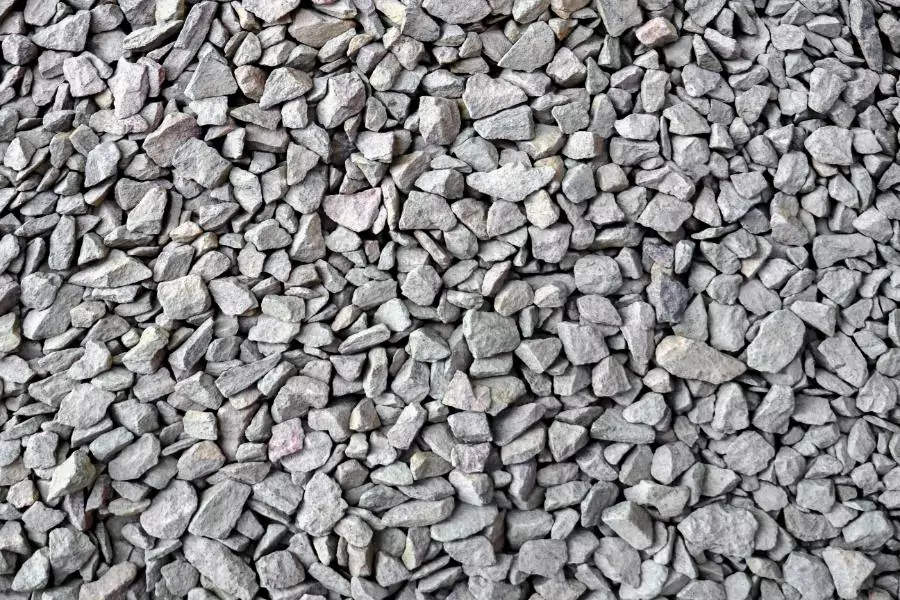
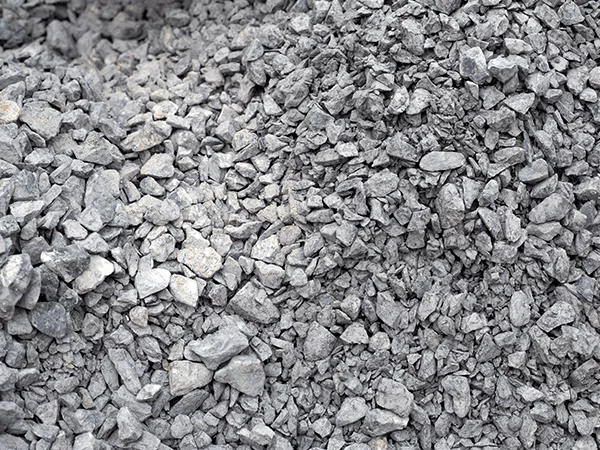


Gravel Monkey brings premium aggregates and bulk materials directly to your Alna property with free delivery throughout Lincoln County. Whether you're maintaining a rural driveway near Head Tide Village, building drainage solutions for Maine clay soils, or creating pathways around Duck Puddle Pond, we supply the high-quality gravel, stone, and aggregates your project demands. From the Sheepscot River valley to wooded hilltops along Route 218, Alna residents trust us for reliable material delivery that stands up to Maine's challenging four-season climate.
Aggregate Materials & Gravel Products Available in Alna
Our complete inventory serves residential homeowners, contractors, and commercial projects throughout Alna and the surrounding midcoast Maine region:
- Driveway Gravel - Heavy-duty aggregate for lasting Maine driveways
- 3/4 inch Crushed Stone - Versatile aggregate for foundations and drainage
- #57 Stone - Premium aggregate for French drains and backfill
- Crusher Run - Compactable base for stable road foundations
- Road Base - Professional-grade aggregate for driveway construction
- Drain Rock - Angular stone for superior water management
- Pea Gravel - Smooth decorative aggregate for pathways
- River Rock - Natural stone for Maine garden features
- Walkway Gravel - Attractive aggregate for pedestrian paths
- Crushed Concrete - Eco-friendly recycled aggregate
- Decomposed Granite - Compacting material for rustic aesthetics
- Topsoil - Nutrient-rich soil for gardens and lawns
- Fill Dirt - Essential for grading and property leveling
- Mason Sand - Fine sand for construction projects
- Playground Sand - Clean, safe sand for play areas
- Washed Sand - Premium sand for multiple applications
Serving All Areas of Alna, Maine
Gravel Monkey provides comprehensive delivery service throughout Alna's diverse geography. We know the area intimately and deliver aggregates to every corner of this historic Lincoln County town:
Head Tide Village & Historic District
The scenic Head Tide Village area, where the Sheepscot River creates dramatic reversing falls, requires specialized drainage solutions. Properties near the Head Tide Church and historic mill sites benefit from our quality aggregates that manage groundwater and protect foundations from seasonal flooding. Homeowners along River Road appreciate materials that complement the village's character while providing modern performance.
Duck Puddle Pond Region
Around Duck Puddle Pond and its surrounding conservation lands, property owners need aggregates that respect environmental sensitivity while creating functional driveways and paths. Our stone products provide excellent drainage without impacting water quality, essential for lakefront and wetland-adjacent properties in this beautiful recreational area.
Route 218 Corridor
The main Route 218 corridor running through Alna sees heavy residential development and requires durable driveway aggregates that withstand Maine weather and traffic. From the Newcastle town line to connections with Wiscasset, properties along this route demand materials that maintain integrity through winter plowing and spring mud season.
Trout Brook & Woodland Areas
Rural properties near Trout Brook and throughout Alna's wooded interior present unique challenges with steep driveways, forest roads, and seasonal access issues. Our crusher run and road base materials create stable surfaces even on challenging grades, while drainage aggregates manage water runoff through heavily wooded terrain.
Dock Road & River Valley Properties
Along Dock Road and throughout the Sheepscot River valley, properties contend with clay soils, seasonal moisture, and flood-prone areas. Strategic use of drain rock and properly sized crushed stone prevents settling and maintains driveway integrity despite challenging soil conditions common to river valleys in Lincoln County.
Alna Center & Rural Homesteads
Around Alna Center and throughout the town's rural homestead areas, multi-acre properties often require large quantities of aggregates for long driveways, farm roads, and property improvement projects. We efficiently deliver bulk materials to remote locations, ensuring rural residents receive the same quality service as more accessible properties.
Understanding Alna's Geology and Climate for Aggregate Selection
Successful aggregate projects in Alna require knowledge of local soil conditions and Maine's demanding climate patterns. The town's glacial geology created varied soil types that significantly impact material selection.
Soil Composition and Drainage Challenges
Alna's soils reflect its glacial history, with heavy clay deposits in valley areas and glacial till on hillsides. The Sheepscot River corridor contains dense marine clay that drains poorly and expands during freeze-thaw cycles. These clay soils, classified as Boothbay and Scantic series, require proper aggregate drainage solutions to prevent heaving and maintain structural stability. Inland areas feature Marlow and Peru series soils with better natural drainage but still benefit from quality aggregate bases.
Climate Considerations for Material Performance
Alna experiences typical Maine midcoast weather with cold winters, substantial snowfall averaging 60-70 inches annually, and heavy spring runoff. Winter temperatures frequently drop below zero degrees Fahrenheit, while summer highs reach the 80s. This wide temperature range creates intense freeze-thaw cycles that test aggregate durability. Annual precipitation exceeds 45 inches, with spring mud season presenting particular challenges for driveways and access roads.
Seasonal Water Management
Spring snowmelt combined with April rains creates peak water flow through Alna properties. The rocky, thin soils on hillsides shed water rapidly, while valley clay soils become saturated and unstable. Proper aggregate selection and installation during drier summer and fall months ensures drainage systems function effectively when needed most. Properties near wetlands and vernal pools require especially careful attention to water movement patterns.
Choosing the Right Aggregates for Your Alna Project
Different projects demand different aggregate characteristics. This comparison helps Alna property owners select optimal materials for local conditions:
| Aggregate Type | Best Applications | Size Range | Drainage Quality | Compaction |
|---|---|---|---|---|
| Crusher Run | Driveway base, road foundation | Fines to 1.5 inch | Moderate | Excellent |
| 3/4 inch Crushed Stone | General purpose, drainage | 0.75 inch nominal | Very Good | Good |
| #57 Stone | French drains, backfill | 0.5 to 1 inch | Excellent | Fair |
| Road Base | Heavy traffic areas | Graded aggregate mix | Good | Excellent |
| Drain Rock | Foundation drainage, septic | 0.75 to 1.5 inch | Superior | Poor |
| Pea Gravel | Pathways, decorative | 0.25 to 0.5 inch | Good | Poor |
| Crushed Concrete | Base layer, stabilization | Varied | Good | Very Good |
Common Aggregate Applications for Alna Properties
Driveway Construction and Repair
Maine driveways face unique challenges from winter plowing, freeze-thaw action, and mud season erosion. The ideal approach layers different aggregates: a compacted crusher run base provides stability, topped with smaller stone for a smooth driving surface. For Alna's clay soils, extending the aggregate depth to six inches or more prevents spring heaving. Properties with steep grades benefit from angular crushed stone that resists migration better than rounded materials. Long rural driveways often use cost-effective crushed concrete for base layers, reserving premium aggregates for the top surface.
French Drains and Foundation Drainage
Protecting foundations from water damage requires proper drainage aggregates. The #57 stone creates void spaces that channel water away from structures, essential for Alna's clay soils that otherwise direct moisture toward basements. Perimeter drain systems use drain rock wrapped in filter fabric to prevent soil infiltration while maintaining water flow. These systems prove critical for properties in the Sheepscot valley where groundwater tables rise substantially during spring.
Walkways and Garden Paths
Pedestrian paths benefit from smaller, comfortable aggregates. Pea gravel provides an attractive surface that drains well and feels pleasant underfoot. Walkway gravel offers similar benefits with slightly larger stones that shift less. Decomposed granite creates firm, natural-looking paths that suit Alna's rural aesthetic. All pathway aggregates should be installed over landscape fabric to prevent weed growth and maintain a clean appearance through Maine's long growing season.
Septic System Installation
Maine septic regulations specify particular aggregates for leach fields and system components. Clean drain rock without fines ensures proper percolation in septic trenches. The stone size allows wastewater distribution while preventing soil compaction that could compromise system function. Alna's clay soils make septic system design especially critical, with aggregate selection directly impacting long-term performance and compliance with state environmental regulations.
Parking Areas and Turnarounds
Gravel parking areas need aggregates that compact firmly while shedding water. Road base provides an ideal surface that withstands vehicle weight without rutting. For areas around Alna businesses or event spaces near Head Tide, durable aggregates maintain a professional appearance while handling parking demands. Proper sub-base preparation and adequate stone depth prevent the common problem of vehicles sinking into soft ground during wet periods.
Aggregate Installation Best Practices for Maine Properties
Site Preparation Fundamentals
Successful aggregate projects begin with proper site preparation. Remove organic material, roots, and topsoil from the work area, as these decompose and create settling problems. Grade the subsoil to promote drainage away from buildings and toward appropriate discharge points. In Alna's clay soils, consider installing geotextile fabric between subsoil and aggregate to prevent mixing and maintain separation. This step proves especially valuable in areas with poor bearing capacity or high moisture content.
Depth and Compaction Requirements
Maine conditions demand adequate aggregate depth. For driveways, minimum six-inch depth of compacted aggregate prevents frost heave and spring breakup. Areas with heavy clay or high traffic benefit from eight to twelve inches. Each aggregate layer should be compacted before adding the next, using a plate compactor for residential projects or larger equipment for extensive areas. Proper compaction eliminates air pockets that cause later settling and creates the firm base necessary for long-term performance.
Drainage Integration
Every aggregate installation should consider water management. Crown driveways slightly in the center so water runs to edges rather than collecting in wheel tracks. Install culverts or drainage swales to intercept water flowing across the aggregate surface. For properties on Alna's hillsides, water bars or cross-drains prevent erosion during heavy rain events. The goal is directing water away from aggregates and preventing saturation that undermines stability.
Seasonal Timing Considerations
Timing aggregate projects for Maine weather improves outcomes. Late spring through fall offers the best conditions, with dry soil and moderate temperatures. Avoid installation during mud season when soil is saturated and unstable. Summer and early fall provide ideal windows before ground freezes. Projects completed in dry conditions allow for better compaction and immediate use without weather-related delays. Plan major driveway work during these optimal periods for best results.
Calculating Aggregate Quantities for Alna Projects
Accurate material estimation prevents costly shortages or excess. Understanding basic volume calculations helps property owners order appropriate amounts:
Basic Volume Formula
Calculate aggregate needs by determining cubic yards required. Multiply length times width times depth (all in feet), then divide by 27 to convert cubic feet to cubic yards. For example, a driveway 100 feet long, 12 feet wide, with 6-inch (0.5 feet) depth needs: (100 × 12 × 0.5) ÷ 27 = 22.2 cubic yards. Round up to account for compaction and settling, ordering approximately 24-25 cubic yards for this project.
Depth Recommendations by Application
Different projects require varying depths. Driveways in Alna should have 6-8 inches of total aggregate depth, with heavier base material below and finer surface stone on top. Walkways need 3-4 inches of pea gravel or similar material. French drains require 8-12 inches of drain rock around perforated pipe. Parking areas benefit from 8-10 inches of compacted road base. When in doubt, additional depth provides insurance against settling and frost heave common in Maine.
Accounting for Compaction
Aggregates compact by 20-30 percent during installation, especially materials with fines like crusher run. Order 25-30 percent more material than the finished volume calculation suggests. For a project requiring 20 cubic yards of finished, compacted aggregate, order approximately 25-26 cubic yards. This extra material accounts for compaction, waste, and the inevitable miscalculations that occur when working with irregular areas or slopes.
Why Alna Property Owners Choose Gravel Monkey
Free Delivery Throughout Lincoln County
We eliminate delivery charges for Alna customers, from Head Tide to Duck Puddle Pond and everywhere between. Free delivery makes quality aggregates accessible for projects of any size, whether you need a single yard for a small repair or multiple truckloads for a complete driveway installation. Our delivery service reaches every Alna road, including seasonal and rural access routes.
Premium Quality Aggregates
Our materials meet or exceed specifications for Maine applications. Clean, properly sized aggregates ensure project success and long-term performance. We source from reputable quarries and verify gradation consistency, giving customers confidence in material quality. Whether you need precisely graded road base or uniform decorative stone, our inventory delivers the characteristics your project requires.
Expert Local Knowledge
We understand Alna's specific challenges: clay soils, seasonal frost heave, heavy spring runoff, and the unique requirements of rural properties. This knowledge informs our product recommendations, helping customers select aggregates that perform reliably in local conditions. Our experience with Lincoln County projects means we anticipate issues and suggest solutions based on proven results.
Flexible Ordering and Scheduling
Order the quantities you need when your project demands them. We accommodate both small residential orders and large commercial deliveries. Schedule delivery during your available window, coordinating with contractors or personal timelines. Our responsive service ensures materials arrive when needed, preventing delays that cost time and money.
Professional Service and Support
From initial inquiry through delivery, we provide professional service that respects your time and property. Our drivers navigate Alna's roads carefully, placing materials precisely where you need them. We answer questions about aggregate selection, quantity estimation, and installation techniques, supporting customer success throughout the project lifecycle.
Maintaining Aggregate Surfaces in Alna
Proper maintenance extends the life of gravel driveways, paths, and other aggregate installations. Maine's climate demands regular attention to prevent deterioration:
Spring Maintenance
After winter, rake and redistribute gravel that has migrated from plowing and freeze-thaw action. Fill low spots and potholes promptly to prevent water pooling. Add fresh aggregate to areas where material has compacted or dispersed. Spring represents the critical maintenance window, addressing winter damage before it worsens through summer traffic and fall rains.
Drainage Upkeep
Keep culverts and drainage swales clear of debris that blocks water flow. Remove accumulated sediment and leaves that can redirect water flow patterns. Maintain proper surface grading so water sheds off driveways rather than collecting in wheel tracks. Good drainage prevents the saturation that leads to rutting, potholes, and erosion.
Adding Material
Plan to add fresh aggregate every few years as material compacts and disperses. A thin layer of new stone refreshes the surface and maintains proper depth. For driveways, adding crusher run or driveway gravel every 3-4 years maintains performance. Pathways may need pea gravel top-ups every 2-3 years. Regular additions cost less than complete reconstruction.
Weed Control
Control weeds that emerge through aggregate surfaces. Apply pre-emergent herbicides in early spring to prevent seed germination, or use targeted post-emergent treatments for existing growth. Maintaining adequate aggregate depth (4-6 inches minimum) discourages weed establishment. Some property owners prefer periodic applications of landscape fabric under new aggregate for long-term weed suppression.
Frequently Asked Questions About Aggregates in Alna
Steep Alna driveways need angular crushed stone rather than rounded gravel. The angular edges lock together, resisting downhill migration. Use crusher run for the base with three-quarter inch crushed stone on top. Avoid pea gravel or smooth materials that roll downhill. Consider installing occasional cross-bars or water diversion structures to prevent erosion and maintain surface integrity on grades exceeding 10 percent.
Proper drainage prevents spring washouts. Crown your driveway so water runs to sides rather than down the center. Install water bars or cross-drains every 100-150 feet on sloped driveways to divert water off the surface. Use adequate aggregate depth (6-8 inches minimum) and ensure proper compaction. Maintain culverts and roadside ditches to handle spring runoff volume. Properties with severe drainage issues may benefit from professional grading to redirect water flow before it reaches the driveway.
Small projects like pathway installation or minor driveway repairs work well as DIY projects. Larger installations—complete driveways, extensive drainage systems, or projects requiring heavy equipment—benefit from professional contractors. The key factors are access to proper compaction equipment, ability to grade correctly for drainage, and physical capability to spread and compact material. Many Alna homeowners handle small projects themselves while hiring professionals for major work.
For garden bed edging and mulch alternatives, river rock or pea gravel provides attractive, functional options. These smooth stones prevent soil erosion, suppress weeds when applied at proper depth, and allow water to reach plant roots. Choose sizes between one-half inch and two inches depending on aesthetic preferences. Larger river rock suits bold plantings and requires less frequent replenishment, while smaller pea gravel offers a more refined look and works well around delicate perennials.
Most Alna driveways benefit from fresh aggregate every 3-5 years, depending on traffic, weather exposure, and initial installation quality. Add a two to three inch layer of new material to refresh the surface and maintain proper depth. High-traffic areas or driveways with drainage issues may need attention more frequently. Watch for thinning spots where subsoil shows through, rutting in wheel tracks, or areas where material has migrated—these indicate it's time for additional aggregate.
Crushed concrete performs excellently for many applications, especially as base material for driveways and parking areas. It compacts well, provides good drainage, and costs less than natural stone aggregate. The recycled material is environmentally friendly and contains cement particles that can create a harder surface over time. For visible surfaces, some property owners prefer the appearance of natural stone, but for base layers and functional applications, crushed concrete delivers reliable performance in Alna conditions.
For foundation drainage around Alna homes, use drain rock in the three-quarter inch to one-and-a-half inch size range. This aggregate provides sufficient void space for water flow while preventing soil infiltration when properly wrapped in filter fabric. The larger stone resists compaction that could close drainage channels, essential for long-term performance. Extend the drain rock at least one foot beyond the perforated drain pipe on all sides, and connect to proper discharge points away from the foundation.
Sand alone makes a poor driveway material. It compacts excessively, retains water, and creates muddy conditions during wet periods. Sand also shifts easily under traffic and freezes solid in winter. However, mason sand or washed sand works well as a thin leveling layer over compacted aggregate, or mixed into the top layer of driveway material. For the main driveway structure, stick with proper aggregates like crusher run, road base, or crushed stone that provide stability and drainage sand cannot deliver.
Get Premium Aggregates Delivered Free to Your Alna Property
Whether you're improving a rural homestead, building a new driveway near Head Tide, or creating drainage solutions around Duck Puddle Pond, Gravel Monkey delivers the quality aggregates your project needs. Our extensive inventory, local expertise, and free delivery make us the preferred choice for Alna property owners and contractors throughout Lincoln County.
We understand Maine's unique challenges and stock materials proven to perform in coastal climate conditions. From the Sheepscot River valley to inland woodland properties, we serve the entire Alna area with professional aggregate delivery that respects your timeline and property.
Contact Gravel Monkey today to discuss your project requirements, get expert recommendations, and schedule free delivery of premium aggregates to your Alna location. Our team is ready to help you select the right materials and quantities for successful results that last through many Maine seasons.

Need help? Reach out for a quote: