Sand, Aggregates & Gravel for Greenville, Maine
Local Topsoil, Dirt, Sand, Rocks and Gravel near me in Greenville, Maine
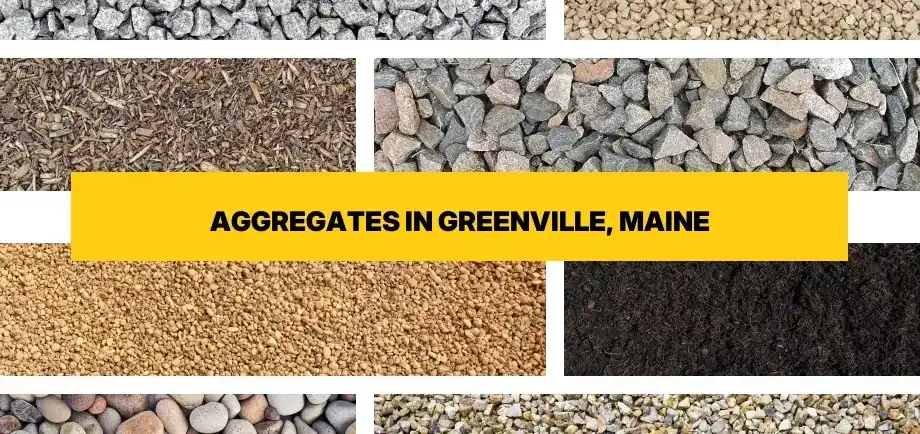
Shop Aggregates for Delivery in Greenville
Order online for free delivery to any Greenville address.


Gravel Monkey delivers premium aggregates and landscaping materials throughout Greenville, Maine and the spectacular Moosehead Lake region. From seasonal camp driveways along Lily Bay Road to residential properties in Junction and Kokadjo, we bring quality stone, gravel, and soil directly to your site with free delivery. Whether you're maintaining a camp road, upgrading a driveway to handle Maine winters, or building drainage solutions for the region's challenging soil conditions, our comprehensive selection of aggregates meets every project need in Piscataquis County.
Complete Aggregate Selection for Greenville Projects
The Greenville area demands durable materials that withstand extreme temperature swings, heavy snowfall averaging over 100 inches annually, and the challenging freeze-thaw cycles that define Maine's North Woods climate. Gravel Monkey provides aggregates specifically suited for these demanding conditions, ensuring your driveways, roads, and drainage systems perform reliably year after year.
Our aggregate delivery service covers all of Greenville, from waterfront properties on Moosehead Lake's southern shores to remote camps accessible via logging roads. We understand the unique requirements of building and maintaining in this region where frost penetration reaches 4 to 5 feet deep, and proper base materials make the difference between a driveway that lasts decades and one that fails after a single winter.
Driveway and Road Base Aggregates
Greenville's seasonal temperature extremes create significant challenges for driveways and access roads. Winter lows regularly drop below zero Fahrenheit, while summer temperatures can reach into the 80s. This dramatic range causes soil expansion and contraction that destroys poorly constructed driveways. Proper aggregate selection provides the foundation that resists these forces.
- Driveway Gravel - Engineered blend designed for Maine's climate with superior compaction properties
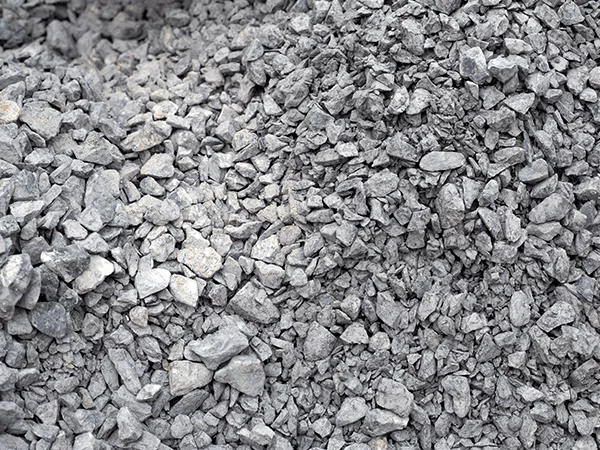
- Crusher Run - Contains stone dust that binds particles together, creating an extremely stable base that resists frost heave
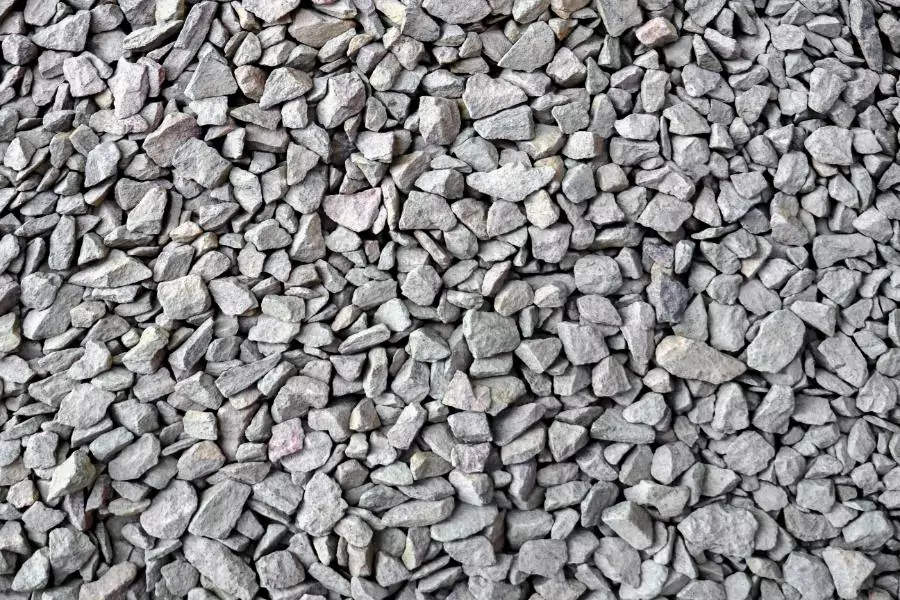
- 3/4 inch Crushed Stone - Angular crushed aggregate that locks together for excellent load-bearing capacity on driveways
- Road Base - Heavy-duty foundation material used for camp roads and longer access driveways throughout the Moosehead region
- #57 Stone - Standard crushed stone perfect for driveway surfacing and drainage layers
- Crushed Concrete - Eco-friendly recycled aggregate that performs excellently as base material and costs less than virgin stone
Drainage and Foundation Aggregates
The Greenville area's glacial till soils contain significant clay content, creating drainage challenges for property owners. Spring snowmelt combined with rainfall can saturate these soils, leading to basement seepage, foundation issues, and unstable driveways. Proper drainage aggregates channel water away from structures and prevent costly damage.
Properties near Moosehead Lake or in lower-lying areas around Junction face particular drainage concerns. The region's geology includes pockets of marine clay deposits left from the last glacial period, which expand when wet and can cause severe foundation problems. Clean drainage stone provides essential water management for these challenging sites.
- Drain Rock - Clean, angular stone without fines that promotes rapid water flow around foundations and under driveways
- Clean Stone - Washed aggregate ideal for French drain systems and septic field applications
- Foundation Stone - Large, stable aggregates that provide solid footing for building foundations in Greenville's variable soils
Decorative Landscaping Aggregates
Greenville's natural beauty attracts property owners who want their camps and homes to complement the surrounding wilderness. Decorative aggregates create attractive, low-maintenance landscaping that handles the region's climate while enhancing curb appeal. These materials work particularly well around camps where minimal maintenance is essential for seasonal properties.
- River Rock - Smooth, naturally rounded stones in various sizes perfect for water features and decorative beds near Moosehead Lake properties
- Pea Gravel - Small, rounded aggregate excellent for pathways and ground cover around camps and cabins
- Walkway Gravel - Specially sized aggregate that creates comfortable, stable paths between buildings
- Decomposed Granite - Natural-looking material that compacts firmly for rustic pathways and patio areas
Sand Products for Construction and Recreation
Sand serves numerous purposes in the Greenville area, from construction projects to beach areas at lakefront camps. Quality sand makes the difference between projects that last and those that fail prematurely, especially in masonry work where proper sand-to-cement ratios ensure structural integrity.
- Mason Sand - Fine, clean sand essential for mortar mixing and concrete work on Greenville construction projects
- Playground Sand - Soft, safe sand for play areas at camps and residential properties
- Washed Sand - Clean, versatile sand suitable for multiple applications from bedding pipe to creating beach areas
Soil and Amendment Products
Greenville's natural soils derive from glacial activity, creating variable conditions across the region. Rocky till dominates higher elevations while clay deposits appear in valleys and near water. Both situations present challenges for gardening and establishing lawns. Quality topsoil and fill dirt transform challenging sites into productive growing areas.
Choosing the Right Aggregate for Greenville Conditions
Selecting appropriate aggregates for your Greenville project requires understanding how different materials perform in the region's challenging climate. The following comparison helps property owners make informed decisions based on their specific needs around Moosehead Lake and throughout Piscataquis County.
| Aggregate Type | Best Applications | Drainage Rating | Compaction Level | Frost Resistance |
|---|---|---|---|---|
| Crusher Run | Driveway base, camp roads, foundations | Good | Excellent | Excellent |
| 3/4" Crushed Stone | Driveway surface, drainage layers | Excellent | Very Good | Excellent |
| #57 Stone | Drainage, concrete aggregate, driveway topping | Excellent | Good | Excellent |
| Drain Rock | French drains, foundation drainage, septic systems | Superior | Moderate | Excellent |
| Road Base | Long access roads, heavy traffic areas | Good | Excellent | Excellent |
| Pea Gravel | Walkways, decorative landscaping, ground cover | Very Good | Poor | Very Good |
| River Rock | Landscaping, water features, erosion control | Good | Poor | Excellent |
| Crushed Concrete | Base material, cost-effective driveway substrate | Excellent | Very Good | Excellent |
Understanding these characteristics helps match aggregates to specific conditions around Greenville. Properties in Junction with heavy clay soils benefit from crusher run's binding properties, while camps along Lily Bay Road with sandy soils may prefer clean crushed stone. Sites near Moosehead Lake requiring foundation work need drain rock to handle groundwater and snowmelt effectively.
Aggregate Applications Throughout the Greenville Area
The Moosehead Lake region presents unique challenges and opportunities for aggregate use. Understanding local conditions helps property owners select materials that perform optimally across different neighborhoods and terrain types found throughout the Greenville area.
Moosehead Lake Waterfront Properties
Camps and homes along Moosehead Lake's shoreline face specific challenges from high water tables, wave action during storms, and the freeze-thaw cycles that affect saturated soils. Properties in areas like Beaver Cove and along the eastern shore near Mount Kineo require excellent drainage solutions. Aggregates used here must handle moisture while providing stable foundations for structures and driveways.
Drain rock becomes essential for these waterfront locations, as seasonal water level fluctuations and spring runoff create saturated conditions. Many lakefront driveways benefit from deep aggregate bases—often 8 to 12 inches—to provide stability above the water table. The combination of crusher run base with clean stone drainage layers creates driveways that handle boats, trailers, and the challenging conditions these beautiful properties present.
Junction and Lower Village Areas
The village center and Junction area properties typically sit on flatter terrain with heavier soils. This location, where the Moosehead Trail meets local access roads, contains more clay content in the natural soil profile. Property owners in these neighborhoods particularly benefit from aggregates that compact firmly and shed water effectively. Road base and crusher run excel in these conditions, creating solid foundations that resist the heaving forces of Maine winters.
Kokadjo and Remote Camp Roads
Further north toward Kokadjo and along extended camp access roads, property owners face different challenges. These remote locations require durable aggregate bases that handle minimal maintenance and resist washboarding from repeated vehicle passage. Road base provides the stable foundation these extended driveways demand, while surface applications of larger crushed stone help maintain traction and resist rutting during mud season.
Remote camps often rely on logging road access, where proper aggregate selection becomes critical during spring when frost leaves the ground. Properties along First Roach Pond and into the deeper woods use substantial aggregate quantities to maintain reliable access throughout the challenging shoulder seasons.
Lily Bay Road Corridor
Properties along Lily Bay Road extending north from Greenville toward Kokadjo span diverse terrain and soil conditions. This scenic route passes through areas of sandy glacial outwash, rocky till, and occasional clay deposits. Aggregate needs vary considerably along this corridor depending on specific site conditions and property elevation.
Higher elevation properties with naturally well-drained sandy soils may require less aggregate depth but benefit from materials that lock together to resist erosion. Lower areas with clay content need deeper installations with enhanced drainage layers. Many successful driveways along Lily Bay Road use a combination approach—drain rock at the base for moisture management, crusher run for structural support, and clean crushed stone at the surface for aesthetics and performance.
Mountain Views and High Elevation Properties
Properties at higher elevations around Greenville, particularly those with views toward Big and Little Spencer Mountains or Elephant Mountain, experience even more severe winter conditions than lakeside locations. Deep frost penetration and extended periods of frozen ground demand robust aggregate installations. These sites typically feature rocky glacial till that drains naturally but may require substantial excavation to reach stable bearing soil.
High elevation properties benefit from deep aggregate bases that extend below the frost line, typically 4 to 5 feet in this region. While this requires more material investment initially, the result is a driveway or building pad that performs reliably through decades of harsh winters. Clean crushed stone and road base provide the stability these mountain properties require.
Understanding Greenville's Climate and Geology for Better Aggregate Selection
Successful aggregate projects in the Moosehead region require understanding the area's unique environmental characteristics. Greenville's climate combines severe winters, substantial precipitation, and dramatic seasonal temperature swings that test every building material. The underlying geology adds another layer of complexity that influences drainage, stability, and long-term performance.
Climate Considerations for Aggregate Projects
Greenville experiences a humid continental climate with cold, snowy winters and mild summers. January temperatures average around 10°F, while July averages reach approximately 65°F. This 55-degree seasonal swing creates enormous stress on driveways and foundations through expansion and contraction cycles. Annual precipitation exceeds 40 inches, with additional moisture from over 100 inches of annual snowfall.
The growing season spans only about 90 to 100 days, meaning soils spend much of the year frozen or in transition states. Spring thaw creates particularly challenging conditions as frost leaves the ground from the surface down, temporarily creating saturated, unstable soil conditions known locally as mud season. Aggregates must handle these transitions without heaving, settling, or washing away.
Winter freeze-thaw cycles occur frequently during shoulder seasons when temperatures fluctuate around freezing. Water trapped in poor-quality aggregates expands when frozen, creating pressure that destroys driveway integrity. Clean, well-draining aggregates resist this damage by allowing water to escape before freezing occurs.
Glacial Geology Impacts
Greenville's landscape was shaped by glacial activity during the last ice age. The Laurentide Ice Sheet carved Moosehead Lake's basin and deposited various glacial materials across the region as it retreated. Understanding these deposits helps property owners anticipate soil conditions and select appropriate aggregates.
Glacial till covers much of the upland areas around Greenville, consisting of mixed clay, silt, sand, gravel, and boulders deposited directly by ice. This unsorted material creates variable soil conditions even within single properties. Areas of poor drainage exist adjacent to sections of excessive drainage, making aggregate selection challenging without proper site evaluation.
Glacial outwash deposits appear in valleys and lower elevations where meltwater streams sorted materials by size. These areas typically contain sandy, gravelly soils with excellent natural drainage but less stability for supporting structures. Properties on outwash require aggregates that compact firmly to create stable foundations despite the loose underlying material.
Marine clay deposits exist in some lower elevation areas, remnants of when rising sea levels following glacial melting created the Champlain Sea. These clay soils present the most challenging conditions for construction, expanding when wet and contracting when dry. Properties on clay soils absolutely require proper aggregate bases and drainage systems to prevent ongoing foundation and driveway problems.
Frost Penetration and Its Effects
Maine's building codes recognize frost depths of 4 feet, but actual penetration around Greenville often reaches 5 feet in exposed areas during severe winters. This deep freezing affects foundations, water lines, and particularly driveways. Frost heave occurs when water in soil freezes and expands, lifting structures and pavements above their original position.
Proper aggregate installation mitigates frost heave through several mechanisms. Deep bases extend below the frost line, providing stable support regardless of surface freezing. Clean, angular aggregates drain water away before it can freeze, eliminating the expansion pressure that causes heaving. Compacted crushed stone creates an interlocking matrix that resists upward movement even when surrounding soils freeze.
Aggregate Installation Best Practices for Greenville Properties
Proper installation determines whether aggregates perform effectively through decades of Maine winters or fail within a few years. The Moosehead region's challenging conditions demand careful attention to drainage, compaction, and material selection throughout the installation process.
Driveway Construction in Greenville
Successful driveway construction begins with thorough site preparation. Remove all topsoil, organic matter, and unstable subsoil to reach firm bearing material. In areas with clay subsoils, excavation depths of 18 to 24 inches are common, while sandy sites may require less removal. The goal is creating a stable base that won't settle or shift under load.
Install geotextile fabric over prepared subgrade to prevent aggregate migration into soft soils and to provide separation between base materials and native soils. This fabric is particularly important in clay soil areas around Junction and lower elevation properties near Moosehead Lake.
Build the aggregate base in layers, compacting each lift thoroughly before adding the next. For typical residential driveways, a 6 to 8 inch compacted base of crusher run or road base provides excellent support. Compact using vibratory equipment, ensuring each pass overlaps to achieve uniform density. Proper compaction cannot be overstated—loose aggregate will fail regardless of depth or material quality.
Add a 2 to 4 inch surface layer of clean crushed stone over the compacted base. This surface layer provides traction, drainage, and an attractive appearance while protecting the base from direct traffic wear. Maintain positive drainage across the entire driveway surface, sloping away from structures and toward drainage swales or natural runoff areas.
Foundation and Drainage Applications
Foundation excavations around Greenville require at least 4 feet of depth to extend below the frost line, often reaching 5 feet for added security. Place clean drain rock around foundation perimeters to facilitate water movement away from structures. Install perforated drain pipe at the footing level, surrounded by drain rock and wrapped in filter fabric to prevent soil infiltration.
Connect foundation drains to daylight outlets or dry wells located well away from structures. In areas without natural drainage outlets, dry wells filled with clean stone provide water disposal. These drainage systems prevent basement seepage and protect foundations from the freeze-thaw damage that occurs when water-saturated soils freeze against concrete walls.
Free Aggregate Delivery Throughout the Moosehead Lake Region
Gravel Monkey provides complimentary delivery to all areas around Greenville, ensuring property owners receive quality aggregates without additional transportation costs. Our delivery service extends throughout the Moosehead Lake region, reaching remote camps and accessible village properties alike.
Comprehensive Service Area Coverage
We deliver to properties throughout these Greenville area locations and beyond:
- Moosehead Lake Shoreline - Camps and homes along the entire southern shore and accessible northern reaches
- Lily Bay Road Corridor - Properties extending north from Greenville village toward Kokadjo
- Junction Area - Residential and commercial properties in the village and surrounding neighborhoods
- Kokadjo - Remote camps and properties in this wilderness area north of Greenville
- Beaver Cove - Waterfront properties along this scenic section of Moosehead Lake's eastern shore
- Rockwood - Properties west of Greenville along Route 15 and the Moose River
- First Roach Pond - Camps accessed via logging roads east of Greenville
- Spencer Bay - Remote camps on Moosehead Lake's northern reaches
Our delivery trucks handle the region's challenging access roads, including seasonal camp roads and logging road approaches. We coordinate delivery timing with property owners to ensure access during appropriate conditions, particularly important for remote camps that become inaccessible during spring mud season or before winter road maintenance begins.
Delivery Logistics for Remote Properties
Remote camp deliveries require coordination between property owners and our delivery team. Access road conditions, seasonal restrictions, and delivery vehicle size all factor into successful aggregate placement. Properties reached via private logging roads may need advance notice to road maintenance companies, ensuring gates are unlocked and roads are passable.
Spring and fall deliveries can be particularly challenging as road conditions transition between seasons. We work with property owners to time deliveries during optimal conditions when roads are firm and accessible but before severe weather limits access. Many camp owners schedule aggregate deliveries in late spring after mud season concludes or in early fall before freeze-up begins.
Calculating Aggregate Quantities for Greenville Projects
Accurate quantity calculations ensure you order sufficient aggregates while avoiding costly excess. The Moosehead region's challenging conditions often require more material than similar projects in milder climates, particularly for proper drainage and frost protection.
Basic Volume Calculations
Calculate aggregate needs using this formula: Length (feet) × Width (feet) × Depth (feet) ÷ 27 = Cubic Yards needed. For example, a 100-foot driveway that's 12 feet wide requiring 6 inches (0.5 feet) of aggregate: 100 × 12 × 0.5 ÷ 27 = 22.2 cubic yards.
For Greenville driveways, plan on deeper aggregate bases than standard recommendations. Residential driveways typically need 6 to 8 inches of compacted base material, while camp access roads carrying heavier loads or experiencing minimal maintenance may require 12 inches or more. Add the surface layer depth to base depth for total aggregate needs.
Adjustment Factors for Maine Conditions
Several factors affect actual aggregate quantities needed for Greenville projects:
- Compaction - Loose aggregate settles 20 to 30 percent during compaction; order extra to achieve target finished depth
- Subgrade Conditions - Soft or unstable soils absorb more aggregate as material punches into the subgrade
- Drainage Requirements - Properties with poor drainage need deeper bases and separate drainage layers
- Traffic Loads - Heavy equipment access or frequent boat trailer use requires deeper, more robust bases
When in doubt, order 10 to 15 percent more aggregate than basic calculations suggest. Running short on a remote Kokadjo camp road costs more in additional delivery charges than ordering sufficient material initially. Our team helps calculate appropriate quantities based on your specific site conditions and project requirements.
Frequently Asked Questions About Aggregates in Greenville
We deliver driveway gravel, crushed stone in various sizes including 3/4 inch and #57 stone, pea gravel, river rock, crusher run, road base, drain rock, recycled concrete, topsoil, fill dirt, and multiple sand varieties throughout Greenville and surrounding Moosehead Lake areas.
Yes! Gravel Monkey offers FREE delivery to Greenville and the surrounding Maine area for all gravel and aggregate orders. We serve properties around Moosehead Lake, Junction, and throughout Piscataquis County.
For Greenville's harsh winters with heavy snow and freeze-thaw cycles, crusher run and 3/4 inch crushed stone provide excellent compaction and drainage. These aggregates handle frost heave and snowplow pressure better than softer materials.
The amount depends on your project size and depth needed. For driveways, we recommend 4 to 6 inches depth due to frost penetration in the Moosehead region. Calculate length times width times depth in feet, then divide by 27 for cubic yards needed.
Yes! We deliver to camps and properties throughout the Greenville area, including remote locations near Moosehead Lake, Kokadjo, and along Lily Bay Road. Contact us to confirm access and delivery details for your specific location.
We offer mason sand for construction and mortar work, playground sand for safe play areas, and washed sand for various applications. All sand products are delivered free throughout the Greenville area.
Yes. Greenville sits on glacial till with variable drainage. Properties near Moosehead Lake or in lower elevations often need enhanced drainage solutions. Drain rock and proper grading with quality aggregates prevent water pooling and frost damage during Maine winters.
Late spring through early fall offers optimal conditions for aggregate installation. Avoid working during mud season when subgrade soils are unstable. Many property owners complete projects in June through September when ground conditions are firm and weather is favorable for proper compaction.
Professional Aggregate Delivery for the Moosehead Lake Region
Gravel Monkey brings decades of experience serving the Greenville area with quality aggregates and reliable delivery service. We understand the unique challenges Maine's North Woods climate presents and provide materials that perform through harsh winters and seasonal transitions. From waterfront camps on Moosehead Lake to remote properties in Kokadjo, our free delivery service ensures you receive the right aggregates when you need them.
Our team helps property owners select appropriate materials for their specific sites, considering soil conditions, drainage requirements, and intended use. Whether you're building a new camp road, repairing winter damage to an existing driveway, or creating drainage solutions around your foundation, we provide the aggregates and expertise that ensure project success.
Contact Gravel Monkey today at +1-646-809-3983 to discuss your aggregate needs in the Greenville area. We're ready to deliver quality materials throughout the Moosehead Lake region with professional service you can trust.

Need help? Reach out for a quote: