Gravel for Sale in West Forks, Maine
Local Topsoil, Dirt, Sand, Rocks and Gravel near me in West Forks, Maine
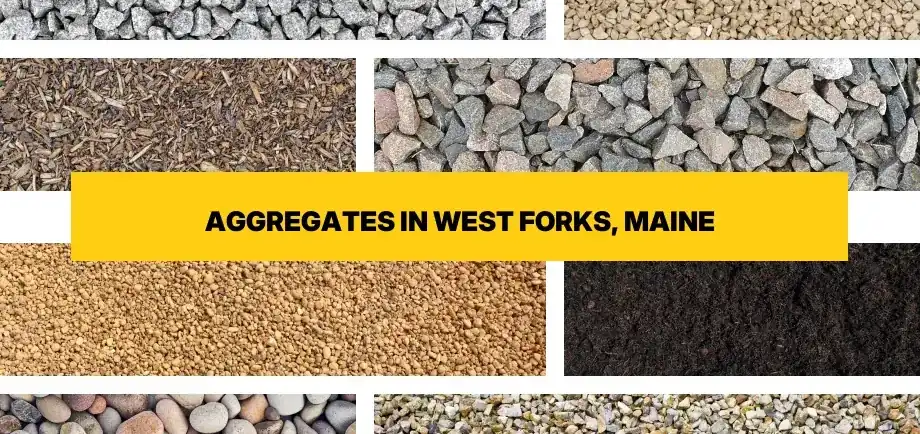
Shop Aggregates for Delivery in West Forks
Order online for free delivery to any West Forks address.
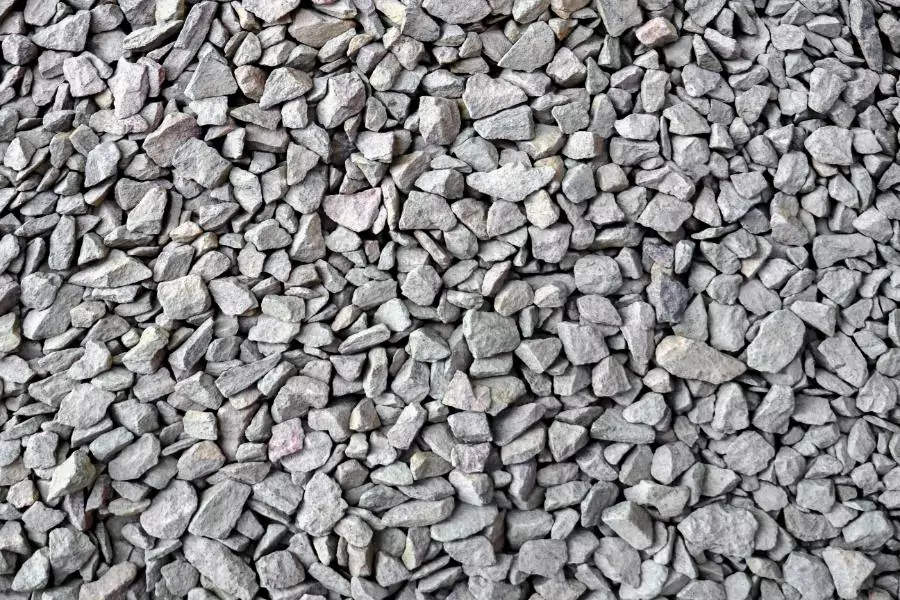
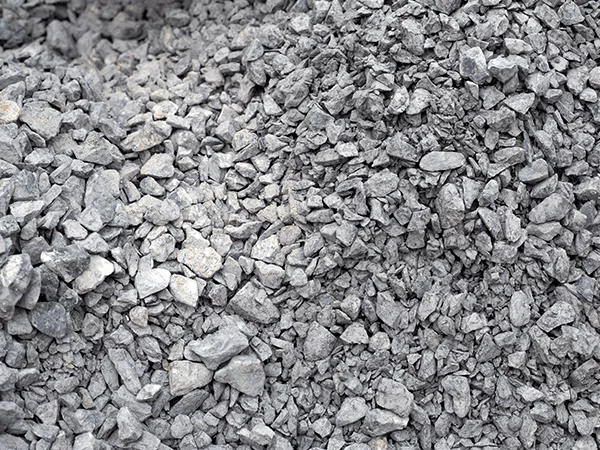


Gravel Monkey provides reliable aggregate and gravel delivery services to West Forks, Maine, where the confluence of the Dead River and Kennebec River creates a landscape that demands durable construction materials. Whether you're maintaining a seasonal camp access road, building a new driveway near Moxie Gore, or managing drainage on property along the Kennebec River corridor, we deliver high-quality aggregates directly to your site with free delivery throughout Somerset County. Our materials are specifically selected to withstand Maine's extreme seasonal variations, from sub-zero winters to muddy spring thaws.
Comprehensive Aggregate Materials for West Forks Properties
West Forks sits at the heart of Maine's North Woods, where proper aggregate selection makes the difference between a durable surface and costly repairs. We offer a complete range of materials suited to the region's challenging conditions:
- Driveway Gravel - Engineered base material designed for long-lasting residential and seasonal camp driveways
- 3/4 inch Crushed Stone - Versatile aggregate perfect for foundations and driveway surfaces
- #57 Stone - Industry-standard crushed stone for drainage applications and concrete mixes
- Crusher Run - Superior compactable base material that creates stable, long-lasting surfaces
- Road Base - Professional-grade foundation material for roads and heavy-duty driveways
- Drain Rock - Essential aggregate for managing water flow and preventing frost heave
- Pea Gravel - Smooth, rounded stones ideal for walkways and decorative landscaping
- River Rock - Natural aesthetic stones perfect for water features and garden beds
- Walkway Gravel - Specially sized aggregate for comfortable, stable foot traffic paths
- Crushed Concrete - Eco-friendly recycled material for sustainable construction projects
- Topsoil - Nutrient-rich soil for gardens, lawns, and restoration projects
- Fill Dirt - Quality fill material for grading, leveling, and site preparation
- Mason Sand - Fine-grade sand for masonry, paver installation, and construction
- Playground Sand - Clean, safe sand for play areas and recreational spaces
- Washed Sand - Premium cleaned sand for various construction applications
- Decomposed Granite - Natural, compactable material for pathways and rustic surfaces
Understanding West Forks Geology and Climate Challenges
West Forks occupies a unique geographic position in Somerset County, where glacial deposits left behind varied soil compositions that directly impact construction and landscaping decisions. The region's soils include sandy loams and gravelly tills deposited during the last ice age, which provide good natural drainage but can shift during freeze-thaw cycles. The Kennebec River valley features alluvial deposits, while higher elevations contain rockier, less developed soils.
Maine's climate presents significant challenges for aggregate applications. West Forks experiences average winter temperatures ranging from 5°F to 25°F, with extended periods well below freezing. Annual snowfall exceeds 100 inches, and spring brings the notorious "mud season" when frozen ground thaws from the surface down. This freeze-thaw cycle causes frost heaving—vertical displacement of soil and aggregates—which can destroy improperly constructed driveways and foundations. Proper aggregate selection and installation depth become critical factors in project longevity.
The region receives approximately 42 inches of precipitation annually, with significant rain events during spring and fall. This moisture, combined with spring snowmelt, creates drainage challenges that require proper aggregate bases. Properties near the Dead River confluence and along Moxie Pond face particularly complex water management issues. Using appropriate drainage materials prevents water accumulation that accelerates freeze-thaw damage during winter months.
Choosing the Right Aggregate for Your West Forks Project
Selecting appropriate materials depends on understanding how different aggregates perform under Maine's demanding conditions. Each product serves specific purposes and offers distinct advantages:
| Aggregate Type | Best Applications | Drainage Quality | Compaction Level | Winter Performance |
|---|---|---|---|---|
| Crusher Run | Driveway bases, camp roads | Excellent | Maximum | Superior stability |
| Road Base | Heavy-duty driveways, parking areas | Very Good | Excellent | Outstanding |
| 3/4 inch Crushed Stone | Driveway surfaces, foundations | Excellent | Good | Very good |
| #57 Stone | Drainage systems, French drains | Outstanding | Moderate | Excellent drainage |
| Drain Rock | Foundation drainage, culverts | Maximum | Minimal | Prevents ice buildup |
| Pea Gravel | Pathways, decorative areas | Good | Light | Moderate |
| Crushed Concrete | Base layers, temporary roads | Very Good | Good | Good stability |
| Decomposed Granite | Walking trails, rustic paths | Moderate | Good | Fair |
Driveway Construction for Maine's Harsh Winters
Building a durable driveway in West Forks requires understanding Maine's specific challenges. The frost line in this region extends 4 feet deep, meaning proper base depth and drainage become non-negotiable elements. Successful driveway construction follows a layered approach that manages both surface water and prevents frost heaving.
Essential Base Layer Strategy
The foundation determines driveway longevity. Start with 8 to 12 inches of compacted base material—crusher run provides optimal performance here because it contains a blend of stone sizes that lock together when compacted. This base layer must extend below the active frost zone or include proper drainage to prevent heaving. Properties near the Kennebec River or in lower-lying areas around Spencer Pond require additional attention to water table management.
Above the base layer, add 3 to 4 inches of surface aggregate. Many West Forks residents prefer 3/4 inch crushed stone for this layer because it provides excellent traction during winter months while maintaining stability. The angular nature of crushed stone prevents washout during spring runoff, a common problem with rounded gravels. For camp access roads seeing occasional use, road base material offers exceptional durability that withstands seasonal freeze-thaw cycles with minimal maintenance.
Drainage Management Around Properties
Proper water management prevents 80% of driveway failures in Maine. Install drain rock along driveway edges and beneath the base layer in areas with poor natural drainage. This aggregate creates pathways for water to move away from the driving surface rather than pooling and freezing. Properties in Moxie Gore and areas near Parlin Pond particularly benefit from enhanced drainage systems due to higher water tables and proximity to wetlands.
Crown your driveway surface with a gentle slope from center to edges—approximately 2% grade—to encourage water runoff. During mud season, this simple design element prevents water accumulation that would otherwise soften base materials and create ruts. Consider French drains or culverts where driveways cross natural water flows, common on properties accessing camps along the Dead River region.
Seasonal Aggregate Applications in West Forks
Maine's dramatic seasonal shifts create distinct windows for aggregate work and specific material demands throughout the year. Understanding these patterns helps property owners plan projects effectively and choose materials that perform year-round.
Spring and Summer Projects
Late spring through early fall represents prime time for aggregate projects in West Forks. Ground thaw typically completes by late May, though mud season can extend into early June in particularly wet years. This period offers ideal conditions for excavation, base preparation, and aggregate installation. Summer's dry weather allows proper compaction of base materials and adequate settling time before winter arrives.
Summer months bring different challenges. Dust control becomes important on gravel driveways, particularly during dry spells common in July and August. Properties around Lake Moxie and other recreational areas may need additional surface material or periodic grading to maintain smooth access. Washed sand mixed into surface layers can reduce dust while maintaining drivability. This season also presents the best opportunity for landscaping projects using pea gravel and river rock, as ground conditions allow for proper bed preparation and material placement.
Fall Preparation and Winter Readiness
Fall aggregate work focuses on preparation for Maine's demanding winter season. September through early November provides the final window for driveway repairs or expansion projects. Fresh gravel surfaces need time to compact and settle before snow arrives—ideally allowing 4 to 6 weeks of vehicle traffic before the first significant snowfall. This settling period prevents ruts from forming when plowing begins.
Winter aggregate needs shift toward maintenance and drainage. Mason sand provides traction on icy surfaces without the corrosive effects of road salt, making it popular for camp driveways and walking paths. Properties experiencing ice dams or poor drainage benefit from drain rock installation around foundations, though this work ideally happens during warmer months. Winter also reveals drainage inadequacies through ice accumulation patterns, helping property owners plan spring improvements.
Aggregate Solutions for West Forks Area Properties
Different areas around West Forks present unique challenges that require tailored aggregate approaches. Understanding local geography helps property owners select appropriate materials and construction methods.
Kennebec River Corridor Properties
Properties along the Kennebec River valley face high water tables and potential flooding risks. Base layers need exceptional drainage capabilities—drain rock installed 12 to 18 inches deep creates a stable foundation that allows water to move through rather than accumulating. Crushed concrete works well for camp access roads in these areas because it provides firm surfaces even in moist conditions while offering environmental benefits through recycling.
River-adjacent properties also contend with erosion during spring runoff. Stabilizing banks and access points with larger aggregates prevents washout. Road base material creates durable approaches to boat launches and river access points that withstand repeated vehicle traffic and water exposure. These applications require proper geotextile fabric installation beneath aggregates to prevent material migration into surrounding soils.
Mountain and Highland Areas
Properties at higher elevations near Coburn Mountain and throughout the Dead River region experience more extreme winter conditions and earlier freezes. Driveways in these areas benefit from extra base depth—10 to 14 inches of crusher run provides the stability needed for steep grades and heavy snow loads. The compactable nature of crusher run prevents washout on sloped driveways while maintaining traction during icy conditions.
Highland properties often have rockier native soils with excellent natural drainage but challenging excavation conditions. Crushed stone materials blend well with existing rocky substrates, creating seamless transitions. Walkway gravel works effectively for paths connecting buildings on steep terrain, providing stable footing without requiring extensive excavation or formal construction.
Seasonal Camp Access
Seasonal camps dotting the West Forks landscape need driveway and parking solutions that withstand minimal maintenance and extended periods without use. Crusher run topped with 3/4 inch crushed stone creates low-maintenance surfaces that perform reliably season after season. This combination sheds water effectively, preventing the rutting and degradation that plague less carefully constructed access roads.
Many camp driveways see use only during summer and hunting season. This usage pattern actually benefits properly constructed gravel surfaces, as regular traffic aids compaction without subjecting materials to winter plowing abuse. Spring maintenance typically involves adding fresh surface stone to replace material lost during runoff—plan on replenishing 1 to 2 inches every 2 to 3 years for optimal performance.
Decorative Aggregates for North Woods Properties
Beyond functional applications, aggregates enhance the aesthetic appeal of West Forks properties. Natural materials complement the region's forested landscape while providing practical benefits for gardens, pathways, and water features.
Natural Stone Landscaping
River rock creates beautiful, low-maintenance landscaping that fits perfectly with Maine's natural aesthetic. Use larger river rock (2 to 4 inches) around building foundations for drainage and weed suppression. Smaller river rock works well in garden beds, providing erosion control on slopes while creating visual interest. These materials require minimal maintenance beyond occasional cleaning to remove organic debris.
Pea gravel offers versatility for pathways, dog runs, and decorative areas. Its smooth texture makes it comfortable for walking while providing excellent drainage. Create attractive pathways connecting cabins to water access points or linking various outbuildings. Edge pathways with larger stones or timber to contain pea gravel and prevent migration into surrounding areas. The neutral color palette of natural pea gravel complements Maine's woodland settings without appearing artificial or out of place.
Functional Landscaping Applications
Decomposed granite provides an alternative to traditional grass areas in challenging growing conditions. This compactable material creates firm surfaces for seating areas, outdoor cooking spaces, or gathering areas around firepits. The natural appearance blends with forest surroundings while remaining stable enough for furniture placement. In areas with short growing seasons and acidic soils, decomposed granite offers a practical alternative to struggling with lawn maintenance.
Combine topsoil with native materials for raised garden beds and planting areas. West Forks' short growing season (approximately 90 to 110 frost-free days) makes raised beds particularly valuable for extending the growing season. Quality topsoil provides the nutrient base necessary for productive gardens, while proper drainage using underlying aggregate layers prevents waterlogging during wet springs.
Specialized Sand Products for Maine Properties
Different sand types serve distinct purposes in construction and landscaping projects. Understanding these variations helps property owners select the right material for specific applications around West Forks.
Construction-Grade Sands
Mason sand provides the fine, clean texture required for masonry work, paver installation, and concrete mixing. When building stone walls, installing paver patios, or doing chimney work on camps, mason sand ensures proper mortar consistency and joint filling. Its fine gradation allows for smooth finishing work while maintaining the strength necessary for structural applications.
Washed sand removes clay, silt, and organic materials that could compromise construction projects. Use washed sand beneath above-ground pools, under synthetic turf installations, or as bedding for underground utilities. The cleaning process ensures consistent particle size and eliminates materials that might shift or compress unevenly over time.
Recreational Sand Applications
Playground sand meets safety standards for recreational areas, providing soft landing surfaces around play equipment. Whether creating play areas for family camps or community spaces, playground sand offers impact absorption while draining effectively to prevent standing water. Regular maintenance involves raking to maintain depth and evenness, plus periodic top-dressing to replace sand displaced through use.
Beach areas along Moxie Pond or private waterfront properties benefit from clean playground sand that creates comfortable recreation spaces. The fine texture feels pleasant underfoot while remaining stable enough to support beach furniture and activities. Sand depth of 12 to 18 inches over proper filter fabric prevents mixing with underlying soils and maintains beach integrity through seasonal use.
Free Aggregate Delivery Throughout West Forks
Gravel Monkey provides comprehensive delivery service to all West Forks locations, from properties along Route 201 to remote camps accessible only by seasonal roads. Our free delivery eliminates the challenge of transporting heavy aggregate materials yourself while ensuring proper quantities arrive at your site.
We understand the unique access challenges presented by properties in Somerset County. Many camps and homes sit at the end of narrow forest roads or seasonal tracks that require careful navigation. Our experienced drivers know the area and can assess delivery feasibility for even the most remote locations. Contact us to discuss specific access requirements, including bridge weight limits, seasonal road restrictions, or narrow passage concerns.
Material Placement and Unloading
Proper aggregate placement starts with material delivery. When possible, we place materials as close to the final installation location as your access allows. This minimizes the distance you need to move materials, saving significant time and effort. For driveway projects, we can often distribute loads along the length of the drive, making spreading and grading more manageable.
Prepare your site before delivery to maximize material placement options. Mark underground utilities, remove obstacles along access routes, and identify the best unloading location. During mud season or wet conditions, ensure delivery areas can support loaded truck weights—spreading plywood or placing gravel pads prevents trucks from sinking or causing property damage. Our team works with you to schedule deliveries during optimal conditions when your property can best accommodate material placement.
Calculating Aggregate Quantities for Your Project
Accurate material estimation prevents project delays and ensures you order appropriate quantities. Different applications require different depths and coverage rates, making proper calculation essential for successful outcomes.
Standard Coverage Guidelines
For driveway projects, calculate surface area (length × width) then multiply by desired depth to determine cubic footage. Divide by 27 to convert to cubic yards—the standard unit for aggregate orders. A typical residential driveway measuring 12 feet wide by 100 feet long needs approximately 15 cubic yards of base material at 4 inches deep, plus 11 cubic yards of surface material at 3 inches deep.
Drainage applications require different calculations based on trench dimensions. French drains typically use 4-inch perforated pipe surrounded by 6 to 8 inches of drain rock on all sides. A 50-foot French drain needs roughly 3 cubic yards of drain rock, plus additional material for surface restoration. Foundation drainage around buildings requires calculating perimeter length, trench depth (usually 12 to 18 inches), and width (typically 12 inches) to determine total volume.
Depth Requirements for Maine Conditions
Proper depth prevents frost heaving and ensures long-term stability. Driveways need 8 to 12 inches of total aggregate depth in West Forks—more depth for heavy vehicles or poor subgrade conditions. Pathways and light-duty areas can use 4 to 6 inches total depth. Parking areas supporting seasonal vehicles benefit from 10 to 14 inches of combined base and surface materials.
Account for compaction when ordering materials. Aggregates compress approximately 10% to 15% during installation and initial use. Order slightly more than calculated needs to ensure adequate depth after settling. Experienced installers typically add 10% to base calculations and 5% to surface material estimates for optimal results.
Maintaining Gravel Surfaces Through Maine Seasons
Proper maintenance extends aggregate surface life and minimizes repair costs. Different seasons present specific maintenance needs that, when addressed promptly, prevent minor issues from becoming major problems.
Spring Maintenance Protocol
Spring inspection reveals winter damage and guides repair priorities. Look for frost heaves, washouts, potholes, and drainage problems. Grade surfaces to restore proper crown and eliminate standing water. Fill potholes immediately with matching aggregate material—allowing them to persist leads to progressive deterioration that requires more extensive repairs.
Mud season demands patience. Avoid driving on driveways during peak softness when possible, as heavy loads create deep ruts that permanently damage base layers. Once ground firms—typically by late May—grade surfaces to smooth any irregularities. Add fresh surface material where winter plowing removed aggregate or spring runoff caused washout. This annual top-dressing, done consistently, maintains surface integrity for decades.
Summer and Fall Care
Summer maintenance focuses on grading and dust control. Grade gravel driveways after significant rain events to prevent rut formation. During dry periods, spray water on surfaces to control dust, or apply dust suppressant products designed for gravel roads. Maintain proper crown to ensure water runs off rather than pooling on driving surfaces.
Fall preparation includes final grading before snowfall, clearing drainage systems of leaves and organic debris, and adding fresh surface material where needed. Complete these tasks by mid-October in West Forks to allow materials time to settle before winter. Clean culverts and roadside ditches to ensure spring runoff has clear pathways away from driving surfaces.
Winter Protection
Winter maintenance minimizes snow removal damage to aggregate surfaces. Set plow blades 1 to 2 inches above surface level to prevent catching and removing gravel along with snow. Use rubber-edged plows when possible to reduce surface disruption. Mark driveway edges with reflective posts to prevent plowing beyond intended boundaries.
Apply traction materials thoughtfully. Mason sand provides traction without introducing excessive fines that turn to mud during spring thaw. Avoid salt or chemical deicers that can migrate into base layers and accelerate freeze-thaw damage. Steep grades may require occasional sand application during icy periods, but avoid overuse that creates slippery conditions once temperatures rise.
Sustainable Aggregate Practices in Maine's North Woods
Environmental stewardship matters in West Forks, where pristine forests, clean waterways, and abundant wildlife define the landscape. Thoughtful aggregate selection and installation practices minimize environmental impact while delivering durable results.
Erosion Control and Water Quality
Proper aggregate installation prevents erosion and protects water quality in nearby streams, rivers, and ponds. Use silt fencing during construction to contain sediment. Install aggregates during dry conditions when possible to minimize soil disturbance. Stabilize disturbed areas quickly with seed and mulch or erosion control blankets.
Choose crushed concrete for environmentally-conscious projects. This recycled material diverts concrete waste from landfills while providing performance comparable to natural aggregates. The material contains no harmful chemicals and actually improves over time as residual cement binds particles together. Use crushed concrete for base layers where it won't be visible, reserving natural stone for surface applications where appearance matters.
Protecting Natural Drainage Patterns
Maintain natural water flow patterns when installing driveways and structures. Avoid blocking or redirecting streams, springs, or seasonal water courses without proper engineering. Install culverts sized appropriately for peak flow conditions—undersized culverts create erosion and flooding during heavy rain or snowmelt events common in this region.
Position driveways and parking areas to work with natural topography rather than against it. This approach reduces excavation requirements, minimizes soil disturbance, and creates more stable installations that require less maintenance over time. Respect setback requirements from wetlands and water bodies, maintaining vegetated buffers that filter runoff and protect aquatic habitats.
Frequently Asked Questions About Gravel in West Forks
We deliver driveway gravel, crushed stone in various sizes, crusher run, road base, pea gravel, river rock, drain rock, recycled concrete, topsoil, fill dirt, and multiple sand types throughout West Forks and surrounding Somerset County areas.
Yes! Gravel Monkey offers FREE delivery to West Forks and the surrounding Maine area for all gravel and aggregate orders.
For Maine's freeze-thaw cycles, crusher run and road base provide excellent stability. These materials compact well and resist heaving caused by frost. Proper drainage using drain rock beneath driveways prevents ice damage during harsh winters.
The amount depends on your project size and depth. For driveways, calculate length times width times depth in feet, then divide by 27 for cubic yards. Typically, Maine driveways need 4 to 6 inches of base material. Our team can help estimate quantities for your specific West Forks project.
Absolutely. Proper aggregate materials like crusher run and drain rock significantly improve drainage during mud season. These materials create stable bases that allow water to percolate through rather than pooling on the surface, which is essential in West Forks during spring thaw.
We offer mason sand for construction and mortar work, playground sand for safe play areas, and washed sand for various applications. Each sand type is clean and suitable for Maine's climate conditions.
Yes, we deliver to properties throughout the West Forks area, including remote locations along the Kennebec River corridor and Dead River regions. Contact us to confirm delivery access to your specific property location.
Most West Forks driveways benefit from adding 1 to 2 inches of fresh surface material every 2 to 3 years. Properties with heavy use, steep grades, or challenging drainage may need annual top-dressing. Spring assessment reveals areas needing attention after winter and mud season.
Serving All West Forks Area Locations
Gravel Monkey proudly delivers premium aggregates throughout the greater West Forks region, including properties along the Kennebec River corridor, near the Dead River confluence, around Lake Moxie and Moxie Pond, throughout Moxie Gore, along Spencer Stream, near Coburn Mountain, in the Parlin Pond area, and to camps and homes accessing the property from Route 201. Whether your property sits riverside in the village center or at the end of a remote forest road in the surrounding Somerset County wilderness, we provide reliable delivery service with materials selected specifically for Maine's demanding climate conditions.
Our coverage extends to seasonal camps, year-round residences, and commercial properties throughout the region. We understand the unique challenges presented by West Forks' geography—from steep mountain roads to riverside properties prone to spring flooding. Our experienced team helps you select appropriate materials for your specific location and project requirements, ensuring successful outcomes that withstand Maine's dramatic seasonal changes for years to come.
Ready to Start Your West Forks Project?
Whether you're building a new driveway to access your camp along the Dead River, improving drainage around your Kennebec River property, or creating landscaped areas that complement Maine's North Woods setting, Gravel Monkey delivers the quality aggregates you need with free delivery throughout West Forks and surrounding areas. Our materials are selected to perform reliably through Maine's freeze-thaw cycles, mud season challenges, and harsh winter conditions.
Contact us today to discuss your project needs, receive expert guidance on material selection, and schedule your free delivery. Our team understands Somerset County's unique conditions and can help you choose aggregates that deliver lasting results for your specific application and location. From crusher run for stable driveway bases to decorative river rock for natural landscaping, we supply the materials that make your project successful.

Need help? Reach out for a quote: