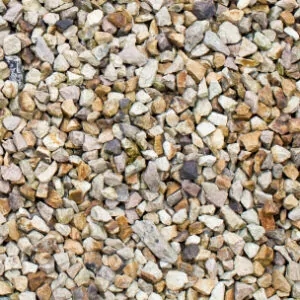
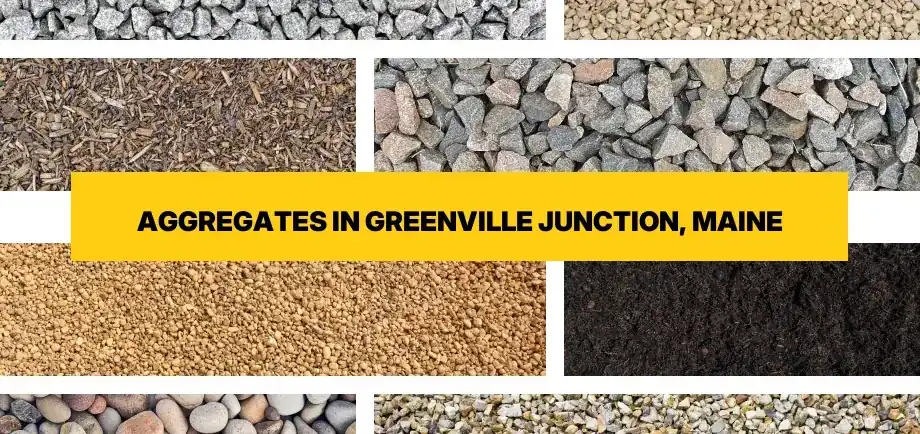
Shop Sand, Stone & Gravel in Greenville Junction, Maine
Local Topsoil, Dirt, Sand, Rocks and Gravel near me in Greenville Junction, Maine
Shop Aggregates for Delivery in Greenville Junction
Order online for free delivery to any Greenville Junction address.
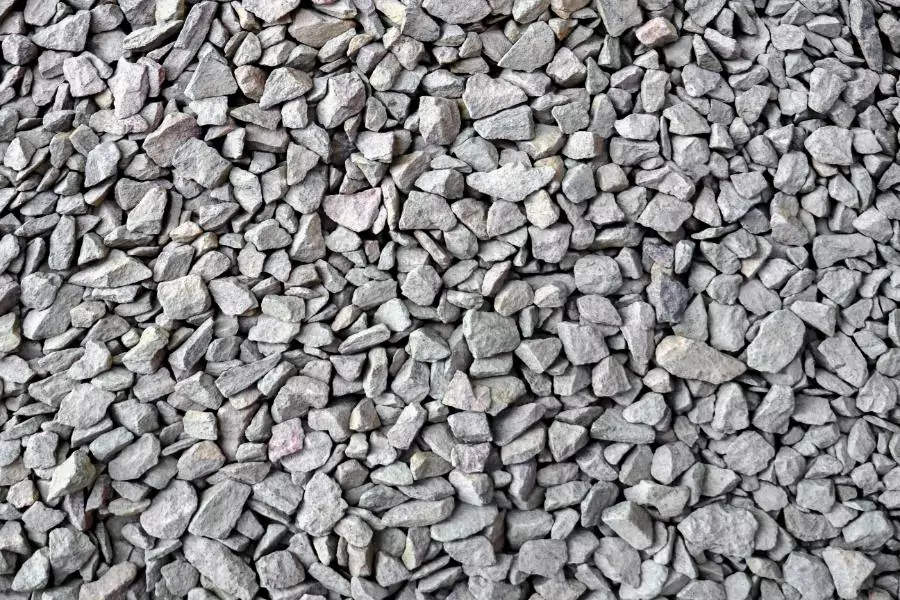
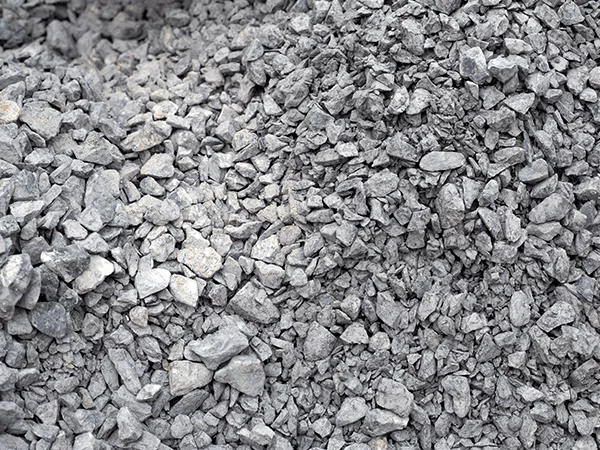


Gravel Monkey provides premium aggregate delivery throughout Greenville Junction, Maine, serving the entire Moosehead Lake region with quality materials built to withstand harsh northern New England conditions. Whether you're maintaining a lakefront property near Junction Cove, upgrading a camp access road along Wilson Pond, or tackling a drainage project in the Kokadjo area, we deliver professional-grade aggregates directly to your site with free delivery throughout Piscataquis County.
Complete Aggregate Selection for Greenville Junction Properties
Our comprehensive inventory addresses every requirement for residential, commercial, and seasonal property projects in the Moosehead Lake region. Each aggregate material we supply is selected specifically to perform in Maine's challenging climate with freeze-thaw cycles, heavy snowfall, and the unique soil conditions characteristic of central Maine.
- Driveway Gravel - Premium base material engineered for Maine driveways and camp access roads
- 3/4 inch Crushed Stone - Versatile aggregate for foundations, driveways, and drainage applications
- #57 Stone - Standard construction aggregate for drainage systems and concrete mix
- Crusher Run - Compactable base material ideal for road building and stable surfaces
- Road Base - Structural foundation material for driveways and access roads
- Pea Gravel - Natural rounded stone for walkways, landscaping, and decorative applications
- River Rock - Decorative natural stone for gardens, water features, and landscape design
- Drain Rock - Large aggregate specifically for drainage trenches and French drain systems
- Crushed Concrete - Eco-friendly recycled aggregate for budget-conscious projects
- Topsoil - Rich organic soil for gardens, lawns, and raised beds
- Fill Dirt - Clean fill material for grading, leveling, and site preparation
- Mason Sand - Fine-grade sand for masonry work and construction projects
- Washed Sand - Clean sand for concrete mixing and various construction uses
- Playground Sand - Safe, clean sand for play areas and recreational spaces
- Walkway Gravel - Specially sized aggregate for attractive, stable walking paths
- Decomposed Granite - Natural compacting material for trails and hardscaping
Serving All Greenville Junction Areas and Moosehead Lake Communities
Gravel Monkey delivers aggregates throughout the greater Greenville Junction area, including these key locations:
Junction Cove - Our most frequent delivery destination, serving lakefront properties requiring quality aggregates for driveway maintenance, shoreline erosion control, and seasonal camp improvements along this popular Moosehead Lake access point.
Lily Bay Area - We regularly supply materials to properties near Lily Bay State Park, where aggregate needs range from campground maintenance to private camp road repair. The sandy loam soils in this region benefit significantly from proper aggregate base layers.
Kokadjo - This remote settlement northwest of Greenville Junction requires reliable aggregate delivery for logging road maintenance and seasonal camp access. We understand the importance of durable materials that can withstand heavy use and minimal maintenance.
Wilson Pond Area - Properties around Wilson Pond frequently need aggregates for drainage solutions and driveway stabilization due to the wet conditions common near this smaller water body northeast of Moosehead Lake.
Big Moose Township - Serving camps and properties in this northern township where aggregate delivery can be challenging. Our service ensures remote properties receive the same quality materials as more accessible locations.
Beaver Cove - This northeastern Moosehead Lake community requires aggregates suited to both permanent homes and seasonal camps, with particular demand during the spring thaw season when frost heave damage becomes apparent.
Spencer Bay - Lakefront properties in this scenic area depend on quality aggregates for maintaining camp roads that see minimal winter maintenance but heavy summer traffic from recreational users.
Greenville Downtown - While technically south of the Junction, we frequently deliver to Greenville proper for contractors working on projects that serve the entire Moosehead Lake region.
Aggregates Engineered for Central Maine Conditions
Greenville Junction's location in the heart of Maine's North Woods creates unique challenges that require specific aggregate solutions. Understanding local climate and geology is essential for successful projects.
Climate Considerations for Aggregate Selection
The Moosehead Lake region experiences some of Maine's most extreme weather conditions. With average annual snowfall exceeding 100 inches and winter temperatures regularly dropping below zero Fahrenheit, aggregates must withstand severe freeze-thaw cycling. Average temperatures range from 10°F in January to 65°F in July, creating a temperature swing of over 50 degrees that constantly tests material durability.
Annual precipitation in Greenville Junction averages 45 inches, with significant rainfall during spring and fall. This high moisture level combined with snowmelt runoff demands aggregates with excellent drainage properties. Materials that cannot shed water efficiently will fail during freeze-thaw cycles as trapped moisture expands and contracts.
Soil and Geological Factors
The glacially-derived soils around Greenville Junction consist primarily of sandy loams and gravelly tills left by retreating ice sheets thousands of years ago. While this glacial till provides decent natural drainage, it lacks the structural integrity needed for driveways and foundations without proper aggregate base layers. The region's bedrock consists mainly of slate and metasedimentary formations that influence groundwater movement and frost depth.
Frost penetration in Piscataquis County typically reaches 4 to 6 feet during severe winters, making proper aggregate depth critical. Without adequate base material that extends below the frost line, driveways and roads experience significant heaving that creates potholes and washboard surfaces. Properties near Moosehead Lake also contend with higher water tables that require enhanced drainage solutions using properly graded aggregates.
Common Aggregate Applications in Greenville Junction
Seasonal Camp and Lakefront Property Maintenance
Moosehead Lake's status as Maine's largest lake makes it a premier destination for seasonal camps and vacation properties. These camps typically require aggregate materials for multiple purposes: stabilizing access roads that may only see maintenance once or twice annually, creating proper drainage around foundations to prevent water intrusion during snow melt, and improving shoreline areas to prevent erosion while maintaining natural beauty.
Camp owners frequently need materials in spring after frost heave damage becomes visible, and again in fall to prepare access roads for winter. The walkway gravel works exceptionally well for camp pathways that need to handle foot traffic while maintaining a natural appearance that blends with the wilderness setting.
Driveway Construction and Repair
Long driveways connecting properties to main roads require substantial aggregate investments. A typical Moosehead Lake region driveway spans 300 to 1,000 feet or more, requiring multiple aggregate layers for proper construction. The base layer should consist of larger crushed stone or crusher run, which compacts firmly and resists movement. This foundation layer prevents the finish surface from sinking into softer subsoils common throughout the area.
The finish surface layer benefits from slightly smaller aggregates that pack tightly while still providing drainage. Many property owners prefer the appearance and performance of natural stone aggregates over processed materials, though both perform well when properly installed with adequate depth.
Drainage System Installation
High water tables and heavy precipitation make drainage a constant concern throughout Greenville Junction. French drain systems using drain rock surrounded by filter fabric effectively redirect water away from foundations and low-lying areas. Properties near Wilson Pond and other water bodies particularly benefit from professional drainage solutions that prevent basement flooding and foundation damage.
Proper aggregate sizing is critical for drainage applications. Materials must be large enough to allow water flow while preventing soil particles from clogging the system. The number 57 stone provides excellent drainage characteristics while being cost-effective for larger installations typical in this region.
| Aggregate Type | Primary Applications | Typical Size | Drainage Rating | Winter Performance |
|---|---|---|---|---|
| Crusher Run | Driveway base, road foundations | Fine to 3/4 inch | Good | Excellent - compacts firmly |
| 3/4 inch Crushed Stone | General purpose, drainage, foundations | 3/4 inch | Excellent | Excellent - handles freeze-thaw |
| #57 Stone | Drainage, concrete aggregate | 1/2 to 1 inch | Excellent | Excellent - superior drainage |
| Drain Rock | French drains, perimeter drainage | 3/4 to 1.5 inch | Superior | Excellent - maximizes water flow |
| Pea Gravel | Walkways, landscaping, decorative | 3/8 inch | Good | Good - may shift without edging |
| Road Base | Heavy-duty roads, commercial drives | Mixed sizes | Good | Excellent - maximum stability |
| River Rock | Landscaping, water features | Various | Fair | Good - decorative applications |
| Crushed Concrete | Base material, eco-friendly projects | Various | Good | Very Good - budget option |
Aggregate Installation Best Practices for Moosehead Lake Region
Site Preparation Requirements
Successful aggregate projects begin with thorough site preparation. The existing surface must be cleared of organic material, vegetation, and topsoil down to stable subsoil. In Greenville Junction's sandy loam soils, this typically means excavating 8 to 12 inches below the desired finish grade. Any soft spots should be over-excavated and replaced with compacted fill dirt to prevent future settling.
Proper drainage design is non-negotiable in this high-precipitation environment. The finished surface should slope away from buildings at minimum 2% grade, and cross-slope should direct water toward planned drainage areas. Properties with poor natural drainage may require subsurface drainage systems installed before aggregate placement.
Layer Construction and Compaction
Professional aggregate installation uses multiple layers, each serving specific purposes. The bottom layer uses larger stone or road base material compacted to provide a stable foundation that bridges soft subsoil areas. This base layer should be 4 to 6 inches thick after compaction to extend below the frost line and prevent heaving.
Middle layers transition to medium-sized aggregates that begin creating the final surface character while maintaining excellent drainage. Many contractors in the Greenville Junction area prefer three-quarter inch crushed stone for this purpose, as it compacts well while retaining void spaces for water movement.
The surface layer uses finer aggregates that create a smooth, attractive finish while still allowing water penetration. Proper compaction at each stage is essential - loose aggregates will shift and create an unstable surface that quickly deteriorates under traffic and weather exposure.
Maintenance and Seasonal Considerations
Even properly installed aggregate surfaces require periodic maintenance in Maine's harsh climate. Spring inspections should identify frost heave damage, washouts from snowmelt, and areas where aggregates have been displaced by plowing operations. Fresh material should be added to low spots and re-compacted before the summer season.
Fall maintenance prepares surfaces for winter by filling any depressions where water might collect and freeze, creating ice hazards and accelerated damage. Grade should be checked to ensure proper water shedding, as even small depressions can collect water that will freeze solid during winter months.
Planning Your Greenville Junction Aggregate Project
Material Volume Calculations
Accurate material estimation prevents costly over-ordering or project delays from insufficient supply. For rectangular areas, multiply length times width times depth (all in feet) then divide by 27 to convert to cubic yards. A typical single-car driveway measuring 12 feet wide by 200 feet long requiring 6 inches of aggregate depth needs approximately 45 cubic yards of material.
Complex shapes require breaking the area into sections, calculating each separately, then summing the totals. Always add 10-15% extra to account for compaction, waste, and irregular subgrade conditions. Greenville Junction's variable soils often contain unexpected soft spots that require additional fill, making this contingency particularly important.
Timing and Seasonal Factors
Late spring through early fall provides ideal conditions for aggregate projects in the Moosehead Lake region. Ground should be thawed and relatively dry for proper compaction and material performance. The construction window typically extends from mid-May through October, though exact timing varies with weather patterns.
Avoid scheduling major aggregate work during mud season (typically April and early May) when saturated soils cannot support heavy equipment or provide stable substrate for aggregate placement. Similarly, late fall installations may not achieve proper compaction if soil begins freezing during the project.
Working with Existing Site Conditions
Many Greenville Junction properties have unique access challenges - long driveways, steep grades, or limited turnaround space for delivery vehicles. Discuss these factors when ordering to ensure appropriate delivery methods and material placement. Some remote camp locations may require smaller loads or multiple deliveries rather than a single large truck.
Existing vegetation, septic systems, and well locations must be identified and protected during aggregate installation. Maine law requires maintaining specific distances between these features, particularly near Moosehead Lake where shoreland zoning regulations apply. Professional installers familiar with local requirements help navigate these regulations.
Specialized Aggregate Uses Near Moosehead Lake
Erosion Control and Shoreline Stabilization
Properties with lake frontage face unique challenges from wave action, ice movement, and seasonal water level changes. Properly sized aggregates create effective erosion barriers that protect shorelines while maintaining natural appearance. River rock works particularly well for visible shoreline areas, providing attractive texture while allowing water movement that prevents undermining.
Steeper slopes benefit from larger aggregates that interlock and resist displacement. These installations often combine multiple aggregate sizes to create stable matrices that shed water while staying in place. Professional design considers wave fetch, ice impact zones, and seasonal high water marks to ensure long-term effectiveness.
Camp Road and Trail Development
The extensive trail networks and camp access roads throughout the Kokadjo and Big Moose areas require durable aggregate surfaces that handle seasonal use patterns. These roads often receive no winter maintenance, making spring damage inevitable. Properly constructed aggregate roads using crusher run base and crushed stone surface layers minimize frost heave damage and reduce annual maintenance requirements.
Walkway gravel creates excellent pedestrian trails that maintain natural character while providing stable, well-drained surfaces. These trails connect camps to lake access points, hunting stands, and recreational areas throughout the property. Proper installation prevents the muddy conditions common on unimproved trails during spring and after heavy rainfall.
Commercial and Municipal Applications
Businesses serving the Moosehead Lake tourism industry, logging operations, and municipal facilities require larger quantities of aggregates for parking areas, equipment yards, and road maintenance. Road base and crushed stone provide cost-effective solutions for high-traffic areas that must perform reliably year-round. These applications often specify particular aggregate gradations to meet engineering standards and ensure adequate load-bearing capacity.
Aggregate Quality and Performance Factors
Material Source and Characteristics
Aggregate quality significantly impacts project performance and longevity. High-quality crushed stone exhibits clean fracture faces that interlock effectively when compacted, creating stable surfaces that resist rutting and displacement. Natural rounded aggregates like pea gravel lack this interlocking characteristic but provide excellent drainage and attractive appearance for appropriate applications.
Material cleanliness affects both immediate workability and long-term performance. Excess fines (dust and very small particles) can impede drainage and create muddy conditions during wet weather. However, some fines are beneficial in crusher run and road base materials where compaction and binding properties are priorities. The ideal fines content varies by application and should match the intended use.
Gradation and Particle Size Distribution
Well-graded aggregates contain a range of particle sizes that nest together efficiently, creating dense, stable matrices with good load-bearing properties. Poorly graded materials with uniform particle sizes leave larger voids and may shift under load or traffic. For Greenville Junction's demanding conditions, well-graded materials generally provide superior performance, particularly for driveways and roads experiencing regular vehicle traffic.
Durability and Weathering Resistance
Maine's freeze-thaw cycles test aggregate durability through thousands of expansion-contraction events over a surface's lifetime. Soft or porous aggregates may break down prematurely, requiring more frequent replacement. Dense, hard aggregates resist this weathering and maintain their size and shape, providing longer service life. This durability becomes particularly important for high-traffic areas and surfaces subjected to snowplow impacts.
Environmental Considerations in the North Woods
Sustainable Aggregate Practices
The pristine Moosehead Lake environment deserves protection during construction and landscaping projects. Crushed concrete and other recycled aggregates provide environmentally responsible alternatives to virgin stone while delivering comparable performance for many applications. These recycled materials reduce quarry impacts while diverting construction waste from landfills.
Proper drainage design prevents sediment-laden runoff from entering Moosehead Lake and surrounding water bodies. Aggregate surfaces naturally filter water, but steep slopes or large impervious areas may require additional erosion control measures during construction. Silt fencing, check dams, and vegetative buffers protect water quality during and after installation.
Wildlife and Habitat Protection
The Greenville Junction area supports abundant wildlife including moose, deer, bear, and numerous bird species. Project timing should consider nesting seasons and migration patterns to minimize disturbance. Late summer through fall generally presents fewer wildlife conflicts than spring when many species are breeding or rearing young.
Maintaining natural vegetation buffers around aggregate surfaces helps wildlife movement and protects water quality. These buffers also stabilize adjacent soils and prevent aggregate migration into sensitive areas. Native plantings integrated with aggregate hardscaping create attractive transitions while supporting local ecosystems.
Working with Contractors in the Moosehead Lake Region
Selecting Qualified Professionals
Successful aggregate projects require experienced contractors familiar with local conditions and best practices. Look for contractors with proven track records in the Greenville Junction area who understand Maine's unique challenges. References from other property owners near Lily Bay, Kokadjo, or Wilson Pond provide valuable insights into contractor reliability and quality.
Licensed contractors carry appropriate insurance coverage protecting property owners from liability during construction. Verify coverage before work begins and ensure the policy remains active throughout the project. Maine requires certain contractor licenses depending on project scope and value.
Project Communication and Expectations
Clear communication prevents misunderstandings and ensures satisfaction with completed work. Detailed written estimates should specify aggregate types, quantities, installation methods, and finish grades. Discuss access routes, staging areas, and protection for existing features before work begins. These conversations identify potential issues early when solutions are simpler and less expensive.
Establish realistic timelines accounting for weather delays common in northern Maine. Spring and fall projects face higher risk of weather interruptions, while summer work proceeds more predictably. Building flexibility into schedules prevents frustration when inevitable delays occur.
Frequently Asked Questions About Aggregates in Greenville Junction
For Moosehead Lake region driveways, plan on 6 to 8 inches of total aggregate depth minimum. Use 4 to 6 inches of compacted base material (crusher run or road base) topped with 2 to 3 inches of finish stone. This depth extends below the frost line and provides structural integrity to resist heaving during harsh winters. Properties with poor drainage or heavy vehicle traffic may require additional depth.
Late May through September offers optimal conditions for aggregate installation in the Greenville Junction area. Ground should be thawed, relatively dry, and warm enough for proper compaction. Avoid mud season in April and early May when saturated soils cannot support equipment or provide stable substrate. Fall installations should complete before ground begins freezing, typically by late October.
Proper drainage is essential for preventing washouts on camp roads throughout the Moosehead Lake region. Crown the road surface so water sheds to both sides rather than running down the center. Install cross-drains or water bars at regular intervals to divert runoff off the road surface. Use crusher run or road base that compacts firmly rather than loose stone that displaces easily. Maintain vegetation along road edges to stabilize shoulders and prevent erosion.
Drain rock and number 57 stone provide excellent foundation drainage in Greenville Junction's wet conditions. These larger aggregates allow water to flow freely while supporting structural loads. Install drainage aggregate at least 12 inches deep around the foundation perimeter, extending from the footing to within 12 inches of grade. Cover with filter fabric to prevent soil from clogging the stone, then backfill with native soil.
Small projects like garden paths or decorative landscaping are feasible DIY projects for capable homeowners. However, driveways, roads, and drainage systems benefit from professional installation. Contractors have equipment for proper excavation, grading, and compaction that dramatically affects long-term performance. For properties near Kokadjo, Spencer Bay, or other remote areas, professional installation ensures proper execution given limited access for repairs if problems develop later.
Gravel Monkey provides FREE delivery throughout Greenville Junction and the surrounding Moosehead Lake region. You pay only for the aggregate materials themselves, with no hidden delivery fees or fuel surcharges. This free delivery applies to all areas including remote locations like Kokadjo and Big Moose Township.
Winter maintenance for aggregate surfaces in Greenville Junction primarily involves careful snow removal that avoids scraping away surface material. Use plow shoes or skid plates to maintain slight clearance above the aggregate surface. Spring inspections should identify frost heave damage and washouts from snowmelt. Add fresh material to repair damaged areas and restore proper grade before summer use. Fall preparation includes filling depressions where water might collect and freeze.
Yes, crushed concrete and other recycled aggregates perform well in Greenville Junction's demanding climate when properly installed. These materials provide comparable durability to virgin stone for base layers and general applications. Recycled aggregates offer cost savings and environmental benefits by reducing quarry impacts and diverting construction waste from landfills. They work particularly well for camp roads, parking areas, and other applications where aesthetics are secondary to function.
Ready to Start Your Greenville Junction Aggregate Project?
Gravel Monkey delivers premium aggregates throughout Greenville Junction, from Junction Cove to Kokadjo and everywhere in between. Our materials are selected specifically to perform in Maine's demanding North Woods climate, and our free delivery service ensures your project receives quality materials without unexpected costs. Whether you're maintaining a camp road near Lily Bay, creating drainage solutions around Wilson Pond, or building a new driveway in Beaver Cove, we have the aggregates and expertise to support your success.
Contact us today to discuss your project requirements and receive expert guidance on material selection and quantity estimation. Our team understands the unique challenges of working in the Moosehead Lake region and can help ensure your project performs beautifully for years to come.

Need help? Reach out for a quote: