Sand, Aggregates & Gravel for Sandy Point, Maine
Local Topsoil, Dirt, Sand, Rocks and Gravel near me in Sandy Point, Maine
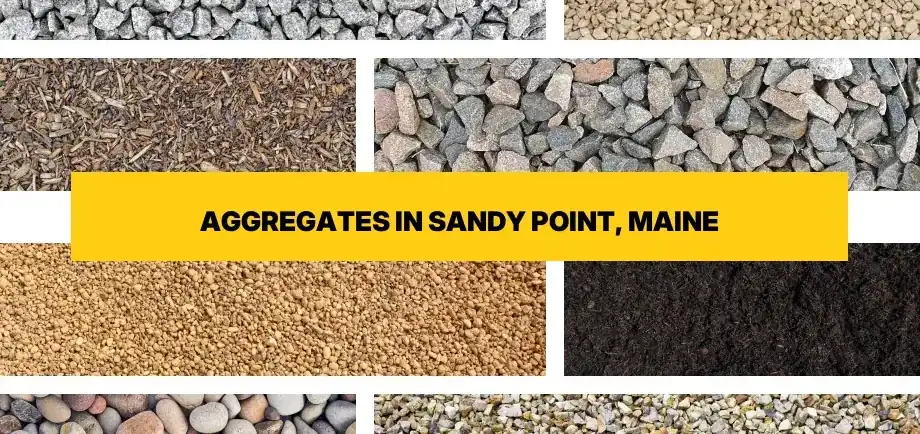
Shop Aggregates for Delivery in Sandy Point
Order online for free delivery to any Sandy Point address.


Sandy Point sits along the beautiful Penobscot Bay shoreline in Waldo County, where Maine's coastal climate and unique glacial soil create specific challenges for property owners. Gravel Monkey provides premium aggregate delivery throughout Sandy Point, from the historic Fort Point area to properties along Route 1A and the Cape Jellison peninsula. Whether you're maintaining a seasonal waterfront cottage, upgrading a year-round residence, or managing a commercial property near Stockton Springs, we deliver high-quality aggregates directly to your site with free delivery throughout the region.
Complete Aggregate & Material Selection for Sandy Point Properties
Maine's coastal environment demands materials that can withstand freeze-thaw cycles, handle high moisture content, and provide reliable drainage year-round. Our comprehensive selection includes:
- Driveway Gravel - Engineered for Maine's harsh winter conditions and seasonal freeze-thaw cycles
- 3/4 Inch Crushed Stone - Versatile aggregate ideal for bases, drainage, and foundation work
- #57 Stone - Standard construction aggregate perfect for drainage applications
- Crusher Run - Compactible material that creates rock-solid driveways and bases
- Road Base - Heavy-duty foundation material for demanding coastal applications
- Pea Gravel - Smooth decorative stone for walkways and coastal landscaping
- River Rock - Natural aesthetic enhancement for gardens and water features
- Drain Rock - Essential for managing Penobscot Bay area groundwater
- Topsoil - Nutrient-rich soil for Maine coastal gardens
- Fill Dirt - Reliable grading material for property improvements
- Crushed Concrete - Sustainable recycled aggregate option
- Mason Sand - Fine sand for masonry and construction projects
- Playground Sand - Safe, clean sand for play areas
- Washed Sand - Clean sand for multiple applications
- Decomposed Granite - Natural compacting pathway material
- Walkway Gravel - Specially sized stone for pedestrian paths
Serving Sandy Point and Surrounding Waldo County Communities
Our delivery coverage extends throughout Sandy Point and nearby areas including:
Fort Point Area: Properties near historic Fort Point State Park face unique challenges with coastal exposure and rocky terrain. The combination of salt spray and moisture requires aggregates that resist erosion while providing superior drainage.
Cape Jellison Peninsula: Homes along this scenic peninsula need materials that handle both coastal moisture and the clay-rich glacial till common throughout Sandy Point. Proper aggregate selection prevents driveway washout and foundation settling.
Route 1A Corridor: Properties along Maine's coastal highway require durable materials that withstand heavy use while managing seasonal runoff. The area's elevation changes demand careful attention to drainage solutions.
Penobscot Bay Shoreline: Waterfront properties face constant moisture exposure and require aggregates that won't shift or wash away during storms. Materials must also resist frost heave during Maine's brutal winter months.
Stockton Springs Border: Properties near this neighboring community share similar soil composition and benefit from the same aggregate solutions that work throughout Sandy Point.
We also deliver to nearby communities including Searsport, Prospect, Frankfort, and throughout northern Waldo County, ensuring consistent access to premium aggregates across the region.
Understanding Sandy Point's Coastal Climate and Glacial Geology
Sandy Point experiences typical Maine coastal weather with cold, snowy winters averaging 60-70 inches of snowfall annually and temperatures frequently dropping below zero. Summer months are mild with temperatures reaching the 70s, while spring and fall bring significant rainfall that tests drainage systems.
The geology underlying Sandy Point consists primarily of glacial till deposited during the last ice age. This mixture contains clay, silt, sand, and rocks, creating challenging soil conditions. The clay content causes poor natural drainage and makes the soil susceptible to frost heave—a phenomenon where freezing groundwater expands and lifts whatever sits above it, including driveways, foundations, and walkways.
The proximity to Penobscot Bay adds moisture to the equation, with groundwater often sitting close to the surface. These conditions make proper aggregate selection critical. Materials must provide excellent drainage to prevent water accumulation, compact firmly to resist frost heave, and remain stable through freeze-thaw cycles that can occur dozens of times each spring and fall.
Why Maine Coastal Properties Need Specialized Aggregates
The combination of clay-rich soil, high moisture, and extreme temperature swings creates a perfect storm for property damage. Without proper drainage aggregates, water becomes trapped in the soil. When temperatures drop, this trapped water freezes, expands, and literally lifts driveways and foundations upward. When it thaws, everything settles—but rarely back to its original position.
This is why Gravel Monkey emphasizes aggregates with superior drainage characteristics for Sandy Point properties. Materials that allow water to flow through freely prevent the freeze-thaw damage that plagues so many Maine coastal homes.
Driveway Solutions for Sandy Point's Challenging Conditions
Sandy Point driveways endure remarkable stress from seasonal freeze-thaw cycles, heavy snow load, and the constant battle against Maine's clay soil. Selecting the right aggregate makes the difference between a driveway that lasts decades and one requiring constant repair.
For new driveway construction or complete renovation, we recommend starting with a 6-8 inch base layer. This base layer is crucial in Sandy Point's clay soil, as it creates a stable foundation while providing the drainage necessary to prevent frost heave. The materials that excel in this application offer different benefits:
Crusher run remains the gold standard for Sandy Point driveways. This mixture of crushed stone and stone dust compacts incredibly tight, creating a surface that resists rutting from vehicle weight while still allowing water to percolate through. When properly installed, crusher run essentially becomes a solid mass that moves as one unit during freeze-thaw cycles, preventing the differential heaving that creates those frustrating bumps and dips.
For the top layer, many Sandy Point property owners prefer 3/4 inch crushed stone. This angular stone provides excellent traction in winter conditions—a critical consideration when navigating icy Maine driveways. The stone locks together mechanically, creating a surface that stays put rather than scattering under tire pressure.
Properties with steep grades or heavy use often benefit from road base material. This engineered aggregate provides maximum stability and can handle everything from daily commuting to occasional delivery trucks without deteriorating.
Seasonal Maintenance Considerations
Maine driveways require different care across seasons. Spring typically brings the most challenges as frost leaves the ground. This is when you'll notice any drainage deficiencies—standing water or soft spots indicate areas where additional aggregate may be needed. Fall represents the ideal time for driveway maintenance, allowing new materials to settle before winter arrives. Adding a fresh top layer of crushed stone every few years maintains proper drainage and appearance.
Drainage Aggregates: Essential for Penobscot Bay Properties
Sandy Point's coastal location and clay soil make drainage systems absolutely critical. Poor drainage doesn't just create puddles—it leads to foundation damage, basement flooding, and landscape erosion. Proper drainage aggregates prevent thousands of dollars in potential damage.
French drains represent the most common drainage solution for Sandy Point properties. These trenches filled with drain rock channel water away from foundations, preventing basement moisture and protecting structural integrity. The drain rock provides open space for water flow while filtering out sediment that could clog the perforated pipe typically installed within the trench.
Many Fort Point area properties use #57 stone for drainage applications. This uniform aggregate size creates consistent void spaces that allow rapid water movement while remaining stable over time. Unlike rounded stone that can shift, the angular faces of crushed stone lock together, maintaining the drainage channel's integrity through multiple freeze-thaw cycles.
Properties along the Cape Jellison peninsula often face challenges with water flowing toward structures from higher ground. Interceptor drains placed uphill from buildings catch this water before it becomes a problem. These systems rely on proper aggregate sizing—too small and the spaces fill with silt; too large and the trench loses structural integrity.
Foundation Drainage Considerations
Every foundation in Sandy Point should have perimeter drainage. The high water table and clay soil combination creates hydrostatic pressure against foundation walls, pushing moisture through any available crack or gap. A properly installed drainage aggregate system around the foundation's base relieves this pressure and directs water away from the structure.
The aggregate layer should extend from the foundation footer to within a few inches of ground level, then transition to topsoil. This creates a continuous drainage path that intercepts groundwater before it contacts the foundation wall. Given Sandy Point's geology, this isn't optional—it's essential for long-term structural integrity.
| Aggregate Type | Best Application | Drainage Rating | Compaction | Winter Performance |
|---|---|---|---|---|
| Crusher Run | Driveway base, stable surfaces | Good | Excellent | Superior frost resistance |
| 3/4" Crushed Stone | Driveway surface, foundation work | Excellent | Very Good | Excellent traction |
| #57 Stone | Drainage, concrete aggregate | Excellent | Good | Maintains structure |
| Road Base | Heavy-duty applications | Very Good | Excellent | Maximum durability |
| Drain Rock | French drains, foundation drainage | Superior | Fair | Prevents ice buildup |
| Pea Gravel | Landscaping, walkways | Very Good | Poor | Can shift in snow |
| Crushed Concrete | Eco-friendly base material | Good | Very Good | Similar to crusher run |
Decorative Aggregates and Landscaping Materials
While functionality drives most aggregate decisions in Sandy Point, aesthetic considerations matter too. Coastal Maine properties deserve materials that enhance their natural beauty while withstanding harsh conditions.
Pea gravel creates attractive walkways and garden borders throughout the Penobscot Bay area. Its smooth, rounded shape provides comfortable walking surfaces and attractive ground cover. However, in high-traffic areas or on slopes, pea gravel can migrate, requiring occasional redistribution. Many property owners use edging to contain pea gravel and maintain defined borders.
River rock offers larger decorative options for landscaping focal points. These naturally rounded stones work beautifully around foundations (while sitting atop proper drainage aggregate), in dry stream beds that manage runoff aesthetically, and as mulch alternative in garden beds. River rock's weight helps it stay in place during storms, an important consideration for exposed coastal properties.
Walkway gravel provides a middle ground between purely functional and decorative materials. Sized specifically for pedestrian paths, this aggregate compacts better than pea gravel while maintaining a natural appearance. It works particularly well for paths connecting different areas of Sandy Point properties.
Integrating Aesthetics with Function
The most successful landscaping designs in Sandy Point incorporate both practical drainage solutions and attractive materials. For example, a French drain doesn't need to be an eyesore. By placing decorative river rock as the top layer over drain rock, you create a functional drainage feature that looks intentional and attractive. The river rock prevents soil from washing into the drain system while adding visual interest.
Similarly, the transition between a driveway and lawn area can incorporate different aggregates for both practical and aesthetic purposes. A border of larger stone prevents driveway material from migrating into the lawn while creating a clean, defined edge. This attention to detail elevates the entire property's appearance while solving practical problems.
Topsoil and Fill Dirt for Maine Coastal Gardens
Sandy Point's native soil presents challenges for gardening. The clay content drains poorly and becomes brick-hard when dry. Successful gardens require soil amendment—either by incorporating organic matter into existing soil or by bringing in quality topsoil.
Our topsoil blends work well for raised garden beds, new lawn installation, and improving planting areas throughout Sandy Point properties. The material contains organic matter that improves structure and drainage while providing nutrients for plant growth. For vegetable gardens near the coast, raised beds filled with quality topsoil overcome the limitations of native clay soil while improving drainage and warming earlier in spring.
Fill dirt serves different purposes—it's intended for grading, filling low spots, and building up areas rather than growing plants. Many Sandy Point properties need fill dirt to correct drainage issues or create level areas for structures. The fill should be compacted in layers to prevent future settling, especially important in the clay soils common throughout the area.
Lawn Establishment in Coastal Conditions
New lawns in Sandy Point benefit from at least 4-6 inches of quality topsoil over the native clay base. This provides adequate rooting depth while improving drainage. The salt spray from Penobscot Bay can stress lawns, making soil quality even more important for establishing resilient turf. Properties close to the shoreline should select salt-tolerant grass varieties and ensure excellent drainage to flush accumulated salts from the root zone.
Specialized Sands for Construction and Recreation
Different sand types serve specific purposes on Sandy Point properties. Understanding these distinctions ensures you select the right material for each application.
Mason sand's fine texture and clean composition make it ideal for mixing concrete, laying pavers, and filling joints in hardscaping projects. The uniform particle size ensures consistent results in construction applications. For properties undertaking paver walkways or patios—popular features on Cape Jellison peninsula homes—mason sand provides the stable, level base necessary for long-term success.
Playground sand meets safety standards for children's play areas. This clean, fine sand contains no harmful materials and compacts minimally, maintaining a soft landing surface. For Sandy Point families creating backyard play spaces, quality playground sand provides peace of mind along with hours of entertainment.
Washed sand serves multiple purposes from beach volleyball courts to horse arenas. The washing process removes clay and silt, leaving clean sand that drains rapidly. This makes washed sand particularly valuable in Sandy Point's moist climate, where standing water can quickly become problematic.
Aggregate Installation Best Practices for Coastal Maine
Even premium aggregates underperform without proper installation. Sandy Point's unique conditions require attention to detail during material placement.
Site Preparation: Remove organic material down to mineral soil. Topsoil, sod, and roots decompose over time, creating voids that lead to settling. In Sandy Point's clay soil, compact the subgrade before placing aggregate. This prevents the base material from pushing into the soft clay under load.
Fabric Barriers: Geotextile fabric between native soil and aggregate prevents mixing—a particular concern with clay soil. The fabric allows water to pass through while keeping materials separate. For driveways and high-load areas, this fabric significantly extends the aggregate base's effective life.
Proper Depth: Don't skimp on base depth. A 6-8 inch compacted base isn't excessive for Sandy Point driveways—it's necessary for durability. In areas with particularly poor soil or high water tables, even greater depth may be warranted. Consider consulting with local excavation professionals familiar with your specific property conditions.
Compaction: Compact aggregate in lifts no more than 3-4 inches thick. Attempting to compact greater depths results in an undense base that will settle over time. Rent or hire proper compaction equipment—the investment pays off in long-term performance.
Drainage Management: Create crown on flat surfaces so water runs to sides rather than ponding. For longer driveways, consider slight gradients that move water toward designated drainage areas. Never let water pond on aggregate surfaces—standing water eventually finds its way down, creating soft spots in the base.
Frequently Asked Questions About Aggregates in Sandy Point
Crusher run provides the best overall performance for Sandy Point driveways. It compacts extremely tight, resists frost heave, and handles Maine's freeze-thaw cycles exceptionally well. Top with 3/4 inch crushed stone for excellent winter traction and long-term durability. This combination addresses both the clay soil challenges and harsh coastal climate typical of the Penobscot Bay area.
Frost heave prevention requires proper drainage aggregates that allow water to move away from structures rather than accumulating and freezing. Use drain rock around foundations, place French drains in problem areas, and ensure driveway bases have adequate depth with proper drainage characteristics. The key is preventing water accumulation in the first place—once water freezes and expands, damage becomes inevitable.
Yes! We deliver throughout Sandy Point including waterfront properties along Penobscot Bay, areas near Fort Point State Park, the Cape Jellison peninsula, and all locations along Route 1A. Our delivery service ensures materials arrive when you need them, placed as close to your project site as possible to minimize handling.
Late summer through fall represents the ideal window for aggregate projects in coastal Maine. The ground is dry, compaction is easier, and new materials have time to settle before winter. Spring can work but soil moisture often remains high into early summer. Avoid projects during active freeze-thaw periods in late winter and early spring when ground conditions change daily.
Climate plays a huge role in aggregate selection for Sandy Point properties. The annual freeze-thaw cycle, high moisture from Penobscot Bay proximity, and clay-rich glacial soil create challenging conditions. Materials must provide excellent drainage to prevent frost heave while remaining stable through temperature extremes. This is why crushed stone products typically outperform rounded gravels in coastal Maine applications—they lock together mechanically and resist shifting.
Coastal properties face additional moisture exposure and salt spray, but the same high-quality drainage aggregates work throughout Sandy Point. The greater concern is soil type and drainage requirements rather than exact proximity to Penobscot Bay. However, properties with direct shoreline exposure may want to use larger stone sizes in erosion-prone areas to resist wave action and storm surge.
Glacial till contains high clay content that drains poorly and expands when frozen. This makes drainage aggregates absolutely essential rather than optional. Without proper base materials and drainage systems, the clay soil causes frost heave, foundation problems, and standing water issues. Every aggregate project in Sandy Point should prioritize drainage to work with the challenging native soil rather than fighting against it.
Plan to add fresh surface aggregate every 2-3 years to maintain proper drainage and appearance. Grade the surface annually to maintain crown and prevent ponding. Fill any low spots or ruts promptly before they worsen. After particularly harsh winters, inspect for frost heave damage and address problem areas with additional base material if needed. Proper maintenance extends driveway life significantly and prevents minor issues from becoming major problems.
Free Aggregate Delivery Throughout Sandy Point and Waldo County
Gravel Monkey makes aggregate procurement simple for Sandy Point residents. We deliver free throughout the area, placing materials where you need them. Whether you're working on a waterfront property near Fort Point, a residence along Cape Jellison, or anywhere in the Route 1A corridor, we provide reliable delivery service.
Our delivery extends beyond Sandy Point to include Stockton Springs, Searsport, Prospect, Frankfort, and communities throughout northern Waldo County. This regional coverage ensures consistent access to quality aggregates regardless of your specific location.
Understanding Maine's challenging climate and unique soil conditions, we help customers select appropriate materials for their specific applications. Whether you're dealing with frost heave concerns, drainage challenges, or simply want to build a durable driveway that handles winter weather, we provide both the materials and expertise to ensure project success.
From small residential projects to larger commercial applications, Gravel Monkey delivers the aggregates that Penobscot Bay area properties demand. Our commitment to quality materials and reliable service makes us the preferred aggregate supplier for Sandy Point and surrounding communities.

Need help? Reach out for a quote: