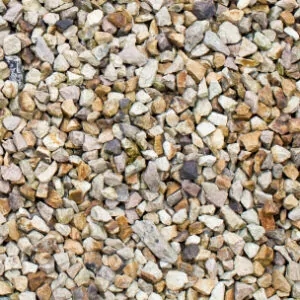

Buy Bulk Aggregates & Gravel in Baileyville, Maine
Local Topsoil, Dirt, Sand, Rocks and Gravel near me in Baileyville, Maine
Shop Aggregates for Delivery in Baileyville
Order online for free delivery to any Baileyville address.
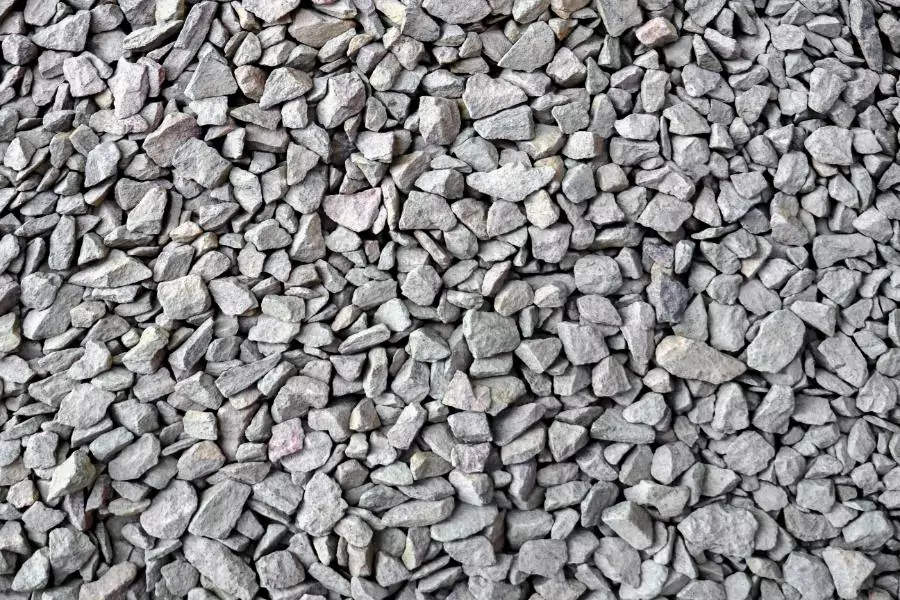
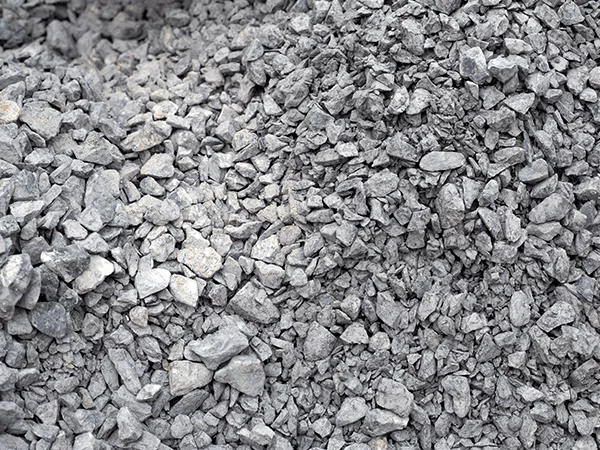


Gravel Monkey is your trusted source for premium aggregate delivery in Baileyville, Maine. Whether you're building a driveway near the St. Croix River, repairing frost-damaged roads in Woodland, or creating drainage solutions along Route 1, we deliver high-quality aggregates directly to your property with free delivery throughout Washington County. Our materials are specifically selected to withstand Maine's challenging climate, from harsh winters with heavy snow loads to spring thaw conditions that test even the best base materials.
Comprehensive Aggregate Selection for Baileyville Projects
Baileyville's location in northeastern Maine, with its proximity to the St. Croix River and the Canadian border, requires aggregates that can handle extreme temperature fluctuations, heavy freeze-thaw cycles, and significant seasonal moisture. The region's glacially deposited soils and granite bedrock influence drainage needs and foundation requirements across residential and commercial properties. We offer a complete range of materials engineered for the demands of Washington County construction and landscaping:
- 3/4 inch Crushed Stone - Versatile aggregate ideal for driveways and foundations that resists frost heave
- #57 Stone - Clean drainage stone perfect for French drains and septic systems
- Driveway Gravel - Durable base material engineered for Maine's winter conditions
- Crusher Run - Compactable aggregate that creates solid, stable surfaces
- Road Base - Heavy-duty stabilized aggregate for roadways and large driveways
- Drain Rock - Essential for managing spring runoff and groundwater
- Pea Gravel - Smooth decorative stone for pathways and gardens
- River Rock - Natural aesthetic stone for landscaping features
- Walkway Gravel - Perfect size for garden paths and pedestrian areas
- Crushed Concrete - Eco-friendly recycled aggregate for sustainable projects
- Topsoil - Nutrient-rich soil for gardens and lawn establishment
- Fill Dirt - Clean fill for grading and elevation projects
- Mason Sand - Fine sand for masonry work and concrete mixing
- Washed Sand - Clean sand for various construction applications
- Playground Sand - Safe, clean sand for play areas and recreation
- Decomposed Granite - Natural granite fines for stabilized pathways
Aggregates Engineered for Baileyville's Climate and Geology
Baileyville experiences some of Maine's most dramatic seasonal changes, with winter temperatures regularly dropping below zero Fahrenheit and summer highs reaching into the 80s. The town receives approximately 42 inches of precipitation annually, with significant snowfall averaging over 80 inches per year. This freeze-thaw cycling, combined with the area's glacial till soils overlying granite bedrock, creates unique challenges for construction projects.
The St. Croix River valley's proximity influences local drainage patterns, particularly in lower-lying areas near the Woodland Mill site and along the riverfront properties. The region's soil composition typically includes sandy loam mixed with glacial deposits, which can experience frost heave when moisture accumulates without proper drainage. Properties in areas like the Princeton Street neighborhood and along Route 1 require aggregates that provide excellent drainage while remaining stable through multiple freeze-thaw cycles.
Understanding Baileyville's Soil and Drainage Requirements
The glacial history of Washington County left Baileyville with varied soil conditions. Areas near the St. Croix River contain more alluvial deposits, while upland regions feature sandy, gravelly soils mixed with glacial till. This variability means drainage solutions must be tailored to specific locations. Properties near Mill Street often deal with clay-heavy soils that retain moisture, while areas near the border crossing may have better natural drainage but require stable base materials to prevent rutting and erosion.
Spring thaw presents the biggest challenge for driveways and roadways throughout Baileyville. When frost leaves the ground, typically in late March through April, saturated soils lose load-bearing capacity. Aggregates that compact too tightly without drainage properties will heave and crack, while loose materials wash away during spring runoff. The solution lies in using properly graded aggregates that interlock for stability while maintaining void space for water movement.
Driveway and Road Construction Aggregates for Maine Properties
Residential and commercial driveways in Baileyville demand aggregates specifically chosen for durability and drainage. The area's long winters, with consistent snow cover from December through March, require surfaces that remain stable under plowing forces and de-icing treatments. Properties throughout the Main Street corridor, along Hardscrabble Road, and in residential areas near the Baileyville Elementary School benefit from properly installed aggregate bases.
For new driveway construction or major repairs, building a proper base is essential. The typical approach involves excavating 12 to 18 inches below the desired finished grade, installing a geotextile fabric to prevent aggregate migration into the subgrade, then placing compacted layers of base material. In Baileyville's climate, a multi-layer approach works best: a foundation layer of larger aggregate for drainage and load distribution, topped with finer compactable material for a stable surface.
Selecting the Right Base Aggregate
Crusher run and road base materials excel in Baileyville driveway applications because they contain a mix of stone sizes that interlock when compacted. The combination of larger stones (up to 1.5 inches) with finer particles creates a dense, stable matrix that resists both vertical and horizontal movement. This characteristic proves critical during spring thaw when underlying soils soften. Properly installed base materials bridge soft spots and distribute loads, preventing the rutting and settling common with inferior aggregates.
| Aggregate Type | Best Applications | Drainage Rating | Compaction | Winter Performance |
|---|---|---|---|---|
| Crusher Run | Driveways, roads, foundations | Good | Excellent | Superior |
| 3/4" Crushed Stone | Drainage layers, driveways | Excellent | Very Good | Excellent |
| #57 Stone | French drains, septic fields | Outstanding | Moderate | Very Good |
| Road Base | Heavy traffic areas, roads | Good | Excellent | Superior |
| Drain Rock | Foundation drains, perimeter | Outstanding | Poor | Excellent |
| Pea Gravel | Landscaping, paths | Very Good | Minimal | Good |
Critical Drainage Solutions for Washington County Properties
Effective drainage management separates successful construction projects from problematic ones in Baileyville's climate. The combination of heavy snowmelt, spring rains, and the area's variable topography requires thoughtful drainage planning. Properties near lower elevations, particularly those near the St. Croix River floodplain or in areas with poor natural drainage, need engineered solutions to manage water movement.
Foundation drainage systems around homes and buildings throughout Baileyville prevent the moisture accumulation that leads to basement flooding, foundation cracking, and frost heave damage. A proper perimeter drain system uses clean stone (typically drain rock or #57 stone) wrapped in filter fabric, connected to perforated pipe that carries water away from foundation walls. The drain stone's open structure allows water to flow freely into the pipe system rather than pooling against foundation walls or freezing in place during winter.
French Drains and Surface Water Management
French drains solve multiple drainage challenges common in Baileyville properties. Whether addressing standing water in low spots, intercepting groundwater flow, or managing roof runoff, these trenched systems filled with drainage aggregate provide reliable, low-maintenance water management. The key to effective French drains lies in proper design: sufficient depth (typically 18-24 inches), adequate slope (minimum 1% grade), and clean drainage stone that won't clog with sediment.
Surface water management becomes critical during spring thaw and heavy rain events. Properties throughout the Baileyville area benefit from swales, drainage ditches, and strategically placed aggregate beds that intercept and redirect water before it causes erosion or flooding. Using properly sized aggregates in these applications ensures long-term performance without washout or settling.
Serving Baileyville Neighborhoods and Surrounding Communities
Gravel Monkey delivers throughout Baileyville's residential and commercial areas, from properties along the St. Croix River to homes near the international border crossing. We serve the Main Street business district, residential neighborhoods near Baileyville Elementary School, properties along Mill Street where the historic Woodland Mill once operated, and rural areas extending toward Woodland and Princeton.
Our delivery service extends throughout Washington County, reaching neighboring communities including Calais (just 10 miles south), Princeton (15 miles northwest), Grand Lake Stream, and areas near the Passamaquoddy tribal lands. Whether your project is in downtown Baileyville near the Post Office, in residential areas off Route 1, or on rural properties accessed by Hardscrabble Road and other local routes, we provide reliable aggregate delivery throughout the region.
Local Project Considerations
Properties near the St. Croix River or its tributaries require special attention to drainage and erosion control. The river's influence on local water tables and the potential for spring flooding make proper site preparation and aggregate selection critical. Homes and businesses in these areas benefit from raised driveways built with free-draining materials and foundation systems designed to handle seasonal water table fluctuations.
Rural properties accessed by seasonal roads face unique maintenance challenges. Many roads in the Baileyville area receive minimal municipal maintenance, placing responsibility for upkeep on property owners. Using quality road base and crusher run materials for these private access roads ensures year-round accessibility and reduces long-term maintenance costs. The investment in proper aggregates pays dividends when roads remain passable during mud season and survive winter plowing without excessive rutting.
Decorative Aggregates for Baileyville Landscaping Projects
Beyond functional applications, decorative aggregates enhance property aesthetics throughout Baileyville. The short growing season in northern Maine makes the most of landscaping investments, and incorporating stone elements extends visual interest year-round. Decorative aggregates require minimal maintenance compared to planted areas, making them practical choices for busy homeowners and commercial properties.
Pea gravel creates attractive pathways through gardens, providing drainage while offering comfortable walking surfaces. Its smooth, rounded texture works well around play areas and outdoor seating spaces. River rock in various sizes adds textural contrast to planting beds, suppresses weeds, and reduces moisture loss from soil—an important consideration during Baileyville's occasionally dry summer periods. Walkway gravel provides a middle ground between fine pea gravel and larger river rock, offering stability for foot traffic while maintaining an attractive appearance.
Creating Low-Maintenance Landscapes
The combination of harsh winters and a relatively short growing season makes low-maintenance landscaping particularly appealing in Baileyville. Incorporating decorative aggregates reduces lawn areas that require mowing, minimizes planting beds that need seasonal care, and creates attractive spaces that look good year-round. Decomposed granite surfaces offer a natural appearance for patios and sitting areas, compacting into a firm surface that resists weed growth while allowing water permeation.
Crushed concrete provides an eco-friendly alternative for large-area coverage. Its lighter color brightens shaded areas, and its angular texture prevents washout on sloped locations. Many Baileyville property owners use crushed concrete for utility areas, dog runs, and equipment pads—applications where appearance matters but high-end decorative stone isn't necessary. The material's durability and stability make it suitable for areas receiving regular vehicle traffic or equipment operation.
Topsoil and Fill Dirt for Baileyville Properties
Quality topsoil forms the foundation for successful lawns and gardens throughout Baileyville. The region's native soils, while adequate for forest growth, often lack the organic content and structure ideal for cultivated landscapes. Amending existing soil or importing quality topsoil gives plants the best start, particularly important given Maine's relatively short growing season from late May through September.
Fill dirt serves different but equally important purposes in property development and improvement. Grading projects require clean fill to establish proper drainage slopes away from buildings, fill low spots that collect water, and create level areas for structures or outdoor living spaces. Properties throughout the Baileyville area often need fill dirt to address drainage issues, raise foundation elevations above flood-prone areas, or create usable outdoor spaces on sloped lots.
Soil and Grade Considerations
Proper grading prevents the water accumulation that leads to foundation problems, ice formation near entryways, and soggy yards during spring thaw. The goal involves creating gentle slopes (minimum 2% grade) that direct water away from buildings toward appropriate drainage points. This often requires bringing in fill dirt to establish correct elevations, then covering with topsoil for planting areas.
When establishing new lawns or renovating existing turf, spreading 4 to 6 inches of quality topsoil over properly graded subsoil provides the root zone depth grass needs to thrive. Baileyville's clay-heavy soils in some areas benefit from topsoil that includes sand and organic matter, improving drainage and aeration. Garden beds require even deeper topsoil—8 to 12 inches—to support vegetable and perennial root systems through the growing season.
Specialized Sand Products for Construction and Recreation
Different sand types serve specific purposes in Baileyville construction and recreation projects. Mason sand's fine, clean consistency makes it ideal for mortar mixing, paver installation, and sandboxes. Its particle size and composition meet standards for masonry work, ensuring proper mortar bonding and structural integrity in stonework, brick construction, and block laying.
Washed sand removes fines and contaminants that could affect concrete mixing or cause staining in decorative applications. This clean sand works well for concrete work, beneath above-ground pools, and as a base layer under artificial turf installations. Playground sand provides a safe, soft landing surface for play equipment areas, meeting safety standards while offering the texture children enjoy for sandbox play and creative activities.
Sand Applications in Northern Maine
Construction projects throughout Baileyville use various sand types depending on application requirements. Concrete work demands clean, properly graded sand that bonds well with cement and aggregate. Paver installations need fine sand that sweeps easily into joints, locking pavers in place while allowing drainage. Pool installations require washed sand that won't stain liners or create cloudiness in pool water.
Aggregate Solutions for Commercial and Municipal Projects
Commercial and municipal applications throughout Washington County require aggregates in larger quantities and specific specifications. Road maintenance, parking lot construction, and commercial site development demand materials that meet performance standards while providing cost-effective solutions. Municipalities in the Baileyville area use road base and crusher run for seasonal road repairs, addressing winter damage and preparing surfaces for paving projects.
Commercial properties need parking areas, loading zones, and access roads that handle heavy traffic while managing stormwater effectively. Modern environmental regulations require permeable surfaces or stormwater management systems in many applications. Clean drainage stone in detention basins, infiltration trenches, and permeable paving systems helps commercial properties meet regulatory requirements while maintaining functional outdoor spaces.
Large-Scale Project Logistics
Large aggregate orders for commercial or municipal projects require careful planning and coordination. Delivery timing, staging areas, and installation sequencing all impact project success. Our team works with contractors and project managers to ensure materials arrive when needed, in quantities that match installation capabilities. Whether supplying aggregates for road reconstruction, commercial site development, or municipal infrastructure improvements, we coordinate deliveries to keep projects on schedule.
Best Practices for Aggregate Installation in Maine
Successful aggregate installations in Baileyville's climate require attention to preparation, material selection, and proper installation techniques. Starting with adequate excavation ensures sufficient depth for base materials and drainage layers. Most driveway applications require removing 12 to 18 inches of existing material to accommodate base layers and finished surface. Foundation drainage systems need trenches deep enough to intercept water below the frost line (48 inches in Washington County).
Geotextile fabric placement prevents aggregate migration into underlying soils, maintaining the integrity of drainage systems and preventing base materials from punching through into soft subgrade during freeze-thaw cycles. Installing fabric correctly—with adequate overlap and proper securing—ensures long-term performance. Skipping this step might save time initially but typically results in premature failure and costly repairs.
Compaction and Layer Thickness
Proper compaction transforms loose aggregates into stable, load-bearing surfaces. Compacting materials in lifts (layers) of 4 to 6 inches ensures thorough consolidation throughout the base depth. Attempting to compact thicker layers results in dense surface material over loose aggregate below, creating a weak structure prone to settling. Rental equipment like plate compactors (for small areas) or vibratory rollers (for driveways and roads) provides the force needed for proper consolidation.
Moisture content during compaction affects results significantly. Materials that are too dry won't compact effectively, while overly wet aggregates become unstable and difficult to work. Optimal moisture content allows fines to bind around larger particles, creating maximum density and stability. In Baileyville's humid climate, this typically means working during dry periods or providing temporary cover for materials during wet weather.
Seasonal Planning for Baileyville Aggregate Projects
Timing aggregate projects around Baileyville's seasons maximizes success and minimizes complications. Late spring through early fall provides optimal conditions for most installations. Ground conditions during this period allow proper excavation, aggregates dry and compact effectively, and completed projects have time to settle before winter arrives. Summer's longer daylight hours and favorable weather make it the peak season for driveway construction, foundation work, and landscaping projects.
Fall work requires attention to timing. Projects completed too late in the season don't have adequate settling time before freeze-up, potentially resulting in frost heave and shifting during the first winter. However, fall's cooler temperatures and typically drier conditions can be ideal for working with aggregates, particularly if projects finish by mid-October. Spring work faces challenges from frost-leaving ground conditions and wet weather, but addressing winter damage promptly prevents problems from worsening.
Winter Damage Prevention and Spring Repairs
Maine winters inevitably cause some aggregate surface wear through plowing forces, freeze-thaw cycling, and ice formation. Planning for maintenance as part of overall property management reduces long-term costs and extends surface life. Spring represents the natural time for evaluating winter damage and completing repairs before problems worsen. Adding fresh material to worn areas, addressing drainage issues that appeared during snowmelt, and recompacting settled sections restores surfaces to proper condition.
Frequently Asked Questions About Aggregates in Baileyville
Crusher run and three quarter inch crushed stone excel in Baileyville driveways because they provide excellent drainage while compacting into stable surfaces that resist frost heave. The combination of various stone sizes creates an interlocking matrix that remains stable through freeze-thaw cycles and spring thaw conditions. Road base material works well for high-traffic areas and longer driveways where extra stability is required.
Typical residential driveways in Baileyville require 12 to 18 inches of compacted base material to properly distribute loads and prevent frost heave. This depth accommodates 8 to 12 inches of base aggregate (crusher run or road base) topped with 4 to 6 inches of driveway surface material. Properties with poor drainage or heavy clay soils may need deeper excavation to include additional drainage layers.
Late spring through early fall provides optimal conditions for aggregate installations. Ground conditions allow proper excavation, materials dry and compact effectively, and projects have time to settle before winter. Avoid installations during muddy spring conditions when ground is saturated from snowmelt, and complete fall projects by mid-October to allow settling time before freeze-up.
Frost heave occurs when moisture in soil freezes and expands, lifting aggregate surfaces. Poor drainage allows water to accumulate beneath driveways, and when this water freezes (typically in December through February in Baileyville), it expands with enough force to lift several inches of material. Proper installation with adequate base depth, drainage stone layers, and geotextile fabric prevents moisture accumulation and minimizes heaving.
Calculate volume by multiplying length times width times depth in feet, then divide by 27 to convert cubic feet to cubic yards. For example, a driveway 50 feet long by 12 feet wide with 6 inches depth equals 50 x 12 x 0.5 = 300 cubic feet, or about 11 cubic yards. Add 10 percent extra for compaction and irregularities. Our team helps verify calculations and recommends appropriate materials for your specific Baileyville project.
Winter installations face significant challenges from frozen ground, snow cover, and inability to properly compact materials in cold temperatures. Emergency repairs and temporary surfaces can be placed during winter, but permanent installations should wait for spring when ground thaws and conditions allow proper preparation and compaction. Planning projects for completion before late fall prevents the need for difficult winter work.
Perimeter foundation drains using drain rock or number 57 stone wrapped in filter fabric effectively intercept groundwater before it reaches basement walls. These systems require proper installation at footing level with adequate slope to daylight or sump discharge points. Surface grading that slopes away from foundations (minimum 6 inches drop over 10 feet) prevents surface water from reaching foundation walls. Combined, these approaches effectively manage water around Baileyville properties.
We provide free delivery throughout Baileyville and surrounding Washington County areas. After you select your materials and quantities, we coordinate delivery timing based on your project schedule and site access. Dump truck delivery places materials where you specify (space permitting), and we work with you to ensure delivery occurs when you're ready to use materials. Contact us to discuss your specific project requirements and delivery needs.
Professional Aggregate Delivery Throughout Baileyville and Washington County
Gravel Monkey serves residential, commercial, and municipal customers throughout Baileyville, from the St. Croix River valley to rural properties near the Canadian border. Our comprehensive aggregate selection, backed by local knowledge of Maine's climate and soil conditions, ensures you receive materials suited to your specific application and location. Whether you're building a new driveway in Woodland, repairing spring frost damage near Mill Street, installing foundation drainage along Route 1, or creating landscaping features anywhere in Washington County, we deliver the quality aggregates your project demands.
Our free delivery service throughout the Baileyville area eliminates the hassle and expense of transporting bulk materials yourself. Professional drivers familiar with local roads safely deliver materials directly to your property, placing them where you need them for easy access during installation. From single-yard decorative stone orders for small landscaping projects to multi-load deliveries for major construction work, we coordinate logistics to keep your project on schedule.

Need help? Reach out for a quote: