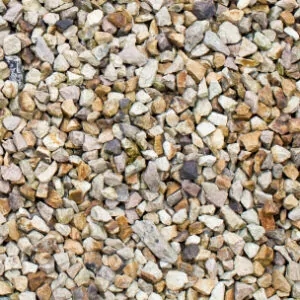

Gravel for Sale in Sangerville, Maine
Local Topsoil, Dirt, Sand, Rocks and Gravel near me in Sangerville, Maine
Shop Aggregates for Delivery in Sangerville
Order online for free delivery to any Sangerville address.
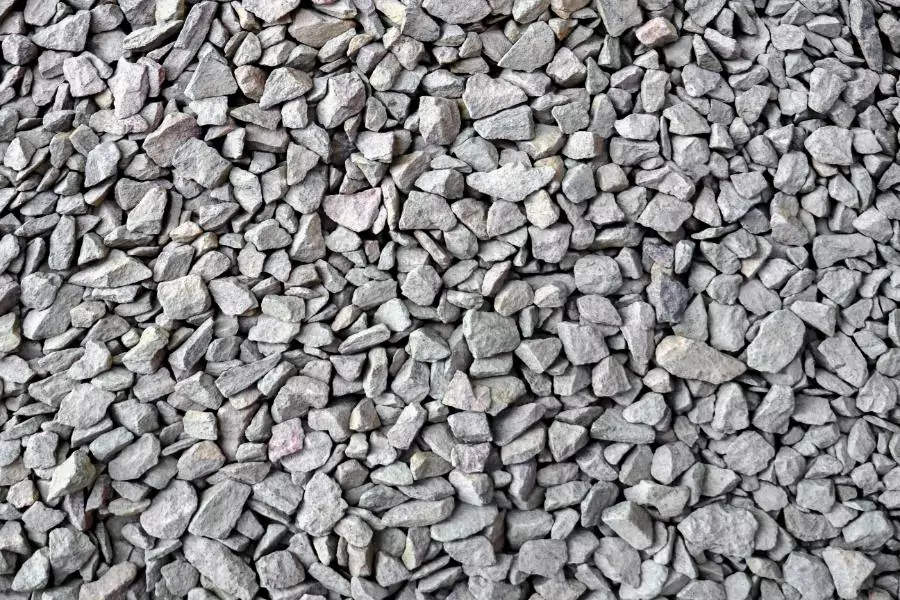
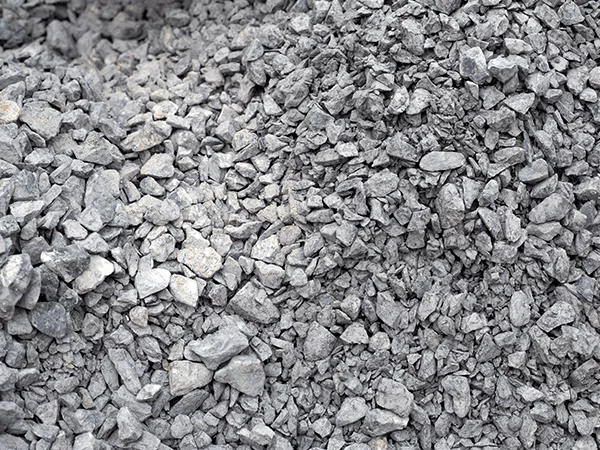


Gravel Monkey provides premium gravel and aggregate delivery throughout Sangerville, Maine and the greater Piscataquis County region. From the banks of the Pleasant River to the rural woodland properties that define this historic mill town, we deliver high-quality aggregates for driveways, drainage systems, foundations, and landscaping projects. Whether you're improving a property near Center Sangerville, upgrading access roads near South Sangerville, or creating robust drainage solutions for properties in the North Village area, our free delivery service brings professional-grade materials directly to your site.
Complete Aggregate Selection for Sangerville Properties
Sangerville's unique position in central Maine, with its cold winters, significant snowfall averaging 80-90 inches annually, and the clay-rich soils common throughout Piscataquis County, requires carefully selected aggregates. Gravel Monkey offers a comprehensive range of materials specifically suited for Maine's demanding climate and challenging ground conditions:
- Driveway Gravel - Engineered base material that withstands frost heaving and seasonal weight loads
- Crusher Run - Superior compaction for Maine driveways and foundation work
- 3/4 Inch Crushed Stone - Versatile aggregate for drainage and base applications
- #57 Stone - Clean, angular rock perfect for French drains and septic systems
- Road Base - Heavy-duty foundation material for private roads and long driveways
- Drain Rock - Essential for managing spring runoff and groundwater
- Pea Gravel - Decorative stone for pathways and garden beds
- River Rock - Natural aesthetic for water features and landscaping
- Crushed Concrete - Eco-friendly recycled aggregate for base layers
- Topsoil - Nutrient-rich soil for gardens and lawn establishment
- Fill Dirt - Bulk material for grading and elevation work
- Mason Sand - Fine sand for masonry and concrete mixing
- Washed Sand - Clean sand for construction applications
- Playground Sand - Safe, tested sand for children's play areas
- Walkway Gravel - Specially sized aggregate for pedestrian pathways
- Decomposed Granite - Compact natural surface for trails and patios
Understanding Sangerville's Unique Aggregate Needs
Sangerville sits at approximately 450 feet elevation in the Pleasant River valley, where the glacially-deposited soils contain significant clay content. This clay-rich composition, combined with Maine's notorious freeze-thaw cycles from November through April, creates specific challenges for property owners. Winter temperatures regularly drop to -10°F or lower, while summer highs reach the mid-80s, creating a temperature swing of nearly 100 degrees that tests the durability of any aggregate installation.
The Pleasant River watershed brings additional moisture considerations. Properties near the river, particularly those along Main Street near Center Sangerville and areas extending toward South Sangerville, benefit enormously from proper drainage systems using angular aggregates. The spring melt, typically occurring in late March and early April, can produce significant runoff that requires robust drainage infrastructure to protect driveways, foundations, and landscaped areas throughout the town.
Maine Soil Conditions and Aggregate Performance
Piscataquis County soils generally classify as glacial till with high clay percentages. This creates expansion and contraction during freeze-thaw cycles, leading to frost heaving that can damage improperly constructed driveways and foundations. Properties in Sangerville, whether near the historic textile mill sites along the river or in the residential areas extending toward North Village, all share these challenging soil characteristics. The solution lies in proper aggregate selection and installation depth.
Aggregates must penetrate below the frost line, which in central Maine extends approximately 48 inches deep. For most residential applications, a properly compacted base of 12-16 inches provides adequate protection. The key is using angular, crushed aggregates that interlock mechanically rather than rounded materials that shift under load. This is why crusher run and crushed stone varieties consistently outperform smooth river gravel for structural applications in Sangerville's demanding conditions.
Best Aggregates for Common Sangerville Projects
Residential Driveway Construction
Driveways represent the most common aggregate application for Sangerville homeowners. Whether you're on a rural property near Guilford or maintaining a residence in the village center, your driveway endures significant stress from snow removal equipment, vehicle weight, and seasonal temperature extremes. The ideal driveway system uses a layered approach: a base layer of larger aggregates for structural support and drainage, topped with finer material that compacts to a smooth, durable surface.
For base layers, crushed stone provides excellent results. Its angular shape allows pieces to lock together, creating a stable foundation that resists shifting. This base should extend 8-12 inches deep depending on traffic levels. For the surface layer, crusher run compacts beautifully, creating a firm driving surface that handles Maine winters effectively. Properties along River Road and areas near the Dover-Foxcroft town line particularly benefit from this robust construction method due to higher traffic volumes and heavier vehicles.
Drainage Solutions for Wet Properties
Many Sangerville properties struggle with seasonal wetness, particularly those in lower-lying areas near the Pleasant River or in naturally low spots where spring snowmelt accumulates. French drains constructed with proper drainage aggregates solve most water management problems effectively. The system requires digging a trench, installing perforated pipe, and surrounding it with clean, angular stone that allows water to flow freely while filtering out soil particles that could clog the pipe.
Number 57 stone works exceptionally well for drainage applications because its uniform size and angular shape create maximum void space for water movement. For properties dealing with significant water issues, such as those near marsh areas or seasonal wetlands common in the North Village region, combining French drains with proper grading and surface water management creates comprehensive solutions. The investment in proper drainage protection pays dividends by protecting foundations, preventing basement moisture, and extending the life of driveways and other hardscaping.
Foundation and Construction Work
New construction and major renovations require stable, well-draining aggregates beneath slabs and around foundation walls. Road base provides an excellent foundation material because it combines various aggregate sizes that compact to a dense, stable layer. This material works particularly well for garage floors, shed foundations, and similar structures throughout Sangerville where a level, stable base is critical.
For foundation drainage, installing drain rock against basement walls before backfilling prevents water accumulation against the foundation. This is especially important in Sangerville given the clay-rich soils and high water table in many areas. Proper foundation drainage, combined with exterior waterproofing and functioning gutters, creates a comprehensive moisture management system that protects your investment for decades.
| Aggregate Type | Best Applications | Size Range | Drainage Rating | Maine Winter Performance |
|---|---|---|---|---|
| Crusher Run | Driveway surfaces, base layers | Fines to 1 inch | Good | Excellent - compacts firmly |
| 3/4" Crushed Stone | Drainage, base work, general use | 3/4 inch | Excellent | Excellent - resists frost heave |
| #57 Stone | French drains, septic systems | 3/4 inch uniform | Excellent | Excellent - maintains voids |
| Road Base | Heavy-duty foundations, roads | Fines to 1.5 inch | Good | Excellent - superior strength |
| Pea Gravel | Decorative, pathways, gardens | 3/8 inch | Good | Good - minimal shifting |
| River Rock | Landscaping, water features | 1-3 inches | Fair | Fair - decorative use only |
| Crushed Concrete | Base layers, temporary roads | Varies | Good | Good - economical option |
Working with Sangerville's Seasons
Maine's distinct seasons dramatically impact aggregate work timing and installation methods. Understanding these seasonal factors helps property owners plan projects effectively and achieve optimal results. Sangerville experiences all four seasons intensely, from sub-zero January temperatures to humid July afternoons, colorful October foliage, and the muddy transition of April.
Spring Installation Considerations
Spring, from late April through June, offers ideal conditions for most aggregate projects in Sangerville. The ground has thawed completely, allowing proper excavation and compaction. However, early spring brings "mud season," when frost leaves the ground and existing driveways turn temporarily into soft, difficult surfaces. This is actually an excellent time to replace or upgrade failing driveways, as the problems become most obvious. Properties throughout the area, from South Sangerville to the North Village area, experience similar spring conditions that favor aggregate installation.
Summer and Fall Project Windows
Summer provides the longest working window, though extremely dry conditions occasionally make dust control necessary during installation. The warm, dry conditions allow aggregates to compact optimally and cure properly before winter arrives. Fall, particularly September and early October, offers another excellent window before ground freezing begins. Many Sangerville property owners schedule major projects during fall to ensure completion before winter weather arrives. The key is finishing work by mid-November, before the ground freezes solid.
Winter Limitations
Winter severely limits aggregate work possibilities. Frozen ground prevents excavation, and compaction becomes nearly impossible. However, winter often reveals drainage problems and driveway failures that weren't obvious during other seasons. Smart property owners use winter months to plan improvements, schedule spring installation, and prepare sites for work once conditions allow. Some emergency repairs remain possible during winter thaws, though results rarely match proper warm-season installation quality.
Serving All Sangerville Areas
Gravel Monkey delivers throughout Sangerville and surrounding Piscataquis County communities. Our service extends to all areas of this rural Maine town and beyond:
- Center Sangerville - The historic village center along Main Street with a mix of residential and commercial properties
- South Sangerville - Rural residential area extending south toward Guilford with larger properties and woodland settings
- North Village - Northern residential section with properties along the Pleasant River corridor
- River Road - Properties along the Pleasant River with unique drainage and access considerations
- Guilford (nearby) - Neighboring town to the south, easy delivery access
- Dover-Foxcroft (nearby) - County seat and larger neighboring community to the northeast
- Abbot (nearby) - Rural community to the east along Route 6
- Parkman (nearby) - Southeastern neighboring town with similar rural character
Maximizing Aggregate Performance in Maine
Proper installation determines whether aggregates perform well for decades or fail within a few years. Maine's harsh conditions punish poor installation while rewarding quality work. These guidelines help ensure successful results for Sangerville property owners investing in aggregate improvements.
Excavation Depth and Preparation
Proper excavation removes unstable material and creates space for adequate aggregate depth. For driveways, excavate to remove all organic material, soft soil, and existing failing base. Most residential driveways in Sangerville need 12-16 inches of total aggregate depth to perform reliably through Maine winters. Subdivide this into base and surface layers. For properties with particularly troublesome soils, such as those in low-lying areas with high clay content, deeper excavation and additional aggregate depth provide better long-term results.
Compaction Techniques
Aggregates must be properly compacted to achieve designed performance. This requires appropriate equipment - typically a plate compactor for smaller areas or a vibratory roller for driveways and larger projects. Install aggregates in lifts (layers) of 4-6 inches, compacting each lift thoroughly before adding the next. This ensures uniform density throughout the depth. Proper compaction prevents settling, maintains surface smoothness, and creates the interlocking structure that resists frost heaving. Many failed aggregate installations in Sangerville trace back to inadequate compaction rather than poor material selection.
Drainage Integration
Every aggregate installation should consider drainage. Even well-constructed driveways and paths fail if water accumulates beneath them. Crown driveways slightly (2-3% slope) to shed water toward edges. Install swales or drainage ditches to capture and direct runoff away from aggregate surfaces. For properties on slopes, consider cross-drains beneath driveways to prevent water from channeling along the driveway base. These details seem minor during installation but prove critical during spring melt and heavy rainstorms common throughout the year in Sangerville.
Calculating Your Aggregate Needs
Ordering the correct amount of aggregates eliminates delays and reduces costs. The basic calculation multiplies length times width times depth, with depth converted to feet. For example, a driveway 100 feet long by 12 feet wide with 10 inches of aggregate requires: 100 × 12 × 0.833 = 1,000 cubic feet, or approximately 37 cubic yards. Always order 10-15% extra to account for compaction, irregular surfaces, and waste.
Common Project Quantities
- Standard residential driveway (100' × 12' × 10" deep): 35-40 cubic yards total
- Small parking area (20' × 20' × 8" deep): 10-12 cubic yards
- French drain system (100' trench × 1' wide × 2' deep): 7-8 cubic yards of drain rock
- Garden pathway (50' × 3' × 3" deep): 1.5-2 cubic yards of pea gravel
- Foundation drainage (perimeter of 30' × 40' foundation): 8-10 cubic yards of drainage aggregate
Our delivery team can help verify quantities and recommend adjustments based on site conditions. Properties with soft soils, steep slopes, or other complications may require additional materials for optimal results. This consultation service ensures you receive the right amount without waste or shortages.
Sustainable Aggregate Choices
Environmental consciousness increasingly influences material choices for Sangerville property owners. Several aggregate options provide both excellent performance and reduced environmental impact. Crushed concrete recycling diverts material from landfills while providing serviceable base aggregate at lower cost than virgin stone. This recycled aggregate works well for driveways, paths, and base layers throughout the area.
Locally-sourced aggregates reduce transportation distances, lowering fuel consumption and emissions. The shorter transportation distance from quarry to Sangerville also typically means fresher, cleaner materials and faster delivery scheduling. When planning projects, consider how material choices impact the local environment and community. Using regional materials supports Maine businesses while reducing your project's carbon footprint.
Maintaining Your Aggregate Installations
Proper maintenance extends the life of aggregate driveways and paths significantly. In Sangerville's climate, regular attention prevents small problems from becoming expensive repairs. Address these maintenance tasks seasonally for best results.
Spring Maintenance
After winter snowmelt, inspect aggregate surfaces for low spots, erosion channels, and areas where base material has migrated. Fill depressions promptly with matching material to prevent water pooling and accelerated deterioration. Rake and redistribute surface materials that plow trucks displaced during snow removal. Check drainage systems to ensure they flow freely after winter freeze-thaw cycles potentially shifted pipes or clogged inlets.
Summer Upkeep
During dry summer months, aggregate surfaces develop washboard patterns from vehicle traffic. Periodically grade and compact these surfaces to restore smoothness. Add fresh surface material as needed to maintain proper crown and depth. Control weeds growing through aggregates by applying appropriate herbicides or using landscape fabric beneath installations. Properties along River Road and other high-traffic areas may need grading multiple times during summer.
Fall Preparation
Before winter arrives, ensure all drainage systems function properly. Clean ditches and culverts of leaves and debris. Fill any depressions or holes in aggregate surfaces to prevent ice formation in low spots. Consider applying a thin layer of fresh surface material if the existing surface shows significant wear. These preventive measures reduce winter damage and make spring maintenance easier.
Winter Snow Removal
Proper snow removal technique protects aggregate surfaces while maintaining accessibility. Set plow blades slightly higher than the surface to avoid catching and displacing aggregates. Use stakes to mark edges, preventing plows from damaging lawns or pushing aggregates into unintended areas. Consider alternatives like snow blowers for sensitive areas or decorative aggregate installations that plowing would damage.
Frequently Asked Questions About Aggregates in Sangerville
Crusher run and three-quarter inch crushed stone provide the best results for Sangerville driveways. Crusher run compacts to a smooth, firm surface for the top layer, while crushed stone creates an excellent drainage base. Both resist frost heaving and handle heavy snow removal equipment effectively. The angular shape of crushed aggregates creates mechanical interlock that prevents shifting during freeze-thaw cycles common throughout Piscataquis County.
Most residential driveways need 12-16 inches of total aggregate depth to perform reliably through Maine winters. Install this in layers: a base layer of larger stone for drainage and structure, topped with finer crusher run that compacts to a smooth surface. Properties with particularly soft or clay-rich soils may benefit from 16-18 inches of depth. Always excavate below the topsoil level and remove any organic material before installing aggregates.
Late spring through fall provides the best installation window in Sangerville. May through October offers consistently favorable conditions with thawed ground and warm temperatures that allow proper compaction. Early spring after mud season ends works well for replacing failing driveways. Avoid installation during winter when frozen ground prevents proper excavation and compaction. Schedule major projects for completion by early November before the ground freezes.
Proper installation with adequate depth, good compaction, and appropriate crown prevents most washout problems. Install drainage systems to intercept and divert water before it reaches your driveway. Use larger aggregates like three-quarter inch crushed stone for base layers, which resist movement better than smaller materials. For driveways on slopes, install cross-drains or speed bumps to break water flow and prevent channeling. Regular maintenance including filling low spots and maintaining crown also prevents water accumulation that leads to washout.
Number 57 stone works ideally for French drain installations around Sangerville properties. This clean, angular stone maintains consistent three-quarter inch size that creates maximum void space for water movement while preventing pipe clogging. The uniform sizing ensures water flows freely through the aggregate to reach perforated drain pipe. Avoid rounded river rock or pea gravel for drainage applications, as these materials compact too tightly and restrict water flow, reducing system effectiveness.
Installing new aggregates over existing material only works if the existing base remains stable and properly graded. If the current driveway has failed, shows significant rutting, or drains poorly, complete removal and fresh installation produces better long-term results. For driveways in reasonable condition needing only surface renewal, adding 2-4 inches of fresh crusher run provides economical improvement. However, properties experiencing ongoing problems benefit from complete reconstruction with proper depth and drainage, especially given Sangerville's challenging soil conditions and severe winters.
Properly installed aggregate driveways last 15-25 years in Sangerville with regular maintenance. Lifespan depends on installation quality, drainage effectiveness, traffic levels, and maintenance consistency. Driveways that receive annual grading, prompt repair of washouts, and periodic addition of fresh surface material last significantly longer than neglected installations. Maine's freeze-thaw cycles and heavy snow removal equipment accelerate wear compared to milder climates, making quality initial installation and ongoing maintenance especially important for longevity.
Crusher run combines various aggregate sizes from fines to one inch, creating material that compacts extremely well for smooth, firm surfaces. Crushed stone consists of uniform-sized angular rock, typically three-quarter inch, that provides excellent drainage and structural support but doesn't compact as tightly. Most Sangerville driveways use both: crushed stone for the base layer providing drainage and stability, topped with crusher run creating a smooth driving surface. This layered approach combines the strengths of both materials for optimal performance in Maine conditions.
Professional Aggregate Delivery Throughout Sangerville
Whether you're improving a historic property in Center Sangerville, developing land near South Sangerville, or maintaining a rural homestead in the North Village area, Gravel Monkey delivers the quality aggregates your project demands. Our free delivery service brings professional-grade materials directly to your site throughout Sangerville and surrounding Piscataquis County communities including Guilford, Dover-Foxcroft, Abbot, and Parkman.
We understand Maine's unique challenges - the harsh winters with temperatures plunging below zero, the spring mud season that tests even the best installations, the clay-rich glacial soils that expand and contract dramatically through the seasons, and the significant annual precipitation that demands robust drainage solutions. Our team helps you select appropriate materials, calculate accurate quantities, and plan installation timing for optimal results. From the Pleasant River valley to the wooded hillsides surrounding Sangerville, we serve property owners who value quality materials, professional service, and the convenience of free delivery.
Contact Gravel Monkey today to discuss your aggregate needs and schedule delivery to your Sangerville property. Our experienced team stands ready to help you select materials that perform reliably for decades, properly installed and maintained through Maine's demanding seasonal cycles.

Need help? Reach out for a quote: