Sand, Aggregates & Gravel for Saint David, Maine
Local Topsoil, Dirt, Sand, Rocks and Gravel near me in Saint David, Maine
Shop Aggregates for Delivery in Saint David
Order online for free delivery to any Saint David address.
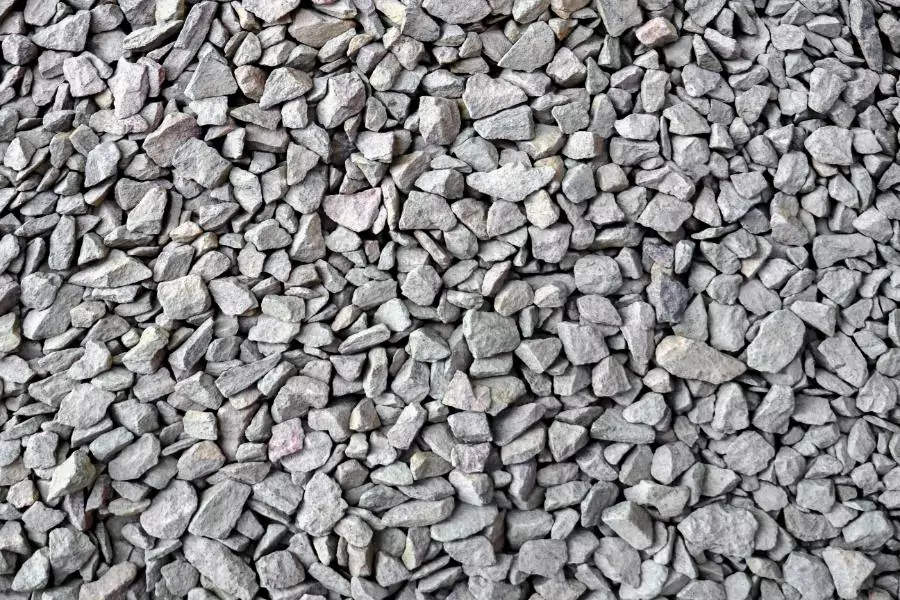
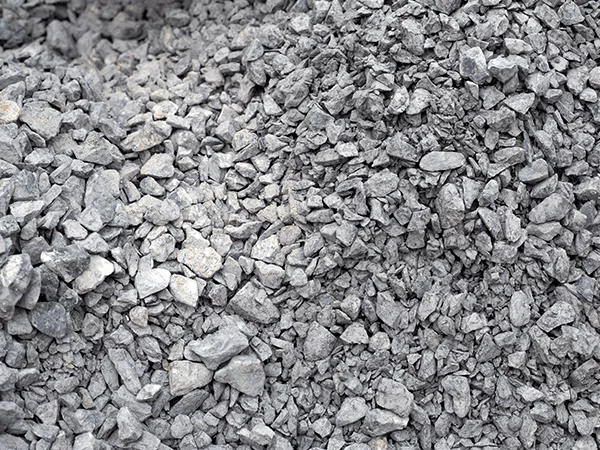


Gravel Monkey brings premium aggregates and construction materials directly to properties throughout Saint David, Maine. Located in the heart of Aroostook County's agricultural region, Saint David faces unique challenges from northern Maine's harsh winters, heavy spring runoff, and distinctive soil conditions. Whether you're improving a farm access road along the Canadian border, installing drainage systems to handle snowmelt, or creating a durable driveway that withstands frost heave, we deliver the right materials for your project with absolutely free delivery to your Saint David location.
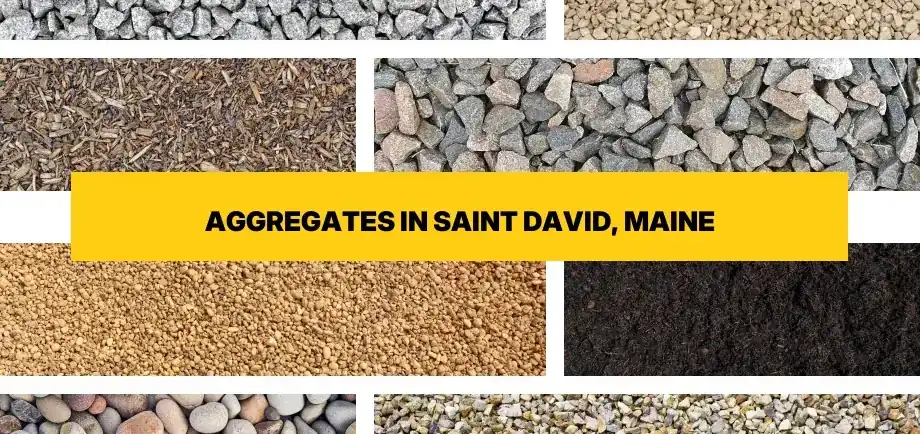
Complete Aggregate Selection for Saint David Properties
Understanding northern Maine's demanding climate and soil conditions is essential when selecting aggregates. Saint David's position near the New Brunswick border means extreme temperature fluctuations, annual snowfall exceeding 100 inches, and soils that experience significant frost penetration during winter months. Our material selection addresses these specific regional challenges:
- Driveway Gravel - Engineered base material that resists frost heave and compacts solidly
- Crusher Run - Superior compaction for stable foundations in freeze-thaw conditions
- 3/4 inch Crushed Stone - Versatile aggregate for drainage and structural support
- #57 Stone - Ideal for French drains and foundation drainage systems
- Road Base - Heavy-duty material for farm roads and access lanes
- Drain Rock - Essential for managing spring snowmelt runoff
- Crushed Concrete - Recycled aggregate that performs well in cold climates
- Pea Gravel - Decorative stone for pathways and garden features
- River Rock - Natural stone for landscaping accents
- Walkway Gravel - Comfortable surface material for garden paths
- Topsoil - Nutrient-rich growing medium for gardens
- Fill Dirt - Essential for grading and elevation adjustments
- Mason Sand - Fine sand for construction and masonry work
- Playground Sand - Safe, clean sand for play areas
- Washed Sand - Clean aggregate for multiple applications
- Decomposed Granite - Natural-looking compactable surface material
Northern Maine Climate Factors for Aggregate Selection
Saint David experiences some of Maine's most extreme weather conditions, with winter temperatures regularly dropping below zero Fahrenheit and frost penetration reaching depths of 4 to 5 feet in the clayey Aroostook County soils. These conditions create specific requirements for aggregate materials used in construction and landscaping projects.
The region receives approximately 38 inches of annual precipitation, with significant snowpack accumulation from November through April. When this snow melts rapidly in spring, proper drainage becomes critical. The clay-rich soils common throughout the Saint David area have poor natural drainage, making aggregate selection even more important for preventing water damage and foundation issues.
Freeze-Thaw Cycle Management
The most significant challenge for any aggregate installation in Saint David is the annual freeze-thaw cycle. When water trapped in soil or inadequate base materials freezes, it expands by approximately 9%, causing frost heave that can damage driveways, foundations, and structures. Properly graded aggregates with good drainage characteristics prevent water accumulation, eliminating the primary cause of frost damage.
Materials that compact well while maintaining drainage capacity perform best in these conditions. The angular edges of crushed aggregates lock together under compaction, creating stable surfaces that resist the upward forces of frost heave while allowing water to drain away rather than freezing in place.
Understanding Aroostook County Soil Conditions
The geology of northern Maine presents unique challenges for construction and landscaping. Saint David sits atop deep glacial deposits left during the retreat of continental ice sheets thousands of years ago. These deposits created the characteristic heavy clay soils and rolling topography seen throughout the region.
Local soils typically consist of silty clay loam with poor drainage characteristics and high frost susceptibility. This makes proper aggregate base preparation essential for any project. Without adequate drainage and stable base materials, structures settle unevenly as clay soils expand when wet and contract during dry periods. The freeze-thaw cycle compounds these issues dramatically.
Agricultural operations dominate the Saint David landscape, with potato farming being particularly prominent in the surrounding areas. Farm roads and access lanes require durable aggregates that support heavy equipment loads during harvest seasons while withstanding winter conditions. Similarly, residential driveways need materials that perform reliably under snow removal equipment and daily vehicle traffic throughout harsh winters.
Comparing Aggregates for Northern Maine Applications
Selecting the right aggregate depends on your specific project requirements and site conditions. This comparison helps identify the best material for common Saint David applications:
| Aggregate Type | Best Applications | Drainage Rating | Frost Resistance | Compaction |
|---|---|---|---|---|
| Crusher Run | Driveway base, farm roads, building pads | Good | Excellent | Excellent |
| 3/4 inch Crushed Stone | Drainage layers, driveway surface, general construction | Excellent | Excellent | Very Good |
| Road Base | Heavy equipment access, agricultural roads | Good | Excellent | Excellent |
| Number 57 Stone | French drains, foundation drainage, septic systems | Excellent | Excellent | Moderate |
| Drain Rock | Drainage systems, snowmelt management, erosion control | Excellent | Excellent | Moderate |
| Crushed Concrete | Base layers, stabilization, eco-friendly projects | Very Good | Excellent | Very Good |
| Pea Gravel | Decorative landscaping, pathways, ground cover | Very Good | Good | Poor |
Residential Aggregate Projects in Saint David
Homeowners throughout Saint David rely on quality aggregates for various property improvements. The region's rural character means most properties have long driveways that require proper construction to withstand heavy use and harsh winters. A typical residential driveway installation involves multiple layers of materials working together to create a stable, long-lasting surface.
Driveway Construction Best Practices
Start with proper excavation to remove organic material and unstable soil, typically digging down 12 to 18 inches depending on soil conditions and expected traffic loads. For Saint David's clay soils, install a geotextile fabric barrier to prevent mixing between the subgrade and aggregate base materials. This fabric separation is particularly important in areas prone to frost heave.
The base layer should consist of 6 to 8 inches of compacted crusher run or road base material. These aggregates contain a mixture of stone sizes that compact tightly while maintaining drainage capacity. Proper compaction using a plate compactor or roller is essential—each 2-inch lift should be compacted before adding the next layer.
The surface layer can be 2 to 4 inches of washed stone or crushed gravel that provides a smooth, stable driving surface. Many Saint David residents prefer a slightly larger stone size for the surface to resist displacement from snow removal equipment. Regular maintenance includes adding surface material every few years and regrading to maintain proper crown for water runoff.
Foundation Drainage Systems
Preventing water accumulation around building foundations is critical in Saint David's climate. Spring snowmelt combined with heavy clay soils creates conditions where basements flood and foundations crack if drainage is inadequate. Installing proper aggregate drainage systems protects structures from water damage.
French drain installations around building perimeters utilize clean crushed stone or drain rock wrapped in filter fabric. The stone provides a path for water to flow away from the foundation while the fabric prevents soil particles from clogging the aggregate voids. Sloping the drain system to daylight or connecting to dry wells ensures water moves away effectively.
Agricultural Aggregate Applications
Saint David's agricultural heritage means farms throughout the area need durable aggregate solutions for operational infrastructure. Farm roads connecting fields to storage facilities and main roads must support heavy equipment loads during planting and harvest seasons. Potato harvest in particular involves significant truck traffic that can quickly destroy inadequately constructed access roads.
Road base aggregate provides the strength needed for these demanding applications. A well-constructed farm road starts with proper drainage—crown the road surface to shed water and install cross-drainage culverts at regular intervals. The base should be 8 to 12 inches of compacted road base or crusher run, with surface material added as needed to maintain smoothness.
Equipment storage areas and working yards benefit from crushed concrete or crusher run bases that compact firmly and resist rutting from parked machinery. These areas should be slightly crowned or sloped to prevent water pooling that leads to muddy conditions and accelerates surface degradation.
Barnyard improvements often include aggregate surfacing to reduce mud and improve cleanliness. A 4 to 6 inch layer of crushed stone over geotextile fabric creates cleaner, more sanitary conditions while improving drainage and reducing maintenance requirements.
Commercial Aggregate Applications
Commercial properties in Saint David and surrounding areas require professional-grade aggregate installations that meet heavy-use demands. Business parking areas, loading zones, and access roads must be constructed to withstand constant traffic while maintaining appearance and functionality through northern Maine winters.
Parking lot base preparation follows similar principles to driveway construction but with heavier specifications. Commercial applications typically require 10 to 12 inches of compacted base material, often using crusher run or road base that provides maximum stability. Proper grading ensures water drains to collection points rather than pooling on the surface.
Loading dock areas and equipment yards need even more substantial base construction due to concentrated heavy loads and frequent traffic. Some commercial applications benefit from using larger stone sizes in the base layer to distribute loads more effectively across the subgrade.
Seasonal Installation and Maintenance
Timing aggregate installations in northern Maine requires understanding seasonal constraints. The ideal installation window runs from late May through October when soil conditions are drier and temperatures allow proper compaction. Spring installations should wait until ground frost has fully receded and soil has dried sufficiently to support equipment and achieve proper compaction.
Fall installations can proceed into October, but complete projects before ground freezing begins. Frozen ground prevents proper excavation and compaction, compromising installation quality. Many Saint David property owners schedule projects for summer months when conditions are most favorable.
Winter Maintenance
Gravel driveways and roads require specific winter maintenance practices in Saint David's snowy climate. Use snow removal equipment carefully to avoid displacing too much surface aggregate—set plow blades slightly higher than the gravel surface. Consider installing markers along driveway edges to guide snow removal and prevent plowing into lawn areas.
Spring cleanup involves raking or grading surface material that winter snow removal has displaced. Adding fresh surface aggregate every 2 to 3 years maintains proper depth and appearance. Spring is also the ideal time to address any settling or low spots that winter revealed, adding material as needed before summer use.
Serving All Saint David Area Properties
Gravel Monkey delivers throughout Saint David and the surrounding northern Aroostook County region. Our service area extends to neighboring communities including Madawaska, Grand Isle, Van Buren, and other towns along the Saint John River valley. Whether your property is on the heights overlooking the valley or down near the agricultural flats, we provide reliable delivery of quality aggregates.
The predominantly rural character of the Saint David area means properties often have unique access requirements. Our delivery service accommodates various site conditions, working with customers to ensure materials arrive at convenient locations on their properties. From hilltop homes with commanding valley views to riverside agricultural properties, we've delivered aggregates throughout the region.
Many Saint David area properties border active farmland where proper drainage and access road maintenance are essential. The region's rich agricultural tradition continues today with potato farming, grain cultivation, and other operations that depend on well-maintained infrastructure. Our aggregates support both residential and agricultural needs throughout the community.
Environmental Considerations and Sustainable Options
Aggregate use offers environmental benefits compared to impervious paving materials. Gravel and crushed stone surfaces allow precipitation to infiltrate naturally, reducing stormwater runoff that can cause erosion and water quality issues. This is particularly beneficial in the Saint John River watershed where Saint David is located.
Recycled aggregates like crushed concrete provide environmentally responsible alternatives to virgin stone materials. These recycled products perform comparably to natural aggregates in most applications while reducing the environmental impact of quarrying operations. Many environmentally conscious property owners throughout northern Maine choose recycled options when suitable for their projects.
Properly installed aggregate driveways and roads also reduce dust compared to bare earth surfaces, improving air quality around properties. The solid, stable surface created by well-compacted aggregates minimizes vehicle-generated dust that affects neighboring properties and reduces overall particulate matter in the air.
Professional Installation Guidelines
While aggregate projects may appear straightforward, proper installation requires attention to detail and understanding of best practices. Site preparation is arguably the most critical phase—removing vegetation, organic material, and unstable soil creates the foundation for a successful project. In Saint David's clay soils, proper excavation depth and adequate base thickness are especially important.
Compaction Techniques
Proper compaction transforms loose aggregate into a stable, load-bearing surface. Compact materials in lifts no thicker than 2 to 3 inches, making multiple passes with compaction equipment. Add slight moisture if materials are too dry to achieve proper compaction, but avoid over-wetting which prevents adequate densification.
Vibratory plate compactors work well for residential driveways and smaller projects, while larger commercial applications may require roller compactors. Compact from the edges toward the center, overlapping passes to ensure complete coverage. Take time to achieve proper compaction—rushing this step compromises the entire project.
Drainage Planning
Every aggregate installation needs a drainage plan. Crown driveway surfaces slightly to shed water toward edges where it can drain naturally. For longer driveways, consider installing cross-drainage culverts at low points to prevent water accumulation. Avoid creating flat sections where water can pond.
Around buildings, slope surfaces away from foundations to direct water away from structures. A minimum slope of 1 inch per foot for the first 10 feet from the foundation prevents water infiltration and foundation damage. In Saint David's high-precipitation climate, proper drainage planning is essential for long-term project success.
Calculating Aggregate Requirements
Accurate material quantity calculations prevent delays and ensure adequate coverage. Calculate aggregate needs by multiplying length times width times depth, all measured in feet, then divide by 27 to convert cubic feet to cubic yards. Most aggregate is sold by the cubic yard or by weight.
For example, a driveway 50 feet long and 12 feet wide requiring 6 inches (0.5 feet) of base material needs: 50 × 12 × 0.5 = 300 cubic feet ÷ 27 = 11.1 cubic yards. Order 12 yards to account for compaction and minor waste.
Depth Guidelines by Application
Different projects require different aggregate depths for optimal performance:
- Residential driveways: 6 to 8 inches base plus 2 to 4 inches surface material
- Commercial parking: 10 to 12 inches base plus 2 to 4 inches surface
- Farm roads: 8 to 12 inches base, heavier for constant heavy equipment use
- Walkways and paths: 3 to 4 inches total depth for foot traffic only
- French drains: 8 to 12 inches of drain rock around perforated pipe
- Foundation drainage: 6 to 8 inches of crushed stone extending below footings
These guidelines assume proper site preparation and compaction. Saint David's frost-susceptible soils may require deeper installations in some cases. Our team can provide specific recommendations based on your project details and site conditions.
Frequently Asked Questions About Aggregates in Saint David
Crusher run and 3/4 inch crushed stone are excellent choices for Saint David driveways. These materials provide the drainage needed to prevent frost heave while compacting firmly for stable surfaces. A base layer of crusher run topped with crushed stone creates driveways that withstand northern Maine winters and heavy snow removal equipment. Avoid smooth river rock which doesn't compact well.
Residential driveways in Saint David typically need 6 to 8 inches of compacted base material, while commercial applications require 10 to 12 inches. The clay soils common in Aroostook County are highly frost-susceptible, making adequate depth critical for preventing frost heave damage. Consult with experienced local contractors for specific recommendations based on your soil conditions and project requirements.
Winter installation is not recommended in Saint David. Frozen ground prevents proper excavation, and cold temperatures make achieving adequate compaction nearly impossible. Schedule aggregate projects between late May and October when ground is thawed and conditions allow proper installation. Spring installations should wait until soil has dried sufficiently after snowmelt.
Frost heave prevention requires proper drainage and adequate base depth. Install geotextile fabric over excavated subgrade, then add 6 to 8 inches of compacted crusher run or road base. Crown the surface slightly to shed water, and ensure drainage doesn't allow water to accumulate beneath or within the base material. Materials that drain well while compacting firmly resist frost heave effectively.
Spring raking or grading repairs displacement from winter snow removal. Add fresh surface material every 2 to 3 years to maintain proper depth and appearance. Fill any potholes or low spots promptly to prevent water accumulation. Crown the surface periodically to ensure proper drainage. During winter, set plow blades slightly higher to avoid removing excessive surface material.
Yes! Gravel Monkey provides free delivery throughout Saint David, Maine and the surrounding northern Aroostook County region. We deliver all aggregate types, from base materials to decorative stone, at no additional charge. Our delivery service accommodates various site conditions and access requirements common in rural northern Maine properties.
For Saint David's clay soils, drain rock and number 57 stone work excellently in French drain systems. These aggregates allow rapid water movement while preventing soil infiltration when wrapped in geotextile fabric. Install drainage systems with adequate slope and outlet to remove water effectively. Proper aggregate drainage systems transform problem areas into functional, dry spaces even during spring snowmelt.
Crushed concrete performs comparably to natural stone in most Saint David applications. It compacts well, provides good drainage, and resists frost heave effectively. Many customers choose recycled concrete for base layers and farm roads where appearance is less important than performance. This environmentally responsible option costs less while delivering reliable results in northern Maine's demanding climate.
Professional Aggregate Delivery Throughout Northern Maine
Understanding northern Maine's unique climate and soil conditions is essential for successful aggregate projects. At Gravel Monkey, we've helped countless Saint David property owners select appropriate materials and plan installations that withstand the region's demanding conditions. Our free delivery service brings quality aggregates directly to your property, whether you're improving a residential driveway, constructing farm infrastructure, or developing commercial property.
Saint David's position in the heart of Aroostook County means residents experience some of Maine's most challenging weather conditions. Winter temperatures regularly below zero, heavy snowfall, and clay soils that heave dramatically with freeze-thaw cycles require careful material selection and proper installation techniques. We've served the region long enough to understand these challenges thoroughly and recommend solutions that perform reliably year after year.
Every aggregate type in our inventory serves specific purposes, and understanding which materials suit your project best ensures satisfaction with the results. From base materials that prevent frost heave to decorative stones that enhance curb appeal, we supply the complete range of aggregates northern Maine property owners need. Our team is ready to discuss your project requirements and help you select materials that deliver lasting performance in Saint David's demanding climate.

Need help? Reach out for a quote: