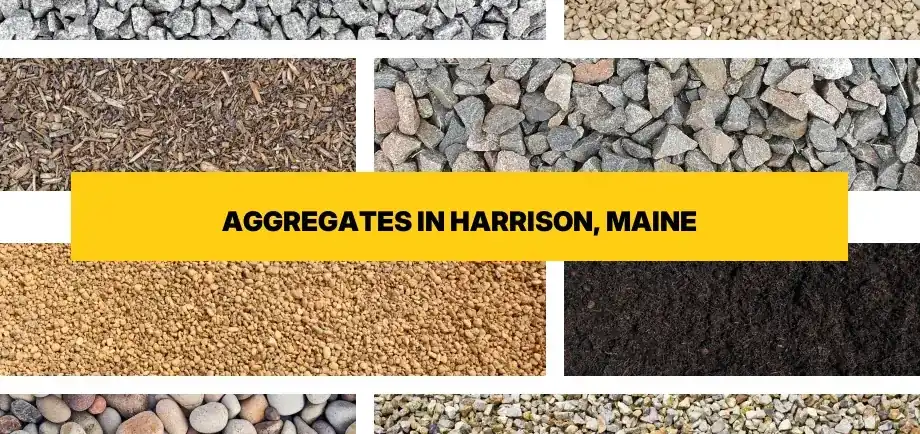
Order Topsoil, Stone & Gravel in Harrison, Maine
Local Topsoil, Dirt, Sand, Rocks and Gravel near me in Harrison, Maine
Shop Aggregates for Delivery in Harrison
Order online for free delivery to any Harrison address.
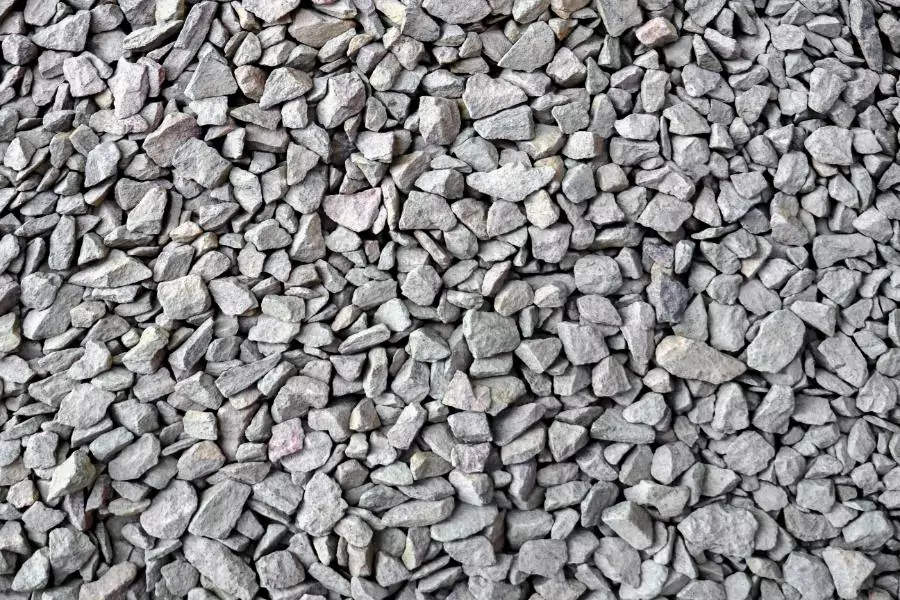
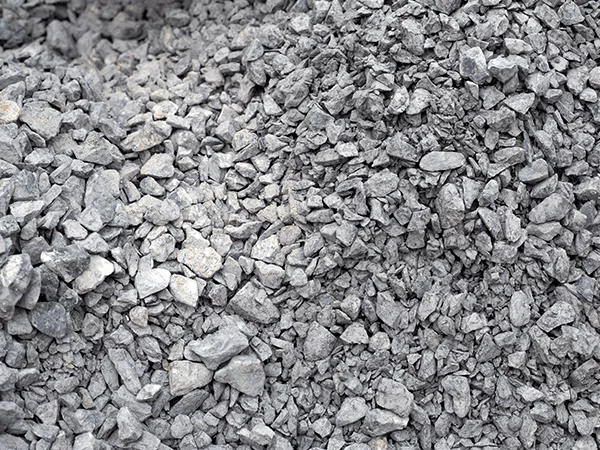


Gravel Monkey is your trusted source for premium gravel and aggregate delivery in Harrison, Maine. Whether you're building a new driveway along Crystal Lake, creating walkways for your Long Lake property, or managing drainage issues common to the Lakes Region, we deliver high-quality aggregates directly to your Harrison location with absolutely free delivery. Our materials are specifically selected to perform well in Maine's challenging climate, from harsh winter freeze-thaw cycles to spring mud season.
Complete Range of Aggregates Available in Harrison
Harrison property owners rely on Gravel Monkey for a comprehensive selection of aggregates and materials for residential, commercial, and lakefront projects throughout the area. We understand the unique demands of working with Harrison's glacial till soils and the importance of proper drainage in this Lakes Region community.
- Driveway Gravel - Premium base material designed for long-lasting Maine driveways
- 3/4 inch Crushed Stone - Versatile aggregate for driveways, foundations, and drainage applications
- #57 Stone - Clean crushed stone ideal for French drains and construction projects
- Crusher Run - Compactable base material that creates a stable foundation
- Road Base - Heavy-duty aggregate for road construction and large driveways
- Drain Rock - Specialized stone for managing water around foundations and low areas
- Pea Gravel - Smooth rounded stones perfect for landscaping and pathways
- River Rock - Natural decorative stone for lakefront landscaping and gardens
- Walkway Gravel - Comfortable walking surface for paths and recreational areas
- Topsoil - Nutrient-rich soil for gardens, lawns, and landscaping projects
- Fill Dirt - Essential material for grading, leveling, and property improvements
- Crushed Concrete - Eco-friendly recycled aggregate for budget-conscious projects
- Mason Sand - Fine sand for masonry work and construction projects
- Playground Sand - Safe, clean sand for play areas and sandboxes
- Washed Sand - Clean sand for various construction and landscaping applications
- Decomposed Granite - Natural looking aggregate for pathways and outdoor spaces
Serving Harrison and Surrounding Lakes Region Communities
Our delivery service covers all of Harrison and extends throughout the scenic Lakes Region of western Maine. We're familiar with the specific needs of properties throughout the area, from lakefront camps requiring specialized drainage solutions to seasonal cottages needing driveway improvements.
We regularly deliver aggregates to properties near Long Lake, where many homeowners face drainage challenges due to proximity to the waterfront. The Crystal Lake area also sees frequent deliveries, especially for properties upgrading driveways and creating stone walkways. Residents near Harrison Village benefit from our knowledge of the town's soil conditions, which consist primarily of sandy loam over glacial till. This soil type can shift during freeze-thaw cycles, making proper aggregate selection critical for long-term project success.
Properties along Bolsters Mills Road and Harrison Road commonly require aggregates for new construction and driveway maintenance. The Scribner Hill area, with its elevation changes and rocky terrain, often needs specialized base materials to create stable driveways. We also serve the growing number of properties around Crooked River, where drainage management is essential to protect foundations and prevent erosion.
Harrison's proximity to neighboring communities means we're well-positioned to serve properties near Bridgton, Naples, Waterford, and Norway. Our knowledge of the entire Oxford County region helps us recommend the right aggregates for your specific location and soil conditions.
Understanding Harrison's Climate and Geology
Harrison experiences a humid continental climate typical of inland Maine, with cold, snowy winters and warm, pleasant summers. Average winter temperatures range from 10°F to 30°F, with significant snowfall from December through March. Spring brings the infamous "mud season" when freeze-thaw cycles create challenging conditions for driveways and roads. Summer temperatures average between 65°F and 80°F, making it the prime season for outdoor projects and property improvements.
Annual precipitation in Harrison averages around 45 inches, distributed fairly evenly throughout the year. This consistent moisture, combined with the region's geology, makes proper drainage absolutely essential for any aggregate installation. The area receives approximately 70 inches of snowfall annually, placing significant stress on driveways and pathways during winter months.
Geologically, Harrison sits within the Lakes Region, characterized by glacial deposits left behind during the last ice age. The underlying bedrock consists primarily of metamorphic schists and granites, but most property owners encounter glacial till - a mixture of clay, sand, gravel, and boulders deposited by retreating ice sheets. This material can be challenging to work with, as it contains various particle sizes and can retain moisture.
The sandy loam topsoil common throughout Harrison provides decent natural drainage, but the clay content in glacial till beneath can trap water, leading to frost heaving and driveway damage during winter. This is why proper aggregate selection and installation depth are crucial for Harrison properties. A well-designed aggregate base allows water to drain away from the surface while providing stability during freeze-thaw cycles.
Properties near Long Lake and Crystal Lake face additional considerations due to higher water tables and seasonal fluctuations in groundwater levels. These locations benefit from thicker aggregate bases and materials specifically chosen for drainage performance, such as drain rock or crusher run with proper compaction.
Choosing the Right Aggregate for Your Harrison Project
Selecting the appropriate aggregate for your specific project ensures longevity and performance, especially given Harrison's demanding climate conditions. Different aggregates serve different purposes, and understanding these distinctions helps you make the best choice for your property.
| Aggregate Type | Best Applications | Compaction | Drainage Rating | Winter Performance |
|---|---|---|---|---|
| Crusher Run | Driveway base, pathways | Excellent | Good | Excellent |
| 3/4" Crushed Stone | Driveways, foundations | Very Good | Excellent | Excellent |
| #57 Stone | Drainage, French drains | Good | Excellent | Very Good |
| Road Base | Heavy traffic areas | Excellent | Good | Excellent |
| Pea Gravel | Landscaping, walkways | Fair | Very Good | Good |
| Drain Rock | Foundation drainage | Fair | Excellent | Very Good |
| Crushed Concrete | Base layer, fill | Good | Good | Good |
Driveway Projects in Harrison
For driveway construction or renovation in Harrison, we typically recommend a multi-layer approach. Start with a base layer of crusher run or road base, which compacts tightly to create a stable foundation that resists frost heaving. This base layer should be at least 4-6 inches thick for residential driveways, though properties with poor drainage or heavy vehicle use may benefit from 8-10 inches.
The top layer can be three-quarter inch crushed stone or driveway gravel, providing a clean appearance while maintaining excellent drainage. This combination performs exceptionally well during Maine's freeze-thaw cycles and stands up to snow plowing throughout winter. Properties near Scribner Hill or areas with steep grades may want to consider additional depth to prevent erosion and settling.
Walkways and Landscaping Applications
For creating attractive pathways around Harrison properties, walkway gravel offers a comfortable surface that's easy on bare feet while maintaining good drainage. Pea gravel provides a similar aesthetic with slightly smoother stones, making it popular for lakefront properties around Long Lake and Crystal Lake. These materials shift naturally with the seasons, accommodating freeze-thaw movement without cracking like concrete or asphalt.
River rock serves as an excellent decorative element in landscaping, particularly around gardens, water features, or as a border material. Its natural appearance complements Harrison's rustic, lakeside setting while requiring minimal maintenance. Decomposed granite creates naturally beautiful pathways that pack down over time, providing a stable walking surface with a soft, natural appearance.
Drainage Solutions
Given Harrison's soil composition and seasonal water challenges, proper drainage often determines the success of your project. Drain rock and number 57 stone excel in French drain systems, foundation drainage, and areas where water management is critical. These clean, angular stones allow water to flow freely while preventing soil migration that could clog the system.
Properties in low-lying areas near the lakes or with high water tables should prioritize drainage in their aggregate planning. A well-designed drainage system protects foundations, prevents basement water issues, and extends the life of driveways and pathways.
Planning Your Harrison Aggregate Project
Successful aggregate projects in Harrison start with proper planning and understanding the specific conditions of your property. Before ordering materials, consider these important factors that affect project outcomes in Maine's Lakes Region.
Seasonal Considerations
Spring and fall present unique challenges in Harrison. During mud season (typically late March through early May), avoid installing aggregates until the ground has dried sufficiently. Attempting installation during this period can result in contamination of clean aggregates with mud and clay, reducing drainage performance and creating a less stable base.
Summer and early fall offer ideal conditions for aggregate projects. The ground is dry, compaction achieves better results, and you have time to allow new installations to settle before winter arrives. Late fall projects (October through November) can work but should be completed before freezing temperatures arrive and ground frost sets in.
Winter installations are generally not recommended unless absolutely necessary. Frozen ground prevents proper compaction, and snow cover complicates the installation process. If you must proceed with winter work, consult with our team about specialized techniques and considerations for cold-weather installation.
Site Preparation Requirements
Proper site preparation significantly impacts the longevity and performance of your aggregate installation. Remove all organic material, including topsoil, roots, and vegetation, from the project area. Organic matter decomposes over time, creating voids that lead to settling and surface irregularities.
For driveway projects, excavate to the required depth (typically 6-10 inches) and ensure proper crown or slope for water runoff. Water should drain away from structures and toward appropriate drainage areas. In Harrison's glacial till soils, you may encounter large stones or boulders during excavation - remove these to create a uniform base.
Consider installing landscape fabric or geotextile material beneath the aggregate in areas with particularly soft or wet soils. This barrier prevents aggregates from migrating into the subsoil while allowing water to drain through, extending the life of your installation significantly.
Calculating Material Quantities
Accurate quantity calculations prevent ordering too much or too little material. For rectangular areas, measure length and width in feet, then determine your desired depth in inches. Convert depth to feet by dividing by 12, then multiply length x width x depth to get cubic feet. Divide by 27 to convert to cubic yards, which is how aggregates are typically sold.
For example, a driveway 50 feet long and 12 feet wide with 6 inches of aggregate requires: 50 x 12 x 0.5 = 300 cubic feet, or approximately 11 cubic yards. We recommend adding 10-15% extra to account for compaction and irregularities in the base. Our team at Gravel Monkey can help you calculate exact quantities for your specific Harrison project.
Installation Best Practices
Install aggregates in lifts (layers) of 3-4 inches, compacting each layer before adding the next. This approach achieves better density and stability than dumping all material at once. Rent a plate compactor for small projects or hire a contractor with roller equipment for larger installations like driveways.
Pay special attention to edges and transitions. Edge restraints (wooden timbers, metal edging, or buried stone) prevent aggregate migration and maintain clean lines. Proper compaction at driveway edges prevents the breakdown and spreading that occurs with vehicle traffic.
For paths and walkways using decorative aggregates like pea gravel or walkway gravel, a depth of 2-3 inches over compacted base material provides adequate coverage while remaining economical. These materials don't require the same compaction as base aggregates but should still be spread evenly and lightly tamped.
Maintaining Your Harrison Aggregate Installations
Proper maintenance extends the life of aggregate installations and maintains their appearance through Maine's challenging seasons. Regular attention to a few key areas keeps driveways, walkways, and landscaping looking great year after year.
Spring and Summer Maintenance
After winter, inspect your driveway and pathways for areas that have settled or developed low spots where water collects. Add fresh aggregate to these areas, rake smooth, and compact. This "top dressing" should be done annually on driveways to compensate for gradual compaction and material migration.
Control weeds in aggregate areas by applying landscape-safe herbicides or pulling by hand. Once weeds establish roots in aggregate, they become difficult to eliminate. Regular raking of pea gravel and decorative stone areas disturbs weed seeds and keeps materials loose and attractive.
Address drainage issues promptly. If water begins pooling in areas that previously drained well, the base may have settled or soil may be migrating into the aggregate. Sometimes simply adding mason sand or additional aggregate resolves the issue, but persistent problems may indicate the need for improved drainage design.
Winter Care
Snow removal requires care on aggregate surfaces. Use plastic blade shovels or set snow blower skids slightly higher than on paved surfaces to avoid removing aggregate along with snow. Metal blades can gouge and displace materials, particularly with decorative aggregates like pea gravel.
Avoid overuse of salt and chemical de-icers on aggregate driveways. While some ice melt is acceptable, excessive chemicals can break down certain stone types over time and harm adjacent vegetation. Sand provides traction without chemical effects, though it will need to be swept up in spring.
Monitor edges and borders throughout winter. Snow plowing often displaces edge materials, which should be raked back into place before spring. This prevents gradual widening and breakdown of defined areas.
Long-term Care
Every few years, assess whether your aggregate installation needs refreshing. Driveways typically benefit from a new top layer every 3-5 years, while decorative applications may last longer. Compaction and weather gradually work materials into the subsoil, requiring periodic replenishment.
Keep vegetation trimmed back from aggregate edges. Roots from nearby trees and shrubs can displace materials and create uneven surfaces. Tree roots seeking water may even lift and disturb larger aggregates over time.
Document any settling or subsidence issues. If you notice areas consistently settling despite adding material, underlying soil problems may exist that require more extensive remediation. Soft spots could indicate springs, high water tables, or organic material that wasn't fully removed during installation.
Common Harrison Aggregate Projects
Harrison property owners use our aggregates for diverse applications, from practical infrastructure to beautiful landscaping. Understanding common project types helps you envision possibilities for your own property.
Lakefront Property Improvements
Properties around Long Lake and Crystal Lake frequently need specialized aggregate solutions. Shoreline pathways using walkway gravel provide attractive, functional access to docks and beaches. River rock creates natural-looking borders around waterfront landscaping, controlling erosion while maintaining aesthetic appeal.
Many lakefront owners install French drains using drain rock to manage water running toward foundations during spring runoff and heavy rains. This proactive approach prevents basement water issues and foundation damage, particularly important in areas with higher water tables near the lakes.
Seasonal Camp Driveways
Seasonal camps throughout Harrison need low-maintenance driveways that withstand limited use and months of winter abandonment. Crusher run provides an economical, durable solution that compacts well and resists frost heaving. Many camp owners top this base with three-quarter inch crushed stone, creating a clean appearance for summer use.
Access roads serving multiple camps or remote properties often use road base for its superior strength and compaction characteristics. This material handles heavier vehicles and more frequent traffic while maintaining structural integrity through freeze-thaw cycles.
Garden and Landscape Projects
Harrison gardeners appreciate quality topsoil for raised beds, lawn establishment, and landscape plantings. Our topsoil blends work well with the region's existing sandy loam, providing nutrients and organic matter that support healthy plant growth.
Pea gravel serves as attractive mulch alternative that doesn't decompose or require annual replacement. Garden pathways using this material stay neat and functional through all seasons, providing clean walking surfaces even after rain.
Construction and Grading Projects
New construction throughout Harrison requires fill dirt for proper grading around foundations and to create level building pads. Our fill dirt meets the needs of both residential and commercial construction, providing clean material free from organic contaminants that could cause future settling.
Foundation drainage systems using number 57 stone and drain rock protect structures from water damage. Properly designed and installed drainage extends building life and prevents costly water intrusion issues common in Maine's wet climate.
Sustainable Aggregate Choices in Harrison
Environmental consciousness continues growing among Harrison property owners, and aggregate selection offers opportunities for sustainable choices. Several materials and practices minimize environmental impact while delivering excellent results.
Crushed concrete represents an eco-friendly alternative to virgin aggregates for base layers and fill applications. This recycled material diverts waste from landfills while providing functional performance comparable to traditional stone. It works particularly well for driveways, parking areas, and base layers where appearance is secondary to function.
Choosing locally-sourced aggregates reduces transportation distances and associated carbon emissions. Our materials come from regional quarries throughout Maine, minimizing environmental impact while supporting the local economy. Shorter transportation distances also mean fresher materials that haven't endured extended weathering during transport and storage.
Proper drainage design using aggregates helps manage stormwater naturally, reducing runoff into Long Lake, Crystal Lake, and the Crooked River watershed. Permeable aggregate surfaces allow water infiltration, naturally filtering runoff while recharging groundwater supplies. This approach protects water quality in Harrison's precious lake resources.
Consider incorporating native plantings alongside aggregate installations. Strategic vegetation around driveways and pathways helps filter runoff, provides habitat, and enhances the natural beauty of your property. Native plants require less maintenance and adapt better to Harrison's climate and soils than exotic species.
Frequently Asked Questions About Aggregates in Harrison, Maine
We deliver a complete range of materials including driveway gravel, crushed stone in multiple sizes, crusher run, drain rock, pea gravel, river rock, topsoil, fill dirt, various sands, crushed concrete, and decomposed granite throughout Harrison and surrounding Maine communities.
Yes! Gravel Monkey offers FREE delivery to Harrison and the surrounding Maine area for all aggregate and landscaping material orders.
For Harrison driveways, we recommend crusher run or three-quarter inch crushed stone as a base layer. These materials compact well and provide excellent drainage, which is critical during freeze-thaw cycles common in Maine winters.
Measure the length and width of your project area in feet, then multiply by the desired depth in feet. For driveways, we recommend four to six inches of aggregate. Our team can help you calculate the exact amount needed for your Harrison property.
While we strive to accommodate rush orders, delivery times depend on current demand and distance. Contact us directly to check availability for same-day or next-day delivery to your Harrison location.
Harrison sits on glacial till and sandy loam soils common to the Lakes Region. These soils drain reasonably well but benefit from proper gravel base installation, especially in low-lying areas near Long Lake and Crystal Lake where groundwater levels can be higher.
Summer and early fall provide ideal conditions for aggregate installation in Harrison. Avoid spring mud season when ground moisture is highest. Late fall can work if completed before freezing temperatures arrive. Winter installations are not recommended due to frozen ground conditions.
Most residential driveway and landscaping projects do not require permits in Harrison, but regulations vary based on project scope and proximity to water bodies. Contact the Harrison Code Enforcement Office for specific guidance, especially for projects near Long Lake, Crystal Lake, or wetlands.
Ready to Start Your Harrison Aggregate Project?
Whether you're improving a lakefront property, upgrading a seasonal camp driveway, or creating beautiful landscaping around your Harrison home, Gravel Monkey delivers the quality aggregates you need with the convenience of free delivery. Our materials are selected to perform in Maine's demanding climate, and our team understands the unique conditions throughout the Lakes Region.
From the sandy loams of Harrison Village to the waterfront properties around Long Lake and Crystal Lake, we've helped countless property owners complete successful projects. Our knowledge of local soil conditions, climate challenges, and proper installation techniques ensures your aggregate project will look great and perform well for years to come.
Contact us today to discuss your project needs, get expert recommendations for your specific application, and schedule your free delivery anywhere in Harrison or the surrounding area. We're here to help make your project a success, from material selection through installation advice and beyond.

Need help? Reach out for a quote: