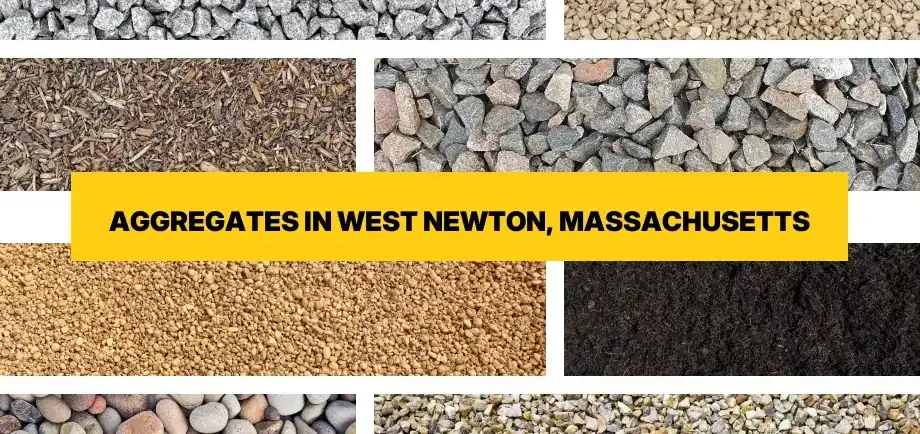
Bulk Aggregate & Gravel Products in West Newton, Massachusetts
Local Topsoil, Dirt, Sand, Rocks and Gravel near me in West Newton, Massachusetts
Shop Aggregates for Delivery in West Newton
Order online for free delivery to any West Newton address.
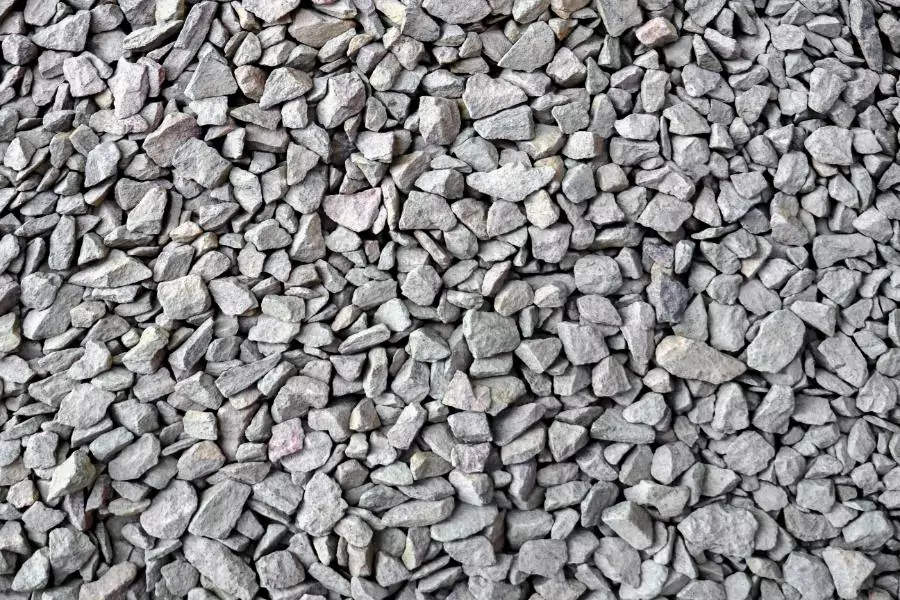
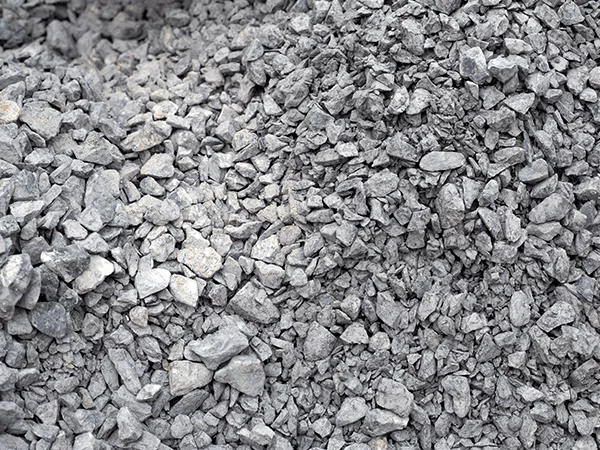


Gravel Monkey delivers top-quality aggregates and stone materials throughout West Newton, Massachusetts, with absolutely no delivery charges. Whether you're renovating a historic home near West Newton Square, building a new driveway in Nonantum, or managing a commercial project along Washington Street, we supply the crushed stone, gravel, topsoil, and drainage materials you need. Our service extends across all Newton villages including Newtonville, Newton Corner, Newton Centre, and Auburndale, providing the same free delivery and premium aggregates that West Newton homeowners and contractors rely on for lasting results.
Complete Aggregate Selection for West Newton Projects
Our extensive inventory covers every type of aggregate material needed for residential, commercial, and municipal projects throughout West Newton and surrounding Newton communities. From foundation work to decorative landscapes, we supply the right stone for the job:
- 3/4 inch Crushed Stone - Versatile angular aggregate for driveways, foundations, and drainage applications
- #57 Stone - Industry-standard aggregate perfect for concrete work, French drains, and pipe bedding
- Driveway Gravel - Durable aggregate blend designed to withstand Massachusetts winters and heavy vehicle traffic
- Crusher Run - Compactable aggregate base that creates rock-solid foundations for any project
- Drain Rock - Angular drainage aggregate that prevents water accumulation around foundations
- Road Base - Heavy-duty aggregate for driveway bases and parking areas
- Pea Gravel - Smooth decorative stone for walkways, patios, and garden beds
- River Rock - Natural rounded stone in multiple sizes for aesthetic landscaping
- Walkway Gravel - Perfectly sized aggregate for comfortable pedestrian pathways
- Crushed Concrete - Eco-friendly recycled aggregate for cost-effective base material
- Decomposed Granite - Natural compacting aggregate for elegant walkways and patios
- Topsoil - Nutrient-rich soil for gardens, lawns, and planting beds
- Fill Dirt - Clean fill for grading, leveling, and construction projects
- Mason Sand - Fine sand for mortar mixing and masonry applications
- Playground Sand - Safe, clean sand for play areas and sandboxes
- Washed Sand - Clean aggregate-free sand for precise applications
Serving All West Newton Neighborhoods and Surrounding Communities
Gravel Monkey proudly delivers aggregates throughout West Newton and the greater Newton area. Our drivers know the local streets, from the residential neighborhoods near Jackson Homestead to the commercial districts along Washington Street. We regularly serve properties in Nonantum, Newtonville, Newton Corner, Newton Centre, Newton Highlands, Auburndale, and Chestnut Hill. Whether your project is near West Newton Square, along the Charles River, or in the historic neighborhoods surrounding Newton City Hall, we deliver premium aggregates directly to your site with no delivery fees.
The unique character of West Newton properties, from Victorian homes near the commuter rail station to modern developments near the Massachusetts Turnpike, requires quality aggregates that perform in New England conditions. Our materials handle the seasonal challenges of the region, from spring thaw to winter freeze-thaw cycles that affect soil stability.
Aggregates Engineered for West Newton Climate and Geology
West Newton sits on glacial till and outwash deposits left by retreating ice sheets thousands of years ago. This geological foundation consists of mixed soils including clay, silt, sand, and gravel. The area experiences significant seasonal frost penetration, with freeze-thaw cycles that can shift improperly installed aggregates and damage inadequate drainage systems. Annual precipitation averages 44 inches, with snowfall adding another 40-50 inches during winter months.
These conditions demand aggregates specifically suited to New England geology. Angular crushed stone compacts tightly and resists frost heaving better than rounded materials. Proper aggregate base depth—typically four to six inches—provides the structural support needed for driveways and foundations built on West Newton glacial soils. Drainage becomes particularly critical around foundations, where water accumulation during spring thaw can cause basement flooding and structural issues common to historic Massachusetts homes.
Material Performance in Local Conditions
The seasonal temperature range in West Newton, from summer highs near 85°F to winter lows below 10°F, creates expansion and contraction cycles that test aggregate installations. Quality crushed stone maintains stability through these temperature swings. The clay content in local soils means proper aggregate base preparation prevents the shifting and settling that occurs when driveways or walkways are installed directly on native soil.
Spring presents particular challenges as snowmelt and rain saturate the ground. Aggregates with superior drainage characteristics—like our drain rock and crushed stone products—channel water away from structures and prevent the pooling that leads to foundation damage. Many West Newton properties near the Charles River or in lower-lying areas of Nonantum require enhanced drainage solutions using properly graded aggregates.
Aggregate Applications for West Newton Properties
Residential Driveways and Parking Areas
West Newton driveways endure harsh conditions—snow removal equipment, freeze-thaw cycles, de-icing salt, and constant traffic. A proper driveway starts with excavation to remove unsuitable soil, followed by a compacted aggregate base. Crushed stone provides the angular interlock needed for long-term stability. The base layer, typically four to six inches deep, distributes weight and prevents the rutting common in poorly constructed driveways. Top dressing with finer crushed stone creates a smooth, durable surface that handles both daily use and winter maintenance.
Historic homes near West Newton Square and properties throughout older neighborhoods often have narrow driveways that require careful grading and drainage. Proper aggregate installation prevents runoff issues that can affect neighboring properties while maintaining the character of these established communities.
Foundation Drainage Systems
Basement waterproofing in West Newton requires proper aggregate placement around foundations. Clean, angular drain rock installed alongside drainage pipes creates pathways for water to move away from structures. The high clay content in local soils makes this especially important—clay holds water and can transmit hydrostatic pressure against foundation walls. A gravel drainage layer interrupts this water movement and directs it to daylight or sump systems.
Many West Newton homes built before modern building codes lack adequate foundation drainage. Retrofitting these systems requires excavation and aggregate installation that meets current standards while respecting the construction of historic properties. Proper aggregate selection and placement prevents the foundation issues that plague older Massachusetts homes.
Walkways and Landscape Features
Aggregate walkways offer an attractive alternative to concrete or pavers throughout West Newton landscapes. Materials like pea gravel and decomposed granite create permeable pathways that handle rainfall without runoff issues. These installations work particularly well in garden settings near Newton Centre and in the landscaped yards of Newtonville, where traditional hardscaping might seem out of place.
Decorative river rock serves as mulch alternative and accent material in planting beds. It suppresses weeds, retains soil moisture, and adds visual interest to gardens. The rounded stones work well around specimen trees and in areas where softer aesthetics suit the property character.
Commercial and Municipal Projects
Commercial properties along Washington Street and throughout Newton's business districts require aggregates that meet heavy-use specifications. Parking lots, loading areas, and utility access routes demand materials that compact firmly and resist deterioration under traffic. Crusher run and road base provide the structural integrity needed for these demanding applications.
Municipal projects including park development, utility work, and streetscape improvements use aggregates extensively. From French drains managing stormwater to pipe bedding for infrastructure projects, the right aggregate selection ensures projects meet engineering standards and perform for decades.
| Aggregate Type | Primary Applications | Drainage Rating | Compaction Level | Best For |
|---|---|---|---|---|
| Crushed Stone 3/4" | Driveways, foundations, general base | Excellent | High | Structural applications, high-traffic areas |
| #57 Stone | Concrete aggregate, drainage, pipe bedding | Excellent | Medium | French drains, utility trenches, concrete mix |
| Crusher Run | Driveway base, road base, foundations | Good | Very High | Base layer needing maximum stability |
| Drain Rock | Foundation drainage, retaining walls | Superior | Medium | Water management systems |
| Pea Gravel | Walkways, decorative landscape, drainage | Very Good | Low | Pathways, garden beds, decorative use |
| River Rock | Landscape accents, dry creek beds | Good | None | Aesthetic applications, erosion control |
| Decomposed Granite | Walkways, patios, natural paths | Fair | Medium-High | Elegant pathways, patio surfaces |
| Crushed Concrete | Base material, temporary roads | Very Good | High | Budget-conscious projects, base layers |
Professional Aggregate Installation Guidelines for West Newton Projects
Site Preparation Requirements
Successful aggregate projects start with proper excavation and preparation. Remove existing material to a depth that accommodates your aggregate base plus any finish layer. For driveways, this typically means excavating six to eight inches total. Grade the excavated area with slight slope for drainage—typically two percent grade directs water away from structures effectively.
Compact native soil before aggregate placement. This prevents future settling that causes low spots and drainage problems. In areas with high clay content, as found throughout West Newton, consider a geotextile fabric layer between native soil and aggregate. This separator prevents clay migration into the stone while allowing water drainage.
Aggregate Installation Best Practices
Install aggregates in lifts—layers of three to four inches that get compacted individually. Attempting to compact an entire six-inch depth at once produces poor results, with the surface appearing firm while deeper material remains loose. Use a plate compactor or roller appropriate for the project size. Residential driveways typically need at least a plate compactor, while larger projects require vibratory rollers.
Water helps achieve optimal compaction with many aggregates. Light moisture allows particles to nest together tightly. However, avoid over-watering, which creates muddy conditions and prevents proper compaction. The goal is aggregate that feels firm underfoot without visible movement when walked on.
Edge Restraints and Borders
Aggregate installations need edge restraint to prevent material migration. For driveways, this might mean existing structures like foundation walls and garage edges. Where open edges exist, install Belgian block, landscape timbers, or commercial edging systems. Without proper edging, aggregates gradually spread outward, especially under traffic and during freeze-thaw cycles.
Walkways and decorative aggregate applications also require defined borders. Metal edging, stone borders, or buried landscape edging holds material in place while maintaining clean lines that enhance property appearance.
Maintaining Aggregate Installations in Massachusetts Climate
Properly installed aggregates require minimal maintenance but benefit from periodic attention. Spring inspection after winter freeze-thaw cycles reveals any areas needing attention. Add aggregate to low spots that develop from settling or erosion. Rake and level gravel surfaces that show rutting from traffic or equipment.
Control vegetation that establishes in aggregate surfaces. While less problematic in frequently trafficked driveways, walkways and parking areas may develop weed growth. Manual removal or targeted herbicide application keeps surfaces looking maintained. Geotextile fabric installed during construction greatly reduces this issue.
Snow removal equipment can displace aggregates, especially lighter materials like pea gravel. Use care when plowing or snow-blowing aggregate surfaces. Setting equipment blades slightly higher than the aggregate surface prevents gouging and material removal. Spring cleanup often requires raking disturbed areas smooth and adding fresh material where needed.
Seasonal Considerations
Fall preparation involves clearing leaves and debris from aggregate surfaces to prevent organic material decomposition that creates muddy conditions. Spring attention focuses on repairing any winter damage and addressing drainage issues that appear during snowmelt. Summer heat doesn't affect aggregates significantly, though dry conditions may require light watering before compaction if adding material to existing installations.
Winter maintenance means using de-icing products carefully. While aggregates themselves handle road salt well, excessive salt application can affect surrounding vegetation and find its way into groundwater. Sand provides traction on icy aggregate surfaces without chemical concerns.
Why West Newton Properties Choose Gravel Monkey Aggregates
Property owners throughout West Newton, from historic homes near Jackson Homestead to new construction in Nonantum, select Gravel Monkey for several key reasons. Our aggregates meet specifications for both residential and commercial applications, ensuring materials perform as expected in demanding Massachusetts conditions. Free delivery eliminates one of the largest cost variables in aggregate projects, making premium materials accessible for projects of all sizes.
Contractors working on properties throughout Newton appreciate consistent material quality and reliable delivery scheduling. Whether supplying a foundation contractor near Newton Centre or a landscaper creating garden features in Newtonville, we deliver aggregates that meet project specifications without delays that impact construction schedules.
Homeowners value the expertise we provide. Choosing the right aggregate for specific applications prevents costly mistakes. A driveway requiring structural base material needs different aggregate than a decorative walkway or garden bed. We help customers understand these differences and select materials that deliver lasting results.
Sustainable Aggregate Solutions
Environmental consciousness matters to West Newton residents. Our crushed concrete product exemplifies sustainable aggregate use—recycled material that performs excellently for many applications while reducing landfill waste. This recycled aggregate costs less than virgin stone while offering comparable performance for base layers and temporary access roads.
Permeable aggregate installations like gravel driveways and decomposed granite walkways allow rainfall infiltration rather than creating runoff. This matters for water quality in the Charles River watershed and helps manage stormwater on individual properties. Many newer municipal regulations encourage permeable surfaces, making aggregates an increasingly important material choice.
Simple Ordering Process for West Newton Aggregate Delivery
Getting aggregates delivered to your West Newton property requires just a quick call to Gravel Monkey at 646-809-3983. We discuss your project requirements, recommend appropriate materials, and calculate quantities based on your dimensions. Our experience with local conditions means we understand the challenges specific to West Newton properties and can suggest solutions that work.
We confirm delivery details including your specific address, access considerations, and timing preferences. Our drivers know the area well, navigating narrow streets in historic neighborhoods and accessing properties throughout all Newton villages. Delivery placement accommodates your needs—whether dropping material in a driveway, placing it near a project area, or spreading it for immediate use.
Calculating Aggregate Quantities
Accurate quantity calculation prevents material shortage or excess. For rectangular areas, multiply length times width times depth (all in feet) and divide by 27 to get cubic yards. A driveway 20 feet wide by 40 feet long needing a 4-inch base calculates as: 20 × 40 × 0.33 ÷ 27 = 9.78 cubic yards, rounded to 10 yards for practical ordering.
Irregular shapes require breaking the area into rectangular sections, calculating each, and totaling them. Add 5-10% extra material to account for compaction, waste, and future maintenance needs. Our team helps verify calculations and ensures you order appropriate quantities for your specific project.
Comparing Aggregates to Alternative Materials
Property owners considering material options for driveways, walkways, and landscape projects often compare aggregates against alternatives like asphalt, concrete, and pavers. Each material offers distinct advantages depending on application, budget, and aesthetic preferences.
Aggregates vs. Asphalt
Asphalt provides smooth, uniform surfaces ideal for vehicles but requires professional installation and periodic seal coating. Aggregate driveways cost significantly less initially and allow DIY installation or easy contractor work. Aggregates offer superior drainage compared to impermeable asphalt surfaces. Repairs to gravel driveways involve simply adding material and raking smooth, while asphalt repairs require patching compounds and professional attention. For properties with occasional vehicle access or rural aesthetics, aggregates offer practical advantages over asphalt.
Aggregates vs. Concrete
Concrete delivers permanent, extremely durable surfaces but costs substantially more than aggregate installations. Concrete also creates impermeable surfaces that increase stormwater runoff, while aggregates allow infiltration. Climate factors favor aggregates in freeze-thaw regions—concrete cracks from ice expansion, while gravel adjusts without damage. Aggregate installations can begin immediately after delivery, whereas concrete requires curing time before use. Many properties use both materials strategically—concrete for high-use vehicle areas and aggregates for broader coverage or secondary access routes.
Aggregates vs. Pavers
Interlocking pavers create attractive, permeable surfaces but require extensive site preparation and professional installation. Material costs for pavers exceed aggregates substantially. Maintenance differs significantly—pavers may require occasional releveling and joint sand replacement, while gravel needs periodic raking and material addition. Both options offer permeability advantages over solid surfaces. Property style and use often determine the best choice—formal landscapes may favor pavers while casual, naturalistic settings suit aggregate materials.
Frequently Asked Questions About Aggregates in West Newton
We deliver a complete range of aggregates to West Newton including crushed stone, driveway gravel, pea gravel, river rock, crusher run, drain rock, road base, recycled concrete, topsoil, fill dirt, and various sand types. All materials come with free delivery throughout West Newton and nearby Newton villages.
Yes! Gravel Monkey provides completely FREE delivery to West Newton and all surrounding Newton neighborhoods including Newtonville, Newton Corner, Newton Centre, and Auburndale. No minimum orders, no hidden fees.
For a typical West Newton driveway, calculate length times width times depth in feet. For a 4 inch base, divide by 81 to get cubic yards needed. A standard two-car driveway measuring 20 feet by 40 feet with a 4 inch base requires approximately 10 cubic yards of crushed stone.
In West Newton climate with its freeze-thaw cycles, crushed stone and crusher run provide excellent drainage to prevent frost heaving. Angular aggregates compact well and resist shifting during winter months better than rounded materials.
In many cases, yes! Contact Gravel Monkey at 646-809-3983 to check availability for same-day or next-day delivery to your West Newton property. We serve all Newton villages and can typically accommodate urgent project needs.
Absolutely. We deliver aggregates to residential properties, commercial construction sites, municipal projects, and landscaping contractors throughout West Newton. Our materials meet specifications for both residential and commercial applications.
For drainage around West Newton historic properties, drain rock or crushed stone in three-quarter inch size works excellently. These angular aggregates prevent water accumulation near foundations while protecting the integrity of older homes built on New England soil.
Most West Newton driveways require a 4 to 6 inch compacted aggregate base to handle vehicle traffic and local freeze-thaw conditions. Heavier use or poor native soil may require deeper bases. Proper depth prevents settling and rutting common in inadequate installations.
Ready to Start Your West Newton Aggregate Project?
Gravel Monkey makes aggregate delivery simple throughout West Newton and all surrounding Newton communities. Our premium materials, expert guidance, and free delivery remove the obstacles that complicate construction and landscaping projects. Whether you're installing a new driveway near West Newton Square, improving drainage around your Nonantum home, or creating walkways through your Newtonville garden, we deliver the aggregates you need exactly when you need them.
Contact us today at 646-809-3983 to discuss your project requirements. We'll help you select the right materials, calculate accurate quantities, and schedule delivery at your convenience. From crushed stone to decorative gravel, from foundation drainage rock to quality topsoil, Gravel Monkey supplies West Newton with the aggregates that build lasting results in Massachusetts conditions.

Need help? Reach out for a quote: