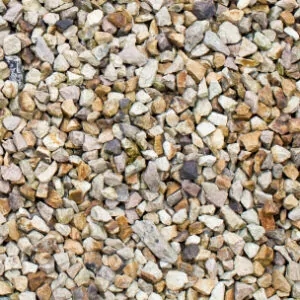
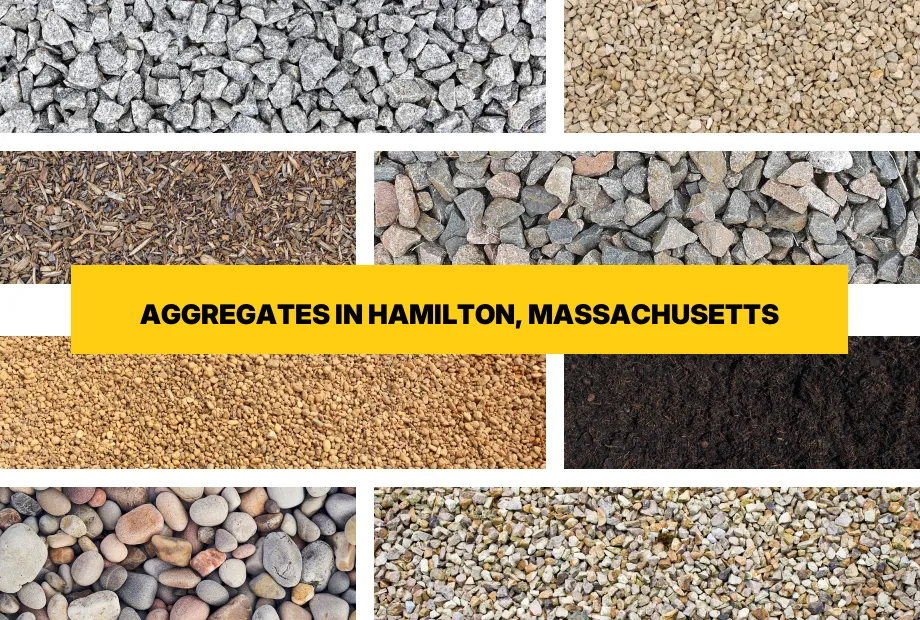
Order Topsoil, Stone & Gravel in Hamilton, Massachusetts
Local Topsoil, Dirt, Sand, Rocks and Gravel near me in Hamilton, Massachusetts
Shop Aggregates for Delivery in Hamilton
Order online for free delivery to any Hamilton address.
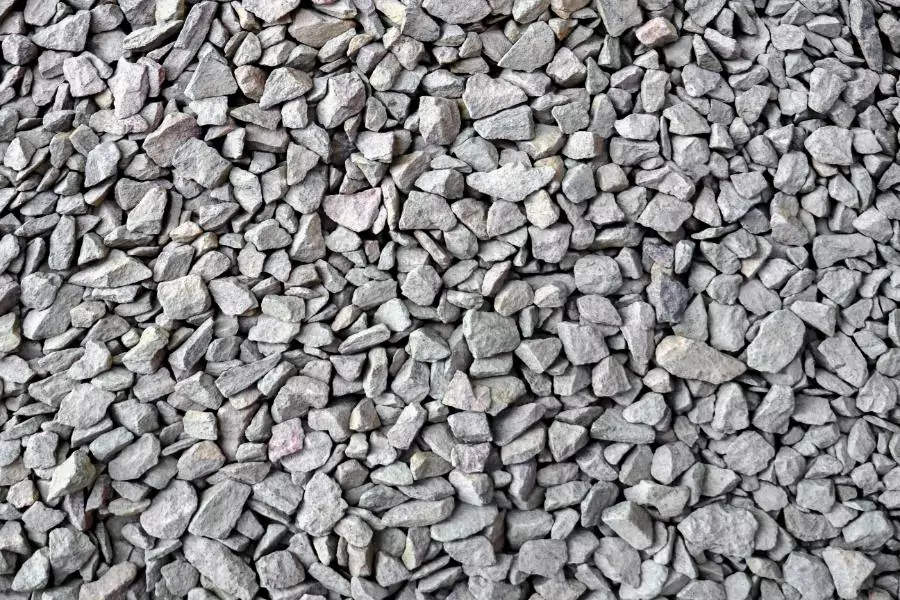
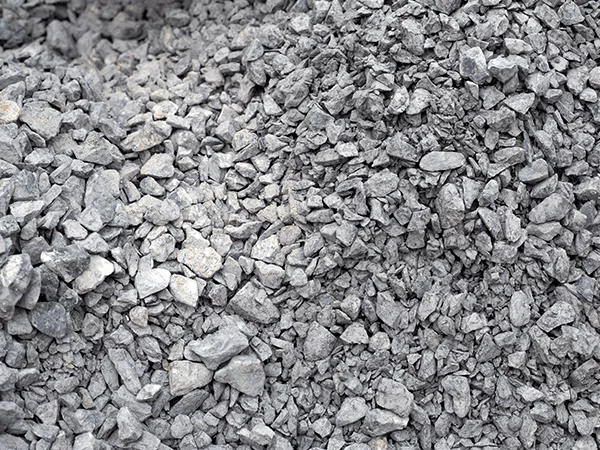


Gravel Monkey is your trusted source for premium aggregates and landscaping materials in Hamilton, Massachusetts. Serving historic estates in Patton Park, modern homes near Asbury Grove, and properties throughout Sagamore and Hamilton Village, we deliver quality stone, gravel, sand, and soil products directly to your North Shore property with free delivery. Whether you're restoring a classic Colonial driveway along Bay Road, creating drainage solutions for properties near the Ipswich River, or enhancing gardens near Gordon College, our comprehensive selection of aggregates meets every residential and commercial need in this beautiful Essex County town.
Complete Aggregate Selection for Hamilton Properties
Hamilton's unique geology and historic character require quality materials that perform in New England conditions while complementing the area's traditional aesthetic. We offer an extensive inventory of aggregates and landscaping materials suitable for every project type:
- Driveway Gravel - Durable aggregate blend perfect for Hamilton's historic home driveways
- 3/4 inch Crushed Stone - Versatile angular aggregate for foundations and base applications
- #57 Stone - Clean angular stone ideal for drainage and French drain systems
- Crusher Run - Compactable base material for stable driveway foundations
- Road Base - Heavy-duty foundation for private lanes and estate roads
- Pea Gravel - Smooth decorative stone for walkways and landscape features
- River Rock - Natural rounded stone for gardens and water features
- Walkway Gravel - Comfortable surface for garden paths and pedestrian areas
- Drain Rock - Essential aggregate for managing North Shore water issues
- Crushed Concrete - Eco-friendly recycled aggregate for sustainable projects
- Decomposed Granite - Natural pathway surfacing with traditional appeal
- Topsoil - Rich organic soil for gardens and lawn establishment
- Fill Dirt - Quality fill for grading and elevation adjustments
- Mason Sand - Fine sand for mortar, masonry, and construction
- Playground Sand - Safe, clean sand for play areas and sandboxes
- Washed Sand - Clean aggregate for various landscaping applications
Aggregates for Hamilton's Unique Landscape
Hamilton's location in Essex County presents distinctive challenges and opportunities for property owners. The town's glacially deposited soils, abundant ledge, and seasonal freeze-thaw cycles require aggregates specifically suited to New England conditions. Properties near Cutler Pond and throughout the Patton Homestead area often contend with rocky substrates that make excavation difficult but also provide excellent natural drainage when properly managed.
The Ipswich River watershed influences much of Hamilton's eastern landscape, creating microclimates with higher moisture levels that demand proper drainage solutions. Homes in Asbury Grove and along Chebacco Road benefit from French drain systems using angular aggregates like our drain rock or number 57 stone, which maintain their structural integrity through multiple freeze-thaw cycles. The angular nature of crushed stone aggregates prevents shifting and maintains drainage channels even under the weight of seasonal snowfall and spring melt.
Historic properties throughout Hamilton Village and near Patton Park showcase traditional New England architecture that pairs beautifully with natural aggregates. The town's conservation-minded residents appreciate materials that complement rather than compete with Hamilton's rural character. Natural earth tones in our gravel and stone products blend seamlessly with the wooded landscapes common throughout Sagamore and the surrounding countryside.
Climate Considerations for North Shore Aggregate Projects
Hamilton experiences typical North Shore weather patterns with cold winters averaging 20-30°F in January and mild summers reaching 75-85°F in July. Annual precipitation averages 45-50 inches, distributed relatively evenly throughout the year with slightly higher amounts during spring and fall. Winter snowfall typically totals 45-55 inches annually, creating significant freeze-thaw pressure on driveways, paths, and base materials.
These climate conditions make proper aggregate selection critical. Materials must handle frost heave, ice expansion, and spring runoff without degrading or shifting. Compactable base materials like crusher run provide stable foundations that resist frost heave, while open-graded drainage aggregates prevent ice dams and water pooling. Properties throughout Hamilton benefit from layered aggregate systems that combine dense base materials with well-draining surface layers.
Aggregate Applications for Every Hamilton Project
Driveway Solutions for Historic and Modern Homes
Hamilton driveways range from long private lanes serving equestrian estates to compact residential drives in more developed areas near Gordon College. The proper aggregate system begins with quality base material - typically crusher run or road base - compacted to create a stable foundation resistant to frost heave. For longer estate driveways common in areas like Sagamore, the base layer might be 6-8 inches deep, while shorter residential drives may need only 4-6 inches.
The surface layer depends on aesthetic preferences and budget. Traditional New England gravel driveways use crushed stone aggregates that pack firmly while maintaining drainage. The angular edges of crushed stone interlock during compaction, creating a surface that resists rutting and washout. Properties seeking a more refined appearance might choose pea gravel for the top layer, though this requires edge restraints to prevent stone migration.
Drainage Systems for Wet New England Properties
Many Hamilton properties, particularly those near water features or in lower-lying areas, require robust drainage solutions. French drains using clean angular aggregates effectively channel water away from foundations and prevent basement flooding. The key is selecting aggregates with minimal fines - materials like number 57 stone or drain rock that won't clog over time. Proper installation includes wrapping the aggregate in filter fabric to prevent soil intrusion while maintaining water flow.
Surface drainage also matters in Hamilton's climate. Proper grading combined with strategic aggregate placement prevents water accumulation during spring melt and heavy rainfall. Low spots in yards can become collection points using attractive river rock or pea gravel, creating functional dry stream beds that handle occasional water flow while enhancing landscape aesthetics.
Garden and Landscape Enhancements
Hamilton's preservation-focused community values landscapes that enhance rather than dominate natural settings. Decomposed granite pathways wind through woodland gardens, providing firm walking surfaces that blend naturally with surroundings. Pea gravel creates comfortable pedestrian areas around historic homes and defines garden beds without harsh edges. River rock adds texture and visual interest to planting areas while providing weed suppression and moisture retention.
Many Hamilton properties feature equestrian facilities requiring specialized aggregate applications. Arena footing, paddock surfaces, and barn aisles each demand specific aggregate types and depths. Proper consultation ensures horse-safe materials and appropriate drainage for outdoor areas that must perform year-round through New England's demanding climate.
| Aggregate Type | Best Applications | Drainage Rating | Compaction Level | Hamilton-Specific Uses |
|---|---|---|---|---|
| Crusher Run | Driveway base, foundation prep | Moderate | Excellent | Estate driveways, private lanes |
| 3/4 inch Crushed Stone | General construction, base layers | Good | Very Good | Driveway surfaces, hardscaping |
| #57 Stone | French drains, drainage systems | Excellent | Good | Foundation drainage, wet areas |
| Pea Gravel | Walkways, decorative areas | Good | Low | Garden paths, landscape features |
| River Rock | Decorative landscaping | Very Good | Low | Dry stream beds, garden accents |
| Road Base | Heavy-duty foundations | Moderate | Excellent | Long estate roads, commercial drives |
| Decomposed Granite | Natural pathways, trails | Moderate | Moderate | Woodland paths, historic settings |
| Mason Sand | Mortar mix, between pavers | Poor | Low | Historic masonry restoration |
Serving Hamilton's Diverse Neighborhoods
Each area of Hamilton presents unique opportunities and challenges for aggregate applications. Understanding these local characteristics helps property owners select appropriate materials and installation methods.
Patton Park and Surrounding Estates
This historic area features larger properties with significant driveway lengths and often multiple outbuildings. Estate roads here require substantial base preparation using road base or heavy crusher run applications. The wooded setting means dealing with root systems and organic materials that can compromise aggregate stability. Proper excavation and geotextile fabric installation prevent long-term settling and failure.
Asbury Grove Residential Areas
More compact residential lots in Asbury Grove still demand quality aggregate solutions, particularly for drainage management. Properties here often share characteristics with the broader watershed area near the Ipswich River, experiencing elevated groundwater during spring melt. French drain systems and proper foundation drainage using clean angular aggregates prevent basement moisture issues common in this microclimate.
Sagamore Rural Properties
Sagamore's rural character includes working farms, equestrian facilities, and large wooded lots. Aggregate needs range from stable arena footing to farm lane maintenance and erosion control on steeper terrain. The area's conservation focus makes recycled crushed concrete an attractive option for projects requiring substantial aggregate volumes while minimizing environmental impact.
Hamilton Village Center
Properties near Hamilton's village center often include historic structures requiring sensitive restoration and maintenance. Traditional gravel materials suit these properties better than modern alternatives, maintaining historical accuracy while providing contemporary functionality. Walkway gravel and decomposed granite create period-appropriate pedestrian surfaces, while mason sand supports masonry restoration projects on centuries-old foundations.
Gordon College Vicinity
The area surrounding Gordon College includes both institutional properties and nearby residences. Projects here might involve academic facility improvements, student housing, or residential properties benefiting from proximity to campus amenities. The volume of foot traffic in this area makes durable walkway surfaces essential, with properly installed aggregate pathways providing long-lasting pedestrian solutions.
Bay Road Corridor
Bay Road connects Hamilton to neighboring communities and features a mix of property types from historic homes to more recent development. The road's role as a connector means properties here may need aggregate solutions that handle higher traffic volumes or accommodate commercial uses alongside residential character. Well-compacted driveway gravel and proper base preparation ensure surfaces withstand regular use without excessive maintenance.
Aggregate Installation Best Practices for Hamilton
Successful aggregate projects require more than quality materials - proper installation techniques adapted to local conditions ensure long-lasting performance. Hamilton's rocky glacial soils and freeze-thaw cycles demand attention to detail during every project phase.
Site Preparation and Excavation
Begin by removing organic material, roots, and unstable soils from the project area. Hamilton's glacial soils often contain large rocks and ledge that complicate excavation but provide excellent drainage when left in place. Excavate to appropriate depth based on project type - typically 8-10 inches for driveways, 6-8 inches for parking areas, and 4-6 inches for pedestrian paths. Grade the excavated area to promote drainage away from structures.
Geotextile Fabric and Base Installation
Install geotextile fabric over prepared subgrade to prevent aggregate mixing with underlying soils. This step is particularly important in Hamilton's variable soil conditions where clay pockets or organic material might compromise base stability. Add base material in lifts of 3-4 inches, compacting each layer thoroughly before adding the next. Proper compaction is critical - rent a plate compactor for smaller projects or hire professionals with vibratory rollers for larger areas.
Surface Layer Application
Apply surface aggregates after base layers are fully compacted and stable. For driveway applications, the surface layer should be 2-3 inches of properly graded stone. Compact the surface layer while slightly moist for optimal density. Edge restraints prevent aggregate migration on slopes or curves, particularly important for looser materials like pea gravel or walkway gravel.
Seasonal Maintenance Considerations
New England conditions demand seasonal attention to aggregate surfaces. Spring inspection identifies winter damage from frost heave or ice formation. Add fresh aggregate to low spots and re-compact areas showing deterioration. Fall preparation includes ensuring proper drainage remains functional before winter freeze-up. Annual maintenance extends aggregate surface life significantly compared to neglected installations.
Hamilton in the North Shore Context
Hamilton's location on Massachusetts' North Shore connects it to a network of historic communities sharing similar characteristics and challenges. Understanding this regional context helps property owners make informed material selections.
Neighboring Wenham shares Hamilton's glacial geology and historic character. Essex County communities including Ipswich, Manchester-by-the-Sea, and Beverly all contend with similar soil conditions and climate patterns. This regional consistency means aggregate solutions successful in Hamilton work equally well in surrounding towns. Contractors familiar with North Shore conditions understand the importance of proper drainage, frost-resistant base preparation, and materials suited to freeze-thaw cycles.
The Ipswich River watershed influences properties throughout eastern Hamilton and extends into neighboring communities. This shared environmental feature creates common challenges with groundwater management and seasonal water table fluctuations. Regional knowledge helps identify drainage solutions appropriate for watershed conditions, from individual French drains to larger-scale water management systems.
Hamilton's equestrian culture connects it to a broader North Shore tradition of horse farms and riding facilities. This regional specialization means local contractors and suppliers understand unique aggregate requirements for equestrian applications. Arena footing, paddock drainage, and barn area materials demand specific characteristics that North Shore professionals routinely provide.
Sustainable Aggregate Practices in Hamilton
Hamilton residents value environmental stewardship, making sustainable aggregate choices important for many property owners. Several strategies balance project needs with conservation goals.
Recycled crushed concrete provides an eco-friendly alternative to virgin quarried stone. This material performs excellently as base material for driveways and parking areas while reducing landfill burden and quarrying impact. The angular crushed profile compacts well and provides stability comparable to traditional crushed stone aggregates.
Permeable aggregate surfaces allow water infiltration rather than generating runoff. These systems use specific aggregate gradations that maintain structural integrity while permitting water flow. For properties near wetlands or water bodies, permeable surfaces help protect water quality by filtering runoff and reducing erosion. Properly designed permeable systems require less maintenance than traditional impervious surfaces while supporting groundwater recharge.
Native stone and locally sourced aggregates minimize transportation impacts while often providing better climate adaptation. Materials from regional sources have withstood New England conditions for millennia, offering proven performance. Local sourcing also supports regional economies and reduces carbon footprint associated with long-distance material transport.
Frequently Asked Questions About Aggregates in Hamilton, Massachusetts
We deliver a complete range including driveway gravel, crushed stone in multiple sizes, pea gravel, river rock, crusher run, road base, drain rock, topsoil, fill dirt, various sands including mason sand and playground sand, crushed concrete, decomposed granite, and walkway gravel throughout Hamilton and the North Shore region.
Yes! Gravel Monkey offers FREE delivery to Hamilton and surrounding Massachusetts communities for all gravel, stone, and aggregate orders. We proudly serve residential and commercial customers throughout the North Shore area.
The amount depends on your project. For driveways, calculate length times width times depth in feet. Typical driveway depth is 3 to 4 inches. For a 12 by 50 foot driveway at 4 inches deep, you would need approximately 2.5 tons. Our team can help calculate the exact amount for your specific Hamilton project.
For Hamilton properties dealing with seasonal freezing and thawing cycles, we recommend drain rock or number 57 stone. These angular aggregates provide excellent water flow while remaining stable through freeze-thaw cycles common in Massachusetts.
Delivery timeframes vary based on current demand and product availability. Contact us directly for the most accurate delivery estimates for your Hamilton location. We strive to accommodate urgent project needs whenever possible.
Hamilton sits on glacially deposited soils with significant ledge and rocky terrain. This geology makes proper base preparation critical for driveways and foundations. Quality aggregates and proper compaction help offset the challenges of rocky New England soil conditions.
For historic estates and Colonial-era properties common in Hamilton, we recommend natural materials like pea gravel for pathways or decomposed granite for garden areas. These materials complement traditional New England architecture while providing proper drainage and easy maintenance.
Cold winters with freeze-thaw cycles and moderate precipitation require aggregates that resist frost heave and maintain drainage. Compactable base materials combined with well-draining surface layers perform best. Annual snowfall and spring melt make proper drainage critical for preventing water damage and ice formation.
Why Hamilton Property Owners Choose Gravel Monkey
Selecting the right aggregate supplier impacts project success from start to finish. Gravel Monkey brings several advantages to Hamilton customers:
- Comprehensive Product Selection - From specialized drainage aggregates to decorative landscaping stone, we stock materials for every application
- Free Delivery - No surprise charges or hidden fees. Our quoted price includes delivery to your Hamilton property
- Regional Expertise - We understand North Shore conditions and recommend materials proven to perform in New England climates
- Quality Assurance - Every aggregate product meets specifications for its intended use, ensuring project success
- Professional Support - Our team helps calculate material quantities and answers technical questions about installation and maintenance
- Flexible Scheduling - We work around your timeline to deliver materials when you need them
- Environmental Options - Recycled and locally sourced materials available for sustainability-focused projects
Planning Your Hamilton Aggregate Project
Successful projects begin with thorough planning. Consider these factors when preparing for aggregate delivery and installation:
Access and Delivery Considerations
Ensure delivery trucks can access your property safely. Hamilton's narrow country roads and historic neighborhoods sometimes present access challenges. Measure gate widths, note overhead obstructions like tree branches, and identify the best location for material placement. Communicate access concerns when ordering so we can plan appropriate delivery methods.
Timing and Weather
Spring and fall offer ideal installation windows in Hamilton. Avoid frozen ground in winter when excavation becomes difficult and compaction impossible. Summer heat can complicate certain projects but generally provides good working conditions. Plan major projects for dry periods to prevent working in muddy conditions that compromise base preparation.
Permitting and Regulations
Check with Hamilton's Building Department regarding permit requirements for your project. Driveway extensions, new construction, and projects affecting wetlands or water resources may require approvals. Understanding regulatory requirements before beginning work prevents delays and ensures compliance with local bylaws.
Professional Installation vs. DIY
Small projects like garden paths or modest driveway repairs suit DIY approaches for capable homeowners. Larger installations, particularly those requiring significant excavation or involving drainage systems, benefit from professional installation. Consider equipment rental costs, time investment, and technical complexity when deciding whether to hire contractors or tackle projects yourself.
Ready to Start Your Hamilton Aggregate Project?
Whether you're maintaining a historic estate in Patton Park, improving drainage near Asbury Grove, upgrading a driveway in Sagamore, or enhancing landscapes in Hamilton Village, Gravel Monkey provides the quality aggregates and professional service your project deserves. Our comprehensive selection includes everything from crusher run base material to decorative river rock, all delivered free to your Hamilton property.
Contact us today to discuss your project requirements, receive expert recommendations for your specific application, and get a free quote for materials delivered directly to your North Shore location. Let our knowledge of Hamilton's unique conditions and New England's demanding climate guide you toward aggregate solutions that perform beautifully for years to come.

Need help? Reach out for a quote: