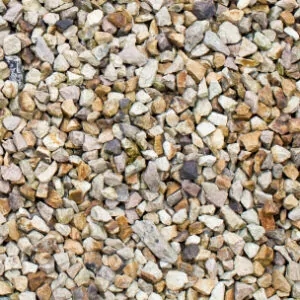

Buy Bulk Aggregates & Gravel in Blackstone, Massachusetts
Local Topsoil, Dirt, Sand, Rocks and Gravel near me in Blackstone, Massachusetts
Shop Aggregates for Delivery in Blackstone
Order online for free delivery to any Blackstone address.
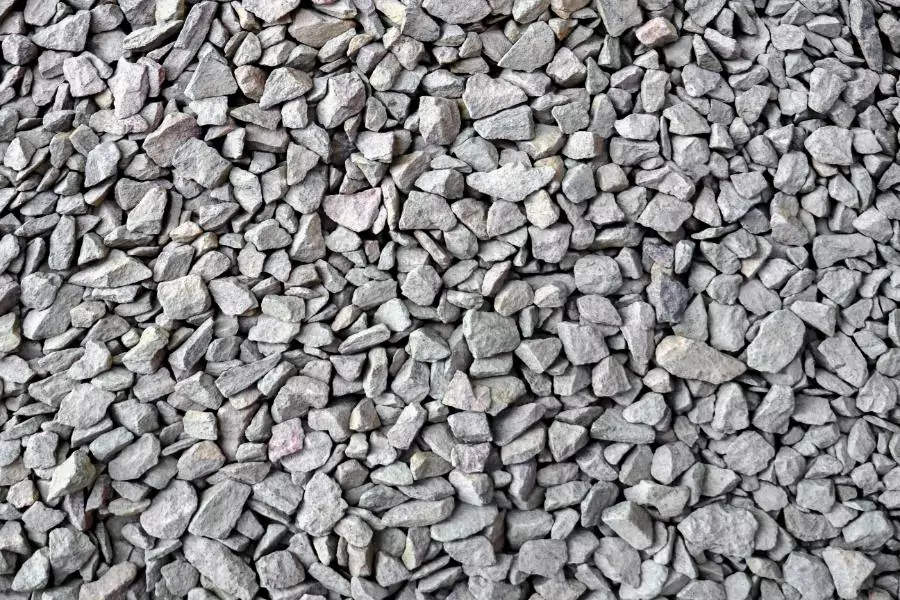
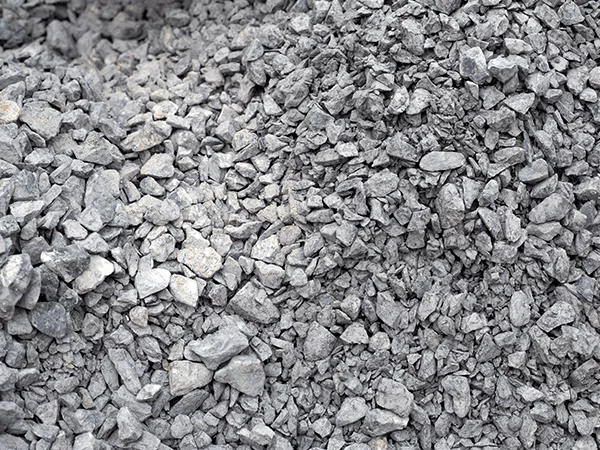


Gravel Monkey delivers premium aggregates and landscaping materials throughout Blackstone, Massachusetts, serving properties along Main Street, near the historic Blackstone Canal, and throughout the Blackstone River Valley. Whether you're upgrading a Colonial-era driveway in the Village district, managing drainage issues caused by New England's heavy seasonal precipitation, or completing construction projects near Millville, we provide free delivery of high-quality stone, gravel, sand, and soil materials directly to your property.
Complete Aggregate Selection for Blackstone Properties
Our extensive inventory serves both residential and commercial projects throughout Blackstone's historic neighborhoods and developing areas. From properties along the Blackstone River to homes in the Canal District, we supply materials suited to the region's unique glacial soils and climate conditions:
- Driveway Gravel - Durable base aggregate designed for New England's freeze-thaw cycles
- 3/4 inch Crushed Stone - Versatile aggregate for driveways, foundations, and drainage applications
- #57 Stone - Industry-standard crushed stone for drainage and construction projects
- Crusher Run - Compactable base material ideal for stable driveway foundations
- Road Base - Heavy-duty aggregate for driveways and parking areas
- Drain Rock - Angular stone perfect for French drains and foundation drainage
- Pea Gravel - Smooth decorative stone for walkways and garden beds
- River Rock - Natural aesthetic stone for landscaping features
- Walkway Gravel - Comfortable gravel for pedestrian paths
- Crushed Concrete - Eco-friendly recycled aggregate for base layers
- Topsoil - Rich soil for gardens and lawn establishment
- Fill Dirt - Quality fill for grading and leveling projects
- Mason Sand - Fine sand for masonry and paver installation
- Playground Sand - Safe, clean sand for play areas
- Washed Sand - Clean sand for multiple construction applications
- Decomposed Granite - Natural-looking compactable pathway material
Why Blackstone Properties Choose Gravel Monkey
Blackstone's location in the Blackstone River Valley presents unique challenges for property owners. The area's glacial till soils, characterized by mixed clay, sand, and rock deposits left by retreating glaciers, require proper aggregate selection for stable construction. Properties near the Blackstone River and throughout Mendon Road neighborhoods experience seasonal drainage challenges from New England's average 47 inches of annual precipitation, with significant snowmelt in spring months.
The region's freeze-thaw cycles, with winter temperatures regularly dropping below freezing and spring thaws, demand aggregates that provide proper drainage and resist frost heaving. Our materials are specifically selected to perform in Massachusetts' climate, where temperatures range from average winter lows of 15°F to summer highs near 85°F.
Understanding Blackstone's Soil Composition
The Blackstone Valley sits on ancient glacial deposits that create challenging soil conditions. Properties throughout the Canal Street area and near the Rhode Island border typically encounter compacted glacial till composed of unsorted sediments. This dense material has poor drainage characteristics, making proper base preparation with quality aggregates essential for any construction project. Historic properties in downtown Blackstone and along Main Street often have settled foundations due to inadequate original drainage systems, a problem easily prevented with modern aggregate applications.
Serving All Blackstone Neighborhoods and Surrounding Communities
We deliver throughout Blackstone and adjacent areas:
- Historic Village District - Colonial-era properties along Main Street requiring specialized foundation work
- Canal Street Area - Properties near the historic Blackstone Canal with unique drainage needs
- Mendon Road Corridor - Residential neighborhoods extending toward Mendon
- Route 122 Commercial Zone - Business properties requiring parking lot base materials
- St. Paul Street Residential - Established neighborhood with mature landscapes
- Blackstone River Properties - Riverfront homes needing erosion control and drainage solutions
- Lincoln Street District - Mixed residential and commercial area
- Millville Border Area - Properties near the Millville town line
We also serve nearby communities including Millville, Mendon, Bellingham, Uxbridge, Woonsocket (RI), and throughout Worcester County and the greater Blackstone Valley region.
Aggregate Applications Throughout Blackstone
Driveway Construction and Repair
Blackstone driveways face significant challenges from New England weather patterns. The freeze-thaw cycle causes soil expansion and contraction, creating heaving, cracking, and settling in improperly constructed driveways. Properties throughout the Mendon Road area and Canal Street district benefit from properly installed aggregate bases that provide drainage and prevent frost damage.
A proper driveway installation starts with excavation to remove organic topsoil, followed by a base layer of compacted aggregate. For Blackstone's climate and soil conditions, we recommend starting with 4-6 inches of compacted road base or crusher run, which creates a stable, draining foundation. This base layer is critical for managing groundwater and preventing frost heaving during winter months when temperatures regularly drop below freezing.
Foundation Drainage Solutions
Historic properties in downtown Blackstone and throughout the Village district often experience basement water issues due to the area's high water table and dense glacial soils. The Blackstone River's proximity creates additional groundwater pressure on foundation walls, particularly during spring snowmelt when water tables rise significantly.
French drain systems using proper aggregates solve these moisture problems effectively. A typical installation involves excavating alongside the foundation, installing perforated drain pipe, and surrounding it with clean drain rock that allows water to flow freely toward daylight drainage or sump systems. This aggregate layer prevents soil particles from clogging the drainage system while efficiently channeling water away from foundation walls.
Landscaping and Decorative Applications
Properties throughout St. Paul Street and the residential areas near Millville incorporate decorative aggregates for both aesthetic and functional purposes. Natural river rock creates attractive borders around garden beds while providing excellent drainage for plantings. Pea gravel works beautifully for pathway surfaces, offering comfortable walking surfaces that allow water infiltration, preventing puddles that mosquitoes favor in New England's humid summer climate.
Walkway gravel provides an affordable, attractive option for creating defined paths through yard areas without the expense of hardscaping. These applications work particularly well in Blackstone's landscape, complementing the historic character of older properties while providing modern functionality.
| Aggregate Type | Best Applications | Drainage Rating | Compaction |
|---|---|---|---|
| Crusher Run | Driveway base, parking areas | Good | Excellent |
| 3/4" Crushed Stone | General construction, drainage | Excellent | Good |
| #57 Stone | Drainage systems, concrete base | Excellent | Moderate |
| Road Base | Heavy-duty driveways, roads | Good | Excellent |
| Drain Rock | French drains, foundation drainage | Excellent | Not required |
| Pea Gravel | Walkways, decorative landscaping | Good | Poor |
| River Rock | Decorative features, borders | Good | Poor |
| Crushed Concrete | Base layer, eco-friendly projects | Excellent | Good |
Selecting the Right Aggregate for Your Blackstone Project
Driveway Projects in Glacial Soils
The glacial till underlying most of Blackstone creates challenging conditions for driveway construction. This dense, mixed material contains clay particles that hold water, creating unstable conditions during freeze-thaw cycles. Without proper aggregate base installation, driveways settle unevenly, develop potholes, and require frequent repair.
For residential driveways throughout the Main Street and Lincoln Street areas, we recommend excavating 8-12 inches deep, removing all organic topsoil. Install 4-6 inches of compacted crusher run as the base layer, providing stability and drainage. Top this with 2-4 inches of driveway gravel for the surface layer. This two-layer system handles Blackstone's climate effectively, with the base providing structural support and drainage, while the surface layer offers a durable driving surface that resists rutting.
Managing Seasonal Water Flow
Spring snowmelt and autumn rain create significant water management challenges for Blackstone properties. The Blackstone River influences local groundwater levels, and properties near the river or in low-lying areas along Canal Street experience seasonal flooding risk. Proper drainage aggregate installation prevents water damage to structures and landscapes.
French drains using clean drain rock effectively channel groundwater away from vulnerable areas. The angular shape of drain rock maintains void spaces that allow water flow even under soil pressure. Unlike round aggregates that can shift and settle, drain rock maintains its structure and drainage capacity for decades when properly installed with geotextile fabric to prevent soil infiltration.
Foundation Protection Strategies
Many historic properties in downtown Blackstone have stone or brick foundations that were constructed before modern waterproofing techniques existed. These foundations remain vulnerable to water infiltration, particularly during spring when snowmelt saturates the ground. Installing a proper aggregate drainage system protects these valuable historic structures.
A foundation drainage system should include excavation down to the footer level, application of modern waterproofing to the foundation wall, installation of perforated drain pipe at the footer, and backfilling with clean drain rock. This system intercepts groundwater before it can contact the foundation wall, directing it to suitable drainage areas. For properties near the Blackstone River, this protection proves essential during high water events.
Best Practices for Aggregate Installation in Blackstone
Site Preparation Fundamentals
Successful aggregate projects begin with proper site preparation. Remove all organic material including topsoil, roots, and vegetation from the project area. Organic matter decomposes over time, creating voids that cause settling. In Blackstone's glacial soils, you'll typically encounter 4-8 inches of topsoil before reaching the mineral subsoil layer.
Grade the prepared subsoil to promote drainage away from structures. A minimum slope of 2% (one-quarter inch per foot) ensures water flows away from buildings rather than pooling. Properties on Lincoln Street and near the canal may require more aggressive grading due to flat topography.
Proper Compaction Techniques
Compaction transforms loose aggregate into a solid, stable base. Use a vibrating plate compactor for areas up to 1000 square feet, or rent a roller compactor for larger projects like commercial parking areas along Route 122. Compact in lifts of no more than 4 inches at a time, adding a light water spray to help aggregates settle without creating mud.
In Blackstone's glacial till soils, achieving proper compaction requires attention to moisture content. The clay component of till soils becomes slippery when too wet and won't compact when too dry. Optimal compaction occurs when aggregate feels slightly damp but doesn't stick to tools. Test compaction by walking on the surface - properly compacted aggregate shows minimal footprints.
Seasonal Installation Considerations
Blackstone's climate creates seasonal windows for optimal aggregate installation. Spring installation (April-May) works well after frost leaves the ground but before summer heat. The moderate temperatures and typically drier conditions of late spring provide ideal working conditions. However, avoid installing aggregates during heavy spring rains when the ground becomes saturated.
Fall installation (September-October) also offers excellent conditions, with cooler temperatures and typically drier weather than spring. Complete projects before November when ground freezing becomes likely. Winter installation proves challenging due to frozen ground and equipment limitations. Summer installation works well for drainage projects but can be uncomfortable during July-August heat and humidity.
Estimating Aggregate Quantities for Your Project
Accurate material estimation prevents shortages that delay projects or excess that wastes money. For Blackstone properties, calculate quantities using these guidelines:
Driveway Base Calculations
Measure your driveway length and width in feet. Multiply these dimensions by the desired depth in feet to get cubic feet, then divide by 27 to convert to cubic yards. For example, a typical Blackstone single-car driveway measuring 12 feet wide by 50 feet long needs:
- Base layer (4 inches or 0.33 feet deep): 12 × 50 × 0.33 = 198 cubic feet ÷ 27 = 7.3 cubic yards
- Surface layer (3 inches or 0.25 feet deep): 12 × 50 × 0.25 = 150 cubic feet ÷ 27 = 5.6 cubic yards
- Total needed: approximately 13 cubic yards of aggregate
Add 10% extra material to account for compaction and irregular subgrades common in Blackstone's glacial soils. This brings the total to about 14.5 cubic yards for a complete driveway installation.
Drainage System Requirements
French drain calculations depend on trench dimensions. A typical foundation drainage system around a Blackstone home requires a trench approximately 18 inches wide and 2 feet deep. For a home with 100 linear feet of foundation perimeter:
1.5 feet (width) × 2 feet (depth) × 100 feet (length) = 300 cubic feet ÷ 27 = 11.1 cubic yards of drain rock
This quantity fills the trench around the drain pipe, providing the necessary aggregate volume for proper water flow and filtration.
Working with Blackstone's New England Climate
Understanding local climate patterns helps property owners select appropriate materials and timing for aggregate projects. Blackstone experiences four distinct seasons with significant temperature variations and substantial precipitation throughout the year.
Winter Freeze-Thaw Impact
Winter temperatures in Blackstone regularly drop below freezing from December through February, with average lows around 15°F and occasional cold snaps reaching below zero. When water in soil freezes, it expands by approximately 9%, creating upward pressure called frost heaving. Properties throughout Mendon Road and the Canal Street area show evidence of frost damage in improperly constructed driveways and walkways.
Proper aggregate base installation prevents frost heaving by promoting drainage. When water drains away from the base layer, it can't freeze and expand. This drainage layer proves essential for Blackstone properties, where the frost depth extends approximately 4 feet below grade during severe winters.
Spring Snowmelt and Rain
March and April bring snowmelt from Blackstone's average winter snowfall of 50 inches, combined with spring rains totaling 8-10 inches. This concentrated water input saturates soils and raises the Blackstone River to spring flood levels. Properties near the river and in low-lying areas require robust drainage systems to handle this seasonal water load.
The ground typically thaws from the surface downward, creating a temporary barrier when deeper soils remain frozen. This condition traps water near the surface, creating extremely soft, unstable soil conditions. Avoid scheduling excavation work during this transitional period, typically mid-March through early April.
Summer Conditions
July and August bring warm, humid conditions with average high temperatures near 85°F and occasional heat waves exceeding 95°F. These months receive 3-4 inches of rain monthly, often falling in intense afternoon thunderstorms. Working with aggregates during summer proves manageable but requires attention to afternoon weather forecasts to avoid getting caught in sudden storms.
The humidity creates comfortable compaction conditions - aggregates remain slightly moist, promoting good compaction without excessive drying that requires constant watering. However, stay hydrated and take breaks during afternoon heat when working on projects in St. Paul Street neighborhoods and other areas with limited shade.
Frequently Asked Questions About Aggregates in Blackstone
We deliver crushed stone in multiple sizes, driveway gravel, crusher run, pea gravel, river rock, drain rock, road base, recycled concrete, topsoil, fill dirt, and various sand products throughout Blackstone and the surrounding Blackstone Valley area.
Yes! Gravel Monkey offers FREE delivery to Blackstone and the surrounding Massachusetts area for all gravel and aggregate orders.
The amount depends on your project size. For driveways, calculate length times width times depth in feet, typically 3-4 inches deep. Our team can help you estimate the right amount for your specific Blackstone property and New England climate conditions.
Due to Blackstone's glacial till soils and New England freeze-thaw cycles, drain rock and number 57 stone work exceptionally well for French drains, foundation drainage, and managing seasonal water flow near the Blackstone River. These angular aggregates maintain void spaces that promote continuous drainage even under soil pressure.
Absolutely! We deliver to Blackstone and surrounding communities including Millville, Mendon, Bellingham, Woonsocket Rhode Island, Uxbridge, and throughout the Blackstone Valley region.
Late spring (May-June) and early fall (September-October) offer ideal conditions. Avoid winter when ground freezes and early spring during snowmelt when soils are saturated. Summer installation works well but plan around afternoon thunderstorms common in July and August.
For Blackstone's climate and glacial soils, excavate 8-12 inches total depth. Install 4-6 inches of compacted crusher run or road base as the foundation layer, then add 2-4 inches of surface driveway gravel. This depth handles freeze-thaw cycles and provides proper drainage.
Most failures result from inadequate base preparation in glacial till soils, insufficient drainage causing frost heaving, or lack of proper compaction. Blackstone's freeze-thaw cycles and clay-rich soils require proper aggregate bases with good drainage characteristics to prevent settling and damage.
Professional Aggregate Delivery Throughout Blackstone
Gravel Monkey understands the unique challenges facing Blackstone property owners. Our experience with New England glacial soils, seasonal climate variations, and the specific drainage requirements of properties throughout the Blackstone River Valley ensures you receive expert guidance for your project.
We deliver throughout Blackstone, from historic properties in the Village district to new construction near Millville, and everywhere in between. Our free delivery service means you receive quality materials without additional transportation costs, and our knowledgeable team helps you select the right aggregates for your specific soil conditions and project requirements.
Whether you're installing a new driveway along Mendon Road, creating a French drain system for an older property on Main Street, addressing foundation drainage near the Blackstone River, or completing a commercial parking lot on Route 122, Gravel Monkey provides the aggregates and expertise to ensure project success. Our materials are selected for performance in Massachusetts climate conditions, and we understand how to work with the glacial soils and drainage challenges unique to the Blackstone area.

Need help? Reach out for a quote: