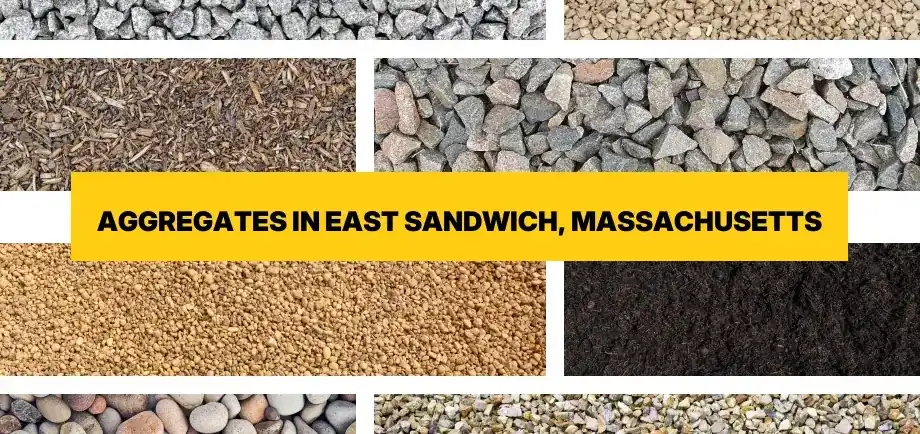
Rock & Driveway Gravel in East Sandwich, Massachusetts
Local Topsoil, Dirt, Sand, Rocks and Gravel near me in East Sandwich, Massachusetts
Shop Aggregates for Delivery in East Sandwich
Order online for free delivery to any East Sandwich address.
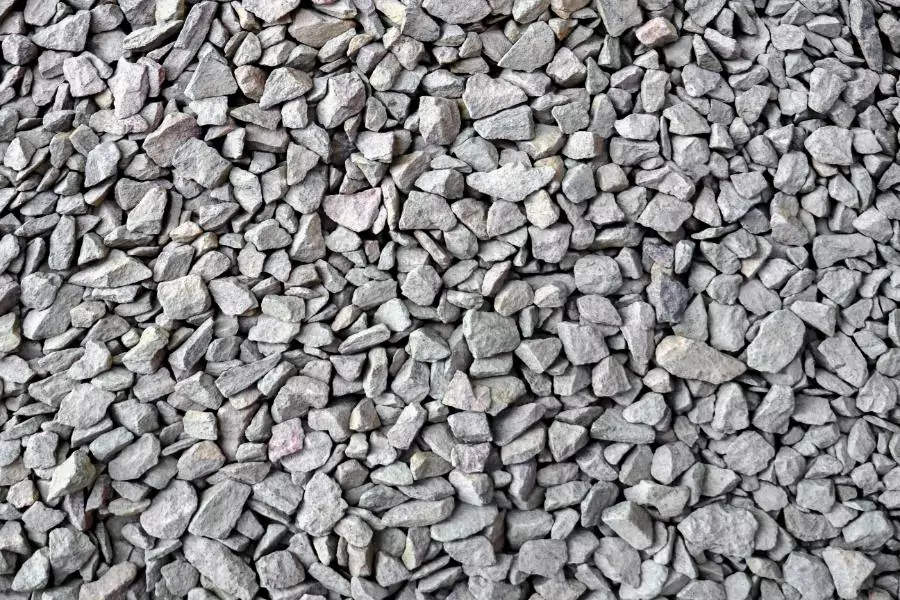
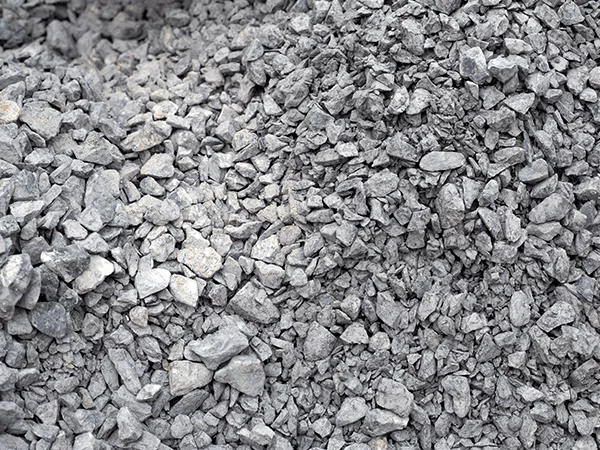


Gravel Monkey is your trusted source for premium gravel, aggregates, and landscaping materials delivery in East Sandwich, Massachusetts. Whether you're building a new driveway near Scorton Creek, creating drainage solutions for your Spring Hill property, or enhancing your coastal landscape near Town Neck Beach, we deliver high-quality aggregates directly to your East Sandwich location with absolutely free delivery. Serving this historic Cape Cod village and surrounding communities including Sandwich, Barnstable, Mashpee, and Bourne, we understand the unique challenges of building on sandy Cape Cod soil and designing projects that withstand coastal weather conditions.
Comprehensive Aggregate Selection for East Sandwich Properties
East Sandwich's unique coastal geography, sandy glacial soils, and proximity to Cape Cod Bay require carefully selected aggregates that provide proper drainage, compaction, and durability. Our complete range of materials addresses every construction and landscaping need across East Sandwich, from Old County Road properties to coastal homes near Sandy Neck:
- Driveway Gravel - Premium compactable material engineered for stable Cape Cod driveways
- 3/4 inch Crushed Stone - Versatile aggregate ideal for foundations and drainage applications
- #57 Stone - Standard crushed stone perfect for French drains and drainage systems
- Crusher Run - Excellent compactable base for driveways and parking areas
- Road Base - Heavy-duty foundation material for roads and substantial driveways
- Drain Rock - Angular stone specifically designed for superior water management
- Pea Gravel - Smooth, rounded stone for walkways and decorative landscaping
- River Rock - Natural aesthetic stone for gardens and water features
- Walkway Gravel - Specially sized material for garden paths and pedestrian areas
- Decomposed Granite - Natural compactable material for pathways and patios
- Crushed Concrete - Eco-friendly recycled aggregate for sustainable projects
- Topsoil - Nutrient-rich soil for Cape Cod gardens and lawn establishment
- Fill Dirt - Essential material for grading and property elevation
- Mason Sand - Fine sand for masonry work and paver installation
- Playground Sand - Safe, clean sand for play areas
- Washed Sand - Clean sand for construction and landscaping applications
Serving East Sandwich Neighborhoods and Coastal Areas
East Sandwich's diverse geography ranges from protected harbors along Scorton Creek to elevated properties near Spring Hill, and from coastal homes overlooking Cape Cod Bay to inland neighborhoods along Old County Road. Each area presents unique challenges that require specific aggregate solutions.
Properties in the Scorton Neck area, particularly those near the marina and waterfront, benefit from aggregates that handle moisture exposure and provide excellent drainage. The sandy glacial soils throughout East Sandwich, deposited during the last ice age, drain rapidly but require proper base materials to support structures and driveways. Our materials work exceptionally well with this native sandy terrain, providing stability without impeding the natural drainage characteristics that protect Cape Cod properties from water accumulation.
Understanding East Sandwich Soil Conditions and Geology
East Sandwich sits on outwash plains and terminal moraine deposits left by retreating glaciers over 15,000 years ago. The predominant soil types are Carver and Plymouth series soils - excessively drained sandy soils with very low water-holding capacity. This sandy composition, while excellent for drainage, presents challenges for construction projects requiring stable bases. The water table in coastal areas can be quite high, particularly near Scorton Creek, Old Harbor, and properties adjacent to salt marshes. These geological factors make proper aggregate selection critical for long-lasting construction and landscaping projects.
The proximity to Cape Cod Bay means East Sandwich properties experience coastal weather patterns including nor'easters, salt spray exposure, and higher moisture levels. Average annual precipitation reaches approximately 47 inches, with rain distributed fairly evenly throughout the year. Winter temperatures average in the low 30s, while summer highs reach the upper 70s, creating freeze-thaw cycles that can affect improperly installed aggregates. These conditions demand materials that compact well, drain efficiently, and resist displacement from temperature fluctuations.
Essential Aggregates for Driveways and Hardscaping
East Sandwich driveways face unique challenges from sandy soil, coastal moisture, and seasonal temperature changes. Selecting appropriate base materials and surface aggregates ensures your driveway remains stable and attractive for decades. Properties throughout neighborhoods near Old County Road, Heritage Plantation Drive, and Shore Road require aggregates that compact firmly over sandy soils while maintaining excellent drainage during Cape Cod's frequent rainfall events.
Driveway Base Materials for Sandy Soils
The foundation of any East Sandwich driveway begins with proper base preparation. Crusher run serves as an exceptional base material, combining various stone sizes that interlock and compact tightly even over sandy terrain. This gradation includes larger stones for stability and stone dust that fills voids, creating a dense, water-resistant layer. For properties in the Spring Hill area or locations with elevation changes, crusher run prevents settling and maintains grade consistency.
Road base provides an even more substantial foundation for driveways experiencing heavy vehicle traffic or serving commercial properties along Route 6A. This material compacts to near-concrete hardness, supporting significant weight without displacement. Properties near the East Sandwich Grange Hall or businesses along Tupper Road benefit from road base's superior load-bearing capacity. The material's angular particles interlock mechanically, distributing weight evenly across the sandy subgrade and preventing rutting or depression formation.
Surface Layer Options for Cape Cod Driveways
Once your base is established, selecting the right surface material completes your East Sandwich driveway. Three quarter inch crushed stone provides excellent compaction while maintaining sharp drainage capabilities essential for Cape Cod properties. The angular nature of this stone creates friction between particles, preventing displacement under vehicle weight. This size works particularly well for residential driveways throughout neighborhoods near Mill Creek and properties accessing Town Neck Beach, where salt exposure and moisture require durable materials.
For a more refined appearance, pea gravel offers smooth aesthetics while remaining loose enough to drain rapidly. However, properties with steeper grades, common in areas near Forestdale Road and elevated Spring Hill locations, should avoid pea gravel as loose stones migrate downslope over time. Decomposed granite presents an alternative, compacting into a firm, natural-looking surface that resists erosion while complementing East Sandwich's coastal aesthetic.
Aggregate Comparison for East Sandwich Applications
Different projects throughout East Sandwich require specific aggregate characteristics. Understanding how materials compare helps property owners select optimal solutions for their unique Cape Cod conditions:
| Material | Best Applications | Compaction | Drainage | Ideal East Sandwich Use |
|---|---|---|---|---|
| Crusher Run | Driveway base, parking areas | Excellent | Good | Properties throughout East Sandwich needing stable foundations |
| 3/4" Crushed Stone | Driveway surface, foundation drainage | Very Good | Excellent | Residential driveways near Scorton Creek and Old County Road |
| #57 Stone | French drains, pipe bedding | Good | Excellent | Drainage systems for Spring Hill and coastal properties |
| Drain Rock | Foundation drainage, wet areas | Moderate | Superior | Properties near marshes and high water table areas |
| Pea Gravel | Walkways, decorative landscaping | Poor | Excellent | Garden paths and level landscaping near Town Neck Beach |
| Decomposed Granite | Pathways, patios | Good | Good | Natural-looking hardscaping for Cape Cod aesthetic properties |
| Road Base | Heavy-duty driveways, roads | Excellent | Moderate | Commercial properties and multi-vehicle residential driveways |
Drainage Solutions for East Sandwich Properties
Proper drainage is critical throughout East Sandwich, where sandy soils drain quickly but coastal moisture, high water tables near Scorton Creek, and seasonal rainfall require managed water movement. Properties throughout neighborhoods from Scorton Neck to inland locations along Route 130 benefit from professionally designed drainage systems using appropriate aggregates.
French Drains and Subsurface Drainage
French drains effectively manage groundwater and surface runoff throughout East Sandwich. These systems work by channeling water through perforated pipes surrounded by drainage aggregate. Number 57 stone serves as the ideal material for French drains, with uniform sizing that prevents clogging while allowing rapid water movement. Properties near Old Harbor, Scorton Creek, and other low-lying areas use French drains to intercept groundwater before it reaches foundations or landscape areas.
Installing French drains involves excavating trenches to appropriate depths, typically 18 to 24 inches for residential applications. After placing perforated pipe with holes facing downward, surround the pipe completely with drain rock or number 57 stone. This aggregate envelope should extend several inches above the pipe and to the edges of the trench, creating a pathway for water to enter the system from all directions. For properties in the Spring Hill area or locations with clay lenses within the sandy soil profile, French drains prevent water accumulation that could destabilize structures or create wet spots in lawns.
Foundation Drainage for Coastal Properties
East Sandwich homes near Cape Cod Bay and properties adjacent to tidal creeks require robust foundation drainage systems. Drain rock placed around building perimeters creates a capillary break, preventing water from wicking into foundation walls while directing moisture away from structures. The angular nature of drain rock maintains void spaces even under compaction, ensuring long-term drainage performance despite hydrostatic pressure from saturated soils during heavy rain events or spring snowmelt.
Properties built on elevated sites in Spring Hill or near Heritage Plantation still benefit from foundation drainage, as occasional heavy rainfall can temporarily saturate even sandy soils. A six-inch layer of drain rock extending from the footing to grade level provides insurance against water-related foundation issues. Connect this drainage layer to perimeter drains or daylight the system where topography allows, directing water safely away from structures toward natural drainage patterns or storm systems.
Landscaping Aggregates for Cape Cod Aesthetics
East Sandwich's natural beauty, from coastal scrub vegetation to pitch pine forests, inspires landscaping that complements rather than contradicts the Cape Cod environment. Aggregates play essential roles in creating attractive, sustainable landscapes that thrive in sandy soils and coastal conditions.
Walkways and Garden Paths
Walkway gravel provides an ideal surface for meandering garden paths throughout East Sandwich properties. This specially sized material compacts moderately while remaining comfortable underfoot, making it perfect for connecting spaces from home entrances to backyard gardens near Scorton Creek overlooks. The natural earth tones blend seamlessly with Cape Cod's coastal palette, complementing beach grass, rosa rugosa, and native bayberry plantings common throughout the area.
For properties seeking a more refined appearance, decomposed granite creates firm, elegant pathways that maintain their form without edging materials in most applications. This natural stone product compacts into a relatively hard surface while retaining permeability, allowing rainwater to infiltrate rather than creating runoff. Properties near Old County Road and Heritage Plantation Drive use decomposed granite for formal walkways that withstand foot traffic while maintaining Cape Cod's understated aesthetic sensibility.
Decorative Stone Applications
River rock provides natural beauty for landscape beds, water features, and areas where visual interest takes priority over foot traffic. Properties throughout East Sandwich use river rock to accent foundation plantings, create dry creek beds that manage occasional runoff, and define landscape spaces without formal borders. Available in various sizes, river rock complements both contemporary coastal designs near Town Neck Beach and traditional Cape Cod landscapes throughout inland neighborhoods.
Pea gravel serves multiple decorative functions while providing excellent drainage for plant roots. Use it as mulch alternative in garden beds, where its light color reflects heat and discourages weed growth while allowing water and air to reach plant roots freely. Properties creating meditation gardens, seating areas, or children's play spaces appreciate pea gravel's soft appearance and functionality. The smooth, rounded stones remain comfortable barefoot, making them ideal for coastal properties where outdoor living spaces extend beach-going lifestyles into landscape design.
Soil Amendments and Fill Materials
While East Sandwich's sandy soils provide excellent drainage, they lack organic matter and nutrient-holding capacity necessary for robust plant growth. Amending native soils with appropriate materials creates thriving landscapes and productive gardens throughout Cape Cod properties.
Topsoil for Garden Establishment
Quality topsoil transforms sandy East Sandwich soils into productive growing mediums capable of supporting diverse plantings. Our topsoil blends organic matter with mineral soil, providing both drainage and water-holding capacity. Properties throughout neighborhoods near Mill Creek and Scorton Neck use topsoil to establish lawns, vegetable gardens, and perennial beds that struggle in pure sand.
When establishing gardens, spread three to six inches of topsoil over prepared areas, then thoroughly incorporate it with existing sand to create a transition zone. This prevents a distinct boundary that could impede water movement or root penetration. For properties installing new lawns near Spring Hill or Shore Road, mixing topsoil into the upper six inches of sandy soil creates rooting depth and moisture retention without sacrificing the drainage characteristics that protect Cape Cod properties from waterlogging.
Fill Dirt for Grading and Elevation
Fill dirt serves critical functions throughout East Sandwich, from adjusting property grades to building up low areas and creating level building sites. Unlike topsoil, fill dirt compacts densely and resists settling, making it ideal for structural applications where organic matter would be detrimental. Properties throughout coastal areas use fill dirt to raise ground levels above flood zones or direct surface water away from foundations.
When grading East Sandwich properties, ensure fill dirt slopes gently away from structures - typically one inch of fall per four feet of horizontal distance. This seemingly subtle grade effectively moves surface water away from foundations without creating erosion issues or obvious transitions. Properties near Old Harbor and other low-lying areas may require substantial fill to achieve proper drainage, particularly if elevating structures to meet FEMA flood requirements common throughout coastal Cape Cod.
Sand Products for Construction and Recreation
Beyond decorative and structural aggregates, various sand types serve specific functions throughout East Sandwich properties. From construction applications to recreational spaces, selecting appropriate sand ensures project success and longevity.
Mason Sand for Hardscaping Projects
Mason sand provides the fine, uniform texture necessary for setting pavers, mixing mortar, and creating level surfaces for hardscaping projects. Properties throughout East Sandwich installing patio pavers or walkway systems use mason sand as bedding material, creating a stable, level foundation that prevents settling or shifting. The fine particle size fills gaps completely while allowing minor adjustments during installation, ensuring professional results for DIY projects and contractor work alike.
When installing pavers near Tupper Road properties or creating outdoor living spaces overlooking Cape Cod Bay, spread a one to two inch layer of mason sand over properly prepared base material. Screed the sand level, then set pavers with minimal gaps. After installation, sweep additional mason sand across the surface, working it into joints where it locks pavers in place and prevents lateral movement. This technique creates durable hardscaping that withstands New England freeze-thaw cycles and coastal weather exposure.
Recreational Sand Applications
Playground sand creates safe, soft landing surfaces for residential play areas and community spaces throughout East Sandwich. This specially processed material meets safety standards for grain size and cleanliness, providing cushioning for active children while draining quickly after rainfall. Properties near schools and homes with young families use playground sand to create backyard play areas that extend Cape Cod's beach culture into private spaces.
Washed sand serves various applications from volleyball courts to sandbox fill, offering clean material free from clay, organic debris, and other contaminants. The washing process creates uniform particle size and removes materials that could stain or create maintenance issues. Properties creating beach-style recreational areas or filling decorative applications throughout East Sandwich appreciate washed sand's cleanliness and consistent performance.
Delivering Throughout East Sandwich Communities
Gravel Monkey proudly serves all East Sandwich neighborhoods with free delivery, from historic properties along Old County Road to new developments near Route 6A. Our service area encompasses the entire village and extends to surrounding Cape Cod communities including Sandwich Center, Forestdale, Mashpee, and Barnstable.
Key Service Areas in East Sandwich
- Scorton Neck and Waterfront Areas - Coastal properties requiring drainage solutions and weather-resistant materials
- Spring Hill - Elevated properties with unique grading and foundation needs
- Old County Road Corridor - Historic homes and newer developments requiring period-appropriate materials
- Town Neck Beach Area - Coastal residences with salt exposure and sandy soil challenges
- Route 6A Commercial District - Businesses requiring durable parking and access solutions
- Scorton Creek Vicinity - Properties near tidal waterways requiring superior drainage systems
- Mill Creek Neighborhoods - Residential areas with diverse landscaping and hardscaping needs
- Heritage Plantation Area - Properties appreciating natural aesthetics and quality materials
Each East Sandwich neighborhood presents unique characteristics and challenges. Scorton Neck's proximity to tidal waters means high water tables and salt exposure require aggregates that drain efficiently while resisting corrosion. Spring Hill's elevated terrain creates opportunities for dramatic landscaping but requires careful grading to manage runoff. Properties along Old County Road balance historic preservation with modern functionality, often requiring materials that complement traditional Cape Cod architecture while meeting contemporary performance standards.
Planning Your East Sandwich Aggregate Project
Successful projects begin with proper planning, accurate material estimation, and understanding how Cape Cod conditions affect installation and performance. Whether renovating a historic Shore Road property or developing a new site near Route 130, following best practices ensures lasting results.
Estimating Material Quantities
Calculate aggregate needs by multiplying length times width times depth in feet, then divide by 27 to convert cubic feet to cubic yards. For example, a driveway measuring 50 feet long by 12 feet wide requiring four inches of base material needs 7.4 cubic yards: (50 × 12 × 0.33) ÷ 27 = 7.4. Round up to eight cubic yards to ensure adequate material. Add 10% for irregular shapes or areas requiring deeper coverage to compensate for settling in East Sandwich's sandy soils.
Different materials cover different areas per cubic yard depending on density and recommended depth. Crusher run and road base spread thinner due to their compactable nature, typically covering 80-90 square feet at three inches deep per cubic yard. Looser materials like pea gravel or river rock cover less area at the same depth, approximately 70-80 square feet per cubic yard. Our team provides specific recommendations based on your East Sandwich project location, soil conditions, and intended use.
Seasonal Considerations for Cape Cod Projects
East Sandwich's climate influences optimal timing for aggregate projects. Spring through fall provides ideal conditions, with ground temperatures supporting proper compaction and minimal precipitation interrupting work. Summer months from June through September offer most reliable weather, though coastal humidity can affect some materials. Properties near Scorton Creek or Cape Cod Bay should monitor tides and wind conditions during delivery and installation.
Winter projects remain possible but require additional considerations. Frozen ground complicates excavation, and cold temperatures reduce compaction effectiveness for base materials. However, winter's lower precipitation and frozen ground can actually benefit some projects by providing firm working surfaces in areas that might be soft during other seasons. Projects near Old Harbor or low-lying areas particularly benefit from winter's naturally drained conditions. Our team delivers year-round, ensuring East Sandwich property owners can address urgent needs regardless of season.
Frequently Asked Questions About Gravel and Aggregates in East Sandwich
Crusher run provides the best driveway base for East Sandwich's sandy soils. This material combines various stone sizes that interlock and compact tightly, creating a stable foundation that resists settling even over unstable sand. The gradation includes stone dust that fills voids, essentially creating a water-resistant layer that won't wash away during Cape Cod's frequent rain events. For heavier applications or commercial properties, road base offers even greater stability and load-bearing capacity.
Preventing washout requires proper installation with adequate base depth and appropriate surface materials. Start with at least four to six inches of compacted crusher run or road base, which creates a stable foundation. For the surface layer, use angular materials like three quarter inch crushed stone rather than round pea gravel, as angular stones interlock and resist displacement. Proper grading that directs water off the driveway surface rather than allowing it to sheet across the gravel also prevents erosion. Properties near Scorton Creek or Town Neck Beach particularly benefit from these precautions given their exposure to nor'easters and coastal weather.
Properties near Scorton Creek and other waterways benefit from French drain systems using number 57 stone or drain rock. These systems intercept groundwater before it reaches foundations or creates standing water in yards. Install perforated drain pipe at least 18 inches deep, surrounded completely by drainage aggregate. For properties with especially high water tables, consider sump systems that actively pump water away during peak groundwater periods. Foundation perimeter drains using drain rock also protect structures from hydrostatic pressure and moisture infiltration common in low-lying coastal areas.
While East Sandwich's sandy soil drains excellently, some excavation typically improves project longevity and performance. For driveways, removing two to four inches of topsoil and organic material prevents future settling as this material decomposes. The sandy subgrade beneath compacts minimally, so you can often work directly on it after clearing. For walkways and lighter applications using pea gravel or walkway gravel, installing over geotextile fabric without excavation may suffice, especially in areas with minimal vegetation. However, proper edging becomes critical to contain materials and maintain clean borders without excavated channels.
Residential driveways in East Sandwich typically require four to six inches of total aggregate depth for standard vehicle use. Install two to four inches of crusher run or road base as foundation, then add two to three inches of surface material like three quarter inch crushed stone. Properties experiencing heavy vehicle traffic, RV parking, or serving multiple families may need six to eight inches total depth for adequate support. The excellent drainage of East Sandwich's sandy soils means you rarely need extra depth for moisture management, unlike areas with clay soils that might require deeper installations to prevent water-related damage.
Coastal properties near Cape Cod Bay benefit from materials that withstand salt spray, strong winds, and moisture exposure. River rock and larger decorative stones resist displacement from wind while providing natural aesthetics that complement beach environments. For walkways, decomposed granite compacts firmly and resists erosion better than loose pea gravel in windy locations. Avoid materials with high iron content that might rust or stain from salt exposure. All aggregates perform well in coastal settings, but proper installation with adequate edge restraint becomes especially important where wind and weather create challenging conditions.
Absolutely! We deliver throughout East Sandwich including properties along Shore Road, near Town Neck Beach, and throughout all coastal and inland neighborhoods. Our free delivery service covers the entire East Sandwich area and extends to surrounding communities including Sandwich Center, Forestdale, Mashpee, and Barnstable. We understand the access challenges some coastal properties face and work with you to ensure successful delivery regardless of your location along East Sandwich's varied terrain.
For establishing lawns in East Sandwich's sandy soil, spread three to six inches of quality topsoil over the area, then thoroughly mix it with the existing sand to a depth of six to eight inches total. This creates a blended zone with improved water and nutrient retention while maintaining the drainage characteristics that protect Cape Cod properties. A typical residential lawn measuring 5,000 square feet requires approximately six to ten cubic yards of topsoil when spread four inches deep and mixed into existing soil. The actual amount varies based on current soil conditions and desired lawn quality, but improving East Sandwich's sand with organic-rich topsoil dramatically improves success with traditional turf grass varieties.
Expert Aggregate Delivery Throughout East Sandwich
Gravel Monkey combines deep knowledge of Cape Cod geology and construction practices with premium materials and dependable service. We understand how East Sandwich's sandy glacial soils, coastal weather patterns, and unique neighborhoods affect project requirements. Whether you're maintaining a historic property along Old County Road, building new near Spring Hill, or enhancing your coastal landscape overlooking Cape Cod Bay, our materials and expertise ensure successful outcomes.
Our free delivery throughout East Sandwich and surrounding communities eliminates the hassle and expense of material transportation, letting you focus on your project rather than logistics. We serve residential properties, commercial sites, contractors, and landscapers with the same commitment to quality materials and reliable service. From single-yard orders for small garden projects to bulk deliveries for major construction, Gravel Monkey provides the aggregates East Sandwich properties need to thrive in Cape Cod's distinctive environment.

Need help? Reach out for a quote: