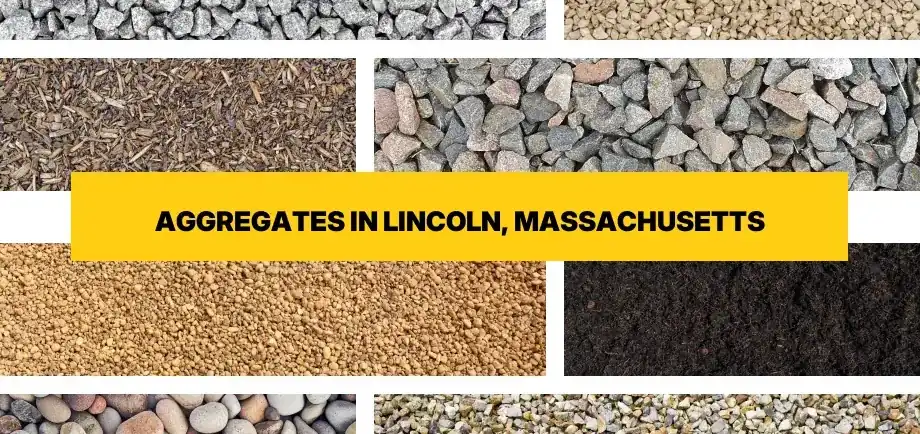
Shop Sand, Stone & Gravel in Lincoln, Massachusetts
Local Topsoil, Dirt, Sand, Rocks and Gravel near me in Lincoln, Massachusetts
Shop Aggregates for Delivery in Lincoln
Order online for free delivery to any Lincoln address.
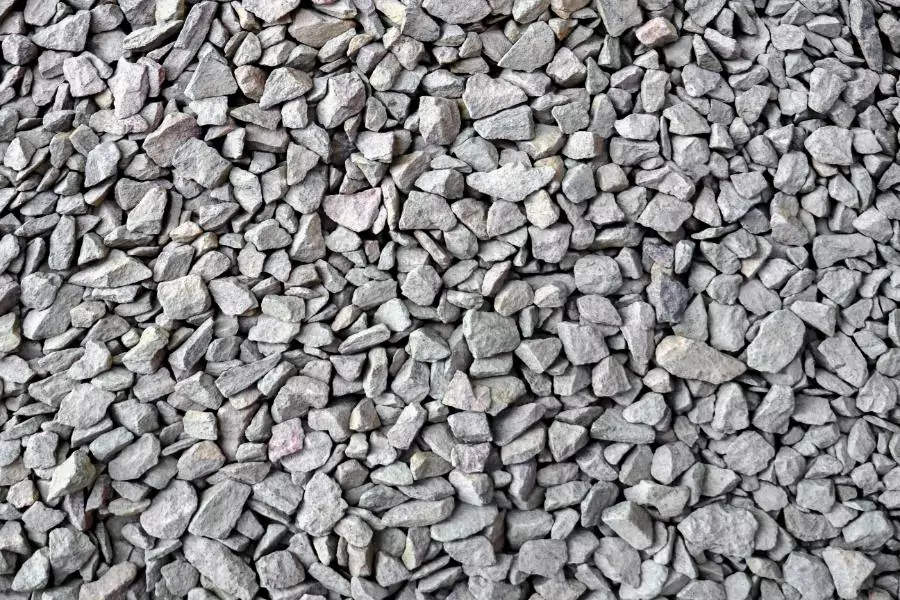
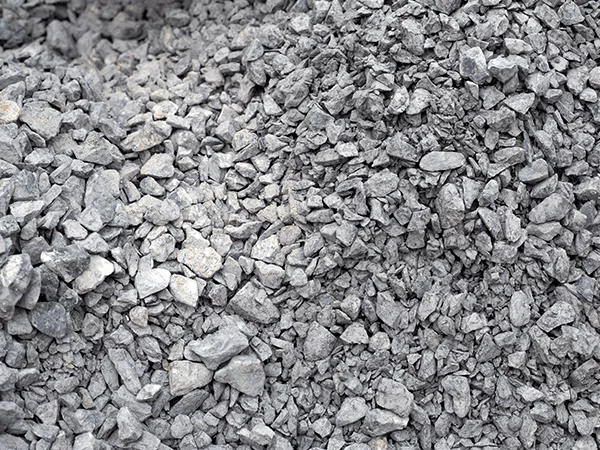


Gravel Monkey provides premium aggregate delivery throughout Lincoln, Massachusetts, serving residential and commercial properties from Lincoln Center to Sandy Pond, Farrar Pond to Route 117 and beyond. Whether you're restoring a historic estate driveway near the town center, creating drainage solutions for properties near conservation land, or installing walkways through wooded landscapes, we deliver high-quality aggregates directly to your Lincoln property with free delivery. Our extensive selection of gravel, stone, sand, and soil products meets the unique needs of Lincoln's distinctive landscape and seasonal New England climate.
Premium Aggregates & Materials Available in Lincoln
Lincoln's mix of historic properties, conservation land, and diverse soil conditions requires quality aggregates that perform reliably through harsh winters and humid summers. We supply materials for every type of project across Lincoln:
- Driveway Gravel - Durable aggregate blend perfect for Lincoln's long residential driveways
- 3/4 inch Crushed Stone - Versatile base material for foundations and hardscaping
- #57 Stone - Standard drainage aggregate for French drains and foundation work
- Crusher Run - Compactable aggregate base that locks together for stable surfaces
- Pea Gravel - Smooth decorative stone for garden paths and landscaping features
- River Rock - Natural rounded stone for water features and aesthetic landscaping
- Road Base - Heavy-duty aggregate for access roads and parking areas
- Drain Rock - Clean angular stone engineered for optimal water flow
- Crushed Concrete - Eco-friendly recycled aggregate for budget-conscious projects
- Topsoil - Nutrient-rich soil for gardens, lawns, and landscape restoration
- Fill Dirt - Quality soil for grading, leveling, and site preparation
- Mason Sand - Fine-grade sand for masonry, pavers, and construction
- Washed Sand - Clean sand for concrete mixing and various applications
- Playground Sand - Safe, clean sand for children's play areas
- Walkway Gravel - Specially sized aggregate for comfortable walking surfaces
- Decomposed Granite - Natural compacting material for rustic paths and trails
Serving All Lincoln Neighborhoods and Surrounding Communities
Gravel Monkey delivers throughout Lincoln and to nearby Massachusetts towns. We're familiar with navigating Lincoln's scenic roads and rural properties:
Lincoln Service Areas
- Lincoln Center - Historic downtown with period homes and commercial properties requiring preservation-appropriate materials
- Farrar Pond Area - Residential neighborhood with lake access properties needing drainage and erosion control
- Sandy Pond District - Waterfront homes requiring specialized aggregate solutions for shoreline properties
- Route 117 Corridor - Rural estates and larger properties along this scenic roadway
- Codman Estate Area - Historic properties near conservation land requiring sensitive material choices
- Walden Pond Woods - Properties adjacent to protected conservation areas
- Lincoln Woods - Wooded residential areas with natural landscape integration needs
- Flint's Pond Vicinity - Homes near this scenic pond requiring proper drainage materials
We also deliver to neighboring communities including Concord, Lexington, Weston, Wayland, Sudbury, and Waltham, providing the same quality aggregates and free delivery service throughout the greater Metro West region.
Aggregate Applications for Lincoln Properties
Lincoln's unique character—from historic estates to conservation-adjacent properties—demands materials that perform reliably while respecting the town's natural beauty. Understanding local conditions helps property owners choose the right aggregates.
Driveway Construction and Restoration
Many Lincoln properties feature long driveways winding through wooded settings or connecting to historic homes. The town's glacial till soil, which contains significant clay content in many areas, requires proper drainage and stable base materials. Our aggregates address these challenges effectively.
For new driveway construction in Lincoln, start with a stable base using our compactable aggregates. The base layer should be 4 to 6 inches deep of compacted material to prevent settling and create proper drainage. Lincoln's freeze-thaw cycles—with winter temperatures regularly dropping below 20 degrees Fahrenheit and spring thaws creating saturated conditions—demand materials that allow water to drain rather than pooling and causing frost heave damage.
Properties near Farrar Pond or Sandy Pond face additional considerations due to higher water tables and proximity to wetlands. These locations benefit from deeper aggregate bases and enhanced drainage features. Using clean, angular stone that compacts tightly while maintaining void space for water movement prevents the muddy, rutted driveways common to poorly constructed surfaces.
Foundation Drainage and Waterproofing
Lincoln receives approximately 47 inches of precipitation annually, with significant snowfall in winter and heavy spring rains. This moisture, combined with clay-rich soils in many areas, creates challenges for foundation drainage. Proper aggregate selection around foundations prevents water infiltration and protects structures from moisture damage.
Foundation drainage systems require clean, angular aggregate that won't clog drainage pipes or prevent water flow. The stone creates a pathway for groundwater to move away from foundations rather than exerting hydrostatic pressure against basement walls. This is particularly important for historic Lincoln homes where foundation repairs can be complex and expensive.
Landscaping and Garden Projects
Lincoln homeowners take pride in integrating landscaping with the town's abundant natural beauty. Conservation restrictions and the town's environmental consciousness mean landscape projects often emphasize natural aesthetics and ecological sensitivity. Our aggregates support these values while providing practical benefits.
Garden paths through wooded Lincoln properties benefit from materials that complement natural surroundings while providing stable, comfortable walking surfaces. Natural stone creates visual interest while handling foot traffic and seasonal weather changes. For more formal gardens near Lincoln Center's historic homes, decorative aggregates add sophistication while maintaining permeability for proper drainage.
Rain gardens and bioswales—increasingly popular in environmentally conscious Lincoln—require specific aggregate types that filter water while supporting vegetation. These features help manage stormwater runoff naturally, protecting water quality in nearby ponds and conservation areas while reducing erosion on sloped properties common throughout town.
Choosing the Right Aggregate for Your Lincoln Project
Different projects require different aggregate characteristics. This comparison helps Lincoln property owners select materials that match their specific needs:
| Aggregate Type | Best Applications | Drainage Rating | Compaction Level | Lincoln-Specific Benefits |
|---|---|---|---|---|
| Driveway Gravel | Residential driveways, parking areas | Excellent | High | Handles freeze-thaw cycles, readily available |
| 3/4" Crushed Stone | Base layers, foundations, hardscaping | Excellent | High | Versatile for clay-rich Lincoln soils |
| #57 Stone | Drainage systems, French drains | Outstanding | Medium | Essential for wet areas near ponds |
| Crusher Run | Driveway base, access roads | Good | Very High | Locks together in all weather conditions |
| Pea Gravel | Pathways, landscaping, decorative use | Good | Low | Natural aesthetic for wooded properties |
| River Rock | Water features, erosion control, gardens | Excellent | None | Complements conservation landscapes |
| Road Base | Heavy traffic areas, access roads | Very Good | Very High | Ideal for long estate driveways |
| Drain Rock | Foundation drainage, septic systems | Outstanding | Low | Critical for high water table areas |
| Crushed Concrete | Budget projects, temporary roads | Good | Medium-High | Eco-friendly option for cost savings |
| Decomposed Granite | Natural trails, rustic paths | Fair | Medium | Perfect for conservation-style landscapes |
Lincoln's Geology and Climate Considerations
Understanding Lincoln's geological history and climate patterns helps property owners make informed decisions about aggregate selection and project planning.
Glacial Legacy and Soil Composition
Lincoln's landscape was shaped by glacial activity during the last ice age, leaving behind a complex mix of soil types. Much of the town sits on glacial till—unsorted material deposited directly by glaciers containing everything from clay particles to large boulders. This creates variable soil conditions even within individual properties.
Many Lincoln areas contain significant clay content, which presents drainage challenges. Clay soils expand when wet and contract when dry, creating movement that can damage driveways, foundations, and hardscaping. Using proper aggregate bases that provide drainage pathways helps mitigate these natural soil movements.
Other areas of Lincoln feature more sandy, well-drained soils deposited by glacial meltwater. While these soils drain more readily, they can shift and settle under weight without proper compaction. Understanding your property's specific soil type helps determine the appropriate aggregate depth and material selection.
Seasonal Weather Patterns
Lincoln experiences four distinct seasons with significant temperature and precipitation variation. Winters bring average temperatures in the mid-20s Fahrenheit with regular dips into the single digits. Snowfall averages 50 inches annually, with snow cover persisting for weeks. This extended freeze period followed by spring thaw creates challenging conditions for driveways and foundations.
Spring is particularly wet, with April and May bringing frequent rain and saturated soil conditions. Combined with snowmelt, spring can create standing water and muddy conditions on properties without adequate drainage. Summer brings warm, humid weather with temperatures in the 80s and occasional intense thunderstorms that can dump several inches of rain in short periods.
Fall features moderate temperatures and colorful foliage that makes Lincoln particularly scenic, but also brings harvest season rains that can soften ground before winter freeze. This seasonal cycle of freezing, thawing, and moisture variation demands aggregates that perform reliably year-round.
Conservation and Environmental Considerations
Lincoln places high value on environmental protection, with over 50% of town land preserved as conservation areas, agricultural land, or protected open space. Many properties border conservation land or connect to trail systems. This creates both opportunities and responsibilities for property owners.
When selecting aggregates for properties near conservation areas, consider environmental impact. Choose materials that prevent erosion, protect water quality, and maintain natural drainage patterns. Avoid projects that could increase runoff into protected wetlands or streams. Many Lincoln properties include wetland buffer zones with restrictions on construction activities—consulting with the Conservation Commission before major projects ensures compliance with local regulations.
Why Lincoln Property Owners Choose Gravel Monkey
Serving Lincoln's unique community requires understanding both the practical needs of rural properties and the environmental values that define the town. We provide solutions that meet both requirements.
Free Delivery Throughout Lincoln
We deliver all aggregates free of charge throughout Lincoln, from properties on Route 117 to estates near conservation land. Our drivers know Lincoln's roads—including narrow lanes through wooded areas and long driveways—and deliver materials directly where you need them. This saves time and eliminates the hassle of multiple trips to supply yards.
Quality Materials for Demanding Conditions
Lincoln's combination of challenging soils, significant precipitation, and freeze-thaw cycles demands quality aggregates. We source materials that perform reliably through all seasons, providing the drainage, stability, and durability Lincoln properties require. Whether you're building new or maintaining existing features, our aggregates deliver lasting results.
Expert Guidance for Your Project
Not sure which aggregate suits your needs? Our team helps Lincoln property owners select appropriate materials based on project type, soil conditions, and site-specific factors. We understand local challenges and recommend solutions that work in real-world conditions. From calculating quantities to suggesting installation techniques, we provide the information you need for successful projects.
Supporting Lincoln's Character
Lincoln's blend of historic preservation, environmental consciousness, and rural character makes it special. We supply materials that support this unique identity—aggregates that provide necessary function while respecting the natural beauty and conservation values that define the town. Whether you're restoring a historic estate or building new infrastructure that harmonizes with surrounding conservation land, we have materials that fit Lincoln's aesthetic and practical needs.
Neighborhood-Specific Aggregate Solutions
Different areas of Lincoln present unique opportunities and challenges. Here's how our aggregates address specific neighborhood needs:
Lincoln Center Historic District
Properties in Lincoln Center often feature historic architecture requiring sensitive restoration approaches. When replacing or restoring driveways and walkways, choose aggregates that complement period architecture while meeting modern drainage needs. Crushed stone provides a traditional appearance that suits colonial-era homes while delivering contemporary performance. Many historic properties have limited space for deliveries—we coordinate with property owners to ensure efficient material placement even in constrained locations.
Farrar Pond and Sandy Pond Areas
Waterfront properties near these scenic ponds face unique challenges including higher water tables, stricter conservation regulations, and erosion concerns. Foundation drainage becomes critical in these locations to prevent water infiltration. Shoreline stabilization may require specific aggregate applications to prevent erosion while maintaining natural aesthetics. Projects near ponds typically fall within wetland buffer zones requiring Conservation Commission review—we help property owners understand material choices that meet both practical needs and regulatory requirements.
Route 117 Corridor
This scenic roadway features larger estates and rural properties with extensive driveways, often requiring substantial quantities of aggregate. These properties benefit from durable materials that minimize maintenance needs on long access roads. Proper base preparation and aggregate selection prevent the washouts and rutting common to inadequately constructed rural driveways. We deliver bulk quantities efficiently to these properties, reducing overall project costs while ensuring adequate material for proper installation.
Conservation-Adjacent Properties
Homes bordering Lincoln's extensive conservation lands enjoy natural settings but face restrictions on land alteration. When planning projects near conservation areas, select aggregates that support proper drainage without increasing runoff into protected lands. Permeable materials that allow natural water infiltration help maintain local hydrology. We work with property owners to identify solutions that meet conservation guidelines while addressing practical needs for driveways, drainage, and landscaping.
Professional Installation Tips for Lincoln Properties
Proper installation maximizes aggregate performance and longevity. These guidelines help ensure successful projects in Lincoln's challenging conditions:
Site Preparation
Begin by removing organic material, roots, and unsuitable soil from the project area. Lincoln's wooded properties often have significant organic content that will decompose and cause settling if not removed. Excavate to appropriate depth based on project type—driveways typically require 6 to 8 inches total depth including base and surface layers. Grade the excavated area to promote drainage away from structures and toward appropriate discharge points.
Base Layer Installation
Install base aggregate in lifts of 3 to 4 inches, compacting each lift before adding the next. Proper compaction is essential for stability—use a mechanical compactor rated for the aggregate type. In areas with clay soils, consider installing geotextile fabric between native soil and aggregate to prevent mixing and maintain separation. This fabric also helps distribute loads and prevent base material from punching into soft subgrade.
Drainage Integration
Lincoln's precipitation and clay soils make drainage planning essential. Crown driveways slightly for water runoff, install swales along edges where appropriate, and ensure positive drainage away from structures. Properties with high water tables or near ponds may require additional drainage features like French drains or subsurface drainage systems. Proper drainage prevents water accumulation that causes frost heave, erosion, and premature aggregate failure.
Edge Retention
Aggregate surfaces need edge restraint to prevent spreading and maintain defined borders. Options include treated timber, granite curbing, steel edging, or compacted soil berms. Lincoln properties often feature natural landscape integration—select edge treatments that complement surrounding aesthetics while providing necessary containment. Well-defined edges also simplify maintenance by preventing aggregate migration into lawn areas.
Seasonal Timing
Lincoln's weather affects installation timing. Spring's wet conditions can make compaction difficult and delay projects. Summer and early fall provide ideal installation windows with dry soil and moderate temperatures. Late fall installation is possible but leaves less time for material settling before winter freeze. Winter installation is challenging and generally not recommended except for emergency repairs. Plan projects during favorable weather for best results and easier construction.
Frequently Asked Questions About Gravel in Lincoln
For Lincoln properties with clay-rich soils, use a two-layer approach. Install 4 to 6 inches of compacted crusher run or three-quarter inch crushed stone as a base layer, then top with 2 to 3 inches of driveway gravel or road base for the surface. This combination provides excellent drainage to prevent water accumulation in clay while creating a stable, compactable surface that resists frost heave. The angular base stones lock together and create void space for water flow, while the surface layer provides a smooth, durable driving surface.
Calculate volume by multiplying length times width times depth in feet, then divide by 27 to convert to cubic yards. For example, a 100-foot long by 12-foot wide driveway with 6 inches of total depth needs 22.2 cubic yards of aggregate. However, Lincoln driveways vary significantly—some rural properties have 300-foot or longer access roads requiring substantially more material. Our team helps estimate quantities based on your specific dimensions and project requirements, accounting for base layers, surface material, and any additional features like turnouts or parking areas.
Yes, we deliver throughout Lincoln including properties adjacent to conservation areas, near town forests, and along scenic roads. Our drivers are experienced navigating Lincoln's rural roads and longer driveways. We coordinate delivery timing and placement to meet your project needs. For properties with conservation restrictions, we help identify appropriate materials that comply with local regulations while meeting your practical requirements for drainage, access, and landscaping.
Crusher run contains a mixture of stone sizes including fine particles that fill voids and create a highly compactable surface that locks together tightly. It works well for driveway bases and access roads where maximum stability is important. Crushed stone like three-quarter inch or number 57 stone consists of more uniformly sized angular pieces with minimal fine material. It provides excellent drainage while still compacting well, making it ideal for areas where water management is critical. Lincoln properties often benefit from using both—crusher run for base stability and crushed stone where enhanced drainage is needed.
Proper grading and drainage prevent washouts. Crown the driveway center slightly so water runs to edges, install drainage swales or ditches along sides to collect runoff, and ensure positive slope away from buildings. Use angular aggregate that locks together rather than smooth stones that move easily. For steep driveways common in hilly Lincoln areas, consider installing water bars or speed bumps that divert runoff off the driving surface before it gains erosive velocity. Adequate base depth and proper compaction also prevent aggregate displacement during storms.
For natural trails through woods, decomposed granite or walkway gravel provides stable surfaces that blend with forest settings. These materials compact moderately while maintaining a natural appearance that complements conservation-style landscapes. For more formal garden paths near homes, pea gravel offers comfortable walking surfaces with attractive aesthetics. River rock works well for decorative features or areas around water features. Choose materials based on desired formality, drainage needs, and how much compaction you want—softer paths use less compactable materials while frequently-used trails benefit from firmer surfaces.
Winter installation is challenging in Lincoln. Frozen ground prevents proper excavation and grading, compaction equipment works less effectively on cold aggregate, and frozen conditions make it difficult to achieve proper drainage slopes. Snow and ice create additional complications. We recommend waiting for spring when ground thaws and soil moisture normalizes. If emergency repairs are necessary during winter, focus on temporary solutions using surface-applied aggregate to address immediate problems, then complete permanent repairs once weather improves. Fall installation before heavy freeze allows material to settle before winter but leaves limited time for completion.
Simple driveway resurfacing typically needs no permits in Lincoln. However, new driveway construction, significant grading, work near wetlands or water bodies, or projects involving tree removal may require Conservation Commission approval, building permits, or other local permissions. Properties within 100 feet of wetlands fall under conservation jurisdiction. Contact the Lincoln Building Department and Conservation Commission before starting major projects to determine what approvals you need. We help customers understand material choices that meet both practical needs and regulatory requirements for conservation-sensitive projects.
Ready to Start Your Lincoln Project?
Whether you're maintaining a historic estate, building new infrastructure, or enhancing your property's natural landscaping, Gravel Monkey delivers the quality aggregates Lincoln properties demand. Our extensive material selection, free delivery throughout Lincoln and surrounding communities, and understanding of local conditions make us the preferred aggregate supplier for discerning property owners.
From the wooded estates along Route 117 to waterfront properties near Farrar Pond, from Lincoln Center's historic district to conservation-adjacent homes, we serve all areas with the same commitment to quality and service. Our aggregates handle Lincoln's challenging soils, seasonal weather extremes, and environmental considerations while providing the performance and aesthetics your property deserves.
Contact Gravel Monkey today to discuss your project needs, get expert material recommendations, and schedule free delivery to your Lincoln property. Let us help you select the right aggregates for lasting results that complement Lincoln's unique character and natural beauty.

Need help? Reach out for a quote: