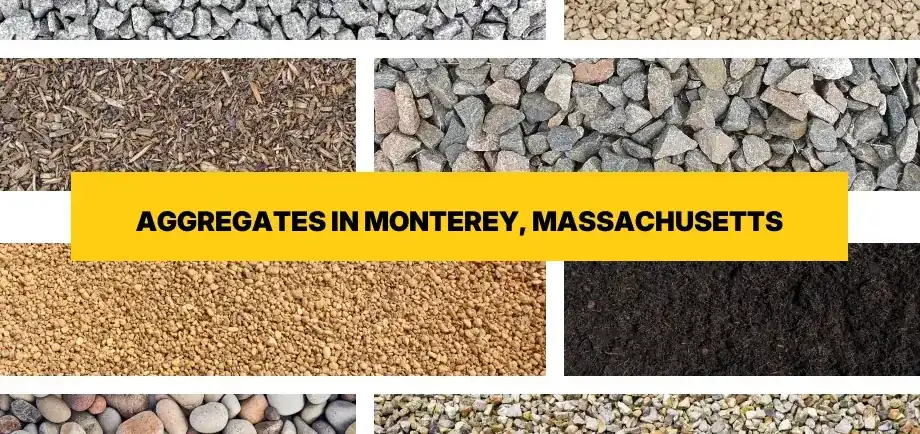
Shop Sand, Stone & Gravel in Monterey, Massachusetts
Local Topsoil, Dirt, Sand, Rocks and Gravel near me in Monterey, Massachusetts
Shop Aggregates for Delivery in Monterey
Order online for free delivery to any Monterey address.
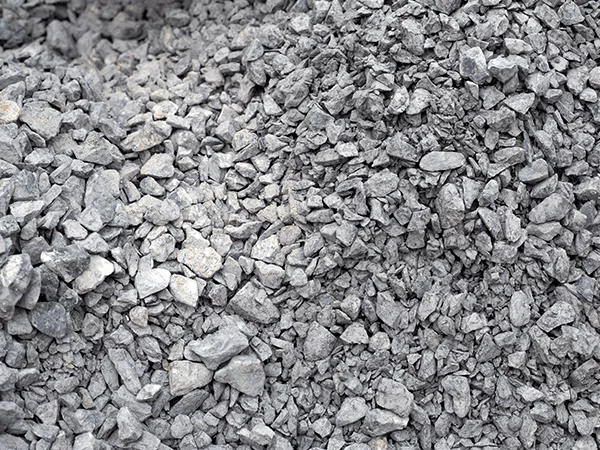


Gravel Monkey is your premier source for high-quality gravel and aggregate delivery throughout Monterey, Massachusetts. Nestled in the scenic Berkshire Hills, Monterey presents unique challenges for property owners, from its glacially-formed terrain to heavy seasonal precipitation and freeze-thaw cycles that demand durable, properly-installed materials. Whether you're maintaining a mountain property near Lake Buel, creating a stable driveway along Route 23, or managing drainage for a home bordering Beartown State Forest, we deliver premium aggregates directly to your location with absolutely free delivery throughout the Berkshires.
Complete Range of Aggregates and Materials for Monterey Properties
Monterey's unique geography—characterized by steep terrain, substantial elevation changes, and complex drainage patterns—requires carefully selected aggregates that perform reliably through all four seasons. Gravel Monkey provides a comprehensive selection of materials specifically suited to the challenges of building and maintaining properties in this beautiful corner of Berkshire County.
- Driveway Gravel - Premium surface material that compacts firmly and withstands heavy use on mountain driveways
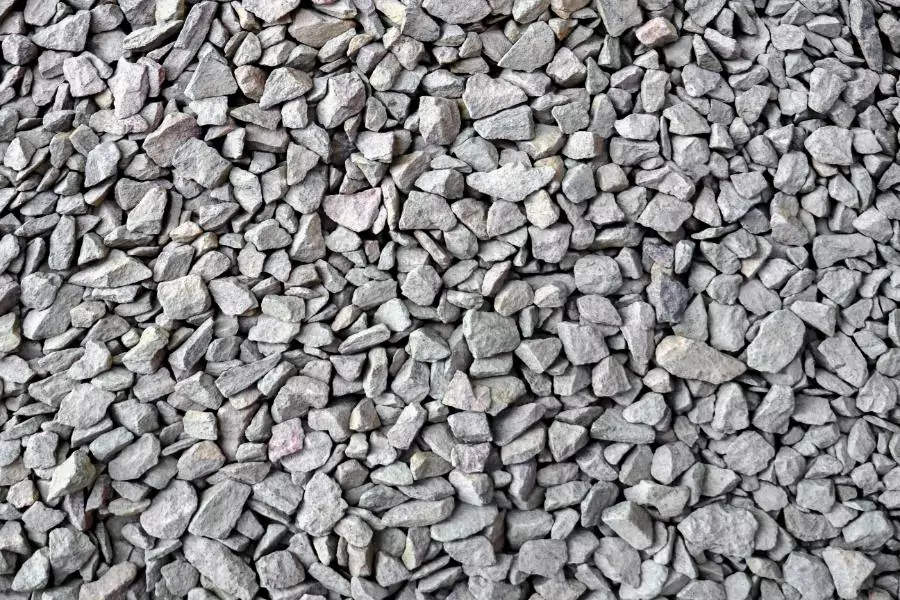
- 3/4 Inch Crushed Stone - Versatile angular aggregate ideal for drainage layers and driveway base construction
- #57 Stone - Popular clean stone for French drains, septic systems, and concrete work
- Crusher Run - Excellent compactable base that creates rock-solid foundations
- Road Base - Professional-grade foundation material for driveways and private roads
- Pea Gravel - Smooth decorative stone perfect for pathways and garden features
- River Rock - Natural aesthetic stone for landscaping and water management
- Drain Rock - Angular aggregate engineered for superior water management systems
- Crushed Concrete - Eco-friendly recycled aggregate for budget-conscious base applications
- Topsoil - Nutrient-rich soil for gardens, lawns, and landscape beds
- Fill Dirt - Essential material for grading, leveling, and site preparation
- Mason Sand - Fine-grain sand for masonry projects and concrete mixing
- Washed Sand - Clean, versatile sand for multiple construction applications
- Playground Sand - Safe, soft sand ideal for children's play areas
- Walkway Gravel - Attractive gravel specifically sized for comfortable walking surfaces
- Decomposed Granite - Natural, stabilized surface material for rustic paths and patios
Understanding Monterey's Geology and Soil Conditions
Monterey's position in the Taconic Mountains creates distinctive site conditions that property owners must understand when selecting aggregates. The town sits at elevations ranging from 1,200 to over 2,000 feet, with the Berkshire Plateau providing dramatic relief and complex drainage patterns that affect every construction project.
The underlying geology consists primarily of schist, gneiss, and marble bedrock formations from the Precambrian and Paleozoic eras. During the last glaciation, which retreated roughly 12,000 years ago, massive ice sheets deposited a heterogeneous mix of till across the landscape. This glacial legacy means Monterey soils typically contain substantial clay content mixed with sand, silt, and rocks of varying sizes. Properties near Lake Buel and along Route 57 often encounter seasonal ledge—bedrock that sits close to the surface—which complicates excavation and requires careful planning for foundations and utilities.
The clay-rich soils common throughout Monterey present specific challenges. Clay expands when wet and contracts during dry periods, creating movement that can destabilize poorly constructed driveways and foundations. Additionally, clay has poor drainage characteristics, meaning water tends to pond rather than percolate through the soil profile. This makes proper aggregate selection and drainage design absolutely critical for long-term success.
Climate Impact on Aggregate Performance
Monterey experiences a humid continental climate with four distinct seasons. Annual precipitation averages 50-55 inches, distributed fairly evenly throughout the year with slightly higher amounts during summer thunderstorms. Winter typically brings 60-80 inches of snowfall between November and April, and temperatures regularly drop below freezing from December through March.
The freeze-thaw cycle presents the greatest challenge for aggregates and hardscaping in Monterey. When moisture in soil or aggregate freezes, it expands by approximately 9 percent, creating powerful heaving forces. As temperatures rise above freezing, the ice melts, leaving voids that allow settling and shifting. Properties throughout town—from homes near Beartown Mountain to estates around Rawson Brook—experience dozens of freeze-thaw cycles each winter, making proper base construction with well-compacted aggregates essential for preventing frost heaves and maintaining stable surfaces.
Driveway Solutions for Monterey's Mountain Terrain
Driveways in Monterey face unique demands compared to properties in flatter terrain. Many residential driveways climb significant grades, navigate around mature trees and bedrock outcrops, and must handle runoff from uphill areas while preventing erosion on steep sections. Success requires careful material selection and proper installation techniques.
For Monterey driveways, we recommend a layered approach. Begin with a substantial base layer using either crusher run or road base material. These aggregates contain a mix of stone sizes with fines that compact tightly, creating a stable foundation that resists movement during freeze-thaw cycles. The base layer should typically be 4-6 inches deep after compaction, though steeper driveways or areas with poor native soil may require deeper bases.
The surface layer should use a quality driveway gravel that provides good traction, compacts well, and sheds water effectively. Properties throughout Monterey—from driveways on Tyringham Road to mountain access roads off Route 23—benefit from aggregates that contain angular particles. Angular stone locks together better than rounded material, providing superior stability on grades and reducing washout during heavy rain events.
Managing Driveway Drainage
Proper drainage separates successful driveways from problem driveways in Monterey. Every driveway should be crowned or sloped to encourage water to run off to the sides rather than channeling down the center. On longer or steeper driveways, consider installing water bars—diagonal berms that divert runoff to the sides before it gains erosive velocity.
Properties with significant uphill drainage coming onto driveways need intercept systems. French drains using #57 stone or drain rock placed uphill from the driveway capture and redirect water before it can saturate the driveway base. These systems prove particularly important near areas like Lake Garfield and around properties backing onto conservation land where natural drainage patterns concentrate water flow.
| Aggregate Type | Best Applications | Drainage Rating | Compaction Quality |
|---|---|---|---|
| Crusher Run | Driveway base, foundation support, road building | Moderate | Excellent |
| 3/4 Inch Crushed Stone | Drainage layers, driveway base, general fill | Excellent | Good |
| Driveway Gravel | Top layer for driveways and parking areas | Good | Very Good |
| Number 57 Stone | French drains, septic systems, concrete aggregate | Excellent | Fair |
| Road Base | Heavy-duty foundations, private roads, commercial drives | Moderate | Excellent |
| Drain Rock | Drainage systems, foundation perimeter, retaining walls | Superior | Fair |
| Pea Gravel | Pathways, decorative landscaping, ground cover | Good | Poor |
| Crushed Concrete | Budget base material, utility work, temporary roads | Good | Good |
Aggregate Delivery Throughout Monterey
Gravel Monkey provides free delivery throughout Monterey and surrounding Berkshire communities. We regularly serve properties in these areas and neighborhoods:
Lake Buel Area
The Lake Buel neighborhood represents one of Monterey's most desirable residential areas, with seasonal cottages and year-round homes dotting the shoreline. Properties here often require aggregates for driveway maintenance, beach access paths, and drainage management around foundations. The sandy soils near the lake generally provide better natural drainage than clay-heavy areas elsewhere in town, though seasonal water table fluctuations remain a consideration.
Beartown State Forest Vicinity
Homes bordering or near Beartown State Forest enjoy remarkable privacy and natural beauty but face challenges related to remote access, steep terrain, and limited maintenance infrastructure. Driveways serving these properties often extend considerable distances and climb substantial grades, requiring robust base construction with crusher run and quality surface materials. Wildlife corridors and conservation restrictions may influence project design and timing.
Route 23 Corridor
Properties along Route 23—the main east-west route through Monterey—range from historic homes to newer construction. Many properties along this corridor have driveways that slope steeply from the road to home sites below or climb to building sites above road level. Proper drainage design prevents runoff from compromising Route 23 or neighboring properties. The visibility of driveways along this scenic route often motivates property owners to invest in attractive surface materials like pea gravel for borders or decorative river rock for landscaping features.
Tyringham Road and Southern Monterey
The Tyringham Road area in southern Monterey features rolling terrain with numerous brooks and streams. Properties here benefit from the town's natural beauty while dealing with active water features that require careful drainage planning. Culverts under driveways need properly designed approaches using well-compacted aggregates, and properties must manage both surface runoff and subsurface water movement.
Konkapot Road and Northern Sections
Northern Monterey along Konkapot Road toward the New Marlborough town line features a mix of agricultural land, residential properties, and conservation areas. Properties in this section often have longer driveways serving farms or larger parcels. Aggregate needs may include farm lanes, equipment yards, and storage areas in addition to residential driveways. The agricultural character means some properties need materials that can support heavier equipment and more intensive use patterns.
Route 57 Neighborhoods
Route 57 provides north-south access through western Monterey, connecting to Great Barrington and serving numerous residential properties. The topography along Route 57 includes some of Monterey's steepest terrain, with driveways that may climb or descend dramatic grades. These challenging sites demand proper engineering with substantial aggregate bases and well-designed drainage systems to prevent erosion and maintain access during all weather conditions.
Landscaping Materials for Berkshire Properties
Beyond driveways and structural applications, Monterey property owners use aggregates and soils to create beautiful, functional outdoor spaces that complement the natural Berkshire environment. The town's mature forest character and mountainous setting inspire landscape designs that blend structures with surroundings while addressing practical site challenges.
Pathways and Walking Trails
Properties with substantial acreage often include walking trails that connect different areas or provide access to natural features like streams, rock outcrops, or viewpoints. Walkway gravel creates attractive, low-maintenance paths that feel natural in wooded settings. For more formal garden paths or areas near the house, pea gravel provides a refined appearance while allowing excellent drainage. Some property owners prefer decomposed granite for trails, as it compacts into a relatively firm surface while maintaining a natural, earth-tone appearance.
Water Features and Drainage Solutions
The abundant water in Monterey—from seasonal streams to designed water features—provides opportunities for attractive landscaping using river rock and decorative aggregates. Dry creek beds constructed with river rock can handle periodic water flow while adding visual interest during dry periods. Rain gardens that capture and infiltrate roof runoff benefit from layers of clean stone beneath plantings, creating attractive features that also solve drainage problems.
Garden Beds and Planting Areas
Monterey's growing season runs approximately from mid-May through late September, with the potential for frost any time outside that window. Garden beds benefit from amendments with quality topsoil to improve the native clay-heavy material. Many properties also use fill dirt for grading around foundations, creating level lawn areas, or building up beds above poorly-drained areas. Raised bed construction proves particularly valuable in areas with heavy clay or where bedrock sits close to the surface.
Seasonal Considerations for Aggregate Projects in Monterey
Monterey's distinct seasons dictate optimal timing for different aggregate projects. Understanding these patterns helps property owners plan work for maximum success and value.
Spring: Mud Season Challenges
Late March through April typically brings "mud season" to Monterey as frost leaves the ground and snowmelt saturates soils. During this period, native ground has poor load-bearing capacity, making it challenging to deliver heavy loads or work with machinery. Most aggregate projects should wait until the ground firms up in May. However, spring marks an excellent time to assess winter damage to driveways and plan repairs for summer.
Summer: Prime Construction Season
June through August offers ideal conditions for aggregate work in Monterey. The ground is dry and firm, allowing equipment access to remote locations. Warm temperatures help cement-based products cure properly if you're working with concrete or stabilized base materials. Summer also provides the best conditions for proper compaction of aggregate layers, as materials compact more effectively when dry.
Fall: Final Preparations
September and October provide a second window for aggregate projects before winter arrives. Fall work allows addressing issues discovered during summer use while conditions remain favorable. Many property owners tackle driveway improvements in fall to ensure winter snow removal doesn't damage compromised surfaces. However, projects should be completed by early November before ground freezing makes compaction difficult.
Winter: Planning and Limited Work
Winter is not ideal for most aggregate projects in Monterey, as frozen ground prevents proper compaction and limits equipment access. However, winter provides an excellent opportunity to observe drainage patterns, note problem areas, and plan improvements for spring. Emergency repairs are possible during brief thaws, though the work may need refinement once conditions improve.
Best Practices for Aggregate Installation
Proper installation techniques make the difference between aggregates that perform well for decades and materials that fail within a few seasons. Whether you're hiring a contractor or completing work yourself, these practices ensure success on Monterey properties.
Excavation and Preparation
Begin by removing existing material to reach stable native soil. In areas with heavy clay, excavate deeper than you might elsewhere—12 to 18 inches total depth for driveways proves common in Monterey. Remove organic material, soft spots, and roots. If you encounter ledge or large boulders, break them back or work around them rather than leaving voids that will eventually cause settling.
Base Layer Construction
Install base material in lifts of 3-4 inches, compacting each lift before adding the next. Use a vibratory plate compactor for most residential applications, or a roller for larger projects. Compact when material is slightly damp but not saturated—moisture helps achieve density but excessive water prevents proper compaction. The base layer should be crowned to shed water, typically with a 2-3 percent cross-slope.
Surface Layer Application
Apply the surface layer at appropriate depth—typically 2-3 inches after compaction for residential driveways. Compact thoroughly, working from the edges toward the center. The surface should continue the crown established in the base layer. Final grading should direct water away from structures and toward designed drainage systems rather than letting it sheet across the surface.
Drainage Integration
Never treat drainage as an afterthought. Install culverts, French drains, and intercept systems before or during aggregate placement. These systems should daylight to appropriate locations—never direct concentrated drainage onto neighboring properties or into protected wetlands. In Monterey's regulated environment, some drainage modifications may require conservation commission review.
Maintaining Aggregate Surfaces Through the Seasons
Regular maintenance extends the life of aggregate driveways and surfaces while preventing minor issues from becoming major problems. Monterey's climate demands attention to specific maintenance tasks throughout the year.
Spring Maintenance
Assess winter damage once the frost is fully out of the ground. Look for washouts, ruts, potholes, and areas where aggregate has migrated. Grade the surface to restore proper crowning and drainage patterns. Add fresh aggregate where material has been lost, and address any erosion issues before they worsen. Clean culverts and drainage structures that may have accumulated debris during winter.
Summer and Fall Care
Periodically grade aggregate surfaces to maintain proper drainage and fill developing ruts before they become major problems. After heavy rains, check for erosion or channeling that indicates drainage improvements are needed. Keep vegetation from encroaching on driveway edges, as plant growth can trap water and accelerate aggregate degradation. Late fall provides an opportunity to add material before winter and ensure drainage structures are clear of leaves and debris.
Winter Considerations
Plow carefully to avoid catching the blade on the aggregate surface and creating potholes. Keep snow banks back from driveway edges to allow spring meltwater to drain properly. Avoid using excessive salt or chemical deicers, which can degrade both aggregates and affect groundwater quality in Monterey's sensitive watershed areas. Sand provides traction without environmental concerns and integrates into the existing aggregate surface.
Environmental Considerations in Monterey
Monterey places high value on environmental protection, with significant portions of town under conservation protection or subject to wetlands regulations. Understanding these considerations helps property owners work within regulations while protecting the natural values that make Monterey special.
The town lies within the Housatonic River watershed, with numerous brooks and streams eventually flowing to the Housatonic. Any work within 100 feet of wetlands or waterways falls under conservation commission jurisdiction. Aggregate projects near water features should incorporate erosion controls and minimize sediment discharge. Using clean, non-contaminated materials proves particularly important near sensitive water resources.
Crushed concrete and recycled aggregates provide environmentally responsible alternatives to virgin stone in appropriate applications. These materials reduce demand for quarried stone while giving beneficial use to concrete from demolition projects. For base layers and utility work where appearance matters less, recycled materials offer cost savings alongside environmental benefits.
Frequently Asked Questions About Gravel and Aggregates in Monterey
We deliver a complete range of aggregates including driveway gravel, crushed stone, crusher run, #57 stone, pea gravel, river rock, drain rock, road base, crushed concrete, topsoil, fill dirt, and various sand types throughout Monterey and the surrounding Berkshire County area.
Yes! Gravel Monkey offers FREE delivery to Monterey and the surrounding Massachusetts area for all gravel and aggregate material orders. We serve properties throughout the Berkshires including areas near Lake Buel, Beartown State Forest, and surrounding communities.
For Monterey driveways, we recommend crusher run or three-quarter inch crushed stone as a base layer, topped with driveway gravel. These materials compact well and handle the freeze-thaw cycles common in the Berkshire Hills. Proper drainage is essential due to Monterey receiving over 50 inches of precipitation annually.
The amount depends on your project size and depth. For driveways, calculate length times width times depth in feet, then divide by 27 to get cubic yards. Most Monterey driveways need 3 to 4 inches of base material. Our team can help you calculate the exact amount based on your specific property needs.
Monterey sits in the Berkshire Hills with glacially-deposited soils containing substantial clay content and seasonal ledge. The area receives significant precipitation and experiences freeze-thaw cycles. Proper drainage systems using drain rock and well-compacted aggregate bases are essential for stable driveways and foundations in this mountain terrain.
Absolutely! We deliver throughout Monterey including rural properties near Lake Buel, homes bordering Beartown State Forest, and properties along Route 23 and Route 57. Our delivery service covers the entire town and surrounding Berkshire communities.
Late spring through early fall offers the best conditions for driveway installation in Monterey. The ground is typically dry and workable from May through October. Avoid installation during mud season in early spring or during frozen ground conditions in winter for best compaction and long-term stability.
Driveway work within 100 feet of wetlands or waterways requires conservation commission review. New driveway construction or significant alterations may need building permits. Culvert installations often require highway department approval. We recommend checking with the Monterey town hall before beginning substantial projects to ensure compliance with local regulations.
Professional Aggregate Delivery for Monterey Properties
From Lake Buel to Beartown State Forest, from Route 23 to remote mountain properties, Gravel Monkey delivers the quality aggregates your Monterey project demands. Our free delivery service ensures you receive materials when you need them, where you need them, at prices that respect your budget. Whether you're building a new driveway, maintaining existing surfaces, creating landscape features, or addressing drainage challenges, we provide the materials and expertise to ensure success in Monterey's demanding environment.
Understanding local conditions makes the difference between aggregate projects that last decades and those that fail within seasons. Our knowledge of Berkshire geology, climate patterns, and proven installation practices helps property owners make informed decisions. Contact us to discuss your project, get accurate quantity estimates, and schedule delivery of premium aggregates throughout Monterey and surrounding communities.

Need help? Reach out for a quote: