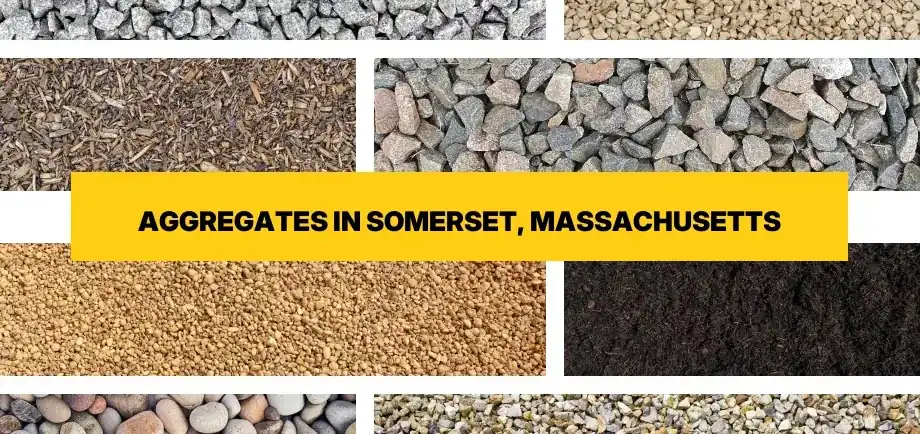
Buy Bulk Aggregates & Gravel in Somerset, Massachusetts
Local Topsoil, Dirt, Sand, Rocks and Gravel near me in Somerset, Massachusetts
Shop Aggregates for Delivery in Somerset
Order online for free delivery to any Somerset address.


Gravel Monkey provides premium aggregate delivery throughout Somerset, Massachusetts, serving residential and commercial properties with quality materials and exceptional service. From the historic Pottersville neighborhood to properties along the Taunton River waterfront, we deliver crushed stone, gravel, sand, and other essential aggregates directly to your Somerset location—completely free. Whether you're upgrading a driveway near Brayton Point, improving drainage in South Somerset, or starting a landscaping project along Lee River Road, our extensive inventory of aggregates meets the unique demands of Somerset's coastal New England environment.
Comprehensive Aggregate & Material Selection for Somerset Properties
Somerset's location along Mount Hope Bay and the Taunton River creates unique soil conditions characterized by glacial till, marine deposits, and coastal plain sediments. These conditions require carefully selected aggregates that provide proper drainage, stability, and longevity. Gravel Monkey offers a complete range of high-quality materials specifically suited for Somerset's geological characteristics and climate patterns.
Our aggregate inventory includes premium options for every project type across Somerset:
- Driveway Gravel - Engineered aggregate blends for durable, all-weather driveways
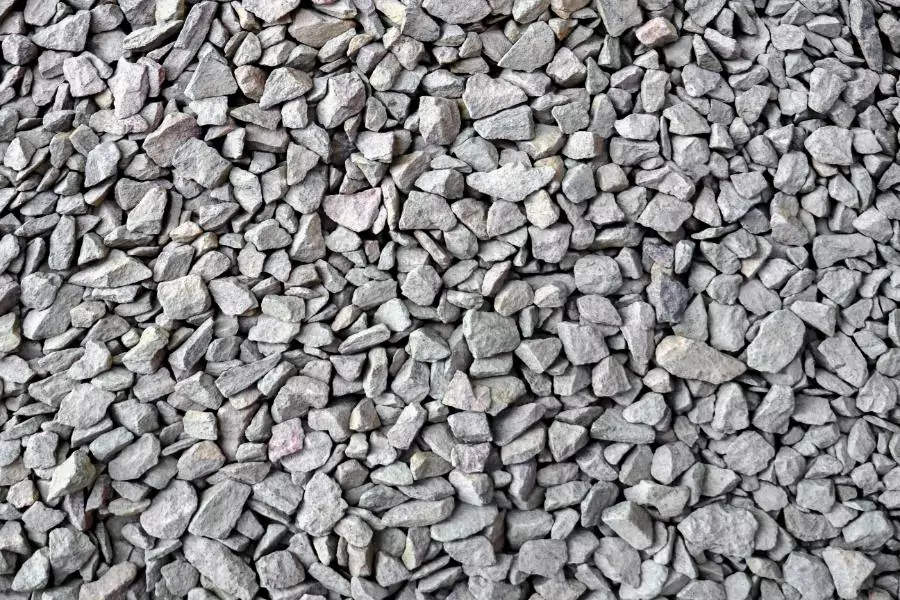
- 3/4 Inch Crushed Stone - Versatile angular stone for superior compaction and base stability
- #57 Stone - Clean, uniform aggregate ideal for drainage systems and concrete work
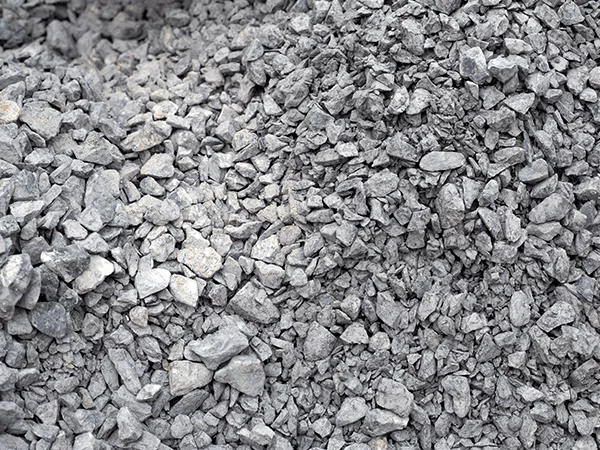
- Crusher Run - Compactable base material combining stone and fines for maximum stability
- Road Base - Heavy-duty aggregate foundation for driveways and parking areas
- Drain Rock - Specialized stone for French drains and water management systems
- Pea Gravel - Smooth, rounded stones perfect for walkways and decorative applications
- River Rock - Natural polished stone for aesthetic landscaping features
- Walkway Gravel - Comfortable aggregate blend for paths and pedestrian surfaces
- Crushed Concrete - Eco-friendly recycled aggregate for base layers and fill
- Decomposed Granite - Natural, compactable surface for trails and rustic pathways
- Mason Sand - Fine-grade sand for masonry, paver joints, and construction
- Washed Sand - Clean, debris-free sand for multiple applications
- Playground Sand - Safe, certified sand for children's play areas
- Topsoil - Nutrient-rich soil for gardens, lawns, and planting beds
- Fill Dirt - Quality fill material for grading, leveling, and elevation work
Aggregate Delivery Throughout Somerset Neighborhoods
Our delivery service covers every corner of Somerset, from the waterfront communities along Mount Hope Bay to the residential streets near Route 138. We know Somerset's local geography, soil conditions, and property access considerations, ensuring efficient delivery to your specific location.
Pottersville: This historic village center area features many older homes with established driveways and properties. Crushed stone aggregates work excellently for driveway restoration and renovation projects in Pottersville, where proper drainage helps manage the area's seasonal moisture. Properties near Riverside Avenue and surrounding streets benefit from quality aggregate bases that withstand New England freeze-thaw cycles.
Brayton Point: The southeastern peninsula of Somerset includes residential properties and the former power station area. Brayton Point's proximity to Mount Hope Bay means coastal exposure and higher water table conditions. Drainage-focused aggregates and properly graded stone materials help properties in this area manage water effectively, particularly important along Brayton Point Road and surrounding waterfront properties.
South Somerset: This area features a mix of residential developments and open spaces along Somerset's southern border with Swansea. Properties in South Somerset often require aggregates for new construction, driveway installation, and landscaping projects. The slightly elevated terrain provides good natural drainage, but quality aggregate bases remain essential for long-term stability.
Lee River Road Area: Properties along Lee River Road and the surrounding neighborhood benefit from their central location and established infrastructure. Aggregate needs in this area typically include driveway maintenance, pathway creation, and drainage improvements. The glacial soils common to this section of Somerset respond well to properly compacted crushed stone bases.
Pierce Beach Area: Somerset's small beach community along the Taunton River attracts property owners seeking waterfront living. The proximity to water means moisture management becomes crucial for driveways, foundations, and yard areas. Drain rock and properly graded crushed stone help these properties handle seasonal variations and storm water effectively.
Route 138 Corridor: The commercial and residential properties along Somerset Avenue (Route 138) represent the town's main thoroughfare. Businesses and homes in this area often need aggregate materials for parking areas, access roads, and property improvements. Durable, traffic-rated aggregates ensure these high-use areas maintain their integrity season after season.
Buffinton Street Neighborhood: This residential area in western Somerset features mature properties with established landscapes. Aggregate projects here often involve driveway renewal, patio base preparation, and garden pathway development. The well-drained upland soils in this neighborhood work well with standard crushed stone aggregates and compactable base materials.
Wilbur Avenue Area: Properties around Wilbur Avenue and nearby streets represent typical Somerset residential neighborhoods with moderate-sized lots and family homes. Common aggregate applications include driveway upgrades, shed foundation bases, and landscaping stone features. The area's soil composition benefits from properly installed aggregate bases that prevent settling and erosion.
Somerset-Specific Aggregate Applications
Understanding Somerset's unique environmental factors helps determine the right aggregate for your specific project. The town's coastal location, glacial history, and seasonal weather patterns all influence material selection and installation methods.
Driveway Construction & Restoration in Somerset
Somerset driveways face significant challenges from freeze-thaw cycles, spring moisture, and the coastal humidity that characterizes southeastern Massachusetts. A proper driveway requires multiple aggregate layers working together to provide stability, drainage, and surface durability. The base layer should consist of larger crushed stone that allows water to drain through while providing structural support. Middle layers use progressively smaller aggregates that interlock and compact tightly. The surface layer requires stone sized appropriately for vehicle traffic and visual appeal.
Properties throughout Somerset, from Pierce Beach to Pottersville, benefit from driveway designs that account for local soil conditions. The glacial till common in Somerset contains clay content that expands when wet and contracts when dry. Without proper aggregate bases, this movement causes cracking, rutting, and surface degradation. Quality crushed stone bases prevent these issues by creating a stable platform that bridges over problem soils and distributes weight effectively.
Drainage Solutions for Coastal Properties
Somerset's position along Mount Hope Bay and the Taunton River means many properties deal with high water tables, storm surge considerations, and seasonal flooding potential. Effective drainage systems using specialized aggregates protect foundations, prevent basement moisture, and manage surface water. French drains constructed with clean drain rock surround perforated pipes, allowing water to enter while preventing soil infiltration. Surface drainage systems use graded aggregates to direct water away from structures and toward appropriate discharge points.
The Brayton Point area and other waterfront locations particularly benefit from engineered drainage systems. Spring snow melt combined with rainfall can overwhelm inadequate drainage, leading to foundation issues and yard flooding. Properly installed aggregate drainage systems, sized appropriately for Somerset's average annual precipitation of approximately 47 inches, handle these water volumes while requiring minimal maintenance.
Landscaping & Pathways
Somerset's growing season and moderate climate support beautiful residential landscapes throughout the community. Decorative aggregates enhance these landscapes while providing functional benefits. Garden pathways using pea gravel or walkway stone create comfortable, all-weather surfaces that complement plantings and design elements. River rock provides visual interest in planting beds, around trees, and as border materials. These decorative stones suppress weeds, retain soil moisture, and reduce maintenance requirements.
The sandy loam and glacial soils found in many Somerset properties benefit from amended topsoil in garden areas. Quality topsoil provides the organic matter and nutrients necessary for successful plantings, whether you're establishing new lawns along Lee River Road or creating garden beds in South Somerset. Proper grading using fill dirt ensures positive drainage away from structures while creating usable yard spaces.
Aggregate Comparison Guide for Somerset Projects
Selecting the appropriate aggregate depends on your specific application, soil conditions, and budget. This comparison helps Somerset property owners understand the characteristics and ideal uses for common aggregate types:
| Aggregate Type | Best Applications | Compaction | Drainage Rating | Somerset Suitability |
|---|---|---|---|---|
| Crusher Run | Driveway base, parking areas | Excellent | Good | Ideal for Somerset's variable soils |
| 3/4 Inch Crushed Stone | Base layers, foundation perimeter | Very Good | Excellent | Perfect for wet season projects |
| #57 Stone | French drains, concrete aggregate | Good | Excellent | Best for drainage applications |
| Road Base | Heavy traffic areas, commercial use | Excellent | Good | Handles coastal moisture well |
| Drain Rock | Foundation drains, septic systems | Moderate | Superior | Critical for waterfront properties |
| Pea Gravel | Walkways, decorative landscapes | Low | Very Good | Excellent for garden applications |
| Crushed Concrete | Base fill, temporary roads | Very Good | Good | Eco-friendly base alternative |
| Mason Sand | Paver base, masonry projects | Excellent | Poor | Use with proper drainage layers |
| Decomposed Granite | Natural paths, rustic driveways | Good | Moderate | Works in well-drained areas |
Seasonal Considerations for Somerset Aggregate Projects
Somerset experiences typical New England seasonal variations with cold, snowy winters and warm, humid summers. These conditions influence project timing and material selection throughout the year.
Spring Projects (March-May)
Spring brings thawing ground, increased precipitation, and optimal temperatures for outdoor projects. Somerset receives significant spring rainfall as winter snow melts and Atlantic weather systems move through the region. This moisture can make ground conditions challenging for heavy equipment and aggregate installation. However, spring represents an excellent time for drainage improvements, as you can observe how water moves across your property and identify problem areas. Installing drainage systems and base preparations during spring allows summer projects to proceed smoothly. Properties in Pottersville and along Brayton Point Road often schedule spring drainage work to address winter moisture accumulation.
Summer Projects (June-August)
Summer offers the driest ground conditions and longest working days in Somerset. Average temperatures range from the 70s to low 80s Fahrenheit, with humidity influenced by proximity to Mount Hope Bay. These conditions allow aggregates to compact properly and provide stable working surfaces for equipment. Most major driveway installations, base preparations, and landscaping projects occur during summer months. The drier soil conditions throughout South Somerset and the Route 138 corridor make summer ideal for projects requiring deep excavation or significant grading work.
Fall Projects (September-November)
Fall combines moderate temperatures with generally stable soil conditions, making it another prime season for aggregate work in Somerset. Early fall offers warm, dry weather before autumn rains begin. Many property owners schedule driveway and base work for fall completion, ensuring everything is established before winter arrives. The cooler temperatures reduce dust during installation while still allowing proper compaction. Properties along Lee River Road and throughout Somerset's neighborhoods often complete foundation drainage and yard grading projects in fall.
Winter Considerations (December-February)
Somerset winters bring freezing temperatures, snow, and frozen ground that limit certain aggregate projects. However, winter does not prevent all work. Snow removal and ice management benefit from properly established gravel driveways that handle plowing better than pavement. Emergency drainage repairs and limited site work remain possible during mild periods. Planning winter projects requires understanding ground frost depths, which typically penetrate 30-36 inches in Massachusetts. Some property owners schedule winter delivery of aggregate materials, stockpiling supplies for spring project starts.
Understanding Somerset's Geology & Soil Conditions
Somerset sits on the coastal plain of southeastern Massachusetts, with geology shaped by glacial activity during the last ice age approximately 12,000-15,000 years ago. The retreating glaciers left behind glacial till—a mixture of clay, silt, sand, gravel, and boulders—that forms the base soil across much of Somerset. This glacial legacy directly impacts how aggregates perform and why proper material selection matters for long-term project success.
The glacial till in Somerset varies in composition but generally contains enough clay to create compaction and drainage challenges. Clay particles expand significantly when wet and contract when dry, creating movement that can damage structures, crack driveways, and cause surface heaving. Areas near the Taunton River and Mount Hope Bay also include marine deposits and coastal plain sediments that increase moisture retention. These soil characteristics explain why Somerset properties require substantial aggregate bases for any permanent installation.
The town's topography features relatively gentle slopes from upland areas down toward the waterfront, with elevations ranging from sea level at the shore to approximately 100 feet in higher areas. This topography influences drainage patterns, with water naturally flowing toward lower elevations and the surrounding water bodies. Properties in lower-lying areas like Brayton Point may experience higher water tables and require more extensive drainage solutions using specialized aggregates.
Bedrock in the Somerset area consists primarily of granite and metamorphic rocks, typically lying 10-50 feet below the surface depending on location. This depth means most excavation and aggregate installation occurs entirely within the glacial overburden, never reaching bedrock. Understanding this geology helps explain why proper aggregate selection and installation techniques matter so much—you're building on relatively young, heterogeneous soils rather than solid rock.
Professional Installation Standards for Somerset
Proper aggregate installation separates temporary fixes from permanent solutions. Whether you're working on a driveway in Pottersville or a drainage system near Pierce Beach, following established best practices ensures your investment performs as expected for years to come.
Site Preparation Requirements
Every successful aggregate project begins with thorough site preparation. This includes removing vegetation, topsoil, and any unstable materials down to firm subgrade. In Somerset's glacial soils, excavation depth typically ranges from 8-12 inches for driveways and 18-24 inches for parking areas or roads. The subgrade must be compacted to provide a stable foundation before any aggregate placement begins. Properties with particularly poor soils may require additional depth or the use of geotextile fabrics to prevent aggregate mixing with underlying clay.
Layering & Compaction Techniques
Professional installations use multiple aggregate layers, each serving a specific purpose. The base layer consists of larger stone (typically 3-4 inch material) that bridges over soft spots and provides primary structural support. Middle layers use progressively smaller aggregates that fill voids and interlock to create a dense, stable mass. Each layer requires proper compaction using mechanical compactors before the next layer is placed. Somerset's moisture conditions mean achieving proper compaction density matters significantly—poorly compacted aggregates will settle, particularly during spring thaw periods.
Drainage Integration
Every aggregate installation in Somerset should consider water management. This includes establishing proper surface grades that direct water away from structures, incorporating edge drainage where necessary, and ensuring positive outfall to appropriate discharge points. French drain systems using clean stone around perforated pipes intercept subsurface water before it reaches foundations or undermines aggregate bases. These drainage features should be installed during base construction, not added as afterthoughts when problems develop.
Frequently Asked Questions About Aggregates in Somerset
Most Somerset driveways require 8-12 inches of compacted aggregate base, installed in multiple layers. Properties with poor soil conditions, particularly in lower-lying areas near the water, may need additional depth or geotextile fabric reinforcement. The final surface layer typically adds 2-3 inches of finer stone. Total depth depends on soil quality, expected traffic, and whether you're working with existing stable base or starting from excavated subgrade.
Calculate volume by multiplying length times width times depth, all measured in feet, then divide by 27 to convert cubic feet to cubic yards. For example, a driveway 50 feet long by 12 feet wide with 10 inches of depth equals 600 square feet times 0.833 feet deep, equaling 500 cubic feet, or approximately 18.5 cubic yards. Our team provides free quantity estimates based on your specific Somerset property dimensions and project requirements.
Yes, but with certain considerations. Crushed stone with good drainage properties like three quarter inch stone or drain rock can be placed during damp conditions. Materials containing fines, like crusher run, compact better when slightly moist but not saturated. Avoid installation during heavy rain or on saturated subgrades, as this prevents proper compaction and can create future settling issues. Spring and fall projects often proceed successfully in Somerset with proper planning and material selection.
Crusher run combines stone ranging from dust-sized particles up to approximately one inch, creating a blend that compacts extremely well. The fine particles fill voids between larger stones, creating a dense, stable mass ideal for driveway bases. Crushed stone refers to uniformly sized angular rock without fines—like three quarter inch stone or number 57 stone. This clean stone provides excellent drainage but less compaction than crusher run. Many Somerset driveways use crusher run for the base layer with clean crushed stone on top.
Most residential driveway and landscaping projects using aggregates do not require building permits in Somerset. However, projects involving significant grading, wetland areas, or stormwater management may require review by the Somerset Conservation Commission or other town departments. Commercial projects, large parking areas, and work near protected resources typically need permitting. Contact the Somerset Building Department at 508-646-2800 for specific guidance on your project. We recommend verifying requirements before beginning any major site work.
Properly installed aggregate driveways using quality materials last 15-25 years or longer in Somerset. Longevity depends on installation quality, material selection, traffic volume, and maintenance. Annual maintenance including adding surface stone, grading to maintain proper crown, and addressing drainage issues extends lifespan significantly. Somerset's freeze-thaw cycles and seasonal moisture require driveways built with adequate base depth and proper compaction to achieve maximum durability. Properties throughout Pottersville, South Somerset, and other neighborhoods with well-maintained gravel driveways demonstrate this longevity regularly.
Aggregate driveways and pathways benefit from periodic maintenance to maintain performance and appearance. This includes adding fresh surface stone every 2-4 years to replace material displaced by traffic and weather. Annual grading helps restore proper crown for water shedding. Edge maintenance prevents stone migration into lawn areas. Weed control using landscape fabric or periodic herbicide application keeps vegetation from establishing. Spring is an ideal time for Somerset properties to assess winter damage and perform necessary repairs. Well-maintained aggregate surfaces significantly outlast neglected installations.
Crushed concrete works excellently for many Somerset applications, offering an environmentally responsible alternative to virgin stone. It compacts well, provides good stability, and costs less than quarried materials. Crushed concrete works particularly well for base layers, temporary access roads, and areas where appearance is secondary to function. The material performs similarly to natural stone aggregates and handles Somerset's moisture and freeze-thaw conditions effectively. Many property owners throughout Somerset choose crushed concrete for cost-effective, eco-friendly base layers beneath decorative top dressing.
Reliable Aggregate Delivery Across Somerset
Gravel Monkey understands Somerset's local geography, from the narrow streets in older Pottersville neighborhoods to the newer developments in South Somerset. We coordinate delivery times that work with your schedule and property access requirements. Our drivers know Somerset's roads, typical property layouts, and site access considerations that ensure safe, efficient material delivery.
Free delivery service covers all of Somerset and extends to neighboring communities including Swansea, Fall River, Dighton, and Seekonk. We deliver to residential properties, commercial sites, municipal projects, and contractor locations throughout the area. Materials arrive clean, properly graded, and ready for immediate installation. Whether you need a single yard of decorative stone for a small garden project or multiple truckloads of base material for a major driveway installation, we handle orders of all sizes with the same attention to quality and service.
Our delivery fleet includes various truck sizes to accommodate different property access situations. Tight driveways in established neighborhoods may require smaller trucks, while larger properties with good access can accommodate full-size tri-axle deliveries that maximize efficiency and reduce trips. We work with you to determine the best delivery approach for your specific Somerset location, ensuring materials arrive where you need them without damage to lawns, existing driveways, or landscaping.
Start Your Somerset Aggregate Project
Somerset property owners trust Gravel Monkey for quality aggregates, professional guidance, and dependable free delivery. Whether you're planning a driveway renovation in Brayton Point, drainage improvements near the Taunton River, or landscaping enhancements in Pottersville, we provide the materials and expertise your project requires. Our team understands Somerset's soil conditions, seasonal considerations, and local property characteristics that influence aggregate selection and installation success.
Contact us today to discuss your project requirements, receive expert material recommendations, and schedule free delivery to your Somerset property. We serve residential and commercial customers throughout Somerset, Swansea, Fall River, and the greater southeastern Massachusetts region. Our commitment to quality materials, accurate ordering assistance, and reliable service makes your aggregate project successful from planning through completion.

Need help? Reach out for a quote: