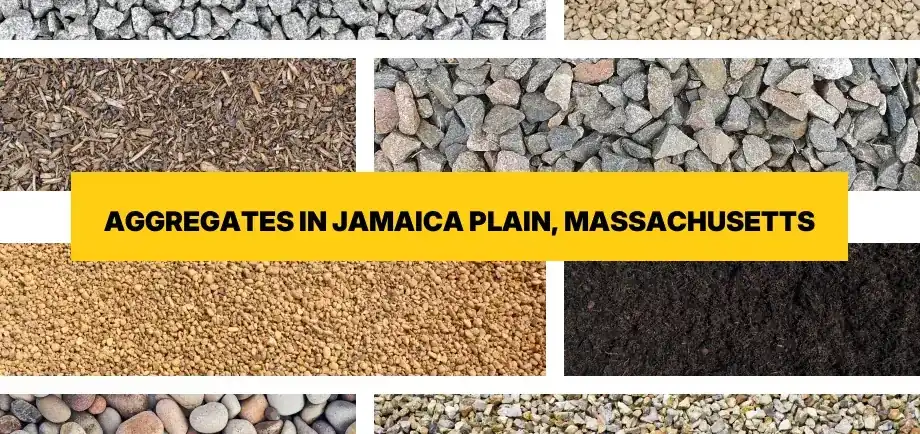
Buy Bulk Aggregates & Gravel in Jamaica Plain, Massachusetts
Local Topsoil, Dirt, Sand, Rocks and Gravel near me in Jamaica Plain, Massachusetts
Shop Aggregates for Delivery in Jamaica Plain
Order online for free delivery to any Jamaica Plain address.
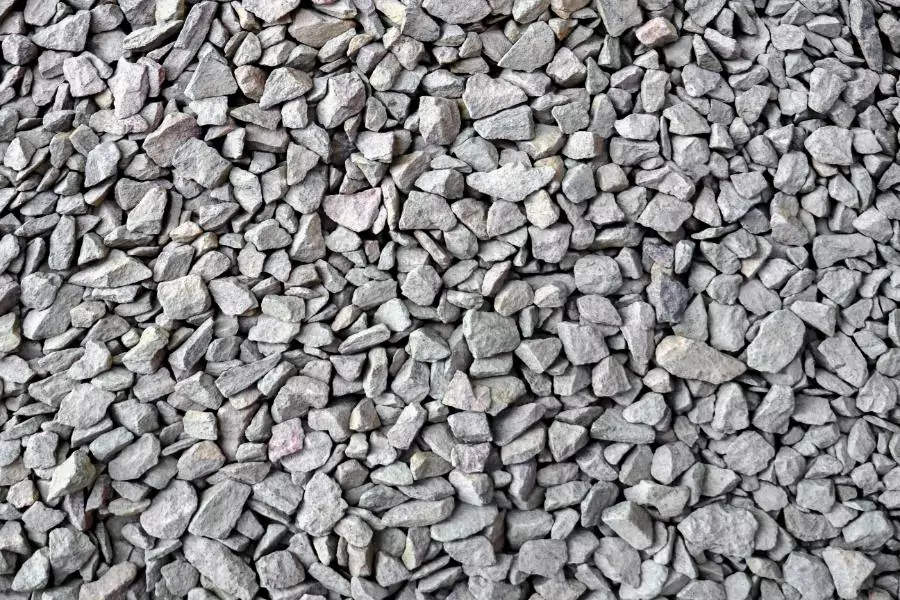
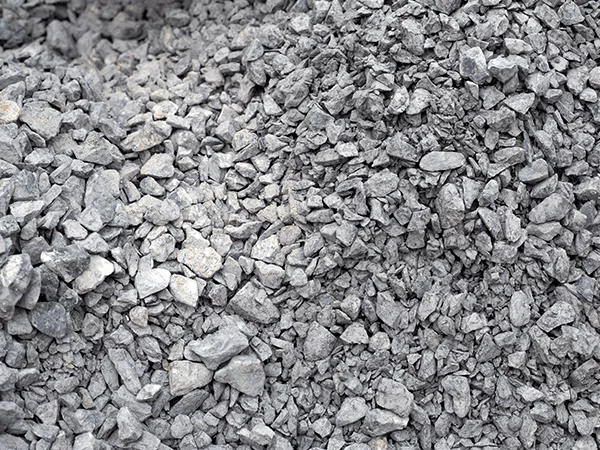


Gravel Monkey is your trusted supplier for premium aggregates and construction materials in Jamaica Plain, Massachusetts. Whether you're renovating a Victorian home in Sumner Hill, upgrading a driveway near Jamaica Pond, or creating sustainable landscaping in Stony Brook, we deliver high-quality gravel, stone, and soil products directly to your property with free delivery. Our extensive selection of aggregates meets the unique demands of New England construction, from withstanding harsh Massachusetts winters to managing the clay-rich soils common throughout Jamaica Plain and the Greater Boston area.
Complete Range of Aggregates & Materials for Jamaica Plain Projects
Jamaica Plain homeowners and contractors rely on Gravel Monkey for professional-grade aggregates suitable for residential and commercial applications. Our inventory includes materials specifically selected to perform in Boston's challenging climate and diverse soil conditions:
- 3/4 inch Crushed Stone - Versatile aggregate for driveways, foundations, and drainage applications
- #57 Stone - Popular drainage stone and concrete aggregate perfect for French drains
- Driveway Gravel - Durable base material engineered for New England freeze-thaw cycles
- Crusher Run - Compactable blend ideal for stable driveway and patio bases
- Road Base - Heavy-duty aggregate for load-bearing surfaces and parking areas
- Pea Gravel - Smooth decorative stone for walkways and landscaping
- River Rock - Natural aesthetic stone for water features and garden beds
- Walkway Gravel - Comfortable surface material for paths and garden trails
- Drain Rock - Essential aggregate for managing Jamaica Plain's groundwater and runoff
- Crushed Concrete - Eco-friendly recycled aggregate for sustainable construction
- Topsoil - Nutrient-rich soil for gardens and lawn establishment
- Fill Dirt - Structural soil for grading and leveling projects
- Mason Sand - Fine-grade sand for mortar, paving, and masonry work
- Playground Sand - Safe, clean sand for children's play areas
- Washed Sand - Clean multipurpose sand for various applications
- Decomposed Granite - Natural pathway material that compacts beautifully
Serving All Jamaica Plain Neighborhoods and Surrounding Areas
We provide comprehensive aggregate delivery throughout Jamaica Plain's diverse neighborhoods, each with distinct architectural character and landscaping needs. From the tree-lined streets of Sumner Hill with its Victorian estates to the vibrant commercial corridor of Centre Street, our delivery trucks navigate JP's historic streets daily. Properties near Jamaica Pond often require specialized drainage solutions due to proximity to water, while homes in Forest Hills and Arnold Arboretum area benefit from natural landscaping materials that complement the lush surroundings.
The Hyde Square and Pondside neighborhoods feature a mix of triple-deckers and single-family homes, many undergoing renovation projects that require quality aggregates and fill materials. Brookside residents working on urban gardens and hardscaping projects appreciate our selection of decorative stone and soil products. We also serve commercial properties along the Southwest Corridor Park and throughout the JP business district, delivering bulk materials for parking lot repairs, drainage improvements, and landscaping upgrades.
Our service extends beyond Jamaica Plain to neighboring Boston communities including Roxbury, Roslindale, West Roxbury, Mission Hill, and Brookline, ensuring fast delivery throughout the Greater Boston area.
Understanding Jamaica Plain's Soil and Climate Conditions
Jamaica Plain's geological foundation consists primarily of glacial till deposits left behind during the last ice age, creating a complex soil profile that presents unique challenges for construction and landscaping projects. The area's clay-rich soil retains moisture and can expand significantly during wet periods, then contract during dry spells. This soil behavior makes proper drainage and stable aggregate bases absolutely essential for any hardscaping or construction work.
The neighborhood sits in a natural basin around Jamaica Pond, with elevations ranging from approximately 30 feet near the pond to over 200 feet in areas near the Arnold Arboretum. This topography creates varying drainage patterns, with lower-lying properties near Stony Brook and the pond requiring more robust drainage solutions. Many Jamaica Plain properties feature shallow bedrock covered by glacial deposits, which can complicate excavation but provides solid bearing once reached.
Massachusetts experiences significant seasonal temperature fluctuations, with winter temperatures regularly dropping below freezing and summer highs reaching into the 80s and 90s Fahrenheit. Jamaica Plain receives approximately 47 inches of precipitation annually, distributed relatively evenly throughout the year. The freeze-thaw cycle is particularly aggressive in this region, occurring dozens of times each winter as temperatures oscillate around 32°F. This cycle causes soil heaving, particularly in poorly drained areas, and can damage driveways, walkways, and foundations constructed without proper aggregate bases.
Why Proper Aggregate Selection Matters in JP
Given these challenging conditions, selecting appropriate aggregates becomes critical for project longevity. Well-draining materials like crushed stone prevent water accumulation that leads to frost heaving. Compactable aggregates create stable bases that resist the movement caused by freeze-thaw cycles. The clay content in local soil means that proper excavation depth and aggregate base thickness are essential - typically 4 to 6 inches of compacted stone for residential driveways, and sometimes more for areas with poor drainage or heavy use.
Optimal Aggregates for Common Jamaica Plain Applications
Driveway Construction and Repair
Jamaica Plain's narrow streets and historic properties often feature long driveways that require durable, well-draining base materials. For new driveway construction or complete rebuilds, proper layering is essential. Start with excavation to remove unstable soil, then install a geotextile fabric to prevent aggregate mixing with clay soil. The base layer should consist of larger stone - typically 4 to 6 inches of compacted road base or crusher run - providing stability and drainage. This foundation layer is critical in JP because it prevents the driveway from settling into soft clay soils or heaving during freeze-thaw cycles.
For the surface layer, many homeowners in neighborhoods like Sumner Hill and Forest Hills choose traditional crushed stone that complements the historic character of their properties. The angular edges of crushed aggregate lock together when compacted, creating a firm surface that resists rutting from vehicle traffic. Properties with steeper grades benefit from materials with excellent compaction characteristics to prevent washout during Jamaica Plain's heavy spring rains and nor'easter events.
Foundation Drainage and Water Management
Given Jamaica Plain's clay soils and varying topography, foundation drainage is critical for preventing basement moisture issues and structural problems. Many JP homes, particularly older Victorians and triple-deckers, require French drain installation or drainage system upgrades. Clean stone aggregate facilitates water movement away from foundations, preventing hydrostatic pressure buildup that can crack foundation walls or create basement flooding.
Properties in lower-lying areas near Stony Brook or Jamaica Pond often need comprehensive drainage solutions. A typical installation involves excavating around the foundation, installing perforated drainage pipe, and backfilling with clean drainage aggregate that allows water to flow freely into the pipe system. This approach protects homes from the groundwater issues that plague many Jamaica Plain basements, particularly during spring snowmelt and intense summer thunderstorms.
Landscaping and Hardscaping Projects
Jamaica Plain homeowners increasingly create outdoor living spaces that blend functionality with aesthetic appeal. Patio bases require the same careful aggregate selection as driveways - proper excavation, geotextile fabric installation, and multiple inches of compacted base material prevent settling and ensure long-term stability. Walkways connecting different areas of JP properties benefit from materials that provide comfortable walking surfaces while managing water effectively.
Garden paths through yards in the Arnold Arboretum area or around Jamaica Pond properties often use decorative aggregates that soften the urban landscape. These materials should complement surrounding plantings while providing proper drainage to prevent muddy conditions during wet periods. Raised bed construction requires quality fill dirt and topsoil to create proper growing conditions in areas where native clay soil lacks adequate drainage and nutrient content for vegetables and ornamental plantings.
Jamaica Plain Aggregate Comparison Guide
Selecting the right aggregate depends on your specific application, budget, and property conditions. This comparison helps Jamaica Plain residents and contractors choose appropriate materials:
| Material Type | Best Applications | Drainage Rating | Compaction Level | JP Suitability |
|---|---|---|---|---|
| Crusher Run | Driveway base, parking areas | Very Good | Excellent | Ideal for clay soils |
| 3/4 inch Crushed Stone | Drainage, foundations, driveways | Excellent | Good | All-purpose aggregate |
| #57 Stone | French drains, pipe bedding | Excellent | Moderate | Critical for drainage |
| Road Base | Heavy traffic areas, commercial | Very Good | Excellent | High-load applications |
| Pea Gravel | Walkways, landscaping, patios | Good | Fair | Decorative applications |
| River Rock | Garden beds, water features | Moderate | Poor | Aesthetic landscaping |
| Decomposed Granite | Pathways, natural areas | Good | Very Good | Natural appearance |
| Crushed Concrete | Base layer, temporary roads | Very Good | Excellent | Sustainable option |
Best Practices for Aggregate Installation in Jamaica Plain
Site Preparation Essentials
Successful aggregate projects begin with proper site preparation. Jamaica Plain's clay soils require complete removal of organic material and unstable soil before aggregate installation. Excavation depth depends on the application - residential driveways typically need 8 to 12 inches of total depth to accommodate base and surface layers, while walkways may need only 6 inches. Properties with poor drainage or soft subsoil may require deeper excavation and additional base material to prevent settling.
Installing geotextile fabric between native soil and aggregate prevents the materials from mixing over time, which would reduce drainage capacity and stability. This step is particularly important in JP because clay particles can migrate upward into aggregate layers during freeze-thaw cycles, eventually clogging voids and reducing performance. The fabric creates a permanent separation barrier while still allowing water to drain through.
Proper Compaction Techniques
Compaction transforms loose aggregate into a stable, load-bearing surface. Each layer of material should be compacted thoroughly before adding the next layer - typically in lifts no thicker than 4 inches. This approach ensures even compaction throughout the depth of the aggregate base. Jamaica Plain contractors often use plate compactors for residential driveways and walkways, while larger projects may require vibratory rollers to achieve proper density.
Pay particular attention to edges and corners, as these areas receive less compaction from equipment passes and can become weak points. Proper moisture content improves compaction effectiveness - aggregate that's too dry won't compact well, while overly wet material behaves unstably. In Jamaica Plain's humid climate, moisture content is usually adequate, though dry summer periods may require light watering during compaction.
Drainage Integration
Every aggregate project in Jamaica Plain should include drainage planning. Surfaces should slope away from buildings at a minimum grade of 2 percent to prevent water accumulation near foundations. Driveways should shed water to permeable areas rather than toward streets or neighboring properties. Consider installing catch basins or channel drains in low spots where water naturally accumulates.
For properties near Jamaica Pond or in lower areas of Hyde Square and Brookside, subsurface drainage may be necessary beneath aggregate surfaces. This approach typically involves installing perforated pipe in a gravel-filled trench below the aggregate base, directing water to appropriate discharge points. Such systems prevent water accumulation that can cause base failure during freeze-thaw cycles.
Seasonal Considerations for Jamaica Plain Aggregate Projects
Spring Installation Benefits
Spring offers excellent conditions for aggregate projects in Jamaica Plain, with moderate temperatures and generally dry weather allowing proper compaction and settling. April through June provides an ideal window after frost has left the ground but before summer heat arrives. Spring installation allows aggregates to settle naturally through summer before winter stress testing begins. However, avoid scheduling during intense spring rain periods that saturate soils and complicate excavation.
Summer Project Advantages
Summer represents peak construction season in JP, with July and August offering consistently dry conditions and warm temperatures. Extended daylight hours allow contractors to complete projects efficiently, and dry soils make excavation easier. However, extreme heat can make compaction more challenging, and scheduling may be difficult due to high contractor demand. Many Jamaica Plain homeowners plan summer projects to ensure completion before fall weather arrives.
Fall Preparation Work
September and October provide another excellent window for aggregate projects before winter arrives. Cooler temperatures make physical work more comfortable, and contractor availability typically improves after summer's peak. Fall installation allows materials to settle before freeze-thaw cycles begin, reducing the risk of spring issues. Complete aggregate projects by mid-November to ensure proper settling before ground freezing begins.
Winter Limitations
Winter presents significant challenges for aggregate installation in Massachusetts. Frozen ground prevents proper excavation, and compaction becomes nearly impossible once aggregates freeze. Most contractors avoid new installations from December through March, though emergency repairs may be necessary for drainage issues or damaged surfaces. If winter work is unavoidable, focus on temporary solutions using loose aggregate that can be properly installed and compacted once spring arrives.
Calculating Aggregate Quantities for Your Jamaica Plain Project
Basic Volume Calculations
Accurate quantity calculations prevent over-ordering (wasting money) or under-ordering (requiring additional delivery and delaying projects). Calculate aggregate needs using this simple formula: Length (feet) × Width (feet) × Depth (feet) ÷ 27 = Cubic Yards needed. For example, a driveway measuring 50 feet long, 12 feet wide, requiring 4 inches (0.33 feet) of aggregate would need: 50 × 12 × 0.33 ÷ 27 = 7.3 cubic yards.
Accounting for Compaction
Aggregates compact during installation, reducing volume by 10 to 30 percent depending on material type. Crusher run and road base compact significantly, while clean stone compacts less. Add 20 percent to calculated quantities to account for compaction and minor waste. For the driveway example above, order approximately 9 cubic yards (7.3 × 1.20 = 8.8, rounded to 9).
Coverage Guidelines
Quick reference for common depths:
- One cubic yard covers approximately 100 square feet at 3 inches depth
- One cubic yard covers approximately 80 square feet at 4 inches depth
- One cubic yard covers approximately 65 square feet at 5 inches depth
- Walkways typically need 3 to 4 inches of compacted aggregate
- Residential driveways require 4 to 6 inches of compacted base material
- Commercial parking areas need 6 to 8 inches or more depending on traffic
For complex shapes or irregular areas in Jamaica Plain properties, break the project into rectangular sections, calculate each separately, and add totals together. Our team at Gravel Monkey can help verify calculations and recommend appropriate quantities based on your specific application and site conditions.
Sustainable Aggregate Options for Environmentally Conscious Jamaica Plain Residents
Jamaica Plain has a strong tradition of environmental awareness, and many residents seek sustainable materials for construction and landscaping projects. Recycled aggregates offer excellent performance while reducing environmental impact through material reuse. These products divert waste from landfills while providing cost-effective alternatives to virgin stone.
Crushed concrete performs similarly to traditional crushed stone in many applications, particularly for base layers and drainage projects. The material compacts well, provides excellent drainage, and costs less than quarried stone. Many JP contractors specify recycled concrete for parking areas, driveway bases, and other applications where aesthetics are less critical than structural performance.
When installing aggregates, consider permeable surfaces that allow rainwater to infiltrate rather than running off into storm sewers. This approach reduces strain on Jamaica Plain's aging stormwater infrastructure while recharging groundwater. Permeable driveways using clean stone topped with decorative aggregate provide functionality while managing water sustainably. Such installations align with Boston's green infrastructure initiatives and may qualify for municipal incentives or reduced stormwater fees.
Frequently Asked Questions About Gravel & Aggregates in Jamaica Plain
Crusher run and road base work exceptionally well in Jamaica Plain because they compact tightly, resist heaving during freeze-thaw cycles, and provide excellent drainage to manage water in clay soils. The blend of stone sizes creates a stable, interlocking surface that prevents settling. For projects requiring maximum stability, such as driveways in Sumner Hill or Forest Hills, these materials provide the best long-term performance.
Most Jamaica Plain residential driveways require 4 to 6 inches of compacted aggregate base to withstand freeze-thaw cycles and vehicle traffic. Properties with poor drainage, soft subsoil, or heavy vehicle use may need 8 inches or more. The base depth depends on existing soil conditions, drainage patterns, and intended use. Areas with good drainage and stable subsoil may manage with 4 inches, while properties near Jamaica Pond or in lower-lying neighborhoods often need deeper bases to prevent settling.
Small projects like garden paths or minor landscaping work are suitable for DIY installation by homeowners with basic tools and physical capability. However, driveways, foundation drainage, and larger projects benefit from professional installation to ensure proper excavation depth, compaction, and grading. Contractors have equipment like plate compactors and excavators that achieve better results than hand tamping. For projects involving drainage systems or structural applications in Jamaica Plain, professional installation ensures long-term performance and prevents costly failures.
Crushed stone consists of uniformly sized rock particles, typically ranging from half-inch to 1.5 inches, that provide excellent drainage due to large voids between particles. Crusher run contains a blend of stone sizes from fines (dust) to larger particles, allowing it to compact very tightly and create a stable, nearly impermeable surface. In Jamaica Plain, crushed stone works best for drainage applications, while crusher run excels as driveway and parking area base material where stability and compaction are priorities.
Proper installation is the first defense against driveway deterioration. Start with adequate excavation, install geotextile fabric, use sufficient base depth (4 to 6 inches minimum), and compact thoroughly in layers. Surface maintenance also matters - rake and redistribute aggregate periodically to maintain even coverage, add fresh stone to high-traffic areas that wear down, and ensure positive drainage so water doesn't pond or flow across the surface. In Jamaica Plain's freeze-thaw climate, annual spring maintenance typically includes raking, adding fresh stone where needed, and filling any low spots where water accumulates.
Simple replacement of existing driveways with similar materials typically doesn't require permits in Jamaica Plain. However, new driveway construction, significant expansion, or work affecting drainage patterns may require permits from Boston's Inspectional Services Department. Projects involving changes to curb cuts or impacting right-of-way areas definitely need permits. Check with the City of Boston before starting work, as unpermitted construction can result in fines and required removal. Your contractor should be familiar with local permitting requirements and can often handle applications on your behalf.
Late spring (May-June) and early fall (September-October) offer ideal conditions for aggregate installation in Jamaica Plain. These periods provide moderate temperatures, generally dry weather, and good soil conditions for excavation and compaction. Avoid winter when frozen ground prevents proper installation, and be cautious during spring mud season when saturated soils complicate excavation. Summer works well for installation but can be very busy for contractors, so schedule early. For surface refreshing and maintenance, spring is ideal because you can assess winter damage and address issues before summer use.
Gravel Monkey typically delivers to Jamaica Plain within 1 to 3 business days of order placement, depending on material availability and delivery schedule. We often accommodate same-day or next-day delivery for common materials when scheduled early. Delivery times vary by neighborhood - properties on wider streets like Centre Street or South Street are easier to access than narrow side streets in Sumner Hill or near Jamaica Pond where parking and turning space may be limited. Contact us with your specific address for an accurate delivery estimate.
Get Premium Aggregates Delivered to Your Jamaica Plain Property
Gravel Monkey makes it easy to get the quality aggregates you need for any project in Jamaica Plain. We deliver throughout all JP neighborhoods, from Sumner Hill to Forest Hills, Hyde Square to Pondside, and everywhere in between. Our free delivery service brings materials directly to your property, saving you time and ensuring you get exactly what you need without the hassle of transporting heavy materials yourself.
Whether you're planning a new driveway installation in Brookside, upgrading drainage around your Centre Street property, or creating a decorative landscape near Arnold Arboretum, our team can help you select appropriate materials for Jamaica Plain's unique soil and climate conditions. We understand local challenges like clay soils, freeze-thaw cycles, and drainage requirements that make proper aggregate selection critical for long-term success.
Our extensive inventory includes everything from structural base materials to decorative landscaping stone, all available with convenient delivery to your Jamaica Plain location. Fill out the contact form to discuss your project needs, get expert material recommendations, and schedule your free delivery. Let Gravel Monkey supply the quality aggregates that make your Jamaica Plain project successful.

Need help? Reach out for a quote: