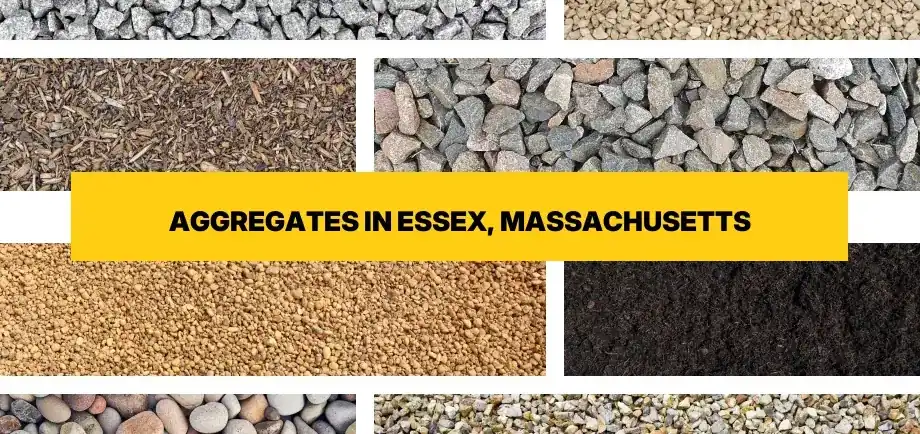
Bulk Aggregate & Gravel Products in Essex, Massachusetts
Local Topsoil, Dirt, Sand, Rocks and Gravel near me in Essex, Massachusetts
Shop Aggregates for Delivery in Essex
Order online for free delivery to any Essex address.


Gravel Monkey is your trusted source for premium aggregates and construction materials delivery in Essex, Massachusetts. Whether you're renovating a historic colonial home along Main Street, building a new driveway near Conomo Point, or managing drainage issues around Essex River marshlands, we deliver high-quality aggregates directly to your property with completely free delivery throughout the North Shore region.
Comprehensive Aggregate Selection for Essex Properties
Essex homeowners and contractors face unique challenges—from sandy coastal soils near Robbins Island to the historic character requirements of John Wise Avenue properties. Our complete range of aggregates addresses these specific needs while meeting the demands of New England's dramatic seasonal changes and the town's coastal environment.
We proudly serve all Essex neighborhoods including historic Essex Center, the Apple Street residential area, waterfront properties along Conomo Point, island homes on Robbins Island, and developments throughout this scenic coastal community. Our materials are specifically selected to perform well in Essex's glacial till and marine clay soils, which can present drainage and stability challenges.
- Driveway Gravel - Durable base material engineered for New England freeze-thaw cycles
- 3/4 inch Crushed Stone - Versatile aggregate for foundations and drainage applications
- #57 Stone - Standard crushed stone ideal for French drains and septic systems
- Crusher Run - Compactable base that locks together for stable driveways
- Road Base - Heavy-duty foundation material for long-lasting surfaces
- Pea Gravel - Smooth decorative stone perfect for coastal landscaping
- River Rock - Natural aesthetic stone for gardens and water features
- Walkway Gravel - Specialized material for comfortable, stable pedestrian paths
- Drain Rock - Essential for managing high water tables near marsh areas
- Crushed Concrete - Eco-friendly recycled aggregate for sustainable projects
- Topsoil - Nutrient-rich soil for gardens and lawn establishment
- Fill Dirt - Clean fill for grading and elevation adjustments
- Mason Sand - Fine-grade sand for mortar and masonry work
- Playground Sand - Safety-certified sand for children's play areas
- Washed Sand - Clean sand for various construction applications
- Decomposed Granite - Natural-looking permeable surface material
Aggregates for Essex's Unique Coastal Environment
Essex sits at the confluence of the Essex River and several tidal creeks, creating a beautiful but challenging environment for construction and landscaping. The town's glacial history left behind a complex mixture of sandy soils, marine clay deposits, and rocky glacial till. Properties near the Essex River marshes and along Conomo Point deal with high water tables, while homes in the Apple Street area encounter the typical sandy loam soils common throughout coastal Massachusetts.
Understanding these soil conditions is critical when selecting aggregates. The marine clay found in many Essex properties has poor drainage characteristics and can expand when wet, making proper aggregate selection essential for stable driveways and foundations. Meanwhile, the sandy soils near Robbins Island and waterfront areas require materials that compact well and resist erosion from tidal influences and storm surge.
Climate Considerations for North Shore Aggregates
Essex experiences true New England weather with average winter temperatures dropping to 20-30°F and summer highs reaching 75-85°F. The coastal location moderates extreme temperatures but increases humidity and salt exposure. Annual precipitation averages 45-48 inches, with significant snowfall accumulation from December through March. These freeze-thaw cycles are particularly hard on driveways and require aggregates that allow proper drainage to prevent heaving and cracking.
The proximity to the Atlantic Ocean means Essex properties face additional challenges from salt spray, coastal winds, and occasional nor'easter storm surge. Materials must be selected not just for structural performance but also for durability in this marine environment. Properties along Southern Avenue and near Conomo Point particularly benefit from aggregates that handle both moisture and salt exposure without degrading.
Choosing the Right Aggregate for Your Essex Project
Driveway Solutions for Essex Properties
Essex driveways face unique challenges from winter weather, sandy soils, and high water tables. Whether you're maintaining a historic property on Main Street or building a new driveway near the Essex River, proper base preparation and material selection ensure longevity. Most Essex residential driveways benefit from a layered approach using our aggregate products.
Start with a solid foundation using road base or crusher run for the bottom layer, typically 4-6 inches deep. These materials compact tightly and create a stable platform even in sandy or wet conditions. The crusher run naturally binds together when compacted, resisting the shifting that can occur in Essex's varied soil conditions. For the top surface layer, our driveway-specific aggregates provide the finished appearance while maintaining excellent drainage.
Properties in flood-prone areas or near the marsh should pay special attention to drainage. Installing drain rock along the driveway edges helps move water away from the driving surface, preventing the pooling that accelerates deterioration. This is particularly important for homes in the Apple Street neighborhood and along Southern Avenue where water tables can rise during spring thaw and heavy rain events.
Foundation and Drainage Applications
Essex's high water table and coastal location make foundation drainage absolutely critical. Many older homes in historic Essex Center were built before modern drainage systems were standard, and retrofitting proper drainage can prevent basement flooding and foundation damage. Our drain rock and #57 stone are specifically sized to allow water flow while preventing soil migration.
French drains installed around Essex foundations should use drain rock or clean crushed stone surrounded by geotextile fabric. This prevents the sandy and clay soils common in Essex from clogging the drainage system over time. Properties near the tidal marshes especially benefit from comprehensive drainage systems that handle both groundwater and storm runoff. The decomposed granite we supply also works excellently as a permeable surface material around foundations, allowing water to percolate naturally while providing an attractive finished appearance.
Landscaping Aggregates for Coastal Gardens
Essex's maritime climate and salt exposure create unique landscaping challenges. The pea gravel and river rock we deliver work beautifully in coastal gardens, providing erosion control while complementing the natural New England aesthetic. These rounded aggregates are gentle on bare feet—important for properties with beach access along Conomo Point or near Robbins Island.
Walkway gravel creates stable, permeable paths through gardens and between buildings without the formality of hardscaping. This is particularly appropriate for historic Essex properties where maintaining character is important. The material drains well, preventing puddles and ice buildup during winter months. Many Essex homeowners use our river rock around plantings and garden beds both for weed suppression and visual appeal, creating low-maintenance landscapes that withstand salt spray and coastal winds.
| Aggregate Type | Best Applications | Drainage Rating | Compaction | Essex Soil Compatibility |
|---|---|---|---|---|
| Crusher Run | Driveway base, parking areas | Good | Excellent | Works well in sandy soils |
| Road Base | Heavy-duty driveways, roads | Good | Excellent | Ideal for all Essex soil types |
| #57 Stone | French drains, septic systems | Excellent | Moderate | Perfect for high water table areas |
| Drain Rock | Foundation drainage, swales | Excellent | Low | Essential near marsh areas |
| 3/4 inch Crushed Stone | General construction, fill | Very Good | Good | Versatile for most projects |
| Pea Gravel | Landscaping, pathways | Good | Low | Excellent for coastal gardens |
| Crushed Concrete | Eco-friendly driveways, base | Good | Very Good | Cost-effective for large areas |
| Mason Sand | Masonry, under pavers | Moderate | Good | Works in all Essex applications |
Free Delivery Throughout Essex and Surrounding Communities
Gravel Monkey provides complimentary delivery to every corner of Essex and the broader North Shore region. We know the unique access challenges of different neighborhoods—from the narrow colonial-era streets near Main Street to the waterfront properties along the Essex River. Our experienced drivers navigate Essex's roads safely and efficiently, respecting the historic character of this coastal community.
Essex Neighborhoods We Serve
We deliver aggregates throughout Essex including:
- Historic Essex Center - Main Street, John Wise Avenue, and surrounding historic district
- Conomo Point - Waterfront properties and beach access areas
- Robbins Island - Island properties and causeway access homes
- Apple Street Area - Residential neighborhoods and family homes
- Southern Avenue - Properties along Essex River marshlands
- Eastern Avenue - Coastal residential developments
- Choate Street - Inland residential areas
- Essex River District - Properties with marsh and river views
We also serve surrounding North Shore communities including Gloucester, Manchester-by-the-Sea, Ipswich, Hamilton, Wenham, Beverly, and Topsfield. Whether your project is a small residential repair or a large commercial development, Gravel Monkey delivers the aggregates you need when you need them.
Technical Guidance for Essex Construction Projects
Soil Testing and Preparation
Before any major aggregate project in Essex, understanding your soil composition is valuable. The Massachusetts Department of Environmental Protection provides soil surveys that identify whether your property has sandy soils, marine clay, or glacial till. This information helps determine proper excavation depth, drainage requirements, and aggregate selection. Properties built on filled land near the marsh areas particularly benefit from soil analysis before driveway or foundation work.
Many Essex properties have a mix of soil types, with sandy topsoil over clay subsoil or layers of glacial till. When installing driveways or drainage systems, excavating to stable subsoil ensures your aggregate base has a solid foundation. The marine clay found in many coastal areas has high shrink-swell potential—it expands when wet and contracts when dry. Proper drainage using our drain rock prevents water from saturating these clay layers.
Calculating Aggregate Quantities
Determining how much aggregate you need prevents both shortages and excess costs. For driveway projects, measure the area in square feet and multiply by the desired depth in feet. A typical residential driveway uses 4-6 inches of base material. Convert to cubic yards by dividing by 27. For example, a 12-foot by 50-foot driveway at 4 inches deep requires approximately 7.4 cubic yards of aggregate.
Essex properties with poor drainage or soft soils may require deeper aggregate bases—sometimes 8-10 inches to ensure stability. Our team at Gravel Monkey helps calculate exact quantities based on your specific site conditions. It's generally wise to order slightly more than calculated to account for compaction and irregular subgrade conditions common in Essex.
Installation Best Practices
Proper installation maximizes the performance and lifespan of your aggregate investment. Begin by excavating to stable subsoil, removing all organic material, roots, and soft spots. Install geotextile fabric as a separation layer—this prevents Essex's sandy and clay soils from migrating into your aggregate base over time, which would reduce drainage and stability.
Spread the base aggregate in lifts (layers) no more than 4 inches thick before compaction. Compact each lift thoroughly with a plate compactor or roller. This is especially important in Essex where sandy soils and high water tables can cause settling. The crusher run or road base should be brought to grade and compacted to 95% density. For the top layer, our finished aggregates provide the final surface while maintaining permeability.
Edge restraints are important for aggregates that don't bind together, like pea gravel or river rock. Use landscape edging, timber, or stone borders to contain the material and maintain clean lines. This is particularly important on sloped properties common throughout Essex, where unrestrained aggregates may migrate downhill during heavy rain events.
Seasonal Maintenance for Essex Aggregates
New England's dramatic seasons require different maintenance approaches throughout the year. Spring in Essex typically brings heavy rainfall and snowmelt, which can wash fine particles from aggregate surfaces and expose low spots. Rake aggregate surfaces smooth and add fresh material to areas that have settled or eroded. Check drainage systems to ensure they're not clogged with winter debris or sediment from nearby marsh areas.
Summer maintenance focuses on weed control and replenishing material displaced by spring weather. While aggregates naturally suppress weeds better than bare soil, some growth is inevitable in Essex's humid summers. Apply landscape fabric before installation or use eco-friendly weed preventers to maintain clean appearance. The playground sand and washed sand we supply should be raked regularly during summer months to prevent compaction and maintain safe, clean play surfaces.
Fall preparation involves clearing leaves and organic debris that can stain aggregates and promote weed growth. This is especially important for properties near wooded areas along Choate Street or Eastern Avenue. Grade and smooth any areas that have developed ruts or depressions before winter. Winter requires snow removal practices that protect aggregate surfaces—use plastic-edged shovels rather than metal to prevent gouging, and apply sand rather than excessive salt which can accelerate deterioration of some aggregate materials.
Long-Term Performance
Well-installed aggregate surfaces in Essex typically last 10-15 years with minimal maintenance. The key to longevity is proper drainage—water is the enemy of any aggregate installation. Ensure gutters direct roof runoff away from aggregate areas, and maintain drainage swales or French drains to prevent water accumulation. Properties near the Essex River marshes should inspect drainage systems annually, as silt and organic material from tidal areas can gradually reduce drainage effectiveness.
Over time, you'll need to add a top dressing of fresh aggregate to replace material lost to weathering and use. This is normal and expected, typically needed every 3-5 years. The frequency depends on traffic levels, slope, and exposure to weather. Essex properties with significant grade changes or high vehicle traffic may require more frequent top-up applications. We make this easy with convenient delivery of any quantity needed.
Sustainable Aggregate Solutions for Essex
As a coastal community with sensitive marsh ecosystems, Essex residents understand the importance of environmentally responsible construction practices. The aggregates we supply support sustainable building in several ways. Permeable aggregate surfaces allow rainwater to infiltrate naturally rather than running off into storm drains and eventually the Essex River, reducing pollutant loading and helping maintain healthy water quality in this important estuary.
Our crushed concrete offers an excellent recycled alternative to virgin stone aggregates. This material performs comparably to natural crushed stone for many applications while reducing landfill waste and the environmental impact of quarrying. It's particularly well-suited for Essex projects where sustainability aligns with historic preservation values—using reclaimed materials honors the resourcefulness of earlier generations.
Proper aggregate installation also reduces long-term environmental impact by minimizing erosion. The sandy soils near Conomo Point and Robbins Island are particularly vulnerable to erosion from wind and water. Strategic use of river rock, pea gravel, and other aggregates stabilizes soil while maintaining natural permeability. This protects water quality in the Essex River and coastal areas that support important fisheries and wildlife habitat.
Frequently Asked Questions About Aggregate Delivery in Essex
For driveways with drainage issues, we recommend a deep base of road base or crusher run (at least 6-8 inches) topped with our driveway gravel. Install drain rock along the edges to channel water away, and ensure the driveway is crowned to shed water to the sides. Properties near marsh areas may also benefit from raising the driveway grade slightly above surrounding ground level.
Install proper edging before placing pea gravel—options include plastic landscape edging, pressure-treated timbers, granite curbing, or natural stone borders. The edging should extend about 2 inches above the gravel surface and be set deep enough to remain stable. This is especially important on sloped properties common in Essex where gravity naturally pulls loose aggregates downhill.
It depends on the existing surface and its condition. You can sometimes install new aggregates over old gravel if the base is stable and properly draining. However, surfaces over organic material, soft clay, or degraded asphalt should be removed first. Essex properties with sandy soils generally have better success with overlay applications than those with clay-heavy soils that may have shifted or settled.
Septic leach fields in Essex require clean, angular stone that allows proper wastewater infiltration and air circulation. Our drain rock or #57 stone are ideal choices—they're specifically sized to prevent soil migration while maximizing drainage. Essex's high water table makes proper aggregate selection even more critical for septic system performance.
For properties with clay soils or poor drainage, order 15-20% more aggregate than basic calculations suggest. Clay subgrades often have soft spots that require more fill, and deeper bases are needed for stability. Essex properties near the marshes with marine clay particularly benefit from the extra material. It's better to have extra than to stop a project waiting for more delivery.
Most aggregates are unaffected by road salt, though excessive salt can accelerate weathering of some softer stone types. The bigger concern is salt preventing proper aggregate compaction during winter months and contaminating soil at driveway edges. Use salt sparingly on aggregate driveways—sand mixed with minimal salt provides traction without the environmental drawbacks. Properties near the coast already deal with salt spray, so winter road salt is rarely a primary concern.
Most residential aggregate projects don't require permits, but properties within Essex's historic districts may need approval from the Historical Commission for visible improvements. Driveways, walkways, and landscaping features visible from public ways typically require review to ensure compatibility with the historic character. Check with the Essex Town Hall before starting projects in historic areas, particularly along Main Street and John Wise Avenue.
Washed sand has been processed to remove silt, clay, and organic material, making it cleaner and more consistent than unwashed sand. For projects requiring precise specifications—like under pavers, in concrete mixes, or for sandboxes—washed sand is preferable. Mason sand is also washed and graded to specific standards for mortar and masonry work. For general fill applications where cost is a concern, unwashed sand may be adequate.
Professional Aggregate Delivery Serving All of Essex
Whether you're restoring a historic property in Essex Center, building a new home near Conomo Point, or improving drainage around your Apple Street residence, Gravel Monkey delivers the quality aggregates your project demands. Our free delivery throughout Essex and the North Shore ensures you get the materials you need without the hassle of pickup or rental trucks.
We understand Essex's unique combination of coastal environment, historic character, and challenging soil conditions. Our aggregates are selected to perform in this specific setting, providing lasting value for residential and commercial projects alike. From small landscaping applications to major driveway installations, we supply the right materials in the right quantities exactly when you need them.
Essex property owners trust us for reliable delivery, quality aggregates, and expert guidance on material selection. We're familiar with local soil conditions, drainage challenges, and the requirements of building in this beautiful coastal community. Our commitment to customer service means we're here to answer questions, help with quantity calculations, and ensure your complete satisfaction with every delivery.

Need help? Reach out for a quote: