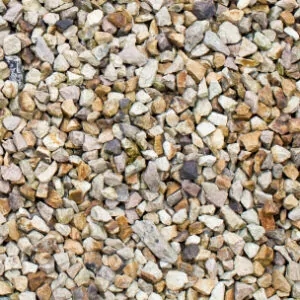
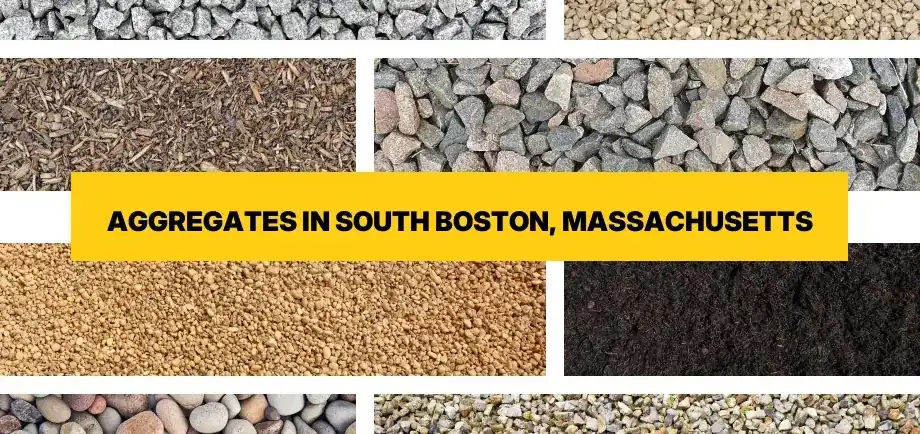
Shop Bulk Materials & Gravel in South Boston, Massachusetts
Local Topsoil, Dirt, Sand, Rocks and Gravel near me in South Boston, Massachusetts
Shop Aggregates for Delivery in South Boston
Order online for free delivery to any South Boston address.
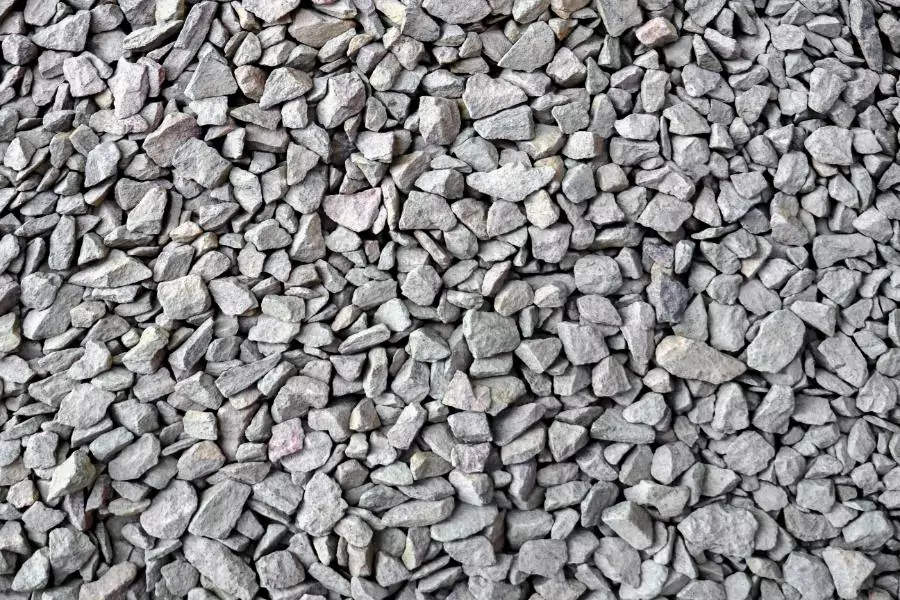
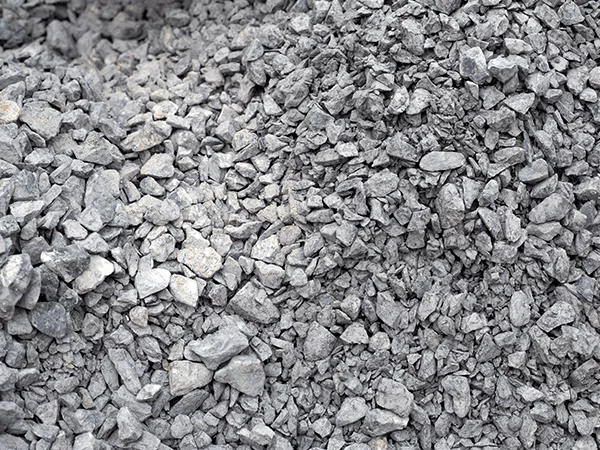


Gravel Monkey delivers high-quality aggregates and construction materials throughout South Boston, Massachusetts. From historic row houses in City Point to new developments near the Seaport District, we provide free delivery of premium gravel, crushed stone, sand, and soil products directly to your property. Whether you're renovating a classic triple-decker in Andrew Square or building new infrastructure near the Reserved Channel, our comprehensive selection of aggregates meets the unique demands of South Boston's diverse neighborhoods.
Complete Aggregate Selection for South Boston Projects
South Boston's proximity to Boston Harbor, varied soil conditions, and mix of historic and modern construction requires carefully selected materials. Gravel Monkey supplies a full range of aggregates designed to perform in coastal New England conditions:
- Driveway Gravel - Durable base material engineered for Massachusetts freeze-thaw cycles
- 3/4 inch Crushed Stone - Versatile aggregate for foundations and driveways throughout Southie
- #57 Stone - Industry-standard aggregate for drainage and concrete work
- Crusher Run - Compactable base for stable driveways and parking areas
- Pea Gravel - Decorative stone for gardens and pathways near Telegraph Hill
- River Rock - Natural aesthetic enhancement for waterfront properties
- Topsoil - Nutrient-rich soil for South Boston gardens and green spaces
- Fill Dirt - Essential grading material for elevation and drainage correction
- Crushed Concrete - Sustainable recycled aggregate for eco-conscious projects
- Drain Rock - Critical for managing moisture in coastal South Boston locations
- Road Base - Heavy-duty foundation for commercial driveways and parking lots
- Mason Sand - Fine sand for brickwork and paver installation
- Washed Sand - Clean sand for precise construction applications
- Playground Sand - Safe, soft sand for residential play areas
- Walkway Gravel - Attractive, functional aggregate for pedestrian paths
- Decomposed Granite - Natural-looking material for modern hardscaping designs
Serving Every South Boston Neighborhood
We deliver aggregates throughout South Boston's distinct communities, each with unique construction considerations:
City Point properties near Castle Island and Pleasure Bay often require enhanced drainage solutions due to proximity to Boston Harbor. The Marine silt loam soil common in this waterfront area benefits from proper aggregate bases. Our drain rock and road base materials help manage groundwater and prevent settling in this historic neighborhood where many residents are upgrading driveways and creating outdoor living spaces with views of Dorchester Bay.
The Seaport District continues rapid commercial and residential development, demanding high-performance aggregates for new construction. This former industrial area built on reclaimed land requires careful attention to soil composition and drainage. Contractors working near Fort Point Channel and Innovation District rely on our crusher run and road base for stable foundations that accommodate South Boston's challenging subsurface conditions.
Telegraph Hill features some of South Boston's highest elevations, with historic homes and new construction requiring quality materials. The neighborhood's mix of bedrock outcrops and urban fill soil creates variable conditions. Our 3/4 inch crushed stone provides excellent compaction for driveways serving homes along Thomas Park, while topsoil and fill dirt help homeowners create level yards on sloping lots with views extending to Boston Harbor Islands.
Andrew Square connects South Boston to Dorchester, hosting both residential triple-deckers and commercial properties. This transit-oriented neighborhood sees constant renovation activity, with contractors needing reliable aggregate delivery for foundation work, parking areas, and utility repairs. The area's urban fill soil composition means proper base materials are essential for long-lasting driveways and walkways that withstand heavy use near the MBTA Red Line station.
West Broadway corridor properties stretch from Broadway Station toward the waterfront, encompassing diverse residential and mixed-use developments. Properties here benefit from our complete range of aggregates for everything from basement drainage systems to decorative landscaping. The neighborhood's proximity to the Reserved Channel means moisture management remains crucial, making our drain rock particularly valuable for foundation perimeter systems.
Fort Point represents South Boston's creative and tech hub, with converted warehouses and new luxury developments requiring commercial-grade materials. The area's industrial heritage means contractors often encounter variable soil conditions during renovation projects. We supply aggregates for everything from courtyard installations to loading dock repairs, helping preserve the neighborhood's historic character while supporting modern infrastructure needs near the Fort Point Channel.
Understanding South Boston's Geology and Climate
South Boston occupies a peninsula extending into Boston Harbor, with unique geological characteristics shaped by glacial activity and centuries of human modification. The neighborhood sits primarily on marine deposits, drumlins, and extensive areas of urban fill dating back to the 1800s when tidal flats were filled to create developable land.
The underlying geology includes Roxbury Conglomerate bedrock in higher elevations like Telegraph Hill, overlain by glacial till and marine clays in lower-lying areas. Much of South Boston's buildable land consists of engineered fill composed of demolition debris, sand, gravel, and other materials used to expand the neighborhood's footprint. This heterogeneous soil composition creates highly variable conditions for construction, making proper aggregate selection critical for stable foundations and effective drainage.
South Boston experiences typical New England maritime climate patterns with cold, snowy winters and warm, humid summers. Average January temperatures hover around 29°F, while July averages reach 74°F. The peninsula location moderates temperature extremes compared to inland areas, but proximity to Boston Harbor means properties face increased moisture exposure, salt air, and occasional flooding concerns in low-lying areas.
Annual precipitation averages 43 inches, distributed relatively evenly throughout the year. Winter snowfall typically totals 45-50 inches, with significant freeze-thaw cycling that challenges pavement and hardscape installations. This cycling causes frost heave in poorly drained soils, making well-compacted aggregate bases essential for driveways, walkways, and foundations throughout South Boston neighborhoods.
Material Selection for Coastal Massachusetts Conditions
South Boston's coastal location and engineered soils demand aggregates that address specific performance requirements. Properties on marine fill require enhanced drainage solutions to prevent water accumulation and soil settlement. Our drain rock and crusher run create stable, free-draining bases that resist the compaction failures common in poorly prepared sites.
Freeze-thaw durability represents another critical factor. Aggregates must withstand repeated winter freezing without degrading or allowing water infiltration that causes heaving. Angular crushed stone products compact more effectively than rounded materials, creating interlocking structures that resist movement during temperature cycles. This makes our driveway gravel and road base particularly effective for South Boston applications where winter conditions stress pavement systems.
Salt exposure from coastal air and winter road treatment requires aggregates that maintain stability despite chemical contact. Our crushed stone products resist degradation from salt exposure better than some natural materials, ensuring long-term performance in this challenging environment. For properties near Castle Island or along Day Boulevard, selecting appropriate aggregates prevents premature deterioration of hardscape installations.
Aggregate Comparison Guide for South Boston Projects
Different projects throughout South Boston demand specific aggregate characteristics. This comparison helps you select the right material for your application:
| Aggregate Type | Best South Boston Applications | Drainage Rating | Compaction | Coastal Suitability |
|---|---|---|---|---|
| Crusher Run | Driveway base, parking areas, foundations | Good | Excellent | High |
| 3/4" Crushed Stone | General purpose, drainage, under slabs | Excellent | Very Good | High |
| #57 Stone | Drainage systems, concrete aggregate | Excellent | Good | High |
| Road Base | Heavy traffic areas, commercial driveways | Good | Excellent | Very High |
| Drain Rock | Foundation drains, French drains, retaining walls | Superior | Moderate | Very High |
| Pea Gravel | Pathways, decorative landscaping, gardens | Very Good | Poor | Moderate |
| River Rock | Decorative applications, dry creek beds | Good | Poor | Moderate |
| Crushed Concrete | Budget driveways, utility trenches, fill | Good | Very Good | High |
| Mason Sand | Brick/block laying, paver bases | Poor | Good | Moderate |
| Decomposed Granite | Modern pathways, natural landscaping | Fair | Good | Moderate |
Common Aggregate Applications in South Boston
Residential Driveways and Parking
South Boston's dense residential neighborhoods feature narrow lots and limited parking, making driveway condition critical for property value and daily convenience. Traditional driveways serving triple-deckers in Andrew Square or City Point require durable bases that resist the stress of repeated vehicle traffic combined with harsh winter conditions.
Proper driveway installation begins with excavation to address South Boston's variable soil conditions. Urban fill and marine deposits require removal to solid bearing material, typically 12-18 inches deep. A geotextile fabric layer prevents subgrade mixing with aggregate base materials. The base layer uses crusher run or road base compacted in 4-inch lifts, creating a stable platform that resists settlement and frost heave.
Top layers utilize driveway gravel or additional crusher run, finished to proper grade for water runoff. South Boston's coastal moisture exposure makes drainage planning essential. Crown the driveway center slightly higher than edges, directing water away from structures toward street drainage systems or permeable areas. This prevents water accumulation that accelerates freeze-thaw damage during Massachusetts winters.
Foundation Drainage Systems
South Boston's high water table and marine soil composition make foundation drainage systems essential for dry basements and stable structures. Properties throughout the neighborhood, particularly in lower-lying areas near Fort Point Channel, benefit from properly designed perimeter drain systems using appropriate aggregates.
Foundation drainage requires drain rock or #57 stone around perforated drain pipes. These angular aggregates create void spaces that allow water to flow freely toward collection points while preventing soil infiltration that clogs pipes. Install geotextile fabric around the aggregate to separate it from surrounding soil, maintaining long-term drainage capacity despite South Boston's silty marine soils.
The drain system should extend from footer level to just below finished grade, typically 18-24 inches wide. Slope pipes minimum 1/4 inch per foot toward daylight discharge points or sump pump systems. This design prevents hydrostatic pressure buildup against foundation walls, reducing moisture infiltration and structural stress common in South Boston's moisture-prone environment.
Landscaping and Hardscaping Projects
South Boston residents increasingly invest in outdoor living spaces, maximizing small yards with patios, fire pits, and decorative landscaping. These projects require aggregates ranging from functional bases to aesthetic top layers that complement the neighborhood's evolving character.
Paver patios start with 6-8 inches of compacted crusher run base, providing stability and drainage beneath stone or concrete pavers. Mason sand creates a 1-inch bedding layer allowing precise paver placement and leveling. Edge restraints contain the system, preventing lateral movement from foot traffic and furniture weight. This assembly creates durable outdoor spaces that withstand South Boston's climate extremes.
Decorative applications utilize pea gravel for pathway borders, mulch alternatives, and zen garden designs popular in Telegraph Hill and Seaport District properties. River rock creates visual interest in planting beds and around specimen trees. Walkway gravel provides attractive, permeable surfaces for secondary paths connecting front entries to side yards or rear gardens. These materials add texture and color while reducing maintenance compared to traditional mulch or grass.
Commercial and Municipal Applications
South Boston's commercial corridors and public spaces require heavy-duty aggregates that withstand intensive use. Business parking lots, loading areas, and municipal infrastructure demand materials engineered for durability and longevity under challenging conditions.
Commercial parking lots utilize road base or crusher run in 8-12 inch depths, compacted to 95% density for maximum load-bearing capacity. These bases support regular truck traffic serving restaurants, retail, and industrial properties throughout the neighborhood. Proper compaction prevents rutting and settling that create maintenance headaches and liability concerns.
Municipal projects including street repairs, utility trenches, and public space improvements rely on standardized aggregate specifications. Public works departments specify materials meeting Massachusetts DOT standards for gradation, angularity, and durability. Our aggregates comply with these requirements, ensuring long-lasting performance in infrastructure serving South Boston's growing population.
Aggregate Delivery Throughout South Boston
Gravel Monkey provides free delivery of all aggregate products to residential and commercial properties across South Boston. Our service area includes City Point, Seaport District, Telegraph Hill, Andrew Square, West Broadway, Fort Point, and surrounding neighborhoods extending to neighboring Dorchester and downtown Boston.
Delivery logistics in South Boston require careful planning due to narrow streets, limited parking, and dense development patterns. Our experienced drivers navigate the neighborhood's grid street system efficiently, accessing properties via primary routes including Broadway, East Broadway, West Broadway, and Day Boulevard. We coordinate delivery timing to minimize disruption to neighbors and comply with local parking regulations.
Material placement depends on site accessibility and project requirements. Curbside delivery works for most locations, placing aggregates adjacent to your property for convenient access. For properties with driveway access, we can often place materials closer to work areas, reducing wheelbarrow transport distances. Discuss placement options when ordering to optimize delivery for your specific South Boston location.
Calculating Material Quantities
Accurate quantity estimation prevents material shortages or expensive overages. Calculate required aggregate volume using length times width times depth measurements, converting to cubic yards by dividing by 27 (the number of cubic feet in a cubic yard).
For example, a typical South Boston driveway measuring 20 feet wide by 40 feet long requiring 4 inches (0.33 feet) of base material needs: 20 × 40 × 0.33 = 264 cubic feet ÷ 27 = 9.8 cubic yards. Round up to 10 cubic yards to ensure complete coverage accounting for compaction and minor variations.
Different aggregates have varying densities and compaction characteristics. Crusher run and road base compact significantly, losing 15-20% volume during compaction. Looser materials like pea gravel or river rock experience minimal compaction. Our team helps you calculate appropriate quantities considering these factors and your specific South Boston application.
Installation Best Practices for South Boston Conditions
Site Preparation Requirements
Proper site preparation determines aggregate installation success in South Boston's challenging soil conditions. Begin by removing vegetation, topsoil, and unsuitable material to expose stable bearing soil. In areas with thick urban fill or marine deposits, excavation may extend 18-24 inches below finished grade.
Grade the excavated area to promote drainage away from structures and toward collection points. A 2% slope (1/4 inch per foot) provides adequate water movement without creating erosion concerns. Compact the subgrade using a plate compactor or roller, achieving density that prevents future settlement.
Install geotextile fabric over prepared subgrade before placing aggregates. This separation layer prevents fine soil particles from migrating upward into aggregate, which causes contamination and drainage failure. Overlap fabric edges 12 inches and secure with landscape staples, creating continuous separation throughout the installation area.
Compaction Techniques
Compaction transforms loose aggregate into stable, load-bearing surfaces. South Boston applications require proper compaction to resist frost heave and prevent settling common in coastal areas with variable moisture conditions.
Place aggregates in maximum 4-inch lifts (loose measurement), compacting each layer before adding the next. This approach ensures uniform density throughout the base depth. Use plate compactors for most residential applications or larger vibratory rollers for commercial projects and extensive driveway installations.
Make multiple passes with compaction equipment, changing direction each pass to eliminate voids. Properly compacted crusher run or road base should show minimal movement when walked on and no visible looseness when raked. Test by attempting to displace material with a shovel – well-compacted aggregate resists penetration significantly.
Seasonal Installation Considerations
South Boston's climate affects aggregate installation timing and techniques. Spring and fall offer ideal conditions with moderate temperatures and lower precipitation. Summer heat makes physical work more challenging but allows rapid compaction and settling. Winter installations are possible during mild periods but avoid frozen ground that prevents proper compaction.
Avoid installing aggregates during heavy rain or immediately after, when excessive moisture prevents proper compaction. Saturated subgrade behaves plastically under equipment weight, creating uneven surfaces and reducing long-term stability. Wait for surface water to drain and subgrade to reach workable moisture content.
Spring installation should account for frost-damaged soil that may remain weak until fully thawed. Allow extra time for subgrade preparation and consider deeper excavation in areas with obvious winter heaving or settlement. These precautions ensure reliable performance despite South Boston's challenging seasonal transitions.
Frequently Asked Questions About Aggregates in South Boston
Crusher run or road base provides the best driveway performance in South Boston conditions. These materials compact densely, creating stable bases that resist frost heave during Massachusetts winters. The angular aggregate particles interlock effectively, preventing the settling common in coastal areas with variable soil conditions. For top layers, driveway gravel offers durability and drainage while maintaining attractive appearance suitable for residential neighborhoods throughout Southie.
Base depth depends on application and soil conditions. Residential driveways typically require 8-12 inches of compacted aggregate base. Commercial parking areas and heavy traffic zones need 12-16 inches. Properties on soft marine fill or urban fill may require deeper excavation and thicker bases to reach stable bearing material. Foundation drainage systems use 18-24 inches of drain rock around perimeter pipes. Our team assesses your specific South Boston location and recommends appropriate depths.
Yes, proximity to Boston Harbor influences material selection. Coastal moisture exposure and salt air require aggregates that resist degradation from these conditions. Angular crushed stone products like crusher run and road base perform better than rounded materials in high-moisture environments. Enhanced drainage becomes critical near the waterfront, making drain rock and properly graded aggregates essential for preventing water accumulation that accelerates freeze-thaw damage during winter months.
Absolutely! Crushed concrete provides excellent performance for many South Boston applications while supporting environmental sustainability. This recycled material works effectively for driveway bases, utility trenches, and general fill applications. Crushed concrete compacts well and offers similar drainage characteristics to virgin crushed stone at lower cost. Many South Boston contractors and homeowners choose recycled materials for budget-conscious projects without sacrificing quality or longevity.
South Boston's marine soils and engineered fill require careful drainage planning. Install foundation perimeter drains using drain rock or number 57 stone around perforated pipes, directing water away from structures. Grade all hardscape installations to promote runoff toward appropriate collection points. Use crusher run or road base for driveway and patio bases, as these materials drain effectively while providing stability. Consider French drains in low-lying areas or where standing water occurs after rain events common in coastal Massachusetts.
Walkway gravel creates attractive, permeable paths ideal for residential properties throughout South Boston. This material compacts moderately while remaining comfortable underfoot, making it perfect for garden paths and secondary walkways. For more formal applications, consider pea gravel which offers smooth texture and decorative appeal. Both materials drain excellently, preventing the puddles and ice buildup that create hazards during South Boston winters. Edge restraints keep materials contained and maintain clean borders.
Gravel Monkey provides FREE delivery throughout South Boston and surrounding Massachusetts communities. We deliver all aggregate products at no additional charge, making professional materials accessible for residential and commercial projects. Pricing depends on material type and quantity ordered, with bulk orders offering better value per cubic yard. Contact us for specific pricing on crusher run, crushed stone, sand, topsoil, and other materials delivered directly to your City Point, Seaport, Telegraph Hill, or Andrew Square property.
Spring through fall offers optimal installation conditions in South Boston. April through November provides moderate temperatures and generally drier weather suitable for excavation, aggregate placement, and compaction. Summer installations work well despite heat, as dry conditions promote efficient compaction. Avoid winter installation on frozen ground, though mild winter days allow limited work. Schedule larger projects during dry periods when subgrade moisture content permits proper compaction for long-lasting results in South Boston coastal climate.
Get Started with Your South Boston Aggregate Project
Gravel Monkey simplifies aggregate delivery throughout South Boston, Massachusetts. Our comprehensive selection, free delivery, and local expertise help you complete residential and commercial projects successfully. From foundation drainage systems in City Point to commercial parking lots in the Seaport District, we supply quality materials that perform in coastal New England conditions.
Order online or contact our team to discuss your specific project requirements. We help you select appropriate aggregates for South Boston's unique soil conditions, calculate accurate quantities, and schedule convenient delivery to your property. Whether you're a homeowner improving a Telegraph Hill residence or a contractor managing multiple sites across Andrew Square, Gravel Monkey provides reliable aggregate supply and service throughout the neighborhood.
Experience the difference professional aggregate delivery makes for your South Boston project. Our commitment to quality materials, accurate quantities, and on-time service ensures your installation proceeds smoothly from start to finish. Contact us today to receive free delivery of premium aggregates to any South Boston location.

Need help? Reach out for a quote: