Shop Sand, Stone & Gravel in Gardner, Massachusetts
Local Topsoil, Dirt, Sand, Rocks and Gravel near me in Gardner, Massachusetts
Shop Aggregates for Delivery in Gardner
Order online for free delivery to any Gardner address.


Gravel Monkey delivers high-quality aggregates and bulk materials throughout Gardner, Massachusetts, with absolutely free delivery to your property. Whether you're building a new driveway in West Gardner, installing drainage near Crystal Lake, or tackling a landscaping project downtown, we supply the premium materials your project demands. Our comprehensive selection of crushed stone, gravel, sand, and soil products serves residential homeowners, commercial contractors, and municipal projects across the Chair City and surrounding North Central Massachusetts communities.
Complete Aggregate Selection for Gardner Projects
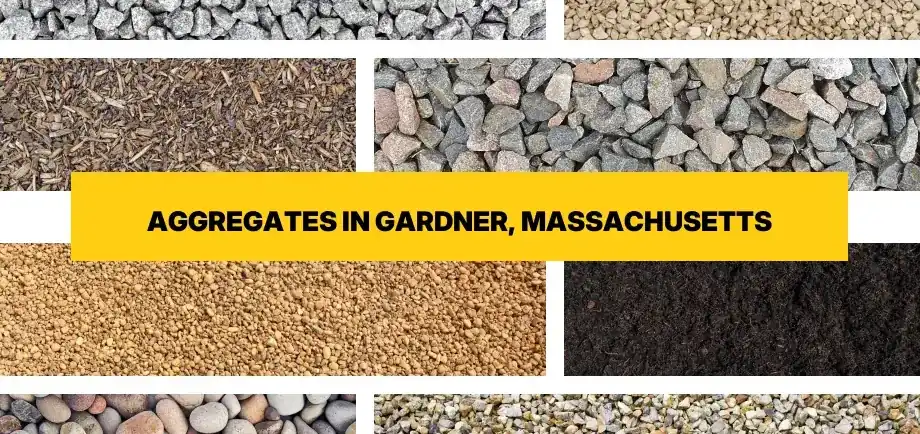
From the historic downtown district to the residential neighborhoods around Mount Wachusett, Gardner properties benefit from professional-grade aggregates suited to local soil conditions and climate patterns. Our inventory includes materials specifically selected for New England construction and landscaping needs:
- Driveway Gravel - Compactable surface for lasting residential and commercial driveways
- 3/4 inch Crushed Stone - Versatile aggregate for foundations, drainage, and driveway base
- #57 Stone - Industry-standard drainage stone for construction applications
- Crusher Run - Compacts to solid base layer for roads and parking areas
- Road Base - Stabilizing foundation material for driveways and access roads
- Drain Rock - Angular stone for French drains and foundation drainage systems
- Pea Gravel - Smooth decorative stone for walkways and garden beds
- River Rock - Natural aesthetic for water features and landscaping accents
- Walkway Gravel - Comfortable surface material for garden paths and trails
- Crushed Concrete - Eco-friendly recycled aggregate for sustainable building
- Decomposed Granite - Natural-looking compactable material for pathways
- Topsoil - Nutrient-rich soil for gardens, lawns, and planting beds
- Fill Dirt - Clean fill for grading, leveling, and construction projects
- Mason Sand - Fine sand for masonry, pavers, and concrete mixing
- Playground Sand - Safe, clean sand for play areas and sandboxes
- Washed Sand - Clean multipurpose sand for various applications
Understanding Gardner's Unique Aggregate Requirements
Gardner's position in central Massachusetts presents specific challenges that demand appropriate aggregate selection. The region experiences temperature extremes from below-zero winters to hot, humid summers, with annual snowfall averaging 60-70 inches. This freeze-thaw cycling places tremendous stress on driveways, roads, and foundations throughout the Chair City area.
Local soil composition in Gardner consists primarily of glacial till and sandy loam deposited during the last ice age. These soils provide moderate drainage but can become problematic during spring thaw when water tables rise. Properties near Dunn Pond, Crystal Lake, and along Otter River require especially careful drainage planning to prevent water accumulation and frost heave damage.
The region's granite bedrock sits relatively close to the surface in many Gardner locations, particularly in areas like Reservoir Hill and sections of West Gardner. This shallow bedrock can complicate excavation projects but provides excellent bearing capacity once properly prepared with quality aggregate base materials.
Climate Considerations for Central Massachusetts
Gardner experiences approximately 180 frost-free days annually, with the ground typically freezing to depths of 30-40 inches during severe winters. This deep frost penetration means driveways and foundations require aggregate bases extending below the frost line to prevent heaving. Our crushed stone products provide the angular interlock and drainage properties essential for stability during freeze-thaw cycles common from November through March.
Spring rainfall averaging 4-5 inches per month, combined with snowmelt, creates substantial water management challenges. Properties throughout the downtown Gardner area, West Gardner neighborhoods, and near Perley Pond benefit from properly installed drainage systems utilizing appropriate aggregate specifications. Annual precipitation totaling 45-48 inches necessitates effective drainage solutions for long-term property protection.
Crushed Stone and Aggregate Applications
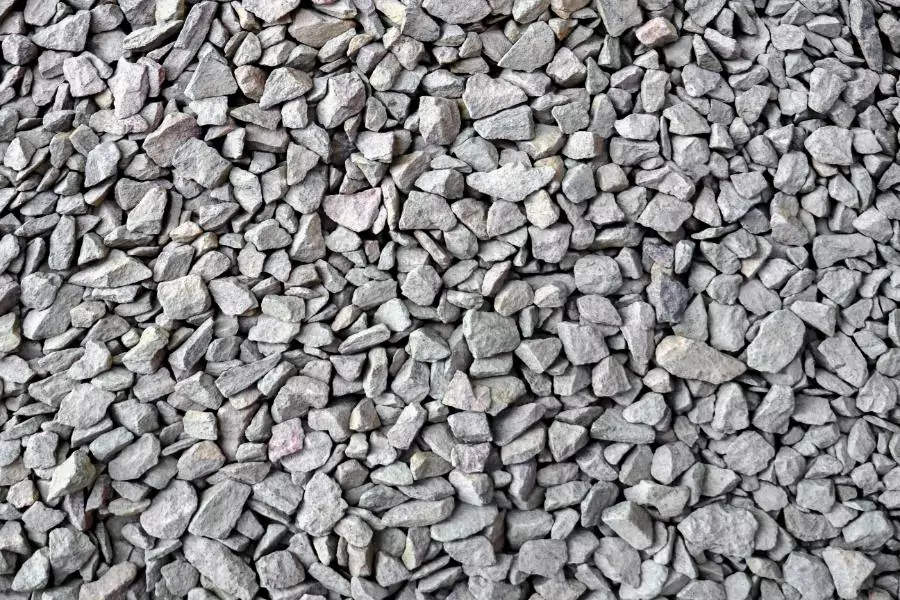
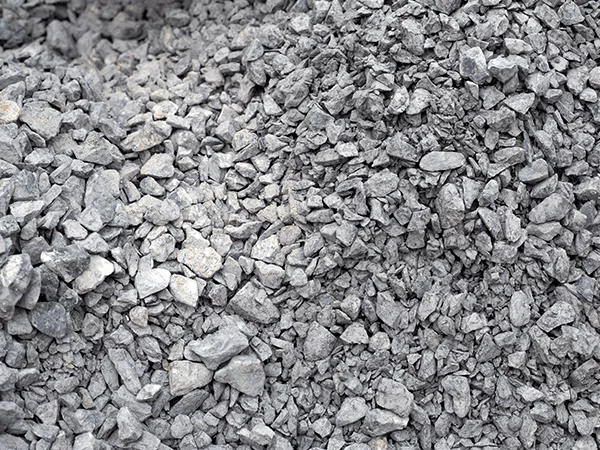
Crushed stone aggregates form the foundation of durable construction throughout Gardner. These angular materials provide superior compaction and load-bearing capacity compared to rounded river rock or pea gravel. The sharp edges interlock mechanically, creating stable bases resistant to shifting under traffic loads or weather stress.
Driveway Construction in Gardner
Residential driveways in neighborhoods like Reservoir Hill, West Gardner, and around Greenwood Memorial Park require robust base construction to withstand Massachusetts winters. A typical installation begins with proper excavation to remove organic topsoil, followed by 6-8 inches of compacted aggregate base, then 3-4 inches of surface gravel.
For base layers, crushed stone provides excellent drainage and stability. The angular particles compact firmly while allowing water to percolate through rather than pooling on the surface. This drainage prevents the base from becoming saturated and weakening during spring thaw periods. Surface layers benefit from slightly smaller aggregates that pack tightly while maintaining good traction.
Commercial properties along Route 2A and throughout downtown Gardner often specify heavier-duty aggregate specifications to accommodate delivery trucks and customer vehicles. These applications may utilize thicker base layers and larger stone sizes for enhanced load distribution and longevity.
Foundation and Drainage Applications
Building foundations throughout Gardner require proper drainage to prevent water accumulation against basement walls. Foundation drainage systems typically incorporate perforated pipe surrounded by clean angular stone that allows water to flow freely while preventing soil infiltration. This approach protects basements from hydrostatic pressure and moisture intrusion common in central Massachusetts' wet spring season.
French drains installed along property lines, near retaining walls, or in low-lying areas collect and redirect surface water before it causes problems. These systems rely on properly sized drain rock that maintains porosity even when surrounded by finer soils. Properties near Crystal Lake and Otter River particularly benefit from strategic drainage installations that manage seasonal water table fluctuations.
Gardner Aggregate Comparison Guide
Selecting appropriate materials for your specific Gardner project ensures optimal performance and longevity. This comparison highlights key differences between popular aggregate types:
| Material Type | Best Applications | Compaction | Drainage Rating | Winter Performance |
|---|---|---|---|---|
| Crushed Stone 3/4" | Driveway base, foundations, drainage | Excellent | Excellent | Superior frost resistance |
| Crusher Run | Road base, parking areas, driveways | Superior | Good | Excellent stability |
| #57 Stone | Drainage systems, pipe bedding | Moderate | Excellent | Superior water flow |
| Pea Gravel | Walkways, landscaping, decorative | Poor | Excellent | Good but shifts under load |
| Road Base | Heavy traffic areas, access roads | Excellent | Good | Excellent load bearing |
| Crushed Concrete | Eco-friendly base, temporary roads | Good | Very Good | Good performance |
| Decomposed Granite | Pathways, natural landscaping | Good | Moderate | Requires maintenance |
Serving All Gardner Neighborhoods
Gravel Monkey provides free aggregate delivery throughout Gardner's diverse neighborhoods and surrounding communities. Each area presents unique characteristics that influence material selection and project approaches:
Downtown Gardner: Historic properties near Main Street and City Hall often require careful excavation and drainage planning due to older infrastructure and limited access. Aggregate deliveries accommodate tight urban spaces while providing materials suitable for restoration and renovation projects maintaining the Chair City's architectural heritage.
West Gardner: This primarily residential area features a mix of older homes and newer construction on generally level terrain. Properties benefit from standard aggregate applications for driveways, landscaping, and drainage improvements. The neighborhood's established trees and mature landscaping sometimes require creative access solutions for bulk material delivery.
Crystal Lake Area: Homes surrounding Crystal Lake face unique challenges related to seasonal water level fluctuations and sandy soils common near water bodies. Drainage systems utilizing appropriate stone specifications help manage water while protecting property foundations. Many lake properties incorporate decorative aggregates in landscaping that complements the natural waterfront setting.
Reservoir Hill: This elevated neighborhood offers excellent views but sometimes challenging access during winter months. Properties on slopes benefit from erosion control measures including properly graded driveways with adequate aggregate base. The area's granite bedrock proximity can affect excavation costs but provides superior foundation support.
Greenwood Memorial Park Vicinity: Residential streets around this area include mix of housing styles and lot sizes. Aggregate projects range from simple driveway repairs to complete property grading and drainage installations. The neighborhood's mature landscaping and established infrastructure require experienced material delivery and installation practices.
Route 2A Corridor: Commercial and residential properties along this main thoroughfare require aggregates suitable for higher traffic volumes and public visibility. Business locations prioritize durable, attractive surfaces that withstand customer and delivery vehicle traffic while maintaining professional appearance year-round.
We also serve surrounding communities including Westminster, Templeton, Ashburnham, Winchendon, and Hubbardston with the same quality materials and free delivery throughout North Central Massachusetts.
Seasonal Planning for Gardner Aggregate Projects
Massachusetts weather patterns significantly impact aggregate project timing and material performance. Understanding seasonal considerations helps Gardner property owners plan successful installations:
Spring Projects (April-May)
Spring in Gardner brings rapid snowmelt and heavy rainfall that can complicate earthwork and aggregate installations. However, this season proves ideal for drainage improvements as problem areas become obvious. Ground saturation levels peak during April and early May, making this the best time to assess and address water management issues before summer landscaping begins.
Wait for frost to fully leave the ground (typically by mid-April) before starting foundation or driveway projects. Aggregate compaction requires stable subgrade that frozen ground cannot provide. Early spring deliveries should be scheduled carefully as access roads may be posted with weight restrictions during mud season.
Summer Construction (June-August)
Summer offers optimal conditions for aggregate installation in Gardner. Warm, dry weather allows excellent compaction results and faster project completion. However, summer also brings peak construction season demand, so schedule deliveries in advance to ensure material availability. The dry conditions help aggregates settle and compact naturally, creating strong, stable surfaces.
Properties near Dunn Pond and other water bodies should complete drainage projects before late summer to prepare for autumn rainfall. Summer's lower water tables make excavation easier and allow proper installation of foundation drainage systems and French drains.
Fall Preparations (September-November)
Autumn provides a second window for aggregate projects before winter arrives. Cooler temperatures and moderate rainfall create good working conditions through October. Many Gardner property owners tackle driveway repairs and grading projects during fall to prepare for winter snow removal and spring thaw.
Complete major excavation and aggregate base installation before ground freezing begins in November. Surface gravel can be applied later, but compacted base layers require above-freezing temperatures for optimal results. Fall projects should prioritize proper drainage preparation to handle winter snowmelt and spring runoff.
Winter Considerations (December-March)
While major aggregate installation pauses during Gardner's winter months, planning and material ordering for spring projects makes sense. Winter provides time to assess drainage problems, plan landscape improvements, and schedule spring deliveries. Emergency repairs to driveways or access roads remain possible during mild periods, though compaction results may not match summer installations.
Topsoil, Fill Dirt, and Sand Products
Beyond aggregates, successful Gardner projects often require quality soil and sand materials. These products address different needs from landscaping to construction applications:
Topsoil for Gardner Gardens
Central Massachusetts' growing season extends approximately 180 days, providing good opportunity for vegetable gardens, flower beds, and lawn establishment. Quality topsoil enriched with organic matter supports plant growth in Gardner's typically acidic native soils. Most local soils benefit from pH adjustment and compost addition to optimize fertility.
New lawn establishment requires 4-6 inches of quality topsoil spread and graded smoothly. Garden beds benefit from 8-12 inches of amended topsoil that provides good drainage while retaining adequate moisture during summer dry periods. Properties throughout West Gardner and downtown neighborhoods use topsoil to refresh tired lawns and establish productive growing areas.
Fill Dirt Applications
Fill dirt serves essential grading and leveling functions on Gardner properties. Unlike topsoil, fill dirt contains minimal organic material, preventing settling and decomposition that could compromise structural integrity. Use fill dirt for raising grade around foundations, filling low spots, and establishing proper drainage slopes.
Properties near Otter River and low-lying areas sometimes require substantial fill to elevate structures above flood-prone zones. Fill dirt provides stable, compactable material that won't decompose or settle significantly over time. Always compact fill dirt in 6-8 inch lifts for best results, and finish with topsoil layer for planting areas.
Sand Varieties and Uses
Different sand types serve specific purposes in Gardner construction and landscaping. Mason sand provides the fine, clean consistency needed for mortar mixing and paver installation. Its uniform particle size and clean composition ensure proper bonding in masonry applications throughout historic Gardner properties.
Playground sand offers safe, clean material for children's play areas in family yards and public parks. This washed sand contains no harmful materials and provides soft landing surface meeting safety standards. Properties around Greenwood Memorial Park and residential neighborhoods use playground sand for sandboxes and play area surfacing.
Washed sand serves general construction purposes from concrete mixing to trench backfill. The clean composition prevents contamination in concrete and provides stable backfill for utility lines common in Gardner's expanding infrastructure. Commercial projects along Route 2A frequently specify washed sand for various construction applications requiring clean, properly graded material.
Professional Installation Guidelines
Proper aggregate installation ensures long-lasting, trouble-free performance for Gardner properties. While DIY installation proves feasible for smaller projects, understanding professional techniques improves results:
Base Preparation
Successful aggregate installations start with proper excavation and subgrade preparation. Remove all organic material including topsoil, roots, and vegetation down to mineral soil or bedrock. Organic materials decompose and settle, causing surface depressions and structural problems over time.
Compact native subgrade thoroughly before placing aggregate base materials. Use vibratory plate compactor for residential driveways or larger roller equipment for commercial projects. Proper compaction eliminates voids and creates stable platform that won't settle under traffic loads or weather stress.
Aggregate Layer Installation
Install aggregate materials in lifts no thicker than 6 inches for best compaction results. Thicker layers compact unevenly, creating weak spots that fail prematurely. Spread each lift evenly, then compact thoroughly before adding subsequent layers. This methodical approach ensures uniform density throughout the entire aggregate mass.
Maintain proper drainage slope during installation. Driveways should slope at least 2% (1/4 inch per foot) away from structures to direct water away from foundations. Areas subject to ponding need more aggressive grading to ensure positive drainage toward designated collection points or natural drainage paths.
Edge Restraint and Finishing
Aggregate surfaces benefit from edge restraint that prevents material migration. Install concrete, steel, or pressure-treated timber edging along driveway margins and walkway boundaries. Edge restraint maintains clean appearance while preventing aggregate from spreading into lawn areas during winter plowing or vehicle traffic.
Finish surface with appropriately sized gravel that provides good traction and appearance. Smaller surface aggregates pack tightly while maintaining comfortable walking and driving surface. Avoid extremely fine materials that become muddy when wet or overly coarse aggregates that feel uncomfortable underfoot and provide poor vehicle traction.
Frequently Asked Questions About Aggregates in Gardner
For driveway base layers in Gardner, three-quarter inch crushed stone provides excellent stability and drainage. This size compacts well while maintaining porosity needed during spring thaw. For surface layers, slightly smaller aggregates create smoother, more comfortable driving surface while maintaining good traction during winter months. The combination of proper base and surface materials ensures driveways withstand Massachusetts freeze-thaw cycles and heavy traffic loads.
Central Massachusetts frost penetration reaches 30-40 inches during severe winters. Driveway aggregate base should extend at least 12 inches deep for residential applications, with 18-24 inches preferred for commercial or heavy traffic areas. This substantial base provides stability during freeze-thaw cycles while offering drainage capacity for spring snowmelt and rainfall. Properties with poor native soil drainage may require even deeper aggregate installation for long-term performance.
Homeowners can successfully install aggregate driveways with proper equipment and technique. Key requirements include excavation equipment for base preparation, vibratory plate compactor for proper material densification, and means to transport and spread bulk aggregates. Small residential driveways prove manageable for experienced DIYers. However, larger projects, commercial applications, or situations requiring significant grading benefit from professional installation to ensure proper drainage and long-term stability.
Angular crushed stone provides superior drainage compared to rounded materials. The irregular shapes create interconnected void spaces that allow water to flow freely even when compacted. Number 57 stone specifically designed for drainage applications offers optimal porosity while preventing soil infiltration. These drainage aggregates prove essential around foundations, in French drains, and as driveway base layers throughout Gardner's wet spring season when snowmelt and rainfall challenge drainage systems.
Calculate aggregate quantity by multiplying length times width times depth in feet, then dividing by 27 to convert cubic feet to cubic yards. For example, a 20-foot by 40-foot driveway with 6-inch depth requires approximately 15 cubic yards of aggregate. Always order slightly more than calculated to account for compaction, uneven subgrade, and edges. Our team helps estimate material requirements based on your specific Gardner property conditions and project scope.
Gravel Monkey delivers throughout all Gardner neighborhoods including downtown, West Gardner, Crystal Lake area, Reservoir Hill, and areas around Greenwood Memorial Park. We also serve nearby communities like Westminster, Templeton, Ashburnham, Winchendon, and Hubbardston. All deliveries include free shipping regardless of Gardner location, making quality aggregates accessible for every property throughout North Central Massachusetts.
Gravel Monkey combines premium quality aggregates with completely free delivery throughout Gardner and surrounding areas. We maintain extensive inventory of materials specifically selected for New England conditions, ensuring you receive aggregates that perform reliably in Massachusetts climate. Our knowledgeable team provides expert guidance for material selection and quantity estimation, helping your project succeed from planning through completion. No hidden fees, no delivery charges, just quality materials and reliable service.
Late spring through fall offers optimal conditions for aggregate projects in Gardner. Ground should be fully thawed and reasonably dry for best results. However, we deliver year-round and can accommodate winter deliveries for emergency repairs or projects during mild periods. Schedule spring projects early as this represents peak season for aggregate installations. Summer and early fall provide excellent working conditions with warm, dry weather ideal for compaction and project completion.
Ready to Start Your Gardner Aggregate Project?
Gravel Monkey makes quality aggregate delivery simple throughout Gardner and North Central Massachusetts. Our extensive material selection covers every residential, commercial, and municipal need from driveway construction to drainage systems to decorative landscaping. Free delivery eliminates hidden costs while our knowledgeable team ensures you receive appropriate materials for your specific project requirements.
Whether you're tackling a weekend driveway repair in West Gardner, managing commercial construction downtown, or planning comprehensive property improvements near Crystal Lake, we deliver the premium aggregates your project demands. Our commitment to quality materials and reliable service has made us the trusted choice for Gardner property owners seeking lasting results.
Contact Gravel Monkey today to discuss your aggregate needs, request delivery scheduling, or receive expert guidance on material selection for your Gardner property. Experience the difference that quality materials and professional service make in creating durable, attractive installations that withstand New England's demanding climate year after year.

Need help? Reach out for a quote: