
Top 7 Benefits of Gravel for Your Driveway in Los Angeles, CA
If you’re planning a driveway upgrade in Los Angeles, gravel is one material that keeps coming out ahead. If you’ve been searching for driveway gravel in LA or driveway gravel in Los Angeles, here are seven benefits to help you decide whether it’s right for your home.
1. Strong Drainage & Adaptation to the LA Climate
Drainage is one of the top reasons LA homeowners choose driveway gravel. Our region gets most of its rain in a short window, and summers are hot and dry. A gravel driveway lets water pass through instead of puddling or running off where you don’t want it. One landscaping-supplier page notes that gravel “offers excellent drainage performance, preventing pooling and runoff issues common with solid materials.”
That matters across Los Angeles terrain, in the basin, near the hills, or on a sloped lot. Gravel handles small shifts and slopes better than rigid surfaces like concrete. The individual pieces can settle or move slightly, so you avoid the large cracks that plague poured driveways when the ground heaves or settles.
If you live in a hillside neighborhood, or drainage is a concern (and it is, even in LA’s dry climate, when a heavy rainstorm hits), driveway gravel in Los Angeles gives you a flexible surface that works.
2. Cost-Effectiveness Compared to Conventional Surfaces
Cost always matters. Gravel usually comes in at a lower upfront cost than concrete or asphalt, and that holds for LA-area installations too.
The savings carry into maintenance. You aren’t repairing large cracks or sealing asphalt every few years, so the ongoing expense stays lower. If you want value without giving up long-term performance, aggregates in LA are a smart choice for your driveway.
3. Aesthetic Flexibility & Local Material Options
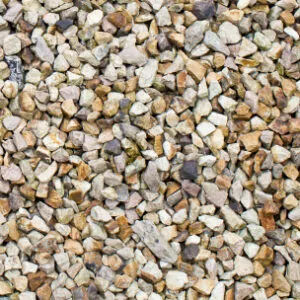
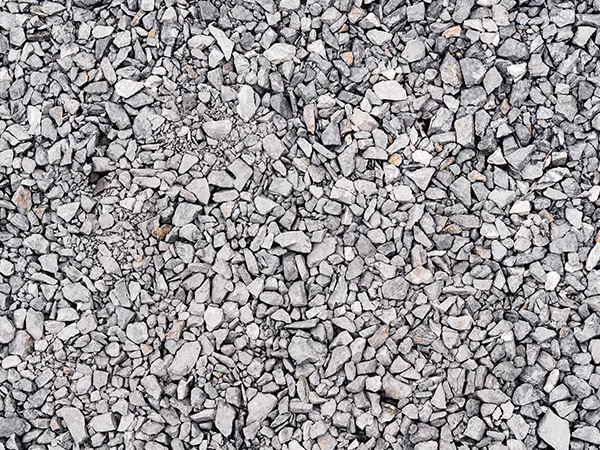
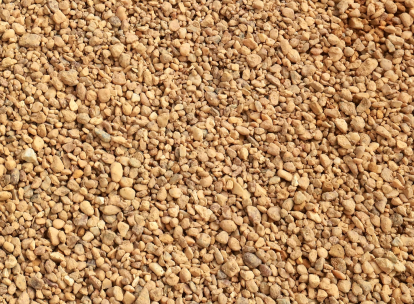
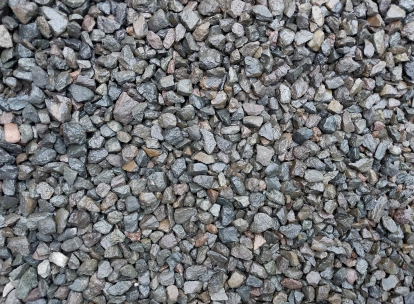
Gravel also gives you more say in how the driveway looks. Because you’re sourcing aggregates in Los Angeles, you can pick sizes, shapes, and colors that suit your home and landscape. A house with warm-tone stucco or natural stone features pairs well with a warmer, tan-grey crushed rock. A modern white and grey palette suits a more uniform grey aggregate.
Local suppliers already sell “3/4″, 3/8″, or 1½” crushed stone in Los Angeles,” so getting the exact size you want is easy.
Clean and crisp or rustic and textured, the right aggregate gets you either look. For an LA homeowner who wants a driveway that performs and looks good, driveway gravel in LA strikes that balance.
4. Ease of Installation & Speed of Use
A well-designed gravel driveway goes in faster than concrete or asphalt, with fewer constraints like curing time or weather restrictions. You’re working with loose material rather than a poured surface, so you skip many of the delays and scheduling problems that come with paving.
LA weather is mostly cooperative, which helps when time is short. A property owner here can finish excavation, base preparation, and gravel placement in far less time than it takes concrete to cure and settle.
Timely delivery from local suppliers keeps the project moving too. One regional LA supplier advertises “free local delivery” and tailored bulk material options.
If you’re renovating or want to keep downtime short, driveway gravel in Los Angeles is a practical pick.

5. Durability Suited to Local Conditions
A driveway takes cars, maybe trucks or utility vehicles, for years. Properly installed and compacted gravel forms a surface that resists rutting, cracking, and the stresses that concrete and asphalt handle poorly.
LA homes can see elevation changes, soil settlement, and even seismic micro-shifts, and a gravel surface forgives all of that. The individual stones move slightly without forming long cracks, so expensive repairs are less likely.
When you source your material from local aggregate suppliers in Los Angeles, you avoid long transport, mismatched material, and delays. Local stone is also suited to the climate and conditions here.
6. Low Maintenance & Long-Term Value
Gravel needs little upkeep. There’s no sealing or crack patching, and when stones shift, you can usually fix it with a rake, fresh aggregate, and some compaction.
Typical maintenance for a gravel driveway in LA:
- Rake and redistribute the gravel after heavy rain or frequent vehicle traffic to keep the surface even.
- Every so often, add a top layer of fresh aggregate to restore coverage and depth.
- Contain the edges so gravel doesn’t migrate onto sidewalks or into landscaping.
- Watch for drainage problems, such as spots where gravel washes out in rain, and fix them before real erosion sets in.
For anyone considering driveway gravel in Los Angeles, that means fewer surprises and fewer headaches later.
7. Sustainability, Local Sourcing & Environmental Fit
Gravel driveways also fit sustainability goals. When you use aggregates in LA or stone from regional quarries in Los Angeles, the material travels a shorter distance. That lowers the carbon footprint of delivery, and local stone often suits local soil and climate better.
One article points out that many suppliers source locally, within a 50-mile radius, to cut transportation costs and environmental impact.
Also, gravel is permeable. Los Angeles has specific runoff, stormwater, and groundwater recharge concerns, and a permeable surface reduces runoff and lets water soak in. If environmental impact matters to you, driveway gravel in LA is the more sustainable choice.
Summary & Quick Comparison
How the benefits stack up:
- Drainage & climate fit: Gravel handles slopes, lets water through, and suits LA’s conditions.
- Cost: Lower upfront and long-term maintenance costs than many alternatives.
- Aesthetics & local customization: Locally sourced aggregates in various sizes, shapes, and colors.
- Installation speed & flexibility: Faster installation, with no curing time and fewer weather constraints.
- Durability: Handles settling and shifts better, with fewer major cracks.
- Maintenance: Raking and topping off instead of major resurfacing.
- Sustainability & local support: Regional material and shorter hauls, so a better environmental fit.
Next to poured concrete or asphalt, gravel gives up some “smoothness” and “polished finish,” but it gains adaptability, lower cost, easier maintenance, and local relevance, especially in Los Angeles.
A Few Considerations Before You Decide
No material fits every situation. Before choosing driveway gravel in Los Angeles, keep these points in mind:
- On very steep slopes, plan for edging or containment so gravel doesn’t migrate downhill.
- If you expect heavy traffic, such as large service trucks or frequent commercial use, specify the aggregate size and depth to match.
- For a very smooth surface (for luxury cars or looks), choose a finer top layer of gravel and compact it well. A reference article explains how gravel type affects durability and appearance.
- Budget for occasional top-dressing, and maintain the edges so the driveway keeps looking and performing well.
- Make sure your local supplier offers aggregates suited to LA’s soil and climate. Regional material is a real plus.
If you’re weighing driveway gravel in LA or driveway gravel in Los Angeles, it’s a strong option. It handles the region’s climate and terrain, costs less, gives you design choices, is easy to install and maintain, and supports local sourcing of aggregates in Los Angeles.
Frequently Asked Questions
How Much Does a Gravel Driveway Cost in Los Angeles?
Material typically runs $40 to $90 per ton delivered in the LA basin, with hauling distance driving most of the variation. A standard two-car driveway usually lands in the low thousands installed, well under concrete for the same footprint. Decomposed granite and decorative stone sit at the higher end of that range.
What Gravel Size Works Best for a Los Angeles Driveway?
Angular ¾” crushed stone over a larger base is the standard combination. LA’s dry summers mean dust control matters more than frost resistance, so a well-compacted surface with some fines holds together better than clean, washed stone. Rounded pea gravel scatters under turning tires and is best kept to walkways.
Do I Need a Permit for a Gravel Driveway in Los Angeles?
City and county rules differ, and the trigger is usually where the driveway meets the public right-of-way rather than the surface material itself. Some LA-area jurisdictions also count driveway area toward lot coverage or stormwater requirements. Check local permit requirements with your building department before excavation.
How Does Gravel Handle Hillside Driveways in LA?
Slope is the main constraint. Above roughly 10% grade, loose stone migrates downhill regardless of size, so you need edging, terracing, or a stabilizing grid. Angular material and a compacted base help considerably, but very steep hillside lots may still be better served by a paved strip with gravel shoulders.
Is Gravel a Good Choice During Drought Restrictions?
Yes. Gravel uses no irrigation, reflects heat better than asphalt, and lets what rain does fall soak into the ground rather than running into the storm drain. Many California water agencies credit permeable surfaces in landscape rebate programs, which is worth checking with your local district.
Final Word
The right material, depth, edging, and drainage plan give you a driveway that holds up and fits your budget and LA-area lifestyle. Ask local aggregate providers for a quote tailored to your site, and mention you’re interested in aggregates in LA so they can zero in on the right material and delivery options.