Do You Need a Permit for Gravel Driveways? What U.S. Homeowners Should Know
If you’re considering a gravel driveway, it’s crucial to know whether you need a permit. Regulations vary widely across localities, and neglecting to check can lead to unexpected fines or necessary removals. Certain factors, like project size and drainage impact, often dictate permit requirements. Understanding these nuances can save you time and trouble. So, how do you navigate the complexities of local regulations? Let’s explore what you need to know.
Key Takeaways
- Local regulations determine if a permit is necessary for gravel driveways, often based on project size and scope.
- Environmental considerations, such as drainage impact, may require permits to ensure compliance with community standards.
- Failing to secure a permit can lead to fines, required alterations, or even removal of the driveway.
- It’s essential to research local zoning laws and guidelines before beginning driveway construction.
- Resources like municipal websites and homeowner forums can provide valuable information about permit requirements.
Understanding Local Regulations and Requirements
Before you start planning your gravel driveway, it’s important to understand the local regulations and requirements that might affect your project.
Each municipality has unique codes and zoning laws that govern driveway construction. You’ll want to check if there are any specific guidelines regarding driveway placement, width, and materials.
Each municipality has specific codes and zoning laws for driveway construction, covering placement, width, and material guidelines.
Additionally, some areas may have restrictions related to drainage or environmental impact, especially in flood-prone regions.
Familiarizing yourself with these regulations guarantees your driveway meets community standards and avoids potential issues down the line.
Engaging with local authorities can provide clarity and help you navigate any necessary paperwork.
When Permits Are Typically Required
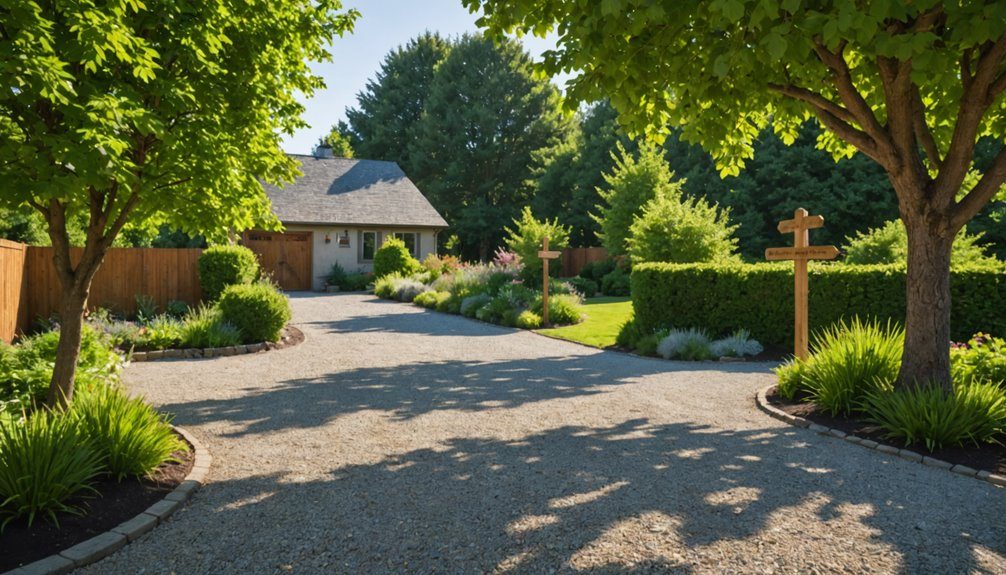
When planning your gravel driveway, you should check local regulations that determine if a permit is necessary.
Factors like the size and scope of your project, along with environmental considerations, often influence this requirement.
Understanding these elements can help you avoid potential legal issues and guarantee your driveway meets all guidelines.
Local Regulations Overview
Understanding local regulations is essential, as they often dictate whether you need a permit for installing a gravel driveway.
Each municipality has its own rules, so checking with your local zoning office is a wise first step. Some areas require permits for any new driveway, especially if it affects drainage or involves significant site work.
Additionally, regulations may vary based on proximity to property lines or environmental factors.
It’s important to take into account any homeowner association (HOA) rules if you live in a community governed by one.
Size and Scope Factors
Local regulations can vary considerably based on the size and scope of your project, which often determines whether a permit is necessary for your gravel driveway.
If you’re planning a minor installation, like a small path or a light-layered driveway, you might skip the permit altogether.
However, larger projects, especially those affecting drainage or requiring significant excavation, typically trigger permit requirements.
Additionally, if your driveway will be over a certain width or length, local codes may mandate a permit to guarantee compliance with zoning laws.
It’s essential to check with your local municipality to clarify these guidelines, as adhering to them not only keeps your project legal but also fosters a sense of community responsibility.
Environmental Considerations Impact
While planning your gravel driveway, it’s vital to contemplate how your project might impact the environment, as this often dictates whether you’ll need a permit.
Factors like drainage, erosion, and local wildlife habitats play an important role in this decision. If your driveway alters natural water flow or disturbs local ecosystems, you may need a permit to guarantee compliance with environmental regulations.
Additionally, some regions require assessments to evaluate potential impacts on wetlands or protected species. By understanding these considerations, you not only adhere to local laws but also contribute positively to your community’s environmental health.
Factors Influencing Permit Necessity
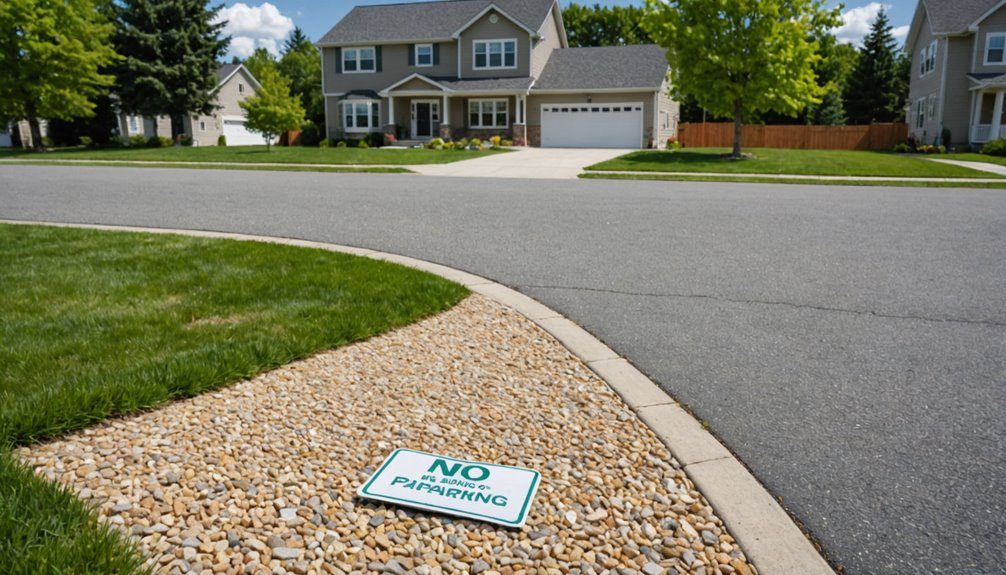
When considering whether you need a permit for your gravel driveway, local regulations play an essential role.
The size of your project can also influence permit requirements, as larger projects may attract more scrutiny.
Understanding these factors will help you navigate the permitting process effectively.
Local Regulations Overview
Understanding the regulations in your area is vital before you begin any gravel driveway project, as local laws can greatly influence whether a permit is necessary.
Each municipality has its own rules, which can vary based on factors such as zoning, environmental impact, and drainage concerns. For instance, some areas may require permits for any alterations to land, while others may only focus on larger projects.
Additionally, homeowners associations might impose specific guidelines that could affect your plans. To guarantee compliance, it’s important to check with your local government or zoning office.
Engaging with your community can also provide insights into common practices and requirements, making your gravel driveway project smoother and more enjoyable.
Project Size Impact
The size of your gravel driveway project can greatly influence whether you need a permit. Generally, small projects, like a simple path or a modest extension, may not require one.
However, if you’re planning a larger driveway, especially one that exceeds local size thresholds, you might need to obtain a permit. Local regulations often specify square footage limits, so it’s essential to check those before starting your project.
Additionally, if your driveway impacts drainage or public access, this may prompt permit requirements regardless of size. Always consider consulting with your local zoning office to guarantee compliance and avoid potential fines.
Understanding these factors helps you feel confident in your driveway project decisions.
The Process of Obtaining a Permit

Before you start laying gravel for your driveway, it’s crucial to navigate the permitting process, as failing to do so can lead to fines or the required removal of your work.
To obtain a permit, follow these steps:
- Check Local Regulations: Research your city or county’s rules regarding driveway construction.
- Gather Necessary Documents: Prepare plans, site diagrams, and any required forms for submission.
- Submit Your Application: File your permit application with the appropriate local authority and pay any associated fees.
Once you’ve submitted your application, be prepared for possible inspections or additional requirements.
This process may seem intimidating, but understanding what’s needed will help you feel more connected to your community and guarantee your driveway project complies with local laws.
Potential Consequences of Not Having a Permit

Failing to obtain a permit for your gravel driveway can lead to serious repercussions that affect your property and finances.
Local authorities may impose fines, which can become a financial burden you didn’t anticipate. Additionally, if your driveway doesn’t comply with zoning regulations, you might be forced to remove or alter it, incurring further costs. This could also lower your property value, making it less appealing to potential buyers.
Failing to secure a permit can lead to unexpected fines and costly alterations, ultimately diminishing your property’s value.
Furthermore, without a permit, you risk liability issues if someone gets injured on your property due to improper installation. In a community that values adherence to rules, not having a permit might lead to strained relationships with neighbors who’ve followed the proper procedures.
It’s crucial to evaluate these potential outcomes before proceeding.
Tips for a Successful Gravel Driveway Installation
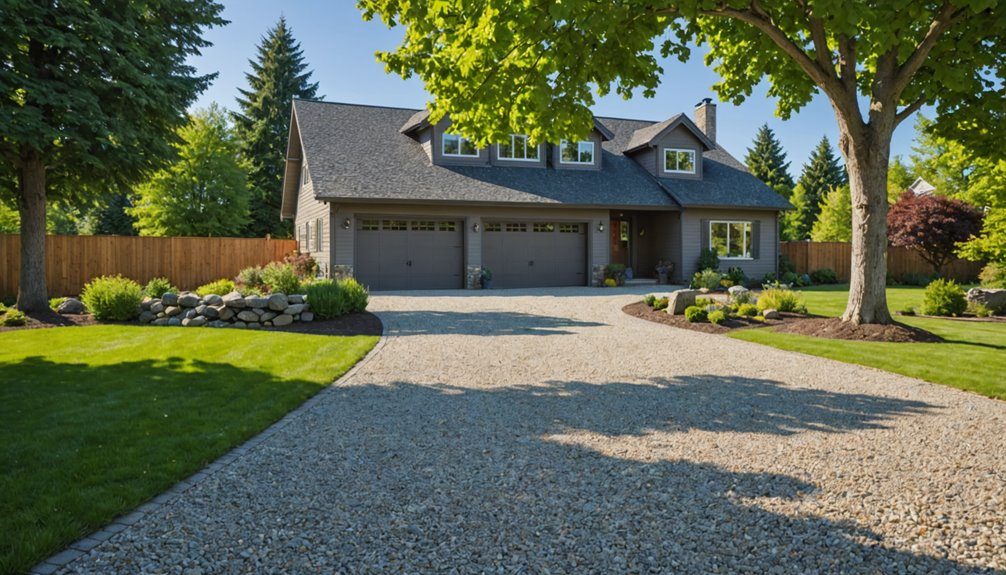
When planning your gravel driveway installation, it’s vital to take into account several key factors to assure a successful project.
Start by selecting the right type of gravel that suits your climate and usage. A well-drained base will help prevent erosion and maintain stability.
Consider these essential tips:
- Proper grading: Make certain the driveway has a slight slope for water runoff.
- Edging materials: Use timber or stone to keep gravel in place and avoid spreading.
- Layering: Apply multiple layers of gravel for better durability and support.
Resources for Homeowners to Check Local Permit Requirements

Installing a gravel driveway isn’t just about choosing the right materials and techniques; it’s also important to understand the permitting process in your area. To help you navigate local permit requirements, use the following resources:
| Resource Type | Description | Where to Find |
|---|---|---|
| Local Government | Check your city or county website | Online or in-person |
| Homeowner Forums | Join discussions about permits | Reddit, Facebook Groups |
| Building Codes | Review local regulations | Municipal code library |
Frequently Asked Questions
How Much Does a Gravel Driveway Permit Cost?
Permit fees typically run from $50 to $500, depending on your municipality and whether the work touches a public right-of-way. Some counties charge a flat administrative fee, while others scale the cost to project size. Call your local building department for an exact figure before you budget the rest of the project.
Do I Need a Permit to Replace an Existing Gravel Driveway?
Usually not, as long as you’re staying within the same footprint and simply topping up or regrading the surface. Permits generally come into play when you widen the driveway, change the entrance, or alter drainage. Routine maintenance almost never triggers a permit requirement.
How Long Does It Take to Get a Driveway Permit?
Most residential permits are approved within one to four weeks, though rural counties often move faster than dense urban areas. If an inspection or engineering review is required, expect the longer end of that range. Apply well before your delivery date so the material isn’t sitting in your yard waiting on paperwork.
What Happens if I Build a Gravel Driveway Without a Permit?
You may face fines, a stop-work order, or an order to remove the driveway entirely at your own expense. Unpermitted work can also surface during a home sale and delay closing. Correcting it after the fact usually costs more than pulling the permit would have.
Does a Gravel Driveway Count as an Impervious Surface?
In most jurisdictions gravel is treated as semi-pervious, which is exactly why it often faces lighter permitting than asphalt or concrete. Some stormwater ordinances still count it toward your lot coverage limit, though. Choosing a free-draining material can help your case during review.
Conclusion
So, before you dive headfirst into your gravel driveway dreams, remember that skipping the permit could land you in more trouble than a raccoon in a trash can. Sure, it’s tempting to think, “What could go wrong?”—but trust us, you don’t want your driveway turning into a legal nightmare. Do your homework, chat with local authorities, and keep your gravel goals in check. After all, those fines won’t pay for your fancy new stones!