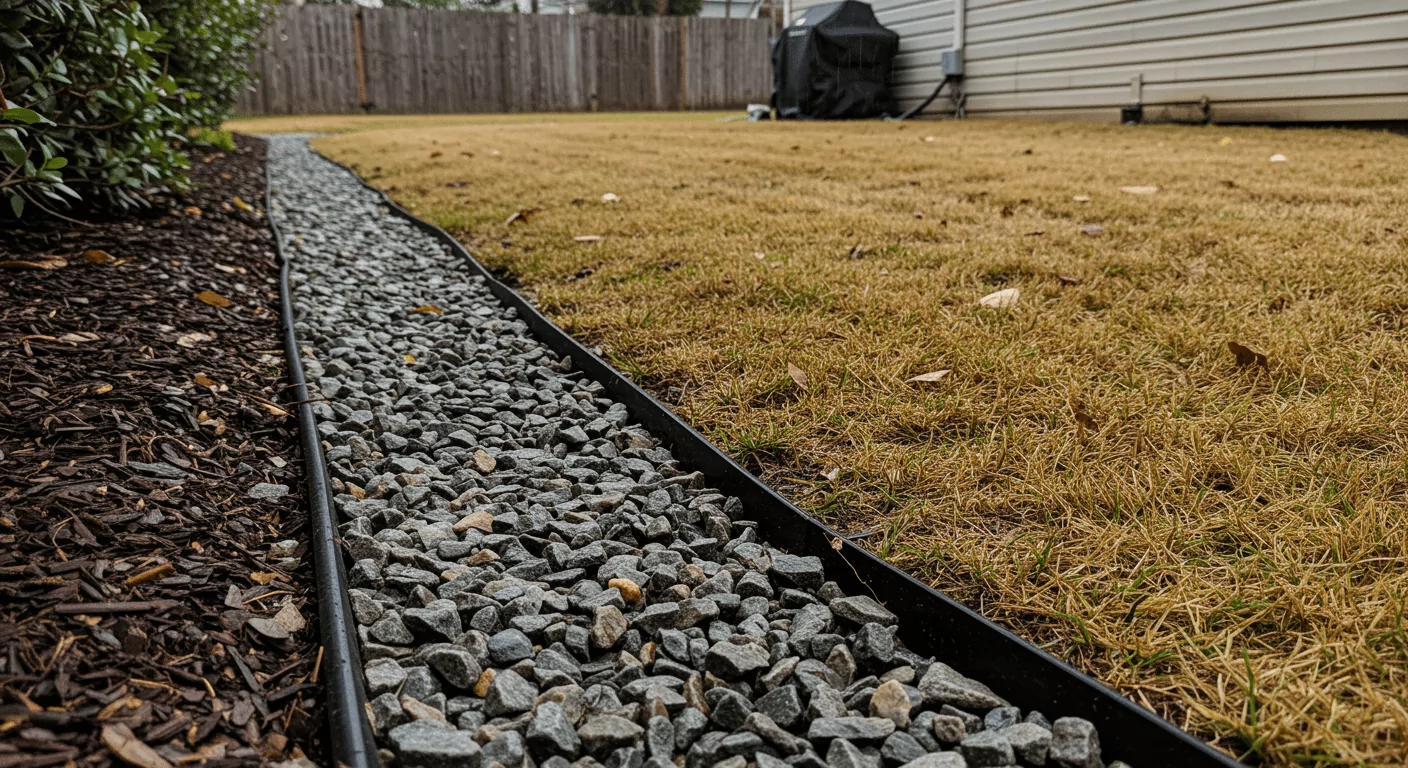
Best Gravel for Drainage: What Actually Prevents Standing Water
Standing water is one of the most common and misunderstood problems in residential and light commercial landscapes. It shows up as puddles that never dry, soggy soil near foundations, muddy walkways, or water collecting at the base of driveways and patios. In almost every case, the issue is not rainfall volume but how water moves once it hits the ground. Choosing the best gravel for drainage is one of the few solutions that works naturally, without pumps, chemicals, or complex systems.
Gravel-based drainage works because it creates controlled void space. These gaps between stones give water somewhere to go. When the gravel is wrong, those gaps collapse, clog, or disappear entirely, and standing water returns. This article explains what actually makes gravel drain, how to select the best gravel for drainage for different situations, and which natural gravel products are proven to move water instead of trapping it.
Key Takeaways
- Standing water is usually caused by clogged or compacted materials, not a lack of slope alone
- The best gravel for drainage is always clean, consistent in size, and free of fines
- Different drainage problems require different gravel products and sizes
- Using decorative or structural gravel in drainage zones often makes water problems worse
- Correct installation is just as important as the gravel itself
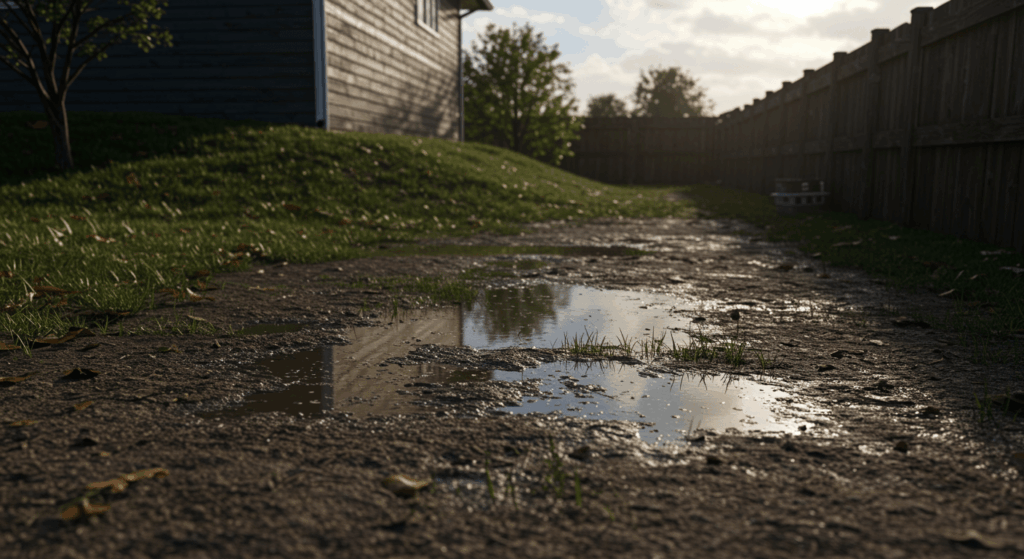
Why Standing Water Happens in the First Place
Water follows the path of least resistance. When soil is dense, clay-heavy, or already saturated, water slows down and spreads out instead of draining downward. Gravel is used because it replaces resistance with open space. However, not all gravel provides that space for long.
Standing water usually appears when:
- Fine particles like sand or dust fill the gaps between stones
- Rounded gravel shifts and settles tightly together
- The gravel layer is too shallow to handle runoff
- Soil migrates upward into the gravel over time
The best gravel for drainage prevents these failures by maintaining stable voids year after year. That is the real goal of any drainage-focused gravel choice.
What Defines the Best Gravel for Drainage
There are three non-negotiable characteristics that define the best gravel for drainage, regardless of the specific product used.
First, it must be washed. Washed gravel has had silt, clay, and dust removed. These fines act like glue when wet and destroy drainage performance. Even a small amount of fines can turn a drainage layer into a saturated sponge.
Second, the gravel must be consistently sized. Mixed sizes allow smaller stones to settle into gaps between larger ones, slowly closing the voids that water depends on.
Third, the gravel should be angular or semi-angular. Angular stones lock together without collapsing the air space. Rounded stones roll, shift, and eventually compact too tightly.
Any gravel that fails one of these criteria is not the best choice for drainage, even if it appears suitable on the surface.
Best Gravel for Drainage Around House Foundations
Foundation drainage is one of the most critical uses of gravel. Water that lingers near a foundation increases hydrostatic pressure, encourages cracks, and leads to basement moisture or structural movement. The best gravel for drainage around house foundations must move water down quickly and keep soil from pressing inward.
A common and highly effective product here is clean 1- 1½″ crushed stone, often sold as drain rock. This gravel size creates large, stable voids that allow water to drop straight to footing drains or lower soil layers. Because the stone is angular, it resists shifting even when backfilled against walls.
Another natural option is larger clean crushed stone in the 1½″ range for deep foundation trenches. This is especially effective in heavy clay soils where fast vertical drainage is essential. These products consistently perform as the best gravel for drainage when paired with non-woven geotextile fabric to block soil intrusion.
Best Gravel for Drainage in Yards and Low Areas
Yards with poor drainage often suffer from shallow saturation rather than deep water buildup. In these cases, gravel must balance permeability with surface stability. The best gravel for drainage in lawns, side yards, and natural swales usually falls into a medium-sized range.
Clean ¾″ crushed gravel works well when installed over fabric and at sufficient depth. It allows water to pass through quickly while remaining comfortable underfoot. For purely decorative drainage zones like dry creek beds, river-style drain rock can be used, but only when installed deep enough and supported by proper edging.
Rounded river rock is sometimes chosen for appearance, but it is not always the best gravel for drainage in functional areas. Without proper depth and containment, it can shift and trap debris that reduces flow over time.
Best Size Gravel for Drainage in French Drains
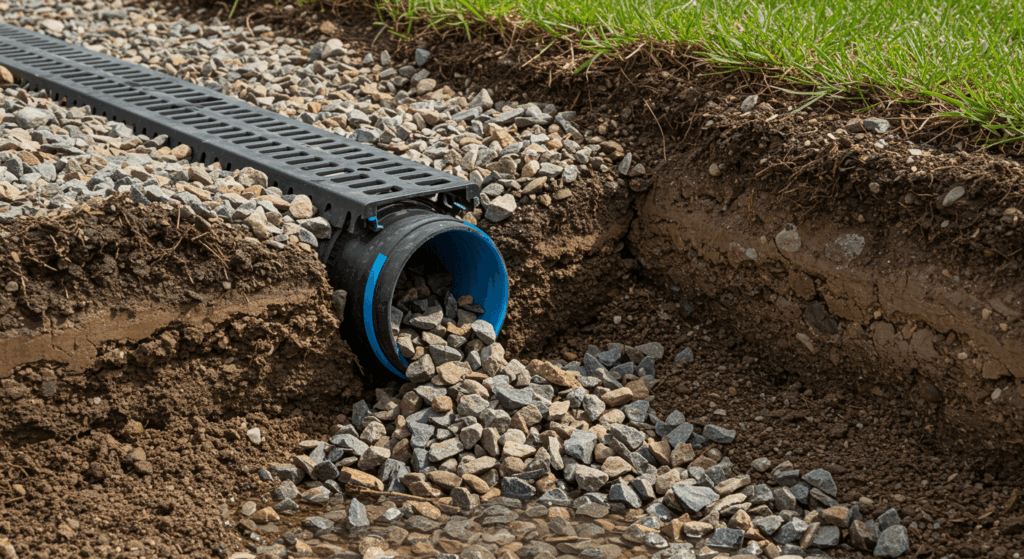
French drains are entirely dependent on gravel performance. The trench, pipe, and outlet mean nothing if water cannot move freely through the surrounding stone. The best size gravel for drainage in French drains is typically clean, angular stone around ¾″.
This size surrounds the perforated pipe evenly, prevents collapse into the pipe, and maintains consistent void space. Larger stones can be used in high-volume systems, but it requires deeper trenches and careful placement.
A common mistake is using pea gravel or mixed base material in French drains. These materials compact and clog quickly, defeating the purpose of the system. Clean drain rock remains one of the most reliable products classified as the best gravel for drainage in subsurface applications.
Natural Gravel Products That Solve Drainage Problems
Several natural gravel products are consistently used to solve drainage problems when selected correctly.
Drain Rock (¾″ – 1½″ washed stone)
This is the most common solution for foundation drains, French drains, and trench systems. It is clean, angular, and purpose-built for water movement. It consistently qualifies as the best gravel for drainage in structural drainage roles.
Clean Crushed Stone
Often used beneath patios, slabs, and walkways where drainage is required below a surface. When separated from base materials, it allows water to escape instead of pooling beneath hardscapes.
River Rock (used selectively)
Rounded river rock can function in surface drainage features like swales or dry creek beds. It works best where water moves across the surface rather than down through soil. It is not always the best gravel for drainage, but it can be effective in visible runoff channels.
Decomposed Granite (limited drainage use)
Decomposed granite compacts tightly and is not ideal for true drainage layers. However, when stabilized and properly graded, it can shed surface water in low-traffic paths. It should not be confused with the best gravel for drainage in subsurface systems.
Why Structural Base Gravel Fails at Drainage
Road base, crusher run, and similar materials are designed to compact. They contain fines that lock everything together. This makes them excellent for load-bearing surfaces and poor for drainage.
When used beneath patios or in low areas without a dedicated drainage layer, these materials trap water. Over time, saturation leads to shifting, cracking, and surface failure. Many standing water problems exist because structural gravel was mistakenly used where the best gravel for drainage was needed instead.
Installation Factors That Decide Success or Failure
Even the best gravel for drainage will fail if installed incorrectly.
Depth matters. Shallow gravel layers saturate quickly and overflow. Most drainage applications require at least 6 – 12 inches of clean gravel depending on soil conditions.
Fabric is essential. Non-woven geotextile fabric prevents soil migration without blocking water. Skipping fabric almost guarantees clogging over time.
Outlets must exist. Gravel alone does not remove water; it moves it. If water has nowhere to go, standing water will return regardless of gravel quality.
Best Gravel for Drainage in Freeze-Thaw Climates
Cold climates amplify drainage problems. Water that freezes expands, lifting gravel and damaging nearby structures. The best gravel for drainage minimizes freeze-thaw damage by allowing water to exit before freezing occurs.
Larger clean stone performs better in these conditions because it drains faster and resists ice blockage. Fine or mixed gravel traps moisture and increases frost heave risk.
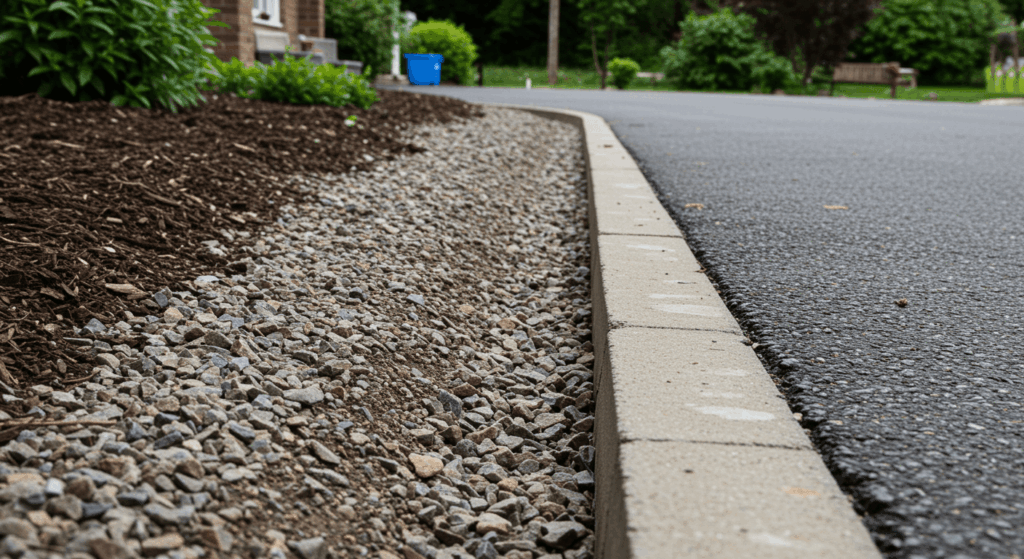
Long-Term Performance: What Works After Ten Years
Well-installed drainage gravel should not require constant attention. The best gravel for drainage works quietly in the background, keeping soil dry and stable.
Gravel systems that fail early almost always share the same issues: fines contamination, shallow installation, or poor product choice. Natural stone products like drain rock and clean crushed stone have proven performance over decades when installed correctly.
Common Drainage Mistakes That Create Standing Water
- Using gravel with fines in drainage zones
- Choosing decorative stone over functional stone
- Skipping fabric beneath gravel
- Installing insufficient depth
- Ignoring water exit paths
Avoiding these mistakes is often more important than the exact product chosen.
Frequently Asked Questions
What is the Best Gravel for Drainage overall?
The best gravel for drainage is clean, washed, angular gravel with consistent sizing, typically in the ¾″ – 1½″ range.
What is the best gravel for drainage around house foundations?
The best gravel for drainage around house foundations is washed drain rock or clean crushed stone paired with geotextile fabric.
What is the best size gravel for drainage in French drains?
The best size gravel for drainage in French drains is usually clean ¾″ stone, which balances flow and stability.
Can river rock be used as the Best Gravel for Drainage?
River rock can work in surface drainage features but is not ideal for subsurface drainage systems.
Does adding more gravel fix drainage problems?
Only if the existing material drains properly. If fines are present, replacing the gravel with the best gravel for drainage is often necessary.
Final Thoughts on Choosing the Best Gravel for Drainage
The best gravel for drainage is not defined by looks, price, or convenience. It is defined by how well it maintains open space under real conditions. Clean, angular gravel products like drain rock and crushed stone allow water to move naturally, protecting landscapes, foundations, and hardscapes from long-term damage.
When gravel is selected and installed with drainage in mind, standing water stops being a recurring problem and becomes a solved one.