How to Stop Weeds From Growing in Gravel
Gravel is widely used for driveways, walkways, patios, and low-maintenance landscape areas because it drains well and holds up under use. Yet weeds remain the most common complaint. Knowing how to stop weeds from growing in gravel requires more than surface treatments. Weed growth is not a gravel problem; it is an installation, material choice, and maintenance problem.
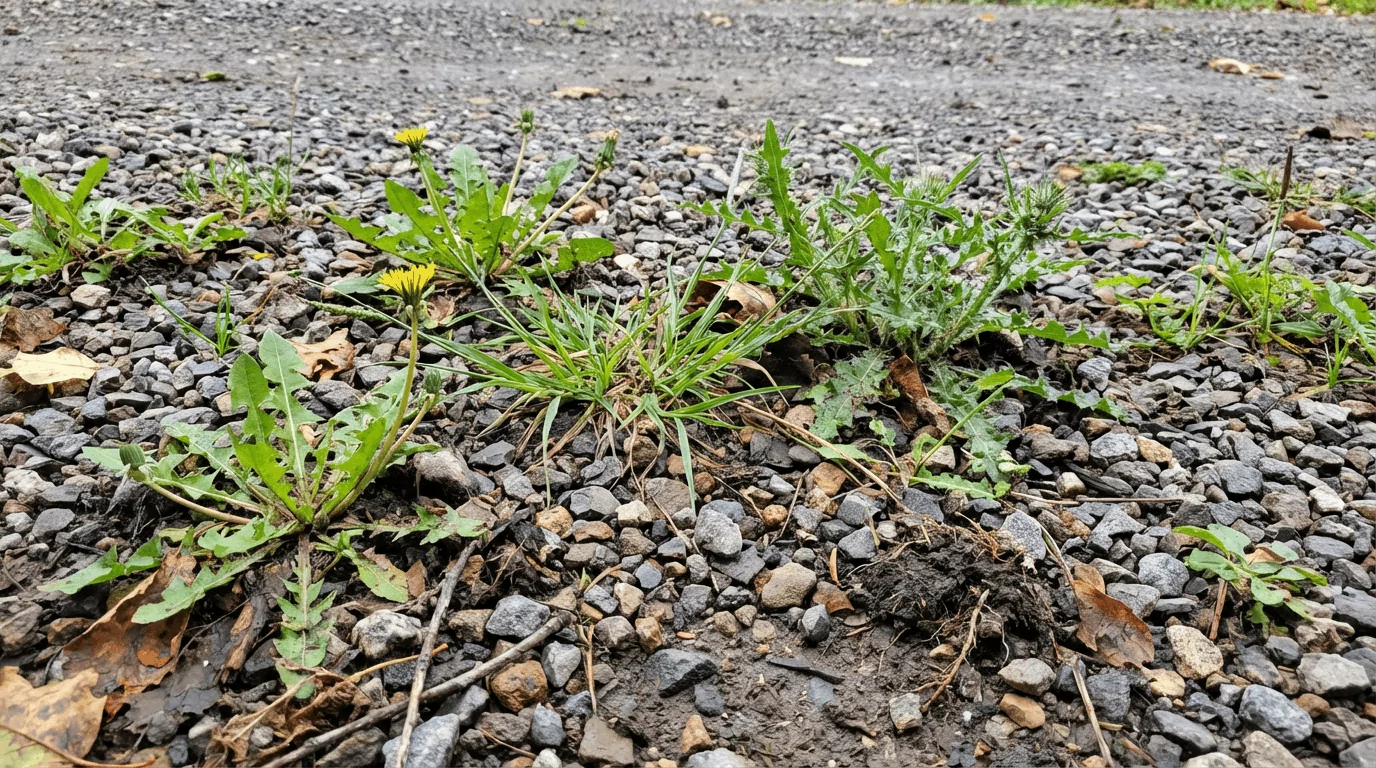
Weeds thrive wherever moisture, light, and organic matter exist. Gravel does not provide those conditions on its own. When weeds appear, it means soil, debris, or poor construction created an opportunity. This article explains how weeds actually establish in gravel, how different gravel types influence weed growth, and how to build gravel surfaces that stay clean over time.
Key takeaways
- Weeds do not grow because of gravel; they grow because soil and organic matter accumulate.
- Proper excavation and base preparation are the foundation for stopping weeds from growing in gravel.
- Landscape fabric works when used correctly but fails when installed poorly.
- Gravel depth and gravel type directly affect long-term weed resistance.
- Maintenance is what keeps gravel weed-resistant after installation.
Why Weeds Grow in Gravel Areas
To stop weeds from growing in gravel, it’s important to understand where weeds come from. Most weeds seen in gravel are not growing upward from deep underground. They germinate from seeds that land on the surface.
Wind carries seeds from lawns and open soil. Leaves, dirt, and dust collect between stones and slowly decompose. That decomposed material becomes soil. Once soil exists, moisture is retained, and weeds follow.
In some cases, weeds also grow from below when gravel is laid directly on topsoil or when the base layer is thin or unstable. Over time, soil migrates upward, filling the voids between stones.
Gravel fails at weed prevention only when the supporting system fails.
Stop Weeds From Growing in Gravel With Proper Excavation
Excavation is the most overlooked step and the most important one.
Grass, roots, and topsoil must be removed completely. Laying gravel over existing soil guarantees weed growth. Topsoil contains nutrients, moisture, and dormant seeds. Gravel cannot suppress that on its own.
Excavation should reach firm subsoil. Once exposed, the subgrade must be compacted thoroughly. Compaction limits oxygen and water movement, both of which weeds rely on. It also prevents future settling that allows soil to rise into the gravel layer.
Skipping excavation or compaction saves time initially but guarantees recurring weeds later.
Landscape Fabric and Its Role in Weed Control
Landscape fabric helps stop weeds from growing in gravel by separating soil from stone. Its function is structural, not chemical.
A quality geotextile fabric prevents soil from pumping upward into gravel during rain and freeze-thaw cycles. It also prevents gravel from sinking into the soil over time. Without that separation, gravel becomes contaminated with soil, creating ideal weed conditions.
For fabric to work:
- It must be commercial-grade, breathable geotextile
- Seams must overlap sufficiently
- The surface must be smooth and tight before gravel placement
Fabric does not prevent seeds from landing on gravel. That is why fabric must be combined with correct gravel depth and maintenance.
Why Gravel Depth Directly Affects Weed Growth
One of the simplest ways to stop weeds from growing in gravel is also one of the most ignored: proper depth.
Thin gravel layers fail quickly. When the gravel is too shallow, sunlight reaches the base, moisture is retained, and the fabric becomes exposed. Weed seeds root easily in these conditions.
Recommended depths:
- Walkways and patios: 2-3 inches
- Driveways and high-use areas: 3-4 inches or more
Adequate depth blocks light, protects the fabric, reduces moisture fluctuation, and limits seed establishment.
How Gravel Type Influences Weed Resistance
Not all gravel behaves the same. Choosing the right gravel type plays a major role in stopping weeds from growing in gravel.
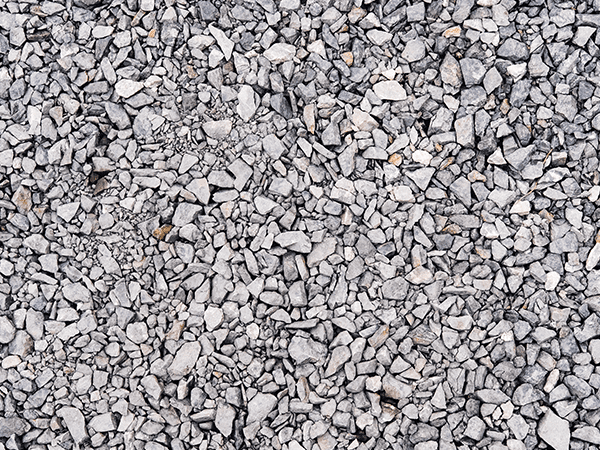
Crushed stone
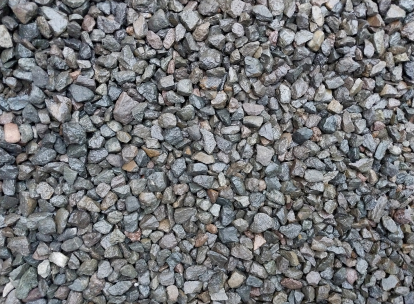
Angular crushed stone locks together tightly. This limits movement, reduces voids, and makes it harder for debris to settle. It is one of the most weed-resistant options for both driveways and walkways.
3/4 inch crushed gravel
This size balances compaction and drainage. Its angular edges interlock well, creating a dense surface that resists organic buildup better than rounded stone.
3/8 inch crushed gravel
Smaller angular gravel creates a tighter surface layer, which helps suppress weed growth in walkways and decorative areas. It is effective when installed over a proper base.
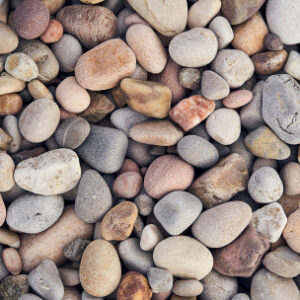
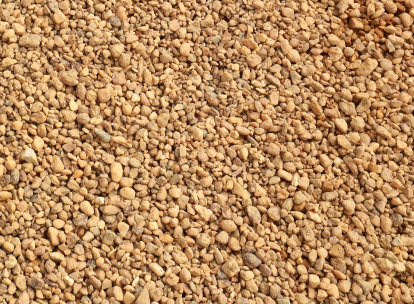
Pea gravel
Rounded pea gravel shifts easily and creates larger voids between stones. These voids trap debris, making weed growth more likely over time. Pea gravel requires more maintenance to remain weed-free.
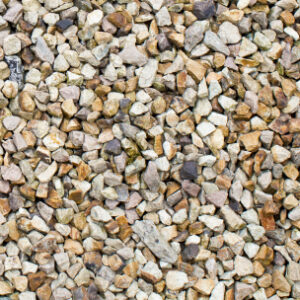
Decomposed granite
Decomposed granite compacts tightly and can suppress weeds when installed correctly. However, if organic debris accumulates, weeds can establish on the surface layer more easily than with crushed stone.
Gravel that locks together and resists movement performs better against weeds than gravel that rolls or shifts.
Why Plastic and Cardboard Fail Under Gravel
Some people attempt to stop weeds from growing in gravel using plastic sheets or cardboard. These materials create long-term problems.
Plastic traps water, prevents drainage, and degrades unevenly. Moisture buildup encourages weed growth along seams and edges. Cardboard breaks down quickly and adds organic matter directly under the gravel.
Breathable geotextile fabric allows drainage while maintaining separation. Anything else introduces new weed-friendly conditions.
Chemical Weed Control: A Support Tool, Not a Solution
Herbicides do not stop weeds from growing in gravel permanently. They only remove visible growth.
Post-emergent herbicides kill existing weeds but do nothing to prevent new seeds from germinating. Pre-emergent products can slow regrowth but require repeated application and correct timing.
Chemical control works best as a maintenance aid once the gravel system is built correctly. It cannot compensate for shallow gravel, missing fabric, or contaminated stone.
Organic Matter Is the Real Cause of Gravel Weeds
The single biggest factor in long-term weed growth is organic buildup.
Leaves, mulch, soil, and grass clippings slowly collect in gravel areas. Over time, they decompose into soil. That soil retains moisture and nutrients, allowing weeds to root.
To stop weeds from growing in gravel:
- Remove leaves regularly
- Prevent soil wash-in from adjacent areas
- Avoid blowing lawn debris into gravel zones
Gravel surfaces stay weed-resistant only when kept clean.
Edging Prevents Weed Invasion From the Sides
Weeds often enter gravel areas from the edges, not the center.
Without edging, grass and soil creep laterally into the gravel. Rain and irrigation push debris inward. Over time, the perimeter becomes a weed zone.
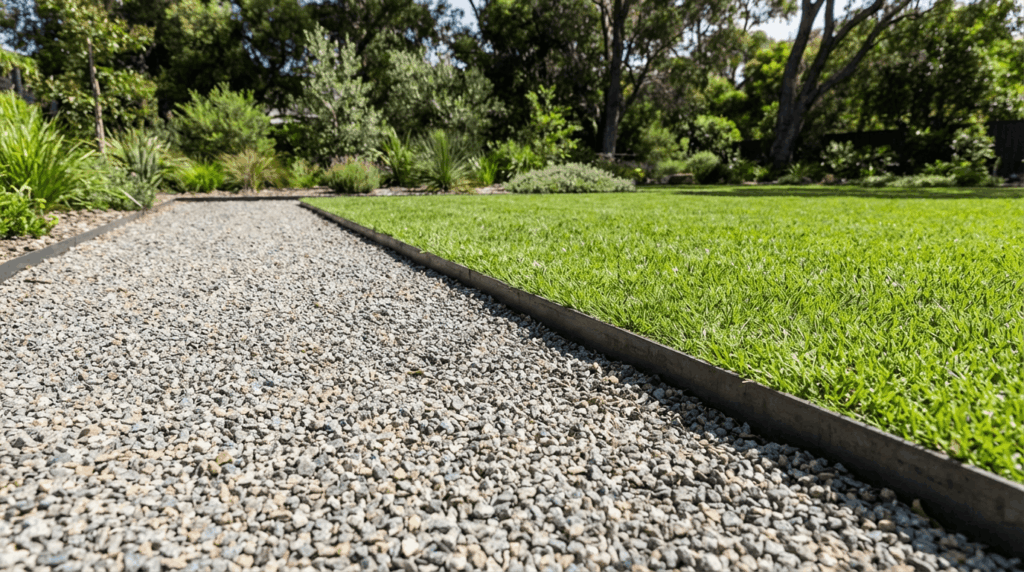
Solid edging materials such as metal, stone, or concrete create a physical barrier that limits soil migration. Clean edges significantly reduce long-term weed pressure.
Drainage Is a Hidden Weed Control Factor
Poor drainage increases weed growth. Standing water, saturated soil, and slow-drying surfaces create favorable conditions for weeds.
Gravel surfaces should always be graded to shed water. Even a slight slope prevents moisture retention and discourages weed establishment.
In areas with heavy runoff, drainage solutions should be installed before gravel. Water moving through gravel carries soil and seeds with it, undoing good installation work.

Maintenance Keeps Gravel Weed-Resistant
Even the best gravel installation requires maintenance to stop weeds from growing in the gravel long-term.
Effective maintenance includes:
- Removing small weeds before they seed
- Replacing gravel lost to traffic or erosion
- Re-compacting areas that loosen over time
- Spot-treating weeds instead of allowing spread
Gravel is low-maintenance, not maintenance-free. Consistent light upkeep prevents major weed problems.
When Extra Reinforcement Is Necessary
Some environments require additional measures:
- High-traffic driveways benefit from reinforced base layers
- Sloped areas may require stabilization grids
- Shaded, debris-heavy zones may need more frequent cleaning
- Wind-exposed areas may require deeper gravel layers
These adjustments reduce long-term weed pressure and extend surface life.
Frequently Asked Questions
Can weeds grow through gravel fabric?
Most weeds grow in debris above the fabric, not through it, unless the fabric is damaged or poorly installed.
Which gravel type is best for weed control?
Angular crushed gravel performs better than rounded gravel because it locks together and resists debris buildup.
Does thicker gravel reduce weeds?
Yes. Thicker gravel blocks light and protects the base, making weed growth less likely.
Is vinegar effective for gravel weeds?
Vinegar kills existing weeds but does not prevent new growth.
How often should gravel be refreshed?
Most gravel areas benefit from topping up every 1-3 years, depending on traffic and exposure.
Gravel That’s Built Right Stays Cleaner Longer
Gravel does not fail at weed prevention. Installations fail when shortcuts are taken.
When excavation, fabric, gravel type, depth, drainage, and maintenance are handled correctly, you can realistically stop weeds from growing in gravel for years at a time.