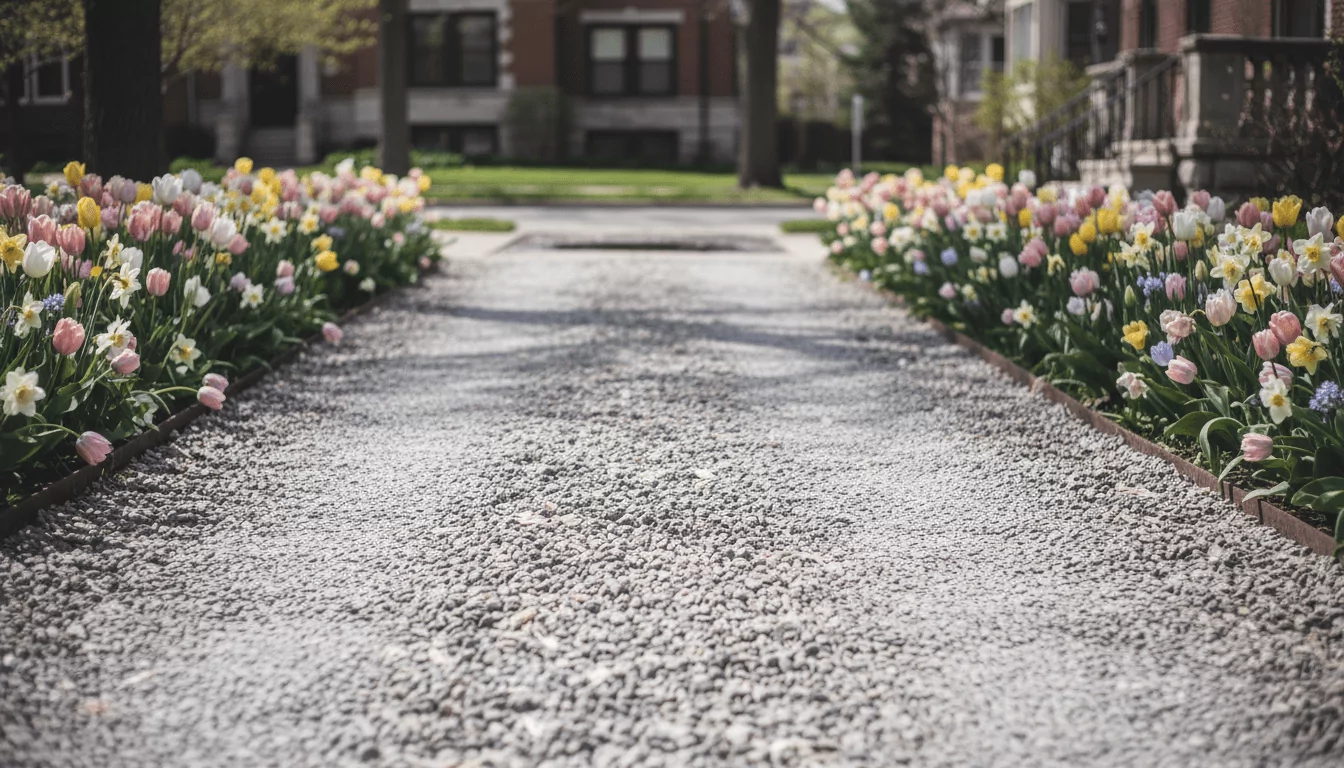
Driveway Gravel in Chicago: How to Choose, Install, and Maintain the Perfect Driveway for Midwest Weather
When you’re working with driveway gravel in Chicago, you’re facing more than just the task of laying stones. The Midwest climate brings snow, thawing, heavy rains, and intense freeze–thaw cycles. That means selecting the right material, installing it carefully, and staying on top of maintenance are all crucial if you want a driveway that lasts. This guide walks you through how to make smart choices, handle installation the right way, and maintain your gravel driveway so it keeps performing year after year.
What Makes Driveway Gravel in Chicago Special
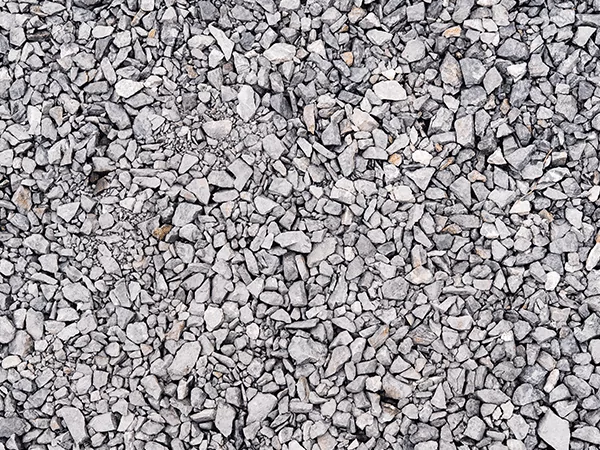
In Chicago and the broader Midwest region, driveways must endure multiple stressors: winter’s freeze and thaw, spring melt and runoff, summer storms, and the long haul of heavy vehicles and delivery trucks. Gravel is often a practical choice because – when done well – it handles shifting soils and drainage better than rigid materials like concrete in this setting. For example, experts note that angular crushed stone works particularly well in cold climates because the edges lock together under compaction and resist frost heave.
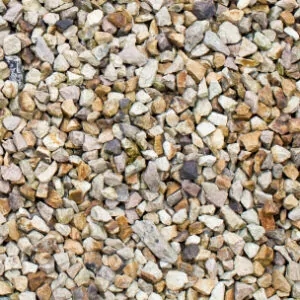
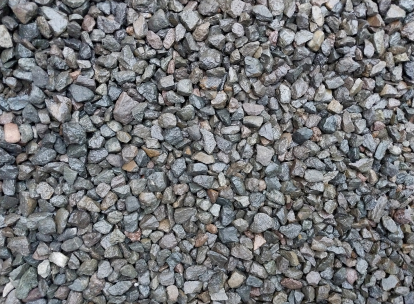
Here in Chicago, you’ll typically see driveway gravel solutions relying on crushed stone rather than smooth rounded gravel such as pea gravel. According to local guidance, crushed stone is “widely recommended in Chicago due to its angular edges that lock firmly together, creating a sturdy, long-lasting surface.”
So when we talk about driveway gravel in Chicago, think “material built for motion and changing conditions” rather than a scenic component only. It’s about stability, drainage, and resilience.
Why It Works for You: Applications & Versatility
Primary Uses
- Residential driveways: Whether you’re replacing a failing surface or installing a new one, gravel offers a cost-effective option that adapts better to shifting soils and water flows than rigid materials.
- Long driveways or remote properties around Chicago suburbs: Gravel makes sense when concrete or asphalt would be extremely costly or impractical.
- Accessory structures: Think garage aprons, RV pads, or extra parking areas where flexibility and drainage matter.
Secondary & Cross-Functional Applications
- Shared driveways or semi-rural lots around the Chicago region where drainage and snow removal are major concerns.
- Temporary access during construction followed by a permanent solution: Gravel can serve well as a first phase, enabling vehicles and equipment, then later be enhanced or paved.
- Drainage corridors or overflow areas adjacent to driveways: The same principles that make gravel good for driveways – permeability, flexibility – also serve for areas where water must pass.
Why It’s Suitable for Midwest Weather
- The freeze–thaw cycles common in the Chicago area can cause rigid pavements to crack or heave. Gravel driveways can shift and settle without catastrophic failure. This is supported by climate-specific guidance that points out cold regions require angular crushed stone and thorough compaction.
- Heavy rains and snowmelt require surfaces that drain well. Gravel surfaces generally permit better water infiltration or controlled runoff than impermeable materials.
- Maintenance tends to be simpler and cost lower than re-pouring asphalt or concrete after cracks or upheavals. Over time, that matters in a region with wide temperature swings.
Key Benefits of Driveway Gravel in Chicago
Drainage & Water Management
Because water can pass through a well-graded gravel base reasonably well, you reduce risks of pooling, ice formation, and runoff damage. Articles emphasise that choosing materials that promote drainage is especially important in variable climates.
Flexibility & Frost Resistance
As noted above, the angular and crushed nature of suitable gravel helps it resist the heaving effects of freeze–thaw. The material can settle and re-settle without cracking like rigid pavement.
Cost-Effectiveness & Repairability
When damage or rutting occurs, you can often regrade, top-dress fresh gravel, and re-compact it rather than doing full replacement. This makes it more forgiving in harsh seasons.
Visual Appeal & Customization
Although function drives the choice, you still have aesthetic options – colors, stone sizes, edging treatments. Because you’re in the Chicago market you might choose local stone types that blend with Midwestern architecture and landscaping.
Environmental Adaptability
In areas where soils shift, thawing causes ground movement, or runoff is heavy, gravel offers adaptability. One blog points out that the right material strategy “ensures a robust driveway that also boosts your property’s curb appeal” by considering local climate and material availability.
Installation Know-How
Getting installation right is critical. Poor installation leads to rutting, wash-outs, puddling, and short-lived surfaces.
Step-by-Step
- Site Preparation: Excavate the driveway path to remove soft soils, organic matter, roots, and any debris. Ensure subgrade is stable and has been compacted.
- Establish Proper Slope & Drainage: Grade the subgrade so water flows away from structures and doesn’t collect. A mild slope (2-5 %) away from the house is typical.
- Install Geotextile Fabric (Optional but Recommended): In many Midwest installations, a woven geotextile helps prevent mixing of the base with underlying soils and can improve longevity.
- Base Layer: Lay a large crushed stone base (for example #3 stone or equivalent) that provides structural support and drainage. In Chicago the two‐ or three‐layer system is common.
- Middle Layer (if using): Some installations include a medium crushed stone layer that further stabilizes the surface.
- Top Layer: Choose the appropriate gravel for surface finish. In the Chicago climate, crushed stone with angular edges is preferred.
- Compaction: Use a plate compactor or roller to thoroughly compact each layer before adding the next. Compaction is key to reduce future settlement.
- Edge Restraints: Consider installing edging (wood, timber, stone, or concrete curbs) to keep the gravel confined and maintain the shape of the driveway.
- Final Inspection & Speedway Checks: After installation, walk/drive the area and check for uniformity, proper slope, any low or high spots, and make adjustments before it receives heavy use.
Common Mistakes to Avoid
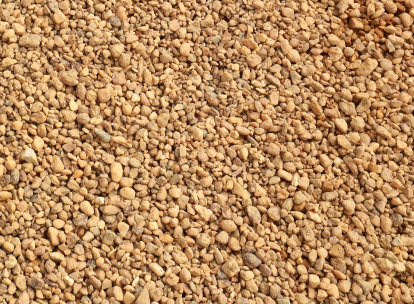
- Using rounded gravel (such as pea gravel) which moves too easily. Chicago specialists warn against rounded material for driveways because it doesn’t compact well.
- Failing to establish drainage or slope, which leads to standing water, ice formation, and erosion.
- Skipping compaction or doing it too lightly.
- Not providing sufficient base depth or using inadequate base material.
- Neglecting edging and allowing side migration of stones.
- Not considering winter maintenance when selecting materials or slope.
Chicago-Specific Tips
- Choose local crushed stone sources when possible (which helps with availability and matching existing drives in your neighborhood).
- Ensure that the driveway surface handles snow removal and winter deicing operations without losing profile or spreading stones too far.
- In freeze–thaw seasons plan for small top-ups after winter to replace displaced gravel.
Long-Term Maintenance Tips
Your driveway will work best when you stay on top of maintenance – not just when something breaks. Here’s what to plan.
Routine Upkeep
- Annual inspection each spring: After winter, check for ruts, potholes, washed out areas, and gravel migration.
- Raking and leveling: Use a rake or landscaping bar across the surface to restore uniformity. If you notice low spots where water is collecting, fill them in and re-compact.
- Top-dressing: Every 1 to 2 years (depending on traffic) add a fresh layer of gravel to restore profile and prevent bare spots. The blog on gravel driveways recommends this as a regular step.
- Weed and vegetation control: Keep edges trimmed, remove plant growth, and control weeds that can push stones aside or cause drainage issues.
- Edge maintenance: Check that edging remains intact and stones are confined; repairs here maintain the shape and stability of the driveway.
- Snow/ice season prep: After snow removal, inspect the surface for displaced gravel and snowmelt channels. If you use deicing chemicals, consider whether the gravel finish is affected.
- Drainage monitoring: Ensure that all drainage paths, culverts, or swales are clear and functioning so water does not erode the gravel base.
Seasonal Care Notes
- Spring: Time to fix ruts, refill, and regrade before heavy summer usage.
- Summer: Lighter traffic or passive maintenance is fine, but keep brush and leaf debris cleared so moisture doesn’t accumulate underneath the gravel surface.
- Fall: Clear leaves and organic matter. Make sure side drains and gutters are functioning before winter.
- Winter: After heavy use, plan for early spring inspection. Snowplows or collect snow pushbacks can disturb edges or the top layer of gravel; plan for re-shaping if needed.
Cost-Effective Tips
- Use leftover materials from nearby jobs (if local quarries allow) for top-dressing to save cost.
- Invest in a good compactor rental for major maintenance once every few years – this can prevent major failures down the line.
- Consider limiting heavy truck use over the gravel driveway or provide reinforced tracks where necessary – this prevents deep rutting.
- Keep a small reserve of good gravel on hand for “spot repairs” so you can immediately fill in potholes or washouts rather than waiting until they worsen.
Frequently Asked Questions
What Is the Best Gravel for a Chicago Driveway?
Angular crushed stone, without exception — the sharp faces interlock under compaction and hold that grip through freeze–thaw cycles. Limestone is the most widely available option across the Chicago area and performs well in the Midwest climate. Rounded stone like pea gravel scatters within a single winter of plowing.
How Deep Should a Gravel Driveway Be in the Midwest?
Plan on 10 to 12 inches of total depth, which is deeper than warmer regions require. Frost penetration in the Chicago area can reach 40 inches or more, so a thick, well-drained base is what keeps the surface from heaving. Cutting depth to save on material is the single most expensive mistake in this climate.
How Do I Plow Snow Without Losing Gravel?
Set the plow blade half an inch above the surface, or fit it with a rubber or skid-shoe edge. Waiting for the ground to freeze before the first plow also helps, since frozen gravel stays put far better than loose stone. Expect to top up displaced material each spring regardless.
Does Road Salt Damage a Gravel Driveway?
Salt won’t degrade the stone itself the way it attacks concrete, but heavy use accelerates fines washing out and can harm adjacent lawn and plantings. Sand or a coarse grit gives traction without the runoff issues. Most gravel driveways need far less deicing than paved surfaces to begin with.
When Is the Best Time to Install a Gravel Driveway in Chicago?
Late spring through early fall, once the ground has fully thawed and drained. Installing over frozen or saturated subgrade means the base settles unevenly as it thaws, and compaction never reaches proper density. If you’re planning ahead, ordering material early in the season avoids the summer scheduling crunch.
Final Thoughts
For homeowners in Chicago, choosing driveway gravel and doing the job properly pays off. With the local climate’s mixture of snow, ice, thaw, and rain, a well-installed and well-maintained gravel driveway offers significant advantages: better drainage, easier repairability, and long-term resilience. Reliable installation and consistent maintenance are key. The right gravel choice – angular crushed stone, layered system, good compaction – helps ensure your driveway stands up to Midwest weather.
Whether you’re putting in a new driveway or refurbishing an existing one, invest the extra time up front on base preparation, drainage, and material quality. Then, stay committed to seasonal inspections and upkeep. The payoff: a driveway that looks good, performs well, and lasts longer without the surprise failures that unpredictable weather can bring.