
Common Gravel Installation Mistakes That Lead to Early Failure
Gravel is often chosen for driveways, access roads, paths, and base layers because it’s flexible, cost-effective, and durable. But when gravel installations fail early, it’s almost never because of the material itself. In most cases, the problem comes down to avoidable installation mistakes that cause rutting, sinking, poor drainage, or constant maintenance.
Understanding these common gravel installation mistakes can save homeowners and contractors time, money, and frustration. Whether you’re planning a new gravel driveway or fixing an existing one, knowing what not to do is just as important as knowing the right steps.
Key Takeaways
- Most gravel failures are caused by installation mistakes, not by the gravel itself.
- Proper site preparation is critical gravel should never be installed over grass, topsoil, or organic material.
- Using enough gravel depth and building it in compacted layers prevents rutting and sinking over time.
- Angular, crushed gravel is essential for stability; rounded decorative stone does not perform well under load.
- Compaction and drainage planning are just as important as the type of gravel used.
- Geotextile fabric can significantly extend the lifespan of gravel installations on soft or clay-heavy soils.
- Edge restraints help keep gravel contained and prevent material loss at the sides.
- Long-term performance depends on basic maintenance like regrading, drainage checks, and periodic top-offs.
Skipping Proper Site Preparation
One of the biggest mistakes in gravel installation is failing to prepare the site correctly before the first load of stone is spread.
Gravel should never be installed directly over grass, topsoil, or organic material. These layers compress, decay, and shift over time, causing the gravel above them to sink unevenly. When this happens, ruts form quickly, especially under vehicle traffic.
Proper preparation means removing all organic material and excavating down to stable subsoil. Even for light-use areas, skipping this step almost always leads to early failure.
Not Installing Enough Gravel Depth
Using too little gravel is a common shortcut that ends up costing more in the long run.
Many gravel failures happen because the layer is simply too thin to support traffic. A shallow gravel surface may look fine at first, but it won’t distribute weight properly. Tires push stone aside, exposing soil underneath, which then turns into mud during rain.
For most driveways, gravel depth should fall between 8 and 12 inches total, built in layers. Walkways and light-use areas still need enough depth to prevent shifting and soil exposure. Thin applications are one of the fastest ways to shorten the life of any gravel surface.
Using the Wrong Type of Gravel
Not all gravel performs the same, and choosing the wrong material is another frequent cause of failure.
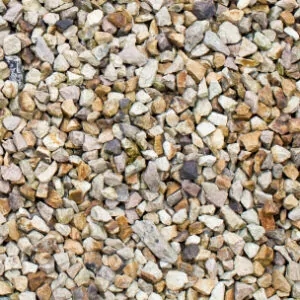
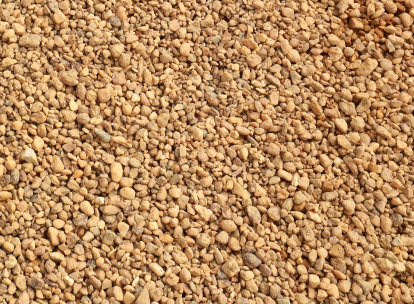
Rounded stones, such as pea gravel or river rock, do not lock together. While they may look appealing, they roll under pressure and migrate easily. This makes them poor choices for driveways or any load-bearing surface.
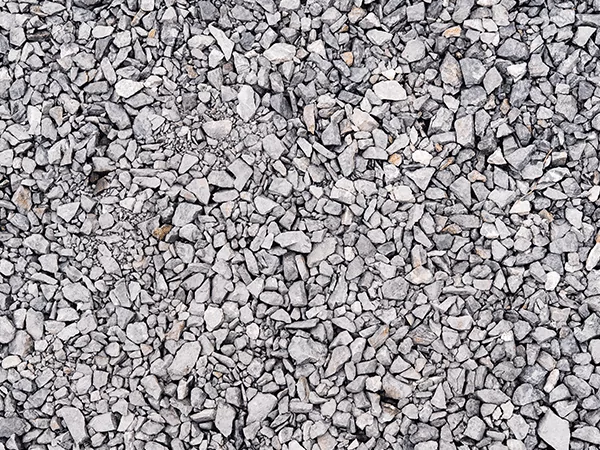
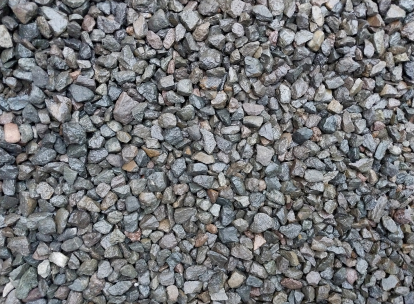
Gravel installations require angular, crushed stone that interlocks when compacted. Without that interlocking structure, the surface remains loose and unstable no matter how much material is added.
Using decorative gravel where structural gravel is required is a mistake that leads to constant regrading and replacement.

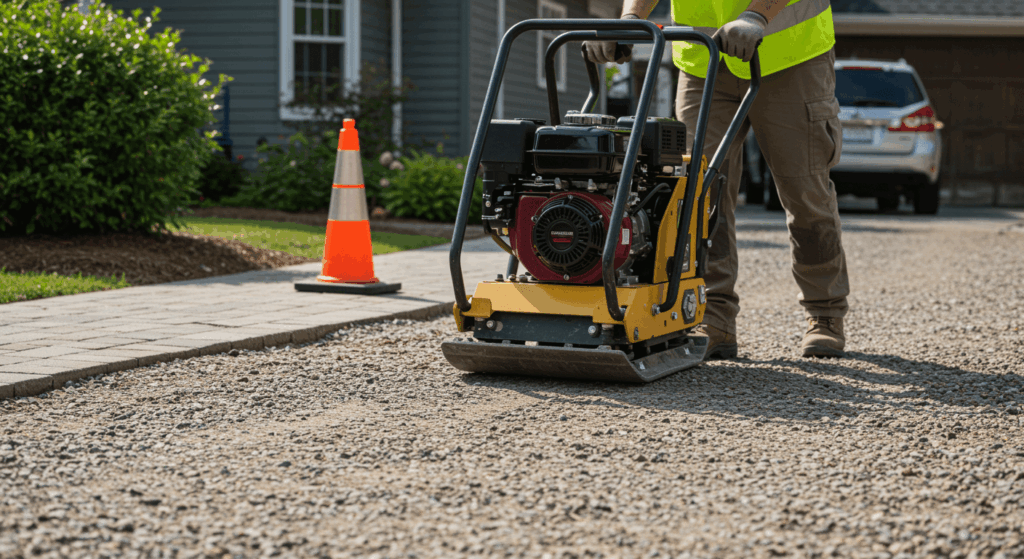
Skipping Compaction Between Layers
Gravel must be compacted to perform correctly. Simply dumping stone and spreading it evenly is not enough.
Each gravel layer should be compacted before adding the next one. Compaction allows the angular pieces to lock together, creating a stable surface that resists movement. Without compaction, gravel settles unevenly over time, creating low spots and washouts.
This mistake is especially common in DIY projects, where installers rely on vehicle traffic to “naturally” compact the gravel. That approach leads to uneven settling and faster deterioration.
Ignoring Drainage and Slope
Water is one of the most destructive forces in gravel installations. Poor drainage is a leading cause of early failure.
Gravel surfaces must be graded to allow water to move away from the driving or walking surface. Flat installations trap water, which softens the subgrade and causes stone to sink. Over time, this creates potholes and deep ruts.
A slight crown in the center or a consistent slope to one side helps prevent standing water. Ignoring drainage during installation almost guarantees ongoing problems, especially in areas with heavy rain or freeze-thaw cycles.
Skipping Geotextile Fabric Where It’s Needed
Geotextile fabric isn’t always required, but in many cases, skipping it leads to premature failure.
On soft, sandy, or clay-heavy soils, gravel can slowly sink into the subgrade. As soil mixes with stone, drainage performance drops and stability disappears. This results in muddy spots and constant resurfacing needs.
A properly installed geotextile fabric acts as a separation layer. It keeps gravel and soil from mixing while still allowing water to pass through. Not using fabric where conditions call for it is a common oversight that shortens the lifespan of the installation.
Failing to Install Edge Restraints
Gravel naturally wants to spread outward. Without containment, it migrates into lawns, planting beds, and surrounding areas.
Many gravel driveways fail along the edges first because nothing is holding the material in place. Over time, the surface narrows, thins out, and loses structural integrity.
Edge restraints made from metal, stone, timber, or concrete help keep gravel where it belongs. Skipping edging leads to material loss and frequent repairs, especially in high-traffic areas.
Mixing Gravel Sizes Incorrectly
Layering gravel requires intention. Mixing sizes randomly or applying fine gravel directly over soft soil reduces stability.
Large stone provides structure and load distribution. Smaller gravel works best as a top layer for comfort and appearance. When these roles are reversed, the surface becomes unstable.
Another common mistake is blending too many fines into the surface layer, which can trap moisture and reduce drainage. Proper layering ensures each gravel size performs its specific function.
Installing Gravel in One Thick Layer
Applying all gravel at once instead of building in lifts is another installation error.
Thick, uncompacted layers do not settle evenly. The top may feel firm, while lower sections remain loose. Over time, the surface collapses unevenly under weight.
Installing gravel in multiple thinner layers and compacting each one creates a uniform, long-lasting base. Skipping this process often leads to hidden weak spots that show up months later.
Neglecting Long-Term Maintenance Planning
Even a well-installed gravel surface requires basic upkeep. Ignoring maintenance needs is a mistake that leads to early failure.
Gravel surfaces benefit from periodic regrading, topping off thin areas, and addressing drainage issues before they worsen. Without routine care, small problems turn into major repairs.
Planning for maintenance from the start helps extend the life of the installation and keeps costs predictable.
Why Avoiding These Mistakes Matters
Most gravel installation failures aren’t caused by weather or material quality. They result from decisions made during installation that compromise stability, drainage, and load support.
Avoiding these common gravel installation mistakes leads to:
- Longer-lasting surfaces
- Reduced maintenance costs
- Better drainage performance
- Improved appearance over time
When gravel is installed correctly, it can perform reliably for decades.

Frequently Asked Questions
How long should a properly installed gravel surface last?
A well-installed gravel driveway or access road can last 20 – 30 years or more. Longevity depends on proper base preparation, correct gravel depth, good drainage, and periodic maintenance like regrading and topping off thin areas.
Can a failing gravel driveway be fixed without starting over?
In many cases, yes. If the base is still intact, issues like rutting or sinking can often be corrected by regrading, adding gravel, improving drainage, and compacting properly. Full removal is usually only needed when the subgrade has failed.
Is geotextile fabric really necessary under gravel?
Geotextile fabric isn’t required in every situation, but it’s strongly recommended over soft, clay-heavy, or wet soils. It prevents gravel from sinking into the soil and helps extend the lifespan of the installation significantly.
Why does my gravel driveway turn muddy after rain?
Mud usually appears when gravel is too thin, soil has mixed into the stone, or drainage is poor. This often happens when gravel is installed directly over dirt or when rounded stone is used instead of angular crushed gravel.
What is the most common gravel installation mistake?
The most common mistake is skipping proper base preparation. Installing gravel over grass or topsoil without excavation leads to early failure, no matter how much gravel is added later.
Can decorative gravel be used for driveways?
Decorative gravel like pea gravel or river rock is not suitable for driveways or load-bearing areas. These rounded stones don’t interlock and will shift under vehicle weight, leading to constant maintenance and instability.
How often should gravel surfaces be maintained?
Most gravel surfaces benefit from light maintenance once or twice a year. This includes regrading, compacting high-traffic areas, and adding a small amount of fresh gravel where material has thinned.
Final Thoughts
Gravel is one of the most forgiving and adaptable surface materials available, but only when installed properly. Taking shortcuts during preparation, material selection, or compaction almost always leads to early failure.
By understanding and avoiding these common gravel installation mistakes, homeowners and contractors can build surfaces that hold up to traffic, weather, and time. A well-planned gravel installation isn’t just about stone it’s about structure, drainage, and attention to detail from the ground up.