
Bulk Aggregate & Gravel Products in Woodland Mills, Tennessee
Local Topsoil, Dirt, Sand, Rocks and Gravel near me in Woodland Mills, Tennessee
Shop Aggregates for Delivery in Woodland Mills
Order online for free delivery to any Woodland Mills address.
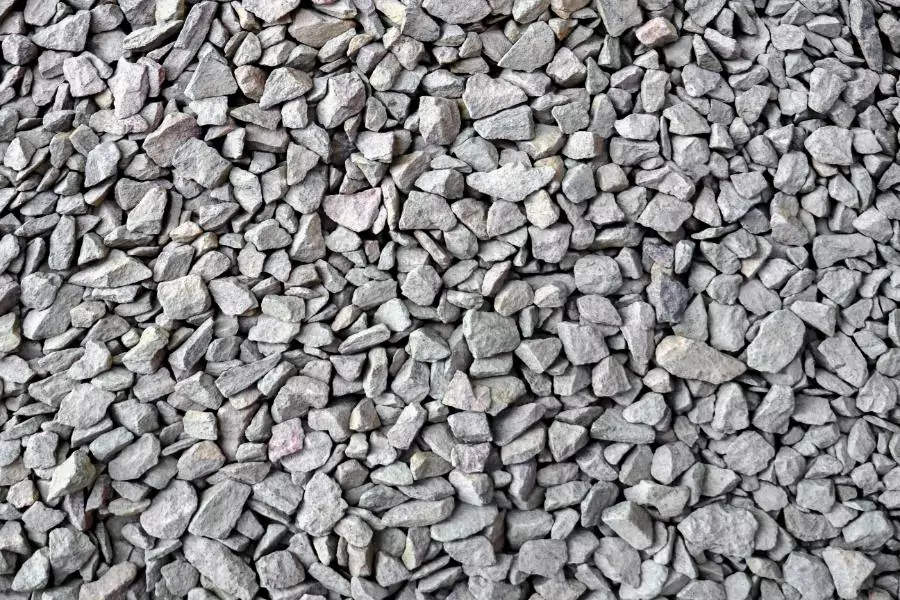
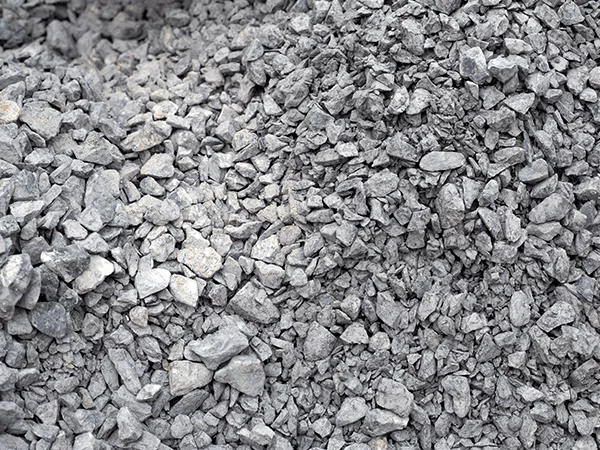


Gravel Monkey provides professional aggregate delivery services throughout Woodland Mills, Tennessee, bringing quality stone materials directly to your property at no additional charge. Whether you're developing a driveway near the Obion River bottoms, building drainage systems for the clay-rich soils common to northwest Tennessee, or establishing pathways through the agricultural landscape that defines this rural community, we supply the aggregates that make your projects successful. Our extensive inventory serves residential homeowners, farmers, contractors, and commercial developers across Woodland Mills and surrounding Obion County areas with reliable delivery and superior materials.
Complete Aggregate & Stone Materials for Woodland Mills Projects
Understanding the unique geological and climatic conditions of northwest Tennessee, Gravel Monkey stocks a comprehensive selection of aggregates tailored to perform in the local environment. The clay loam soils and moderate precipitation patterns of Obion County require materials that provide excellent drainage while maintaining structural integrity through seasonal temperature variations.
- Driveway Gravel - Premium compactable base for rural and suburban driveways
- 3/4 inch Crushed Stone - Versatile aggregate for multiple applications
- #57 Stone - Standard drainage and concrete bedding material
- Crusher Run - Excellent compacting base for driveways and roads
- Road Base - Heavy-duty foundation material for access roads
- Pea Gravel - Decorative rounded stone for landscaping
- River Rock - Natural aesthetic stone in multiple sizes
- Walkway Gravel - Comfortable walking surface for pathways
- Drain Rock - Large aggregates for efficient water management
- Crushed Concrete - Recycled sustainable base material
- Decomposed Granite - Natural binding material for paths and patios
- Mason Sand - Fine-grade sand for masonry and concrete
- Playground Sand - Clean, safe sand for play areas
- Washed Sand - Clean sand for various construction uses
- Topsoil - Nutrient-rich soil for gardening and lawn establishment
- Fill Dirt - Compactable material for grading and leveling
Each aggregate type serves specific functions in addressing the construction and maintenance needs unique to properties throughout Obion County. The region's soil composition, which consists primarily of clay loam derived from Mississippi River deposits, requires careful material selection to ensure proper drainage and structural stability.
Understanding Woodland Mills' Geological Characteristics
Woodland Mills sits in the Mississippi River floodplain region of northwest Tennessee, an area characterized by deep alluvial deposits and clay-rich soils that present specific challenges for construction and drainage. The predominant soil types include Memphis silt loam and Falaya silty clay loam, both of which exhibit poor natural drainage and high water-holding capacity. These conditions make proper aggregate selection critical for successful projects.
The climate of Obion County features hot, humid summers with average July temperatures reaching 90 degrees Fahrenheit and mild winters with January averages around 35 degrees. Annual precipitation averages 52 inches, distributed fairly evenly throughout the year with slightly higher amounts during spring months. This moisture level, combined with the impermeable nature of local clay soils, creates significant drainage challenges that aggregates must address.
Properties near the Obion River and Reelfoot Creek bottomlands face additional considerations, as these low-lying areas experience seasonal water table fluctuations. Agricultural lands throughout the community also require proper drainage infrastructure to prevent waterlogging during wet periods. These conditions make materials like crusher run and drain rock essential for maintaining accessible driveways and farm roads year-round.
Aggregate Performance in Northwest Tennessee Conditions
The expansion and contraction cycles associated with freeze-thaw events, though less severe than in northern climates, still impact aggregate installations in Woodland Mills. During winter months, temperatures occasionally drop below freezing, causing moisture trapped in poorly draining soils to expand. This movement can destabilize inadequately prepared bases, leading to rutting, settling, and erosion.
Summer months bring their own challenges, as heavy thunderstorms can deliver several inches of rain in short periods. Without proper drainage aggregates, water accumulates on the clay surface, creating muddy conditions that prevent access and accelerate surface deterioration. Quality stone materials provide the permeability and structural support needed to maintain functionality through these seasonal extremes.
Driveway and Access Road Solutions for Rural Woodland Mills Properties
The predominantly rural character of Woodland Mills means many properties feature long driveways and farm access roads that require durable aggregate surfaces. These installations must withstand agricultural equipment traffic, seasonal moisture variations, and the weight of delivery vehicles while maintaining year-round accessibility. Proper material selection and installation depth are essential for long-term performance.
For standard residential driveways in the area, a three-layer approach typically provides optimal results. The base layer consists of larger aggregates that create separation between the native clay soil and the driving surface, preventing contamination and pumping. Middle layers use compactable materials that lock together under traffic, and the surface layer provides traction and weather protection. This system works particularly well with the local soil conditions.
Base Layer Materials
The foundation of any successful driveway installation begins with proper base preparation. In Woodland Mills, this often means excavating the native clay to adequate depth and establishing drainage before introducing aggregate materials. Road base creates an exceptionally stable foundation, particularly for commercial or heavy-use applications. Its blend of stone sizes and fines compacts tightly, creating a solid platform that resists settling even under substantial loads.
For residential applications, crushed concrete offers an economical alternative that performs admirably. The recycled material compacts well and provides good drainage characteristics. Many property owners in the agricultural community appreciate both its cost-effectiveness and environmental benefits. When installed over properly prepared subgrade with adequate depth, crushed concrete creates reliable access roads that serve for decades with minimal maintenance.
Surface Materials
The top layer of driveway installations receives the most visible wear and determines the aesthetic appearance of the finished surface. Crusher run excels in this application throughout Obion County, as its blend of stone sizes and rock dust creates a surface that compacts smoothly while maintaining excellent drainage. The material locks together under traffic, reducing displacement and extending the time between maintenance cycles.
For properties where appearance is particularly important, 3/4 inch crushed stone provides a clean, uniform look that appeals to many homeowners. The consistent stone size creates an attractive surface with good traction characteristics. While it requires slightly more frequent grading than crusher run, many residents near the center of Woodland Mills choose this option for its visual appeal and professional appearance.
Drainage System Aggregates for Clay Soil Management
Effective water management is perhaps the single most important consideration for property development in Woodland Mills. The clay-heavy soils throughout the area naturally resist water infiltration, causing surface water to accumulate during rain events. This standing water not only creates inconvenient muddy conditions but can also damage foundations, flood low-lying structures, and make areas inaccessible for extended periods.
French drain installations provide one of the most effective solutions for directing water away from structures and problem areas. These systems rely on perforated pipe surrounded by drainage aggregates that allow water to enter while preventing soil infiltration. The aggregate selection significantly impacts system performance and longevity. Drain rock, with its larger stone size and minimal fines content, creates voids that remain open even under soil pressure, ensuring consistent drainage capacity over time.
Properties near Reelfoot Creek or in the Obion River floodplain often benefit from comprehensive drainage planning that includes multiple French drain installations, surface swales, and proper grading. The combination of appropriate aggregates and thoughtful system design allows these properties to remain functional even during periods of high water. Agricultural operations particularly benefit from reliable drainage, as it extends the working season and protects valuable equipment and structures.
Foundation Drainage
Building foundations in Woodland Mills require special attention to perimeter drainage. The clay soils naturally hold moisture against foundation walls, creating hydrostatic pressure that can cause cracking, bowing, and water infiltration. A properly installed foundation drainage system uses number 57 stone around perimeter drain tile, creating a pathway for water to reach the drainage pipe rather than accumulating against the foundation.
The number 57 designation indicates a specific stone size range that balances drainage capacity with ease of installation. The stones are large enough to create effective void space for water movement but small enough to work easily around pipes and in confined spaces. This makes it ideal for foundation applications where excavation space is limited and precise placement is important for system effectiveness.
Selecting the Right Aggregate for Your Woodland Mills Project
With numerous aggregate options available, choosing the right material for specific applications ensures optimal performance and value. The following comparison highlights the characteristics and best uses for popular aggregates used throughout the Woodland Mills area.
| Material | Best Applications | Compaction | Drainage | Cost |
|---|---|---|---|---|
| Crusher Run | Driveway base, farm roads | Excellent | Good | Moderate |
| 3/4" Crushed Stone | Driveway surface, general fill | Very Good | Excellent | Moderate |
| #57 Stone | French drains, concrete bedding | Good | Excellent | Moderate |
| Road Base | Heavy-duty roads, parking areas | Excellent | Good | Moderate-High |
| Drain Rock | Foundation drains, septic systems | Fair | Excellent | Moderate-High |
| Crushed Concrete | Base material, farm roads | Good | Good | Low-Moderate |
| Pea Gravel | Landscaping, walkways | Fair | Excellent | Moderate |
| Decomposed Granite | Pathways, patios | Good | Good | Moderate |
This comparison helps property owners make informed decisions based on their specific needs and budget considerations. The clay soil conditions throughout Obion County generally favor materials with good drainage characteristics, even when compaction is the primary goal. The ability to shed water prevents the pumping and rutting common when moisture becomes trapped in the aggregate base.
Decorative Aggregates and Pathway Materials
Beyond functional drainage and driveway applications, decorative aggregates enhance the appearance of properties throughout Woodland Mills. These materials add visual interest to gardens, define planting areas, and create comfortable walking surfaces for pathways and patios. The rural setting of the community lends itself well to natural stone aesthetics that complement the agricultural landscape.
River rock provides natural beauty derived from water-worn stones in various colors and sizes. Properties near the Obion River particularly appreciate how this material echoes the geological character of the region. The rounded stones work excellently around trees and shrubs, preventing weed growth while allowing water and air to reach plant roots. Larger river rock sizes create distinctive borders and accent features, while smaller sizes fill planting beds effectively.
Pea gravel offers another popular option for Woodland Mills landscaping projects. The small, rounded stones create a neat appearance and comfortable walking surface. Many residents use pea gravel for pathways through gardens, around sheds and outbuildings, and in play areas where its natural appearance and good drainage characteristics prove beneficial. The material shifts slightly underfoot, which some find preferable to rigid surfaces, while the rounded shape remains comfortable even for barefoot traffic.
Pathway and Patio Construction
Creating functional outdoor living spaces requires aggregates that provide stability without excessive dust generation. Decomposed granite excels in this application, as the material compacts firmly when properly installed but maintains a natural appearance that suits the rural character of Woodland Mills properties. The granite fines bind together, creating a semi-permeable surface that resists washing away during rain events while allowing water infiltration.
For pathways connecting outbuildings, gardens, or other property features, walkway gravel provides an ideal solution. The material compacts adequately for comfortable walking while maintaining excellent drainage—important in the clay soil environment where standing water would otherwise create muddy, impassable conditions. The natural appearance integrates seamlessly with the agricultural landscape characteristic of the community.
Soil Products for Lawn and Garden Development
While aggregates address drainage and structural needs, soil products support the growth of lawns, gardens, and landscaping plants throughout Woodland Mills properties. The native clay soils, while fertile in their natural state, often benefit from amendment to improve drainage, aeration, and workability. Quality topsoil and proper grading with fill dirt create the foundation for successful planting projects.
Topsoil applications range from establishing new lawns to creating raised garden beds that overcome the drainage limitations of clay soil. The addition of organic-rich topsoil provides plants with essential nutrients while improving soil structure. Many agricultural properties in the area use topsoil to rehabilitate areas damaged by heavy equipment or to level areas for new construction projects.
Fill dirt serves a different but equally important purpose in property development. When significant grading is required to establish proper drainage slopes or to level building sites, fill dirt provides economical bulk material. The clay content makes it compactable and stable once settled, important characteristics for long-term property improvements. Proper placement of fill dirt, followed by appropriate topsoil coverage, creates usable areas from previously problematic low spots or uneven terrain.
Serving Properties Throughout the Woodland Mills Area
Gravel Monkey delivers aggregates throughout Woodland Mills and surrounding communities in northwest Tennessee. Our service area includes properties along Highway 22, the downtown Woodland Mills area, residential developments near Reelfoot Lake Road, agricultural operations throughout the Obion River bottomlands, and rural properties extending toward Union City and South Fulton. We also serve areas near Rives, Trimble, and Obion, providing the same quality materials and reliable service throughout Obion County.
The agricultural character of the region means many properties span considerable acreage, with long driveways, multiple access roads, and diverse aggregate needs. Our delivery capabilities accommodate both small residential projects and large-scale agricultural or commercial installations. Whether you need a single load of decorative stone or multiple truckloads of base material for an extensive driveway renovation, we provide consistent quality and professional service.
Properties in low-lying areas near creek bottoms or in the Mississippi River floodplain face unique challenges that our aggregate expertise helps address. We understand the importance of proper drainage in these locations and can recommend material combinations that keep access roads functional year-round. Rural properties throughout the area appreciate our familiarity with local conditions and our ability to deliver the specific products needed for successful project completion.
Installation Best Practices for Woodland Mills Conditions
Even the highest quality aggregates require proper installation to perform as intended. The clay soils throughout Obion County demand particular attention to site preparation and material depth to ensure long-term success. Understanding these principles helps property owners achieve optimal results from their aggregate investments.
Site Preparation
Successful aggregate installations begin with thorough site preparation. The native clay soil should be excavated to adequate depth—typically six to eight inches for residential driveways and twelve or more inches for heavy-use applications. This excavation removes organic material and creates space for the aggregate layers that will support the surface. Without adequate depth, aggregates mix with the underlying clay, losing their drainage properties and structural capacity.
Establishing proper grade during excavation ensures water drains away from the installation rather than accumulating on the surface. Even slight slopes make significant differences in performance, particularly given the impermeable nature of local soils. Many successful Woodland Mills driveway projects incorporate crowned surfaces that shed water to both sides, preventing the channeling and rutting that would otherwise develop.
Material Depth and Layering
The three-layer approach mentioned earlier provides optimal performance but requires adequate total depth to be effective. A base layer of four to six inches of road base or crushed concrete creates separation from the clay subsoil and establishes the drainage foundation. This layer should be compacted firmly, preferably with mechanical equipment, to maximize stability and density.
The middle layer, typically three to four inches of crusher run, provides the compactable material that gives the installation its structural integrity. This layer locks together under traffic, preventing displacement and distributing loads to the base layer. Proper compaction of this layer is critical—loose material will shift and create an unstable surface regardless of the quality of materials used.
The surface layer needs only two to three inches of depth when using crusher run or crushed stone. This layer provides the final appearance and traction characteristics while protecting the base layers from weather exposure. Some property owners choose to add a thin layer of pea gravel or decorative stone atop a crusher run surface, creating visual appeal while maintaining the structural benefits of the compacted base.
Maintaining Aggregate Installations in Northwest Tennessee
Properly installed aggregate driveways and paths require minimal maintenance but benefit from periodic attention to address normal wear and weather effects. The seasonal patterns of northwest Tennessee—particularly spring thunderstorms and occasional winter freezes—gradually impact even well-constructed installations. Understanding basic maintenance principles extends the life of aggregate surfaces and maintains their functional and aesthetic qualities.
Regular grading, performed annually or as needed, redistributes displaced material and restores proper surface contours. This simple maintenance task prevents the development of ruts and low spots where water would accumulate. A grading blade or box blade attached to a tractor effectively restores the surface, though hand tools work for smaller residential paths and driveways. The goal is to maintain the crowned or sloped surface that allows water to drain rather than pool.
Over time, some aggregate materials gradually work into the underlying clay or become displaced by traffic. When this occurs, adding a fresh layer of surface material restores functionality without requiring complete reconstruction. A two- to three-inch layer of crusher run or crushed stone, spread over the existing surface and compacted, refreshes the installation for several more years of service. This approach proves far more economical than complete replacement while maintaining performance.
Addressing Clay Contamination
The most common issue affecting aggregate installations in Woodland Mills involves clay contamination from the subsoil. During wet periods, clay can pump up through the aggregate layers, particularly where material depth is inadequate or traffic is heavy. This creates soft spots that feel unstable and accelerate surface deterioration. Prevention through adequate initial depth proves far easier than remediation, but when contamination occurs, options exist for repair.
For minor contamination, removing the affected aggregate, excavating the contaminated clay, and installing fresh base material often suffices. More extensive contamination may require geotextile fabric installation atop the cleaned subsoil before adding new aggregates. The fabric creates a physical barrier that prevents future contamination while allowing water to drain through. This solution works effectively in problem areas and extends the installation's service life significantly.
Frequently Asked Questions About Aggregates in Woodland Mills
Crusher run and 3/4 inch crushed stone both perform excellently in Woodland Mills driveways. The key is using adequate depth—at least six inches of compacted aggregate—to prevent clay contamination. Starting with a base layer of road base or crushed concrete, followed by crusher run surface material, provides optimal results in the local clay soil conditions.
Calculate driveway volume by multiplying length times width times depth in feet, then divide by 27 to get cubic yards. For a standard single-vehicle driveway 12 feet wide and 100 feet long with six inches of aggregate depth, you would need approximately 22 cubic yards. Our team can help calculate your specific requirements and recommend appropriate materials based on your soil conditions and intended use.
The clay loam soils throughout Obion County naturally resist water infiltration, causing surface water to accumulate during rain events. Without proper drainage aggregates and site grading, this standing water creates muddy conditions, damages foundations, and makes areas inaccessible. Materials like drain rock and number 57 stone create pathways for water movement that prevent these issues.
Yes, we deliver throughout Obion County including rural properties, agricultural operations, and areas near Union City, South Fulton, Rives, Trimble, and Obion. Our free delivery service extends throughout the region regardless of property location. Contact us to confirm delivery availability for your specific address.
Drain rock and number 57 stone both excel in French drain applications throughout the Woodland Mills area. These materials create large void spaces that allow water to flow freely to the drain pipe while remaining stable under soil pressure. The minimal fines content prevents clogging, ensuring long-term drainage system performance in the clay-heavy soils of the region.
Many Woodland Mills property owners successfully install aggregates themselves, particularly for smaller residential projects. The work requires proper site preparation, attention to depth and grading, and ideally access to compaction equipment. For large driveways, commercial applications, or if you lack the necessary equipment, hiring a professional contractor ensures proper installation and long-term performance.
With proper installation in Woodland Mills' clay soil conditions, aggregate driveways typically need grading once or twice per year to redistribute displaced material and maintain drainage slopes. Every three to five years, adding a fresh two- to three-inch layer of surface material refreshes the installation and extends its service life. Heavy use or poor initial installation may require more frequent attention.
Crushed concrete typically costs 20 to 30 percent less than natural crushed stone while providing comparable performance for many applications. For base layers and farm roads throughout Obion County, crushed concrete offers excellent value. For surface layers where appearance matters more, crushed stone provides a cleaner, more uniform look. Both materials perform well in the local soil and climate conditions.
Professional Aggregate Delivery Throughout Woodland Mills
Whether you're developing a new driveway through agricultural land, creating drainage solutions for clay-heavy soils, or enhancing your property with decorative stone, Gravel Monkey provides the aggregates and expertise to ensure project success. Our understanding of northwest Tennessee's unique geological conditions and our commitment to quality materials and service make us the preferred aggregate supplier for Woodland Mills properties.
From small residential projects to extensive agricultural installations, we deliver the right materials in the quantities you need, exactly when you need them. Our free delivery throughout Obion County eliminates transportation concerns, and our knowledgeable team helps you select appropriate products for your specific applications and soil conditions. Contact us today to discuss your project requirements and experience the difference that quality aggregates and professional service make for properties throughout the Woodland Mills area.

Need help? Reach out for a quote: