Bulk Aggregate & Gravel Products in Savannah, Tennessee
Local Topsoil, Dirt, Sand, Rocks and Gravel near me in Savannah, Tennessee
Shop Aggregates for Delivery in Savannah
Order online for free delivery to any Savannah address.


Gravel Monkey provides premium aggregate delivery throughout Savannah, Tennessee, serving Hardin County with high-quality materials for every construction and landscaping need. Located along the Tennessee River just miles from Pickwick Landing State Park, Savannah's unique geography and clay-rich soils require specific aggregates for lasting results. Whether you're improving a driveway near Downtown Savannah, building a base for a shop on Crump Road, or creating drainage solutions near Shiloh National Military Park, we deliver the right materials directly to your property with free delivery included.
Buy Materials by Type in Savannah
Every material we deliver in Savannah, with coverage, sizing and ordering details for each one.
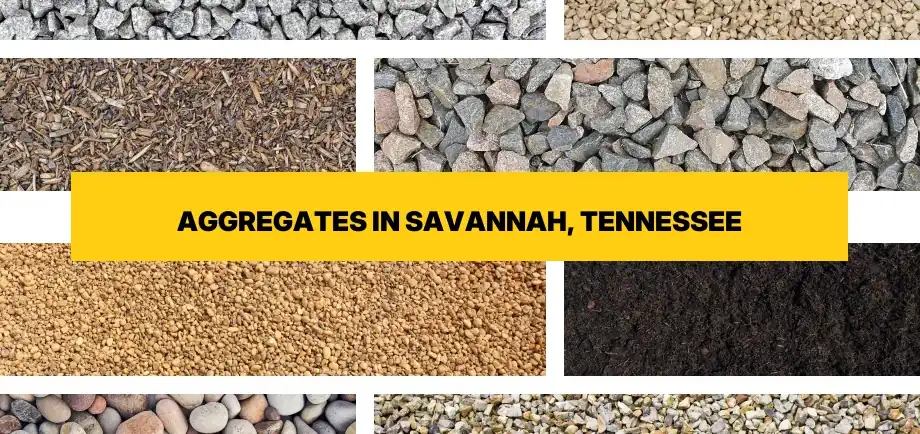
Complete Selection of Aggregates Available in Savannah
Our comprehensive inventory serves residential, commercial, and agricultural projects across Savannah and surrounding Hardin County communities. We understand the specific challenges of building in West Tennessee's river valley environment, where proper drainage and solid foundations are essential.
- Driveway Gravel - Premium compactable material for long-lasting driveways
- 3/4 inch Crushed Stone - Versatile aggregate for foundations and drainage
- #57 Stone - Angular crushed rock ideal for drainage systems
- Crusher Run - Compactable base that forms a rock-solid foundation
- Road Base - Professional-grade material for roads and heavy traffic areas
- Pea Gravel - Smooth stones perfect for walkways and decorative applications
- River Rock - Natural Tennessee River aesthetic for landscaping
- Drain Rock - Essential aggregate for managing Tennessee's heavy rainfall
- Topsoil - Nutrient-rich soil for gardens and lawn establishment
- Fill Dirt - Quality fill for grading and elevation projects
- Crushed Concrete - Eco-friendly recycled aggregate for base layers
- Decomposed Granite - Natural material for pathways and erosion control
- Mason Sand - Fine sand for masonry and construction projects
- Playground Sand - Safe, clean sand for play areas
- Washed Sand - Clean sand for concrete mixing and landscaping
- Walkway Gravel - Decorative stone for paths and garden borders
Serving All Savannah Neighborhoods and Surrounding Areas
Gravel Monkey delivers throughout Savannah and the greater Hardin County region. From historic Downtown Savannah to the growing residential areas along Wayne Road, we know the local terrain and soil conditions that affect every aggregate project. Our delivery service extends to Adamsville, Crump, Milledgeville, Stantonville, and communities near Shiloh National Military Park.
Properties near the Tennessee River and Pickwick Lake require special attention to drainage, as the river valley's high water table and seasonal flooding patterns demand aggregates that promote proper water flow. The clay-heavy soils throughout Hardin County expand and contract with moisture changes, making proper base preparation critical for any driveway, road, or foundation project.
Understanding Savannah's Soil and Climate Challenges
Savannah sits in the Western Tennessee River Valley, where clay soils dominate the landscape. These dense, fine-grained soils hold water and become soft and unstable when saturated. With annual rainfall averaging 54 inches and summer temperatures reaching the mid-90s with high humidity, the ground undergoes continuous expansion and contraction cycles. This makes selecting the right aggregate crucial for project longevity.
The area's geology consists of Coastal Plain sediments with layers of clay, silt, and sand deposited over millennia. When wet, these clays become plastic and lose bearing capacity, requiring substantial aggregate bases for any structure or paved surface. Winter freezing, while less severe than northern climates, still causes frost heave in poorly drained areas. Proper aggregate selection addresses these specific Tennessee River valley conditions.
Driveway and Road Aggregates for Savannah Properties
Creating a durable driveway in Savannah demands understanding how different aggregates interact with local clay soils. The key is establishing a stable base that drains water away while remaining solid under vehicle weight through all seasons.
Foundation Layers That Last
Start with a proper foundation using crusher run or road base. These materials contain a blend of stone sizes that compact tightly, creating an interlocking matrix that won't shift over time. For properties in low-lying areas near the Tennessee River or in neighborhoods like those along Pickwick Road, this base layer is essential for keeping driveways above seasonal groundwater fluctuations.
The crusher run creates a barrier between unstable clay and your finished surface. As water tries to move through the ground, the aggregate intercepts it and channels it away, preventing the softening and rutting that destroys driveways built directly on clay. Properties on Crump Road and throughout East Savannah particularly benefit from this approach, as these areas experience heavy runoff during spring storms.
Surface Material Selection
For the driving surface, driveway gravel provides excellent traction and a clean appearance. This material compacts well and resists rutting even under heavy vehicle traffic. The angular shapes lock together, creating a firm surface that holds up through Hardin County's hot, humid summers and occasional winter freezes.
Many Savannah property owners prefer the 3/4 inch crushed stone as a top layer due to its uniform size and professional appearance. This stone works particularly well for longer driveways common in rural Hardin County, providing consistent performance without the dust that some aggregates produce during dry spells.
Drainage Solutions for Tennessee River Valley Properties
Managing water is the single most important factor in Savannah construction projects. The Tennessee River's proximity, combined with clay soils and substantial rainfall, creates drainage challenges that require the right aggregate solutions.
Why Drainage Matters in Savannah
Clay soils act like a sponge up to their saturation point, then become impermeable barriers that force water to travel horizontally rather than percolating downward. This leads to standing water, foundation problems, and failed driveways. Properties in low-lying areas near Shiloh or along the river flats experience these issues most acutely, but even elevated lots in town require proper drainage planning.
The #57 stone serves as an excellent drainage aggregate throughout Savannah. Its uniform size and angular shape create consistent void spaces that allow rapid water movement while providing structural support. French drains using this material protect foundations, prevent basement flooding, and extend the life of driveways and parking areas.
Drain rock works similarly but with slightly larger stones, making it ideal for handling higher water volumes. Properties in flood-prone areas benefit from drain rock installations around building perimeters and beneath gravel driveways. The rock creates a pathway for water to escape rather than pooling against foundations or under driving surfaces.
Landscaping Aggregates and Decorative Stone
Beyond functional applications, aggregates enhance Savannah properties with natural beauty and low-maintenance appeal. The right decorative stone complements Tennessee's natural landscape while providing practical benefits.
Creating Attractive Outdoor Spaces
Pea gravel offers a smooth, natural look perfect for garden pathways, around patios, and in planting beds. Its rounded stones are comfortable underfoot and resist compaction, maintaining a loose, natural appearance. Many Savannah homeowners use pea gravel to create dry creek beds that channel water during heavy rains while serving as attractive landscaping features during dry periods.
River rock brings the Tennessee River's natural aesthetic to landscaping projects. Available in various sizes, these smooth stones work beautifully around water features, as borders for garden beds, and as mulch alternatives that never need replacement. Properties near Pickwick Landing State Park often incorporate river rock to blend seamlessly with the natural surroundings.
For walking paths that combine functionality with aesthetics, walkway gravel provides an excellent solution. This carefully sized stone compacts enough to create stable walking surfaces while maintaining good drainage. It works particularly well for garden paths, trail sections, and connecting different outdoor living areas without the expense of concrete or pavers.
Erosion Control and Slope Stabilization
Savannah's rolling terrain and heavy rainfall make erosion a constant concern, especially on properties with slopes leading toward creeks or the Tennessee River. Decomposed granite works exceptionally well for stabilizing slopes and preventing erosion while maintaining a natural appearance. When compacted, it forms a permeable surface that allows water infiltration while resisting washout.
Aggregate Comparison Guide for Savannah Projects
Selecting the right material depends on your specific project and property conditions. This comparison helps identify which aggregates best suit common Savannah applications.
| Aggregate Type | Best Applications | Drainage Quality | Compaction Level | Clay Soil Performance |
|---|---|---|---|---|
| Crusher Run | Driveway base, road foundation | Good | Excellent | Superior - prevents clay migration |
| Road Base | Heavy traffic areas, parking lots | Good | Excellent | Excellent for clay conditions |
| Driveway Gravel | Driveway surface, farm roads | Very Good | Very Good | Excellent when properly based |
| 3/4 inch Crushed Stone | Driveway top layer, around buildings | Very Good | Good | Very good with proper base |
| #57 Stone | Drainage, French drains, pipe bedding | Excellent | Moderate | Ideal for water management |
| Drain Rock | Foundation drainage, erosion control | Excellent | Low | Prevents water pooling in clay |
| Pea Gravel | Walkways, landscaping, decorative | Good | Low | Good for surface applications |
| River Rock | Landscaping, water features, borders | Good | None | Decorative, minimal clay interaction |
| Decomposed Granite | Pathways, erosion control, compactable surface | Good | Very Good | Excellent for clay slopes |
| Crushed Concrete | Base layer, utility trenches, eco-friendly projects | Good | Very Good | Cost-effective clay barrier |
Soil Preparation and Base Construction in Hardin County
Success with any aggregate project in Savannah begins with proper soil preparation. The clay-rich earth requires specific techniques to ensure aggregates perform as intended.
Working With Clay Soils
Before placing any aggregate, address the existing clay. Remove organic material like topsoil, grass, and roots, as these decompose and create voids that cause settling. In wet conditions, allow the area to dry sufficiently, or add a geotextile fabric to prevent clay from migrating upward through the aggregate over time.
For driveway construction, excavate deep enough to accommodate both base and surface layers. In Savannah's climate, a minimum 6-inch depth is recommended, with 8 to 10 inches better for heavy vehicles or in soft ground conditions. Properties in areas with poor natural drainage, such as near Snake Creek or in bottom land near the Tennessee River, benefit from even deeper excavation and thicker aggregate layers.
Layering for Long-Term Performance
Start with crusher run or road base as your foundation. Spread it evenly and compact in layers no more than 4 inches thick. Proper compaction is essential—simply dumping aggregate creates air pockets that lead to settling and failure. Many Savannah contractors rent a plate compactor or vibratory roller for this critical step.
Once the base is solid, add your surface material. Whether using driveway gravel, crushed stone, or another surface aggregate, proper compaction remains important. The goal is creating an interlocked matrix where stones support each other, distributing weight evenly and preventing individual stones from displacing under pressure.
Commercial and Agricultural Aggregate Applications
Savannah's economy includes substantial agricultural operations, commercial properties, and light industrial facilities. Each requires aggregate solutions scaled to their specific needs and traffic demands.
Farm and Ranch Applications
Agricultural properties throughout Hardin County use aggregates for equipment yards, barn floors, and access roads connecting fields to main roads. Road base provides economical, long-lasting surfaces for farm equipment traffic. Its superior compaction and drainage prevent the mud problems that plague farms with untreated clay surfaces.
Livestock operations benefit from well-drained surfaces using #57 stone or drain rock beneath barns and around feeding areas. These aggregates prevent mud accumulation while allowing easy cleaning and maintenance. The Tennessee River valley's wet winters make these drainage solutions essential for animal health and operator efficiency.
Commercial Property Development
Retail and commercial properties in Savannah require aggregates that handle constant traffic while maintaining a professional appearance. Road base provides the stable foundation needed for parking lots and loading areas, while crushed concrete offers an economical base layer for large-scale projects.
Professional contractors serving the Savannah market know that cutting corners on base preparation leads to premature failure and costly repairs. The combination of clay soils, heavy rainfall, and commercial traffic demands proper aggregate depth and quality materials from the start.
Sand Products for Construction and Landscaping
While aggregates handle most structural and drainage needs, specific applications require sand products. Gravel Monkey supplies several sand types suited to different Savannah projects.
Mason Sand for Construction
Mason sand is essential for mortar mixing, laying brick and block, and creating smooth concrete finishes. Its fine, even texture ensures consistent mortar batches that bond reliably. Savannah builders and masons rely on quality mason sand for restoration work at historic sites like those in Downtown Savannah and new construction throughout the county.
Specialty Sands
Playground sand provides safe, clean material for play areas that meets safety standards for cushioning falls. Parks, schools, and residential playsets throughout Savannah benefit from this carefully screened sand. Washed sand serves various purposes from concrete mixing to creating sandy areas for volleyball courts or beach-like recreational spaces near Pickwick Lake properties.
Topsoil and Fill Dirt for Grading Projects
Not every project requires rock. Proper grading and landscaping in Savannah often demand quality soil products that work with local conditions.
Fill Dirt for Elevation and Grading
Fill dirt provides bulk material for raising grades, filling low areas, and creating building pads. In flood-prone areas near the Tennessee River, raising foundation heights above flood stage protects structures and meets local building codes. Quality fill dirt compacts reliably and contains minimal organic material that would decompose and settle.
Properties throughout Savannah use fill dirt to improve drainage away from buildings, level yards, and fill old utility trenches. When combined with proper aggregate drainage systems, fill dirt creates stable, well-drained landscapes that remain functional through Tennessee's wet seasons.
Topsoil for Lawns and Gardens
Once grading is complete, topsoil provides the nutrient-rich layer where plants thrive. Hardin County's native soils are often clay-heavy and benefit from topsoil addition for establishing lawns, gardens, and landscaping beds. Quality topsoil improves drainage while providing the organic matter and nutrients plants need.
Many Savannah homeowners improve their yards by spreading 4 to 6 inches of topsoil over existing clay before seeding or sodding. This creates a better growing environment while reducing the maintenance challenges associated with pure clay lawns.
Neighborhood-Specific Considerations Throughout Savannah
Different areas of Savannah and Hardin County present unique challenges and opportunities for aggregate projects. Understanding these local factors helps ensure project success.
Historic Downtown Savannah
The historic district features older properties with mature landscaping and established drainage patterns. Projects here often involve enhancing existing driveways or creating decorative pathways that complement period architecture. River rock and pea gravel work particularly well for pathways, while careful driveway renovation using crusher run and crushed stone preserves the historic character while improving functionality.
Wayne Road and Eastern Residential Areas
Newer residential development along Wayne Road and throughout East Savannah sits on similar clay soils but benefits from modern subdivision drainage planning. Driveways in these areas perform well with standard crusher run bases and driveway gravel surfaces. The slightly better natural drainage compared to river bottom lands means aggregate depths can sometimes be slightly reduced, though proper base preparation remains essential.
Tennessee River Corridor Properties
Properties near the Tennessee River, Pickwick Lake, and surrounding bottom lands face the most significant drainage challenges. High water tables, seasonal flooding, and saturated soils demand extra attention to drainage and aggregate thickness. These properties benefit most from drain rock systems, deep aggregate bases, and careful grading to direct water away from buildings and driveways.
Crump Road and Southern Hardin County
Rural properties along Crump Road and throughout southern Hardin County often include longer driveways, agricultural uses, and larger lots. Road base and crusher run provide economical solutions for extensive driveway and access road projects. The more rural setting allows for practical, functional approaches that prioritize durability and cost-effectiveness over pure aesthetics.
Shiloh National Military Park Vicinity
Properties near Shiloh National Military Park benefit from the area's historic preservation efforts while facing similar soil and drainage challenges. Aggregate projects here often balance modern functionality with aesthetic considerations that complement the natural and historic landscape. Decomposed granite and natural stone aggregates work particularly well in this setting.
Frequently Asked Questions About Gravel and Aggregates in Savannah
For Savannah's clay-heavy soils, start with a 4 to 6 inch base layer of crusher run or road base, which compacts tightly and prevents clay migration. Top this with 2 to 3 inches of driveway gravel or 3/4 inch crushed stone for the driving surface. This combination handles Tennessee's wet climate while remaining stable through summer heat and winter cold.
Minimum depth should be 6 inches total for residential driveways, with 8 to 10 inches recommended for heavier vehicles or poor soil conditions. Properties near the Tennessee River or in low-lying areas benefit from deeper installations of 10 to 12 inches to stay above seasonal water table fluctuations. The worse the natural drainage, the deeper your aggregate base should extend.
Both are excellent base materials that compact well and provide stable foundations. Crusher run typically contains a blend of stones from dust up to 3/4 inch, while road base may include slightly larger stones and is specifically engineered for load-bearing applications. Either works well in Savannah, with the choice often depending on availability and specific project requirements. Both outperform single-size aggregates for base layers.
It depends on your drainage situation. Crushed stone provides some drainage but isn't optimized for water movement like drain rock or #57 stone. Properties with standing water issues, near the Tennessee River, or with high water tables should incorporate dedicated drainage aggregates in French drains or as base layers beneath driveways. The investment in proper drainage prevents expensive problems later.
Calculate by multiplying length times width times depth in feet, then divide by 27 to get cubic yards. For example, a 50-foot by 12-foot driveway with 6 inches of base needs 11 cubic yards (50 x 12 x 0.5 / 27). Always order 10 to 15 percent extra to account for compaction and uneven ground. Our team can help with specific calculations for your Hardin County property.
Late spring through early fall provides the best conditions, when soil is drier and compaction equipment works most effectively. Avoid winter months when ground may be saturated or frozen, and be cautious during Savannah's wettest months of December through March. However, proper techniques allow year-round installation when necessary, especially if using geotextile fabric to separate clay from aggregate.
Crushed concrete performs excellently as a base layer and offers environmental benefits through recycling. It compacts well and provides good drainage. While not typically used for final driving surfaces where appearance matters, it's ideal for base layers, utility work, and projects where cost-effectiveness is important. Many successful Savannah driveways use crushed concrete as base with natural stone on top.
Pea gravel is not recommended for driveways due to its rounded shape, which doesn't compact or lock together well. It shifts under vehicle tires and provides poor traction. Instead, use pea gravel for walkways, landscaping, and decorative applications where its smooth appearance and comfortable texture are advantages. For driveways, choose angular materials like crusher run, driveway gravel, or crushed stone that compact firmly.
Professional Aggregate Delivery Throughout Savannah and Hardin County
Gravel Monkey understands the specific challenges of building and landscaping in Tennessee's river valley environment. Our complete selection of aggregates addresses Savannah's clay soils, drainage requirements, and climate conditions. From residential driveways in town to agricultural operations in rural Hardin County, we supply the materials needed for lasting results.
Every delivery includes expert guidance on material selection and quantity calculations specific to your property and project. We know Savannah's geography, from the Tennessee River bottoms to the elevated areas around Shiloh, and we recommend aggregates based on your specific location and conditions. Free delivery means you get professional-grade materials delivered directly to your site without additional cost.
Whether you're building a new driveway near Downtown Savannah, improving drainage around your Pickwick Landing property, or creating walkways and landscaping features anywhere in Hardin County, Gravel Monkey provides the aggregates and expertise for successful projects. Our commitment to quality materials, local knowledge, and customer service makes us Savannah's trusted aggregate supplier.

Need help? Reach out for a quote: