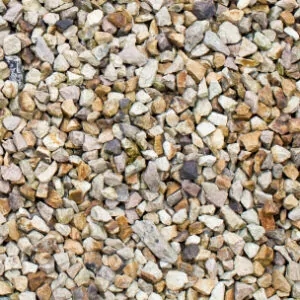
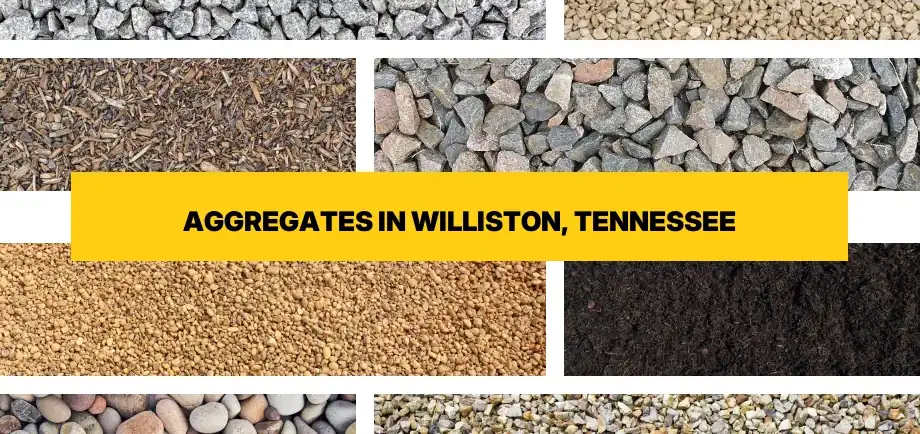
Bulk Aggregate & Gravel Products in Williston, Tennessee
Local Topsoil, Dirt, Sand, Rocks and Gravel near me in Williston, Tennessee
Shop Aggregates for Delivery in Williston
Order online for free delivery to any Williston address.
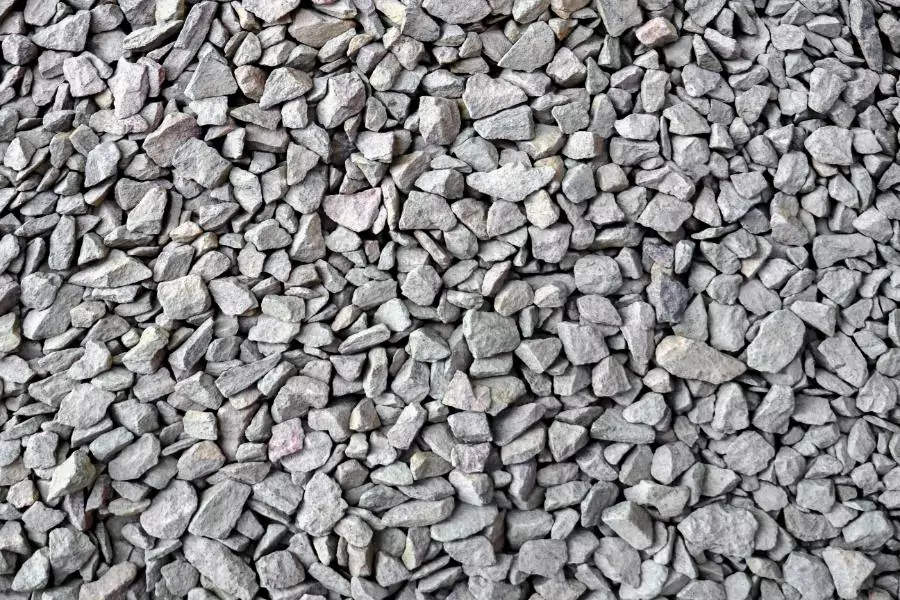
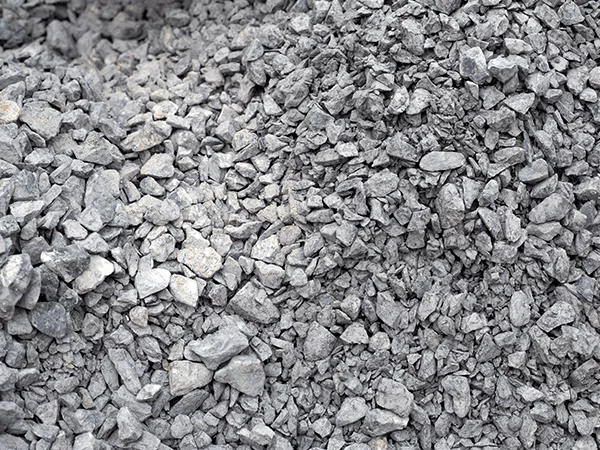


Gravel Monkey is your trusted source for premium aggregates and gravel delivery in Williston, Tennessee. Serving Fayette County and the surrounding West Tennessee region, we provide high-quality construction materials directly to your property with absolutely free delivery. Whether you're building a new driveway near the Williston community, creating drainage solutions for the clay-rich soils common throughout the area, or working on agricultural improvements on rural properties, our comprehensive selection of aggregates meets every residential and commercial need. From the historic routes near Moscow Highway to properties along Pleasant Hill Road, we deliver the materials you need when you need them.
Complete Aggregates Selection for Williston Projects
Understanding the unique geological characteristics of West Tennessee, we offer a complete range of aggregates specifically suited for Williston's heavy clay soils and humid subtropical climate. Our materials help property owners throughout Fayette County overcome common challenges like poor drainage, soil expansion, and the need for stable foundations in areas with high moisture retention.
- Driveway Gravel - Engineered for long-lasting residential and farm driveways throughout Williston
- 3/4 inch Crushed Stone - Versatile aggregate for foundations and drainage applications
- #57 Stone - Premium crushed stone for French drains and base layers
- Crusher Run - Excellent compaction for stable driveways in clay soil conditions
- Road Base - Heavy-duty material for farm roads and commercial applications
- Pea Gravel - Smooth decorative stone for walkways and garden beds
- River Rock - Natural beauty for landscaping projects around Williston homes
- Drain Rock - Essential for managing water in West Tennessee's clay soils
- Topsoil - Nutrient-rich soil for gardens and agricultural projects
- Fill Dirt - Quality material for grading and leveling properties
- Crushed Concrete - Eco-friendly recycled aggregate for budget-conscious projects
- Decomposed Granite - Natural pathways that complement rural Tennessee landscapes
- Mason Sand - Fine sand for construction and masonry work
- Playground Sand - Safe, clean sand for family play areas
- Washed Sand - Clean sand for concrete mixing and specialty applications
Understanding Williston's Unique Soil and Climate Challenges
Williston sits in the heart of Fayette County's loess region, characterized by wind-deposited silt that overlays the region's distinctive clay subsoils. This geological composition presents specific challenges for construction and landscaping that property owners must address with appropriate aggregate materials. The area's heavy Grenada and Memphis silt loam soils have poor natural drainage, making proper base materials and drainage solutions absolutely critical.
West Tennessee experiences a humid subtropical climate with hot, humid summers where temperatures regularly exceed 90 degrees Fahrenheit and mild winters. The region receives approximately 54 inches of rainfall annually, with the wettest months occurring from December through May. This substantial precipitation, combined with the area's clay-heavy soils, creates conditions where water management becomes paramount for any outdoor project.
Why Proper Aggregates Matter in Fayette County
The expansive clay soils common throughout the Williston area swell when wet and shrink during dry periods, creating movement that can damage driveways, foundations, and hardscaping without proper aggregate base layers. Properties along Pleasant Hill Road, Moscow Highway, and the rural areas surrounding Williston particularly benefit from well-designed aggregate applications that accommodate this soil movement while providing stable, long-lasting surfaces.
Local contractors and agricultural operations have long recognized that successful projects in Williston require more than standard construction practices. The combination of heavy clay, high moisture levels, and temperature fluctuations demands materials specifically chosen for these conditions. Our aggregates are selected to provide the drainage, stability, and durability that Fayette County projects require.
Driveway Solutions for Williston Properties
Driveways throughout Williston face unique challenges due to the area's clay soils and weather patterns. Traditional gravel driveways can develop ruts, potholes, and drainage issues without proper material selection and installation. Whether you're maintaining a historic farm property near the LaGrange Road area or installing a new driveway for a modern home, choosing the right aggregates makes all the difference.
Best Aggregates for Williston Driveways
For optimal performance in Williston's clay-heavy environment, we recommend starting with a solid base layer. The walkway gravel we provide works excellently as a foundation material when properly compacted. This creates a stable platform that resists the shifting caused by moisture changes in the underlying clay.
The top surface layer deserves equal attention. Many Williston property owners choose our premium aggregates for their ability to compact tightly while maintaining sufficient drainage. A proper driveway installation typically includes 4 to 6 inches of base material, allowing for the compaction necessary in West Tennessee conditions. Properties in low-lying areas near the Loosahatchie River bottomlands may require even deeper aggregate bases to combat poor drainage conditions.
Seasonal Considerations for Driveway Maintenance
Spring in Fayette County brings the heaviest rainfall, often resulting in soft, muddy conditions that test driveway materials. Summer heat bakes the clay soils rock-hard, while winter freeze-thaw cycles can create additional stress on improperly constructed driveways. Planning your driveway installation or renovation during late summer or early fall often provides the best conditions for proper compaction and curing.
Aggregate Comparison Guide for West Tennessee
Choosing the right aggregate for your Williston project depends on understanding how different materials perform in our local conditions. This comparison helps you select the best option for your specific needs.
| Aggregate Type | Best Applications | Drainage Rating | Compaction Ability | Clay Soil Performance |
|---|---|---|---|---|
| Crusher Run | Driveways, Road Base | Good | Excellent | Superior |
| 3/4" Crushed Stone | Foundations, Drainage | Excellent | Very Good | Excellent |
| #57 Stone | French Drains, Septic | Excellent | Good | Very Good |
| Pea Gravel | Walkways, Landscaping | Very Good | Fair | Good |
| Road Base | Heavy Traffic Areas | Good | Excellent | Excellent |
| Drain Rock | Drainage Systems | Excellent | Fair | Very Good |
| Decomposed Granite | Pathways, Patios | Good | Very Good | Good |
Critical Drainage Solutions for Williston Properties
Given West Tennessee's substantial annual rainfall and the prevalence of clay soils throughout the Williston area, effective drainage systems aren't optional—they're essential. Poor drainage leads to standing water, foundation problems, basement moisture issues, and damage to driveways and landscaping. Properties throughout Fayette County, from Moscow to Grand Junction, deal with these challenges regularly.
French Drain Installation with Proper Aggregates
French drains remain one of the most effective solutions for managing water in clay soil environments. These systems work by providing a gravel-filled trench that intercepts water and channels it away from structures. The success of a French drain system depends entirely on using the right aggregate materials that won't become clogged with the fine particles common in our local soils.
For French drain applications around Williston properties, aggregates with larger void spaces prevent clogging while allowing water to flow freely. Properties experiencing basement seepage or yard flooding near the Loosahatchie River tributaries particularly benefit from professionally installed French drain systems using appropriate materials.
Surface Drainage and Swale Systems
Many rural properties around Williston rely on surface drainage swales to manage water flow across agricultural fields and around buildings. These shallow channels need proper aggregate lining to prevent erosion while maintaining water movement during heavy rain events. The area's topography, with its gentle slopes and occasional low spots, makes thoughtful drainage planning essential for successful property development.
Landscaping and Decorative Aggregate Applications
Beyond functional applications, aggregates play an important role in creating beautiful outdoor spaces throughout Williston. From traditional Southern gardens to modern landscape designs, the right materials enhance both aesthetics and functionality while working within the constraints of our local climate and soil conditions.
Creating Low-Maintenance Garden Beds
Williston's hot, humid summers and heavy clay soils present challenges for traditional garden beds. Many homeowners find success using raised bed systems filled with quality topsoil and amended with organic matter. Surrounding these beds with decorative aggregates provides clean pathways, reduces weed growth, and helps manage moisture levels during our wet springs and dry late summers.
River rock creates natural-looking borders that complement the rural character of properties throughout Fayette County. These smooth stones resist shifting better than smaller aggregates while providing excellent visual appeal. For more formal garden settings, decomposed granite pathways offer a refined appearance that compacts into a firm walking surface while maintaining permeability.
Walkways and Patio Areas
Creating comfortable outdoor living spaces requires materials that drain well during our frequent rain events while remaining stable underfoot. Pea gravel has become increasingly popular for informal pathways connecting different areas of Williston properties. Its rounded shape makes it comfortable for bare feet while its excellent drainage characteristics prevent pudding during spring rains.
For more formal applications, crushed stone pathways provide a firmer surface that wheelchair users and those with mobility challenges can navigate more easily. When properly installed over landscape fabric and a compacted base, these pathways serve properties reliably for many years with minimal maintenance.
Aggregates for Agricultural Operations
Agriculture remains central to the Williston community's identity, with farm operations of all sizes depending on reliable access roads, equipment storage areas, and proper drainage solutions. The unique demands of agricultural properties require aggregates that can handle heavy equipment traffic while standing up to West Tennessee's challenging weather conditions.
Farm Road Construction and Maintenance
Farm roads throughout Fayette County take tremendous punishment from tractors, grain trucks, and other heavy equipment, especially during wet conditions. Many operations near Williston have learned that investing in proper road base materials prevents the costly cycle of repeated grading and material replacement that comes with using inadequate materials.
Well-constructed farm roads typically start with proper drainage—ensuring water moves away from the road surface rather than collecting and softening the base materials. A thick layer of properly graded and compacted road base creates a stable platform that distributes load effectively. Properties with particularly soft underlying soils may need geotextile fabric beneath the aggregate to prevent pumping and mixing with the clay subsoil.
Equipment Pads and Storage Areas
Protecting expensive farm equipment from sitting in mud requires stable parking and storage areas. Aggregate pads designed for heavy equipment storage typically use multiple layers: a bottom layer of larger stone for drainage and stability, followed by progressively smaller materials that lock together to create a firm, level surface. These installations prove especially valuable during spring planting and fall harvest when equipment moves on and off the pad frequently under wet conditions.
Serving Williston and Surrounding Fayette County Communities
Gravel Monkey proudly delivers premium aggregates throughout the Williston area and neighboring communities. Our service area extends across Fayette County, ensuring reliable access to quality materials wherever your project is located.
Communities We Serve
Our delivery routes regularly include properties throughout the greater Williston region, from established residential areas to rural agricultural properties. We serve Moscow to the north, known for its historic downtown and growing residential development. Somerville, the Fayette County seat located to the south, receives regular deliveries for both residential and municipal projects.
LaGrange, with its rich Civil War history and preserved downtown area, represents another community we're proud to serve. Grand Junction to the east benefits from our aggregate delivery services for both agricultural and residential applications. We also support projects in Hickory Withe, Rossville, and the numerous unincorporated communities that make up rural Fayette County.
Properties along major routes including Highway 57, Highway 76, and Moscow Highway enjoy convenient delivery access. Our drivers know the back roads and rural routes throughout the area, ensuring your materials arrive efficiently regardless of your property's location.
Professional Installation Guidance for Williston Projects
While we provide the highest quality aggregates available in West Tennessee, proper installation techniques determine the long-term success of your project. Understanding best practices for aggregate applications in Williston's challenging soil and climate conditions helps ensure lasting results.
Site Preparation Fundamentals
Successful aggregate projects start with thorough site preparation. This means removing existing vegetation, organic material, and unstable surface soils down to firm, undisturbed clay or existing stable material. Properties throughout Williston typically have 6 to 12 inches of topsoil over clay subsoils. Removing this topsoil prevents future settling and organic decomposition that can undermine your aggregate installation.
Proper grading before aggregate placement ensures water flows away from structures and high-use areas. The clay soils common throughout Fayette County should be shaped to promote positive drainage even before aggregate materials arrive. Low spots and depressions need filling with compacted clay or aggregate base materials to prevent future water accumulation.
Compaction Requirements
West Tennessee's clay soils and humid climate make proper compaction absolutely critical. Base materials must be placed in lifts—layers typically 4 to 6 inches thick—with each lift thoroughly compacted before the next goes down. Attempting to compact aggregate materials in thick layers results in a loosely consolidated base that will shift and settle with use.
Compaction should occur while materials are at optimal moisture content. Too dry, and aggregates won't bind together properly; too wet, and compaction becomes ineffective. Spring and fall typically provide the best moisture conditions for compaction work around Williston, though summer installations can succeed with proper water management.
Seasonal Considerations for Aggregate Projects
Timing your aggregate project around Williston's seasonal weather patterns can significantly impact both the installation process and long-term results. Understanding what to expect during different times of year helps you plan effectively.
Spring Installation Challenges and Advantages
Spring brings the highest rainfall totals to West Tennessee, with March through May typically seeing the wettest conditions. This abundant moisture can complicate installations by making access difficult and preventing proper compaction. However, spring also offers moderate temperatures that make outdoor work comfortable and give new installations time to settle before summer heat and winter cold arrive.
Properties prone to soft conditions during wet weather might consider postponing major aggregate work until late spring or early summer when soils have had time to dry. Drainage improvements, conversely, are often best completed during wet periods when problem areas are most obvious and the value of proper drainage solutions becomes immediately apparent.
Summer, Fall, and Winter Considerations
Summer's heat and relatively drier conditions make this an excellent time for aggregate installations around Williston. The firm, dry soils provide stable working conditions, and materials compact effectively. The trade-off comes in the form of dust during dry periods and the physical demands of working in Tennessee's summer heat.
Fall often represents the ideal window for aggregate projects in Fayette County. Moderate temperatures, decreasing rainfall, and firm soil conditions combine to create excellent installation circumstances. Completing projects before winter also means you enter the wet season with proper drainage and stable surfaces in place.
Winter work remains possible during dry periods, though freezing temperatures occasionally limit compaction effectiveness. The dormant season does offer advantages for certain projects, particularly those requiring heavy equipment access across normally sensitive areas, as frozen ground provides temporary stability.
Frequently Asked Questions About Aggregates in Williston
Williston sits in West Tennessee's loess belt with heavy clay subsoils that are characteristic of the region. These Grenada and Memphis series soils have poor natural drainage and expand significantly when wet, then contract during dry periods. This movement requires proper aggregate base materials to prevent cracking, settling, and drainage problems. The combination of high rainfall—around 54 inches annually—and these clay soils makes drainage solutions and stable base materials essential for successful projects.
For residential driveways in Williston, we typically recommend a minimum of 4 to 6 inches of aggregate after compaction. Properties with particularly soft soils or heavy vehicle traffic may benefit from depths up to 8 inches. The base layer should use larger, well-graded material for stability, topped with finer material for a smooth driving surface. Commercial applications and farm roads often require 6 to 10 inches or more depending on expected loads and soil conditions.
For drainage applications in Williston's clay soils, we recommend angular crushed stone rather than rounded materials. The angular edges lock together better while maintaining void spaces for water flow. Larger sizes resist clogging from fine clay particles better than smaller materials. Many Fayette County properties use these materials for French drains, foundation drainage, and septic field applications where maintaining open channels for water movement is critical.
Late summer through early fall typically provides the best conditions for aggregate installations in the Williston area. Soil moisture levels have stabilized after spring rains, temperatures moderate from summer peaks, and you have time to complete the work before winter wet weather arrives. However, quality installations can occur year-round during dry periods with proper techniques. Avoid working during or immediately after heavy rain when clay soils are saturated and equipment access becomes difficult.
Geotextile fabric provides significant benefits for many Williston projects, particularly those involving very soft clay soils or heavy traffic. The fabric prevents aggregate materials from mixing with underlying clay while allowing water drainage. Properties experiencing pumping—where clay mud works up through gravel during wet conditions—definitely benefit from fabric installation. For lighter-duty applications on firm soil, fabric may be optional, though it always improves long-term performance and reduces maintenance requirements.
West Tennessee's humid subtropical climate with substantial rainfall demands aggregates that provide excellent drainage while resisting breakdown from moisture cycles. Materials that compact well create stable surfaces that withstand both wet springs and hot, dry summers. The moderate winters mean freeze-thaw damage is less concerning than in northern climates, but the wet-dry cycles still stress inadequate installations. Choosing aggregates proven in similar Southern clay soil regions ensures long-term performance.
Well-installed aggregate driveways in the Williston area require minimal maintenance. Annual grading to redistribute materials and fill minor depressions typically suffices. Properties experiencing washout along edges benefit from improved drainage solutions rather than just adding more material. Every few years, adding a thin layer of fresh material rejuvenates the surface. Heavy clay soils mean maintaining positive drainage remains the most important maintenance activity—ensure water continues flowing away from the driveway rather than standing or running across it.
DIY installation of small aggregate projects like garden pathways or modest shed pads is certainly achievable for capable homeowners. However, driveways, drainage systems, and larger projects benefit significantly from professional installation. Contractors experienced with Williston's soil conditions understand proper depth requirements, compaction techniques, and drainage design that ensure long-lasting results. The cost difference between DIY and professional installation often proves minor compared to the expense of redoing a failed installation or dealing with ongoing drainage problems.
Start Your Williston Aggregate Project Today
Gravel Monkey delivers premium aggregates throughout Williston and greater Fayette County with free delivery to your property. Our team understands the unique challenges presented by West Tennessee's clay soils and humid climate, and we're ready to help you select the right materials for lasting results. Whether you're planning a new driveway, improving drainage, creating beautiful landscaping, or maintaining agricultural roads, we have the aggregates and expertise to support your success.
Contact us today to discuss your project needs. Our knowledgeable staff can help you calculate quantities, select appropriate materials for your specific application, and schedule convenient delivery to your Williston-area property. With decades of combined experience serving Fayette County and throughout Tennessee, we're committed to providing the quality materials and customer service that make your project a success.

Need help? Reach out for a quote: