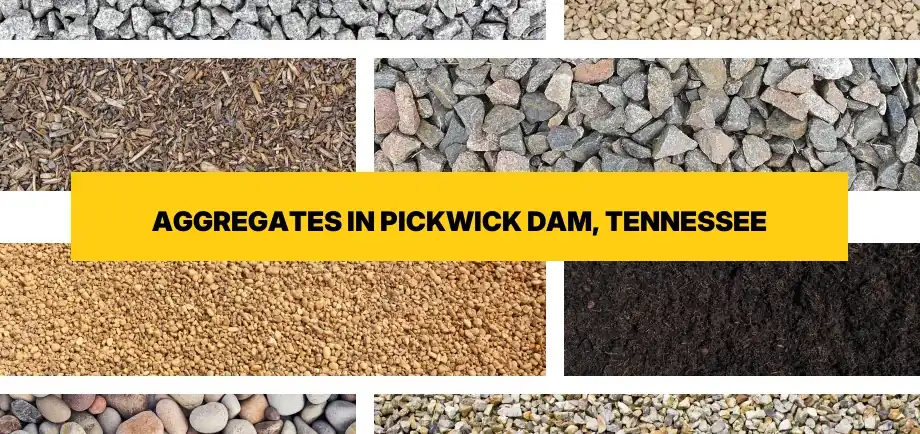
Shop Sand, Stone & Gravel in Pickwick Dam, Tennessee
Local Topsoil, Dirt, Sand, Rocks and Gravel near me in Pickwick Dam, Tennessee
Shop Aggregates for Delivery in Pickwick Dam
Order online for free delivery to any Pickwick Dam address.


Gravel Monkey is your premier source for gravel and aggregate delivery in Pickwick Dam, Tennessee. Nestled along the scenic Tennessee River, this unique community requires specialized materials that can handle the region's clay-rich soil, variable rainfall, and distinctive topography. Whether you're building a new driveway for your waterfront property, creating erosion control solutions for sloped terrain, or enhancing your lakeside landscaping, we deliver premium aggregates directly to your Pickwick Dam location with absolutely free delivery. Our materials are specifically selected to perform in the Tennessee River Valley climate and soil conditions.
Complete Range of Aggregates Available in Pickwick Dam
Gravel Monkey provides an extensive selection of aggregates and materials specifically suited for Pickwick Dam's unique geographical setting. Our inventory includes construction-grade materials, decorative stone, and specialized products designed to address the drainage and stability challenges common in Hardin County properties.
- Driveway Gravel - Durable base material engineered for Tennessee's clay soil conditions and heavy rainfall
- 3/4 inch Crushed Stone - Versatile aggregate perfect for driveways, foundations, and drainage applications
- #57 Stone - Standard construction aggregate ideal for concrete drainage and base layers
- Crusher Run - Superior compaction material for stable roadways and parking areas
- Road Base - Heavy-duty foundation material for long-lasting driveways and access roads
- Pea Gravel - Smooth, rounded stone excellent for decorative landscaping and pathways
- River Rock - Natural aesthetic stone perfect for waterfront landscaping and garden beds
- Walkway Gravel - Attractive pathway material for garden trails and outdoor spaces
- Drain Rock - Engineered for water management and French drain systems
- Crushed Concrete - Eco-friendly recycled aggregate for cost-effective base applications
- Topsoil - Nutrient-rich soil blend for gardens, lawns, and landscaping projects
- Fill Dirt - Essential grading material for leveling and site preparation
- Mason Sand - Fine-grade sand for masonry work and paver installation
- Playground Sand - Clean, safe sand for play areas and recreational spaces
- Washed Sand - Clean sand for concrete mixing and various construction needs
- Decomposed Granite - Natural pathway material with excellent compaction and drainage
Understanding Pickwick Dam's Unique Landscape and Soil Conditions
The Pickwick Dam area presents distinctive challenges and opportunities for aggregate applications. Built in 1938 as part of the Tennessee Valley Authority system, this community sits where the Tennessee River creates Pickwick Lake, a massive 43,000-acre reservoir stretching into Alabama and Mississippi. The region's geology consists primarily of clay-heavy soil types common to the Highland Rim physiographic province of Tennessee.
Properties around Pickwick Landing State Park, the Bruton Branch area, and waterfront communities along Highway 128 often deal with expansive clay soil that shifts with moisture changes. This soil type requires proper aggregate base materials to prevent settling and maintain structural integrity. The area receives approximately 55 inches of rainfall annually, significantly higher than the national average, making drainage solutions critical for any construction or landscaping project.
Climate Considerations for Pickwick Dam Properties
Pickwick Dam experiences a humid subtropical climate with hot, humid summers and mild winters. Average July temperatures reach 90°F, while January lows hover around 30°F. This temperature range causes freeze-thaw cycles that can affect aggregate stability, particularly important for driveways and foundations. The growing season extends approximately 220 days, allowing year-round landscaping opportunities when weather permits.
Spring storms and summer thunderstorms bring intense rainfall events that test drainage systems. Properties near the Tennessee River shoreline, particularly in areas like Riverbend Estates and the marinas along Pickwick Landing, require robust erosion control and water management strategies. The region's topography features rolling hills with elevations ranging from 360 feet at the lake level to over 700 feet on surrounding ridges, creating runoff challenges that proper aggregate placement can address.
Choosing the Right Aggregates for Your Pickwick Dam Project
Selecting appropriate materials for your specific application ensures project longevity and performance. The Tennessee River Valley environment demands aggregates that provide excellent drainage, resist clay soil expansion effects, and withstand both wet and dry seasonal extremes. Let's explore which materials excel in common Pickwick Dam applications.
Driveway Construction and Renovation
Driveways in the Pickwick Dam area face unique stresses from clay soil movement, heavy rainfall, and the region's temperature variations. A proper driveway begins with adequate excavation to remove organic topsoil, typically 6-8 inches deep. For properties near Yellow Creek, Chambers Creek, or throughout the Counce community, establishing a solid foundation is essential.
The base layer should consist of compacted material that resists water infiltration while providing stability. Many Pickwick Dam residents successfully use a combination of crusher run for the base, topped with a finishing layer of crushed stone for vehicle traffic. This multi-layer approach accommodates the area's clay soil characteristics and provides long-lasting performance even during wet Tennessee springs.
Waterfront Property Applications
Properties along Pickwick Lake require special consideration for erosion control and shoreline stabilization. The lake's seasonal water level fluctuations, combined with wave action from boat traffic, create constant pressure on shorelines. Larger aggregates provide excellent riprap solutions, while properly graded stone helps establish stable banks.
Boat ramps, dock approaches, and waterfront access points near Pickwick Landing Marina and the various coves around the lake benefit from aggregates that compact well yet drain efficiently. The constant moisture exposure in these locations demands materials that won't break down or shift with water movement. Properly installed aggregate bases prevent muddy conditions and maintain accessibility regardless of weather.
Aggregate Comparison Guide for Pickwick Dam Projects
Understanding the characteristics of different aggregate types helps you make informed decisions for your specific needs. This comparison highlights key features of our most popular materials for the Pickwick Dam area.
| Material Type | Best Applications | Drainage Rating | Compaction | Pickwick Dam Uses |
|---|---|---|---|---|
| Crusher Run | Driveways, parking areas | Good | Excellent | Base layer for residential driveways, access roads to waterfront properties |
| 3/4" Crushed Stone | General construction, drainage | Excellent | Good | French drains, foundation drainage, driveway top layer |
| #57 Stone | Concrete projects, drainage | Excellent | Moderate | Septic drain fields, pipe bedding, concrete aggregate |
| Drain Rock | Water management systems | Superior | Moderate | French drains, foundation perimeter, retaining wall drainage |
| River Rock | Landscaping, erosion control | Good | Poor | Shoreline stabilization, decorative gardens, dry creek beds |
| Pea Gravel | Pathways, decorative use | Good | Fair | Garden paths, ground cover, decorative landscaping |
| Road Base | Heavy-duty foundations | Good | Superior | Long driveways, private roads, commercial parking areas |
| Decomposed Granite | Natural pathways | Excellent | Good | Walking trails, patio bases, rustic landscape features |
Serving Pickwick Dam Communities and Surrounding Areas
Gravel Monkey proudly delivers aggregates throughout the greater Pickwick Dam region, serving diverse communities with unique material needs. Our service extends across Hardin County and into neighboring areas along the Tennessee River corridor.
Pickwick Landing State Park Area - Properties near Tennessee's renowned state park benefit from our decorative stone options for landscaping that complements the natural beauty. The park's proximity creates opportunities for residential properties to incorporate natural aesthetics using river rock and native-looking materials.
Bruton Branch Community - This waterfront residential area requires materials that handle the area's clay soil and seasonal moisture variations. Many Bruton Branch homeowners utilize our aggregates for driveway stabilization and yard drainage solutions that prevent standing water issues common to lower-elevation Tennessee River properties.
Highway 128 Corridor - Properties along this scenic route between Pickwick Dam and Counce often need aggregate materials for long driveways, entrance beautification, and erosion control on sloped lots. The rolling terrain requires materials that compact well while providing excellent drainage characteristics.
Counce Area - Just minutes from Pickwick Dam, Counce residents access the same high-quality aggregates for residential and commercial projects. This growing community benefits from materials that address West Tennessee's soil conditions and climate patterns.
Riverbend Estates - Upscale waterfront properties in this community demand premium materials for both functional and aesthetic applications. Our river rock and decorative aggregates enhance landscaping while providing practical solutions for erosion control and water management.
We also serve nearby communities including Savannah, Shiloh, Crump, and Adamsville, ensuring comprehensive coverage throughout the Tennessee River region of Hardin County. Whether your property sits on a lakeside bluff, a rolling hillside, or in a valley near Yellow Creek, our delivery service reaches you with the materials your project requires.
Seasonal Considerations for Aggregate Projects in Pickwick Dam
The Tennessee River Valley's distinct seasons influence optimal timing for aggregate installation and outdoor projects. Understanding these patterns helps you plan effectively and achieve the best results from your materials.
Spring Project Planning (March - May)
Spring brings renewed landscaping energy to Pickwick Dam, but also the area's heaviest rainfall. March through May sees frequent thunderstorms and extended wet periods that can complicate excavation and installation. However, this season offers ideal conditions for planning drainage solutions before summer heat arrives. Properties near Pickwick Landing and throughout Hardin County benefit from spring installation of French drains and foundation drainage systems that will handle summer storms.
Clay soil around the Tennessee River region becomes workable as temperatures warm, making spring excellent for projects requiring soil removal and aggregate base installation. Wait for a dry period of 3-4 days before beginning excavation to ensure soil isn't overly saturated. Spring installations have the advantage of settling and compacting naturally through summer rains, creating stable surfaces by fall.
Summer Construction Season (June - August)
Summer provides the most predictable weather for aggregate projects, despite occasional afternoon thunderstorms typical of humid Tennessee summers. The warm, dry periods between storms allow materials to compact properly and projects to progress efficiently. Driveway installations, parking areas, and pathways achieve optimal compaction during this season.
However, summer heat exceeding 90°F requires consideration for installation timing. Early morning or late afternoon work proves most comfortable, and freshly installed aggregate benefits from light watering during extreme heat to aid compaction. Waterfront properties along Pickwick Lake see peak activity during summer months, making this prime time for enhancing boat ramps, access roads, and shoreline areas.
Fall Preparation (September - November)
Autumn offers perhaps the best conditions for aggregate installation in the Pickwick Dam area. Moderate temperatures, reduced rainfall compared to spring, and stable ground conditions create ideal circumstances for construction projects. This season allows materials to settle before winter while avoiding both spring mud and summer heat.
Fall proves excellent for drainage improvements that will be tested by winter rains. Properties on slopes throughout Hardin County benefit from fall installation of erosion control measures that protect against winter runoff. The period between September and mid-November provides a sweet spot for project completion before holiday seasons.
Winter Projects (December - February)
Mild Tennessee winters allow continued outdoor work, though freeze-thaw cycles require consideration. Ground freezing occurs sporadically rather than persistently, creating windows for installation between cold snaps. Winter projects should focus on areas with good drainage where standing water won't freeze and disrupt newly placed aggregates.
Emergency repairs and essential improvements proceed year-round. Driveway washouts from winter rains, drainage failures, and erosion problems don't wait for perfect weather. Our delivery service operates throughout winter, ensuring Pickwick Dam property owners can address urgent needs regardless of season. Winter installation requires monitoring weather forecasts and choosing dry periods for optimal results.
Installation Best Practices for Tennessee River Valley Properties
Proper installation techniques ensure your aggregate materials perform optimally in Pickwick Dam's specific environmental conditions. These guidelines help both DIY homeowners and contractors achieve professional results that withstand the area's clay soil, rainfall, and temperature variations.
Site Preparation Essentials
Begin every project with thorough site assessment and preparation. The clay-heavy soils around Pickwick Dam require complete removal of organic topsoil, grass, and vegetation down to stable subsoil. Inadequate excavation leads to settling, depressions, and premature failure regardless of aggregate quality. For driveways, excavate 8-10 inches; for walkways, 4-6 inches typically suffices.
Grade the excavated area to promote drainage away from structures. Even slight slopes of 2-3% prevent water accumulation that undermines aggregate stability. Properties near the Tennessee River or Yellow Creek tributary areas need particular attention to drainage patterns. Mark underground utilities before excavation, and consider professional line location services for properties with septic systems or buried electrical lines common to rural Hardin County locations.
Compaction Techniques
Proper compaction transforms loose aggregate into stable, load-bearing surfaces. The Tennessee Valley's clay subsoil provides a solid foundation when properly prepared, but aggregates must be compacted in layers no thicker than 4 inches. Each layer requires thorough compaction before adding the next, particularly important for materials like crusher run and road base that depend on tight particle packing for stability.
Rent or purchase a plate compactor for most residential projects. Walk-behind models handle typical driveways and pathways effectively. Larger projects like parking areas or long access roads may warrant vibratory roller equipment. Compact when aggregates are slightly damp but not saturated - moisture aids particle binding while excess water prevents proper consolidation. The area's humidity often provides adequate natural moisture, though light watering may help during dry summer periods.
Drainage Integration
Every aggregate installation in the Pickwick Dam area must address water management. Even decorative applications benefit from consideration of drainage patterns. French drains along driveway edges, culverts under entryways, and swales to channel runoff prevent aggregate displacement and extend project life.
For properties on slopes near Pickwick Landing or throughout the rolling terrain west of the Tennessee River, professional drainage design may warrant consultation. Simple projects can incorporate basic principles: slope surfaces away from buildings, provide outlets for captured water, and use drainage aggregates like #57 stone or drain rock in subsurface applications where water management is primary purpose.
Understanding Aggregate Value and Project Budgeting
Investing in quality aggregates delivers long-term value for Pickwick Dam properties. While initial material costs represent one project factor, proper aggregate selection prevents costly repairs, reduces maintenance, and enhances property value. Tennessee River area properties particularly benefit from materials that resist our region's environmental stresses.
Material Quantity Calculations
Accurate quantity estimation prevents project delays and budget overruns. Calculate area in square feet (length × width), then determine depth needed in feet. Multiply these three dimensions to get cubic feet, then divide by 27 to convert to cubic yards - the standard measurement for aggregate sales.
Example for a typical Pickwick Dam driveway: 50 feet long, 12 feet wide, 4 inches deep. Convert depth to feet (4 inches = 0.33 feet). Calculate: 50 × 12 × 0.33 = 198 cubic feet ÷ 27 = 7.3 cubic yards. Add 10% for compaction and waste, bringing the total to approximately 8 cubic yards. Our team provides free calculation assistance for Hardin County projects to ensure you order appropriate quantities.
Long-Term Value Considerations
Quality aggregates cost more initially but deliver superior performance over decades. Properties near the Tennessee River environment benefit particularly from materials that resist breakdown, maintain drainage characteristics, and withstand moisture exposure. A properly installed driveway using crusher run base and crushed stone surface lasts 15-20 years with minimal maintenance, while inferior materials may require replacement within 5-7 years.
Consider total ownership cost rather than just initial expense. Materials that prevent foundation problems, eliminate standing water, and resist clay soil expansion effects provide value far exceeding their purchase price. Pickwick Dam's seasonal weather variations stress inferior aggregates, making quality selection essential for lasting results.
Frequently Asked Questions About Gravel and Aggregates in Pickwick Dam
We deliver a complete range of aggregates including driveway gravel, crushed stone, pea gravel, river rock, crusher run, road base, drain rock, recycled concrete, topsoil, fill dirt, and various sand types throughout Pickwick Dam and surrounding Tennessee River communities. Our inventory covers everything from decorative landscaping stone to heavy-duty construction aggregates.
Yes! Gravel Monkey offers completely FREE delivery to Pickwick Dam and the surrounding Tennessee area for all gravel and aggregate orders. We service waterfront properties, hillside homes, and everything in between. There are no hidden fees or minimum order requirements for delivery to our Hardin County service area.
For driveways in the Pickwick Dam area, we recommend three quarter inch crushed stone, number 57 stone, or crusher run for excellent drainage and stability. These materials handle the clay-rich Tennessee soil and variable rainfall patterns common to the Tennessee River Valley. A base layer of crusher run topped with crushed stone provides optimal performance and longevity.
Calculate your area by multiplying length times width times depth in feet. For driveways, use 3 to 4 inches depth. For walkways, 2 to 3 inches works well. Convert the result to cubic yards by dividing by 27. Our team can help you determine exact quantities based on your specific Pickwick Dam project requirements, and we provide free calculation assistance.
Properties near Pickwick Lake benefit from drain rock, number 57 stone, or three quarter inch crushed stone for French drains and foundation drainage. The Tennessee River Valley clay soil requires proper drainage materials to prevent water accumulation and foundation issues. Larger aggregates also work well for shoreline erosion control and riprap applications.
Absolutely! We regularly deliver aggregates to waterfront properties, boat launch areas, and hillside homes throughout the Pickwick Dam area. Our delivery team is experienced with the unique access considerations of Tennessee River properties, including steep driveways, narrow roads, and properties with limited turnaround space.
For erosion control on sloped properties common around Pickwick Dam, we recommend river rock, larger crushed stone, or rip rap. These materials stabilize slopes, manage water runoff, and work well with the rolling terrain of Hardin County. Proper installation with landscape fabric backing provides long-lasting erosion protection.
Yes! We deliver free to Pickwick Dam, Counce, Savannah, Shiloh, and throughout Hardin County. Our service area covers the entire Tennessee River corridor and surrounding communities in southwest Tennessee. Contact us to confirm delivery availability for your specific location.
Environmental Considerations and Sustainable Practices
Pickwick Dam's location within the Tennessee River watershed requires thoughtful approach to material selection and installation practices. The Tennessee Valley Authority built this dam to serve multiple purposes including navigation, flood control, and hydroelectric power generation. Property owners contribute to watershed health through responsible aggregate use and erosion control.
Our crushed concrete provides an eco-friendly alternative to virgin quarried stone for many applications. This recycled material reduces landfill waste while delivering performance comparable to traditional aggregates for base layers and utility applications. Properties throughout Hardin County successfully use recycled concrete for driveways, parking areas, and access roads where its slightly irregular surface texture poses no disadvantage.
Protecting Pickwick Lake Water Quality
Waterfront properties bear special responsibility for preventing sediment runoff into Pickwick Lake. Properly installed aggregates actually improve water quality by stabilizing soil, preventing erosion, and filtering runoff before it reaches the Tennessee River system. Shoreline stabilization using river rock or larger aggregates protects banks while maintaining natural aesthetics that complement the lake environment.
Avoid placing fine materials like sand directly where they can wash into the lake. Coarser aggregates resist displacement while allowing water infiltration that recharges groundwater. Properties near boat ramps, docks, and swimming areas benefit from stable aggregate surfaces that prevent muddy conditions without contributing sediment to the lake. This approach supports the recreational fishing, boating, and swimming that make Pickwick Lake a premier Tennessee destination.
Native Landscaping Integration
Aggregates complement native plant landscaping common to forward-thinking Tennessee River properties. River rock mulch suppresses weeds while conserving moisture for native plants adapted to the region's climate. Decomposed granite pathways provide natural appearance that harmonizes with the Highland Rim's native ecosystem. These materials require minimal maintenance while supporting sustainable landscaping practices that reduce water usage and chemical inputs.
The Tennessee River corridor hosts diverse wildlife including numerous bird species, white-tailed deer, and aquatic life dependent on healthy watershed conditions. Responsible aggregate use supports this biodiversity by preventing erosion, managing stormwater, and maintaining natural drainage patterns. Property owners throughout the Pickwick Dam area increasingly recognize how quality materials and proper installation techniques benefit both their properties and the broader environment.
Our Delivery Process and Service Commitment
Gravel Monkey understands that material delivery represents a crucial project milestone. Our professional delivery service ensures your aggregates arrive when needed, placed where you want them, with the careful handling that maintains material quality. We've refined our process to serve Pickwick Dam's unique geography, from lakeside properties to hillside lots throughout the Tennessee River region.
Scheduling and Coordination
We work around your schedule and project timeline. Most Pickwick Dam area deliveries occur within 2-3 business days of order confirmation, often sooner during off-peak seasons. Our team contacts you the day before delivery to confirm timing and address any site access questions. This communication ensures smooth delivery whether your property sits along Highway 128, near Pickwick Landing State Park, or on a rural Hardin County road.
Site access considerations matter particularly for waterfront and hillside properties common around Pickwick Dam. Our experienced drivers navigate challenging driveways, narrow roads, and properties with limited turnaround space. Advance communication about power lines, overhanging branches, steep grades, and tight corners helps us prepare appropriate equipment. We've successfully delivered to properties throughout the Tennessee River corridor's diverse terrain.
Material Placement
Our drivers place materials as close to your project site as safety and access allow. For driveway projects, we typically place aggregates directly on the prepared base. Landscaping materials can be spotted in multiple locations around your property. Clear communication during scheduling ensures placement that minimizes your labor while respecting your landscape, septic systems, and buried utilities.
We recommend clearing the delivery area of vehicles, equipment, and obstacles before our arrival. Mark any underground utilities, sprinkler lines, or septic system components. For properties with established landscaping, indicating preferred truck routes prevents damage to gardens, lawns, or decorative features. These simple preparations ensure efficient delivery that protects your property while providing excellent service.
Ready to Start Your Pickwick Dam Project?
Whether you're building a new driveway near Pickwick Landing, creating erosion control along the Tennessee River, or enhancing your property's landscaping, Gravel Monkey provides the materials and expertise for success. Our aggregates are specifically selected for Tennessee River Valley conditions, and our free delivery service brings them directly to your Pickwick Dam location.
Every project begins with selecting appropriate materials for your specific application and site conditions. Our team understands Hardin County's clay soil, seasonal weather patterns, and unique challenges facing waterfront and hillside properties. We're here to answer questions, provide quantity calculations, and ensure you receive exactly the materials your project requires.
Join the growing number of satisfied property owners throughout Pickwick Dam, Counce, Savannah, and surrounding communities who trust Gravel Monkey for their aggregate needs. From small landscaping projects to major driveway installations, we deliver quality materials with professional service that makes your project easier. Experience the difference that proper materials and expert guidance make for Tennessee River Valley properties.

Need help? Reach out for a quote: