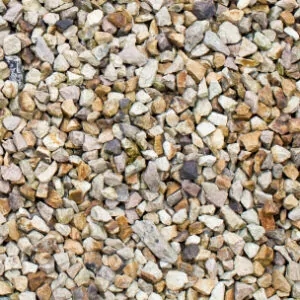

Sand, Aggregates & Gravel for Rugby, Tennessee
Local Topsoil, Dirt, Sand, Rocks and Gravel near me in Rugby, Tennessee
Shop Aggregates for Delivery in Rugby
Order online for free delivery to any Rugby address.
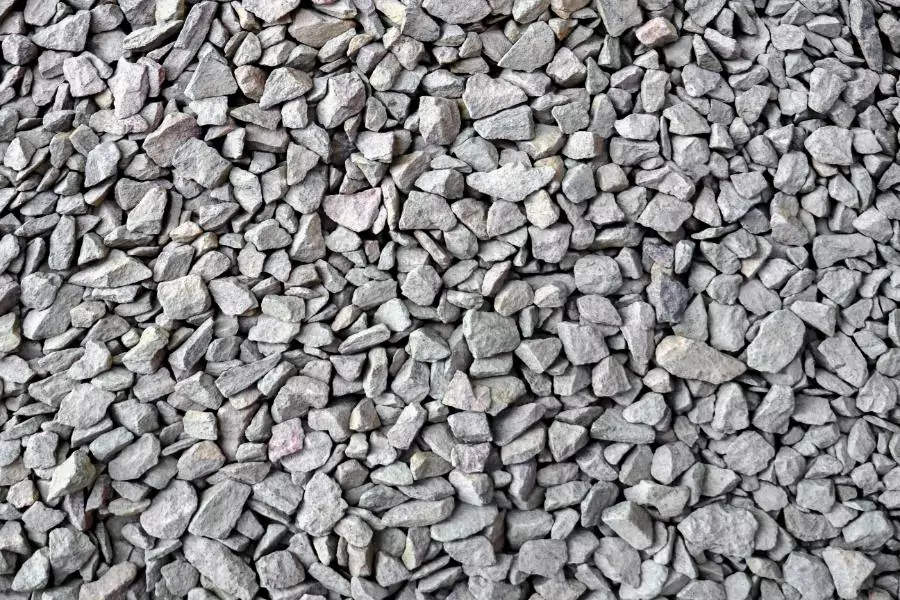
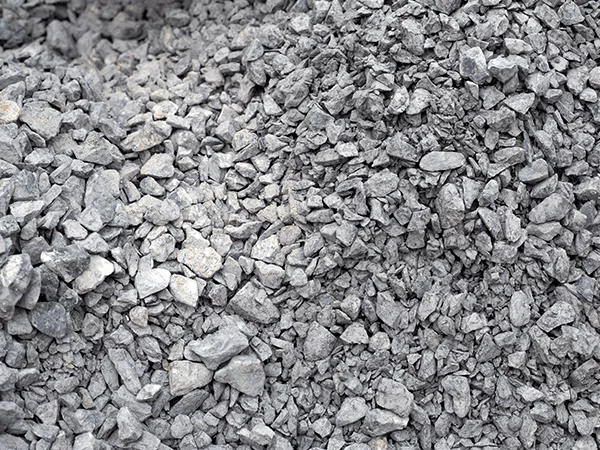


Nestled in the scenic Cumberland Plateau of Morgan County, Rugby presents unique challenges and opportunities for property owners and contractors. Gravel Monkey is your trusted partner for premium aggregate delivery in Rugby, Tennessee, serving the historic district, Clear Fork Valley, White Oak Creek area, and surrounding rural properties throughout this distinctive community. Whether you're restoring a historic property near the Thomas Hughes Public Library, building a new driveway along the Rugby Plateau Road, or managing drainage in the Clear Fork River bottomlands, we deliver the exact aggregates your project demands with completely free delivery to your Rugby location.
Complete Aggregate Inventory for Rugby Properties
The unique geology and climate of Rugby demands carefully selected materials. Our comprehensive inventory addresses everything from the clay-rich soils characteristic of the Cumberland Plateau to the high rainfall typical of Morgan County. Every aggregate we deliver is chosen to perform exceptionally in Rugby's specific conditions:
- Driveway Gravel - Engineered for long-lasting rural driveways throughout Rugby
- 3/4 inch Crushed Stone - Versatile aggregate for foundations and drainage applications
- #57 Stone - Standard drainage stone perfect for French drains and septic systems
- Crusher Run - Superior compactable base for roads and driveways on clay soils
- Road Base - Heavy-duty foundation material for private roads and access ways
- Drain Rock - Clean aggregate for water management systems
- Pea Gravel - Decorative stone for pathways around historic properties
- River Rock - Natural landscaping stone in multiple sizes
- Walkway Gravel - Attractive aggregate for garden paths and pedestrian areas
- Crushed Concrete - Eco-friendly recycled aggregate for base applications
- Decomposed Granite - Natural pathway material with excellent permeability
- Topsoil - Rich soil for gardens and lawn establishment
- Fill Dirt - Essential material for grading and leveling Rugby properties
- Mason Sand - Fine sand for construction and masonry projects
- Playground Sand - Clean, safe sand for play areas
- Washed Sand - Premium washed sand for concrete and specialized applications
Serving All Rugby Areas and Surrounding Communities
Gravel Monkey proudly delivers throughout Rugby's unique geography and to surrounding Morgan County communities. Our free delivery extends across the entire region, ensuring property owners everywhere have access to quality aggregates:
Historic Rugby District
The heart of Thomas Hughes' Victorian utopian experiment requires special consideration when working with aggregates. Properties near the Thomas Hughes Public Library, Christ Church Episcopal, and the historic Rugby Schoolhouse often need materials that respect the area's National Register status while providing modern functionality. We work with property owners and the Historic Rugby organization to supply appropriate aggregates for restoration projects and property improvements throughout the historic core.
Clear Fork Valley
Properties along the Clear Fork of the Cumberland River face unique drainage challenges due to bottomland soils and seasonal flooding concerns. Aggregates must provide superior drainage while remaining stable during high-water events. Our drainage solutions for Clear Fork Valley properties account for the river's behavior and the valley's clay-based subsoils.
White Oak Creek Area
The White Oak Creek watershed includes numerous rural properties requiring long driveway access and comprehensive water management. The creek's tributaries create natural drainage patterns that must be respected when installing aggregates. Our team understands these hydrological considerations and recommends materials that work with Rugby's natural water flow patterns.
Rugby Plateau Road Corridor
This main access route serves as the lifeline for Rugby properties, and maintaining driveways connecting to this road requires aggregates that handle both local traffic and delivery vehicles. The road's elevation changes and exposure to weather demand durable base materials and proper drainage solutions.
Surrounding Communities
We also serve nearby areas including Elgin, Deer Lodge, Sunbright, Robbins, and Wartburg, extending our free delivery throughout Morgan County and into adjacent counties. Whether you're in the Catoosa Wildlife Management Area, near Frozen Head State Park, or on properties accessing the Big South Fork region, we deliver the same quality aggregates and service.
Understanding Rugby's Geology and Climate Factors
Rugby sits atop the Cumberland Plateau at approximately 1,600 feet elevation, creating unique environmental conditions that directly impact aggregate performance and selection. The region's geology consists primarily of sandstone caprock overlying shale and limestone formations, with weathered profiles creating the characteristic clay-rich soils that dominate the area.
Cumberland Plateau Soils
Rugby's soils are predominantly clay-based with moderate to poor natural drainage. These soils expand when wet and contract during dry periods, creating movement that can destabilize poorly constructed driveways and foundations. This expansion-contraction cycle makes proper aggregate base selection critical for long-term performance. The weathered sandstone and shale produce soils with high plasticity, meaning they're prone to becoming muddy in wet conditions and rock-hard when dry.
High Rainfall Patterns
Morgan County receives approximately 55 inches of rainfall annually, significantly above the national average. This precipitation is distributed fairly evenly throughout the year, with slightly higher amounts in winter and spring. The combination of high rainfall and clay soils creates persistent drainage challenges. Standing water, soft spots, and erosion are common problems that proper aggregate installation can mitigate or eliminate.
Temperature Extremes and Freeze-Thaw
While Rugby enjoys a generally moderate climate with average summer highs in the mid-80s and winter lows in the upper 20s, the elevation means more frequent freeze-thaw cycles than lower-elevation Tennessee locations. Water trapped in inadequate aggregate bases can freeze, expand, and create frost heave, leading to surface disruption and premature failure. Materials must be selected and installed to allow water to drain below the frost line.
Topographic Considerations
Rugby's plateau location means many properties feature significant slopes and elevation changes. Driveway grades often exceed 8-10 percent, requiring aggregates that resist erosion and washout during heavy rainfall events. The combination of steep grades and clay soils demands careful attention to drainage design and aggregate selection to prevent material migration downslope.
Choosing the Right Aggregates for Rugby Conditions
Not all aggregates perform equally in Rugby's challenging environment. Our experience delivering throughout the Cumberland Plateau has taught us which materials excel in these specific conditions and which applications demand particular products.
Base Materials for Clay Soils
When building on Rugby's clay-rich soils, the foundation aggregate makes all the difference. Crusher run stands out as the premier choice because it combines various stone sizes that mechanically interlock when compacted. This interlocking creates a stable platform that resists the movement of underlying clay soils. Road base provides similar benefits with larger aggregate sizes, making it ideal for heavy-use applications like private roads or areas expecting loaded delivery trucks.
The key to success with base aggregates in Rugby is achieving proper compaction. Clay soils must be properly prepared—sometimes requiring geotextile fabric to prevent mixing of clay and aggregate—before base material is placed. Adequate depth is equally critical; we typically recommend 6-8 inches of compacted base for residential driveways and 10-12 inches for commercial or heavy-use applications.
Drainage Aggregates
Given Rugby's 55 inches of annual rainfall, effective drainage isn't optional—it's essential. Drain rock provides the open-graded structure needed for French drains and foundation drainage systems. Unlike crusher run, which compacts tightly, drain rock maintains void spaces that allow water to flow freely while filtering out soil particles that could clog the system.
For properties dealing with surface water issues, combining drain rock in subsurface installations with properly graded surface aggregates creates comprehensive water management. Surface water should be directed to collection points where it can either infiltrate through drain rock into the soil or be channeled away from structures and pavement.
Surface Materials
The final surface aggregate determines not just appearance but long-term maintenance requirements. For driveways, a surface layer of 3/4 inch crushed stone over crusher run base provides excellent traction and durability. The angular nature of crushed stone resists displacement better than rounded aggregates, important on Rugby's sloped driveways.
For paths and walkways, especially around historic properties, pea gravel or walkway gravel offers an attractive appearance that complements Victorian-era architecture. These smaller aggregates provide comfortable walking surfaces while maintaining good drainage. Decomposed granite has become increasingly popular for formal pathways because it compacts to a relatively firm surface while retaining natural permeability.
Common Applications Throughout Rugby
Rural Driveway Construction and Repair
Most Rugby driveways are long, winding routes from main roads to homes tucked into the wooded landscape. These driveways face intense challenges: seasonal freeze-thaw, heavy rainfall, slopes that encourage erosion, and underlying clay that becomes impassable when saturated. Proper construction starts with evaluating the existing base. If clay is exposed or the driveway has deep ruts, excavation to stable subgrade is necessary. A geotextile fabric layer prevents clay from pumping up into the aggregate during wet conditions.
The crusher run base should be placed in lifts—layers—of 4-6 inches, with each lift compacted before the next is added. This builds a strong, unified base rather than simply piling material. Crown the driveway slightly to encourage water to sheet off to the sides rather than pooling on the surface. Side ditches or swales channeling water away from the driveway further enhance longevity. Finally, a 2-3 inch surface layer of driveway gravel or 3/4 inch crushed stone provides the driving surface.
Historic Property Maintenance
Rugby's collection of original Victorian buildings presents special aggregate needs. Period-appropriate pathways often used crusher gravel or simple creek stone, appearances we can replicate with modern materials. Walkway gravel provides vintage aesthetics with contemporary performance. Foundation drainage around historic structures is critical because many lack modern waterproofing. Installing drain rock around perimeters with proper outlet points protects these irreplaceable buildings from water damage.
Septic System Installation
Rugby's rural nature means most properties rely on septic systems rather than municipal sewage. The clay soils that dominate the area are notoriously poor for septic drain fields, making aggregate selection crucial. Drain rock surrounding perforated distribution pipes provides the infiltration surface area needed for effluent to percolate into the soil. The rock must be clean, uniformly sized, and properly wrapped in geotextile to prevent soil intrusion that would eventually clog the system.
Erosion Control
Slopes throughout Rugby are prone to erosion, especially where vegetation has been cleared for construction or where storm water concentrates. River rock placed in erosion-prone areas dissipates water energy while adding attractive landscaping. For functional erosion control channels, larger aggregates like #57 stone or 3/4 inch crushed stone line swales and ditches, preventing soil loss while allowing water passage. On severe slopes, aggregates might be combined with erosion control fabric and appropriate vegetation for comprehensive stabilization.
Garden and Landscaping Projects
Rugby's elevation provides excellent growing conditions for various plants, but gardens need proper foundations. Topsoil installation creates planting beds with better drainage and nutrient content than native clay. Raised beds become practical solutions where clay is severe, and fill dirt provides the necessary elevation. Mulch pathways between beds benefit from a pea gravel or decomposed granite base that stays cleaner than bare soil while contributing to the garden's aesthetic.
| Aggregate Type | Best Rugby Applications | Drainage Quality | Compaction | Ideal Depth |
|---|---|---|---|---|
| Crusher Run | Driveway base, road foundations, parking areas | Moderate | Excellent | 6-10 inches |
| Road Base | Heavy-duty bases, private roads, commercial drives | Moderate | Superior | 8-12 inches |
| Drain Rock | French drains, foundation drainage, septic fields | Excellent | None | 12-18 inches |
| 3/4" Crushed Stone | Driveway surface, concrete aggregate, general fill | Good | Good | 2-4 inches |
| #57 Stone | Drainage applications, pipe bedding, ditch lining | Very Good | Minimal | 6-12 inches |
| Pea Gravel | Walkways, decorative landscaping, garden paths | Good | Fair | 2-3 inches |
| Decomposed Granite | Formal pathways, patios, natural-look surfaces | Excellent | Good | 3-4 inches |
| River Rock | Erosion control, decorative features, dry creek beds | Excellent | None | 3-6 inches |
Installation Best Practices for Rugby's Environment
Even premium aggregates will underperform if improperly installed. Rugby's challenging conditions demand attention to installation fundamentals that might be less critical in other environments.
Site Preparation
Success starts with proper site preparation. Remove all organic material—topsoil, roots, vegetation—from the installation area. Organic matter decomposes and settles, creating voids under your aggregate. In Rugby's clay soils, this often means excavating deeper than expected because clay and organic material are often mixed in the upper soil profile.
Grade the subgrade to promote drainage. Even a one to two percent slope away from structures makes a significant difference in how water behaves. On steep Rugby driveways, consider terracing or other grade modifications to reduce the overall slope to manageable levels where water won't erode aggregate.
Geotextile Fabric Usage
Geotextile fabric serves as a separator between Rugby's clay soils and your aggregate base. Without it, clay pumps up into the aggregate during wet conditions, contaminating the base and reducing its strength. The fabric also distributes loads over a wider area, reducing point pressures that cause rutting. Use non-woven geotextile for maximum strength and filtration. Overlap seams by at least 12 inches and bring fabric up the sides of the excavation to completely separate clay from aggregate.
Proper Compaction Techniques
Compaction transforms loose aggregate into a solid, unified mass. For crusher run and road base, compact in lifts no thicker than 6 inches using a vibrating plate compactor or roller. Each lift should be compacted until no further densification occurs—you'll notice the compactor begins bouncing rather than sinking. Proper moisture content is critical; aggregate should be damp but not saturated during compaction. In Rugby's climate, this usually isn't a problem, but during dry summer periods, lightly spraying aggregate before compaction improves results.
Drainage Integration
Every aggregate installation in Rugby should include drainage planning. Surface water must be directed away from structures and pavement. This might mean installing culverts under driveways, creating swales alongside parking areas, or installing French drains where water naturally concentrates. The 55 inches of annual rainfall means water management isn't optional—it's fundamental to long-term performance.
Maintaining Aggregate Surfaces in Rugby
Properly installed aggregates require surprisingly little maintenance, but periodic attention extends service life and preserves performance.
Annual Inspections
Each spring, walk your driveway and inspect for washouts, ruts, or areas where aggregate has thinned. These develop over winter as freeze-thaw cycles and heavy rain stress the surface. Early identification allows simple repairs before problems expand. Check drainage systems—ditches, culverts, French drains—for blockages or damage. Clear vegetation that might impede water flow.
Surface Replenishment
Even well-maintained aggregate driveways gradually lose surface material to compaction and displacement. Every 3-5 years, add a fresh layer of surface aggregate—typically 1-2 inches of driveway gravel or crushed stone. This replenishment maintains the crown, fills low spots, and refreshes the driving surface. On steep Rugby driveways where erosion is more aggressive, annual top-dressing might be necessary.
Weed Control
Aggregates naturally resist weed growth better than bare soil, but some weeds inevitably appear, especially in walkway gravel and pea gravel paths. Address weeds promptly before they establish deep root systems. Landscape fabric under decorative aggregates greatly reduces weed issues. For existing weeds, hand removal works for small areas, while organic or synthetic herbicides handle larger infestations.
Winter Considerations
Rugby's winter weather, while moderate by northern standards, still includes freezing temperatures and occasional snow. Avoid using metal plows or blades on aggregate driveways—they remove material along with snow. Plastic or rubber-edged scoops work better. Salt and deicing chemicals can be used on aggregates without causing the damage they inflict on concrete or asphalt. The excellent drainage of properly installed aggregate means ice formation is less common than on impervious surfaces.
Environmental Considerations and Sustainable Practices
Rugby's location within the Cumberland Plateau makes environmental stewardship particularly important. The region's watersheds eventually drain into the Big South Fork system, a nationally significant natural area. Responsible aggregate use protects water quality and natural habitats.
Erosion and Sediment Control
Construction activities disturb soil and create erosion potential. Best practices include minimizing disturbed areas, installing silt fencing downslope of construction, and establishing vegetation promptly after completion. Crushed concrete and recycled aggregates provide sustainable alternatives to virgin stone while delivering equivalent performance for many applications.
Stormwater Management
Permeable aggregate surfaces—especially when used with underlying drainage systems—manage stormwater more effectively than impervious pavement. Water infiltrates rather than running off, reducing downstream flooding and filtering pollutants through natural biological processes. This approach aligns with Rugby's environmental values and protects local water quality.
Habitat Protection
The forests and streams around Rugby support diverse wildlife. When planning aggregate projects, consider impacts on natural areas. Avoid working near streams during spawning seasons, maintain vegetated buffers between projects and waterways, and use erosion controls to prevent sediment from reaching aquatic habitats.
Frequently Asked Questions About Aggregates in Rugby, Tennessee
We deliver a full range of aggregates including driveway gravel, crushed stone, #57 stone, crusher run, pea gravel, river rock, drain rock, road base, crushed concrete, topsoil, fill dirt, and various sand products throughout Rugby and the surrounding Morgan County area.
Yes! Gravel Monkey offers FREE delivery to Rugby and the surrounding Tennessee area for all gravel, aggregate, and landscaping material orders. We serve the entire historic Rugby colony area and nearby communities.
For Rugby properties with clay-based soil, crusher run and road base work exceptionally well. These materials compact firmly and provide excellent drainage, preventing the soft spots and rutting common with clay soils in the Cumberland Plateau region.
For driveways, measure length times width times depth in feet. For a standard 4-inch depth, divide by 3 to get cubic yards. Our team can help you calculate the exact amount needed for your specific Rugby project, accounting for local soil conditions.
Absolutely! We deliver to all areas around Rugby including the historic district, Clear Fork Valley, White Oak Creek area, and surrounding rural properties throughout Morgan County. Free delivery applies to the entire service area.
Given Rugby's high rainfall averages, we recommend drain rock or #57 stone for French drains and water management systems. These clean aggregates allow water to flow freely while preventing soil migration, essential in this high-precipitation Cumberland Plateau climate.
Yes, Rugby's clay-rich soils benefit from compactable base materials like crusher run or road base. These aggregates create a stable foundation that resists the expansion and contraction cycles common with Tennessee clay during wet and dry seasons.
We typically deliver to Rugby within 2-3 business days of order placement. For urgent projects in the Rugby area, contact us directly to discuss expedited delivery options for your aggregate needs.
Start Your Rugby Aggregate Project Today
Whether you're maintaining a historic property in the Rugby colony, building a new driveway through the Cumberland Plateau forests, or managing drainage on your rural Morgan County land, Gravel Monkey delivers the quality aggregates your project demands. Our extensive product selection, deep understanding of Rugby's unique conditions, and commitment to free delivery make us the clear choice for contractors and property owners throughout the area.
We've built our reputation by understanding that every Rugby project is unique. The combination of clay soils, high rainfall, elevation changes, and steep terrain means cookie-cutter solutions don't work. Our team takes time to understand your specific situation and recommend aggregates that will perform reliably for years to come. From the initial material selection through delivery and installation guidance, we're your partner in creating durable, functional, and attractive aggregate projects.
Our free delivery to Rugby and surrounding Morgan County areas removes one of the biggest obstacles to starting your project. No hidden fees, no surprise charges—just straightforward pricing and reliable service. Whether you need a single yard of pea gravel for a garden path or dozens of yards of crusher run for a major driveway reconstruction, we deliver the same quality materials and attentive service.
The historic character of Rugby, the natural beauty of the Cumberland Plateau, and the practical demands of rural living all influence how we approach aggregate supply for this unique community. We're proud to serve Rugby property owners who value quality, sustainability, and expert guidance. Contact Gravel Monkey today to discuss your aggregate needs and experience the difference that local knowledge and premium materials make for your Rugby project.

Need help? Reach out for a quote: