Shop Bulk Materials & Gravel in Lynnville, Tennessee
Local Topsoil, Dirt, Sand, Rocks and Gravel near me in Lynnville, Tennessee
Shop Aggregates for Delivery in Lynnville
Order online for free delivery to any Lynnville address.


Gravel Monkey delivers premium aggregates and construction materials throughout Lynnville, Tennessee, and the surrounding Giles County region. Whether you're renovating a historic property along Main Street, building a new driveway in the residential areas near Richland Creek, or tackling a farm project in the agricultural lands surrounding town, we provide free delivery of high-quality gravel, stone, sand, and soil directly to your location. Our comprehensive selection of aggregates serves both residential and commercial projects across this close-knit Middle Tennessee community.
Complete Aggregate & Material Selection for Lynnville Projects
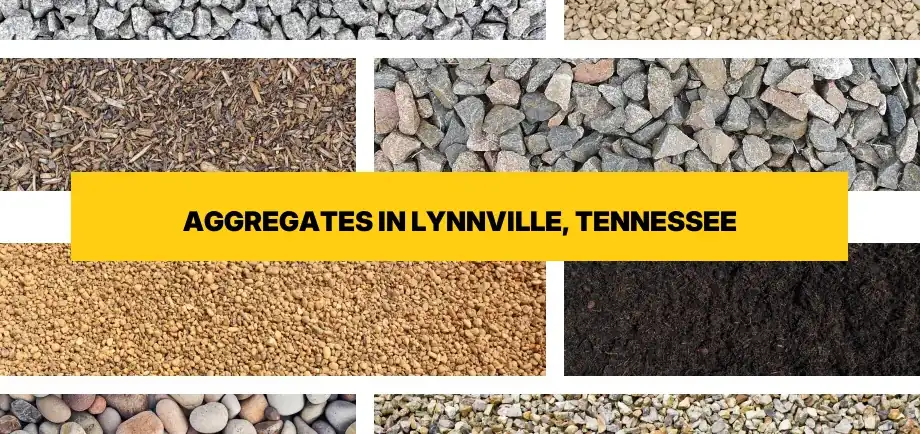
Gravel Monkey supplies every type of aggregate and landscaping material needed for construction, renovation, and outdoor projects in Lynnville. Our inventory is specifically selected to handle the unique soil conditions and climate challenges of Giles County, where heavy clay soil and seasonal weather patterns demand durable, properly-graded materials.
- Driveway Gravel - Compactable base material designed for long-lasting residential and farm driveways
- 3/4 inch Crushed Stone - Versatile angular stone perfect for drainage projects and stable foundations
- #57 Stone - Premium drainage aggregate ideal for French drains and concrete backfill
- Crusher Run - Industry-standard base material that compacts tightly for roads and driveways
- Road Base - Heavy-duty foundation material for farm roads and commercial access drives
- Pea Gravel - Smooth decorative stone for walkways, gardens, and landscaping features
- River Rock - Natural rounded stones for decorative landscaping and erosion control
- Walkway Gravel - Specially sized stone perfect for pathways and garden trails
- Crushed Concrete - Eco-friendly recycled aggregate for budget-conscious base applications
- Drain Rock - Angular drainage stone engineered to channel water away from foundations
- Decomposed Granite - Natural stabilized surface material for pathways and patios
- Topsoil - Nutrient-rich soil for gardens, lawns, and agricultural applications
- Fill Dirt - Clean compactable soil for grading, leveling, and filling low areas
- Mason Sand - Fine-grade sand for mortar mixing and masonry projects
- Playground Sand - Safety-certified sand for play areas and sandboxes
- Washed Sand - Clean construction sand for concrete, pavers, and various applications
Serving Lynnville and Surrounding Giles County Communities
Lynnville sits in the heart of Giles County's agricultural region, surrounded by rolling hills, productive farmland, and tight-knit rural communities. As a historic railroad town founded in the 1850s, Lynnville maintains its small-town charm while serving as a hub for surrounding farms and rural properties. We deliver aggregates throughout the greater Lynnville area, including properties along Richland Creek, farms in the Campbellsville Pike corridor, homes near the Old Railroad District, and developments extending toward Cornersville and Pulaski.
The area's geography presents specific challenges for construction and landscaping projects. Middle Tennessee's notorious clay-heavy soil retains moisture and expands during wet periods, creating drainage issues and foundation concerns. Spring thunderstorms, which average over 50 inches of annual rainfall in Giles County, can quickly turn poorly-drained properties into muddy quagmires. Summer temperatures regularly exceed 90 degrees, while winter freezes cause ground heaving that damages improperly prepared surfaces. These conditions make proper aggregate selection and drainage design essential for any outdoor project in Lynnville.
We also service nearby communities including Pulaski to the east, Cornersville to the west, Elkton to the south, and properties extending north toward Lewisburg. Whether you're maintaining a historic home in downtown Lynnville or developing agricultural infrastructure on a working farm, our free delivery service ensures you receive the right materials exactly when and where you need them.
Understanding Lynnville's Soil and Geology
Lynnville's location in the Central Basin physiographic region of Tennessee presents unique geological conditions that significantly impact construction projects. The underlying bedrock consists primarily of limestone from the Ordovician period, creating excellent drainage in some areas but also leading to occasional sinkholes and karst topography. Above this limestone foundation sits thick deposits of Dickson silt loam and Talbott clay, which characterize most of the Giles County region.
These clay-based soils are highly expansive, meaning they swell when wet and shrink during dry periods. This constant expansion and contraction cycle exerts tremendous pressure on foundations, driveways, and hardscaping features. Without proper preparation and drainage, clay soil will heave and shift structures, creating cracks, uneven surfaces, and costly damage. The soil's poor permeability means water doesn't absorb easily, instead pooling on the surface or running off, creating erosion channels and muddy conditions.
For agricultural properties surrounding Lynnville, the soil fertility is excellent for pasture and crops, but the drainage challenges remain constant. Farm roads, barn foundations, and equipment storage areas require substantial aggregate bases to remain functional year-round. The combination of heavy equipment traffic and expansive clay soil quickly destroys poorly prepared surfaces, making proper base construction with quality aggregates essential for working farms.
Climate Factors Affecting Aggregate Selection in Lynnville
Giles County experiences a humid subtropical climate with distinct seasonal variations that impact material selection and project planning. Average annual rainfall exceeds 50 inches, with the wettest months typically occurring in March, April, and May. These spring storms can deliver several inches of rain in short periods, overwhelming drainage systems and creating standing water issues on properties with inadequate preparation.
Summer temperatures in Lynnville regularly reach the low to mid-90s, with high humidity making conditions feel even warmer. This heat accelerates moisture evaporation from exposed soil and can cause fine materials to become dusty and unstable. Winter brings average lows in the upper 20s to low 30s, with occasional hard freezes that penetrate several inches into the ground. This freeze-thaw cycle is particularly damaging to improperly constructed driveways and foundations, as water trapped in the soil freezes, expands, and creates heaving pressures that crack and displace surfaces.
These weather patterns make proper drainage and base preparation non-negotiable for Lynnville projects. Materials must be selected not just for their immediate performance but for their ability to handle moisture management through changing seasons. Angular crushed stone provides superior drainage compared to rounded gravel, while compactable base materials create stable foundations that resist frost heaving and settlement.
Choosing the Right Aggregate for Your Lynnville Project
Different projects require different aggregates. Understanding the characteristics and best applications of each material helps you make informed decisions for your specific needs in Lynnville's unique environment.
| Material Type | Best Applications | Drainage Rating | Compaction Level |
|---|---|---|---|
| Driveway Gravel | Residential driveways, farm roads | Excellent | High |
| Crusher Run | Road base, driveway foundation | Good | Very High |
| #57 Stone | Drainage systems, concrete backfill | Excellent | Medium |
| 3/4" Crushed Stone | General drainage, foundation work | Excellent | Medium-High |
| Road Base | Heavy-duty roads, parking areas | Good | Very High |
| Pea Gravel | Landscaping, walkways, decorative use | Good | Low |
| River Rock | Decorative landscaping, erosion control | Good | Low |
| Drain Rock | French drains, foundation drainage | Excellent | Low |
| Crushed Concrete | Base layer, temporary roads | Good | High |
| Decomposed Granite | Pathways, patios, natural surfaces | Moderate | High |
Driveway Aggregate Solutions for Lynnville Properties
Creating a functional, long-lasting driveway in Lynnville requires understanding how aggregates interact with the local clay soil and weather patterns. Most residential driveways in the area follow a similar construction sequence: excavation of existing soil or vegetation, installation of a compacted base layer, and application of a surface layer that provides traction and stability.
For the base layer, materials like crusher run or road base provide the essential foundation. These aggregates contain a mixture of stone sizes, from dust and fines up to larger pieces, which allows them to compact extremely tight when properly installed. This dense, stable base prevents the clay soil underneath from pushing up through the driveway while also providing a firm platform that resists rutting and settling. In Lynnville's heavy clay conditions, a base layer of 4 to 6 inches is typically necessary for residential driveways, while farm roads and commercial drives may require 8 to 12 inches or more depending on traffic loads.
The surface layer typically consists of a clean, angular aggregate that provides traction and drainage. Angular stones lock together better than smooth, rounded gravel, creating a surface that stays in place rather than rolling or shifting under vehicle tires. The gaps between stones allow water to drain through rather than pooling on the surface, which is crucial in an area that receives over 50 inches of rain annually. A 2 to 3 inch surface layer over a properly prepared base creates driveways that remain functional and attractive for years with minimal maintenance.
For properties in lower-lying areas near Richland Creek or other drainage corridors, additional preparation may be necessary. Installing geotextile fabric between the native soil and aggregate base prevents clay from migrating up into the stone, which can quickly compromise drainage and stability. French drains alongside the driveway help manage water runoff during heavy rains, protecting both the driveway surface and adjacent landscaping from erosion.
Drainage Aggregates for Middle Tennessee Clay Soil
Drainage is perhaps the single most important consideration for any outdoor project in Lynnville. The area's clay-heavy soil creates chronic moisture management challenges that, if not properly addressed, lead to foundation problems, landscape erosion, standing water, and structural damage. French drains, catch basins, and curtain drains are common solutions, but they only work when filled with the proper aggregates.
Drain rock and similar angular drainage stones create the open, interconnected void spaces necessary for water to flow freely. Unlike rounded gravel or crushed materials with fines, clean drainage aggregates maintain their porosity even under pressure, allowing water to move efficiently through the system. For typical residential French drains in Lynnville, a 4 to 6 inch perforated pipe should be surrounded by at least 6 inches of drainage stone on all sides, then wrapped in permeable filter fabric to prevent clay soil from clogging the system.
Foundation drainage requires similar attention. Water that collects against basement or crawlspace walls creates hydrostatic pressure that can crack concrete, push walls inward, and allow moisture intrusion that leads to mold, mildew, and structural deterioration. A proper foundation drain uses drainage stone to create a pathway for water to flow down to the perforated drain pipe rather than remaining against the foundation wall. This relatively simple aggregate application prevents thousands of dollars in potential water damage and maintains the structural integrity of buildings throughout their lifespan.
For agricultural properties, drainage becomes even more critical. Poorly drained fields reduce crop yields, create muddy conditions that damage pastures, and limit equipment access during wet periods. Installing agricultural drainage systems with proper aggregates improves field productivity, extends the working season, and protects soil structure from compaction damage caused by equipment operating in wet conditions.
Decorative Aggregates for Lynnville Landscaping
Beyond functional applications, aggregates serve important aesthetic roles in landscaping projects throughout Lynnville. Decorative stone creates visual interest, defines spaces, suppresses weeds, and reduces maintenance requirements compared to traditional mulch or grass. The right decorative aggregate complements architectural styles common in Giles County, from historic Victorian homes downtown to modern farmhouse designs in newer developments.
Pea gravel remains popular for walkways, garden paths, and ground cover applications. Its smooth, rounded stones are comfortable to walk on barefoot, making it ideal for gardens and patios where people will be spending time. The neutral tan and brown tones blend naturally with surrounding landscapes while providing excellent drainage that keeps pathways functional even after heavy rains. For properties near the Old Railroad District or along Main Street, pea gravel pathways maintain a classic, timeless appearance that complements historic architecture.
River rock offers larger decorative options for bolder landscape statements. Available in various sizes and colors, river rock creates dramatic dry creek beds, borders planting areas, and provides erosion control on slopes. The smooth stones reflect heat less than darker materials, making them more comfortable in Lynnville's hot summers. Around water features, foundations, and in garden beds, river rock provides years of low-maintenance beauty while also performing the practical function of protecting soil from erosion and retaining moisture around plant roots.
Decomposed granite creates a different aesthetic entirely, offering a natural, compactable surface that works beautifully for pathways, patios, and outdoor living spaces. The fine, granular texture provides a softer appearance than crushed stone while still offering excellent stability when properly installed and compacted. For properties seeking a more natural, Southwest-inspired look, decomposed granite blends organic beauty with practical durability.
Topsoil and Fill Dirt for Lynnville Properties
While aggregates handle structural and drainage needs, quality soil remains essential for landscaping, gardening, and grading projects. Lynnville's native clay soil, while fertile for certain applications, often requires amendment or replacement for optimal plant growth and property grading.
Topsoil provides the nutrient-rich growing medium necessary for lawns, gardens, and landscaping plantings. Quality topsoil contains organic matter, beneficial microorganisms, and the proper pH balance for healthy plant growth. When establishing new lawns in developments near Campbellsville Pike or renovating historic landscapes downtown, spreading 4 to 6 inches of quality topsoil over existing clay creates an environment where grass and plants can thrive rather than struggle. For vegetable gardens and flower beds, even deeper topsoil applications provide the root depth necessary for productive, healthy plants throughout Giles County's growing season.
Fill dirt serves different purposes related to grading, leveling, and structural applications. Unlike topsoil, fill dirt consists primarily of clay and subsoil materials without the organic content that might decompose and settle over time. This stability makes it ideal for filling low areas, building up land around foundations, creating raised planting beds, and grading properties for proper drainage. On agricultural properties surrounding Lynnville, fill dirt often proves necessary for creating level building pads, filling eroded areas, and improving overall site drainage.
The distinction between topsoil and fill dirt becomes critical for project success. Using topsoil for structural fill wastes money and creates settlement problems as organic materials decompose. Conversely, trying to grow plants in fill dirt leads to poor results and frustrated gardeners. Understanding which material serves which purpose ensures projects meet expectations and perform properly long-term.
Sand Products for Construction and Recreation
Sand serves numerous specialized purposes in Lynnville construction, landscaping, and recreational projects. Different sand types offer specific characteristics suited to particular applications, and using the correct sand improves results while reducing costs and complications.
Mason sand provides the fine, consistent particle size necessary for mortar and masonry work. When mixed with cement and water, mason sand creates strong, workable mortar that bonds brick, block, and stone effectively. For restoration projects on historic buildings in downtown Lynnville or new masonry construction anywhere in Giles County, mason sand ensures proper mortar consistency and strength. It also works well as bedding sand under pavers, providing a smooth, level surface that supports the hardscape while allowing for minor adjustments during installation.
Playground sand meets strict safety standards for use in play areas and sandboxes. Free of contaminants, sharp edges, and harmful materials, playground sand provides a soft, safe surface for children's play areas. Schools, churches, and residential properties throughout Lynnville rely on certified playground sand to create safe recreational environments that comply with safety guidelines while providing years of enjoyment for children.
Washed sand serves broader construction applications, from concrete mixing to bedding utility lines. The washing process removes clay, silt, and organic materials, leaving clean, consistent sand that performs reliably in demanding applications. For concrete work, washed sand provides the precise particle size distribution necessary for strong, durable concrete. For backfilling trenches and underground utilities, washed sand compacts uniformly without the complications that clay content can create.
Aggregates for Giles County Agricultural Operations
Agriculture dominates the landscape surrounding Lynnville, with cattle farms, crop production, and equestrian facilities spread across the rolling hills of Giles County. These operations have specific aggregate needs related to farm infrastructure, animal facilities, and field access. Properly designed and constructed farm roads, equipment storage areas, and livestock facilities improve operational efficiency while reducing maintenance costs and equipment damage.
Farm roads receive constant heavy traffic from tractors, equipment, and loaded trucks, often during wet conditions when traditional surfaces would fail. A proper farm road construction sequence begins with adequate base depth - typically 8 to 12 inches for agricultural traffic - using a compactable aggregate like road base or crusher run. This foundation distributes weight and prevents the clay soil underneath from rutting and forming potholes. The surface layer provides traction and additional drainage, with angular aggregate that maintains its position rather than displacing under load.
Livestock facilities require specialized attention to drainage and surface conditions. Mud around barns, feeders, and water sources creates health problems for animals, damages hooves, and makes facility maintenance difficult. Installing aggregates in high-traffic areas creates dry, stable surfaces that remain functional year-round. For cattle operations, larger stone like crusher run or road base handles hoof traffic while maintaining drainage. For horse facilities where smooth surfaces matter, finer materials provide comfort without compromising stability.
Equipment storage and maintenance areas need level, well-drained surfaces that support heavy loads without settling or creating muddy conditions. Proper aggregate base construction prevents costly equipment damage, improves safety, and maintains property value. Whether storing tractors, implements, or harvesting equipment, a stable aggregate surface protects investments worth thousands or hundreds of thousands of dollars.
Frequently Asked Questions About Aggregates in Lynnville
For Lynnville's heavy clay soil, start with a 4 to 6 inch base layer of crusher run or road base, which compacts extremely tight to create a stable foundation. Top this with 2 to 3 inches of angular driveway gravel for traction and drainage. This two-layer system prevents clay soil from pushing through while ensuring water drains rather than pooling on the surface.
For a standard 12 foot wide by 50 foot long driveway with a 4 inch base layer and 2 inch surface layer, you'll need approximately 11 tons of base material and 5 tons of surface aggregate. Our team can calculate exact quantities based on your specific driveway dimensions and local soil conditions to ensure you order the right amount.
Giles County's clay-heavy soil has extremely poor permeability, meaning water doesn't absorb into the ground easily. Combined with over 50 inches of annual rainfall, this creates chronic drainage problems. Without proper drainage systems using the right aggregates, water pools on the surface, creates muddy conditions, damages foundations, and causes erosion. French drains with drain rock and properly constructed bases with drainage stone solve these problems by providing pathways for water to flow away from structures and surfaces.
For functional projects like driveways and foundations, no. Lynnville's expansive clay soil swells when wet and shrinks when dry, creating constant movement that will quickly damage anything placed directly on it. Proper installation requires excavating clay to appropriate depth, installing geotextile fabric to prevent clay migration, then placing and compacting aggregates in layers. This process creates a stable system that performs properly despite the challenging soil conditions.
Crusher run contains a mix of stone sizes from dust up to about 3/4 inch, which allows it to compact extremely tight to form a dense base layer. Driveway gravel typically consists of more uniform sized angular stones that provide good compaction while maintaining drainage and traction. For Lynnville projects, crusher run usually serves as the base foundation, with driveway gravel as the surface layer creating a two-layer system that handles both stability and drainage needs.
We typically deliver to Lynnville within 24 hours of order placement, and in many cases we can accommodate same-day delivery for orders placed early in the morning. Free delivery includes all areas within Lynnville and extends throughout Giles County to nearby communities like Pulaski, Cornersville, and Elkton. Our local knowledge of Lynnville roads and properties ensures efficient, timely delivery directly to your project site.
For most Lynnville projects, yes. The clay soil common throughout Giles County tends to migrate up into aggregate layers through a process called pumping, where moisture and pressure push fine clay particles into the voids between stones. This contamination destroys drainage capability and reduces stability. Installing geotextile fabric between the native clay and aggregate base prevents this migration, significantly extending the life and performance of driveways, roads, and drainage systems.
Clean, angular drain rock sized around 3/4 inch works best for French drains in Lynnville's clay soil. The angular shape creates stable void spaces that allow water to flow freely, while the clean stone (without fines or dust) maintains drainage capability over time. Surround the perforated drain pipe with at least 6 inches of drain rock on all sides, wrap in permeable fabric, then backfill with removed soil. This system effectively manages water in even the heaviest clay conditions common to Giles County.
Free Aggregate Delivery Throughout Lynnville and Giles County
Gravel Monkey provides comprehensive aggregate delivery service throughout Lynnville, from historic properties downtown to working farms in the surrounding countryside. We understand the unique challenges of building and maintaining properties in Middle Tennessee's clay soil and variable climate. Our material selection addresses these specific conditions, ensuring your project performs properly from installation through decades of use.
Whether you're constructing a new driveway, installing drainage systems, creating landscaping features, or maintaining agricultural infrastructure, we deliver the right materials at the right time with zero delivery charges. Our team helps you calculate quantities, select appropriate aggregates for your specific soil conditions, and coordinate delivery timing that keeps your project on schedule.
From Main Street to Richland Creek, from Campbellsville Pike to the rural roads extending toward Cornersville and Pulaski, Gravel Monkey serves every corner of the Lynnville area. Contact us today to discuss your project needs and schedule free delivery of premium aggregates to your Giles County property.

Need help? Reach out for a quote: