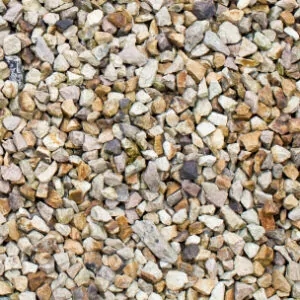
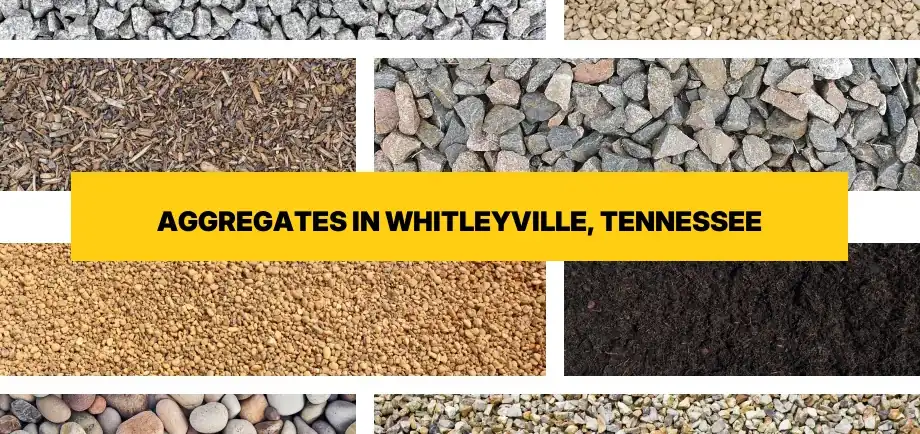
Bulk Aggregate & Gravel Products in Whitleyville, Tennessee
Local Topsoil, Dirt, Sand, Rocks and Gravel near me in Whitleyville, Tennessee
Shop Aggregates for Delivery in Whitleyville
Order online for free delivery to any Whitleyville address.
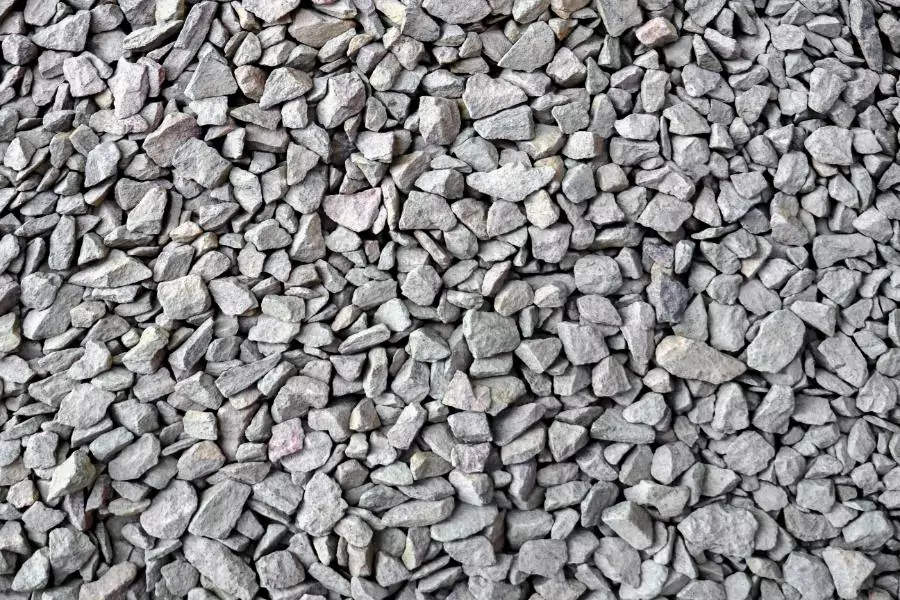
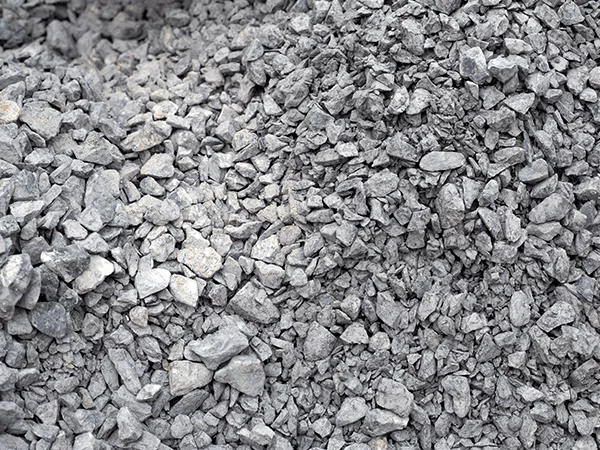


Gravel Monkey delivers premium aggregates and bulk materials throughout Whitleyville, Tennessee, serving residential properties, farms, and commercial sites across Jackson County. From rural homesteads along Highway 56 to properties near the Cumberland River tributaries, we provide free delivery of high-quality gravel, crushed stone, topsoil, and specialty aggregates directly to your location. Our materials are specifically selected to perform well with Whitleyville's unique clay-rich soil conditions and the region's seasonal weather patterns.
Complete Range of Aggregates Available in Whitleyville, TN
Gravel Monkey stocks a comprehensive selection of aggregate materials suited for the diverse project needs throughout Whitleyville and the surrounding Upper Cumberland region. Whether you're building a new driveway on a rural property, creating drainage solutions for clay soil, or establishing a solid foundation for farm buildings, we have the right materials delivered free to your site.
- Driveway Gravel - Durable aggregate base perfect for long-lasting residential and farm driveways
- 3/4 inch Crushed Stone - Versatile angular stone for driveways, foundations, and general construction
- #57 Stone - Clean drainage aggregate ideal for French drains and septic systems
- Crusher Run - Superior compactable base material for roads and stable driveways
- Road Base - Engineered aggregate foundation for farm roads and heavy-traffic areas
- Drain Rock - Angular stone designed for effective water management systems
- Pea Gravel - Smooth rounded stone perfect for walkways and decorative landscaping
- River Rock - Natural decorative stone in multiple sizes for garden beds and water features
- Walkway Gravel - Specially sized aggregate for comfortable pedestrian paths
- Crushed Concrete - Eco-friendly recycled aggregate for cost-effective base applications
- Topsoil - Nutrient-rich soil for gardens, lawns, and agricultural applications
- Fill Dirt - Clean fill for grading, leveling, and construction projects
- Mason Sand - Fine washed sand for masonry, concrete mixing, and construction
- Playground Sand - Safe, clean sand for children's play areas
- Washed Sand - Clean sand for various construction and landscaping uses
- Decomposed Granite - Natural surface material for rustic pathways and courtyards
Understanding Aggregate Materials for Whitleyville Properties
Selecting the right aggregate material makes all the difference in the success and longevity of your project. Whitleyville sits in the Eastern Highland Rim geological region, where limestone-based clay soils predominate. This soil type presents unique challenges—it expands when saturated during Tennessee's rainy springs and contracts during summer dry spells, potentially causing structural issues if proper base materials aren't used.
Crushed Stone Aggregates for Solid Foundations
Angular crushed stone provides exceptional stability for Whitleyville construction projects. The three-quarter inch size offers excellent compaction while maintaining drainage capabilities essential for clay soil conditions. Properties along Peyton Creek Road and throughout rural Jackson County benefit significantly from crushed stone bases that resist settling and movement caused by seasonal soil fluctuations. The angular edges of crushed limestone lock together, creating a stable platform that outperforms rounded gravel in load-bearing applications.
For agricultural properties near Buffalo Valley and the broader Whitleyville farming community, crushed aggregates form the foundation for equipment storage buildings, barn pads, and livestock handling areas. The material's resistance to rutting under heavy machinery weight makes it invaluable for farm operations. Number 57 stone serves particularly well for drainage around agricultural buildings, directing water away from structures and preventing the muddy conditions that accompany spring storms in the Upper Cumberland region.
Compactable Base Materials: Crusher Run and Road Base
The difference between crusher run and road base often confuses property owners, but understanding each material's characteristics helps optimize project results. Both products excel in Whitleyville's soil conditions, yet they serve slightly different purposes. Crusher run contains a full spectrum of particle sizes from fine dust to three-quarter inch stone. This gradation allows the material to compact into an extremely dense, almost cement-like surface when properly installed and rolled.
Residential driveways throughout Whitleyville, particularly in areas like Defeated Creek and Liberty, benefit tremendously from crusher run bases. The material costs less than many alternatives while providing exceptional performance. When Tennessee humidity and rainfall create challenging conditions, crusher run maintains its integrity far better than plain gravel. The fines fill voids between larger stones, preventing the aggregate from shifting or developing ruts under vehicle traffic.
Road base represents a more precisely engineered product, manufactured to specific gradation standards for commercial road construction. While crusher run works excellently for residential applications, road base offers advantages for properties with heavier traffic demands—farm roads handling loaded grain trucks, commercial entrance drives, or shared access roads serving multiple properties. The consistent quality of road base ensures predictable performance across your entire project.
| Material Type | Best Applications | Compaction | Drainage | Cost Efficiency |
|---|---|---|---|---|
| Crusher Run | Driveways, farm roads, building pads | Excellent | Moderate | Very High |
| Road Base | Heavy traffic roads, commercial drives | Superior | Moderate | High |
| 3/4" Crushed Stone | General construction, foundations | Very Good | Excellent | High |
| #57 Stone | Drainage systems, French drains | Good | Superior | Moderate |
| Drain Rock | Foundation drainage, water management | Moderate | Superior | Moderate |
| Pea Gravel | Walkways, decorative areas | Poor | Very Good | Moderate |
Drainage Aggregates for Whitleyville's Clay Soil Challenges
Whitleyville property owners frequently contend with water management issues stemming from the region's clay-heavy soil composition. When spring rains arrive—and Jackson County receives approximately 54 inches of annual precipitation—clay soil's poor permeability causes water to pool on surfaces and run off in sheets rather than infiltrating naturally. This creates muddy conditions, foundation moisture problems, and erosion issues on sloped properties common throughout the area's rolling terrain.
Strategic use of drainage aggregates transforms problematic properties into well-managed landscapes. Drain rock placed alongside building foundations intercepts groundwater before it reaches basement walls or crawlspaces. The angular stone's open structure allows water to flow freely downward to lower elevations or into collection systems. Properties near Center Hill Lake or along creek corridors particularly benefit from professionally installed drainage aggregate systems that handle both groundwater and surface runoff.
French drain systems constructed with clean number 57 stone provide superior long-term performance compared to systems using mixed aggregate. The uniform size of number 57 stone prevents clogging from fine particles while maintaining maximum void space for water movement. Homeowners in Whitleyville frequently install French drains to protect garage slabs, prevent yard flooding, and redirect water away from septic drain fields. The investment in proper drainage aggregate pays dividends through prevented water damage and improved property usability during wet seasons.
Specialty Sand Applications in Upper Cumberland Projects
While crushed stone and gravel dominate aggregate deliveries in Whitleyville, sand products fulfill essential roles in construction and landscaping projects. Mason sand provides the fine aggregate component for concrete mixes, mortar for brick and stone masonry, and base material for paver patios. The washed, screened consistency ensures proper workability and strength in masonry applications throughout Jackson County.
Properties with children benefit from clean playground sand for safe, inviting play areas. Unlike field-run sand or mason sand, playground sand undergoes additional processing to remove fine dust that can irritate respiratory systems. The rounded grain texture provides cushioning for falls while remaining comfortable for children's activities. Rural Whitleyville families increasingly invest in dedicated play areas, making playground sand an important material for family-friendly properties.
Washed sand serves diverse roles from sandboxes to bedding for above-ground pools to top-dressing for established lawns suffering from clay compaction. When spread across lawns and worked into the surface with core aeration, washed sand improves drainage and reduces the puddling common in Whitleyville yards during rainy periods. This simple amendment dramatically improves turf health without requiring complete lawn renovation.
Decorative Stone for Whitleyville Landscaping Projects
Beyond functional applications, decorative aggregates transform ordinary properties into attractive outdoor spaces that complement Tennessee's natural beauty. River rock's smooth, water-worn appearance brings organic aesthetics to gardens, borders, and water features. Properties throughout Whitleyville incorporate river rock in multiple sizes—from large statement boulders to small accent stones—creating visual interest without ongoing maintenance demands.
Garden beds around homes near Granville and throughout residential areas benefit from river rock mulch alternatives. Unlike organic mulches that decompose and require annual replacement, stone mulch provides permanent ground cover that suppresses weeds while allowing water penetration. The stone's thermal mass moderates soil temperature fluctuations, protecting plant roots during Whitleyville's temperature extremes—summer highs reaching the upper 80s and occasional winter lows dropping into the teens.
Pea gravel creates comfortable walking surfaces for pathways, dog runs, and courtyard areas. The small, rounded stones shift slightly underfoot, providing gentle cushioning while remaining stable enough for wheelbarrows and garden carts. Many Whitleyville properties feature pea gravel paths connecting main structures to outbuildings, gardens, or scenic overlooks on wooded lots. The material drains perfectly, eliminating muddy walkways that plague grass paths during wet weather.
Walkway gravel offers a slightly larger, more stable alternative to pea gravel for paths receiving heavier foot traffic. The size and angular nature provide better stability under regular use while maintaining the natural, permeable character essential for rural Tennessee properties. Paths between barn areas, through vegetable gardens, or accessing lakefront properties remain functional year-round when constructed with appropriate walkway aggregate.
Decomposed Granite for Natural Surface Applications
Decomposed granite brings a rustic, natural aesthetic particularly suited to Whitleyville's rural character. This material compacts into a relatively firm surface while maintaining permeability—ideal for patios, courtyards, and trails on larger properties. The earthy color palette complements Tennessee's native stone and vegetation, creating cohesive outdoor designs that feel indigenous rather than imposed.
Properties pursuing naturalistic landscaping increasingly specify decomposed granite for surfaces where traditional hardscaping seems too formal. Garden paths, seating areas beneath mature trees, and transition zones between maintained lawns and natural woodland areas benefit from decomposed granite's organic appearance. The material performs well in Jackson County's climate, remaining stable through seasonal temperature changes while allowing rainfall to percolate naturally.
Soil Products for Grading and Garden Development
Quality topsoil represents a crucial component for successful gardening and lawn establishment throughout Whitleyville. While Jackson County's native soil contains reasonable fertility, construction activities frequently disturb or remove topsoil layers, leaving subsoil poorly suited for plant growth. Imported topsoil restores organic matter, beneficial microorganisms, and proper texture necessary for vigorous plant development.
Gardens throughout Whitleyville benefit from topsoil amendments that improve the native clay's drainage and workability. Vegetable gardens, perennial borders, and raised bed systems all perform better with imported topsoil blended into existing soil or used exclusively in contained growing areas. The Tennessee growing season—approximately 200 frost-free days—allows ambitious vegetable gardeners to produce substantial harvests when soil quality supports healthy plant growth.
Fill dirt serves essential functions in grading, leveling, and site preparation across Whitleyville properties. New construction sites require proper grading to direct water away from buildings while establishing appropriate ground levels for driveways, sidewalks, and landscaping features. Quality fill dirt compacts predictably, preventing future settling that could damage structures or create drainage problems.
Rural properties often need substantial quantities of fill dirt for farm pond construction, building site preparation, or correcting existing drainage issues. Clean fill dirt free from organic matter, roots, and debris ensures stability and prevents decomposition voids that cause settling. Farms developing new building sites or expanding facilities rely on properly selected fill dirt to establish solid foundations that support agricultural operations for decades.
Planning Your Aggregate Delivery in Whitleyville
Successful aggregate projects begin with accurate material quantity calculations and appropriate product selection. Understanding how much material your project requires prevents costly shortages that delay completion or expensive overages that exceed budgets. A typical residential driveway measuring 12 feet wide by 100 feet long requires approximately 15 cubic yards of base material for a four-inch depth. Farm roads and larger driveways demand proportionally more material.
Calculating Aggregate Quantities
The calculation formula remains consistent across aggregate types: length (in feet) multiplied by width (in feet) multiplied by depth (in feet) divided by 27 equals cubic yards needed. For a 15-foot by 50-foot patio requiring three inches of base material: 15 x 50 x 0.25 = 187.5 cubic feet ÷ 27 = 6.94 cubic yards (order 7 cubic yards). Properties with irregular shapes benefit from dividing areas into rectangles, calculating each section separately, then totaling the results.
Whitleyville projects should account for material loss during spreading and compaction. Crushed stone and crusher run compact approximately 25-30 percent, meaning 10 cubic yards of loose material yields roughly 7-7.5 cubic yards after compaction. Professional installation typically includes this calculation, but DIY projects require ordering extra material. Better to have slight overages for future maintenance than run short during installation.
Site Preparation for Material Delivery
Proper site preparation ensures smooth delivery and optimal project outcomes. Gravel Monkey's delivery trucks require adequate access—minimum 12-foot width with overhead clearance for wooded driveways—and stable ground supporting heavy vehicle weight. Wet weather can make soft ground impassable for loaded trucks, so scheduling delivery during dry periods prevents access difficulties common in spring and fall.
Designate specific material placement areas that minimize handling after delivery. Aggregates dumped near project sites reduce labor and equipment needs for material distribution. For driveway projects, placement at the entrance allows spreading along the length. Garden projects benefit from materials deposited at central locations accessible from all work areas. Clear communication with the delivery driver ensures materials land exactly where needed.
Whitleyville-Specific Project Considerations
Understanding local conditions optimizes aggregate project success throughout the Whitleyville area. Jackson County's clay soils require particular attention to drainage and compaction. Spring excavation and installation work best, allowing full summer for base materials to settle and compact under traffic before winter freeze-thaw cycles begin. Tennessee's relatively mild winters—average January lows around 27°F—cause less frost heave than northern regions, yet proper installation remains essential.
Properties near Dale Hollow Lake and Center Hill Lake often feature sloped terrain that presents both challenges and opportunities. Erosion control becomes paramount on slopes exceeding 10 percent grade. Strategic aggregate placement creates stable access routes and prevents soil loss during heavy rains. Riprap (large angular stone) protects severe slopes and shoreline areas from erosion, though most residential projects utilize smaller aggregates suitable for standard equipment placement.
Rural Whitleyville properties frequently feature long driveways connecting homes to public roads. These driveways demand durable aggregate bases that withstand daily traffic and occasional heavy vehicles like propane delivery trucks or farm equipment. Two-stage construction—initial base layer of crusher run followed by top dressing with attractive aggregate—provides both structural integrity and finished appearance. This approach prevents the disappointment of beautiful decorative gravel sinking into clay subsoil after the first rainy season.
Seasonal Timing for Aggregate Projects
Timing affects project success substantially in Tennessee's variable climate. Late spring through early fall provides optimal conditions for aggregate installation. Dry weather allows proper compaction while warm temperatures facilitate material spreading and finishing work. Summer projects should account for afternoon thunderstorms common in the Upper Cumberland region—brief but intense rainfall can disrupt installation schedules.
Fall installation (September through November) takes advantage of moderate temperatures and typically drier conditions following summer storms. This timing allows winter traffic to further compact materials before spring moisture tests drainage systems. Winter projects face challenges from occasional ice and frozen ground, though Tennessee's relatively mild winters permit year-round work during mild spells. Avoid scheduling during periods when ground remains frozen, as proper compaction becomes impossible.
Serving Whitleyville and Surrounding Jackson County Communities
Gravel Monkey provides free aggregate delivery throughout Whitleyville and the broader Jackson County service area. Our trucks regularly deliver to properties along Highway 56, the main corridor through Whitleyville connecting to Gainesboro and Celina. Residential areas throughout the community receive the same quality materials and service regardless of property location.
Properties near Defeated Creek, where the creek enters Center Hill Lake, frequently request drainage aggregate for water management and decorative stone for lakefront landscaping. The Buffalo Valley area, characterized by productive farmland and rural homesteads, requires substantial quantities of crusher run and road base for farm infrastructure. Homes near Granville incorporate decorative aggregates for landscaping projects while farmers rely on functional materials for operational needs.
The Peyton Creek Road area features a mix of established farms and newer residential development, creating diverse aggregate demands from driveway installations to garden projects. Properties along Liberty corridor connecting Whitleyville to neighboring communities utilize aggregates for long rural driveways that require durable, low-maintenance surfaces. Highway 85 properties benefit from road base and crusher run materials that handle the volume of traffic accessing main roads.
Nearby communities including Cookeville (20 miles southwest), Gainesboro (15 miles north), and Celina (20 miles northwest) fall within our extended service area. Properties throughout Jackson County receive the same free delivery and material quality, whether located in Whitleyville proper or surrounding rural areas. This comprehensive coverage ensures all Upper Cumberland property owners access professional aggregate supplies for their projects.
Frequently Asked Questions About Gravel Delivery in Whitleyville
We deliver a comprehensive range including driveway gravel, crushed stone in multiple sizes, number 57 stone, crusher run, river rock, pea gravel, drain rock, topsoil, fill dirt, and various sand types throughout Whitleyville and surrounding Jackson County areas.
Yes! Gravel Monkey offers FREE delivery to Whitleyville and the surrounding Tennessee area for all gravel and aggregate material orders.
For Whitleyville driveways, three-quarter inch crushed stone or crusher run work exceptionally well. These aggregates compact firmly and handle the clay-based soils common in Jackson County while providing excellent drainage during Tennessee rainy seasons.
The amount depends on your project dimensions. For driveways, calculate length times width times depth in feet, then divide by 27 for cubic yards. A typical residential driveway needs 3 to 4 inches of depth. Our team can help calculate the exact amount for your Whitleyville property.
Whitleyville sits on clay-rich soil that expands when wet and contracts when dry. Crusher run and road base provide excellent stability for this soil type. For drainage projects addressing clay runoff issues, drain rock and number 57 stone work exceptionally well.
Absolutely! We deliver to all areas around Whitleyville including rural properties, farms, and residential developments throughout Jackson County. Free delivery applies to the entire Whitleyville service area.
Both are excellent base materials, but crusher run contains a mix of stone sizes from dust to three-quarter inch that compact tightly together. Road base is specifically engineered for road construction with precise gradation. Both work well for Whitleyville driveways and farm roads.
Late spring through early fall offers optimal conditions in Jackson County. Dry weather allows proper compaction while moderate temperatures facilitate installation. Fall installation (September-November) works particularly well, giving winter traffic time to further compact materials before spring rains.
Start Your Whitleyville Aggregate Project Today
Gravel Monkey simplifies aggregate sourcing for Whitleyville property owners, delivering quality materials directly to your site with zero delivery charges. Whether you're a homeowner installing a new driveway near Buffalo Valley, a farmer improving access roads on productive Jackson County land, or a contractor managing multiple projects throughout the Upper Cumberland region, we stock the materials you need in quantities from small residential orders to large commercial deliveries.
Our team understands Whitleyville's unique soil conditions, climate patterns, and typical project requirements. We help customers select appropriate materials for their specific applications, calculate accurate quantities, and schedule delivery at optimal times. From initial planning through final delivery, we provide the expertise and reliability that make aggregate projects successful.
Contact Gravel Monkey today to discuss your project needs. We'll help you select the right aggregates, calculate quantities, and arrange free delivery to your Whitleyville property. Experience the difference that quality materials and professional service make in completing durable, attractive projects that enhance your property for years to come.

Need help? Reach out for a quote: