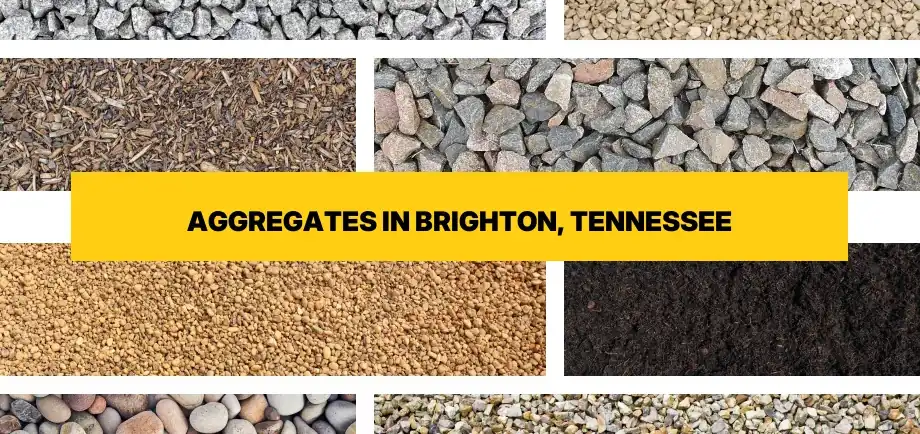
Sand, Aggregates & Gravel for Brighton, Tennessee
Local Topsoil, Dirt, Sand, Rocks and Gravel near me in Brighton, Tennessee
Shop Aggregates for Delivery in Brighton
Order online for free delivery to any Brighton address.
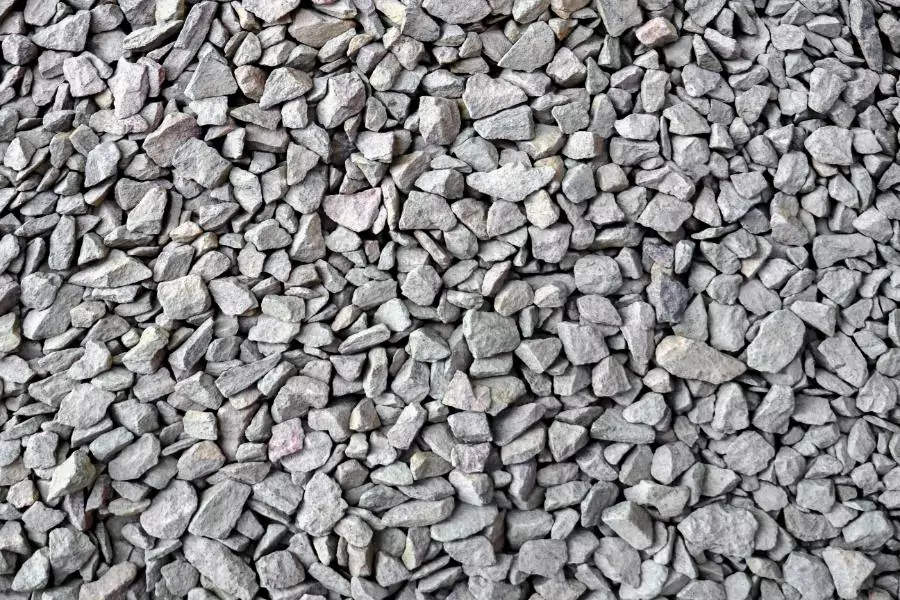
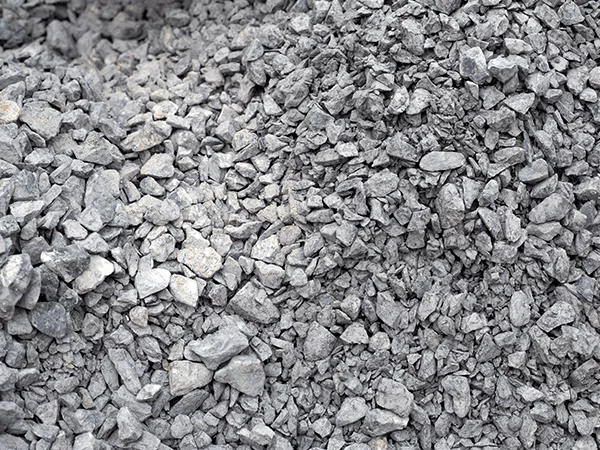


Gravel Monkey provides premium aggregate delivery services throughout Brighton, Tennessee, and the surrounding Tipton County region. From rural properties along Highway 51 to residential developments near the heart of Brighton, we supply high-quality gravel, stone, sand, and soil materials for every project type. Our free delivery service means you get professional-grade aggregates delivered directly to your Brighton property without the hassle of pickup or transport fees. Whether you're building a new driveway on a country lot, addressing drainage concerns common to the area's clay soils, or creating beautiful landscaping features, we have the materials and expertise to ensure your project succeeds.
Complete Range of Aggregates Available in Brighton
Brighton property owners trust Gravel Monkey for comprehensive aggregate solutions. We stock and deliver all essential materials for residential, agricultural, and commercial applications throughout the area:
- Driveway Gravel - Premium base material engineered for long-lasting driveways
- 3/4 inch Crushed Stone - Versatile angular aggregate for driveways and foundations
- #57 Stone - Industry-standard drainage aggregate and concrete base material
- Crusher Run - Superior compacting base for roads and parking areas
- Road Base - Heavy-duty foundation material for vehicular surfaces
- Pea Gravel - Smooth decorative stone perfect for pathways and landscaping
- River Rock - Natural rounded stone for aesthetic landscape features
- Walkway Gravel - Specialized aggregate for comfortable, stable footpaths
- Drain Rock - Angular stone for French drains and water management systems
- Topsoil - Nutrient-rich soil for gardens, lawns, and planting beds
- Fill Dirt - Essential grading material for leveling and construction
- Crushed Concrete - Eco-friendly recycled aggregate for base applications
- Mason Sand - Fine-grade sand for mortar and masonry work
- Playground Sand - Clean, safe sand for play areas and sandboxes
- Washed Sand - Premium cleaned sand for multiple applications
- Decomposed Granite - Natural pathway material that compacts beautifully
Understanding Brighton's Unique Soil and Geological Conditions
Brighton's position in western Tennessee presents specific challenges and opportunities for aggregate applications. The area sits atop loess deposits—fine-grained windblown silt that settled during the last ice age—overlaying dense clay formations. This combination creates soil that can be rich for agriculture but challenging for construction and drainage projects. During Brighton's wet seasons, typically late winter through spring when the area receives 4-5 inches of monthly rainfall, these clay soils expand and retain moisture. Conversely, during hot Tennessee summers with temperatures regularly exceeding 90 degrees Fahrenheit, the soil contracts and can develop cracks.
These conditions make proper base preparation essential for any hardscape project in Brighton. Properties throughout the area, from estates along Woodville Road to newer developments near Brighton Elementary School, benefit from deep aggregate bases that bridge the expansive clay below. The Memphis Sand and underlying Claiborne formations in the region also influence groundwater movement, making drainage considerations critical for low-lying properties near local tributaries.
Climate Considerations for Brighton Aggregate Projects
Brighton experiences a humid subtropical climate with an average annual rainfall of approximately 54 inches, significantly higher than the national average. This abundant precipitation, combined with the area's soil composition, makes drainage management paramount. Freeze-thaw cycles, while less severe than in northern states, still occur during January and February when overnight temperatures can dip into the low 20s. These cycles can cause poorly installed aggregate bases to shift and heave. Proper material selection and installation depth help Brighton residents avoid costly repairs and maintain stable driveways, patios, and walkways through all seasons.
Serving All Brighton Communities and Surrounding Areas
Gravel Monkey delivers aggregates throughout Brighton and neighboring Tipton County communities. Our service extends to:
- Downtown Brighton - Historic properties along Main Street requiring restoration materials and decorative aggregates
- Brighton Lakes Area - Residential developments with extensive landscaping and drainage needs
- Highway 51 Corridor - Commercial properties and rural estates requiring bulk aggregate delivery
- Oak Grove Community - Established neighborhoods with ongoing property improvement projects
- Brighton School District - Properties near Brighton High School and elementary schools
- North Brighton - Growing residential areas with new construction and driveway installations
- South Brighton - Agricultural properties transitioning to residential use
- Atoka - Just southeast of Brighton, sharing similar soil and climate conditions
- Covington - Tipton County seat with commercial and residential aggregate demand
- Munford - Northern Tipton County community with active development
- Gilt Edge - Rural community west of Brighton along Highway 59
Choosing the Right Aggregate for Your Brighton Project
Different projects require different aggregate types. Understanding the characteristics of each material helps Brighton property owners make informed decisions. Here's a comprehensive comparison of our most popular aggregates:
| Aggregate Type | Best Applications | Drainage Rating | Compaction | Brighton Soil Compatibility |
|---|---|---|---|---|
| Crusher Run | Driveway base, road foundation, parking areas | Good | Excellent | Ideal for clay soils |
| 3/4" Crushed Stone | Driveways, under concrete, general base | Excellent | Very Good | Works well with proper depth |
| #57 Stone | Drainage systems, French drains, concrete mix | Excellent | Moderate | Perfect for wet conditions |
| Road Base | Heavy traffic areas, commercial drives | Good | Excellent | Handles clay expansion well |
| Pea Gravel | Walkways, landscaping, decorative beds | Good | Poor | Best for surface applications |
| River Rock | Decorative landscaping, dry creek beds | Excellent | Poor | Surface drainage features |
| Crushed Concrete | Base layers, utility roads, eco projects | Very Good | Good | Cost-effective alternative |
| Drain Rock | French drains, foundation drainage, septic | Excellent | Poor | Essential for clay soil properties |
Common Aggregate Applications in Brighton Properties
Residential Driveways and Parking Areas
Brighton driveways face unique challenges due to the area's clay-rich soils and seasonal moisture fluctuations. A properly constructed driveway begins with adequate excavation—typically 8-12 inches for residential applications—followed by a compacted base layer. Most Brighton contractors recommend starting with a 4-6 inch layer of compacting aggregate for stability. The angular nature of this material allows particles to interlock, creating a solid foundation that resists the shifting caused by soil expansion and contraction beneath.
For the final surface, property owners can choose decorative options or stick with functional materials. Many properties along quieter streets in Brighton opt for a cleaner appearance on the top layer, while rural properties might prioritize durability and cost-effectiveness. The key to longevity lies in proper crown formation—creating a slight peak in the center of the driveway that encourages water runoff rather than pooling, which is especially important during Brighton's rainy spring months.
Drainage Solutions for Brighton's Clay Soils
Perhaps the most critical application of aggregates in Brighton involves water management. The area's clay soils have low permeability, meaning water doesn't naturally filter through them efficiently. This creates standing water issues during wet periods and can lead to foundation problems, basement flooding, and yard erosion. French drains have become increasingly popular throughout Brighton neighborhoods, particularly in lower-lying areas near creeks and tributaries. These systems require specific aggregate types—angular stone that won't compact tightly—allowing water to flow freely through the drainage channel while being directed away from structures.
Foundation drainage represents another essential aggregate application. Homes in Brighton, whether historic structures downtown or new construction in developing areas, benefit from proper perimeter drainage. A layer of clean aggregate around foundation walls, combined with perforated drainage pipe, prevents hydrostatic pressure buildup that can crack foundations and damage basement walls during heavy rain events.
Landscaping and Hardscape Features
Beyond functional applications, decorative aggregates transform Brighton landscapes into attractive outdoor spaces. Pathways constructed with compacted materials provide stable walking surfaces that drain well and require minimal maintenance. These paths work particularly well connecting gardens, outbuildings, and recreational areas throughout larger properties common in rural Brighton areas.
Decorative beds featuring contrasting stone colors and sizes add visual interest to plantings around homes throughout Brighton communities. These applications require weed barrier fabric installation beneath the aggregate to prevent weed growth while still allowing water to reach plant roots. For properties with outdoor living spaces, aggregate bases under pavers or flagstone patios provide stable, well-draining foundations that prevent settling and uneven surfaces over time.
Detailed Aggregate Material Guide for Brighton Projects
Base Materials for Maximum Stability
The foundation of any successful hardscape project starts with proper base material selection. In Brighton's challenging soil conditions, this becomes even more critical. Base materials excel at load distribution, spreading the weight of vehicles, structures, or foot traffic across a wider area to prevent localized settling and failure. The compaction characteristics of these aggregates allow them to form a solid, almost concrete-like layer when properly installed with mechanical tamping equipment.
The mixture of stone sizes in quality base materials creates optimal interlocking. Larger stones provide structural integrity, while smaller particles and fines fill voids, creating density that resists water infiltration and shifting. For Brighton properties dealing with expansive clay soils, this stable platform prevents the underlying soil movement from translating to surface damage. Agricultural properties converting to residential use particularly benefit from substantial base layers, as years of farming activity often leaves soil more compacted and less forgiving for construction applications.
Drainage Aggregates for Water Management
Effective water management separates successful Brighton projects from problematic ones. Drainage aggregates possess specific characteristics that make them ideal for moving water away from where it can cause damage. The angular, uniform nature of quality drainage stone creates void spaces—typically 30-40% of the total volume—through which water flows freely. This high permeability makes drainage aggregates essential for French drains, foundation perimeter systems, and septic field applications throughout Brighton properties.
Size consistency matters significantly in drainage applications. Mixing aggregate sizes reduces void space and decreases water flow rates, potentially causing system failure during heavy rainfall. Properties in Brighton's lower elevations, where water naturally accumulates, often require extensive drainage solutions incorporating hundreds of tons of clean drainage aggregate to effectively manage seasonal runoff and protect structures from water damage.
Decorative Stone Options
Aesthetic considerations drive decorative aggregate selection. Smooth, rounded stones provide comfortable walking surfaces while creating visual appeal through color variation and natural appearance. Brighton landscapes incorporating these materials achieve a finished, professional look that enhances property value and curb appeal. The rounded nature of these decorative aggregates means they don't compact firmly, making them unsuitable for vehicular applications but perfect for low-traffic pathways, planting beds, and water features.
Color selection should consider the home's exterior palette and existing landscape elements. Lighter-colored aggregates reflect heat, potentially beneficial during Brighton's hot summers around swimming pools or patio areas. Darker stones absorb heat and can help suppress weed growth through increased soil temperature beneath them. Combining multiple decorative aggregate types creates visual interest and defines separate landscape zones within a property.
Soil Materials for Gardening and Grading
Beyond stone aggregates, soil materials play vital roles in Brighton property development and improvement. Premium soil products address the limitations of native Brighton soils, which, while decent for agriculture, often lack the organic content and texture ideal for ornamental gardening and lawn establishment. Enriched soil mixtures bring necessary nutrients and improved drainage characteristics to planting areas, helping gardens thrive despite challenging underlying conditions.
For grading and leveling applications, appropriate soil materials provide the foundation for lawn areas, raise grades away from structures to promote drainage, and fill depressions that collect water. Brighton properties frequently require significant grading work when converting from agricultural to residential use or correcting drainage issues that develop over time. Proper soil selection for these applications ensures long-term stability and prevents settling that can undermine landscaping investments.
Best Practices for Brighton Aggregate Installation
Site Preparation Fundamentals
Successful aggregate projects begin with thorough site preparation. For Brighton properties, this means addressing the existing clay soil conditions before placing any aggregate materials. Excavation depth depends on the intended use—driveways typically require 8-12 inches, while pathways might need only 4-6 inches of base depth. The excavation should extend 6-12 inches beyond the finished surface on all sides to provide edge support and prevent lateral spreading under load.
Subgrade compaction represents a critical but often overlooked step. Using a plate compactor or roller on the exposed clay base creates a firm foundation that resists further compression when loaded. This compaction should occur when soil moisture is optimal—not saturated from recent rain but not powder-dry either. Brighton's clay soils are particularly sensitive to compaction moisture levels, achieving best results when they feel slightly damp but not wet.
Proper Aggregate Placement and Compaction
Aggregate installation proceeds in layers, or lifts, with each layer compacted before adding the next. For Brighton applications, 3-4 inch lifts work best, allowing mechanical compactors to achieve maximum density throughout the material depth. Spreading aggregate evenly across the entire area before compacting ensures consistent results and prevents weak spots that develop when material thickness varies.
Compaction equipment selection matches project scale and aggregate type. Small walkway projects might use a hand-operated plate compactor, while driveway installations benefit from larger vibratory rollers that provide greater compaction force. Making multiple passes over the same area, changing direction between passes, ensures thorough compaction. Proper compaction changes how aggregate feels underfoot—uncompacted material shifts and moves easily, while well-compacted aggregate feels solid and barely moves when walked upon.
Drainage Integration
Even well-constructed aggregate surfaces need drainage pathways. In Brighton, where rainfall averages 54 inches annually, water management can't be an afterthought. Installing proper crown or slope—typically 2-3% grade minimum—ensures water flows off surfaces rather than pooling. This slope should direct water away from structures and toward appropriate drainage areas such as swales, culverts, or natural drainage patterns.
For properties with challenging drainage situations, integrating subsurface drainage solutions with aggregate installations prevents future problems. This might involve French drains along edges, perforated pipe beneath aggregate layers, or connection to existing drainage infrastructure. Brighton properties near creeks or in low-lying areas particularly benefit from comprehensive drainage planning during aggregate installation projects.
Seasonal Timing for Brighton Aggregate Projects
Brighton's climate influences ideal project timing. Spring, despite being beautiful in Tennessee, brings frequent rainfall that can complicate aggregate installation. Wet conditions make compaction difficult and can turn work sites into muddy messes, particularly on properties with clay-heavy soils. However, early spring before rains intensify can be ideal, as moderate temperatures make outdoor work comfortable and demand for contractors remains moderate.
Summer offers the most consistent weather for aggregate projects. High temperatures and lower rainfall probability mean projects can proceed without weather interruptions. The main challenge during Brighton summers becomes heat management for workers and ensuring compacted aggregates have adequate time to settle before heavy use. Late summer and early fall represent peak project seasons, as property owners rush to complete outdoor improvements before winter.
Fall provides perhaps the best conditions for Brighton aggregate work. Moderate temperatures, typically lower rainfall than spring, and the urgency of completing projects before winter create ideal circumstances. Brighton's relatively mild winters compared to northern states mean some aggregate work can continue through December and January, though freeze-thaw cycles can complicate certain applications, particularly those involving fine materials or requiring extensive grading work.
Winter projects remain possible but require extra consideration. Frozen ground prevents proper compaction, and materials can be harder to spread and level. However, Brighton's winters feature many days with temperatures above freezing, providing windows for project work. Emergency repairs and projects with time constraints proceed year-round, though scheduling may require flexibility based on weather forecasts.
Frequently Asked Questions About Gravel and Aggregates in Brighton
We deliver a complete range of materials including driveway gravel, crushed stone, crusher run, river rock, pea gravel, topsoil, fill dirt, road base, drain rock, various sand types, decomposed granite, and crushed concrete throughout Brighton and surrounding Tipton County areas.
Yes! Gravel Monkey offers completely FREE delivery to Brighton and the surrounding Tennessee area for all gravel, aggregate, and landscaping material orders. No hidden fees or minimum order requirements for delivery.
For Brighton driveways, we recommend crusher run or three-quarter inch crushed stone for optimal compaction and drainage. These materials handle the local clay soils and seasonal weather conditions particularly well, providing a stable, long-lasting surface.
For a typical driveway, calculate length times width times depth in feet, then divide by 27 for cubic yards. Most driveways need 3 to 4 inches of base material. Our team can help you calculate the exact amount needed for your Brighton project.
Yes, we deliver throughout Tipton County including Atoka, Covington, Munford, and other nearby communities in the greater Brighton area with the same free delivery service.
Brighton sits on loess soils and underlying clay formations that require proper drainage consideration. We recommend incorporating drain rock or number 57 stone beneath topsoil applications and ensuring adequate base material for hardscaping projects to prevent settling.
Absolutely! Crushed concrete is an eco-friendly alternative that works excellently for Brighton driveways, base layers, and utility roads. It compacts well and costs less than traditional stone aggregates while providing similar performance.
We typically deliver to Brighton within 1 to 3 business days of order placement, depending on current demand and material availability. Rush delivery options may be available for time-sensitive projects.
Your Trusted Brighton Aggregate Supplier
When your Brighton property needs quality aggregates delivered professionally and affordably, Gravel Monkey stands ready to serve. Our comprehensive inventory, deep understanding of local soil conditions, and commitment to free delivery make us the preferred aggregate supplier for residential, commercial, and agricultural properties throughout Brighton and Tipton County. From small walkway projects to large-scale driveway installations, from drainage solutions to decorative landscaping, we provide the materials and expertise that ensure project success. Contact us today to discuss your aggregate needs and discover why Brighton property owners consistently choose Gravel Monkey for quality materials and exceptional service.

Need help? Reach out for a quote: