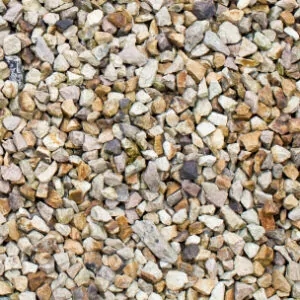
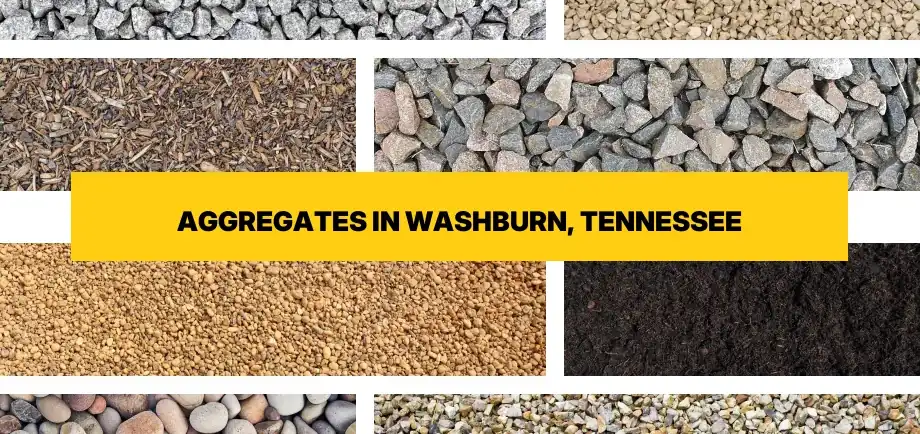
Gravel for Sale in Washburn, Tennessee
Local Topsoil, Dirt, Sand, Rocks and Gravel near me in Washburn, Tennessee
Shop Aggregates for Delivery in Washburn
Order online for free delivery to any Washburn address.
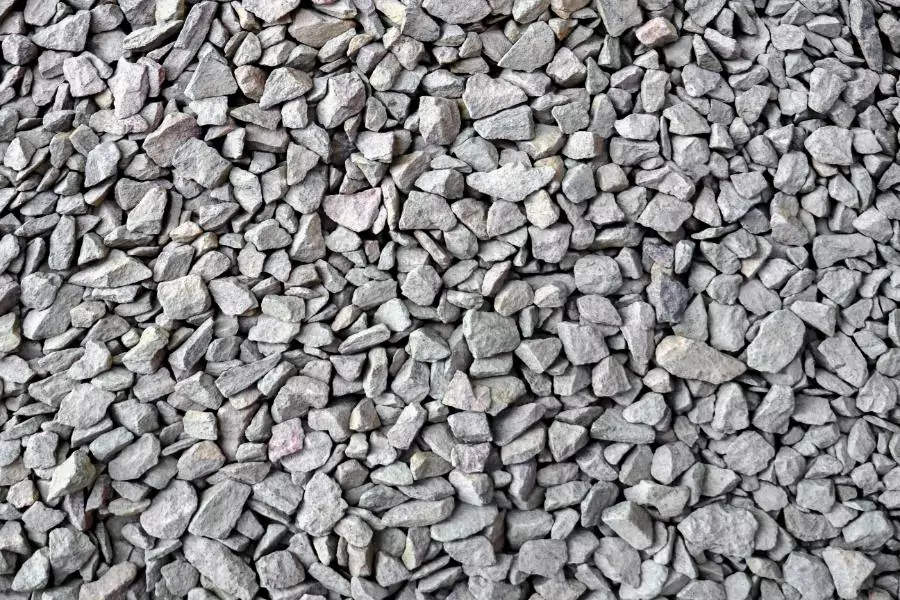
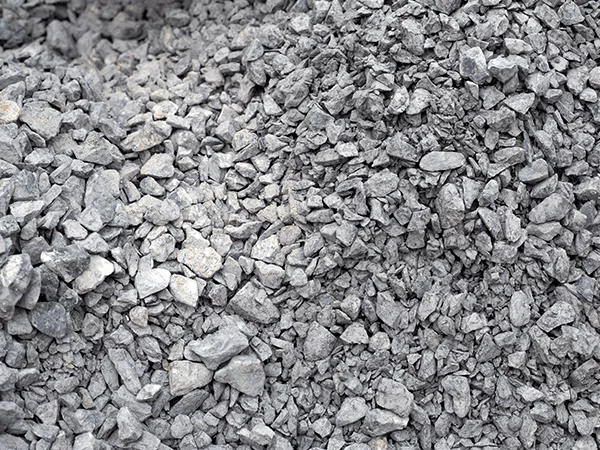


Gravel Monkey provides premium gravel, crushed stone, and aggregate delivery throughout Washburn, Tennessee and the surrounding Grainger County area. Whether you're upgrading a driveway along Highway 131, building a new barn foundation near Cherokee Lake, or creating proper drainage for your property in the Lone Mountain area, we deliver high-quality aggregates directly to your location with absolutely free delivery. Our comprehensive selection of materials suits every residential, agricultural, and commercial project in East Tennessee's unique landscape and climate conditions.
Complete Range of Aggregates Available in Washburn
Gravel Monkey supplies a full spectrum of gravel, stone, sand, and soil products designed for the specific needs of Washburn properties. Our materials handle the challenges of East Tennessee's clay-heavy soil, seasonal rainfall, and temperature fluctuations that range from cold winters to hot, humid summers. Here's what we deliver throughout the Washburn area:
- Driveway Gravel - Durable surface stone that compacts firmly for long-lasting driveways and farm roads
- 3/4 Inch Crushed Stone - Versatile angular stone perfect for driveway bases, drainage projects, and foundations
- #57 Stone - Popular crushed stone for concrete work, pipe bedding, and drainage applications
- Crusher Run - Compactable blend of stone and fines that creates incredibly stable bases for driveways and paths
- Road Base - Heavy-duty aggregate for parking areas, farm roads, and access roads that see regular traffic
- Pea Gravel - Smooth, rounded stones ideal for walkways, garden beds, and decorative landscaping
- River Rock - Natural decorative stone in various sizes for landscaping features and water management
- Drain Rock - Specialized aggregate for French drains and drainage systems in clay soil areas
- Topsoil - Rich, screened topsoil for gardens, lawns, and raised beds
- Fill Dirt - Clean fill for grading, leveling, and raising low areas prone to water collection
- Crushed Concrete - Eco-friendly recycled concrete aggregate for sub-bases and non-decorative applications
- Mason Sand - Fine sand for mortar mixing, paver joints, and masonry construction
- Playground Sand - Clean, safe sand for children's play areas and sandboxes
- Washed Sand - Clean sand for multiple construction and landscaping uses
- Decomposed Granite - Natural stone fines for pathways and rustic landscaping
- Walkway Gravel - Comfortable gravel specifically selected for pedestrian paths and garden walkways
Each aggregate type serves specific purposes, and understanding which material works best for your Washburn project ensures optimal results. The local geology of Grainger County, characterized by limestone bedrock and heavy clay soils, influences material selection and application techniques.
Aggregate Delivery Throughout Washburn and Grainger County
Gravel Monkey delivers to all areas of Washburn and the broader Grainger County region. Our delivery drivers know the local roads and can reach properties throughout East Tennessee's rural landscape. We regularly serve these Washburn-area communities:
Along Highway 131, we deliver aggregates to residential properties, farms, and small businesses needing everything from driveway materials to drainage solutions. The Liberty Hill community sees frequent deliveries of crusher run and driveway gravel for the area's many rural properties and farm operations. Near Cherokee Lake, waterfront property owners request river rock for shoreline stabilization and pea gravel for pathways leading to the water.
The Lone Mountain area, with its elevated terrain and stunning views, requires specific grading and drainage materials to manage water flow on sloped properties. We deliver fill dirt and drain rock to help property owners create proper drainage systems that prevent erosion. The Richland Creek valley sees regular deliveries of road base and crushed stone for farm roads and equipment access paths.
Properties near Bean Station, just south of Washburn, benefit from our free delivery of all aggregate types. The Thorn Hill community to the north receives regular shipments of driveway materials and decorative stone. Farmland throughout the Holston River valley uses our aggregates for barn construction, equipment pads, and access roads that can handle heavy farm machinery.
Rural properties along Russell Road and Poor Valley Road receive deliveries of everything from topsoil for pasture improvement to crusher run for private road maintenance. The small communities around Joppa and toward Rutledge also fall within our delivery area, with many residents choosing our aggregates for home improvement and agricultural projects.
Working with Washburn's Clay Soil and Local Geology
Understanding Washburn's soil composition is essential for successful aggregate projects. East Tennessee's geology creates challenges that proper aggregate selection can overcome. The area sits within the Ridge and Valley geological province, where limestone bedrock lies beneath layers of heavy red clay soil. This clay, while nutrient-rich for farming, presents drainage and compaction issues for construction projects.
The clay soil in Washburn expands when wet and contracts during dry periods, creating movement that can damage foundations, driveways, and structures built directly on unprepared ground. This is why proper base preparation using compactable aggregates like crusher run becomes critical. The stone and fine material mixture in crusher run fills voids and creates a stable platform that resists the movement caused by clay expansion and contraction.
Washburn receives approximately 45 to 50 inches of rainfall annually, concentrated during spring and late fall. This moisture, combined with clay soil's poor drainage, creates standing water problems on many properties. French drains filled with drain rock help channel water away from structures and low areas. The angular shape of crushed stone allows water to flow freely between particles while supporting the weight of soil above.
Drainage Solutions for Clay-Heavy Properties
Properties throughout the Washburn area combat clay soil drainage issues with strategic aggregate placement. A typical drainage solution starts with excavating a trench to slope away from buildings, lining it with landscape fabric, and filling it with drain rock. The fabric prevents clay particles from migrating into the stone and clogging the drainage pathway, while the angular rock maintains open channels for water flow.
For larger areas experiencing standing water, creating a graded surface using fill dirt topped with a compacted layer of road base provides effective water management. The fill dirt establishes proper slope, and the road base creates a firm, well-draining surface that sheds water rather than allowing it to pool. This approach works particularly well for barn construction sites, equipment storage areas, and turnaround spaces that need to remain accessible during wet weather.
Building Durable Driveways in Washburn's Climate
Driveway construction in Washburn requires understanding how East Tennessee's climate affects different aggregate materials. Temperature swings from freezing winters to 90-degree summer days, combined with the area's substantial rainfall, test driveway durability. A properly constructed aggregate driveway uses multiple layers, each serving a specific purpose.
The foundation layer addresses the clay soil issue. Excavating 6 to 8 inches of clay and replacing it with crusher run creates a stable base that compacts tightly and resists the movement caused by freeze-thaw cycles. The mixture of stone sizes and fine particles in crusher run allows it to compact to near-concrete hardness, providing a solid foundation for upper layers.
The middle layer typically uses 3/4 inch crushed stone or #57 stone. These angular aggregates interlock to create a firm, load-bearing layer that distributes weight and prevents rutting. The angular shape is crucial – rounded stones like pea gravel would roll and shift under vehicle weight, creating an unstable surface.
The surface layer depends on aesthetic preferences and intended use. For purely functional farm roads and utility access, leaving the crushed stone layer exposed works well. For residential driveways where appearance matters, adding a final layer of driveway gravel provides an attractive finish that's easy to maintain and replenish over time.
Driveway Maintenance for East Tennessee Conditions
Maintaining aggregate driveways in Washburn involves periodic grading to restore crown and proper drainage. Spring rains and winter freeze-thaw cycles gradually flatten the driveway surface, allowing water to collect rather than run off. Using a box blade or road grader to reshape the crown every year or two extends driveway life significantly.
Adding fresh driveway gravel to the surface every few years maintains appearance and provides new material to fill any ruts or low spots. The amount needed depends on traffic levels and weather exposure, but most residential driveways benefit from a thin layer of fresh aggregate every three to five years.
| Aggregate Type | Best Applications | Typical Size | Compaction | Drainage |
|---|---|---|---|---|
| Crusher Run | Driveway base, paths, parking areas | Mixed sizes to fines | Excellent | Moderate |
| 3/4" Crushed Stone | Driveway layers, foundations, drainage | 3/4 inch | Very Good | Excellent |
| #57 Stone | Concrete aggregate, pipe bedding, drainage | 3/4 inch | Good | Excellent |
| Road Base | Heavy-traffic areas, farm roads, parking | Mixed sizes | Excellent | Good |
| Drain Rock | French drains, drainage systems | 3/4 to 1.5 inch | Poor | Excellent |
| Pea Gravel | Walkways, decorative landscaping | 3/8 inch | Poor | Good |
| River Rock | Landscaping features, erosion control | 1 to 6 inches | Poor | Good |
| Decomposed Granite | Natural pathways, rustic landscaping | Sand to 1/4 inch | Moderate | Good |
Aggregates for Agricultural Operations in Grainger County
Farming operations throughout Washburn and Grainger County rely on proper aggregate materials to maintain functional work areas year-round. Barn floors, equipment storage pads, feeding areas, and access roads must remain stable and accessible regardless of weather conditions. The agricultural sector represents a significant portion of our aggregate delivery business in the Washburn area.
Equipment storage areas require a firm, level surface that supports heavy machinery weight without rutting or settling. A 4 to 6 inch layer of road base over properly graded subsoil creates an ideal equipment pad. The material compacts firmly and maintains stability even during wet periods when clay soil would become impassable.
Farm roads connecting different areas of agricultural properties need materials that can handle repeated heavy loads from tractors, trucks, and loaded trailers. A combination approach works best: excavate poor clay soil, establish proper drainage with fill dirt grading, install a compacted crusher run base, and top with road base or driveway gravel. This multi-layer construction prevents the ruts and mud holes that develop when vehicles repeatedly cross clay soil.
Livestock Areas and Feeding Stations
Areas where livestock congregate – around water troughs, feeding stations, and gates – experience heavy hoof traffic that quickly turns clay soil into muddy messes. Spreading a 6 to 8 inch layer of crushed stone creates a stable, well-draining surface that keeps livestock cleaner and healthier. The stone allows rainwater to drain through rather than creating standing mud puddles where animals must stand.
For horse farms and cattle operations in the Liberty Hill and Lone Mountain areas, proper footing around barns and shelters improves animal welfare and reduces maintenance. Many farmers report that investing in proper aggregate surfaces around high-traffic animal areas reduces hoof problems and makes daily chores more manageable during wet weather.
Landscaping Materials for Washburn Properties
Residential and commercial landscaping throughout Washburn benefits from decorative aggregates that enhance curb appeal while providing functional benefits. The aesthetic choices in aggregates have expanded significantly, with materials ranging from natural river rock to refined walkway gravel offering options for every design style and budget.
Garden pathways through wooded areas or connecting different sections of larger properties work beautifully with walkway gravel or pea gravel. These smaller, rounded stones provide comfortable walking surfaces that allow water infiltration and complement natural settings. Many properties near Cherokee Lake use these materials to create pathways through native landscaping that leads to water access points or scenic overlooks.
Water features and decorative dry creek beds use river rock to create natural-looking accents. The rounded stones in various sizes mimic natural stream beds, and when properly installed with landscape fabric underneath, they provide effective drainage channels for managing storm water runoff. Properties with slope challenges in the Lone Mountain area often incorporate decorative drainage features that serve both aesthetic and functional purposes.
Mulch Alternatives and Ground Covers
Decomposed granite offers an attractive alternative to traditional wood mulch around shrubs and in garden beds. This natural stone material in earth tones complements Tennessee's native plants and provides excellent weed suppression while allowing water and air to reach plant roots. Unlike wood mulch, decomposed granite doesn't need annual replacement and won't attract termites – an important consideration in East Tennessee's humid climate where termite pressure is constant.
For playground areas at homes or community spaces, playground sand provides a safe, cushioned surface for children's activities. This specially washed and graded sand meets safety standards for playground surfacing and drains well enough to be usable soon after rain events.
Construction Aggregates and Sand Products
New construction and renovation projects throughout Washburn require specific aggregate types for different applications. Understanding which material to use for each construction phase ensures structural integrity and long-term performance in East Tennessee's climate.
Foundation work typically starts with excavation, followed by a compacted layer of crusher run to create a stable base. This prevents settling and provides proper drainage around foundation footers. For poured concrete foundations, #57 stone provides the aggregate component of the concrete mix, while mason sand supplies the fine material needed for mortar in block or brick construction.
Concrete flatwork – driveways, patios, and walkways – requires proper sub-base preparation. A 4 to 6 inch layer of compacted crushed stone under concrete slabs provides the stable, well-draining foundation that prevents cracking from movement or frost heave. The angular nature of crushed stone prevents shifting that would allow concrete to settle unevenly.
Septic System Installation
Properties throughout rural Grainger County rely on septic systems for waste management. Proper septic installation requires specific aggregates for drain field construction. Washed sand provides the filtering medium around perforated pipes, while drain rock creates the drainage layer that allows effluent to percolate into surrounding soil. The clay-heavy soil in Washburn makes proper septic drain field construction especially important, as clay's poor drainage can lead to system failure if aggregates aren't properly selected and installed.
Free Aggregate Delivery Throughout the Washburn Area
Gravel Monkey's free delivery service eliminates the hassle and expense of transporting aggregates yourself. Our delivery trucks navigate Washburn's rural roads expertly, reaching properties throughout Grainger County and surrounding areas. We deliver to residential homes, farms, construction sites, and commercial properties, placing materials where you need them on your property when possible.
Our delivery process begins with understanding your project requirements. We help you calculate the volume of material needed based on your project dimensions and provide guidance on material selection for East Tennessee's specific conditions. Once you place your order, we schedule delivery at your convenience and keep you informed about arrival times.
The delivery trucks used for aggregate transport can handle various property access situations, from paved residential streets to rural gravel roads. For properties with challenging access, our experienced drivers work with customers to identify the best placement location that balances accessibility with project convenience. We take pride in delivering materials without damaging lawns, driveways, or landscaping.
Ordering and Quantity Calculation
Determining how much aggregate you need requires calculating the area and depth required for your project. For rectangular areas like driveways or pads, multiply length times width times depth (all in feet) then divide by 27 to get cubic yards. For example, a 20-foot by 50-foot driveway with 4 inches of aggregate depth would be: 20 x 50 x 0.33 = 330 cubic feet, divided by 27 = 12.2 cubic yards.
For irregular shapes or complex projects, our team can help with calculations. We'd rather help you order the right amount initially than have you run short and need a second delivery, or order too much and have excess material. The local knowledge our team brings to quantity estimates accounts for factors like clay soil excavation needs and proper base depth for Washburn's climate.
Seasonal Considerations for Aggregate Projects in East Tennessee
Timing aggregate projects around Washburn's weather patterns improves results and makes installation easier. East Tennessee experiences four distinct seasons, each presenting different conditions for aggregate work.
Spring brings frequent rain showers and occasional thunderstorms. While the moderate temperatures make working outdoors pleasant, heavy rainfall can complicate excavation work and make clay soil difficult to grade. Spring is excellent for drainage projects, as you can immediately observe how water flows across your property during rain events and adjust plans accordingly.
Summer provides the most predictable weather for aggregate projects. The warm, often hot temperatures and lower rainfall create ideal conditions for excavation, grading, and compaction. The heat helps aggregate materials settle and compact more effectively. However, extreme heat can make physical labor challenging, and afternoon thunderstorms during July and August require monitoring weather forecasts.
Fall represents the optimal season for most aggregate projects in Washburn. Temperatures moderate, rainfall decreases slightly from spring levels, and the ground remains workable. Many farmers schedule farm road improvements and equipment pad construction during fall after harvest but before winter weather arrives. Residential customers often complete outdoor projects during fall to have everything ready before winter.
Winter in Washburn brings occasional snow and ice, with temperatures ranging from mild to below freezing. Ground frost can complicate excavation, and frozen clay becomes rock-hard. However, winter offers advantages for aggregate delivery – the frozen or firm ground supports heavy delivery trucks without rutting soft lawns or driveways. Many customers schedule winter deliveries for materials they'll install when spring arrives.
Environmentally Responsible Aggregate Use
Using aggregates responsibly minimizes environmental impact while achieving project goals. In Washburn's rural setting, where properties often adjoin streams, forests, and agricultural land, thoughtful material selection and installation practices protect natural resources.
Crushed concrete offers an eco-friendly alternative to quarried stone for many applications. This recycled material performs excellently in sub-base applications and reduces the environmental impact of quarrying new stone. Many farm roads and equipment pads throughout Grainger County use crushed concrete successfully, demonstrating that sustainable choices can meet practical needs without compromising performance.
Proper erosion control during and after aggregate installation protects water quality in nearby streams and Cherokee Lake. Using landscape fabric under drain rock prevents soil migration into drainage systems. Establishing proper grades that direct runoff to vegetated areas rather than directly into waterways allows natural filtration. These practices align with Tennessee's environmental regulations while protecting the natural beauty that makes the Washburn area special.
Managing Runoff and Water Quality
Properties throughout the Holston River and Richland Creek watersheds have responsibility for managing storm water runoff. Properly installed aggregate surfaces allow water infiltration, reducing the volume of runoff that flows directly into streams. This infiltration also helps recharge groundwater, maintaining well water levels for the many Washburn properties relying on well water for domestic use.
Permeable surfaces created with aggregates like pea gravel or river rock around homes and outbuildings reduce the heat island effect compared to solid surfaces while managing water naturally. These approaches to water management become increasingly important as development gradually expands in Grainger County.
Frequently Asked Questions About Aggregates in Washburn
Crusher run provides the most cost-effective driveway solution for most Washburn properties. It compacts firmly, handles our climate well, and creates a durable surface at a lower cost than multi-layer systems. For properties with extreme clay soil issues, investing in proper excavation and a layered approach with road base provides better long-term value despite higher initial costs.
A proper aggregate driveway in Washburn typically requires 4 to 6 inches of compacted material total. For clay soil areas, excavate 6 to 8 inches of clay, install 4 inches of compacted crusher run as a base, and add 2 to 4 inches of surface material. The total depth depends on traffic levels and how much clay soil you remove during preparation.
Installing aggregates directly on clay soil works for temporary applications but isn't recommended for permanent installations like driveways or foundations. Clay's expansion and contraction will cause settling and shifting. Proper installation requires excavating at least some clay and using compactable materials like crusher run that resist movement caused by the clay's behavior.
For muddy barn areas and livestock high-traffic zones, use 6 to 8 inches of crushed stone or road base. The angular material creates a firm surface that allows water drainage while supporting animal and equipment weight. Avoid rounded materials like pea gravel – they'll sink into mud and shift under hoof traffic.
Install landscape fabric under gravel to prevent weed growth while allowing water drainage. For existing gravel areas with weed problems, applying an appropriate herbicide before adding fresh gravel helps. Using angular crushed stone rather than rounded pea gravel also reduces weed establishment, as the angular material packs more tightly.
Fall and winter often provide the best conditions for aggregate delivery in Washburn. Firmer ground prevents delivery trucks from rutting soft lawns. If you're installing materials yourself, late spring through fall offers the best working weather. We deliver year-round and can accommodate your project timeline regardless of season.
Yes, we deliver to challenging access properties throughout the Washburn area. Our experienced drivers handle steep driveways, narrow roads, and rural properties regularly. We assess access during the ordering process and work with you to identify the best placement location for materials if direct access to your project site isn't possible.
One cubic yard of gravel covers approximately 100 square feet at 3 inches deep, or 80 square feet at 4 inches deep. For example, if you need to cover a 12 by 20 foot area (240 square feet) at 4 inches deep, you would need 3 cubic yards. Our team can help calculate exact amounts for your specific Washburn project dimensions and depth requirements.
Start Your Aggregate Project in Washburn Today
Gravel Monkey stands ready to supply all the aggregates, sand, and soil products your Washburn property needs. From small residential landscaping projects to large agricultural operations, we provide quality materials with free delivery throughout Grainger County and surrounding East Tennessee areas. Our knowledgeable team understands the specific challenges of working with local clay soil and variable weather conditions, and we're here to help you select the right materials for lasting results.
Whether you're building a new driveway along Highway 131, improving drainage near Cherokee Lake, upgrading farm roads in the Lone Mountain area, or enhancing your property's landscaping in Liberty Hill, we deliver the aggregates you need when you need them. Our commitment to quality materials, reliable service, and local expertise has made us the trusted aggregate supplier for Washburn area properties.
Contact us today to discuss your project requirements, receive expert material recommendations, and schedule your free delivery. We're proud to serve the Washburn community and look forward to helping you complete your aggregate project successfully.

Need help? Reach out for a quote: