
Shop Sand, Stone & Gravel in Siler, Kentucky
Local Topsoil, Dirt, Sand, Rocks and Gravel near me in Siler, Kentucky
Shop Aggregates for Delivery in Siler
Order online for free delivery to any Siler address.
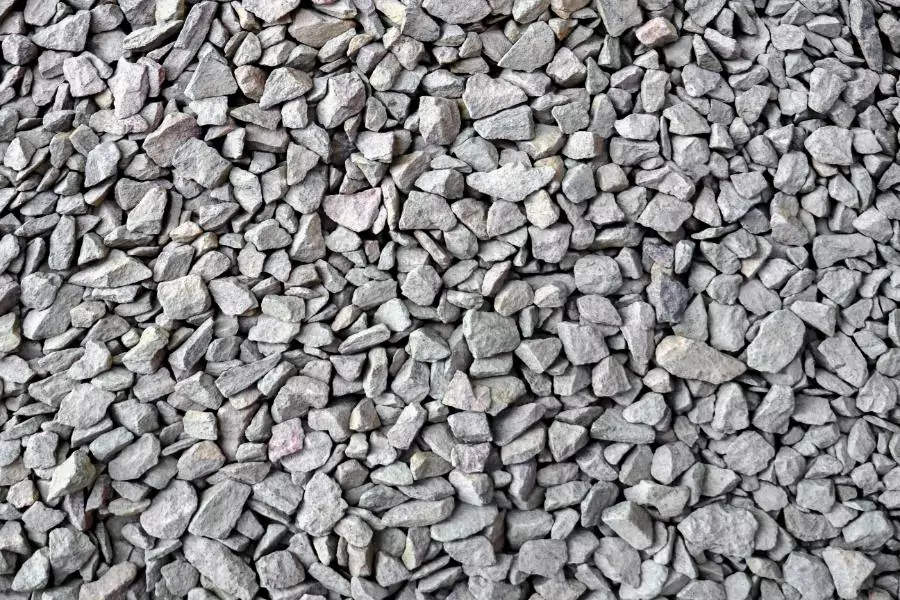
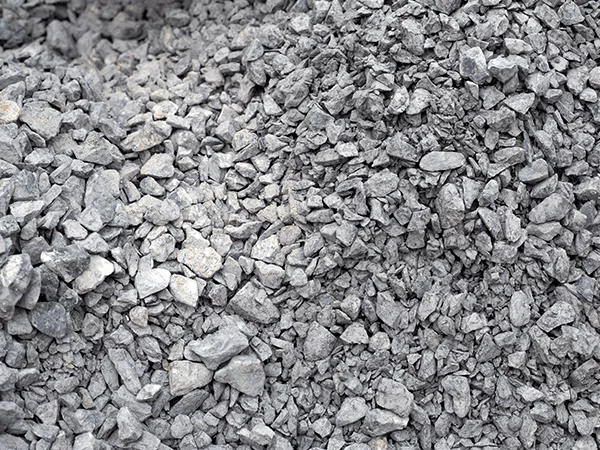


Gravel Monkey is your trusted local source for premium gravel, crushed stone, and aggregate materials in Siler, Kentucky. Nestled in the scenic Appalachian foothills of Whitley County, Siler presents unique challenges for property owners—from clay-heavy soils that retain water to steep terrain that demands proper drainage solutions. Whether you're building a new driveway near Cumberland Falls Highway, improving drainage on a hillside property, or creating a stable base for a barn foundation in the rural areas surrounding town, we deliver the right aggregates for your project. Our free delivery service extends throughout Siler and neighboring communities including Williamsburg and Corbin, bringing professional-grade materials directly to your property.
Comprehensive Aggregate Selection for Siler Properties
Kentucky's diverse geography demands quality materials that perform in all conditions. We offer an extensive range of aggregates and landscape supplies specifically chosen to address the soil composition and drainage needs common throughout Whitley County:
- Driveway Gravel - Engineered for longevity on steep Kentucky terrain
- 3/4 inch Crushed Stone - Versatile aggregate for foundations and drainage
- #57 Stone - Industry-standard crushed stone for multiple applications
- Crusher Run - Superior compaction for solid base construction
- Road Base - Heavy-duty material for private roads and lanes
- Pea Gravel - Decorative rounded stone for pathways
- River Rock - Natural aesthetic for water features and gardens
- Drain Rock - Essential for French drains and water management
- Crushed Concrete - Eco-friendly recycled aggregate option
- Topsoil - Nutrient-rich soil for gardens and lawns
- Fill Dirt - Essential for grading and leveling
- Mason Sand - Fine sand for construction projects
- Playground Sand - Clean, safe sand for play areas
- Washed Sand - Clean sand for various applications
- Walkway Gravel - Perfect size for garden paths and trails
- Decomposed Granite - Natural pathway material with rustic appeal
Understanding Siler's Unique Soil and Climate Conditions
Siler sits in the Western Coal Field and Cumberland Plateau region of Kentucky, where the underlying geology creates specific challenges for construction and landscaping projects. The area features predominantly clay-based soils derived from weathered shale and sandstone formations, which are characteristic of the Appalachian foothills. These heavy clay soils have poor drainage properties, causing water to pool on the surface rather than percolating through the ground.
The region experiences a humid subtropical climate with approximately 48 inches of annual rainfall, significantly higher than the national average. Spring months from March through May bring particularly heavy precipitation, while summer thunderstorms add additional moisture stress to the landscape. Winter temperatures regularly drop below freezing, typically ranging from the mid-20s to mid-40s Fahrenheit, creating freeze-thaw cycles that can heave poorly constructed driveways and destabilize inadequate foundations.
These conditions make proper aggregate selection critical. Properties throughout Siler, from homes near the Cumberland River tributaries to farms in the elevated areas toward Daniel Boone National Forest, require materials that provide excellent drainage while remaining stable during seasonal weather fluctuations. The combination of clay soil, abundant rainfall, and elevation changes means that standard gravel installations often fail without proper base preparation and material selection.
Aggregate Applications for Residential and Commercial Projects
Driveway Construction and Repair
Siler's residential areas demand durable driveway solutions that can withstand both vehicle traffic and harsh Kentucky weather. Properties along Highway 204 and the rural roads branching toward Williamsburg face particular challenges with driveway maintenance due to the steep grades and water runoff common in this hilly terrain. A proper driveway installation begins with adequate excavation to remove problematic clay soil, followed by a geotextile fabric layer to prevent mixing of base materials with subgrade soil.
For the base layer, crusher run provides unmatched stability. This blend of crushed stone and stone dust compacts tightly, creating a rock-solid foundation that won't shift under load. The angular particles interlock mechanically, distributing weight evenly across the surface. For the top layer, traditional driveway gravel or number 57 stone delivers excellent traction and drainage while maintaining a professional appearance. Many Siler property owners opt for a 6-inch base of crusher run topped with 2-3 inches of finished stone for optimal performance.
Drainage Solutions for Clay-Heavy Properties
Effective drainage is perhaps the most critical concern for Siler property owners. The area's clay soils act almost like plastic when saturated, creating standing water problems that damage foundations, flood basements, and turn yards into muddy swamps. Installing proper drainage systems using the right aggregates can transform problem properties into functional, dry landscapes.
French drain installations require drain rock—specifically sized aggregate that allows water to flow freely while preventing soil infiltration. The typical French drain consists of a perforated pipe surrounded by drain rock, wrapped in landscape fabric to prevent clogging. These systems should be installed along foundation perimeters, at the base of slopes, and in areas where water naturally accumulates. Properties near Bell Farm Road and along the more rural stretches toward the national forest particularly benefit from comprehensive drainage solutions given the combination of clay soil and hillside locations.
Foundation and Building Site Preparation
Whether constructing a new home, barn, or outbuilding, proper site preparation determines long-term structural integrity. Foundation work in Siler requires addressing the expansive clay soil that swells when wet and shrinks when dry, creating movement that can crack concrete slabs and shift building footings. Professional contractors throughout Whitley County know that excavating below the frost line and replacing problematic clay with properly compacted aggregate is essential.
Road base material serves as the workhorse for foundation preparation. This heavy-duty aggregate compacts to near-concrete density, providing a stable platform that resists moisture-related movement. For residential foundations, a minimum 6-inch layer of compacted road base is standard, though deeper excavations may be necessary on particularly problematic sites. Commercial projects and agricultural buildings often require 12 inches or more of aggregate base to ensure adequate load-bearing capacity and drainage.
| Aggregate Type | Primary Use | Compaction | Drainage Rating | Best for Siler Conditions |
|---|---|---|---|---|
| Crusher Run | Driveway base, foundations | Excellent | Good | Clay soil stabilization |
| Number 57 Stone | Driveway topping, drainage | Moderate | Excellent | General purpose applications |
| 3/4 inch Crushed Stone | Foundations, pipe bedding | Good | Excellent | Construction projects |
| Road Base | Heavy-duty base, roads | Excellent | Good | High-traffic areas |
| Drain Rock | French drains, erosion | Poor | Excellent | Water management systems |
| Pea Gravel | Landscaping, walkways | Poor | Very Good | Decorative applications |
| Crushed Concrete | Base layer, temporary roads | Good | Good | Budget-conscious projects |
Serving All Siler Communities and Surrounding Areas
Our delivery service extends throughout Siler proper and into the surrounding Whitley County region. We're familiar with the unique characteristics of each area and understand the specific challenges property owners face:
Central Siler and Highway 204 Corridor
The main residential area along Highway 204 features a mix of established homes and newer construction. Properties here often deal with drainage issues related to road runoff and the natural slope of the land toward local creek systems. We frequently deliver aggregates for driveway repairs, foundation drainage, and yard grading projects throughout this central district.
Rural Properties Toward Cumberland Falls
Heading west toward Cumberland Falls State Resort Park, properties become more spread out and rural in character. These areas often feature longer driveways, agricultural buildings, and more extensive grading needs. The proximity to Cumberland River tributaries means water management is particularly important. Many property owners in this area require bulk aggregate deliveries for private road maintenance and erosion control.
Eastern Areas Near Williamsburg
The eastern approach toward Williamsburg includes both residential subdivisions and rural acreage. Elevation changes become more pronounced in this direction, making proper driveway construction and water diversion critical. We serve numerous customers building new homes and renovating existing properties throughout this expanding area.
Northern Sections Toward Daniel Boone National Forest
Properties north of town toward the national forest boundaries tend to be larger parcels with significant elevation changes. These mountain properties often require specialized drainage solutions and heavy-duty aggregates for accessing building sites on slopes. Erosion control and sustainable land management are primary concerns for property owners in this scenic but challenging terrain.
Southern Communities Near Corbin
The southern reach of our delivery area extends toward Corbin, serving properties along the network of county roads connecting these communities. This area features a blend of residential, agricultural, and small commercial properties. We regularly deliver materials for everything from small garden projects to large-scale farm infrastructure improvements.
Seasonal Considerations for Aggregate Projects in Siler
Timing your aggregate project appropriately can mean the difference between success and costly problems. Understanding Siler's seasonal weather patterns helps ensure optimal results.
Spring: Prime Construction Season with Challenges
March through May offers moderate temperatures ideal for outdoor work, but spring also brings Siler's heaviest rainfall. Wait for a dry spell of at least 3-4 days before beginning driveway or foundation work. Attempting to compact aggregates into saturated clay soil results in poor density and future settling problems. This season is excellent for planning drainage improvements before summer storms arrive.
Summer: Optimal Conditions for Aggregate Installation
June through August provides the best window for aggregate projects in Siler. Warm, dry weather allows clay soil to dry adequately, and aggregates compact more effectively. The longer days mean contractors can complete more work per visit. Schedule major driveway installations, foundation work, and landscaping projects during these months whenever possible.
Fall: Final Opportunity Before Winter
September and October offer another good window for aggregate work before winter arrives. Temperatures remain moderate, and rainfall typically decreases from spring levels. This is an ideal time to address drainage issues discovered during summer storms and to complete driveway repairs before winter freeze-thaw cycles begin.
Winter: Limited but Strategic Work Possible
December through February presents challenges for aggregate installation due to frozen ground and frequent precipitation. However, winter is an excellent time to plan projects, mark problem areas while visible, and schedule early spring deliveries. Emergency driveway repairs are still possible during dry spells with appropriate materials and techniques.
Professional Installation Tips for Siler's Conditions
Successful aggregate projects in Siler require attention to several critical factors specific to our region:
Excavation Depth and Clay Removal
Don't skimp on excavation depth. Siler's clay soil requires removal down to at least 8-12 inches for driveways and 12-18 inches for heavily trafficked areas. Leaving clay in place creates a slippery interface that allows aggregate layers to shift and settle unevenly. Proper excavation provides room for adequate aggregate depth while ensuring the finished grade remains at the desired level.
Geotextile Fabric: Essential in Clay Soil
Installing geotextile fabric between clay subgrade and aggregate base is not optional in Siler—it's essential. This separation layer prevents clay from migrating upward into the aggregate during wet periods while allowing water to drain downward. Choose a non-woven geotextile rated for separation applications, and overlap seams by at least 12 inches to maintain continuity.
Compaction: The Key to Longevity
Proper compaction of aggregate layers determines how well your installation performs over time. Rent or hire a plate compactor for small areas or a vibratory roller for larger projects. Compact in lifts no thicker than 4 inches, adding water as needed to achieve optimal moisture content. The aggregate should feel firm underfoot when properly compacted—if you leave deep footprints, it needs more compaction.
Crown and Slope for Water Management
Every aggregate surface in Siler should be crowned or sloped to shed water quickly. Driveways should crown in the center with a 2-3% slope toward edges, or slope consistently from high to low point. Flat installations trap water, accelerating deterioration and creating muddy conditions. Proper grading ensures water moves away from the surface rather than infiltrating into base layers.
Frequently Asked Questions About Aggregates in Siler, Kentucky
We deliver a comprehensive selection including driveway gravel, crushed stone, #57 stone, crusher run, pea gravel, river rock, road base, drain rock, recycled concrete, topsoil, fill dirt, and various sand products throughout Siler and surrounding Whitley County areas.
Yes! Gravel Monkey offers FREE delivery to Siler and the surrounding Kentucky area for all gravel and aggregate material orders. We serve the entire community including areas near Cumberland Falls and throughout Whitley County.
For Siler's heavy clay soils, we recommend crusher run or #57 stone as a base layer for excellent drainage and stability. The crushed angular edges lock together well, preventing the shifting common with clay conditions during wet Kentucky weather. A proper installation uses 6-8 inches of compacted crusher run as a base.
Calculate your area in square feet and multiply by your desired depth in feet, then divide by 27 to get cubic yards. For a typical driveway base, plan for 4-6 inches of depth. A 12-foot by 50-foot driveway with 4 inches of depth requires approximately 7.5 cubic yards. Our team can help you estimate the right amount for your specific Siler property and project needs.
Absolutely! We deliver throughout Siler and surrounding rural Whitley County areas, including properties near Williamsburg, Corbin, and the Daniel Boone National Forest region. Our free delivery extends to all accessible locations in the area, including remote properties on private roads.
Muddy driveways in Siler typically result from insufficient aggregate depth, lack of proper base layer, or clay soil mixing with the gravel. The solution involves excavating deeper to remove clay, installing geotextile fabric, and using adequate crusher run as a base before topping with finished stone. This prevents clay from contaminating your aggregate and maintains proper drainage.
Crusher run is a blend of crushed stone and stone dust that compacts tightly to form a solid, stable base—ideal for underneath driveways and foundations. Regular gravel (like #57 stone or pea gravel) consists of uniform-sized stones that don't compact as tightly but provide better drainage and a more finished appearance. Most professional installations in Siler use crusher run as a base with decorative gravel on top.
Late spring through early fall offers the best conditions for aggregate installation in Siler. Summer months (June through August) are ideal because dry weather allows clay soil to firm up and aggregates to compact properly. Avoid installation during wet periods or when ground is frozen, as proper compaction becomes impossible and materials won't perform as intended.
Understanding Aggregate Performance in Whitley County Conditions
Not all aggregates perform equally in Siler's environment. Understanding the properties of different materials helps you select the right product for your specific application and soil conditions.
Angular vs. Rounded Aggregates
Crushed stone products like crusher run and #57 stone feature angular, fractured edges created during the crushing process. These angular particles interlock mechanically when compacted, creating a stable matrix that resists shifting under load. This makes crushed stone ideal for load-bearing applications like driveways and foundations. In contrast, naturally rounded aggregates like pea gravel and river rock don't interlock—individual stones roll and shift easily. These rounded materials excel in decorative applications and areas where drainage without compaction is desired.
Gradation and Stone Dust Content
Well-graded aggregates contain a mix of stone sizes from large pieces down to fine dust. This gradation allows smaller particles to fill voids between larger ones, maximizing compaction density. Crusher run exemplifies this principle—it compacts nearly as hard as concrete because the stone dust fills all gaps. Poorly graded aggregates like clean #57 stone maintain open spaces between particles, which is ideal for drainage applications but poor for compaction. Understanding this principle helps you match materials to project requirements.
Absorption and Freeze-Thaw Resistance
Aggregates vary in their tendency to absorb water, which affects freeze-thaw performance. Stone types with high absorption can crack when water inside freezes and expands. Quality crushed limestone and granite (common in Kentucky) have low absorption rates and excellent freeze-thaw resistance. This durability is critical in Siler where winter temperatures regularly cycle above and below freezing, creating conditions that can destroy inferior materials.
Professional Aggregate Solutions for Your Siler Property
Whether you're tackling a small landscaping project or a major construction undertaking, Gravel Monkey provides the quality aggregates and expertise you need for success. Our knowledge of Siler's unique soil conditions, combined with our comprehensive material selection and free delivery service, makes us the preferred choice for property owners throughout Whitley County.
We understand that every property presents different challenges. The sloping lot near Cumberland Falls requires different solutions than the flat residential property in central Siler. The long farm driveway near Daniel Boone National Forest demands different aggregates than a suburban backyard pathway. Our team has the experience to recommend the right materials for your specific situation, ensuring your project performs well for years to come.
From the initial planning stages through final installation, we're committed to helping you achieve professional results. We can advise on proper excavation depth, recommend appropriate geotextile fabrics, and explain installation techniques that maximize aggregate performance in clay soils. Our goal is not just to deliver materials—it's to ensure your project succeeds.
Ready to improve your Siler property with quality aggregates? Contact Gravel Monkey today for expert guidance and free delivery of all the materials you need. Let us help you transform challenging clay soil into solid, functional, beautiful outdoor spaces that stand up to Kentucky weather year after year.

Need help? Reach out for a quote: