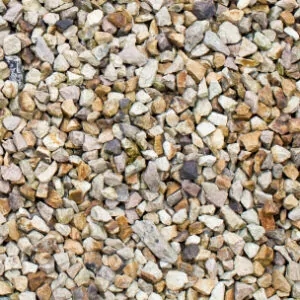

Shop Bulk Materials & Gravel in Beaver, Kentucky
Local Topsoil, Dirt, Sand, Rocks and Gravel near me in Beaver, Kentucky
Shop Aggregates for Delivery in Beaver
Order online for free delivery to any Beaver address.
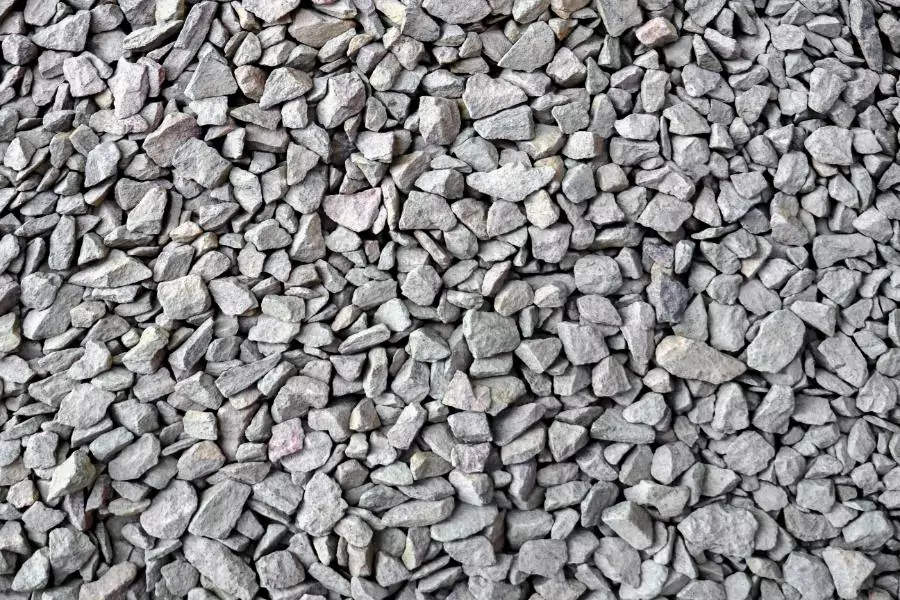
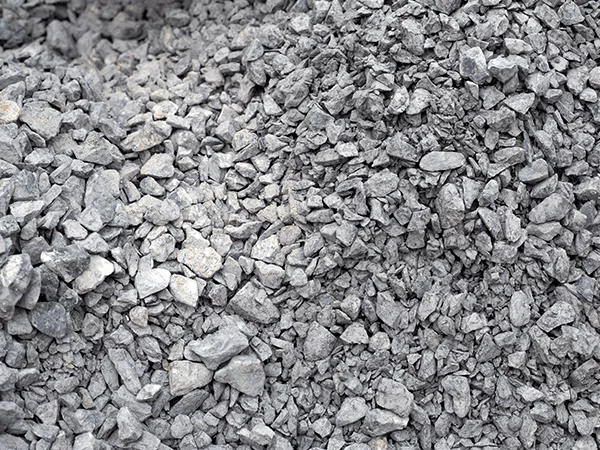


Gravel Monkey delivers premium aggregates and stone materials directly to properties throughout Beaver, Kentucky and surrounding Floyd County areas. Whether you're building a driveway on the hillsides near Teaberry or creating proper drainage solutions in the valley areas along Beaver Creek, we supply the quality aggregates eastern Kentucky properties demand. From residential projects in the heart of Beaver to commercial developments serving nearby communities like Bypro, McDowell, and Hueysville, our free delivery service brings bulk materials right to your worksite. Understanding the unique challenges of Appalachian terrain and clay-heavy soils, we offer expert guidance on selecting the right aggregates for lasting results in our mountain region.
Complete Aggregate Selection for Beaver Properties
Our comprehensive inventory addresses every aggregate need for residential and commercial projects across the Beaver area. Eastern Kentucky's terrain demands materials that handle steep grades, heavy rainfall, and expansive clay soils common throughout Floyd County.
- Driveway Gravel - Engineered base material for hillside driveways
- 3/4 inch Crushed Stone - Multi-purpose aggregate for foundations and drainage
- #57 Stone - Premium drainage aggregate and concrete applications
- Crusher Run - Compactable base that resists washout on slopes
- Road Base - Heavy-duty foundation for rural roads and driveways
- Pea Gravel - Decorative stone for walkways and landscaping
- River Rock - Natural aesthetics for water features and gardens
- Drain Rock - Specialized aggregate for French drains and percolation
- Topsoil - Nutrient-rich soil for gardens and lawn establishment
- Fill Dirt - Essential for grading and site preparation
- Crushed Concrete - Sustainable alternative for cost-conscious projects
- Walkway Gravel - Comfortable surface for pathways and trails
- Mason Sand - Fine sand for bricklaying and construction
- Playground Sand - Safe, clean sand for play areas
- Washed Sand - Clean sand for concrete and masonry work
- Decomposed Granite - Natural material for permeable pathways
Understanding Beaver's Geological Landscape
The Beaver area sits within the Cumberland Plateau geological region, characterized by underlying sedimentary rock layers including sandstone, shale, and coal seams. Surface soils throughout Floyd County are predominantly Shelocta-Gilpin complex and Latham-Berks association - clay-heavy soils with poor natural drainage that expand significantly when wet. This clay composition, combined with our region's 45-48 inches of annual rainfall, creates specific challenges for aggregate applications.
Properties along Beaver Creek and tributaries experience seasonal flooding and high water tables, while hillside locations from Teaberry toward the McDowell area face erosion challenges on steep grades. The freeze-thaw cycles of Kentucky winters, where temperatures fluctuate between 25°F and 45°F from December through February, cause heaving in improperly prepared aggregate installations. Summer humidity averaging 70-75% throughout June, July, and August affects aggregate compaction and curing times for cement-based applications.
Aggregate Solutions for Mountain Terrain
Successful aggregate projects in Beaver require understanding how materials perform on Appalachian slopes and in clay soils. Properties throughout the Upper Beaver Creek area, extending toward Bypro and David, need aggregate bases that resist washout during thunderstorms while maintaining stability on inclines exceeding 15-20 degrees. The region's topography demands careful material selection and proper installation techniques.
For driveway construction from Hueysville south toward Martin County, we recommend minimum 6-inch aggregate bases with proper compaction. The native clay must be excavated and geotextile fabric installed to prevent aggregate migration into the subgrade. This preparation is critical whether you're working in the populated areas near KY-80 or on private access roads serving properties in the more remote hollows off Raccoon Creek and Robinson Creek.
Driveway Aggregates for Eastern Kentucky Hills
Driveways in the Beaver area face unique stress from steep grades, heavy precipitation, and freeze-thaw cycles. A properly constructed aggregate driveway begins with excavation of clay soil to a depth of 8-10 inches, followed by geotextile fabric, then compacted base layers before the surface material.
For base layers on hillside driveways common throughout properties from McDowell to Weeksbury, crusher run provides excellent compaction and stability. The mixture of stone sizes from fines to three-quarter inch material locks together when compacted, creating a solid foundation that resists movement. Top dressing with additional crusher run or traditional driveway gravel provides the finished surface with proper drainage crown to shed water efficiently.
Drainage System Aggregates
The clay-heavy soils and high rainfall in Floyd County make proper drainage systems essential. French drains installed along property perimeters, behind retaining walls, or beneath driveways require clean, angular aggregates that maintain void spaces for water flow. Number 57 stone or dedicated drain rock work excellently for these applications, wrapped in filter fabric to prevent clogging from fine soil particles.
Properties experiencing basement seepage or foundation moisture issues benefit from perimeter drainage systems. Excavating along foundation walls, installing drain tile, and backfilling with proper drainage aggregates protects structures throughout Beaver's wet seasons. The naturally high water table in valley areas near Beaver Creek makes these systems particularly valuable for homes and outbuildings.
Foundation and Slab Preparations
Building foundations and concrete slabs on eastern Kentucky clay require substantial aggregate bases. Road base provides an excellent sub-slab material, offering both structural support and capillary break properties that prevent moisture wicking. For shop buildings, pole barns, and residential construction throughout the Beaver area, we recommend minimum 4-inch compacted aggregate bases, with 6 inches preferred for heavier structures.
The region's expansive clay soils can exert considerable pressure on foundation walls and floor slabs. Proper aggregate backfill around foundations, combined with functioning drainage systems, reduces hydrostatic pressure and prevents the cracking and heaving common in poorly prepared sites. Properties throughout the Teaberry and Bypro areas particularly benefit from thorough foundation drainage planning.
| Aggregate Type | Best Applications | Compaction | Drainage Rating | Slope Performance |
|---|---|---|---|---|
| Crusher Run | Driveway base, roadways | Excellent | Good | Superior |
| Road Base | Heavy-duty foundations | Excellent | Good | Excellent |
| #57 Stone | Drainage systems, concrete | Moderate | Excellent | Good |
| 3/4 inch Crushed Stone | General base, driveways | Good | Very Good | Very Good |
| Drain Rock | French drains, percolation | Minimal | Superior | Good |
| Crushed Concrete | Rural lanes, base layers | Very Good | Good | Good |
| Pea Gravel | Decorative, walkways | Poor | Very Good | Poor |
| Decomposed Granite | Paths, natural landscaping | Moderate | Good | Fair |
Commercial and Agricultural Aggregate Needs
Commercial properties throughout Beaver and Floyd County require durable aggregate solutions for parking areas, access roads, and site development. Retail locations along KY-80, industrial sites, and commercial developments need aggregates that withstand heavy vehicle traffic while maintaining proper drainage during eastern Kentucky's frequent rain events.
Agricultural operations from David to Hueysville benefit from cost-effective aggregate solutions for farm lanes, equipment pads, and livestock areas. Crushed concrete offers an economical alternative to traditional stone for rural applications where heavy machinery traffic occurs. The material compacts well, provides adequate drainage, and costs considerably less than virgin aggregates - important considerations for farm budgets.
Municipal and Institutional Projects
Schools, churches, and public facilities throughout the Beaver area require reliable aggregate materials for various applications. Playground areas benefit from washed sand or specialized playground sand that provides safe, clean surfaces for equipment zones. Mason sand supports bricklaying projects and hardscaping installations at institutional properties.
Municipal maintenance departments rely on bulk aggregates for road repair, drainage maintenance, and infrastructure projects. Road base and crusher run serve as essential materials for maintaining county roads throughout the mountain terrain, while drainage aggregates support ongoing stormwater management efforts in developed areas.
Aggregate Delivery Throughout the Beaver Region
Our free delivery service reaches all areas throughout Beaver and surrounding Floyd County communities. Properties in Teaberry, known for its hillside homesites and mountain views, receive the same prompt service as locations in central Beaver near local businesses. We regularly deliver to Bypro and David, where residential developments and agricultural properties require various aggregate materials.
The McDowell area, with its mix of residential and small commercial properties, represents a significant portion of our service region. Extending south toward Martin County and north toward Hueysville and Weeksbury, our delivery routes cover the entire eastern Floyd County region. Properties along Beaver Creek benefit from our understanding of flood-prone areas and the aggregate solutions that perform well in high-moisture environments.
Rural properties throughout the Upper Beaver Creek watershed, including developments off Raccoon Creek and Robinson Creek, receive reliable aggregate delivery for access road maintenance and property development. Whether your project is near the Beaver community center or on a remote hillside property, Gravel Monkey provides the materials and expertise eastern Kentucky projects require.
Seasonal Aggregate Planning for Kentucky Weather
Eastern Kentucky's four-season climate significantly impacts aggregate project timing and material performance. Understanding these seasonal factors helps ensure successful installations throughout the Beaver area.
Spring and Fall - Optimal Construction Seasons
Spring months from April through early June and fall months from September through October offer ideal conditions for aggregate projects. Temperatures ranging from 55°F to 75°F allow proper compaction without extreme heat or cold complications. However, spring's heavy rainfall requires attention to site drainage and mud management. Properties throughout Floyd County experience peak precipitation during April and May, with thunderstorms frequently delivering 4-6 inches of rain in short periods.
Summer Project Considerations
Kentucky summers bring high humidity and temperatures regularly exceeding 85°F throughout July and August. These conditions affect aggregate compaction and cement-based applications. Schedule major aggregate deliveries and installation early in the day when temperatures are cooler. Allow extra time for proper moisture conditioning of base materials, as the combination of heat and humidity can cause materials to dry too quickly or retain excessive moisture.
Winter Preparations
While major aggregate installations typically pause during Beaver's winter months, cold weather creates driveway maintenance needs. Freeze-thaw cycles cause potholes and ruts in existing aggregate driveways. Late winter and early spring are prime times for driveway regrading and fresh aggregate applications. Properties throughout the region should plan maintenance materials delivery for late February or March, before spring rains make access difficult.
Calculating Aggregate Quantities for Your Project
Accurate material estimation prevents shortages and excess costs. Understanding how to calculate aggregate needs helps you order the right amount for your Beaver property project.
Basic Volume Calculations
Aggregate quantities are measured in cubic yards. Calculate the volume of your project area by multiplying length times width times depth, all measured in feet, then divide by 27 to convert cubic feet to cubic yards. For example, a driveway measuring 12 feet wide by 100 feet long with a 4-inch (0.33 feet) depth requires: (12 × 100 × 0.33) ÷ 27 = 14.7 cubic yards.
Always order 10-15% extra material to account for compaction, irregular surfaces, and areas requiring additional depth. Hillside driveways common throughout Beaver often need extra material for proper grading and crown construction. Clay excavation areas may also require more base material than calculated volumes suggest, as soft spots often need additional aggregate depth.
Coverage Rates by Material Type
Different aggregates cover different areas at standard depths. At 4-inch depth, one cubic yard covers approximately 80 square feet. Coarser materials like drain rock may provide slightly more coverage, while fine materials requiring significant compaction may cover less area per yard. For decorative applications using pea gravel or river rock at 2-3 inch depths, one cubic yard covers 100-130 square feet.
Larger projects throughout Floyd County, such as commercial parking lots or long rural driveways, benefit from professional site evaluation. Our team can visit your property, assess the specific conditions, and provide accurate material estimates based on the actual terrain, soil conditions, and project requirements.
Professional Installation Techniques for Kentucky Clay
Proper aggregate installation on eastern Kentucky clay soils requires specific techniques that differ from installation in sandy or loamy soils common in other regions.
Site Preparation Essentials
Begin every aggregate project by removing all organic material including topsoil, roots, and vegetation. Kentucky clay must be excavated to the planned depth - typically 8-10 inches for driveways, 6-8 inches for walkways, and 4-6 inches for shed pads. Compact the exposed clay subgrade before proceeding, as this provides a stable foundation and identifies soft spots requiring additional attention.
Install geotextile fabric over the compacted clay before adding aggregate. This separation barrier prevents aggregate migration into the clay and clay pumping up into the aggregate - both common problems in Floyd County installations. Extend fabric up the sides of the excavation to contain aggregate materials fully.
Aggregate Layer Installation
Place base aggregates in lifts of 2-3 inches for optimal compaction. Compact each lift thoroughly with a plate compactor or roller before adding the next layer. This technique is particularly important on hillside installations throughout the Teaberry and Bypro areas, where inadequate compaction leads to washout and rutting during heavy rains.
Crown the finished surface to promote water drainage. Create a minimum 2% grade (1/4 inch per foot) from the center toward edges on driveways and parking areas. This prevents water pooling and extends the life of your aggregate installation. Properties along Beaver Creek and other flood-prone areas should consider even more aggressive drainage slopes where possible.
Edge Restraint and Maintenance
Install edge restraints using timbers, pavers, or metal edging to prevent aggregate migration. Eastern Kentucky's heavy rains will push unrestrained aggregates into surrounding areas over time. Timbers treated for ground contact work well for rural properties, while decorative pavers suit residential installations in more developed areas.
Plan for annual maintenance including regrading and material addition. Spring is ideal for addressing winter damage, while fall preparations help protect your aggregate surfaces before winter freeze-thaw cycles. Keep vegetation cut back from edges to prevent root intrusion and material degradation.
Frequently Asked Questions About Aggregates in Beaver
We deliver a comprehensive range of aggregates including driveway gravel, crushed stone, number 57 stone, crusher run, pea gravel, river rock, road base, drain rock, topsoil, fill dirt, crushed concrete, mason sand, playground sand, washed sand, decomposed granite, and walkway gravel throughout Beaver and surrounding Kentucky areas.
Yes! Gravel Monkey offers FREE delivery to Beaver and the surrounding Kentucky area for all gravel and aggregate material orders. We serve the entire region with no delivery charges.
The amount depends on your project size and type. For driveways, calculate length times width times depth in feet, typically 4 inches deep. For example, a 12 foot by 50 foot driveway at 4 inches deep needs about 7.5 cubic yards. Our team can help you calculate the right amount for your specific Beaver property.
For the heavy rainfall common in eastern Kentucky, we recommend drain rock or number 57 stone for French drains and drainage systems. Crusher run works excellently as a compactable base that still allows water percolation. The clay-heavy soils in Beaver require proper drainage solutions to prevent water pooling.
Absolutely! Crushed concrete is an eco-friendly and cost-effective alternative to traditional aggregates. It compacts well, provides excellent drainage, and works great for driveways and base layers in Beaver. It is particularly popular for rural properties and farm lanes in eastern Kentucky.
For steep grades common in the Beaver area, we recommend crusher run or road base as they compact tightly and resist washout during heavy rains. A base layer of larger three-quarter inch crushed stone topped with crusher run provides excellent traction and stability on hillside driveways.
Eastern Kentucky clay soil expands when wet and contracts when dry, which can cause shifting. Proper aggregate base preparation is essential. We recommend excavating clay, installing geotextile fabric, then adding a compacted aggregate base of at least 4 to 6 inches before your surface material. This prevents heaving and settling common in Beaver area projects.
Aggregate driveways in Beaver need periodic regrading to fill ruts and maintain proper crown for water runoff. Spring is the best time to add fresh material after winter freeze-thaw cycles. Edge maintenance prevents material migration, and keeping vegetation from the edges helps preserve your driveway structure during our humid Kentucky summers.
Expert Aggregate Solutions for Eastern Kentucky
Successfully completing aggregate projects in Beaver requires understanding the unique challenges of Appalachian terrain, clay soils, and mountain weather patterns. From residential driveways winding through the hills around Teaberry to commercial developments along KY-80, proper material selection and installation techniques ensure lasting results.
Gravel Monkey combines quality materials with regional expertise to support your project success. Our free delivery service brings bulk aggregates directly to your Floyd County property, whether you're near central Beaver or on a remote hillside accessed by private road. We understand the specific requirements of working with Kentucky clay, managing drainage in high-rainfall areas, and building on slopes common throughout eastern Kentucky.
From initial planning through final installation, we provide the guidance and materials necessary for durable, functional aggregate installations. Contact us to discuss your project needs and receive expert recommendations tailored to your specific property conditions and goals. Our team is ready to help you select the right aggregates and calculate accurate quantities for projects throughout the Beaver region.

Need help? Reach out for a quote: