Rock & Driveway Gravel in Asphalt, Kentucky
Local Topsoil, Dirt, Sand, Rocks and Gravel near me in Asphalt, Kentucky
Shop Aggregates for Delivery in Asphalt
Order online for free delivery to any Asphalt address.


Asphalt, Kentucky is part of the broader Pennyrile and Bluegrass-influenced region of south-central Kentucky where rural roads, farm driveways and small commercial lots rely on durable aggregates and timely delivery. Our local team understands the particular needs of Asphalt properties, from compacted base materials for farm access lanes to decorative stone for front-yard beds in neighborhoods near the town center. Whether you manage a roadside entrance in the historic corridor or maintain a private lane, good aggregates reduce maintenance and extend service life.
Serving Asphalt and the surrounding communities, we supply an extensive range of aggregates and sands to meet structural, drainage and aesthetic needs. This page outlines the products available for Asphalt delivery, details on choosing the best materials for local soils and climate, and practical guidance on coverage, compaction and seasonal considerations specific to this part of Kentucky.
Premium Aggregates Available for Asphalt Delivery
Gravel and Crushed Stone Products
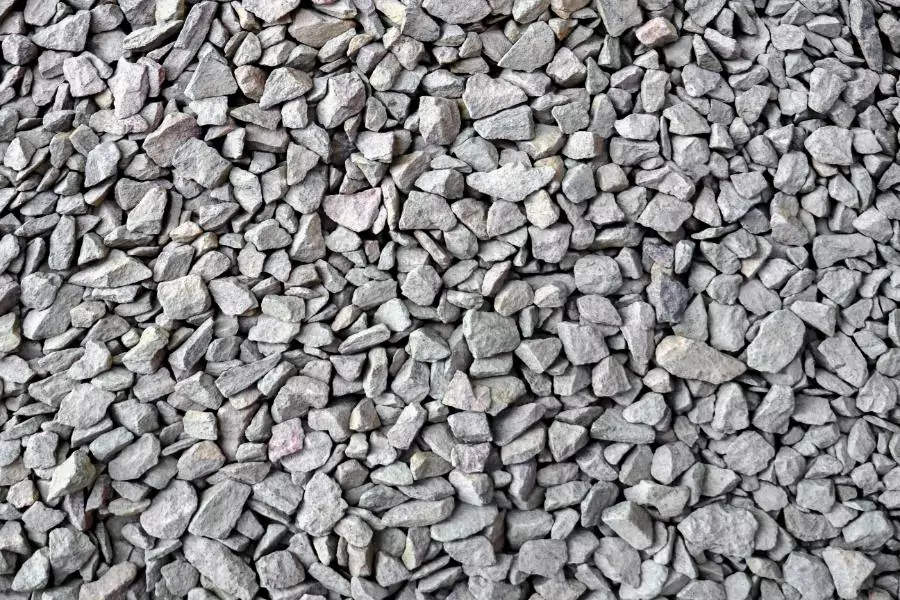
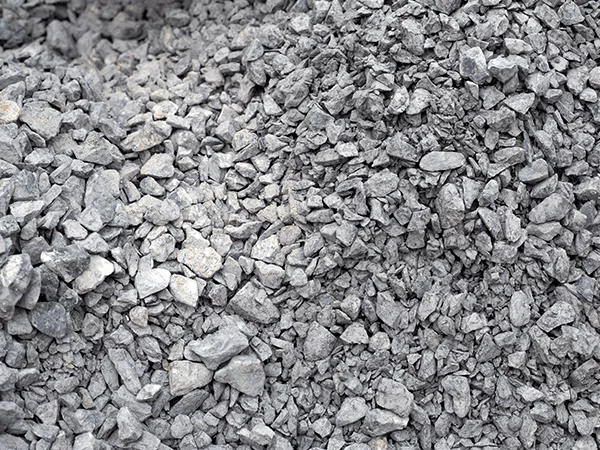
Our inventory for Asphalt includes foundational crushed stone varieties that are essential for structural projects. For sub-base and load-bearing layers we recommend 3/4 inch Crushed Stone, a versatile aggregate that compacts well and provides a stable foundation under asphalt, concrete pads and heavy gate entrances. This material is commonly used in the Pennyrile region where limestone-derived soils require strong, angular stone for interlock and drainage.
In addition to crushed stone, we carry recycled options and specialty grades for contractors working on a budget without sacrificing performance. These products are selected to work well with the heavy clay-loam soils that dominate many parcels around Asphalt and to resist rutting in wet seasons.
Driveway and Pathway Materials
For finished driving surfaces and pedestrian paths around Asphalt properties, our selection includes materials designed to balance compaction, traction and appearance. Homeowners building low-maintenance driveways often choose Driveway Gravel blended for load distribution and ease of raking. Where a hard, compacted base is required we supply Crusher Run and Road Base, both of which create a stable matrix beneath asphalt or gravel wearing courses.
For walkways and garden paths that prioritize form, function and low maintenance, we offer Walkway Gravel and Decomposed Granite. Decomposed granite is a favorite for compacted pedestrian routes near community parks and historic districts because of its fine texture and natural appearance that blends with limestone outcrops common to the area.
Decorative Stone and River Rock
Asphalt homeowners and small businesses often choose decorative aggregates to frame landscape beds and control runoff near foundations. Smooth, rounded River Rock is well-suited for planting beds and dry stream features, matching the local fluvial geology, while Pea Gravel provides a uniform surface for patios and play areas. These decorative stones are available in various sizes and tints to complement historical architectures found in nearby downtowns and older neighborhoods.
Drainage Solutions for Asphalt's clay-loam Soil
Asphalt sits in a region characterized by clay-loam soils overlying limestone bedrock in many places. These soils retain moisture after heavy rains and can cause surface runoff and localized ponding if not managed. Proper drainage aggregates are critical to prevent foundation saturation, reduce frost heave in winter and keep drive lanes passable during spring thaw. We commonly recommend free-draining aggregates for French drains, curtain drains and rock filter trenches to move water away from structures and roadbeds.
Subsurface drainage products like #57 Stone and Drain Rock are used extensively across the Asphalt delivery area to create effective infiltration layers and to support drain pipe bedding. These aggregates resist clogging in soils with fine silts and are ideal where the underlying limestone creates variable infiltration rates.
Benefits of Proper Drainage Aggregates
- Reduces standing water and erosion on driveways and slopes
- Protects foundations and road bases from saturation-related failure
- Improves longevity of pavements by minimizing freeze-thaw cycling
- Supports healthier lawn and planting zones by diverting excess water
Soil Products and Fill Materials
Good aggregate projects often start with proper grading and soil preparation. For landscape beds, lawn restoration and grading repairs throughout Asphalt, we supply screened Topsoil that is blended for local turf and planting conditions. Our topsoil is suitable for replacing compacted fill in older yards near downtown corridors or on new construction pads where vegetation needs a nutrient-rich, well-structured medium to re-establish quickly.
For structural fills, building embankments or correcting low spots along rural lanes, we provide clean Fill Dirt. This material compacts predictably and is selected to meet common local requirements for embankment construction and sub-grade stabilization. Properly placed fill dirt prevents unexpected settlement and reduces the need for frequent re-grading on gravel driveways across the broader Asphalt community.
We also carry Crushed Concrete as an eco-friendly alternative for certain base layers. Crushed concrete is a recycled material that often performs similarly to virgin aggregates while reducing landfill demand — a practical choice for township projects and budget-conscious property owners aiming for durable aggregate solutions.
Sand Products for Every Asphalt Application
Sand is a key component in many installations around Asphalt, from bedding pavers to creating safe play surfaces. We stock multiple sand types tailored to local construction and recreation needs. For masonry and mortar work in historic restorations or small building repairs near the town square, we recommend Mason Sand, a clean, fine sand chosen for consistent texture and workability. Mason sand blends well with lime mortars used on older brickwork common to nearby historic districts.
Playground surfaces and soft fall areas around community parks require well-graded safety sands; our Playground Sand is washed and screened to minimize dust and reduce compaction, providing a safer, more forgiving surface for children. For concrete mixes, drainage media and paver jointing where higher cleanliness is needed, we supply Washed Sand, which removes fines that can interfere with drainage and bedding stability.
| Sand Type | Best Applications | Texture | Common Uses in Asphalt |
|---|---|---|---|
| Mason Sand | Masonry, mortar mixes | Fine, consistent | Restoring brickwork in historic downtown and chimney repairs |
| Playground Sand | Play areas, soft-fall zones | Fine, more cushioning | Municipal parks and school playground surfacing |
| Washed Sand | Concrete mixes, paver bedding, drainage | Coarse to medium, low fines | Driveway repairs and paver patios across residential neighborhoods |
Choosing the Right Aggregates for Your Asphalt Project
Selecting the proper aggregates for a project in Asphalt depends on load, exposure, drainage needs and aesthetic goals. For structural layers beneath pavement, angular crushed stone and road base materials provide interlock and strength. For decorative surfacing, rounded pebbles and river rock are preferable. Landscape contractors in the region often match stone selection to local geology — limestone-derived aggregates blend naturally with the Pennyrile landscape.
We emphasize matching material size, shape and binder compatibility with local climate conditions. Asphalt experiences an average annual rainfall of approximately 48 inches, warm summers with typical highs near 88°F and winters that can dip to average lows around 22°F. These seasonal patterns, combined with clay-loam soils and areas of karst limestone, influence drainage design and compaction strategies. Materials like crusher run and 3/4 inch crushed stone resist displacement from heavy rains and freeze-thaw cycles when properly installed and compacted.
| Aggregate Type | Best Applications | Size Range | Drainage Rating | Compaction |
|---|---|---|---|---|
| 3/4 Crushed Stone | Base layers, sub-base for pavement | 3/4 inch pieces | Moderate | High when mechanically compacted |
| #57 Stone | Drainage, pipe bedding | 1/2 to 1 inch | High | Low to moderate |
| Crusher Run | Driveway base, compacted pads | Mixed fines to 1-1/2 inch | Low to moderate | Very high |
| Pea Gravel | Patios, decorative surfaces | 3/8 inch | Moderate | Low |
| River Rock | Dry creek beds, decorative edging | 1 to 3 inches | High | Very low |
| Decomposed Granite | Compacted walkways, natural patios | Fine to small granules | Low to moderate | Moderate |
| Road Base | Sub-base for roads and parking lots | Mixed sizes | Moderate | High |
| Drain Rock | French drains, retaining wall backfill | 3/4 to 2 inches | Very high | Low |
Climate Considerations for Asphalt Aggregates
Asphalt's weather patterns — roughly 48 inches of rainfall annually, humid summers and occasional winter freezes — influence material selection and installation timing. During spring and early summer, saturated soils can reduce bearing capacity; it is often best to allow surfaces to dry before heavy compaction. In late fall and winter, freeze-thaw cycles can accelerate potholing on poorly drained lanes, so incorporating drain rock and #57 stone around culverts and low spots is critical.
Because many properties in Asphalt sit above limestone strata, installing adequate sub-surface drainage is essential to avoid undermining road bases where karst features occur. Contractors frequently pair geotextile fabrics with angular aggregates to maintain separation between native clay-loam and crushed stone layers, improving long-term performance.
Popular Asphalt Project Applications
- Private farm lane upgrades and driveway reconstruction
- Residential driveway resurfacing near historic downtown
- French drains and sub-surface drainage for foundation protection
- Decorative front-yard beds and dry creek installations
- Playground surfacing and schoolyard safety zones
For projects that require aesthetically consistent surfacing while remaining budget-friendly, recycled aggregates like crushed concrete can be used in conjunction with finished wearing courses to balance cost and performance. For heavy truck access, we recommend thicker compacted layers of crusher run under road base to distribute loads across variable Kentucky soils.
Aggregate Delivery Throughout Asphalt Metro
We offer scheduled bulk delivery across Asphalt and the surrounding region. Our trucks service residential roads, rural drives and small commercial lots, and we tailor delivery methods to neighborhood access, whether that’s a straight drop-off near a driveway or assisted placement with a wheelbarrow-friendly load for tight yards.
Areas We Serve
Within Asphalt we work in and around the community core and adjacent rural districts, handling orders destined for areas such as the old town center, river valley lanes, hillside properties and school grounds. We regularly deliver to properties that border local landmarks and parks, and we are familiar with staging in tight right-of-way conditions.
Across the broader service area we regularly supply neighborhoods and districts in nearby towns and cities including Downtown Bowling Green, College Hill, Glenmore, Historic Downtown Glasgow, Highland Park in Glasgow, Campellsville corridor, Old Louisville outskirts, the Highlands and St. Matthews neighborhoods of larger metropolitan areas, plus small communities like Cave City, Horse Cave and Park City where seasonal tourism traffic impacts delivery scheduling.
Nearby Cities Served
Delivery routes extend beyond Asphalt to nearby cities and towns including Bowling Green, Glasgow, Scottsville, Russellville, Beaver Dam, Morgantown and Franklin. These nearby centers allow for flexible scheduling and larger bulk loads when coordinating multi-site projects in the Pennyrile and adjacent regions.
Frequently Asked Questions About Gravel in Asphalt
Frequently Asked Questions About Gravel in Asphalt
We deliver a wide range of aggregates to Asphalt including 3/4 inch crushed stone, #57 stone, crusher run, road base, drain rock, river rock and pea gravel. We also provide decomposed granite for compacted walkways, crushed concrete for recycled base work, multiple sand types and soil products like topsoil and fill dirt to meet both structural and decorative needs.
Delivery costs depend on order size, exact location and access constraints. For larger bulk orders to common delivery zones in Asphalt and adjacent suburbs we sometimes offer promotional free delivery thresholds. Contact our local dispatch to confirm current delivery pricing and zone details.
Quantity depends on area and depth. As a rule of thumb, one cubic yard covers approximately 100 square feet at 3 inches depth. For driveways we usually recommend 4 to 6 inches of compacted base material and a wearing course of 2 to 3 inches. We provide quantity estimates for Asphalt projects when you supply dimensions or allow an on-site measurement.
Given Asphalt's clay-loam soils and regional rainfall patterns, crushed stone for base layers and #57 Stone for drainage perform well. Where a compacted surface is needed, crusher run or road base combined with a geotextile separator is a reliable solution to resist frost-related movement and water infiltration.
Yes, we deliver throughout the region, including nearby centers like Bowling Green, Glasgow, Russellville, Scottsville, Beaver Dam and other Pennyrile communities. We coordinate routes to accommodate multiple drop-offs and can stage materials for phased projects.
Spring through early autumn offers the most predictable conditions for large placements, but we service year-round. Avoid heavy placement immediately following extended rains or during active freeze-thaw cycles to reduce settlement and rework.
Get Quality Aggregates Delivered to Your Asphalt Property
Whether you are stabilizing a rural lane, installing a new patio, improving site drainage, or restoring a historical storefront in a nearby town, our Asphalt delivery team can supply the right aggregates for the job. Projects in communities like Bowling Green's Downtown, Glasgow's Historic District, and the residential pockets around Beaver Dam demand materials chosen for local geology, weather and traffic patterns. By starting with the proper base materials and drainage aggregates you reduce maintenance and improve longevity.
For guidance on material selection for a specific Asphalt project, including soil preparation and compaction recommendations for the local clay-loam soils, our team provides knowledgeable support. We work with contractors, municipalities and homeowners throughout the area to ensure that aggregate selection matches project expectations and local environmental conditions.

Need help? Reach out for a quote: