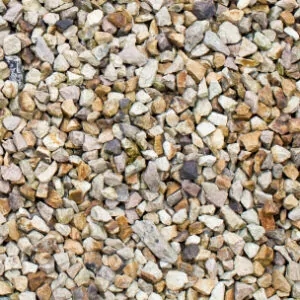

Gravel for Sale in Lebanon Junction, Kentucky
Local Topsoil, Dirt, Sand, Rocks and Gravel near me in Lebanon Junction, Kentucky
Shop Aggregates for Delivery in Lebanon Junction
Order online for free delivery to any Lebanon Junction address.
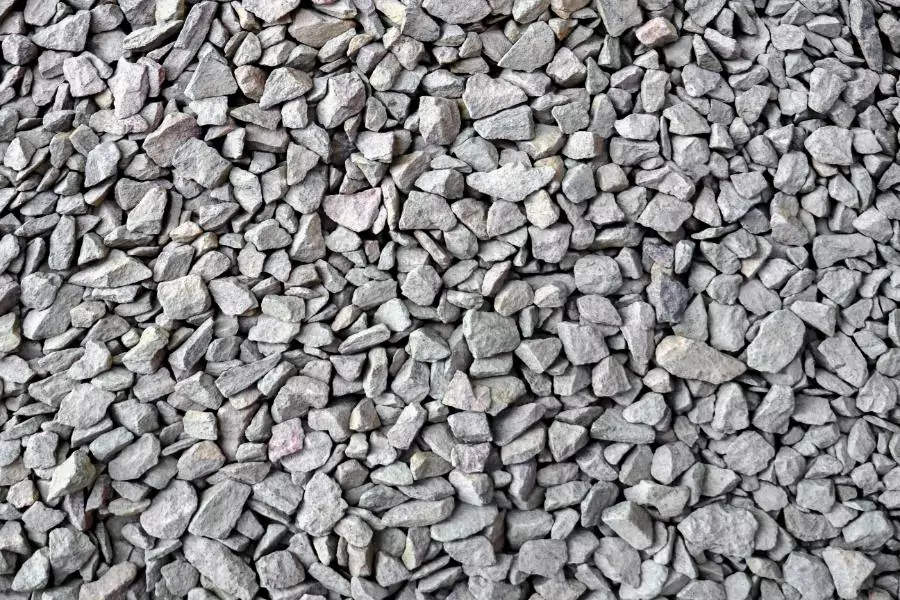
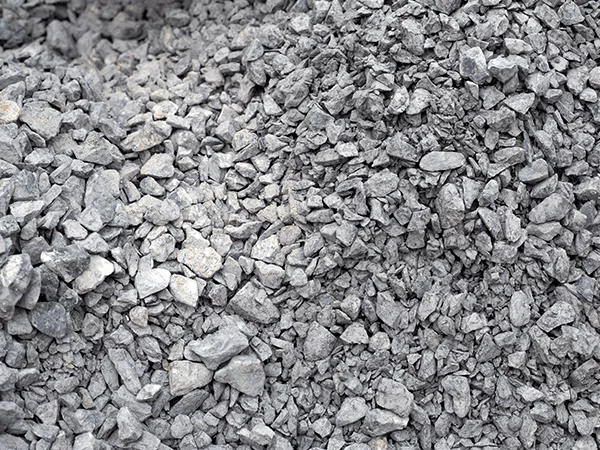


Gravel Monkey is your premier source for premium aggregates and landscaping materials delivered directly to Lebanon Junction, Kentucky. Situated in the heart of Bullitt County where the Rolling Fork River meets historic railroad heritage, Lebanon Junction presents unique challenges for property owners working with the region's characteristic clay soil and variable terrain. Whether you're building a new driveway near the Old Depot District, creating proper drainage solutions around your property off Highway 61, or establishing a solid base for construction projects in the communities around Wards Chapel Road, we deliver the highest quality aggregates with completely free delivery throughout Lebanon Junction and surrounding areas.
Buy Materials by Type in Lebanon Junction
Every material we deliver in Lebanon Junction, with coverage, sizing and ordering details for each one.
- Buy Crushed Concrete in Lebanon Junction
- Buy Crushed Gravel in Lebanon Junction
- Buy Crushed Stone in Lebanon Junction
- Buy Driveway Gravel in Lebanon Junction
- Buy Fill Dirt in Lebanon Junction
- Buy Gravel & Rock in Lebanon Junction
- Buy Mulch in Lebanon Junction
- Buy Sand in Lebanon Junction
- Buy Topsoil in Lebanon Junction
- Buy Walkway Gravel in Lebanon Junction
Complete Aggregate & Material Selection for Lebanon Junction Projects
Gravel Monkey offers an extensive inventory of aggregates and materials specifically suited to Lebanon Junction's soil conditions and climate. Our selection addresses the particular needs of Bullitt County properties, from residential landscaping to commercial construction projects:
- Driveway Gravel - Premium base material engineered for lasting Kentucky driveways
- 3/4 inch Crushed Stone - Versatile aggregate for foundations and hardscaping projects
- #57 Stone - Industry-standard crushed stone for drainage and construction applications
- Crusher Run - Excellent compactable base for driveways and pathways
- Road Base - Heavy-duty aggregate for commercial and agricultural roads
- Drain Rock - Angular stone designed specifically for drainage systems
- Pea Gravel - Smooth decorative aggregate for landscaping and gardens
- River Rock - Natural aesthetic stone in multiple sizes for water features
- Walkway Gravel - Perfect sizing for comfortable pedestrian paths
- Crushed Concrete - Eco-friendly recycled aggregate for budget-conscious projects
- Decomposed Granite - Compactable material for natural-looking surfaces
- Topsoil - Nutrient-rich soil for gardens and lawn establishment
- Fill Dirt - Essential for grading and leveling projects
- Mason Sand - Fine-graded sand for masonry and construction work
- Playground Sand - Clean, safe sand for children's play areas
- Washed Sand - Clean aggregate for concrete mixing and landscaping
Understanding Lebanon Junction's Unique Soil and Geological Characteristics
Lebanon Junction sits in the distinctive Outer Bluegrass region of Kentucky, characterized by Paleozoic limestone bedrock overlain with thick deposits of Crider and Pembroke silt loam soils. This geological makeup creates specific challenges for property owners throughout the area, from Main Street to the rural properties extending toward Clermont and Boston.
The predominant soil type in Lebanon Junction is heavy clay-based with poor natural drainage characteristics. This Maury-Crider soil association means that without proper aggregate base layers, driveways and construction projects can experience significant settling, rutting, and moisture-related issues. Properties near the Rolling Fork River floodplain, particularly along the areas near the junction itself, face additional drainage challenges requiring strategic aggregate placement.
Lebanon Junction experiences a humid subtropical climate with approximately 47 inches of annual precipitation distributed relatively evenly throughout the year. Winter temperatures regularly drop below freezing, creating freeze-thaw cycles that can heave and damage improperly constructed driveways and foundations. Summer storms can deliver intense rainfall that tests drainage systems, making properly installed aggregates essential for long-term property stability.
Climate Considerations for Aggregate Selection
The Lebanon Junction area sees temperature ranges from winter lows in the teens to summer highs reaching the upper 80s and low 90s. This temperature variation means aggregates must withstand both frost penetration and thermal expansion. Angular crushed materials like our crusher run and road base products perform exceptionally well under these conditions because they lock together mechanically, resisting both frost heave and erosion from heavy rainfall events common in Bullitt County.
Expert Driveway Solutions for Lebanon Junction Properties
Driveways throughout Lebanon Junction face particular challenges due to the combination of clay soil, varied topography, and climate conditions. Whether you're maintaining a residence along historic Highway 61, upgrading a farm access road near Wards Chapel, or creating new access in the developing areas around Lebanon Junction, proper aggregate selection and installation are crucial.
The foundation of any quality driveway in this region starts with addressing the clay soil issue. Clay soils expand when wet and contract when dry, creating movement that can quickly destroy a driveway built directly on unprepared ground. Professional driveway construction in Lebanon Junction typically begins with excavating 8-12 inches of existing clay, then building up with proper aggregate layers.
For the base layer, we recommend starting with road base or crusher run. These materials contain a mixture of stone sizes that compact tightly together, creating a stable foundation that bridges over the problematic clay while allowing water to drain through to properly designed drainage systems. A 4-6 inch base layer provides the structural integrity needed for typical residential driveways, while heavier-use applications like farm equipment access or commercial properties may require 6-8 inches or more.
The surface layer selection depends on your aesthetic preferences and usage patterns. Many Lebanon Junction property owners choose the classic appearance and functionality of traditional driveway gravel for the top 2-3 inches. This provides good traction in all weather conditions while maintaining excellent drainage. Others prefer the cleaner look of larger crusher run or three-quarter inch crushed stone, which creates a more uniform surface appearance.
Critical Drainage Solutions for Bullitt County Clay Soil
Perhaps no issue causes more property damage in Lebanon Junction than inadequate drainage. The heavy clay soils characteristic of Bullitt County create a nearly impermeable layer that holds water on the surface or in the upper soil profile, leading to saturated conditions, foundation issues, and landscape problems. Proper aggregate-based drainage systems are essential for protecting your property investment.
French drain systems installed with drain rock perform exceptionally well in Lebanon Junction conditions. The angular nature of drain rock creates consistent void spaces that allow water to flow freely while preventing the fine clay particles from clogging the system. Unlike rounded aggregates that can shift and compact over time, the angular edges of drain rock lock together while maintaining drainage capability.
For properties throughout the Old Depot District and surrounding residential areas, perimeter drainage around foundations prevents the moisture infiltration that leads to basement water problems and structural damage. A properly installed French drain using number 57 stone or dedicated drain rock, wrapped in quality geotextile fabric, captures water before it reaches foundation walls and directs it to appropriate discharge points.
Swale drainage systems using aggregates work particularly well for larger properties and rural areas near Clermont Pike and the agricultural regions surrounding Lebanon Junction. These shallow ditches lined with aggregates guide water across the landscape while preventing erosion and maintaining property aesthetics. The key is selecting aggregates sized appropriately for the water volume and flow rate expected in Kentucky's variable weather patterns.
| Aggregate Type | Primary Applications | Drainage Rating | Compaction | Clay Soil Performance |
|---|---|---|---|---|
| Crusher Run | Driveway base, pathways, parking areas | Good | Excellent | Superior - creates stable base |
| Road Base | Heavy-duty access, farm roads | Good | Excellent | Superior - handles equipment loads |
| #57 Stone | Drainage, concrete aggregate, driveways | Excellent | Good | Excellent - resists clay intrusion |
| 3/4" Crushed Stone | Foundations, hardscaping, drainage | Excellent | Good | Excellent - versatile performance |
| Drain Rock | French drains, foundation drainage | Superior | Moderate | Excellent - maintains void space |
| Pea Gravel | Landscaping, pathways, decorative | Good | Poor | Good - decorative applications |
| Crushed Concrete | Budget base material, rural roads | Good | Very Good | Good - economical solution |
| Decomposed Granite | Pathways, patios, natural surfaces | Moderate | Excellent | Good - natural appearance |
Serving Lebanon Junction Communities and Surrounding Areas
Gravel Monkey proudly delivers premium aggregates throughout Lebanon Junction and extends service to the entire Bullitt County region. Our comprehensive delivery coverage ensures that whether your property is in the heart of town or in the rural countryside, you receive the same exceptional service and material quality.
Lebanon Junction Proper and Historic Districts
The core of Lebanon Junction, centered around Main Street and the historic railroad junction area, features a mix of residential properties, small commercial buildings, and historic structures. The Old Depot District preserves the town's railroad heritage, and properties in this area often require specialized aggregate solutions that respect the historic character while providing modern functionality. Driveway and parking area projects in downtown Lebanon Junction benefit from our selection of aggregates that complement traditional architecture.
Highway 61 Corridor
Kentucky Highway 61 forms the primary north-south route through Lebanon Junction, connecting to Shepherdsville and points north. Properties along this corridor range from established residential neighborhoods to newer developments and commercial properties. The highway corridor's accessibility makes aggregate delivery particularly convenient for projects in this area, and the varied property types require our full range of materials from residential driveway gravel to commercial-grade road base.
Wards Chapel Road and Eastern Areas
Extending east from Lebanon Junction, the Wards Chapel Road area represents more rural character with larger properties, agricultural operations, and country estates. These properties often require substantial quantities of aggregates for long driveways, farm roads, and extensive drainage projects. The rolling terrain in this area makes proper aggregate selection critical for managing water flow and preventing erosion on sloped properties.
Rolling Fork River Vicinity
Properties near the Rolling Fork River require special attention to drainage and flood management. The river's floodplain extends into parts of Lebanon Junction, and properties in these areas benefit significantly from properly designed aggregate drainage systems that manage both groundwater and potential flood conditions. Our drain rock and larger aggregates perform essential functions in protecting these properties from water damage.
Regional Service to Surrounding Communities
Our delivery service extends throughout Bullitt County to serve communities connected to Lebanon Junction. We regularly deliver to Shepherdsville, Mount Washington, Hillview, Brooks, and other nearby towns. Rural addresses throughout the county, including areas near Clermont, Boston, and Belmont, receive the same free delivery and quality service as in-town locations.
Landscaping and Decorative Aggregate Applications
Beyond functional applications, aggregates play crucial roles in creating beautiful, low-maintenance landscapes suited to Lebanon Junction's climate and soil conditions. Decorative aggregates offer solutions that combine aesthetic appeal with practical benefits like weed suppression, moisture retention, and erosion control.
River rock creates stunning visual impact in landscape beds, around trees, and in decorative features throughout Lebanon Junction properties. Available in various sizes, river rock provides a natural, polished appearance that complements both traditional and contemporary landscape designs. The smooth, rounded stones don't decompose like organic mulches, providing long-lasting ground cover that requires minimal maintenance.
Pea gravel excels in creating comfortable walking surfaces for garden paths, patio areas, and play spaces. Its small, rounded stones provide good drainage while remaining comfortable underfoot. Many Lebanon Junction homeowners appreciate pea gravel for its ability to define landscape areas while allowing rainwater to permeate naturally rather than creating runoff issues common with solid paving.
For more formal pathway applications, walkway gravel offers an ideal size and composition for foot traffic. This material compacts enough to create stable walking surfaces while maintaining the natural, permeable character that works well with Kentucky's rainfall patterns. Pathways constructed with walkway gravel integrate beautifully with the garden settings common in Bullitt County residential properties.
Decomposed granite provides a sophisticated option for patios, seating areas, and contemporary landscape designs. This material compacts firmly to create a stable surface with a refined appearance that complements modern architecture while maintaining natural drainage characteristics. Properties in newer developments around Lebanon Junction particularly benefit from decomposed granite's clean aesthetic and functional performance.
Construction and Commercial Aggregate Applications
Commercial and construction projects in Lebanon Junction require aggregates that meet specific performance standards while being delivered reliably and economically. Gravel Monkey serves contractors, developers, and commercial property owners throughout Bullitt County with the materials and service they need to keep projects on schedule.
Foundation work in Lebanon Junction's clay soil demands proper aggregate preparation. A well-constructed foundation begins with excavating unstable clay and replacing it with compacted aggregates that provide stable support and drainage. Road base and crusher run create ideal foundation bases because they compact densely while maintaining internal drainage capability that prevents the water accumulation that damages foundations in clay soil conditions.
Concrete work throughout the area requires quality aggregates for both the concrete mix itself and the base preparation beneath slabs. Mason sand provides the fine aggregate component for mortar and concrete, while larger aggregates like three-quarter inch crushed stone create the structural base beneath concrete slabs. Proper base preparation prevents the cracking and settling common when concrete is poured directly over Lebanon Junction's expansive clay soils.
Site development projects use substantial aggregate quantities for roads, parking areas, and grading work. Road base creates durable access roads that handle construction traffic and later serve as permanent farm roads or service drives. For projects requiring budget-conscious solutions, crushed concrete provides an economical alternative that performs well in base applications while supporting sustainable construction practices through material recycling.
Utility trenches and underground installations require specific backfill materials. Number 57 stone and similar aggregates provide drainage around utility lines while offering protection and support. Proper aggregate backfill prevents the settling and subsequent surface depression that occurs when trenches are backfilled with native clay soil that later compacts under traffic and weather exposure.
Agricultural and Rural Property Solutions
The agricultural character of much of Bullitt County means many Lebanon Junction area properties require aggregates for farm and rural applications. From equipment access roads to livestock facilities, proper aggregate use enhances property functionality while protecting land value through erosion control and proper drainage.
Farm access roads endure heavy equipment loads while being exposed to all weather conditions. Road base provides the structural capacity needed for agricultural equipment while creating a surface that sheds water rather than becoming muddy during wet periods. Properly constructed farm roads using adequate aggregate depths prevent the rutting and degradation that make equipment operation difficult and potentially damaging expensive machinery.
Barnyard areas and livestock facilities benefit tremendously from aggregate surfacing. Heavy traffic from animals and equipment combined with organic waste creates extremely challenging surface conditions. A thick layer of larger crushed stone creates a stable, draining surface that remains functional year-round. This application uses crusher run or road base to establish the structural layer, sometimes topped with larger stone sizes that resist being worked into the underlying soil.
Erosion control on agricultural properties protects valuable topsoil while preventing sediment from affecting waterways like the Rolling Fork River. Strategic aggregate placement in drainage ways, around culverts, and on slopes stabilizes soil while allowing water to pass without causing damage. This application often combines larger aggregates like three-quarter inch crushed stone with proper erosion control fabrics for maximum effectiveness.
Calculating Aggregate Quantities for Your Lebanon Junction Project
Determining the correct aggregate quantity ensures you have sufficient material to complete your project without significant excess. The calculation process requires knowing your project area, desired depth, and accounting for compaction that occurs with most aggregates.
For rectangular areas like driveways and parking pads, calculate cubic yards by multiplying length times width times depth (all in feet), then dividing by 27. For example, a driveway 12 feet wide by 100 feet long requiring 4 inches (0.33 feet) of aggregate equals: 12 x 100 x 0.33 / 27 = 14.67 cubic yards. Most aggregate orders are rounded up to the nearest full yard, so this project would require 15 cubic yards.
Circular or irregular areas require different approaches. For circles, use the formula π × radius² × depth / 27. For irregular shapes, divide the area into sections, calculate each section, and sum the results. Our team at Gravel Monkey assists Lebanon Junction customers with quantity calculations to ensure accurate ordering for even the most complex project shapes.
Compaction factors matter significantly for certain aggregates. Materials like crusher run and road base may require ordering 15-20% additional material to account for compaction that occurs during installation. Drainage aggregates like number 57 stone experience less compaction because they're not typically compacted during installation. Decorative aggregates like pea gravel or river rock require minimal additional material because they're placed at finished depth without compaction.
Depth recommendations vary by application. Driveway bases typically require 4-6 inches of compacted aggregate, while pathways may need only 2-3 inches. French drain trenches usually specify 8-12 inches of drain rock, depending on drainage volume. Landscape applications often use 2-4 inches of decorative aggregate for adequate ground coverage and weed suppression. These depth requirements significantly affect total material quantities, so accurate depth specification is essential for proper ordering.
Installation Best Practices for Lebanon Junction Conditions
Proper installation techniques maximize aggregate performance and longevity, particularly when working with Lebanon Junction's challenging clay soil conditions. Understanding these practices helps ensure your investment delivers lasting value.
Site preparation forms the foundation of successful aggregate installation. For driveways and structural applications, removing problematic clay soil prevents future settling and failure. The depth of excavation depends on the existing soil conditions and intended use, but typically ranges from 8-12 inches for residential driveways. Properties with particularly poor soil drainage may require deeper excavation and additional drainage measures before aggregate placement.
Geotextile fabric installation between native soil and aggregate layers prevents clay contamination of the aggregate while maintaining drainage function. This fabric layer is essential in Lebanon Junction because the fine clay particles naturally migrate upward into aggregate over time, filling void spaces and destroying drainage capability. Quality geotextile fabric creates a separation barrier while allowing water to pass through to underlying drainage systems.
Compaction technique affects final performance significantly. Aggregates designed for structural applications like road base and crusher run require proper compaction using appropriate equipment. Plate compactors work well for small areas and pathways, while larger projects benefit from roller compaction. Multiple passes with gradual thickness increases produce better compaction than attempting to compact thick layers in single passes. Proper compaction creates the load-bearing capacity and stability these aggregates are designed to provide.
Drainage integration ensures aggregates perform their water management functions. Even simple driveway projects benefit from proper crown (center high point) and edge drainage to move water off the surface. Larger projects may require more sophisticated drainage systems incorporating perforated pipe, catch basins, and designed discharge points. Lebanon Junction's clay soil makes this drainage consideration absolutely critical - water that cannot drain through the aggregate layer needs positive pathways to leave the area.
Edge containment prevents aggregate migration over time. While some applications like farm roads may not require formal edging, residential driveways and pathways benefit from some form of edge retention. Options range from commercial metal edging to treated timber borders or poured concrete edges. The containment method should suit both the application and the aesthetic expectations for the property.
Seasonal Considerations for Aggregate Projects in Lebanon Junction
Kentucky's distinct seasons influence the timing and approach for aggregate projects. Understanding these seasonal factors helps Lebanon Junction property owners plan projects for optimal results and avoid weather-related complications.
Spring in Lebanon Junction brings moderate temperatures ideal for aggregate installation but also delivers significant rainfall that can complicate site work. March through May typically sees 4-5 inches of precipitation monthly, creating soil moisture conditions that make excavation and compaction challenging. However, spring remains popular for project scheduling because completed installations have the summer dry season to fully settle before facing winter freeze-thaw cycles. Scheduling spring projects requires flexibility to work between rain events.
Summer provides the most predictable weather window for aggregate projects. June through August feature warm temperatures and generally drier conditions, though afternoon thunderstorms remain common in Bullitt County. The warm weather supports excellent compaction results, and dry conditions allow newly installed aggregates to settle and stabilize before autumn rains arrive. Summer scheduling is particularly advantageous for larger projects requiring multiple material deliveries and extended installation timelines.
Fall offers another excellent window for aggregate work in Lebanon Junction. September and October combine moderate temperatures with relatively stable weather patterns. Projects completed in fall have time to settle before winter freeze-thaw cycles begin. However, later fall work risks encountering early cold snaps that can complicate installation, and increasing rain toward winter makes November projects more challenging.
Winter aggregate installation is possible but presents challenges. Frozen ground prevents proper compaction, and winter precipitation makes site conditions difficult. However, winter remains viable for certain applications like delivering stockpile materials for spring projects or installing aggregates in situations where perfect compaction isn't critical. Some Lebanon Junction property owners prefer winter delivery of landscape aggregates that will be placed in spring when ground conditions improve.
Environmental Benefits and Sustainable Aggregate Practices
Aggregate use offers significant environmental advantages over impervious paving materials while supporting sustainable land management practices important for preserving Bullitt County's natural resources.
Permeable surfaces created with aggregates allow rainwater infiltration rather than generating runoff that can overwhelm storm sewer systems and contribute to waterway pollution. This natural infiltration recharges groundwater, filters pollutants through the soil profile, and reduces the flood peak flows that cause erosion in streams and rivers like the Rolling Fork. In an era of increasing development pressure on Lebanon Junction and surrounding areas, maintaining permeable surfaces helps preserve watershed function.
Crushed concrete exemplifies sustainable aggregate use by giving recycled material productive second life. Rather than occupying landfill space, demolished concrete structures become functional aggregate for base courses and utility bedding. This recycling reduces demand for virgin quarried materials while providing cost-effective aggregate options for budget-conscious projects throughout Lebanon Junction.
Heat island effect reduction represents another environmental benefit of aggregate surfaces compared to asphalt or concrete paving. Light-colored aggregates reflect solar radiation rather than absorbing it, helping moderate local temperatures during Kentucky's hot summer months. This consideration becomes increasingly relevant as climate patterns show warming trends that intensify summer heat periods.
Local sourcing of aggregates reduces transportation impacts associated with material delivery. While Gravel Monkey offers free delivery throughout Lebanon Junction, aggregates sourced from regional quarries minimize the overall environmental footprint compared to materials transported long distances. This regional supply chain supports local economies while reducing fuel consumption and associated emissions.
Frequently Asked Questions About Gravel and Aggregates in Lebanon Junction
We deliver a complete selection of aggregates including driveway gravel, crushed stone, number 57 stone, crusher run, pea gravel, river rock, road base, drain rock, crushed concrete, decomposed granite, topsoil, fill dirt, and various sand products throughout Lebanon Junction and surrounding Bullitt County areas.
Yes! Gravel Monkey offers completely FREE delivery to Lebanon Junction and the surrounding Kentucky area for all gravel and aggregate orders. No hidden fees or minimum order requirements for delivery charges.
For Lebanon Junction driveways, we recommend three-quarter inch crushed stone or crusher run as a base, with number 57 stone or driveway gravel as the top layer. These materials compact well in our Kentucky clay soil and handle freeze-thaw cycles effectively.
The amount depends on your project. For driveways, calculate length times width times depth in feet, then divide by 27 to get cubic yards. A standard driveway base is 4 inches deep. Our team helps Lebanon Junction customers calculate exact quantities for their specific projects.
Absolutely! We deliver throughout Bullitt County including Shepherdsville, Mount Washington, Hillview, Brooks, and surrounding communities near Lebanon Junction. Our service area covers the entire region with the same free delivery guarantee.
For drainage projects in Lebanon Junction, drain rock and number 57 stone work exceptionally well in our heavy clay soil. These angular aggregates create void spaces that allow water to flow freely while preventing soil intrusion common with Kentucky clay.
We strive to accommodate same-day delivery requests in Lebanon Junction when possible. Contact us early in the day to check availability. We typically deliver within 24 to 48 hours for most aggregate orders in the Bullitt County area.
Both crusher run and road base are excellent compactable aggregates suitable for driveways and base applications in Lebanon Junction. Road base typically includes larger maximum stone sizes and is engineered for heavier duty applications, while crusher run offers similar performance for most residential projects. Both work excellently in our local clay soil conditions.
Contact Gravel Monkey for Your Lebanon Junction Aggregate Needs
Whether you're planning a residential driveway renovation, commercial site development, agricultural improvement project, or landscaping enhancement anywhere in Lebanon Junction or throughout Bullitt County, Gravel Monkey delivers the quality aggregates and expert service you need. Our comprehensive material selection addresses every application from decorative landscaping to heavy-duty construction, and our free delivery service ensures your project stays on budget.
Our knowledgeable team understands the unique challenges of working with Lebanon Junction's clay soil and variable climate conditions. We help customers throughout the Highway 61 corridor, Wards Chapel Road area, Old Depot District, and rural properties around Clermont select the right aggregates for their specific applications. From quantity calculations to installation guidance, we support your project success from planning through completion.
Experience the Gravel Monkey difference - premium aggregates, free delivery, and personalized service for Lebanon Junction, Kentucky and the surrounding region. Contact us today using the form in the sidebar to discuss your project requirements and receive a detailed quote. We look forward to serving your aggregate needs with the quality and reliability that Lebanon Junction property owners trust.

Need help? Reach out for a quote: