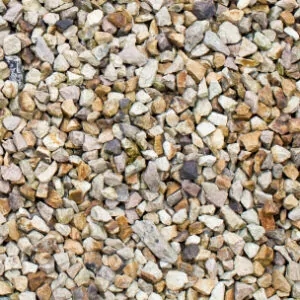

Rock & Driveway Gravel in Boston, Kentucky
Local Topsoil, Dirt, Sand, Rocks and Gravel near me in Boston, Kentucky
Shop Aggregates for Delivery in Boston
Order online for free delivery to any Boston address.
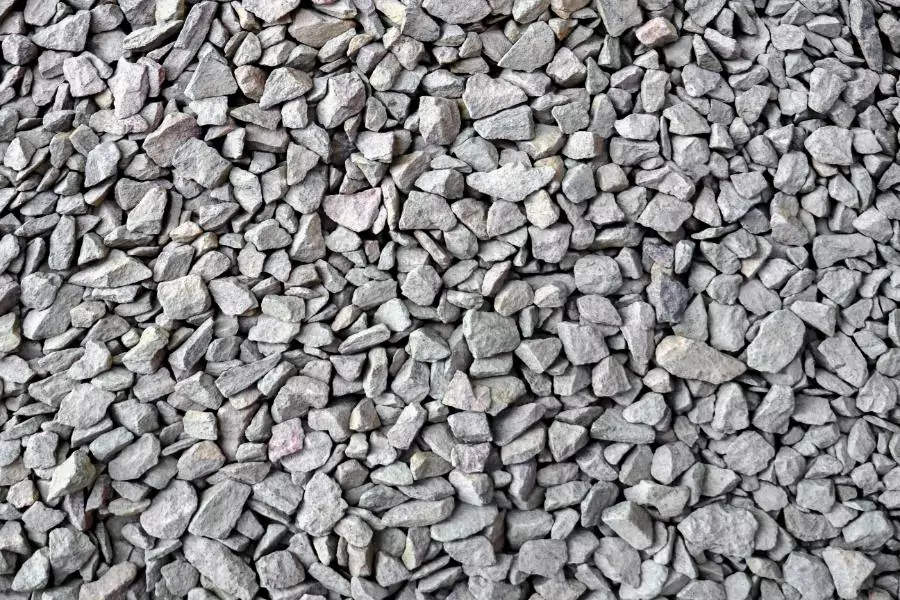
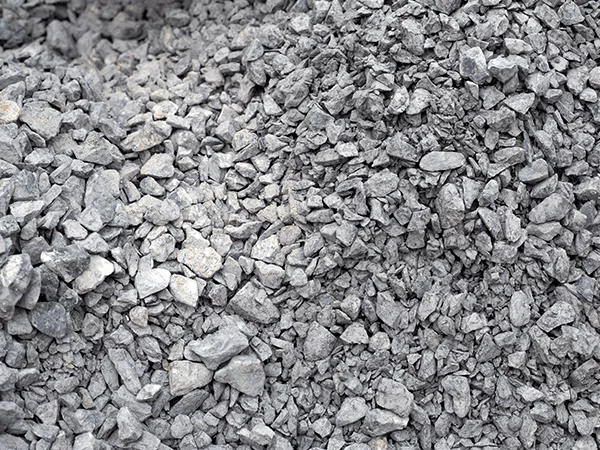


Gravel Monkey is your trusted source for premium gravel and aggregate delivery throughout Boston, Kentucky. Whether you're building a new driveway near Rolling Fork River, improving drainage around your property in the countryside, or completing a landscaping project in the heart of Nelson County, we deliver high-quality aggregates directly to your location with absolutely free delivery. Our comprehensive selection of stone, gravel, sand, and soil products serves residential and commercial customers throughout the Boston area, including nearby communities like Bardstown, Lebanon, New Haven, and Loretto.
Comprehensive Aggregate Selection for Boston, KY
Boston sits in the scenic Rolling Fork River Valley of Nelson County, where the local geology features limestone-based bedrock underlying Kentucky clay soils. This unique soil composition creates specific challenges for construction and landscaping projects, requiring quality aggregates that compact well and provide proper drainage. Understanding these local conditions, Gravel Monkey supplies materials specifically suited for the Boston area's soil characteristics and climate patterns.
Our extensive inventory includes aggregates for every application:
- Driveway Gravel - Engineered base material for lasting residential and farm driveways
- 3/4 inch Crushed Stone - Versatile limestone aggregate for foundations and bases
- #57 Stone - Premium drainage and construction aggregate
- Crusher Run - Superior compactable base for driveways and parking areas
- Road Base - Heavy-duty foundation material for long-lasting surfaces
- Drain Rock - Essential for managing Kentucky's seasonal rainfall
- Pea Gravel - Smooth decorative stone for pathways and landscaping
- River Rock - Natural aesthetic for gardens and water features
- Walkway Gravel - Ideal for garden paths and pedestrian areas
- Crushed Concrete - Eco-friendly recycled aggregate for base layers
- Decomposed Granite - Natural compacting material for rustic pathways
- Topsoil - Nutrient-rich soil for gardens and lawn establishment
- Fill Dirt - Essential for grading and leveling projects
- Mason Sand - Fine sand for masonry and construction work
- Playground Sand - Safe, clean sand for play areas
- Washed Sand - Premium clean sand for concrete and landscaping
Aggregates for Boston's Unique Soil and Climate Conditions
Boston, Kentucky experiences a humid subtropical climate with hot summers averaging 86°F and cold winters that dip to 25°F. The area receives approximately 46 inches of annual rainfall, with spring being particularly wet. These weather patterns, combined with the prevalent Kentucky clay soil found throughout Nelson County, create specific challenges that require the right aggregate solutions.
Addressing Clay Soil Challenges in Boston
The clay-rich soils common throughout the Boston area are notorious for poor drainage and expansion during wet periods. When saturated, Kentucky clay becomes unstable and can damage driveways, foundations, and structures. Proper aggregate base layers are essential for any construction project. Compactable materials create stable foundations that prevent settling and shifting, even during Boston's wettest months.
For properties near the Rolling Fork River and throughout the countryside around Boston, drainage is particularly critical. The combination of clay soils and seasonal flooding means that proper water management through strategic aggregate placement can prevent costly damage to buildings, driveways, and agricultural structures.
Driveway Solutions for Rural Boston Properties
Many Boston residents maintain long rural driveways serving farms, estates, and countryside homes. These driveways require aggregates that can withstand heavy agricultural equipment, seasonal weather changes, and Kentucky's freeze-thaw cycles. The proper base material prevents rutting, washouts, and the formation of potholes that plague poorly constructed rural drives.
A typical Boston driveway installation should include a 4-6 inch base layer of compactable aggregate, providing stability over the clay subgrade. This base prevents the driveway from sinking into the soft clay during wet periods and creates proper drainage channels that direct water away from the surface. For farm equipment access, additional thickness may be necessary to support heavy loads.
| Aggregate Type | Best Applications | Size Range | Compaction | Drainage |
|---|---|---|---|---|
| Crusher Run | Driveway base, parking areas | Fine to 3/4 inch | Excellent | Good |
| 3/4 inch Crushed Stone | Foundations, base layers | 3/4 inch | Very Good | Excellent |
| #57 Stone | Drainage, concrete aggregate | 1/2 to 1 inch | Good | Excellent |
| Road Base | Heavy-duty access roads | Fine to 1.5 inch | Excellent | Good |
| Drain Rock | French drains, foundation drains | 3/4 to 1.5 inch | Fair | Excellent |
| Pea Gravel | Decorative landscaping, walkways | 3/8 inch | Poor | Very Good |
| River Rock | Landscaping, erosion control | 1 to 3 inch | Poor | Very Good |
| Decomposed Granite | Pathways, rustic landscapes | Fine to 1/4 inch | Good | Fair |
Aggregate Delivery Throughout Boston and Nelson County
Gravel Monkey provides free delivery throughout Boston proper and extends service to the surrounding Nelson County communities. Whether your project is located near the historic Boston Presbyterian Church area, along the scenic countryside roads toward Loretto, in the farmlands surrounding New Haven Road, or near the Rolling Fork River bottoms, we deliver aggregates exactly where you need them.
Our delivery service covers the entire Boston ZIP code area (40107) and extends to neighboring communities including:
- Bardstown - Kentucky's Bourbon Capital, just 12 miles northeast
- Lebanon - Marion County seat, 15 miles southeast
- New Haven - Historic railroad town, 8 miles north
- Loretto - Home of Maker's Mark Distillery, 6 miles west
- Raywick - Small community to the south
- Calvary - Rural area toward Marion County
- Cox's Creek - Neighboring community to the northeast
- Bloomfield - Nelson County town to the north
Our drivers are familiar with the rural roads, farm lanes, and residential streets throughout the Boston area, ensuring your aggregate delivery arrives on time and positioned exactly where needed for your project.
Agricultural and Farm Applications in Boston
Boston's location in the heart of Kentucky's agricultural region means many of our customers operate farms, raise livestock, or maintain agricultural properties. Aggregates play crucial roles in farm operations, from barn foundations to equipment access roads, livestock areas, and drainage management.
Farm Road and Lane Construction
Agricultural equipment grows heavier each year, requiring farm roads and access lanes built to withstand tremendous loads. Tractors, combines, grain trucks, and implements can exceed 80,000 pounds when fully loaded. Roads serving these vehicles need substantial aggregate bases that distribute weight and resist rutting.
For farm lanes in the Boston area, a minimum 6-inch base provides adequate support for agricultural traffic. The compactable nature of these materials creates a firm surface that sheds water rather than absorbing it, preventing the muddy conditions that can trap equipment during wet seasons.
Livestock Area Stabilization
Areas where livestock congregate - around water troughs, feed stations, gates, and barn entrances - quickly become muddy quagmires during rainy periods. The clay soils prevalent around Boston compound this problem, as hooves compact the clay while churning it into slippery mud when wet.
Aggregates transform these problem areas into all-weather surfaces. A properly installed aggregate pad provides solid footing for livestock while allowing water to permeate through rather than pooling on the surface. This improves animal health, reduces mud tracked into barns, and makes farm work more pleasant during Boston's wet springs and falls.
Drainage Management for Agricultural Properties
Effective drainage protects crops, prevents equipment bogging, and maintains farm infrastructure. Many Boston-area farms require French drains, perimeter drains around buildings, and culvert installations to manage seasonal water flow. These drainage systems rely on washed aggregates that allow water passage while filtering soil particles.
Residential Landscaping with Aggregates
Boston homeowners increasingly incorporate decorative aggregates into landscape designs, creating low-maintenance gardens that thrive in Kentucky's climate. Unlike traditional mulch that decomposes and requires annual replacement, stone aggregates provide permanent solutions that improve over time as plants mature around them.
Creating Attractive Garden Beds
Decorative stone transforms ordinary garden beds into polished landscape features. Smooth stones complement the natural beauty of Kentucky's native plants while providing practical benefits. The stone layer suppresses weed growth, retains soil moisture during hot Boston summers, and prevents soil erosion during heavy rainfall.
For gardens surrounding homes in Boston's residential areas, color and texture selection creates visual interest. Lighter colored river rock brightens shaded gardens, while darker stones provide dramatic contrast against flowering plants. The variety of available sizes allows creativity in landscape design, from fine gravel borders to large feature stones.
Pathways and Walkways
Natural stone pathways add charm to Boston properties while providing functional access through gardens and yards. Unlike concrete or pavers, gravel pathways allow water infiltration, preventing runoff issues common with impervious surfaces. This permeability is particularly valuable given the clay soils and rainfall patterns in Nelson County.
Pathway construction requires proper base preparation and edge restraint to prevent stone migration. A compacted base provides stability, while edging materials contain the gravel within the desired path boundaries. The resulting pathway offers years of maintenance-free service while enhancing property aesthetics.
Construction and Foundation Applications
Contractors building in Boston understand that proper foundation preparation determines long-term structural success. The expansive clay soils throughout Nelson County can exert tremendous pressure on foundations as they expand when wet and contract when dry. This soil movement causes foundation cracks, uneven settling, and structural damage if not properly addressed.
Foundation Drainage Systems
Every structure in Boston benefits from perimeter drainage systems that direct water away from foundations. These systems typically consist of perforated drain pipe surrounded by washed stone aggregate, all wrapped in filter fabric. The aggregate allows water to flow freely to the drain pipe while preventing soil infiltration that would clog the system.
For basement construction in Boston, perimeter drainage is essential given the high water table near Rolling Fork River and the clay soil's poor natural drainage. Properly installed foundation drains keep basements dry, prevent hydrostatic pressure against foundation walls, and extend the building's lifespan.
Concrete Aggregate and Base Preparation
Quality concrete requires clean, properly graded aggregate to achieve specified strength. Boston contractors rely on washed stone and sand that meet ASTM specifications for concrete production. The absence of clay particles, silt, and organic matter ensures proper cement hydration and bond strength.
Before pouring concrete slabs, contractors install compacted aggregate base layers that provide uniform support and prevent differential settling. The base also serves as a capillary break, preventing ground moisture from wicking into the concrete where it could damage flooring or create damp conditions.
Erosion Control and Stormwater Management
Boston's topography features rolling hills that descend toward the Rolling Fork River watershed. Properties on slopes face erosion challenges during heavy rainfall events, particularly given Kentucky's intense summer thunderstorms that can drop several inches of rain in short periods. Strategic aggregate placement controls erosion while managing stormwater runoff.
Slope Stabilization
Slopes throughout the Boston area require stabilization to prevent soil loss and property damage. Aggregates provide immediate erosion protection while vegetation establishes. The stone layer dissipates raindrop impact energy and slows water velocity, allowing it to infiltrate rather than running off in damaging sheets.
For steeper slopes common in Nelson County's rolling terrain, larger stones provide better stability and resistance to movement. These stones interlock to create stable matrices that withstand Kentucky's freeze-thaw cycles and intense rainfall without washing away.
Drainage Swale Construction
Drainage swales channel stormwater across properties without causing erosion. In Boston's clay soils, unprotected swales quickly erode into gullies during storms. Lining swales with aggregates prevents erosion while maintaining water conveyance capacity. The stone allows infiltration during moderate rainfall while safely channeling excess water during storms.
Planning Your Boston Aggregate Project
Successful aggregate projects start with proper planning and accurate material estimates. Understanding your project's specific requirements ensures you order the correct aggregate type and quantity, avoiding delays and additional delivery charges.
Calculating Material Quantities
Aggregate quantities are specified in cubic yards, calculated by multiplying length times width times depth in feet, then dividing by 27. For example, a driveway measuring 50 feet long by 12 feet wide with a 4-inch (0.33 feet) base requires approximately 7.5 cubic yards of material.
Always order slightly more material than calculated to account for compaction, uneven subgrade, and waste. Most contractors in Boston add 10-15% to their calculated quantities to ensure adequate material for project completion. Gravel Monkey can assist with material calculations specific to your Boston project, accounting for local conditions and application requirements.
Site Preparation Requirements
Proper site preparation determines project success regardless of aggregate quality. For driveways and parking areas, remove existing vegetation and organic topsoil to expose the clay subgrade. The subgrade should be graded to proper slope for drainage, then compacted before aggregate placement.
Excavation depth depends on intended use and local soil conditions. Residential driveways in Boston typically require 6-8 inches total depth: 4-6 inches of compacted base aggregate topped with 2 inches of surface material. Areas supporting heavy equipment or commercial traffic need additional depth and may benefit from geotextile fabric between the subgrade and aggregate.
Compaction Best Practices
Compaction is critical for aggregate installations throughout Boston. Uncompacted aggregate settles unevenly, creating ruts, depressions, and drainage problems. Proper compaction occurs in lifts (layers) no thicker than 4 inches, with each lift compacted before adding the next.
Vibratory plate compactors work well for residential projects, while larger projects may require roller compactors. Slight moisture content during compaction improves results - the aggregate should be damp but not saturated. Kentucky's humid climate often provides adequate natural moisture, though water may be needed during dry summers.
Seasonal Considerations for Boston Projects
Boston's four distinct seasons affect aggregate project timing and installation methods. Understanding seasonal factors helps schedule projects for optimal results and longevity.
Spring Installations
Spring brings abundant rainfall to Boston, with March through May averaging 4-5 inches per month. While this moisture complicates excavation and compaction, spring is ideal for projects requiring vegetation establishment around aggregates. Temperatures range from 50°F to 75°F, comfortable for outdoor work.
Schedule spring projects during dry weather windows, monitoring forecasts to avoid working in saturated conditions. Clay soils become unworkable when wet, making site access difficult and preventing proper compaction. Allow sites to dry after rainfall before beginning installation.
Summer Projects
Boston summers offer ideal construction conditions with temperatures averaging 75-86°F and lower rainfall than spring. The warm, dry weather allows excellent compaction and rapid project completion. However, July and August can bring intense thunderstorms that dump several inches of rain quickly.
Summer is prime season for driveway installations, landscaping projects, and construction work throughout Nelson County. The extended daylight hours and favorable weather allow contractors to complete projects efficiently. Have drainage plans in place to manage summer thunderstorm runoff.
Fall Installation Advantages
Fall provides Boston's best construction weather, with moderate temperatures, lower humidity, and stable weather patterns. September through November offers comfortable working conditions without summer's heat or winter's freezing concerns. The drier fall weather allows excellent site conditions for excavation and compaction.
Many Boston contractors prefer fall for major aggregate projects, as materials compact well and projects have time to settle before winter freeze-thaw cycles begin. Fall installations also avoid the spring rush when contractors' schedules fill quickly.
Winter Considerations
Winter installation in Boston is possible but requires precautions. Temperatures average 25-45°F from December through February, with occasional snow and ice. Frozen ground complicates excavation, though experienced contractors work around weather windows.
Aggregate projects completed in winter may require spring adjustments after freeze-thaw cycles. The freezing and thawing of Kentucky clay soils can cause heaving and settling, potentially affecting newly installed aggregates. Many Boston property owners prefer waiting until spring for major installations, using winter for planning and scheduling.
Frequently Asked Questions About Aggregates in Boston, Kentucky
We deliver a comprehensive selection of aggregates including driveway gravel, crushed stone, #57 stone, pea gravel, river rock, crusher run, road base, drain rock, crushed concrete, decomposed granite, topsoil, fill dirt, mason sand, playground sand, and washed sand throughout Boston and the surrounding Nelson County area.
Yes, Gravel Monkey offers FREE delivery to Boston and the surrounding Kentucky area for all gravel and aggregate orders. We service the entire Nelson County region including nearby communities like Bardstown, Lebanon, New Haven, and Loretto.
For driveways in Boston, we recommend 3/4 inch crushed stone or #57 stone for the base layer. These sizes provide excellent compaction and drainage, which is essential given the Kentucky clay soil conditions and seasonal weather patterns in Nelson County. Crusher run also works exceptionally well as a driveway base material in this area.
The amount depends on your project dimensions and depth. For driveways, calculate length times width times depth in feet, then divide by 27 to get cubic yards. Most driveways need 4 to 6 inches of base material. For example, a 12-foot by 50-foot driveway with 4 inches of base requires approximately 7.5 cubic yards. Our team can help calculate the exact amount for your Boston property.
For Kentucky clay soil common in the Boston area, crusher run and road base work exceptionally well as they compact firmly over the clay subgrade. Drain rock and #57 stone are ideal for addressing drainage issues that often occur with clay-heavy soils in Nelson County. These aggregates allow water to permeate through while creating stable bases that resist the expansion and contraction cycles typical of clay soils.
We strive to accommodate urgent orders in Boston and Nelson County. Contact us early in the day for potential same-day delivery, though we recommend ordering at least 24 hours in advance to guarantee your preferred delivery time. Delivery scheduling depends on current order volume and driver availability in the Boston area.
We accept all major credit cards, debit cards, and electronic payments for aggregate deliveries in Boston. Payment is processed securely online when you place your order through our website.
Ensure delivery trucks can access your property with clear paths free of low-hanging branches, utility lines, or obstacles. Mark the desired delivery location clearly. For large orders, confirm the ground is firm enough to support a loaded delivery truck, especially important during wet periods given Boston's clay soils. Our drivers will need sufficient space to maneuver and safely dump the material.
Professional Aggregate Delivery Throughout Boston and Nelson County
For over a decade, Gravel Monkey has served Boston residents, farmers, contractors, and businesses with reliable aggregate delivery and expert material guidance. We understand Nelson County's unique soil conditions, climate challenges, and project requirements. Our comprehensive product selection ensures you'll find exactly the right material for your application, whether you're installing a residential driveway near town, constructing farm infrastructure in the countryside, or completing commercial development projects.
Our delivery service covers all of Boston and extends throughout Nelson County to Bardstown, Lebanon, New Haven, Loretto, and surrounding communities. Every delivery is FREE, arriving when promised with materials dumped precisely where you need them. We work with your schedule, accommodating residential homeowners, busy contractors, and agricultural operations alike.
The quality of your project starts with quality materials. Our aggregates meet industry specifications and are sourced from reputable Kentucky quarries and suppliers. Whether you need a single cubic yard for a garden project or multiple truckloads for major construction, we deliver the same premium materials and professional service.
Boston property owners trust Gravel Monkey for projects ranging from simple landscaping to complex drainage systems, from rural driveways to commercial parking lots. Our experienced team provides material recommendations based on your specific application, local soil conditions, and Kentucky climate factors. We help you avoid costly mistakes by ensuring you order the right product in the right quantity for successful project completion.

Need help? Reach out for a quote: