
Order Topsoil, Stone & Gravel in Sandy Hook, Kentucky
Local Topsoil, Dirt, Sand, Rocks and Gravel near me in Sandy Hook, Kentucky
Shop Aggregates for Delivery in Sandy Hook
Order online for free delivery to any Sandy Hook address.
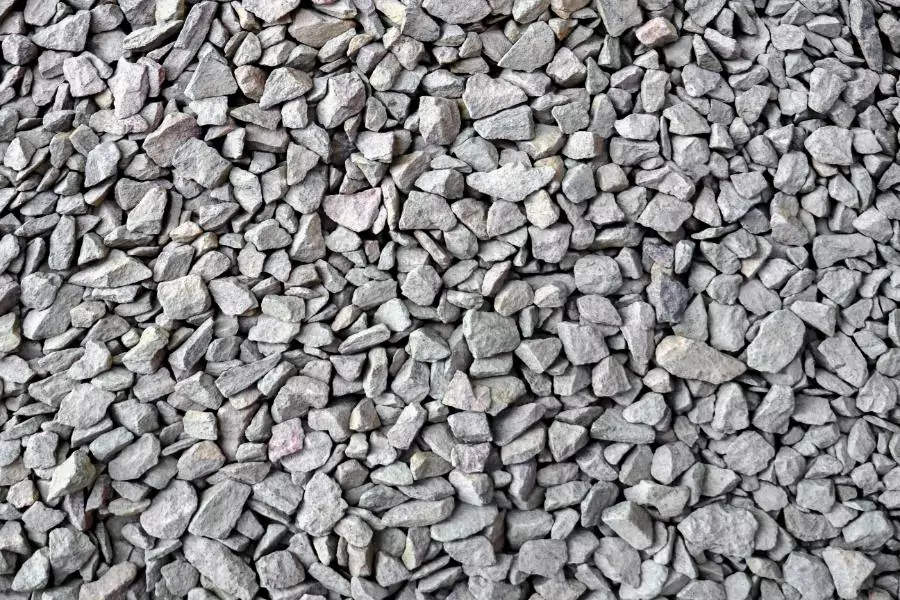
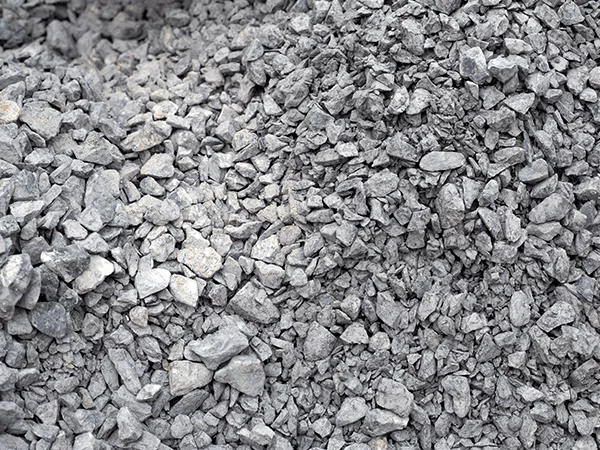


Gravel Monkey is your trusted source for premium gravel and aggregate delivery in Sandy Hook, Kentucky. Whether you're building a new driveway near the Little Sandy River, upgrading a rural property along Route 7, or addressing drainage issues common to Elliott County's clay-based terrain, we deliver high-quality aggregates directly to your property with absolutely free delivery. Serving Sandy Hook, Bruin, Stephens, Isonville, and all of Elliott County, we understand the unique challenges of Appalachian foothill construction and provide materials engineered to perform in Kentucky's demanding climate.
Complete Aggregate & Material Selection for Sandy Hook Properties
Our comprehensive inventory includes every aggregate type needed for residential, commercial, and agricultural projects throughout Elliott County. From foundational materials that handle Sandy Hook's expansive clay soils to decorative stones for landscaping projects near downtown, we supply aggregates that meet the specific demands of Eastern Kentucky construction:
- Driveway Gravel - Premium base material engineered for lasting driveways on challenging terrain
- 3/4 Inch Crushed Stone - Versatile aggregate for foundations, driveways, and drainage applications
- #57 Stone - Clean angular rock ideal for French drains and under-foundation drainage
- Crusher Run - Compactable base that creates stable surfaces on clay soils
- Road Base - Heavy-duty foundation material for rural roads and commercial access drives
- Drain Rock - Clean stone designed specifically for managing Elliott County's drainage challenges
- Pea Gravel - Smooth decorative aggregate perfect for pathways and garden beds
- River Rock - Natural decorative stone for landscaping and water features
- Walkway Gravel - Attractive pathway material that drains exceptionally well
- Crushed Concrete - Eco-friendly recycled aggregate for cost-effective base layers
- Topsoil - Nutrient-rich soil for gardens, lawns, and raised beds
- Fill Dirt - Quality dirt for grading, leveling, and foundation preparation
- Mason Sand - Fine sand for masonry work and construction projects
- Washed Sand - Clean sand for various construction and landscaping applications
- Playground Sand - Safe, certified sand for play areas and sandboxes
- Decomposed Granite - Natural pathway material with excellent compaction properties
Aggregates Engineered for Sandy Hook's Unique Geology
Sandy Hook sits within the Eastern Kentucky Coal Field region, characterized by clay-heavy soils derived from weathered shale and sandstone formations. This geology creates specific challenges that influence aggregate selection for local construction projects. The area's clay soils exhibit high plasticity, meaning they expand significantly when wet and contract during dry periods - a phenomenon particularly evident during Elliott County's humid summers and wet spring seasons when annual rainfall exceeds 45 inches.
Properties in Stephens, along the Little Sandy River valley, and throughout the Bruin area frequently experience drainage issues due to the clay's poor permeability. When water cannot drain through the soil naturally, it pools on surfaces and undermines structures. This makes proper aggregate selection critical for long-term project success. Our aggregates are specifically chosen to address these geological realities.
Clay Soil Considerations for Sandy Hook Projects
The Muskingum and Shelocta soil series dominate Elliott County, both featuring significant clay content in their subsoils. This impacts construction in several ways. First, clay soils provide poor natural drainage, requiring robust drainage solutions beneath driveways and foundations. Second, the freeze-thaw cycles common in Sandy Hook's winter climate cause clay to heave, potentially cracking concrete and shifting structures built without proper aggregate base layers.
Properties near downtown Sandy Hook, along Route 7 toward Isonville, and in rural areas like Newcomb Branch benefit from crusher run as a base layer. This material compacts tightly to create a stable platform that resists the movement of underlying clay. For properties with steeper grades common in the Appalachian foothills around Sandy Hook, road base provides additional stability and load-bearing capacity.
Climate Impact on Aggregate Performance
Sandy Hook experiences four distinct seasons with hot, humid summers averaging 85°F and cold winters that regularly drop below freezing. The annual temperature variation of 70+ degrees, combined with Elliott County's 45-50 inches of annual precipitation, creates challenging conditions for outdoor construction. Spring and fall particularly bring extended wet periods when choosing the right drainage aggregates becomes essential.
During winter months, water trapped in inadequate base layers freezes and expands, creating frost heave that destroys driveways and walkways. Our drain rock prevents this by allowing water to escape laterally through the aggregate layer rather than pooling and freezing. Properties throughout Sandy Hook's residential areas have successfully used this approach to prevent winter damage.
Matching Aggregates to Your Sandy Hook Project
Residential Driveways and Access Roads
Driveways represent one of the most common aggregate applications throughout Sandy Hook and Elliott County. Rural properties often feature long access drives that must withstand regular vehicle traffic while managing substantial water flow during Kentucky's frequent rain events. The key to a durable driveway on Sandy Hook's clay soils is a multi-layer approach starting with proper base preparation.
Start with a 4-6 inch layer of crusher run as your foundation. This material contains both larger stones and fine particles that compact together, creating a dense, stable base that resists clay movement beneath. For properties in Bruin and Stephens with particularly challenging soils, increasing this base layer to 6-8 inches provides additional stability. Over this foundation, apply 2-3 inches of driveway gravel for the wearing surface.
Properties with steep grades, common along the hillsides surrounding Sandy Hook, benefit from road base as the foundational layer instead. This heavier-duty aggregate handles the increased load and water flow associated with sloped driveways. The additional cost is offset by the dramatic increase in longevity - a properly built driveway using road base can last 15-20 years with minimal maintenance.
Foundation and Drainage Solutions
Every structure built in Sandy Hook requires proper drainage to prevent water from compromising the foundation. Clay soils don't absorb water effectively, so moisture that reaches foundation walls has nowhere to go except into basements and crawl spaces. Installing drain rock around foundations creates a path for water to escape rather than pool against walls.
A typical perimeter drain system uses #57 stone or drain rock surrounding a perforated drain pipe. The angular shape of this aggregate allows water to flow freely through the material while the clean wash ensures small clay particles don't clog the void spaces. Properties throughout Isonville and along Route 32 have successfully used this approach to eliminate basement water issues.
French drains solve similar problems for yards and low-lying areas. Dig a trench following the natural slope, install perforated pipe, and surround it with drain rock. Cover the aggregate with landscape fabric and backfill with topsoil. This hidden drainage system effectively manages the water flow common to Sandy Hook properties without visible gutters or channels marring your landscape.
Landscaping and Decorative Applications
Beyond structural uses, aggregates enhance landscape aesthetics throughout Sandy Hook. Pea gravel creates attractive pathways through gardens while providing excellent drainage - essential in Elliott County's wet climate. The smooth, rounded stones are comfortable to walk on barefoot and come in various earth tones that complement Kentucky's natural landscape.
River rock serves as both a decorative element and functional mulch. Around foundations, a 3-4 inch layer of river rock creates a maintenance-free zone that prevents soil splash on siding while directing water away from walls. In garden beds, river rock provides weed control and moisture retention while adding visual interest with varying sizes and colors.
For natural-looking pathways, decomposed granite compacts into a firm yet permeable surface. This material is particularly popular for walking trails through wooded areas common to Sandy Hook properties. Unlike solid pavers that can shift on clay soils, decomposed granite moves with the ground while maintaining its walking surface integrity.
Aggregate Comparison for Sandy Hook Projects
Selecting the right aggregate depends on your specific application, soil conditions, and budget. This comparison highlights the characteristics of our most popular materials for Sandy Hook area projects:
| Aggregate Type | Best Applications | Drainage Rating | Compaction | Clay Soil Performance |
|---|---|---|---|---|
| Crusher Run | Driveway base, patios, stable surfaces | Moderate | Excellent | Superior - locks together tightly |
| Road Base | Heavy-duty driveways, access roads | Good | Superior | Excellent - handles load and movement |
| #57 Stone | Drainage systems, French drains | Excellent | Poor | Good - allows water escape |
| Drain Rock | Foundation drains, wet areas | Excellent | Poor | Good - prevents water pooling |
| 3/4 Inch Crushed Stone | General purpose, multiple applications | Good | Good | Good - versatile performance |
| Pea Gravel | Pathways, decorative areas | Excellent | Poor | Fair - decorative use only |
| Crushed Concrete | Budget base layers, fill | Moderate | Good | Good - economical option |
| Decomposed Granite | Natural pathways, trails | Good | Good | Good - natural appearance |
Serving All Sandy Hook Area Communities
Gravel Monkey provides free delivery throughout Elliott County and surrounding areas. We're familiar with the specific challenges and access requirements of every neighborhood and community:
Downtown Sandy Hook
The county seat features a mix of residential and commercial properties. Downtown locations often require smaller delivery loads due to limited access on older streets. Our trucks navigate these areas daily, delivering aggregates for sidewalk repairs, parking area improvements, and commercial property upgrades. Properties near the Elliott County Courthouse and along Main Street benefit from our experience with in-town deliveries.
Bruin and Route 7 Corridor
This rural community along Kentucky Route 7 features long private drives leading to properties nestled in the foothills. We regularly deliver crusher run and road base to maintain these access roads, particularly after spring rains create ruts and erosion. The challenging terrain requires aggregates that compact well and resist washout during heavy rainfall events.
Stephens and Little Sandy River Valley
Properties in the river valley face unique drainage challenges due to the low elevation and clay soils. We frequently deliver drain rock and #57 stone for foundation drainage systems in this area. Many Stephens residents have used our aggregates to create elevated driveways and parking areas that remain functional even during high water periods.
Isonville Area
This growing community benefits from new residential construction and property improvements. We supply road base for new driveways, topsoil for landscaping projects, and decorative aggregates for walkways and garden features. The Isonville area's development has created steady demand for quality aggregates delivered on schedule.
Route 32 Properties
Running east-west through the county, Route 32 provides access to numerous rural properties with agricultural and residential uses. We deliver fill dirt for pond construction, grading projects, and building sites throughout this corridor. The relatively flat terrain along Route 32 makes aggregate delivery straightforward, though we still account for individual property access challenges.
Newcomb Branch and Rural Routes
Even the most remote properties throughout Elliott County receive our free delivery service. Rural routes and private lanes don't deter our experienced drivers who understand the importance of reliable material delivery regardless of location. From Newcomb Branch to the far reaches of the county, we ensure every customer receives the same quality service and products.
Professional Installation Guidelines for Sandy Hook Projects
Site Preparation Essentials
Proper site preparation determines project success, especially on Sandy Hook's clay soils. Begin by removing all organic material - topsoil, vegetation, roots, and debris - from the project area. Clay soil must be graded to create positive drainage away from structures. Even a 2% slope (2 inches of fall per 10 feet) prevents water pooling that would undermine your aggregate base.
For driveways and parking areas, excavate 8-12 inches deep depending on soil conditions and expected use. Properties with particularly wet or unstable clay may require geotextile fabric at the bottom of the excavation to prevent mixing between clay and aggregate. This fabric costs little but dramatically improves long-term performance by keeping materials separated.
Aggregate Layer Installation
Install aggregates in lifts - layers that allow proper compaction. Each lift should be 3-4 inches thick before compacting. Spread the material evenly, then compact using a plate compactor or roller. Attempting to compact thicker layers results in dense surface material with loose aggregate underneath, creating instability.
For a typical Sandy Hook driveway on clay soil, install crusher run as the base in two 3-inch lifts, compacting each thoroughly. This creates a 6-inch compacted base that resists clay movement. Top this with 2-3 inches of driveway gravel for the wearing surface. This upper layer doesn't require the same compaction - its purpose is providing traction and protecting the base layer from direct traffic wear.
Drainage Integration
Never build on Sandy Hook clay without addressing drainage. During base installation, incorporate cross-slope to direct water to the sides. Install drain rock along the edges to intercept water before it saturates the base. For particularly wet sites, consider a perforated pipe within the drain rock to actively remove water from the area.
Properties in low-lying areas or near the Little Sandy River may require more extensive drainage solutions. French drains, swales, or catch basins integrated with proper aggregate selection prevent the water damage common to Elliott County's heavy rainfall periods. Spending time on drainage design prevents costly repairs later.
Seasonal Considerations for Elliott County Projects
Spring Installation Best Practices
Spring in Sandy Hook brings beautiful weather but also challenging moisture conditions. March through May sees the highest rainfall, creating saturated clay soils that complicate aggregate installation. Wait for a few dry days before beginning projects - installing aggregates on wet clay traps moisture that weakens the base.
Spring is ideal for planning and preparing sites while waiting for conditions to improve. Order materials in advance so they're ready when weather permits. Many Sandy Hook residents schedule deliveries for late April or early May when temperatures warm but before summer heat arrives.
Summer Project Season
Summer provides the best conditions for aggregate installation throughout Elliott County. July and August offer warm, typically drier weather ideal for compaction and curing. However, summer thunderstorms can still deliver intense rainfall, so monitor forecasts and protect exposed work areas with temporary drainage measures.
The heat also creates opportunities. Clay soils are driest in summer, making excavation easier and allowing maximum compaction of aggregate bases. This is prime time for major projects like new driveways or extensive grading work around Sandy Hook properties.
Fall Preparation Work
Fall represents a second ideal installation window before winter arrives. September through October provides moderate temperatures and typically lower rainfall than spring. Many Elliott County property owners use fall to complete projects before winter, when cold and wet conditions make work difficult.
Fall is particularly good for drainage projects since they're ready to handle winter and spring moisture. Installing drain rock around foundations in October means your basement stays dry during winter thaws and spring rains. The relatively dry ground allows proper placement without fighting mud.
Winter Maintenance and Planning
Winter in Sandy Hook isn't ideal for major aggregate installations, but it's perfect for maintenance and planning. Cold temperatures prevent proper compaction, and frozen ground makes excavation challenging. However, winter is excellent for topping up driveway gravel or filling minor potholes since these tasks don't require compaction equipment.
Use winter to plan spring projects, arrange materials, and prepare sites. Many Elliott County residents get quotes during winter for spring installation, ensuring contractor availability and locked-in pricing before the busy season begins.
Understanding Aggregate Costs and Value in Sandy Hook
Aggregate costs depend on material type, quantity, and delivery distance. At Gravel Monkey, we simplify pricing with free delivery throughout Sandy Hook and Elliott County. This eliminates unpredictable delivery charges that other suppliers add, allowing you to budget confidently.
Material Cost Considerations
Different aggregates carry different price points based on processing requirements and availability. Crusher run and crushed concrete typically cost less than specialized materials like pea gravel or river rock. However, choosing materials solely on price can cost more long-term. Spending extra for road base on a challenging driveway prevents future repair costs that dwarf the initial savings.
Calculate total project costs including base preparation, multiple aggregate layers, and labor. A proper Sandy Hook driveway using crusher run base and driveway gravel surface costs more initially than simply dumping gravel on clay. However, the proper installation lasts 15-20 years while the cheap approach fails within 2-3 years, requiring complete replacement.
Value of Professional Materials
Quality aggregates from Gravel Monkey deliver value through consistency, cleanliness, and proper sizing. Our crusher run compacts uniformly because it contains the correct blend of large and small particles. Clean drain rock won't clog with fine sediment. Properly sized driveway gravel provides the intended surface characteristics.
Cheap aggregates often contain excessive fines that prevent drainage or insufficient binder material that prevents compaction. The money saved on inferior materials disappears quickly when projects fail prematurely. Throughout Sandy Hook, customers consistently report that our premium aggregates deliver better long-term results than economy materials from other suppliers.
Frequently Asked Questions About Gravel and Aggregates in Sandy Hook
Calculate volume by multiplying length times width times depth in feet, then dividing by 27 to get cubic yards. For a typical Sandy Hook driveway on clay soil, plan for 6 inches of crusher run base plus 3 inches of surface gravel. A 12-foot wide by 100-foot long driveway needs approximately 22 cubic yards of crusher run and 11 cubic yards of driveway gravel. Our team provides free estimates tailored to your specific property and soil conditions.
Drain rock and #57 stone excel at managing Sandy Hook's drainage challenges. Both feature angular shapes and clean wash that allow water to flow freely through the material. Install these aggregates around foundations, in French drains, or along driveway edges where water accumulates. The key is using clean stone without fines that would clog void spaces - our drain rock specifically meets this requirement.
No, successful aggregate projects on Elliott County clay require proper excavation and base preparation. Clay's expansive properties cause it to shift and heave, which destroys anything built directly on top. Excavate 8-12 inches, remove organic material, grade for drainage, install geotextile fabric if needed, then build proper aggregate layers. This preparation prevents the premature failure common with shortcuts.
Both compact well on clay soils, but road base includes larger maximum stone sizes and more binder material, creating superior load-bearing capacity. Use crusher run for standard residential driveways with normal traffic. Choose road base for heavy-use applications, steep grades common around Sandy Hook, or properties with particularly challenging soils. Road base costs slightly more but delivers measurably better performance in demanding applications.
Late spring through early fall provides optimal conditions. Summer months of June through August offer the driest, warmest weather ideal for compaction and curing. Avoid late fall and winter when cold prevents proper compaction and spring when saturated clay soils complicate installation. Plan major projects for summer and schedule delivery 2-3 weeks in advance to ensure availability during peak season.
Absolutely! We provide free delivery throughout Sandy Hook, Bruin, Stephens, Isonville, and all of Elliott County including the most remote rural properties. Our drivers regularly navigate private lanes, mountain roads, and challenging access routes throughout the region. Just provide accurate directions and any access considerations when ordering, and we'll ensure your materials arrive safely.
Proper base preparation prevents most driveway problems. Start with 6 inches of crusher run or road base, properly compacted. This stable foundation prevents the rutting caused by base failure. Crown your driveway slightly so water runs to the sides rather than pooling. Install drain rock along edges to remove water quickly. Annually add 1-2 inches of fresh driveway gravel to replace material that gradually works into the base. These maintenance steps keep Sandy Hook driveways functional for 15-20 years.
Pea gravel and river rock top the list for decorative landscaping. Pea gravel creates comfortable walking surfaces for pathways while providing excellent drainage - critical in Elliott County's wet climate. River rock adds visual interest around foundations, in garden beds, and near water features. For natural-looking trails, decomposed granite compacts into firm yet permeable surfaces. Choose based on your aesthetic preferences and functional requirements - we're happy to provide samples to help you decide.
Ready to Start Your Sandy Hook Project?
Gravel Monkey makes aggregate delivery simple throughout Sandy Hook and Elliott County. With our comprehensive inventory, free delivery, and expertise in Eastern Kentucky's unique soil conditions, we're your partner for successful projects. Whether you're building a new driveway in Bruin, addressing drainage issues in Stephens, or landscaping a property near downtown Sandy Hook, we have the aggregates and knowledge to ensure your project succeeds.
Our team understands the challenges of working with clay soils, steep grades, and high rainfall common to Sandy Hook. We don't just deliver materials - we provide guidance on proper selection, installation techniques, and long-term maintenance. From the initial consultation through delivery and beyond, Gravel Monkey supports your project every step of the way.
Contact us today for a free estimate tailored to your specific Sandy Hook property. We'll help you select the right aggregates, calculate accurate quantities, and schedule convenient delivery. Join the hundreds of satisfied Elliott County customers who trust Gravel Monkey for quality materials and professional service.

Need help? Reach out for a quote: