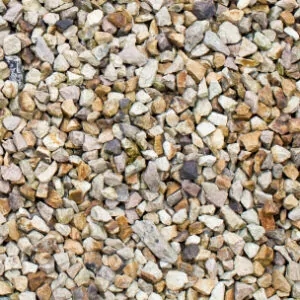

Sand, Aggregates & Gravel for Masonic Home, Kentucky
Local Topsoil, Dirt, Sand, Rocks and Gravel near me in Masonic Home, Kentucky
Shop Aggregates for Delivery in Masonic Home
Order online for free delivery to any Masonic Home address.
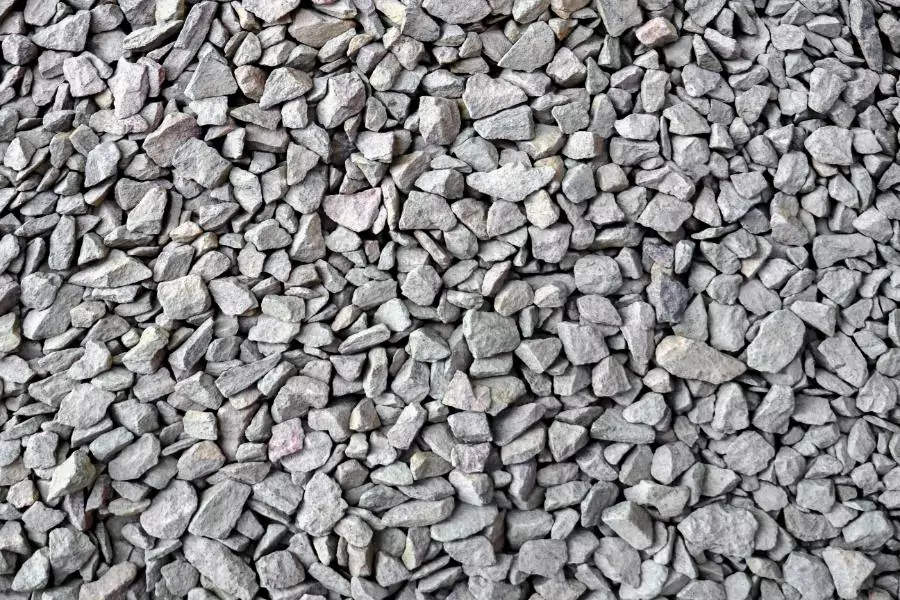
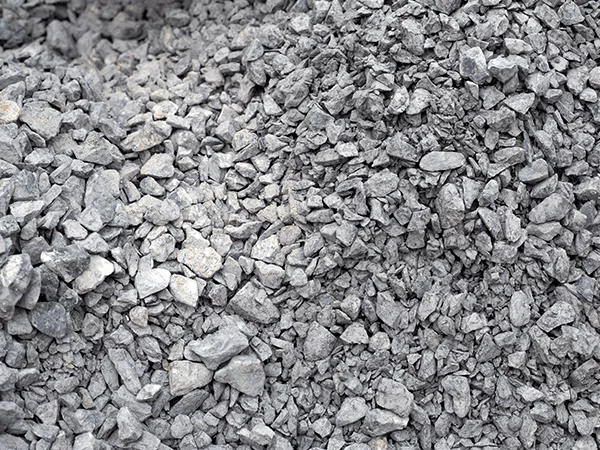


Gravel Monkey is your trusted source for premium aggregates and construction materials in Masonic Home, Kentucky. Serving Shelby County and surrounding communities, we deliver high-quality gravel, crushed stone, sand, and soil products directly to your property with free delivery. Whether you're improving a rural driveway, building a new foundation, or creating beautiful landscaping features, our comprehensive selection of aggregates meets every residential, agricultural, and commercial need in the Masonic Home area.
Complete Aggregate Selection for Masonic Home Projects
Our extensive inventory covers every application from heavy construction to decorative landscaping. We understand the unique characteristics of Shelby County's clay-based soils and Kentucky's variable climate, ensuring we recommend the right aggregates for lasting performance.
- Driveway Gravel - Durable aggregate for residential and farm driveways
- 3/4 inch Crushed Stone - Versatile material for driveways and base layers
- #57 Stone - Popular crushed aggregate for drainage and concrete work
- Crusher Run - Compactable base for driveways and parking areas
- Road Base - Heavy-duty aggregate for rural roads and farm lanes
- Pea Gravel - Smooth rounded stones for walkways and decorative use
- River Rock - Natural decorative stone in multiple sizes
- Walkway Gravel - Attractive aggregate for paths and garden trails
- Drain Rock - Large stone for French drains and drainage systems
- Crushed Concrete - Eco-friendly recycled aggregate
- Decomposed Granite - Natural compacting material for paths
- Topsoil - Nutrient-rich soil for gardens and lawns
- Fill Dirt - Essential for grading and leveling projects
- Mason Sand - Fine sand for masonry and construction
- Playground Sand - Clean, safe sand for play areas
- Washed Sand - Clean sand for multiple applications
Serving Masonic Home and Shelby County Communities
Gravel Monkey provides free aggregate delivery throughout Masonic Home and the greater Shelby County region. We're familiar with local soil conditions, from the clay-rich deposits along Clear Creek to the rolling terrain near Christiansburg. Our delivery service extends to nearby communities including Shelbyville, Simpsonville, Bagdad, Finchville, and Waddy, ensuring convenient access to quality aggregates across central Kentucky.
The Masonic Home area sits in the heart of Kentucky's Bluegrass region, where the underlying limestone bedrock influences both soil composition and drainage patterns. Properties here often feature the characteristic Maury silt loam and Faywood soils - deep, moderately well-drained soils with significant clay content. These conditions make proper aggregate selection critical for driveway stability, foundation drainage, and successful construction projects.
Aggregate Applications for Every Masonic Home Project
Residential Driveways and Rural Roads
Kentucky driveways face unique challenges from clay soil expansion, seasonal freeze-thaw cycles, and the region's 45 inches of annual rainfall. Long rural driveways common in Shelby County require aggregates that drain well while maintaining a stable surface under heavy farm equipment and daily vehicle traffic.
For optimal driveway performance in Masonic Home, we recommend starting with a properly compacted base layer. Our crusher run provides an excellent foundation that locks together when compacted, creating a solid platform resistant to rutting. This base layer is essential in areas with clay soils, as it provides drainage and prevents the driveway from sinking into softer ground during wet Kentucky springs.
The top surface layer determines your driveway's appearance and immediate performance. Many Masonic Home homeowners choose our road base for a clean, professional finish that handles traffic well. For properties prioritizing drainage - particularly important near Clear Creek or in lower-lying areas - number 57 stone offers excellent water management while providing good vehicle traction.
Foundation Drainage and French Drain Systems
Kentucky's clay soils retain moisture, making proper foundation drainage critical for protecting homes and buildings. The Shelby County area receives substantial rainfall throughout the year, with particular concentrations in spring and late fall. Without adequate drainage, water pressure against foundations can cause basement seepage, foundation cracks, and structural issues.
Drain rock serves as the primary aggregate for French drain installations around Masonic Home homes. Its larger size allows water to flow freely through the stone while maintaining structural integrity. When combined with proper sloping and perforated pipe, these drainage systems effectively channel water away from foundations, preventing the soil saturation that leads to basement problems.
For foundation perimeter drainage, we often recommend a two-layer approach. Place drain rock directly against the foundation wall, providing immediate water collection and removal. Then add a layer of washed sand or finer aggregate above, creating a transition zone that prevents soil migration while maintaining drainage efficiency. This system works particularly well in Shelby County's clay conditions.
Concrete Projects and Base Preparation
Successful concrete work requires proper base preparation, especially in areas with expansive clay soils. Our aggregates provide the stable, well-draining foundation necessary for patios, sidewalks, shed pads, and barn floors throughout Masonic Home. The right base prevents concrete cracking, settling, and the frustrating failure that comes from inadequate preparation.
Number 57 stone has become the standard aggregate for concrete base preparation in Kentucky. Its angular shape provides excellent compaction, while the particle size allows for proper drainage beneath the concrete slab. A four to six inch layer of compacted 57 stone creates an ideal foundation that won't shift or settle, even during the wet spring months that challenge many Shelby County projects.
For larger concrete pours like barn floors or equipment pads, consider our road base as the foundation layer. This material compacts extremely well and provides exceptional load-bearing capacity for heavy equipment and agricultural operations common in rural Masonic Home properties. The proper base prevents the concrete cracking and settling that plague poorly prepared slabs.
Landscaping and Decorative Applications
Beyond functional applications, aggregates create beautiful landscaping features that enhance Masonic Home properties. Our decorative stone selection ranges from natural river rock to smooth pea gravel, offering colors and textures that complement Kentucky's natural landscape.
River rock works exceptionally well for dry creek beds - a popular landscaping solution in Shelby County for managing seasonal water flow. These natural-looking features channel rainwater away from problem areas while adding visual interest to your property. The smooth, rounded stones available in multiple sizes create an authentic creek bed appearance that blends seamlessly with the rural Kentucky setting.
For walkways and garden paths, walkway gravel provides an attractive, permeable surface that prevents mud and allows rainwater to percolate naturally. This is particularly valuable in Kentucky where traditional grass paths become muddy and unusable during wet periods. The gravel creates all-weather access while maintaining the natural aesthetic appropriate for Masonic Home properties.
Pea gravel serves multiple decorative purposes in Masonic Home landscaping. Use it around foundations as a clean, well-draining border that prevents mud splash and discourages weed growth. Create mulch alternatives in garden beds that won't decompose or require annual replacement. Design play areas for children that provide a safe, cushioned surface that drains quickly after rain.
Aggregate Selection Guide for Shelby County Conditions
Understanding which aggregate suits your specific project ensures optimal performance and longevity. Kentucky's climate and soil conditions require thoughtful material selection for lasting results.
| Aggregate Type | Best Applications | Drainage Quality | Compaction |
|---|---|---|---|
| Crusher Run | Driveway base, parking areas, road foundations | Good | Excellent |
| #57 Stone | Concrete base, French drains, general drainage | Excellent | Good |
| 3/4 inch Crushed Stone | Driveways, paths, base layers | Very Good | Very Good |
| Road Base | Heavy-duty driveways, farm roads | Good | Excellent |
| Drain Rock | Foundation drainage, dry wells | Excellent | Fair |
| Pea Gravel | Walkways, landscaping, decorative use | Very Good | Fair |
| Crushed Concrete | Budget driveways, base layers, rural roads | Good | Good |
| Decomposed Granite | Natural paths, stable walkways | Good | Very Good |
Working with Kentucky Clay Soils
Shelby County's predominant clay soils present specific challenges that proper aggregate use can overcome. Clay expands when wet and contracts when dry, creating the ground movement that damages driveways, cracks concrete, and destabilizes structures. The solution lies in creating adequate drainage and using aggregates that bridge between the unstable clay and your project surface.
For any construction on clay soil, always start with proper excavation. Remove the organic topsoil layer and dig down to stable clay. Install a geotextile fabric barrier to prevent clay migration into your aggregate base. Then build up with appropriate aggregates - typically starting with larger drain rock or crusher run for drainage and stability, then finishing with your surface material of choice.
This layered approach addresses Kentucky's soil challenges effectively. The fabric prevents aggregate from gradually sinking into clay over time. The drainage layer removes water before it saturates the clay and causes expansion. The compacted base creates a stable platform. Following these principles ensures your Masonic Home project performs well through all seasons and weather conditions.
Seasonal Planning for Aggregate Projects in Kentucky
Kentucky's distinct seasons influence the timing and approach for aggregate projects. Understanding these patterns helps Masonic Home property owners plan effectively and achieve better results.
Spring Construction Challenges
Spring brings renewed construction activity but also presents challenges. Shelby County receives heavy rainfall from March through May, saturating soils and creating muddy conditions. While this complicates excavation work, it's actually an ideal time to observe drainage patterns on your property. Note where water collects, which areas drain slowly, and where erosion occurs. These observations guide proper aggregate placement for drainage solutions.
If you must build during wet spring months, focus on proper site preparation. Use adequate amounts of aggregate base to create stable working surfaces. Don't rush compaction - properly compacted aggregates will perform well, while hastily placed material will fail. Consider starting projects with drainage improvements, using the spring rains to test and verify their effectiveness before proceeding with other construction.
Summer: Prime Building Season
Summer offers the best conditions for aggregate projects in Masonic Home. Lower rainfall and warm temperatures allow soil to dry, providing stable working conditions. Compaction achieves optimal results in these conditions. The ground remains workable, and concrete cures properly in the moderate Kentucky summer heat.
Plan major driveway installations, foundation work, and concrete projects for June through August. The stable weather reduces complications and allows projects to proceed efficiently. Just ensure adequate water is available for concrete work and dust control on aggregate surfaces during dry periods.
Fall Preparation
Fall provides another excellent window for aggregate projects, with generally dry conditions and comfortable working temperatures. This is an ideal time to prepare for winter by improving drainage, stabilizing driveways, and completing projects before Kentucky's freeze-thaw cycles begin.
Consider adding fresh aggregate to existing driveways in fall. This maintains the surface, fills any low spots that could collect water, and ensures good drainage before winter precipitation arrives. Address any drainage issues observed during the previous spring while conditions remain favorable for excavation and installation.
Winter Maintenance
While major construction slows in winter, maintenance continues. Keep aggregate driveways clear of snow to prevent meltwater from penetrating and refreezing. Monitor drainage systems to ensure they remain clear and functional. Plan ahead for spring projects by scheduling material delivery and contractor work before the busy season begins.
Professional Installation Tips for Masonic Home Properties
Proper installation makes the difference between aggregate projects that last decades and those that fail within years. Follow these proven techniques for optimal results in Shelby County conditions.
Site Preparation Essentials
Every successful project begins with thorough site preparation. Remove all vegetation, roots, and organic material from the project area. These decompose over time, creating voids that cause settling. Excavate to stable soil - typically 8 to 12 inches deep for driveways, depending on soil conditions and intended use.
Grade the excavated area to promote drainage. A minimum 2 percent slope directs water away from structures and prevents pooling. In areas where clay is particularly prevalent, consider deeper excavation and more substantial aggregate base. The investment in proper preparation pays dividends in long-term performance.
Compaction Techniques
Compaction transforms loose aggregate into a stable, durable surface. For Masonic Home projects, proper compaction is non-negotiable. Rent or hire a plate compactor for smaller areas and a vibratory roller for larger projects like long driveways.
Place aggregates in lifts - layers no more than 4 inches deep before compaction. Thicker layers won't compact effectively through to the bottom. Compact each lift thoroughly before adding the next. Add moisture if the aggregate seems too dry; proper moisture content aids compaction. Make multiple passes with your compaction equipment, overlapping slightly to ensure complete coverage.
Edge Restraint Importance
Aggregates need edge restraint to prevent spreading and maintain their shape over time. For driveways, install edge restraints along both sides. These can be landscape timbers, concrete curbing, or even properly compacted soil banks. The restraint prevents the aggregate from gradually spreading wider and thinner under traffic.
For decorative applications like walkways or garden borders, edge restraint becomes even more critical. Pea gravel and river rock will migrate without proper containment. Install commercial edge restraints, buried landscape timbers, or mortared stone borders to keep decorative aggregates in place.
Sustainable Aggregate Solutions for Kentucky Properties
Modern aggregate use incorporates environmental responsibility without sacrificing performance. Gravel Monkey offers several options that benefit both your property and the environment.
Recycled Crushed Concrete
Crushed concrete represents an eco-friendly alternative to virgin aggregates. Produced from recycled concrete demolition waste, this material performs excellently for driveways, base layers, and rural roads throughout Masonic Home. It compacts well, provides good drainage, and costs less than traditional crushed stone while diverting waste from landfills.
Many Shelby County property owners choose crushed concrete for farm roads and secondary driveways. The material handles heavy equipment well, stands up to Kentucky weather, and provides a light color that reflects sunlight, staying cooler in summer. As it ages and compacts further, crushed concrete becomes increasingly stable and durable.
Permeable Surface Benefits
Aggregate surfaces allow rainwater to percolate naturally into the ground rather than running off into storm systems or creating erosion. This natural infiltration recharges groundwater, reduces flooding, and filters pollutants before they reach streams and rivers. For properties near Clear Creek or other Shelby County waterways, permeable aggregate surfaces help protect water quality.
Consider the environmental benefits when choosing between impervious asphalt or concrete and permeable aggregate surfaces. For many applications - secondary driveways, parking areas, paths, and access roads - aggregates provide adequate performance while offering environmental advantages. They also cost less to install and are simpler to maintain or repair.
Maintaining Aggregate Surfaces in Kentucky
Proper maintenance extends the life of aggregate projects and keeps them performing optimally through all seasons. Follow these guidelines for Masonic Home properties.
Regular Surface Maintenance
Inspect aggregate surfaces regularly, particularly after heavy rains or freeze-thaw cycles. Look for low spots where water collects, areas where aggregate has become thin, and places where the surface has become loose or rutted. Address these issues promptly before they worsen.
Add fresh aggregate as needed to maintain proper depth and coverage. Driveways typically need top-dressing every few years, depending on traffic and weather exposure. This simple maintenance prevents the base layer from becoming exposed and extends surface life considerably.
Drainage Maintenance
Keep drainage systems clear and functional. Remove leaves, debris, and sediment from drainage ditches and channels. Ensure French drain outlets remain open. Check that water flows away from structures as designed. Good drainage is essential in Kentucky's wet climate and protects your entire property investment.
Weed Control
Weeds can establish in aggregate surfaces, particularly in decorative applications and lightly trafficked areas. Address weeds promptly through mechanical removal or appropriate herbicides. Some property owners apply landscape fabric beneath decorative aggregates to suppress weed growth, though this should be paired with adequate drainage considerations.
Frequently Asked Questions About Aggregates in Masonic Home
We deliver a complete range of aggregates including driveway gravel, crushed stone in various sizes, number 57 stone, crusher run, pea gravel, river rock, drain rock, road base, recycled concrete, topsoil, fill dirt, and multiple sand varieties throughout Masonic Home and surrounding Shelby County areas.
Yes! Gravel Monkey offers FREE delivery to Masonic Home and the surrounding Kentucky area for all gravel and aggregate material orders.
The amount depends on your project size and type. For driveways, calculate length times width times depth in feet. A typical driveway needs 4 to 6 inches of aggregate depth. Our team can help you estimate the right amount for your specific Masonic Home property.
For Kentucky clay soils common in Shelby County, crusher run and number 57 stone provide excellent drainage and stability. These aggregates compact well and help manage the moisture retention issues typical with clay-heavy soils in the region.
Absolutely! Crushed concrete is an eco-friendly and cost-effective alternative for driveways in Masonic Home. It compacts well and performs excellently in Kentucky weather conditions, making it popular for both residential and farm driveways.
Mason sand is specifically designed for masonry applications. It has the right particle size and consistency for mortar mixing, brick laying, and block work. For playground areas, we recommend playground sand which is cleaner and safer for children.
Kentucky properties often face drainage challenges due to clay soils and seasonal rainfall. Drain rock and number 57 stone are excellent for French drains, foundation drainage, and dry wells. These aggregates allow water to flow freely while preventing soil migration.
Summer and early fall offer the best conditions for aggregate installation in Masonic Home. The drier weather allows proper compaction and stable working conditions. However, drainage improvements can be installed during wetter months when you can observe water flow patterns most clearly.
Local Knowledge for Shelby County Projects
Gravel Monkey understands the specific conditions and challenges facing Masonic Home property owners. Our experience with Kentucky's clay soils, variable weather, and rural property requirements ensures we recommend the right aggregates for your specific situation.
Whether you're maintaining a long farm lane, improving drainage around your home, creating attractive landscaping features, or preparing for a major construction project, our team provides expert guidance and quality materials. We know that Shelby County properties face unique demands, from managing spring moisture to maintaining stable surfaces under heavy agricultural equipment.
Our free delivery service brings professional-grade aggregates directly to your Masonic Home property, eliminating the hassle and expense of pickup and transportation. We work with homeowners, farmers, contractors, and businesses throughout the region, providing the materials and knowledge necessary for successful projects.
Start Your Masonic Home Aggregate Project Today
Ready to improve your Masonic Home property with quality aggregates? Gravel Monkey makes it simple. Browse our complete selection of gravel, crushed stone, sand, and soil products. Calculate your material needs using our online tools. Place your order and schedule free delivery at your convenience.
Our knowledgeable team is available to answer questions about material selection, quantity calculations, and installation techniques specific to Shelby County conditions. We're committed to helping you achieve professional results with the right aggregates for your specific application, whether you're building a new driveway, improving drainage, or creating beautiful outdoor spaces on your Kentucky property.

Need help? Reach out for a quote: