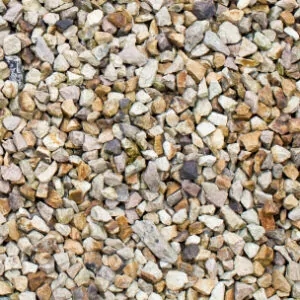
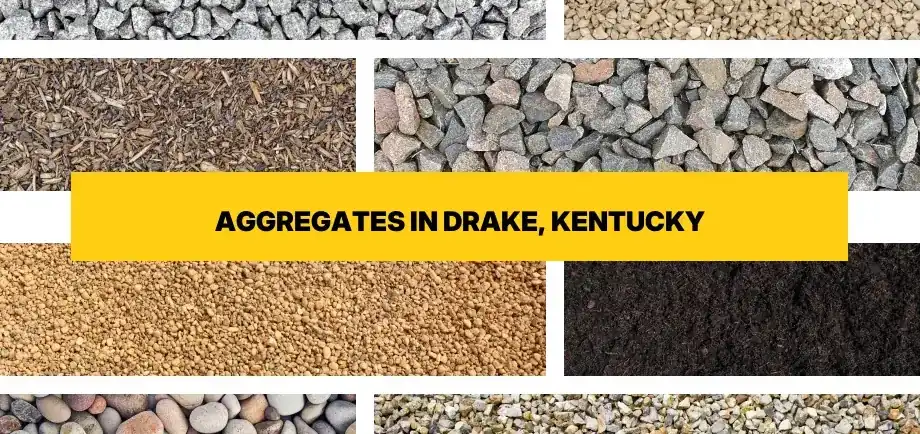
Gravel for Sale in Drake, Kentucky
Local Topsoil, Dirt, Sand, Rocks and Gravel near me in Drake, Kentucky
Shop Aggregates for Delivery in Drake
Order online for free delivery to any Drake address.
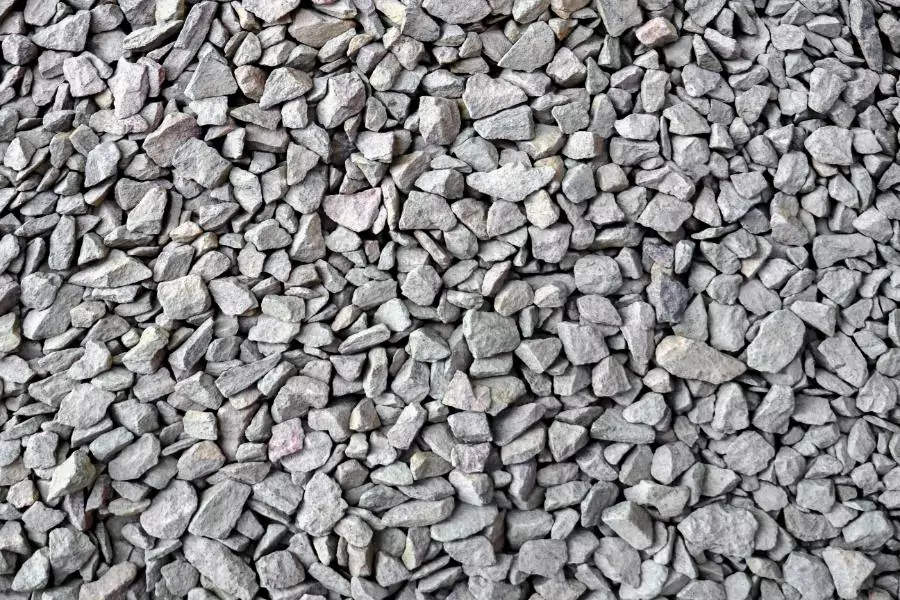
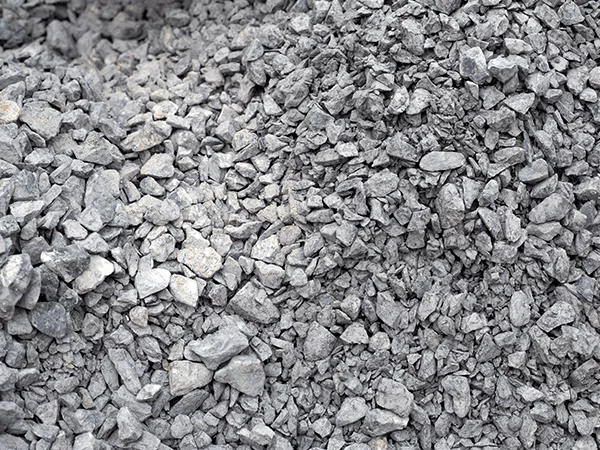


Gravel Monkey is your premier source for premium aggregates and construction materials in Drake, Kentucky. Serving Warren County and the greater south-central Kentucky region, we provide free delivery of high-quality gravel, crushed stone, sand, and specialty materials directly to your property. Whether you're improving a rural road near Barren River Lake, upgrading a farm driveway, or tackling a commercial project, our comprehensive aggregate selection meets the unique demands of Drake's clay soil and variable Kentucky climate.
Complete Aggregate & Material Selection for Drake, KY
Drake property owners trust Gravel Monkey for an extensive inventory of aggregates and construction materials suited to Warren County's specific geological conditions. Our products address the challenges of Kentucky clay soils, seasonal moisture fluctuations, and the need for durable, long-lasting surfaces in both residential and agricultural settings.
- Driveway Gravel - Premium aggregate blend engineered for long rural driveways and heavy equipment access
- 3/4 Inch Crushed Stone - Versatile angular aggregate ideal for bases, drainage, and compaction projects
- #57 Stone - Industry-standard crushed stone for concrete mixes, French drains, and foundation work
- Crusher Run - Superior compactable base material combining stone dust and aggregate for solid foundations
- Road Base - Heavy-duty aggregate for driveway underlayment and rural road construction
- Pea Gravel - Smooth decorative stone for pathways, landscaping, and erosion control
- River Rock - Natural rounded stone for decorative landscaping and water management features
- Walkway Gravel - Attractive aggregate designed specifically for pedestrian paths and garden borders
- Drain Rock - Clean angular stone engineered for maximum water flow in drainage applications
- Crushed Concrete - Eco-friendly recycled aggregate perfect for base layers and cost-effective projects
- Topsoil - Nutrient-rich soil for gardens, lawns, and agricultural applications
- Fill Dirt - Clean earthen material for grading, leveling, and site preparation
- Mason Sand - Fine-grade sand for mortar mixes, paver bases, and masonry work
- Playground Sand - Safe, clean sand meeting playground safety standards
- Washed Sand - Refined sand with fines removed for concrete and specialty applications
- Decomposed Granite - Natural pathway material that compacts firmly and drains excellently
Understanding Drake's Unique Soil and Climate Conditions
Drake sits in the heart of Warren County, an area characterized by the transition between Kentucky's Mississippian Plateau and the Pennyroyal region. This location creates unique challenges for aggregate applications that property owners must address. The predominant soil type throughout Drake and surrounding areas consists of heavy clay content, particularly the Crider-Pembroke soil association that dominates much of Warren County.
These clay-rich soils exhibit significant expansion and contraction with moisture changes, making proper aggregate selection and installation critical for long-term project success. During Drake's wet spring months—when average rainfall reaches 4-5 inches monthly from March through May—these soils become saturated and unstable. Conversely, summer drought periods cause clay soils to crack and shift. This cycle demands aggregates with excellent drainage characteristics and proper base preparation.
Climate Factors Affecting Aggregate Performance in Drake
Drake experiences a humid subtropical climate with hot summers averaging 87°F and cold winters dipping to an average low of 26°F in January. This 60-degree temperature swing creates freeze-thaw cycles that can damage improperly installed aggregates. Annual precipitation averages 52 inches, significantly above the national average, with intense thunderstorms common in spring and early summer.
These weather patterns make moisture management the single most important consideration for Drake aggregate projects. Properties near Barren River experience additional moisture challenges from proximity to the water table. Successful installations require aggregates that promote drainage, prevent water pooling, and resist erosion during heavy rainfall events that frequently occur throughout Warren County.
Choosing the Right Aggregates for Drake Projects
Selecting appropriate materials depends on your specific application, soil conditions, and drainage requirements. Drake's clay soils require thoughtful aggregate selection to ensure longevity and performance across all seasons.
Driveway Construction and Repair
Rural driveways throughout Drake face unique challenges from agricultural equipment, seasonal moisture, and the area's clay foundation. A proper driveway begins with excavating the existing clay soil to a depth of 8-12 inches. This excavation should be lined with geotextile fabric to prevent aggregate mixing with clay beneath.
The base layer typically consists of larger aggregates that provide structural support and drainage. Many Drake contractors prefer a 6-inch layer of larger stone as foundation material. This creates a stable platform that prevents settling and rutting. The middle layer often uses compactable materials that lock together, creating a firm surface that resists washout during Warren County's frequent rain events.
For the final surface, Drake property owners have several options depending on usage and aesthetic preferences. Working driveways supporting farm equipment benefit from aggregates that compact tightly and resist rutting. Residential applications might prioritize a cleaner appearance while maintaining durability. The key throughout Drake is ensuring proper crown—a gentle slope from center to edges—that directs water off the driveway rather than allowing it to pool and penetrate the base.
Drainage Solutions for Clay Soils
Drainage problems plague many Drake properties due to the area's heavy clay content. Surface water that cannot percolate through clay remains on the surface, creating muddy conditions, foundation threats, and landscape erosion. French drains and similar subsurface drainage systems offer effective solutions when constructed with appropriate aggregates.
Successful drainage installations begin with proper excavation following the contour of water flow. The trench bottom should slope consistently toward the discharge point at a minimum grade of 1% (1 inch per 8 feet). Perforated drain pipe sits in a bed of clean stone that allows water to flow freely while preventing clogging from clay particles.
Wrapping the stone layer in drainage fabric prevents clay migration into the aggregate while maintaining water flow. This detail proves especially critical in Drake where fine clay particles easily wash into stone voids. The upper layers can transition to smaller aggregates or be topped with decorative stone for aesthetic purposes while maintaining the drainage function beneath.
Drake Aggregate Comparison Guide
Different aggregates serve distinct purposes in Drake's challenging soil conditions. This comparison helps property owners select materials matching their project requirements and budget considerations.
| Aggregate Type | Best Applications | Drainage Rating | Compaction Level | Clay Soil Performance |
|---|---|---|---|---|
| Crusher Run | Driveway base, road foundation | Good | Excellent | Superior stability |
| 3/4" Crushed Stone | General purpose, drainage layer | Excellent | Very Good | Prevents clay mixing |
| #57 Stone | French drains, concrete aggregate | Excellent | Good | Ideal drainage base |
| Road Base | Heavy traffic areas, foundations | Good | Excellent | Maximum stability |
| Pea Gravel | Decorative, pathways, landscaping | Very Good | Minimal | Surface application only |
| Drain Rock | Drainage systems, foundation drains | Excellent | Fair | Purpose-built drainage |
| Crushed Concrete | Budget base layers, rural roads | Good | Very Good | Cost-effective solution |
| Decomposed Granite | Pathways, patios, natural look | Very Good | Good | Compacts well on clay |
This comparison reflects typical performance in Drake's clay soil conditions. Individual project requirements may vary based on specific site characteristics, intended use, and local drainage patterns. Properties near Barren River or other water features may require additional drainage considerations beyond standard applications.
Serving Drake and Surrounding Warren County Areas
Gravel Monkey provides free delivery throughout Drake and neighboring communities across Warren County. Our service area extends to properties near Barren River Lake, rural roads throughout the countryside, agricultural operations, and residential developments across this region of south-central Kentucky.
We regularly deliver to properties along Highway 185, Drake-Smiths Grove Road, and throughout the rural routes that define this agricultural community. Our drivers know the area well, including seasonal challenges on gravel roads and narrow access points common to Drake farms and rural properties. Whether you're located in the heart of Drake, near Bowling Green to the north, or in the countryside toward Smiths Grove, we ensure timely delivery of quality aggregates to your exact project location.
Drake residents benefit from our knowledge of Warren County's soil conditions, seasonal weather patterns, and construction challenges specific to this region. We understand that many properties require extra attention to drainage, that spring deliveries must account for muddy conditions, and that summer projects should anticipate afternoon thunderstorms. This local expertise ensures your materials arrive when needed and in optimal condition.
Professional Installation Practices for Drake Properties
Proper installation techniques determine whether your aggregate project succeeds or fails in Drake's demanding conditions. These guidelines reflect best practices developed through years of experience in Warren County's clay soils and variable climate.
Site Preparation Fundamentals
Every successful aggregate project begins with thorough site preparation. For Drake properties, this means excavating below the clay layer to reach more stable subsoil or installing proper separation between clay and aggregate. Remove all organic material, topsoil, and loose clay from the installation area. Topsoil and organic matter decompose over time, creating voids that allow aggregate settling and surface failure.
Create positive drainage by establishing proper slope and grade before adding aggregate. Water should flow away from buildings, toward established drainage paths, and never be allowed to pond on the surface. Drake's heavy spring rains will exploit any low spots or improper grading, washing away improperly installed aggregates and creating muddy failures.
Layer Construction and Compaction
Build aggregate installations in distinct layers, compacting each layer before adding the next. This approach creates strength through the entire depth rather than relying on a single thick application. For driveways and parking areas, a 4-inch base layer should be compacted to approximately 3 inches of finished thickness using a plate compactor or roller.
Add subsequent layers in similar lifts, compacting each thoroughly. Attempting to compact 12 inches of aggregate in a single application rarely succeeds—the bottom remains loose while only the top few inches achieve proper density. This weakness shows during Drake's wet seasons when soft spots develop and surfaces rut or wash away.
Drainage Integration
Integrate drainage solutions into every aggregate project on Drake clay soils. This might mean installing French drains along driveway edges, creating swales to direct surface water, or incorporating drainage stone beneath surface aggregates. Clay soils do not allow water to percolate naturally, so you must provide artificial drainage paths.
Consider the entire water management picture for your property. Where does water naturally flow? Where do problems occur after heavy rain? How can your aggregate project improve rather than worsen drainage? Thoughtful planning prevents the common Drake problem of water accumulating behind or beneath aggregate surfaces, causing frost heave in winter and washout during spring storms.
Seasonal Timing for Drake Aggregate Projects
Warren County's distinct seasons create optimal and challenging periods for aggregate work. Understanding these patterns helps Drake property owners schedule projects for maximum success and minimal complications.
Spring Considerations
Spring brings abundant rainfall to Drake, with March through May averaging 4-5 inches monthly. While temperatures warm enough to begin outdoor projects, saturated ground conditions complicate excavation and installation. Clay soils become plastic and unworkable when wet, making proper site preparation nearly impossible during extended rainy periods.
However, spring offers advantages for projects that can work around weather. Contractors have greater availability before the summer rush, and completing projects early allows testing performance through summer storms. Plan spring projects with flexibility for weather delays, and avoid scheduling during historically wet periods in late March and April.
Summer Project Season
Summer represents prime aggregate installation season in Drake. June through August provides consistently dry conditions ideal for excavation, compaction, and installation. Warm temperatures allow aggregates to settle naturally, and any drainage issues reveal themselves during afternoon thunderstorms common to Warren County summers.
Schedule summer projects early in the season for best contractor availability. July and August can see extreme heat that makes labor intensive, though work remains possible. The key advantage is ground conditions—clay soils firm up during summer dry periods, providing stable working surfaces and allowing thorough compaction of aggregate layers.
Fall and Winter Timing
Fall offers a second optimal window for Drake aggregate projects. September and October provide moderate temperatures, generally drier conditions than spring, and ground that remains workable. However, shorter days limit work hours, and contractors fill schedules quickly as property owners rush to complete projects before winter.
Winter aggregate work remains possible during Drake's moderate winters, though freeze-thaw cycles complicate installation. Frozen ground prevents proper excavation, and compaction proves difficult when aggregates freeze. Snow and ice create safety concerns and access problems for delivery trucks. Reserve winter work for emergencies or small repairs rather than major installations.
Frequently Asked Questions About Aggregates in Drake, Kentucky
We deliver a complete range of aggregates including driveway gravel, crushed stone, crusher run, road base, pea gravel, river rock, drain rock, mason sand, playground sand, washed sand, decomposed granite, topsoil, fill dirt, and crushed concrete throughout Drake and Warren County.
Yes! Gravel Monkey offers FREE delivery to Drake and the surrounding Warren County area for all gravel and aggregate material orders. We serve the entire south-central Kentucky region.
For Drake driveways, we recommend 3/4 inch crushed stone or #57 stone as a base layer, with crusher run as an excellent top layer that compacts well in our Kentucky clay soils. The local soil conditions require proper drainage solutions.
Warren County has heavy clay soils that retain moisture and expand during wet seasons. This makes proper base preparation and drainage critical. We recommend using drain rock or #57 stone as a foundation layer before adding your final aggregate surface.
We strive to accommodate same-day delivery requests in Drake when possible. Contact us early in the day to check availability for immediate delivery to your Warren County property.
For Drake drainage issues common with clay soils, we recommend drain rock for French drains, #57 stone for foundation drainage, and crusher run for surface water management. Proper aggregate selection helps combat Kentucky moisture challenges.
Calculate your driveway length times width times depth in feet, then divide by 27 for cubic yards. Most Drake driveways need 4-6 inches of aggregate depth. Our team can help you determine the exact amount for your Warren County property.
Drake sits on heavy clay soils that prevent natural water percolation. Combined with Warren County's 52 inches of annual rainfall, this creates persistent drainage challenges. Proper aggregate selection and installation with integrated drainage prevents water accumulation, surface rutting, and foundation problems common to the area.
Maintaining Aggregate Surfaces in Drake's Climate
Proper maintenance extends the life of aggregate installations and prevents costly repairs. Drake's climate demands attention to specific maintenance practices that address seasonal challenges and clay soil interactions.
Regular Grading and Crown Maintenance
Aggregate driveways and roads require periodic regrading to maintain proper crown and drainage. Heavy rains wash material from high points to low areas, creating ruts and puddles. Plan to regrade aggregate surfaces annually, ideally in late spring after spring rains subside but before summer heat arrives.
Use a box blade or landscape rake to redistribute aggregate, rebuilding crown and filling low spots. Add fresh material to areas showing significant material loss. This maintenance proves especially critical for properties in Drake where clay beneath aggregate surfaces becomes exposed through wear and washing, creating muddy conditions during wet weather.
Managing Vegetation and Organic Growth
Weeds and grass inevitably grow through aggregate surfaces, especially in Drake's humid climate with abundant rainfall. Left unchecked, vegetation breaks down aggregate structure and traps moisture that accelerates deterioration. Apply appropriate herbicides according to label directions, focusing on early spring before weeds establish deep roots.
Alternatively, maintain clean aggregate surfaces through regular mechanical removal or landscape fabric installed beneath surfaces during initial construction. Fabric barriers prevent weed growth from below while allowing proper drainage—a critical consideration for Drake's clay soils that require moisture management.
Addressing Erosion and Washout
Warren County's intense thunderstorms can wash away aggregate from improperly maintained surfaces. Address erosion immediately when noticed—small problems expand rapidly during subsequent storms. Fill washed areas with matching aggregate, then improve drainage to prevent recurrence. This might involve creating swales to direct water, installing French drains to intercept subsurface flow, or regrading to improve surface drainage patterns.
Commercial and Agricultural Aggregate Applications in Drake
Drake's agricultural heritage and growing commercial sector create unique aggregate demands beyond typical residential applications. Farms, commercial operations, and industrial sites require materials that withstand heavy equipment, extreme weather exposure, and intensive use patterns.
Farm and Agricultural Uses
Warren County farms rely on quality aggregates for equipment access, barn approaches, livestock areas, and field entrances. Agricultural applications demand materials that support heavy loads during all weather conditions while providing drainage that prevents muddy barnyard conditions during Drake's wet seasons.
Many Drake farmers prefer larger aggregates that resist embedding in clay soils under tractor and equipment weight. Proper installation with adequate depth and quality base preparation proves essential—agricultural areas see more intensive use than typical driveways. Consider incorporating geotextile fabric beneath aggregate in high-traffic farm areas to prevent mixing with underlying clay and extend surface life.
Commercial and Industrial Applications
Commercial properties throughout the Drake area require aggregates for parking areas, access roads, equipment pads, and material storage areas. These applications often involve heavier loads and more constant traffic than residential driveways, demanding more robust materials and installation techniques.
Industrial sites benefit from aggregates that compact to near-pavement density while maintaining drainage. Proper base preparation becomes even more critical for commercial applications where surface failure creates business disruption and costly repairs. Work with experienced contractors who understand the load requirements and drainage needs specific to commercial aggregate installations in Warren County's challenging soil conditions.
Environmental Responsibility and Sustainability
Modern aggregate practices increasingly emphasize environmental stewardship alongside performance. Drake property owners can make choices that benefit both their projects and the broader Warren County environment.
Erosion and Sediment Control
Proper aggregate installation prevents soil erosion that degrades water quality in nearby Barren River and its tributaries. Stabilizing driveways, access roads, and disturbed areas with appropriate aggregates keeps clay sediments on your property rather than washing into waterways during storms. This benefits both your project and the local environment.
Recycled and Reclaimed Materials
Recycled aggregates like crushed concrete offer environmentally responsible alternatives to virgin materials. These products perform well in many applications while reducing demand for quarried stone. Drake property owners seeking sustainable solutions should consider recycled options for appropriate applications, particularly base layers and utility projects where appearance matters less than performance.
Water Quality Protection
Thoughtful aggregate project design protects groundwater and surface water quality. Avoid allowing sediment-laden runoff from construction sites to enter drainage systems. Use silt fences and sediment barriers during installation. Plan drainage to direct water through vegetated areas that filter sediments before reaching streams or drainage ditches. These practices protect Drake's rural water quality while ensuring project success.
Expert Aggregate Delivery Service Throughout Drake and Warren County
Gravel Monkey combines quality materials, local expertise, and reliable service to support your Drake aggregate projects. Whether you're building a new driveway, solving drainage problems, or maintaining existing surfaces, we deliver the right materials with the knowledge to ensure success in Warren County's challenging conditions.
Our team understands Drake's clay soils, seasonal weather patterns, and the specific aggregate applications that perform best in south-central Kentucky. We're committed to free delivery, quality products, and customer service that makes your project easier from planning through completion. Contact us today to discuss your aggregate needs and discover how Gravel Monkey serves property owners throughout Drake and surrounding Warren County communities.

Need help? Reach out for a quote: