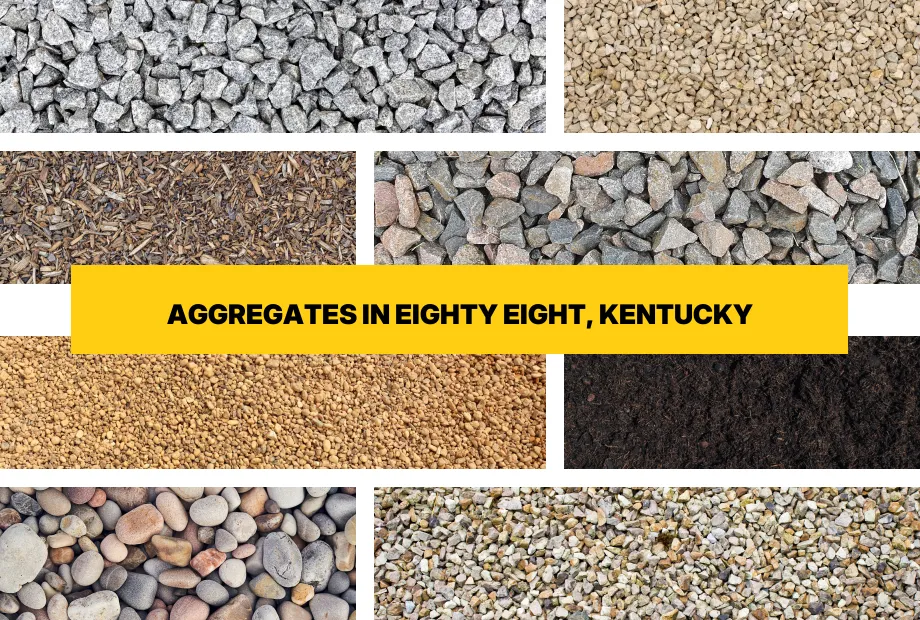
Shop Sand, Stone & Gravel in Eighty Eight, Kentucky
Local Topsoil, Dirt, Sand, Rocks and Gravel near me in Eighty Eight, Kentucky
Shop Aggregates for Delivery in Eighty Eight
Order online for free delivery to any Eighty Eight address.


Gravel Monkey delivers premium aggregates and landscaping materials directly to properties throughout Eighty Eight, Kentucky, and the surrounding Barren County region. Whether you're building a new driveway along the rolling countryside near Skaggs Creek, establishing better drainage for clay-heavy soils, or creating beautiful walkways for your rural property, we provide high-quality stone, gravel, and aggregate supplies with completely free delivery to your location.
Complete Selection of Aggregates Available in Eighty Eight
Our comprehensive inventory serves residential, agricultural, and commercial needs throughout the Eighty Eight area. We understand the unique challenges of working with Kentucky's clay-rich limestone soils and deliver materials that perform exceptionally in local conditions:
- Driveway Gravel - Durable aggregate designed for long-lasting rural and residential driveways
- 3/4 inch Crushed Stone - Versatile limestone aggregate perfect for driveways, foundations, and drainage applications
- #57 Stone - Popular crushed limestone aggregate ideal for French drains, driveway layers, and base material
- Crusher Run - Compactable aggregate blend that creates rock-solid bases for driveways and construction projects
- Road Base - Heavy-duty aggregate for private roads, farm lanes, and high-traffic driveways
- Drain Rock - Essential aggregate for managing water flow and preventing drainage problems
- Pea Gravel - Smooth decorative stone for walkways, patios, and landscaping features
- River Rock - Natural rounded stone in various sizes for garden beds and water features
- Walkway Gravel - Perfectly sized aggregate for comfortable, attractive garden paths
- Crushed Concrete - Eco-friendly recycled aggregate for cost-effective driveway and base projects
- Topsoil - Rich, screened soil for gardens, lawns, and landscaping projects
- Fill Dirt - Quality fill material for grading, leveling, and construction needs
- Mason Sand - Fine-grade sand for masonry work and construction projects
- Playground Sand - Clean, safe sand perfect for play areas and sandboxes
- Washed Sand - Clean sand for concrete mixing and various construction applications
- Decomposed Granite - Natural compacting material for pathways and rustic landscaping
Aggregate Solutions Engineered for Barren County Conditions
Eighty Eight sits in the heart of south-central Kentucky's limestone belt, where the underlying geology creates distinctive challenges for property owners. The area's Mississippian-age limestone bedrock weathers into heavy clay soils that expand when wet and contract during dry periods. This soil characteristic makes proper aggregate selection crucial for any construction or drainage project.
The local climate brings approximately 48 inches of annual rainfall distributed fairly evenly throughout the year, with slightly higher precipitation during spring months. Summer temperatures regularly reach the upper 80s and low 90s, while winter lows dip into the 20s. This freeze-thaw cycle, combined with clay soil expansion, creates significant stress on improperly constructed driveways and foundations.
Properties throughout the Eighty Eight community, from farms along Highway 87 to homes near the Glasgow Road corridor, benefit from properly installed aggregate materials that work with local soil conditions rather than against them. The region's rolling topography and creek drainage patterns require thoughtful water management solutions.
Serving Eighty Eight and Surrounding Barren County Communities
Gravel Monkey proudly delivers aggregates throughout Eighty Eight and nearby areas including:
- Skaggs Creek area - Properties along this scenic waterway that require excellent drainage solutions
- Highway 87 corridor - Rural homes and farms accessing the main thoroughfare
- Glasgow Road vicinity - Residential properties between Eighty Eight and Glasgow
- Cave City direction - Properties northeast toward the Cave City region
- Park City area - Homes and farms in the western portions of Barren County
- Lucas community - Agricultural properties and rural homesteads to the south
- Temple Hill region - Properties accessing this neighboring community
We also serve customers in nearby communities including Glasgow, Cave City, Park City, and throughout central and southern Barren County, ensuring reliable aggregate delivery across the region.
Critical Drainage Solutions for Clay-Rich Kentucky Soils
The predominant clay soils throughout the Eighty Eight area present persistent drainage challenges that proper aggregate installation can effectively address. Clay's low permeability means water moves slowly through the soil profile, leading to surface ponding, basement seepage, and premature driveway failure.
Many properties in the area experience seasonal drainage issues during spring rains and after summer thunderstorms. The clay subsoil acts as a barrier, preventing water from percolating downward naturally. Without intervention, this moisture accumulates around foundations, beneath driveways, and in low-lying areas of the property.
Aggregate Drainage Systems That Work
Effective drainage solutions for Barren County properties typically involve layered aggregate systems. A properly designed French drain using drain rock as the primary aggregate, wrapped in geotextile fabric to prevent clay infiltration, can redirect water away from problem areas. For driveway construction on clay soils, a base layer of crusher run provides stability while an upper layer of #57 stone facilitates water movement through the structure.
Properties near Skaggs Creek and other water features may require more extensive drainage planning. The gentle slopes common throughout the area mean water doesn't run off quickly, making aggregate-based drainage systems essential for long-term property protection.
Building Superior Driveways on Kentucky Clay
Driveway construction on Eighty Eight's clay soils demands more than simply spreading gravel on the ground. The expansive nature of local clay means that without proper base preparation and aggregate selection, driveways quickly develop ruts, potholes, and drainage problems.
Successful driveway projects in the area start with understanding soil behavior. During wet periods, clay becomes slippery and loses bearing capacity. In drought conditions, it hardens and cracks. The key to durable driveway construction lies in creating a stable aggregate base that remains unaffected by moisture changes in the underlying soil.
Recommended Driveway Aggregate Layers
For long-lasting driveways on properties along Glasgow Road or Highway 87, we recommend a multi-layer approach. Begin with proper excavation to remove topsoil and reach stable subgrade. Install geotextile fabric to separate the native clay from your aggregate base. The first layer should be road base or crusher run, compacted to create a solid foundation. This base layer typically needs 4-6 inches of thickness.
Over the compacted base, add a layer of 3/4 inch crushed stone or driveway gravel. This layer provides the driving surface while allowing water to drain through to the base layer below. Total aggregate depth of 6-8 inches works well for most residential applications, while farm lanes and commercial entrances may require 10-12 inches of total depth.
| Aggregate Type | Best Applications | Drainage Quality | Compaction | Cost Factor |
|---|---|---|---|---|
| Crusher Run | Driveway base, building foundations, stable platforms | Good | Excellent | Moderate |
| #57 Stone | Drainage systems, driveway layers, French drains | Excellent | Good | Moderate |
| 3/4" Crushed Stone | Driveways, pathways, general construction | Very Good | Very Good | Moderate |
| Road Base | Heavy traffic areas, farm lanes, private roads | Good | Excellent | Moderate-High |
| Drain Rock | Foundation drainage, water management, French drains | Excellent | Fair | Moderate |
| Pea Gravel | Walkways, decorative landscaping, patio areas | Good | Poor | Moderate-High |
| Crushed Concrete | Farm lanes, temporary roads, budget driveways | Good | Very Good | Low |
| River Rock | Garden beds, water features, decorative borders | Fair | Poor | High |
Aggregate Solutions for Barren County Farms and Rural Properties
Agriculture remains vital to the Eighty Eight area economy, and farms throughout the region rely on quality aggregates for numerous applications. Farm lanes connecting fields to main roads need durable surfaces that withstand heavy equipment traffic during all seasons. Barn pads, equipment storage areas, and livestock facilities all benefit from proper aggregate installation.
Cattle operations particularly benefit from well-constructed aggregate pads around feeding areas, gates, and watering stations. These high-traffic zones quickly become mud wallows without adequate aggregate surfacing. Road base or crusher run creates firm footing that protects animal health and makes farm management easier during wet weather.
Grain storage facilities, equipment sheds, and other agricultural buildings need properly prepared sites. A solid aggregate base prevents settling, manages moisture, and provides clean access year-round. Many farms near Lucas and Temple Hill use crushed concrete for cost-effective farm lane construction, reserving premium aggregates for areas needing finer surfaces.
Decorative Stone and Landscaping Aggregates
Beyond functional applications, many Eighty Eight property owners use decorative aggregates to enhance their landscapes. River rock creates beautiful borders around flower beds and provides attractive mulch alternatives that don't decompose. The natural rounded appearance complements Kentucky's rural aesthetic while requiring virtually no maintenance.
Pea gravel works wonderfully for garden pathways, patio bases, and around outdoor living spaces. Its smooth texture makes it comfortable for walking barefoot, while its excellent drainage prevents puddles on walkways. Many homeowners combine pea gravel with larger river rock to create visual interest in landscaped areas.
Walkway gravel offers another attractive option for garden paths and informal walking trails around rural properties. This carefully sized aggregate compacts enough to stay in place while maintaining permeability that prevents water accumulation. Properties with extensive gardens or walking areas throughout the landscape find this material ideal for creating defined paths.
Decorative Applications Throughout Your Property
Decomposed granite has gained popularity for natural-looking pathways and patios. This material compacts firmly enough to create a stable surface while maintaining a softer, more organic appearance than crushed stone. It works particularly well for properties seeking a more rustic aesthetic that blends with the surrounding countryside.
Garden bed borders using river rock not only look attractive but also help retain moisture in the soil beneath while preventing weed growth. The stone absorbs heat during sunny days and radiates warmth during cool nights, extending the growing season slightly for plants near the rock borders.
Soil Amendments and Topsoil for Kentucky Gardens
While aggregates form the foundation for many projects, successful gardening in Eighty Eight's clay-heavy soils often requires quality topsoil amendments. The native clay, while fertile, benefits greatly from organic matter additions and occasionally from complete topsoil replacement in raised beds and garden areas.
Our screened topsoil provides an excellent growing medium for lawns, gardens, and landscaping projects. When spread over existing clay and tilled in, topsoil improves drainage, increases air pore space, and makes nutrients more available to plant roots. New lawn installations throughout the area perform dramatically better when 2-4 inches of quality topsoil is incorporated into the planting area.
Fill dirt serves different purposes, providing clean material for grading, filling low areas, and raising planting beds above poorly drained clay soils. Many properties along the creek drainages use fill dirt to create elevated building sites or to improve yard drainage patterns. Unlike topsoil, fill dirt compacts well and provides stable platforms for construction.
Sand Applications in Construction and Landscaping
Mason sand finds frequent use in brick and block laying projects throughout the area. Its fine particle size creates smooth mortar that spreads easily and forms strong bonds. Local contractors and DIY builders rely on quality mason sand for professional results in masonry work.
Playground sand creates safe, clean play areas for families throughout the Eighty Eight community. Unlike regular sand or dirt, playground sand is specifically processed to remove debris and ensure child safety. Parents appreciate knowing their children's play area uses quality materials designed for the purpose.
Washed sand serves as a key ingredient in concrete mixing and various construction applications. Its clean, consistent particle size ensures proper concrete strength and workability. Contractors working on foundations, sidewalks, and other concrete projects depend on quality washed sand for reliable results.
Seasonal Planning for Aggregate Projects in Eighty Eight
Kentucky's four-season climate affects timing for aggregate projects. Spring brings unpredictable weather, with warm days followed by cold snaps that can complicate ground preparation. However, spring remains popular for project starts because completed work has the entire growing season to settle and stabilize before winter.
Summer offers the most reliable weather for aggregate installation. The warm, generally dry conditions allow excellent compaction and the ground has maximum bearing capacity. However, summer also brings intense thunderstorms that can temporarily delay work. Projects started in early summer typically reach completion before the hottest weather arrives.
Fall provides another excellent window for aggregate work. Cooler temperatures make outdoor work more comfortable, and the soil remains workable through October and often into November. Fall projects have the advantage of settling over winter, with any minor adjustments easily made in spring.
Winter projects are possible during mild periods but come with risks. Frozen ground prevents proper compaction, and freeze-thaw cycles can damage fresh installations. Most contractors and property owners in the area schedule winter for planning and spring through fall for installation.
Why Eighty Eight Property Owners Choose Gravel Monkey
Gravel Monkey has built our reputation on reliable aggregate delivery throughout Barren County and south-central Kentucky. We understand that rural property owners need suppliers who deliver when promised, provide accurate quantities, and offer quality materials that perform as expected in local conditions.
Advantages of Working with Gravel Monkey
- Free Delivery - No delivery charges to Eighty Eight and surrounding areas, making project budgeting straightforward
- Quality Materials - Consistent aggregate sizes and compositions that meet or exceed industry standards
- Local Knowledge - Understanding of Barren County soil conditions and climate challenges
- Accurate Quantities - Professional estimation help ensures you order the right amount for your project
- Wide Selection - Complete inventory of crushed stone, gravel, sand, and soil products
- Reliable Scheduling - Dependable delivery timing that respects your project schedule
- Expert Advice - Guidance on material selection for your specific application and site conditions
Whether you're building a quarter-mile farm lane, installing a residential driveway, creating French drains around your foundation, or beautifying your landscape with decorative stone, Gravel Monkey provides the aggregates you need with the service you deserve. Our commitment to customer satisfaction shows in every delivery we make throughout the Eighty Eight area.
Planning Your Aggregate Project in Eighty Eight
Successful aggregate projects begin with careful planning. Understanding your site conditions, project requirements, and material needs leads to better results and fewer surprises. Here are key considerations for property owners throughout the Eighty Eight area.
Site Evaluation Steps
Start by assessing your existing soil and drainage conditions. Walk your property during and after rainfall to identify where water accumulates and flows. Clay soil areas that stay soft and wet require more aggressive drainage solutions than naturally well-drained sites. Properties with slopes need careful consideration of erosion potential and water velocity.
Measure your project area carefully. For driveways, note the total length, width, and any turnouts or parking areas. Calculate the square footage, then determine the depth of aggregate needed based on project type. Residential driveways typically need 6-8 inches total depth, farm lanes may require 10-12 inches, and decorative applications might need only 2-3 inches.
Material Quantity Calculations
Aggregate quantities are typically calculated in cubic yards. To find cubic yards, multiply length times width times depth (all in feet), then divide by 27. For example, a driveway 100 feet long by 12 feet wide by 0.5 feet deep equals 600 cubic feet, divided by 27 equals 22.2 cubic yards. Always order slightly more than calculated to account for compaction and irregularities.
Different aggregates have different coverage rates due to varying compaction characteristics. Crusher run compacts significantly, so you may need more than initially calculated. Pea gravel and river rock compact less but can shift at the edges, so additional material helps maintain proper coverage. Our team can help you calculate quantities based on your specific project and chosen materials.
Aggregate Installation Best Practices for Barren County Properties
Proper installation techniques significantly impact the longevity and performance of aggregate projects. These proven methods work well in Eighty Eight's soil and climate conditions.
Site Preparation
Remove existing topsoil, vegetation, and debris from the project area. Topsoil contains organic matter that decomposes and creates voids beneath your aggregate. Grade the subsoil to establish proper drainage slope—generally 2% grade (1/4 inch per foot) ensures water movement without erosion.
For clay soils, consider installing geotextile fabric between the native soil and your aggregate layers. This fabric prevents clay from migrating up into your aggregate while allowing water to drain downward. The fabric dramatically extends the life of driveways and other installations on clay soils.
Compaction Techniques
Proper compaction transforms loose aggregate into a solid, stable surface. For base layers like crusher run or road base, use a plate compactor or roller to achieve maximum density. Compact in 3-4 inch lifts rather than attempting to compact greater depths at once. Each lift should be compacted thoroughly before adding the next layer.
Moisture content affects compaction significantly. Aggregate should be slightly damp—not wet or dry—for optimal compaction. In Kentucky's humid climate, this moisture level usually occurs naturally, but during dry spells, light water application may improve compaction results.
Final surface layers may require less aggressive compaction. Driveway gravel and crushed stone benefit from initial compaction but will continue to compact naturally under traffic. Decorative materials like pea gravel and river rock should be spread evenly but need minimal compaction to maintain their attractive appearance.
Maintaining Your Aggregate Installations
Well-installed aggregate projects require minimal maintenance but benefit from occasional attention. Understanding simple maintenance practices helps preserve your investment and extends the life of driveways, walkways, and drainage systems.
Driveway Maintenance
Grade aggregate driveways annually or as needed to maintain proper crown and drainage. A driveway grader or even a landscaping rake can redistribute material from the sides back to the center, maintaining the crowned profile that sheds water. Address potholes and ruts promptly by filling with matching aggregate and compacting well.
Add fresh aggregate every few years as the existing material compacts and some stone breaks down into fines. A 1-2 inch layer of new material every 3-5 years keeps the surface fresh and maintains proper depth. This maintenance layer costs far less than complete driveway reconstruction.
Drainage System Maintenance
French drains and other aggregate-based drainage systems require periodic inspection. Check that outlet points remain clear and water flows freely. Remove accumulated leaves and debris from surface grates or catch basins. If drainage performance declines, the system may need cleaning or the addition of new drain rock to restore capacity.
Landscaped areas with decorative stone need occasional refreshing. Pea gravel and river rock can migrate from original placements, requiring raking back into position. Adding small amounts of fresh stone maintains proper depth and appearance. Remove any leaves, seed pods, or organic debris that accumulates in decorative stone areas.
Frequently Asked Questions About Aggregates in Eighty Eight
For the clay-rich soils common throughout Barren County, we recommend a two-layer system. Use crusher run or road base for the foundation layer, compacted to 4-6 inches. Top with 3/4 inch crushed stone or #57 stone for a 2-3 inch driving surface. This combination provides stability, drainage, and long-lasting performance on expansive clay soils.
Residential driveways typically need 6-8 inches of total aggregate depth over properly prepared subgrade. Farm lanes and heavy equipment access roads may require 10-12 inches. The specific depth depends on soil conditions, expected traffic, and vehicle weights. Properties with particularly poor drainage may benefit from additional depth or enhanced base preparation.
Absolutely! We deliver throughout Barren County including rural areas surrounding Eighty Eight, properties along Highway 87, Glasgow Road, and farms near Skaggs Creek, Lucas, and Temple Hill. Our free delivery covers the entire service area, so remote locations pay the same price as in-town addresses.
Measure your project area's length and width in feet, then determine the desired depth in feet (for example, 6 inches equals 0.5 feet). Multiply length times width times depth, then divide by 27 to convert to cubic yards. For a 100-foot by 12-foot driveway at 6 inches deep: 100 x 12 x 0.5 = 600 cubic feet, divided by 27 equals 22.2 cubic yards. Our team can verify your calculations and recommend ordering slightly extra to account for compaction.
Yes, crushed concrete works well for farm lanes, utility driveways, and budget-conscious projects. It compacts firmly and provides good stability. Many area farmers use crushed concrete for field access roads and equipment storage areas. For residential driveways where appearance matters more, traditional crushed stone or driveway gravel offers a more refined look, but crushed concrete provides excellent functional performance at lower cost.
#57 stone consists of uniformly sized aggregate approximately 3/4 to 1 inch in diameter. The uniform size creates excellent drainage and works perfectly for French drains and drainage layers. 3/4 inch crushed stone includes a range of sizes from 3/4 inch down to fines, which allows better compaction and interlocking. For driveway surfaces, 3/4 inch crushed stone compacts better, while #57 stone excels in drainage applications.
For the clay soils prevalent in the Eighty Eight area, geotextile fabric provides significant benefits. The fabric creates a separation barrier that prevents clay from migrating into your aggregate while allowing water to drain through. This dramatically extends driveway life and reduces maintenance needs. While fabric adds some cost, the long-term benefits make it worthwhile for most properties with clay subsoils.
Late spring through early fall offers optimal conditions. The ground is workable, compaction equipment operates efficiently, and new installations have time to settle before winter. We deliver year-round, but avoid installation during heavy rain periods or when ground is frozen. Summer and early fall provide the most reliable weather windows for project completion.
Get Started with Your Eighty Eight Aggregate Project
Whether you're planning a new driveway for your rural property, improving drainage around your foundation, or beautifying your landscape with decorative stone, Gravel Monkey provides the quality aggregates and reliable delivery service your project deserves. Our extensive selection ensures you'll find exactly the right material for your specific application and local conditions.
Contact Gravel Monkey today to discuss your project needs. Our knowledgeable team understands Barren County soil conditions and can recommend the best aggregate solutions for your property. With free delivery throughout the Eighty Eight area and competitive pricing on all materials, we make it easy to get the aggregates you need when you need them.

Need help? Reach out for a quote: