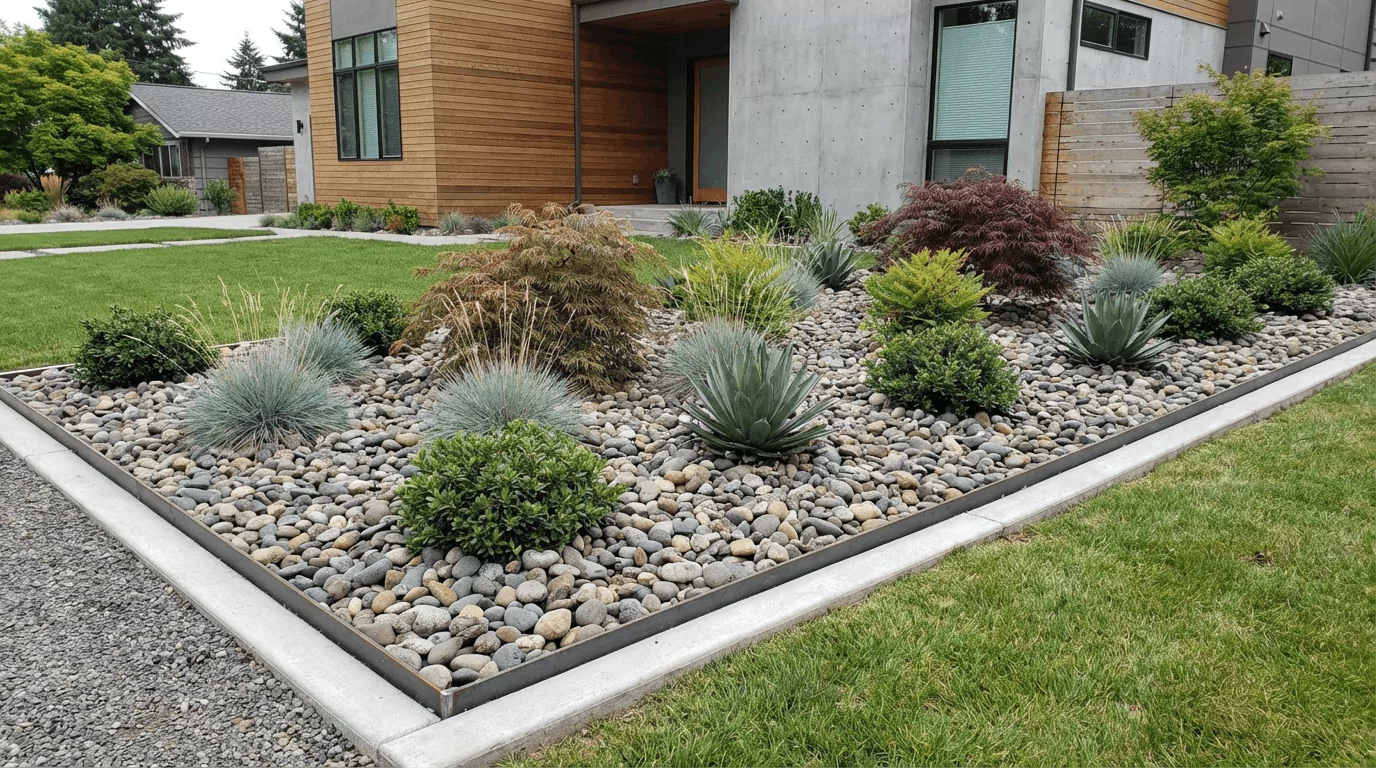
Pea Gravel vs River Rock: Appearance, Cost, and Maintenance Compared
Choosing between pea gravel and river rock looks simple on the surface. Both are natural stone, both are common in landscaping, and both are marketed as low-maintenance solutions. But once installed, they behave very differently. This pea gravel vs river rock comparison breaks down how these materials actually perform in real conditions, focusing on appearance, cost, drainage behavior, maintenance demands, and long-term practicality.
Key Takeaways
- Pea gravel and river rock differ more in behavior than in appearance.
- Stone size and weight determine stability, drainage, and maintenance.
- Pea gravel costs less upfront but requires frequent upkeep.
- River rock costs more initially but stays in place long term.
- The right choice depends on use, traffic, and tolerance for maintenance.
Pea Gravel vs River Rock: What Each Material Really Is
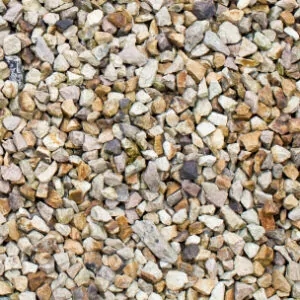
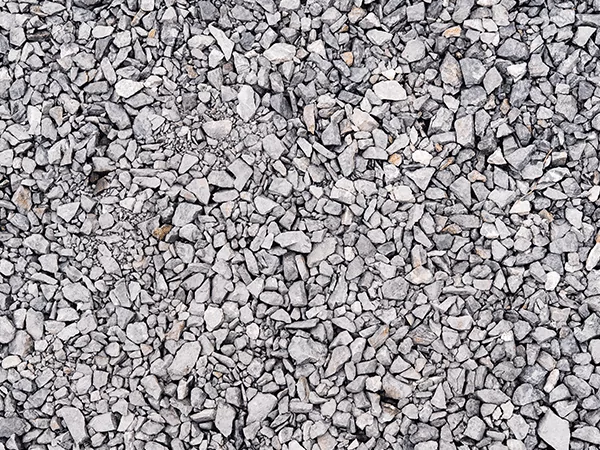
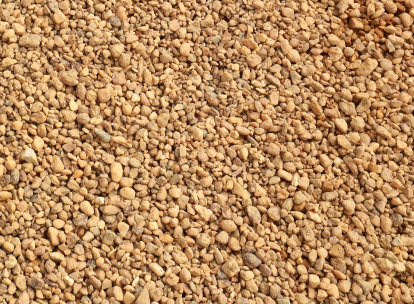
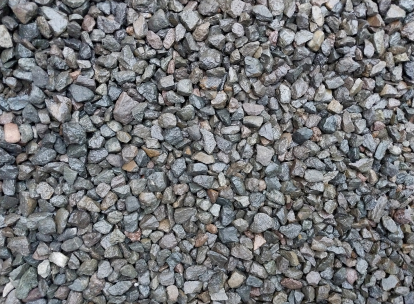
Understanding the origin and structure of each material explains most of the performance differences in the pea gravel vs river rock comparison. Pea gravel consists of small, rounded stones, usually around 3/8 inch in diameter. The stones are smooth, uniform, and lightweight. They are naturally weathered or mechanically rounded to remove sharp edges, which makes them comfortable underfoot but also easy to displace. River rock is also rounded by water, but the stones are much larger and heavier. Sizes commonly range from about 1 inch to over 3 inches, often mixed together. River rock forms in natural waterways, where long-term water movement hardens the stone and smooths its surface.
That size difference drives nearly every performance gap between pea gravel and river rock.

Pea Gravel vs River Rock: Appearance and Design Impact
Visually, both materials are attractive, but they communicate very different styles. Pea gravel creates a uniform, consistent surface. Because the stones are small and similar in size, the finished area looks clean and controlled. This makes pea gravel popular in modern landscapes, minimalist gardens, and spaces where symmetry matters. River rock produces a more organic, layered look. Mixed sizes and natural color variation create texture and depth. It feels less designed and more natural, which works well in rustic landscapes, dry creek beds, and areas meant to blend into the environment.
In the pea gravel vs river rock appearance debate, pea gravel feels refined while river rock feels natural and expressive.
Pea Gravel vs River Rock: Cost Beyond the Price Tag
At first glance, pea gravel usually appears to be the cheaper option. Pea gravel typically costs less per ton and is easier to transport and spread. Installation is faster and requires less labor, especially for large areas. River rock costs more due to weight, sourcing, and transport. Installation is slower and more physically demanding, which increases labor costs. However, long-term costs tell a different story. Pea gravel shifts constantly, requiring re-leveling, edge cleanup, and periodic refilling. River rock stays in place and rarely needs replacement once installed correctly.
In a long-term pea gravel vs river rock cost comparison, river rock often delivers better value despite the higher upfront investment.
Pea Gravel vs River Rock: Maintenance Reality
Maintenance is where expectations and reality often collide. Pea gravel moves easily. Foot traffic, pets, rainfall, and even wind gradually push stones outward. Gravel migrates into lawns, collects at borders, and thins out in high-traffic areas. Regular raking and periodic topping off are unavoidable. River rock is heavy enough to resist movement. Once set over fabric with proper edging, it stays where it belongs. Maintenance usually involves clearing leaves or debris rather than repositioning stone. From a maintenance standpoint, the pea gravel vs river rock difference is dramatic.
Pea gravel demands regular attention, while river rock allows long periods of neglect without visible change.

Pea Gravel vs River Rock for Drainage Performance
Drainage is one of the most misunderstood parts of this comparison. Pea gravel drains well at first. Water flows easily between the stones, making it suitable for short-term drainage solutions. Over time, however, sediment and organic debris settle into the small gaps. Without maintenance, permeability declines. River rock maintains drainage performance much longer. Larger voids between stones resist clogging and allow consistent water flow even after years of exposure.
When comparing pea gravel vs river rock for drainage, river rock is the more reliable long-term solution, especially around foundations, downspouts, and erosion-prone areas.
Pea Gravel vs River Rock: Comfort Underfoot
Comfort matters more than many people expect. Pea gravel is comfortable to walk on. The small, rounded stones shift gently underfoot and do not cause pressure points. This makes pea gravel popular for patios, paths, seating areas, and dog runs. River rock is not foot-friendly. Larger stones create uneven footing and can feel unstable or uncomfortable.
Walking barefoot or standing for long periods is not ideal. In the pea gravel vs river rock comfort comparison, pea gravel clearly wins for human and pet use.
Pea Gravel vs River Rock: Stability and Movement
Stability is the biggest functional difference. Pea gravel behaves almost like a fluid under pressure. It spreads, shifts, and redistributes constantly. This makes it unsuitable for slopes, edges without containment, or areas exposed to heavy runoff. River rock resists movement due to size and weight. It remains stable during storms and holds position on slopes when installed correctly.
If movement control matters, the pea gravel vs river rock decision favors river rock strongly.
Pea Gravel vs River Rock: Best Applications Compared
Pea gravel works best in areas where comfort and appearance matter more than permanence. Typical uses include garden paths, patios, play areas, and dog runs. River rock excels where stability and drainage are priorities. Common uses include decorative beds, dry creek beds, erosion control, drainage channels, and foundation protection.
Using the wrong material often leads to frustration and added costs in the pea gravel vs river rock decision.
Pea Gravel vs River Rock: Installation Differences That Matter
Installation plays a major role in long-term performance. Pea gravel requires strong edging to prevent spread and frequent re-leveling to maintain depth. Without containment, it migrates quickly. River rock requires more base preparation and physical effort to install, but needs far less adjustment afterward. Skipping landscape fabric with either material leads to weed growth and sinking, regardless of stone type.
Pea Gravel vs River Rock: Climate and Weather Behavior
Weather amplifies differences quickly. Pea gravel scatters during heavy rain and snow removal. Freeze-thaw cycles can push stones outward and thin coverage. River rock withstands weather extremes better. Its weight prevents washout and reduces frost movement.
In regions with heavy rain or snow, pea gravel vs river rock comparisons usually favor river rock for durability.

Pea Gravel vs River Rock: Environmental Perspective
Both materials are natural and reusable. Pea gravel is easier to remove and reuse, but tends to spread into the surrounding soil. River rock stays contained but requires more fuel to transport due to its weight. Environmental impact depends more on sourcing and installation quality than on stone type.
Pea Gravel vs River Rock: Long-Term Value
Short-term savings often lead to long-term maintenance. Pea gravel looks good initially, but demands ongoing effort. River rock costs more at installation but delivers consistency over time. From a lifecycle standpoint, the pea gravel vs river rock comparison often favors river rock for permanent features and pea gravel for flexible, comfort-focused spaces.
Frequently Asked Questions
Is pea gravel or river rock better for drainage?
When comparing pea gravel vs river rock for drainage, river rock performs better long term because larger gaps resist clogging.
Which is cheaper, pea gravel or river rock?
Pea gravel is cheaper upfront, but river rock often costs less over time due to lower maintenance.
Can pea gravel be used on slopes?
Pea gravel is not ideal for slopes because the small, rounded stones shift easily under gravity, foot traffic, and rainfall. On inclines, the gravel tends to migrate downhill over time, leading to thin spots at the top and buildup at the bottom unless heavy edging or containment is used.
Is river rock good for walkways?
River rock is generally not a good choice for walkways because the larger stones create an uneven surface that can feel unstable and uncomfortable to walk on. It works much better in decorative areas or drainage features where foot traffic is minimal.
Which lasts longer, pea gravel or river rock?
River rock typically lasts longer because its larger, heavier stones resist movement from foot traffic, rain, and seasonal weather. Once installed, river rock tends to stay in place for years with very little maintenance beyond occasional debris removal.
Pea gravel is also made from durable stone, but its small size and light weight cause it to shift over time. Stones gradually spread, collect at edges, or thin out in frequently used areas, which usually requires re-leveling and periodic refilling. With consistent maintenance, pea gravel can last, but it demands more ongoing effort.
For long-term durability with minimal upkeep, river rock generally outperforms pea gravel.
How to Choose Between Pea Gravel and River Rock
Ask yourself:
- Will people walk or sit on it regularly?
- Is drainage a critical function?
- Is drainage a critical function?
- How much maintenance is acceptable?
- Is long-term stability a priority?
These answers make the pea gravel vs river rock decision straightforward.