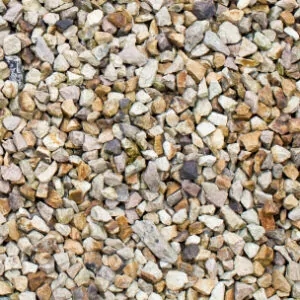

Shop Sand, Stone & Gravel in Panola, Texas
Local Topsoil, Dirt, Sand, Rocks and Gravel near me in Panola, Texas
Shop Aggregates for Delivery in Panola
Order online for free delivery to any Panola address.
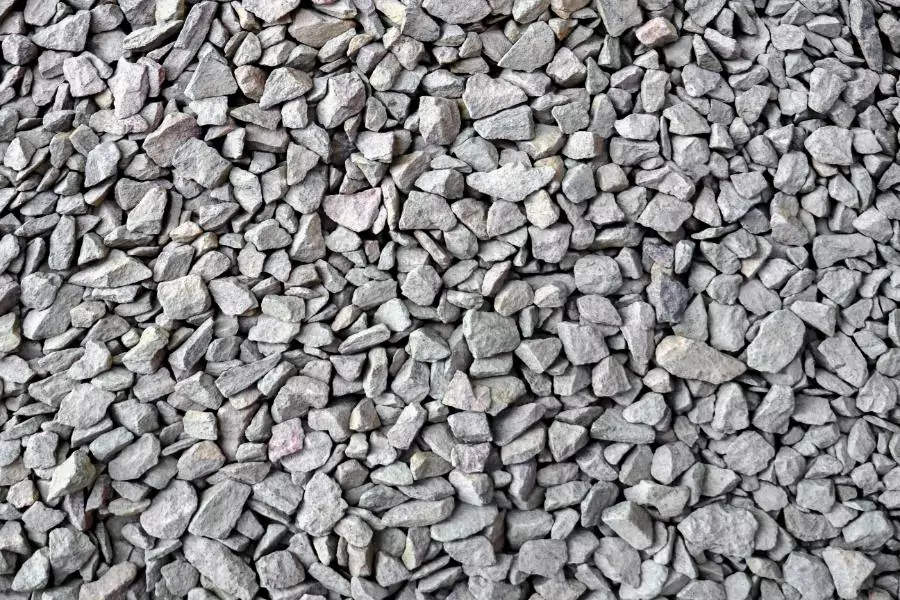
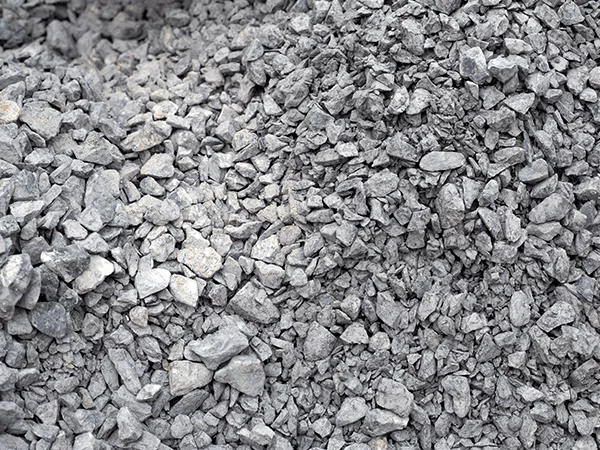


Panola, Texas sits in the Piney Woods region of East Texas, where rolling forested land, fertile bottomlands and a humid subtropical climate create specific demands for site materials. Whether you are rebuilding a rural driveway outside of Carthage, hardscaping a patio near Lake Murvaul, preparing a foundation in Beckville, or laying a crushed stone base for a small commercial parking area off US 79, choosing the right aggregates and scheduling reliable delivery matters. Our Panola aggregate services combine local knowledge of soil types, rainfall patterns, and seasonal constraints with a full catalog of products to help homeowners, contractors, and municipal crews complete projects efficiently.
Across neighborhoods and districts such as downtown Carthage, the Southside and Northside residential areas, the historic courthouse square, the US 59 corridor, the FM 31 rural stretches, the Lake Murvaul recreational zone, and smaller communities like Beckville, Tatum, Gary, Clayton and Gallatin, we deliver consistent materials that perform in East Texas conditions. Panola's reputation as part of the Piney Woods region means frequent rainfall, rich soils and tree-rooted sites; our team understands how aggregates behave under these real-world factors.
Premium Aggregates Available for Panola Delivery
Gravel and Crushed Stone Products
For structural bases and heavy use areas in Panola, we recommend engineered crushed stone and road base products that compact well and shed water. A common structural choice across the county is 3/4 inch Crushed Stone, which creates a stable foundation for driveways, sidewalks and parking pads. When drainage and load-bearing are both concerns, combining graded materials like road base with compactible fines tends to produce the best long-term results on the local clay-loam soils.
Another versatile option is Crusher Run, which contains a mix of stone and stone dust that locks together under compaction. For heavier access roads and municipal work we supply Road Base that meets DOT tolerances and holds up to the humid East Texas climate. Where sustainability and cost management are priorities, Crushed Concrete offers a recycled alternative that performs similarly to virgin base materials and reduces demand on natural resources.
Driveway and Pathway Materials
Choosing the right surface aggregate for a Panola driveway depends on mobility needs, maintenance tolerance and aesthetic goals. For long rural drives off County Road and FM routes many property owners select Driveway Gravel blended for traction and wear resistance. In tighter landscape contexts such as garden paths and small yard walkways, Walkway Gravel is finer, easier to level and kinder to bare feet while still resisting rutting when installed over proper base material.
Decomposed granite and pea-sized surfaces also provide distinct finishes: for compact, permeable surfaces that integrate with planting beds we recommend Decomposed Granite and Pea Gravel, each giving a different texture and long-term maintenance profile. Walkways near historic districts or the courthouse square often favor decomposed granite for its rustic look and permeability.
Decorative Stone and River Rock
For curb appeal, erosion control around swales and to accent drainage features we stock a range of decorative stones. Smooth, rounded River Rock provides an upscale accent around beds and ponds and resists channeling in high-flow areas. When homeowners want a uniform decorative surface for patios or play areas, Pea Gravel is a popular choice because it compacts moderately and looks tidy in garden settings.
We also carry angular decorative gravels and specialty blends that match the warm red and brown tones preferred across East Texas homes along US 59 and near the historic downtown neighborhoods. Decorative aggregates can be paired with edging, pavers or stabilizers to reduce migration and minimize weed growth.
Drainage Solutions for Panola's clay-loam soil
Benefits of Proper Drainage Aggregates
Panola County's typical soil profile—dominantly clay-loam with pockets of sandy loam along creek corridors and alluvial deposits near streams—can retain water and lead to surface runoff or saturated subgrades. Using the right drainage aggregates is crucial to protecting structures, roadbeds and landscaped areas from erosion and settlement.
- Improved subsurface drainage reduces frost and heave risk in winter and long-term settlement during wet summers.
- Routing water away from foundations and low spots preserves pavement life and minimizes maintenance.
- Using coarse aggregates in French drains and swales increases filtration and prevents clogging from silts common in East Texas soils.
- Proper drainage materials can protect tree roots in established neighborhoods like the historic districts around Carthage while allowing adequate oxygen exchange.
For lined swales, French drains and pipe surrounds we recommend open-graded materials such as Drain Rock and larger clean stone options like #57 Stone. These options keep perforated pipe free-flowing and maintain capacity through Panola's frequent rain events.
Soil Products and Fill Materials
Site correction and grading work around Panola often requires dependable soil products. We supply screened Topsoil that is useful for final planting beds, lawn restoration in the Southside and Northside neighborhoods, and re-topdressing around new trees planted near Lake Murvaul. Our topsoil mixes are tested for organic content and texture so they support quick establishment of turf and native plantings in the Piney Woods climate.
For structural fills, backfill behind foundations, or to raise low-lying parcels along FM 1970 and rural County Road sections we deliver clean Fill Dirt. This material is screened to minimize organic content and settlement, and it is commonly used on job sites ranging from small backyard projects in Clayton to larger grading efforts near county facilities in Carthage.
Contractors working in the US 79 corridor, around Bakertown, or in outlying areas like Queen City and Gallatin often pair fill dirt with compactible base products to create reliable platforms for construction of garages, barns and agricultural outbuildings. Proper sequencing—fill placement, compaction, followed by base installation—reduces callbacks and long-term maintenance costs.
Sand Products for Every Panola Application
We stock multiple sands tailored to different job demands throughout Panola County. For masonry work and mortar mixes, Mason Sand is our recommended fine, uniformly graded product that helps mortars and stuccos achieve proper bonding and finishing. Mason sand is a common requirement for restoration work around historic courthouse facades and masonry repairs in the downtown Carthage area.
Play areas, schools and childcare centers in Beckville and Tatum regularly opt for Playground Sand which meets safety and cushioning expectations while draining well and resisting compaction that might otherwise create hard spots. Playground sand also works well for leveling undersets and small drainage basins where a fine, clean fill is desirable.
For concrete batching and projects requiring clean granular material free of fines, Washed Sand is the go-to choice. Washed sand reduces issues with inconsistent water demand and provides predictable strength development in pours for driveways, sidewalks, and structural concrete work around Panola properties.
| Sand Type | Best Applications | Texture | Common Uses in Panola |
|---|---|---|---|
| Mason Sand | Masonry, stucco, mortar mixes | Fine, uniform | Historic courthouse repairs, brickwork in downtown Carthage |
| Playground Sand | Play areas, schools, cushioning | Medium-fine, soft | Beckville and Tatum school play areas, daycare yards |
| Washed Sand | Concrete batching, bedding, drainage layers | Clean, coarse to medium | Driveway pours, sidewalk repairs, utility bedding across Panola |
Choosing the Right Aggregates for Your Panola Project
Deciding on specific aggregates in Panola hinges on intended use, budget, and local conditions. Aggregates serve distinct roles: finer materials create walkable surfaces and decorative finishes, mid-sized crushed stones are excellent for base layers and structural support, and larger stones are reserved for drainage and erosion control. We help landowners in neighborhoods from the courthouse area to the rural stretches off FM roads select the right combination of products to minimize maintenance and maximize longevity.
For heavier loads, such as commercial parking pads along US 59 or agricultural access roads servicing timber operations near the Piney Woods, combining Crusher Run as a subbase with a wearing course of 3/4 inch Crushed Stone or Driveway Gravel yields a durable assembly that manages Panola's moisture effectively. For drainage emphasis, layering #57 Stone over a geotextile with perimeter culverts helps clear stormwater during heavy spring and fall rains.
| Aggregate Type | Best Applications | Size Range | Drainage Rating | Compaction |
|---|---|---|---|---|
| 3/4 Crushed Stone | Driveway wearing course, base for patios | 1/2 to 1 inch | Moderate | Good |
| #57 Stone | Drainage, pipe surrounds, decorative beds | 1/2 to 1 inch rounded/angular | High | Poor (does not compact tightly) |
| Crusher Run | Subbase for drives and roads | Fine to 3/4 inch mix | Low to Moderate | Excellent |
| Pea Gravel | Decorative patios, playground borders | 1/8 to 3/8 inch | Low | Moderate |
| River Rock | Accent beds, erosion control | 1/2 to 3 inches | High | Poor |
| Decomposed Granite | Permeable walkways, patios | Fine to granule | Moderate | Good with binder |
| Road Base | Load-bearing roads, approach pads | Mixed graded aggregate | Moderate | Excellent |
| Drain Rock | French drains, swales | 1 to 2 inches | Very High | Poor |
Climate Considerations for Panola Aggregates
Panola County averages around 50 to 52 inches of rainfall annually, with most precipitation falling from spring through fall and occasional heavy storm events. Summers typically see daytime highs in the low to mid 90s F (about 90 to 95 degrees Fahrenheit), while winter lows can dip into the low 30s F (around 30 to 35 degrees Fahrenheit). This humid subtropical climate means aggregates must manage both heavy rains and warm, wet summers without rapid degradation.
Soil in the Panola area tends to be clay-loam with pockets of sandy loam and alluvial deposits near creeks and rivers. The regional geology is part of the Gulf Coastal Plain and Piney Woods physiographic region, which influences drainage behavior and root systems. Freeze-thaw cycles are less severe than in northern climates, but seasonal ground movement and wet-season saturation still influence compaction and base selection. Materials that drain well and resist migration under heavy rainfall—such as drain rock and #57 stone—are key for long-term performance.
Popular Panola Project Applications
Across properties from rural acreage to suburban lots near Carthage, certain applications recur, and we tailor recommendations to match:
- Rural driveway construction and maintenance along County Road and FM routes using crusher run and 3/4 crushed stone.
- French drain installation and sore-patch drainage remediation in Northside yards by the courthouse area to control seasonal ponding.
- Decorative patios and garden pathways in historic and newer neighborhoods employing decomposed granite or pea gravel for aesthetics and permeability.
- Play area surfacing at schools in Beckville and Tatum with certified playground sand for safety and drainage.
Aggregate Delivery Throughout the Panola Metro
We offer delivery across Panola County and into neighboring service areas. Our routing accounts for seasonal road conditions, tight driveways in the older neighborhoods around downtown Carthage, and large acreage projects that require off-loading in the field. Because rainfall and soil moisture can affect truck access, we coordinate delivery timing to avoid track-out on wet soils and to ensure material placement aligns with your site schedule.
Areas We Serve
We regularly deliver to communities throughout the county and immediate region including Carthage, Beckville, Tatum, Gary, Clayton, Gallatin, Queen City outskirts, the Lake Murvaul recreational corridor, the US 59 and US 79 corridors, and rural sections along FM 31 and FM 1970. Within Carthage and nearby neighborhoods—such as the downtown historic district, East Carthage residential streets, Southside and Northside—we have experience coordinating curbside deliveries and short offload distances to protect lawns and driveways.
Nearby Cities Served
Our delivery footprint extends into surrounding cities to meet bulk aggregate needs: Longview to the northwest, Marshall to the northeast, Tyler to the west, Henderson to the southwest, Kilgore to the west, Shreveport (LA) to the east for border projects, and Nacogdoches for specialized landscape aggregate work. These nearby city deliveries are coordinated to optimize truck routing and keep costs competitive for multi-site contractors and municipal purchasers.
Frequently Asked Questions About Gravel in Panola
We deliver a full line of aggregates for Panola projects: base materials like crusher run and road base, surface gravels such as Driveway Gravel and Walkway Gravel, decorative stones like River Rock and Pea Gravel, drainage stone including Drain Rock and #57 Stone, and specialty sands and soils for construction and landscaping.
Delivery fees depend on quantity, distance and access. We occasionally offer promotions for free delivery within city limits, but most deliveries include a per-ton or flat delivery charge for remote or small orders. Large bulk orders and recurring municipal accounts may qualify for discounted or complimentary delivery depending on routing efficiencies.
Material requirements depend on area and depth. A typical rule of thumb is approximately 1.4 tons per cubic yard for many crushed aggregates. For example, a 12' by 24' driveway at 4 inches deep needs roughly 3 to 4 cubic yards; we provide exact calculations when you supply project dimensions or an on-site measurement.
For Panola's clay-loam soils, compactable base materials like Crusher Run and 3/4 inch Crushed Stone are excellent for stabilizing driveways and pads. For drainage solutions where water needs to pass quickly through a substrate, choose open-graded materials such as #57 Stone or Drain Rock.
Yes. We serve Panola County and nearby cities including Carthage, Longview, Marshall, Tyler, Henderson, Kilgore and neighboring areas in northern Louisiana. Delivery scheduling takes into account seasonal road access and project size for the most efficient service.
Spring through fall is busiest due to favorable weather and landscape activity. Winter deliveries are available, but wet or frozen conditions can affect site access and compaction results. We recommend ordering well ahead of peak seasons to secure trucks and preferred materials.
Yes—our Crushed Concrete and selected recycled blends provide environmentally friendly choices that reduce reliance on virgin quarried stone while delivering comparable performance for base layers and non-structural fills.
Get Quality Aggregates Delivered to Your Panola Property
For projects large and small across Panola—from homes near the historic downtown square to ranches and timber properties in the rural Piney Woods—we supply quality aggregates, sands and soils delivered by experienced drivers who know local roadways and seasonal constraints. Whether preparing a new driveway on FM 31, stabilizing a parking area off US 79, restoring a garden bed on Southside, or building a playground in Beckville, selecting the right materials up front helps avoid costly rework later.
Our team works with homeowners, contractors, landscape professionals and municipal crews in the city and across nearby communities such as Carthage, Longview, Marshall, Tyler, Henderson, Kilgore and Shreveport (LA) to coordinate delivery windows, advise on appropriate products, and supply the volumes needed to complete projects on budget and on schedule. With Panola's specific climate—about 50 to 52 inches of annual rainfall, summer highs near 90 to 95 degrees F and winter lows that can reach the low 30s F—and with soils that range from clay-loam to sandy deposits near watercourses, the right choice of aggregates will protect your investment and improve site performance for years to come.

Need help? Reach out for a quote: