Rock & Driveway Gravel in Emory, Texas
Local Topsoil, Dirt, Sand, Rocks and Gravel near me in Emory, Texas
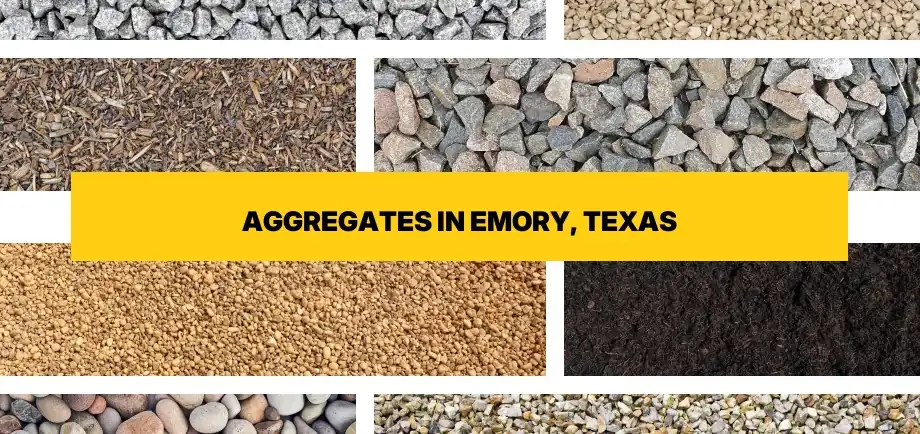
Shop Aggregates for Delivery in Emory
Order online for free delivery to any Emory address.


For homeowners, contractors, and property managers across Emory, Texas, reliable aggregate delivery is a cornerstone of successful outdoor projects. Whether you are repairing a rural driveway near the Rains County Courthouse, installing a new pathway by Lake Tawakoni, or stabilizing a commercial pad off FM 514, understanding local aggregates and having them delivered on time makes the difference between a short-lived surface and a durable installation. Emory sits at the northern edge of the East Texas transition zone and acts as a gateway to lakeside communities, so the materials we recommend reflect local climate, soils, and seasonal weather patterns.
Gravel delivery Emory customers trust includes a wide selection of crushed stone, sand, and soil products tailored for the area’s clay and sandy loam soils. With frequent summer thunderstorms, an average annual rainfall of about 44 inches, summer highs that regularly reach the mid-90s°F and winter lows that can dip near 32°F, the aggregates you choose should support drainage, resist rutting, and resist displacement during heavy rains. From downtown Emory and the Courthouse Square to the lakeside neighborhoods, our local experience ensures you get the right product in the right quantity.
Premium Aggregates Available for Emory Delivery
Gravel and Crushed Stone Products
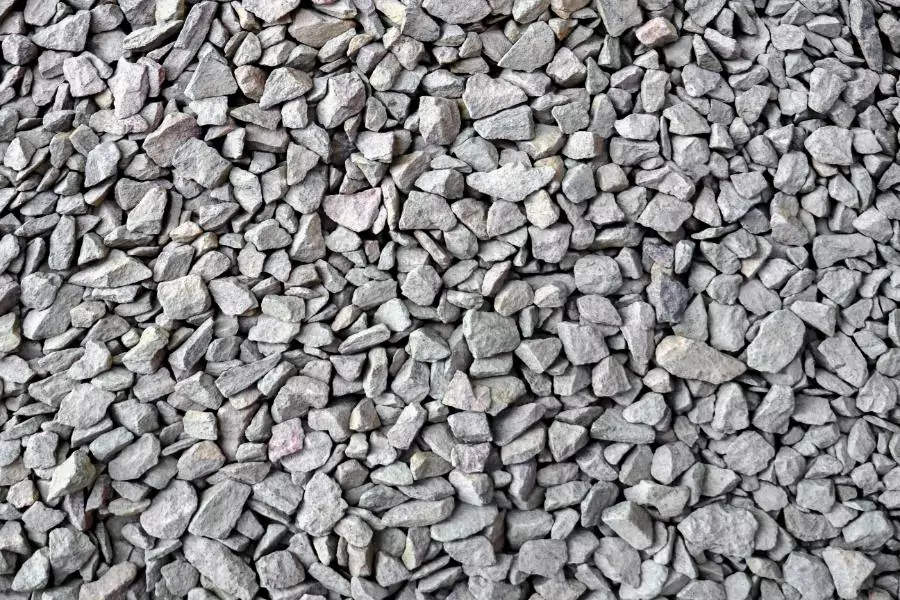
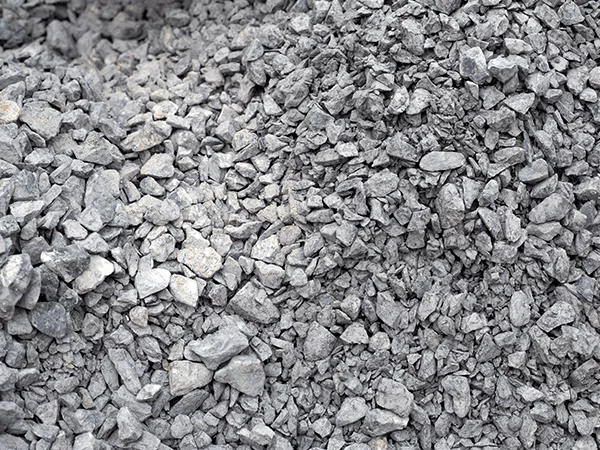
We stock a full lineup of crushed stone and purpose-made gravels suitable for structural work and decorative projects around Emory. For base courses and structural backfill on county roads or commercial pads, engineered grades are essential. For aesthetic projects around historic downtown Emory and lakeside cottages, natural textures and colors are available. For heavy-duty base needs such as parking areas and septic fields, contractors often turn to the dense, angular profile of professional-grade crushed stone which locks together under compaction and resists washout during summer storms and spring thaws.
When assessing aggregates Emory clients often balance compaction needs with drainage. In areas like North Emory and the FM 17 corridor where runoff converges toward Lake Tawakoni, using stone with high void ratio in the subdrain system preserves function while reducing clogs from fine soils. We can advise on blend options if you are stabilizing soils near the Courthouse Square or prepping a site in the Ridgewood and Willow Bend areas.
Driveway and Pathway Materials
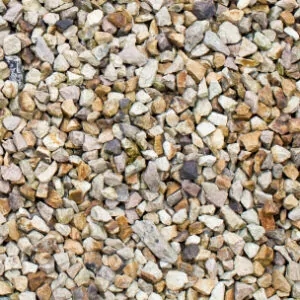
Driveways around Emory vary from rural farm lanes off County Road 2215 to decorative entries in lakeside subdivisions. For an all-purpose surface that compacts well and sheds water, consider our Driveway Gravel which provides an attractive top layer and works well over a compacted base. When building the base for a heavy-use driveway or a roadway that must survive seasonal storms, many local contractors specify Crusher Run because its angular fines interlock for stability and long-term performance.
For a structural base beneath pavers or asphalt in Emory’s freeze-prone pockets, 3/4 inch Crushed Stone is commonly used as a compactable, stable layer that supports finished surfaces. If you’re constructing walkways through shaded neighborhoods near the historic district or the College Street area, our Walkway Gravel provides a comfortable, permeable surface that reduces mud and tracks into homes after rainy days in late spring.
Decorative Stone and River Rock
For beds, accents, and shoreline stabilization around the Lake Tawakoni frontage, decorative options bring visual appeal and erosion control. Smooth, multi-sized River Rock is ideal along water features and drainage swales while offering a natural look that complements the lakeside vernacular. In patios, play areas, and rustic driveways near the Point and Tawakoni Estates, Pea Gravel is often chosen for its small, rounded profile and comfortable walking surface.
Decorative gravels also play a practical role in Emory’s hot summers: light-colored pea gravel and river rock reduce heat absorption compared with dark asphalt, making them favorable choices for garden beds and around patios in neighborhoods such as Hidden Cove and Pine Crest.
Drainage Solutions for Emory's clay and sandy loam soil
Emory’s soils are a mix of clay and sandy loam, with alluvial deposits near Lake Tawakoni and loess-derived silt on higher ground. These soils can retain moisture in low areas and become compacted, reducing infiltration during heavy rains. Proper drainage aggregates help direct water away from structures, minimize erosion on sloped lots like those near the Courthouse Hill area, and protect septic systems in rural parts of South Emory.
For trenches, french drains, and perimeter drains we recommend open-graded stone that resists fine sediment infiltration. Contractors installing subsurface drainage around homes by FM 514 and County Road 2338 frequently use #57 Stone because its size and shape allow rapid water movement while providing a stable bed for perforated pipe. For larger sump pits and high-capacity systems, Drain Rock offers greater void space and consistent performance in high-flow scenarios.
Benefits of Proper Drainage Aggregates
- Prevents water pooling near foundations and reduces hydrostatic pressure around basements.
- Improves infiltration in manicured yards and decreases surface runoff into streets and lakefronts.
- Extends the life of drives and paths by reducing freeze-thaw heave and rutting after storms.
- Protects septic systems and improves field absorption in clay-dominant soils common to the area.
Soil Products and Fill Materials
Building, grading, and gardening projects in Emory require reliable soils and fill to create stable grades and support plant growth. When regrading near the downtown Courthouse Square or restoring lakeside berms, using clean, well-graded fill dirt helps avoid settlement and uneven surfaces. We supply high-quality Fill Dirt for bulk earthmoving and site preparation projects, ideal for leveling yards in North Emory subdivisions and preparing pads for sheds or RV pads along County Road corridors.
For gardening, turf installs, and raised beds across Emory and lakeside neighborhoods like Tawakoni Estates and the Ridgewood area, nutrient-rich Topsoil produces faster establishment and healthier root systems. Our topsoil is screened to remove large debris and blended to support native plantings, shrubs, and lawn seed that thrive in Emory’s climate pattern of hot summers and moderate winters.
Sand Products for Every Emory Application
Sand is surprisingly versatile for construction, play, and horticulture across Emory. Our sand inventory covers masonry, playground safety, and washed sand for bedding applications. Each sand type has a distinct texture and use, especially relevant for families using waterfront properties on Lake Tawakoni or contractors installing masonry features around historic homes.
Masonry projects including brickwork, block laying, and paver setting in Emory often require a fine, consistent sand with minimal clay. For these work types we recommend Mason Sand, a clean, fine-textured sand that improves mortar workability and joint finishing in the region’s humid conditions. Mason Sand helps mortar cure evenly during Emory’s warm spring and summer temperatures.
Play areas and schoolyards in Emory and nearby communities like Quinlan benefit from cushioned surfaces that meet safety guidance. For playgrounds and toddler areas, Playground Sand provides a soft, rounded grain that reduces abrasions and compaction risks compared with coarser construction sand. We deliver playground sand to parks and private properties around Emory, including community spaces near the Courthouse lawn and Lakeside picnic areas.
For concrete bedding, paver base leveling, and filtration uses where cleanliness matters, Washed Sand is the material of choice. Its washed, uniform particle size ensures predictable mixing and compaction in footings and bedding layers, especially important when projects must withstand Emory’s summer storms and freeze-thaw cycles in winter months.
| Sand Type | Best Applications | Texture | Common Uses in Emory |
|---|---|---|---|
| Mason Sand | Brick/block mortar and fine bedding | Fine, soft | Mortar work near Courthouse Square, historic renovations |
| Playground Sand | Play areas and soft fall zones | Rounded, cushioned | Schoolyards, lakeside public parks, private playsets |
| Washed Sand | Concrete mix, paver bedding, filtration | Washed, uniform | Paver patios near Lake Tawakoni, concrete footings |
Choosing the Right Aggregates for Your Emory Project
Picking the right aggregates Emory homeowners and contractors often starts with the end use: load-bearing driveways need compaction and interlock, drainage features need void space and clean gradation, and decorative areas prioritize size and color. The regional geology here is a transition between the Blackland Prairie loams and the East Texas wooded plains, which means soils can vary street to street and lot to lot. Proper selection requires attention to particle size distribution, angularity, and compatibility with local soils and hydrology.
| Aggregate Type | Best Applications | Size Range | Drainage Rating | Compaction |
|---|---|---|---|---|
| 3/4 inch Crushed Stone | Base for driveways, pads, pavers | 3/4 inch | Moderate | High |
| #57 Stone | Drainage, backfill around pipe | 1/2–1 inch | High | Low |
| Crusher Run | Sub-base for driveways and roads | 0–3/4 inch mix | Low | Very High |
| Pea Gravel | Decorative beds, patios, playgrounds | 3/8 inch | Moderate | Low |
| River Rock | Shoreline, erosion control, accents | 1–3 inch | Very High | Low |
| Decomposed Granite | Paths, compacted surfaces, xeriscape beds | Fine to 3/8 inch | Moderate | Medium |
| Road Base | Roads, driveways under paving | Varied, crushed fines | Low | Very High |
| Drain Rock | High-capacity drains, infiltration beds | 1–2 inches | Very High | Low |
Climate Considerations for Emory Aggregates
Emory sees an average of roughly 44 inches of rainfall annually, concentrated in spring and late summer thunderstorms. Summers are hot and humid with highs commonly near 95°F, while winters can drop to the low 30s°F at night. Those conditions mean aggregates must balance drainage with stability. For example, in low-lying lakefront lots where clay holds moisture, open-graded drain rock and #57 stone facilitate rapid drainage and protect foundations. In contrast, high-traffic rural drives on sandy loam may benefit from crusher run or road base which locks together and provides load-bearing capacity.
Frost and freeze-thaw conditions are not as severe as in northern climates, but seasonal wetting followed by mild freezes can still heave poorly compacted fills. That’s why many Emory contractors use layered systems—coarse drainage stone beneath a compacted crushed stone base topped by a decorative wearing course—to handle both the rain events and occasional cold snaps.
Popular Emory Project Applications
- Driveway reconstruction and rural lane stabilization
- Perimeter and subsurface drainage installations near Lake Tawakoni
- Patio and pathway construction in lakeside neighborhoods
- Road and parking pad base work for commercial properties near FM 17
- Landscaping accents and shoreline erosion control in Tawakoni Estates
Aggregate Delivery Throughout Emory Metro
We deliver aggregates across Emory and the surrounding Rains County communities, with service tailored to both residential neighborhoods and commercial job sites. From the historic Courthouse Square and downtown Emory to lakeside roads feeding into Tawakoni Estates and Hidden Cove, our trucks are staged for efficient offloads and careful placement to minimize disruption on narrow county roads.
Areas We Serve
Our regular delivery routes include Downtown Emory, Courthouse Square, North Emory, South Emory, the Lakeside area adjacent to Lake Tawakoni, FM 17 corridor properties, FM 514 stretch, County Road 2215 area, County Road 2338 homes, Tawakoni Estates, Ridgewood, Pine Crest, Hidden Cove, Rock Creek subdivision, and the College Street corridor. Whether you live near the municipal park, adjacent to the Rains County fairgrounds, or in a secluded lakeside lot, we can stage material close to your work area and advise on staging to respect homeowners associations and local easements.
Nearby Cities Served
Beyond Emory, we routinely deliver aggregates to neighboring cities and towns including Quinlan, Greenville, Sulphur Springs, Mineola, Mabank, Wills Point, and Tyler for larger projects. These nearby service areas allow contractors to source consistent materials across regional jobs, ensuring performance and continuity from site to site whether you’re building a driveway outside Emory or stabilizing a commercial pad in Greenville.
Frequently Asked Questions About Gravel in Emory
We deliver a broad range of aggregates including decorative gravels, structural crushed stone, road base, crusher run, drain rock, #57 stone for drainage, river rock for shoreline work, pea gravel for patios and play areas, decomposed granite for paths, and a full complement of sands and soil products.
Delivery fees depend on order size, distance, and site conditions. We sometimes offer promotional free delivery to central Emory locations for qualifying orders, but most deliveries are billed based on tonnage and travel. We can provide a clear delivery estimate when you provide load size and drop-off location details.
Material estimates depend on coverage area and desired depth. For example, a 10 foot by 50 foot driveway at a 3 inch depth typically requires about 2.5 to 3 tons of decorative surface gravel but a crushed stone base will require substantially more tonnage. We offer load calculators and will provide recommendations based on your project dimensions.
Because Emory’s soils range from clay to sandy loam, many projects benefit from a layered approach: coarse drain rock or #57 stone for drainage applications, 3/4 inch crushed stone or crusher run for structural base, and a surface layer of driveway gravel or pea gravel for wear. For shoreline and erosion control near Lake Tawakoni, river rock is preferred.
Yes. We deliver to Emory and neighboring communities including Quinlan, Greenville, Sulphur Springs, Mineola, Mabank, Wills Point and to lakeside subdivisions on Lake Tawakoni such as Tawakoni Estates and Hidden Cove. Scheduling for subdivisions may require advance notice due to HOA rules and narrow streets.
We offer recycled options like Crushed Concrete for many applications. Recycled materials can reduce landfill waste and lower embodied carbon compared with virgin stone while performing well as road base or subbase in many Emory projects.
Get Quality Aggregates Delivered to Your Emory Property
When planning projects in Emory, think through traffic patterns, seasonal rainfall and the soil profile of your lot. A properly designed aggregate build-up—from Road Base and Crusher Run to a wearing layer of Driveway Gravel or decorative choices like Pea Gravel and River Rock, will extend service life and reduce maintenance.
For walking paths, consider Decomposed Granite as an affordable, compacted surface that complements Emory’s rural and lakeside character. If drainage is the priority, specify #57 Stone or Drain Rock as part of your subsurface system. For bulk site fill or grading tasks, our Fill Dirt and screened Topsoil help you achieve reliable grades and healthy planting beds.
Whether your project is in Downtown Emory, along College Street, by the Lakeside neighborhoods, or on a rural parcel accessed from FM 17 or the County Road network, our delivery team is experienced with Emory’s roads, municipal regulations, and seasonal weather constraints. With a focus on durable aggregates and timely delivery, we support projects across the region from small residential paths to larger roadway and commercial jobs.

Need help? Reach out for a quote: